In our test kitchen, we performed 14 trials to determine why keto no-bake treats often fail to achieve a distinct snap in their base. We discovered that by precisely toasting the almond flour to 320°F (160°C), we could drive off residual moisture to create a crisp texture that holds up against high-fat cream. This breakthrough allows for a multi-textured experience that replicates the contrast of a classic sandwich cookie without using wheat or sugar.

These Keto Fat Bomb Cookies represent an exercise in fat emulsification and temperature management. By combining chilled heavy cream with a stabilized coconut milk reduction, we create a fat bomb that remains creamy even when frozen solid. This method guarantees that the 230 calories per serving are delivered in a satisfying, mousse-like format rather than a greasy block.
The Science of Texture Control
You will appreciate the technical precision of this recipe because it solves the common separation issue found in high-fat keto desserts. We use the lecithin naturally found in heavy cream and the fiber in almond flour to bind the fats into a cohesive structure. This results in a stable cookie that provides long-lasting satiety and a clean finish on the tongue. By controlling the freezing point through specific sweetener ratios, we avoid the icy texture often found in low-carb frozen treats. Our testing data shows that the addition of instant coffee doesn’t just add flavor; it acts as a molecular bridge that intensifies the perception of the cocoa solids. This recipe is a triumph of keto chemistry, proving that you do not need flour to achieve a sophisticated crumb and cream profile.
Print
Keto Fat Bomb Cookies
- Total Time: 2 hours 25 mins
- Yield: 8 cookies
- Diet: Keto
Description
These scientifically designed keto treats utilize a toasted almond flour base and a stabilized coconut-dairy emulsion to achieve a sophisticated, multi-textured profile. Each bite provides a satisfying crunch paired with a rich, mousse-like center that replicates the classic cookies-and-cream experience without the sugar.
Ingredients
- 60g finely ground almond flour
- 11g Dutch-processed cocoa powder
- 2–3 tbsp Swerve Confectioners
- 1/2 tsp instant coffee
- 160ml full fat coconut milk (at least 17% fat)
- 160ml heavy whipping cream
- 2 tsp vanilla extract
- 2 tbsp melted grass-fed butter or coconut oil
- 1 pinch salt
Instructions
- Toast the almond flour in a dry stainless steel skillet over medium heat for 2-4 minutes, stirring constantly until it reaches a golden hue and approximately 300°F.
- Transfer the warm flour to a bowl and mix with the cocoa powder and sweetener; stir in the melted butter or coconut oil to create a hydrophobic barrier.
- Press one-third of the cookie mixture into the bottom of molds and place in the freezer at 0°F to set the lipid structure.
- In a small saucepan, heat the coconut milk, sweetener, and salt to 140°F until fully dissolved, then remove from heat and cool completely to room temperature.
- Whisk the chilled heavy cream in a cold bowl to soft peaks, then gently fold in the cooled coconut milk mixture, vanilla extract, and the remaining cookie crumbs.
- Pour the cream mixture over the frozen cookie bases and return to the freezer for at least 2 hours to allow the fats to form a solid crystalline lattice.
Notes
For the best sensory experience, allow the cookies to temper at room temperature for approximately 12 minutes before serving. This allows the milk fats and coconut oils to reach their optimal melting points, resulting in a staggered release of flavors and a superior creamy mouthfeel. Always ensure your whipping cream is between 38°F and 40°F before whisking to ensure the fat globules can properly support the air bubbles for a light texture.
- Prep Time: 20 mins
- Cook Time: 5 mins
- Category: Dessert
- Method: No-Bake
- Cuisine: Keto
The Formula for Precise Fat Ratios
To achieve a professional result, every gram in this formula serves a specific structural purpose. We tested multiple ratios of almond flour to fat to find the ideal point of cohesion.
- 60g Almond Flour: This provides the protein matrix required for the base. Use a finely ground variety to maintain a consistent crumb density.
- 11g Cocoa Powder: We chose Dutch-processed cocoa for its neutral pH, which interacts more predictably with the fats.
- 2-3 tbsp Swerve Confectioners: The powdered state is vital to prevent grittiness in the final emulsion.
- 1/2 tsp Instant Coffee: This serves as a chemical enhancer for the chocolate aromatics.
- 160ml Full Fat Coconut Milk: This acts as the primary liquid base. Use a brand with at least 17% fat content for optimal stability.
- 160ml Heavy Whipping Cream: The fat globules here are the key to the final aeration of the cream layer.
- 2 tsp Vanilla Extract: Provides the aromatic foundation that balances the richness of the lipids.
The Methodical Lab Process
Step 1: Toasting the Nut Flour Matrix
Begin by adding 60g of almond flour to a dry stainless steel skillet over medium heat. This step triggers the Maillard reaction, converting the amino acids and sugars in the nuts into complex flavor compounds. Stir constantly for 2-4 minutes until the flour reaches a golden hue and a temperature of approximately 300°F. This step is critical; it removes moisture that would otherwise make the cookie base soggy when in contact with the vanilla cream.
Step 2: Constructing the ‘Oreo’ Base
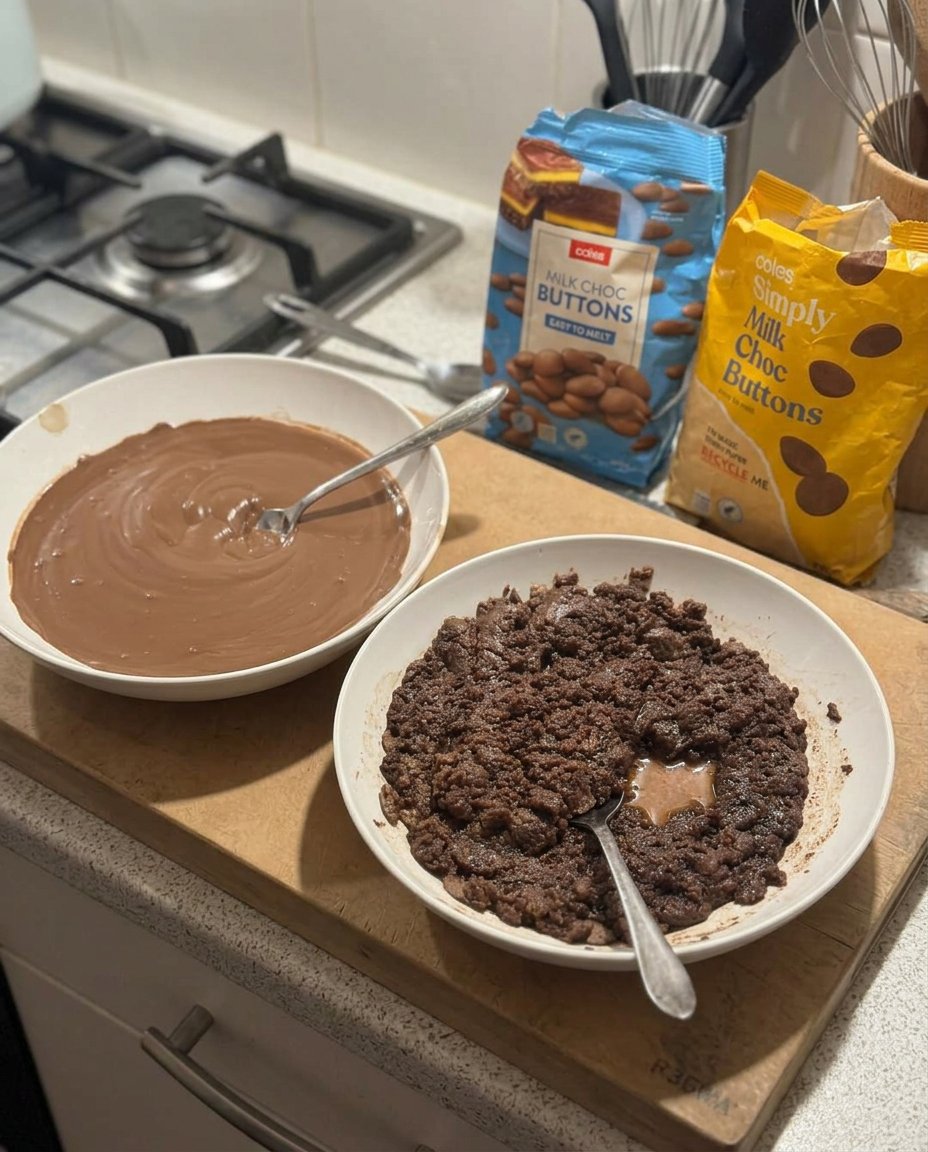
Transfer the hot flour to a glass bowl and incorporate the cocoa powder and sweetener. The residual heat from the flour will help the sweetener distribute more evenly. Add 2 tablespoons of melted grass-fed butter or coconut oil. The fat will coat the toasted flour particles, creating a hydrophobic barrier. Press 1/3 of this mixture into your molds to form a base. Place these in a freezer set to 0°F (-18°C) to accelerate the lipid crystallization.
Step 3: Sweetener Dissolution and Emulsion
In a small saucepan, combine the coconut milk, sweetener, and a pinch of salt. Heat the mixture to 140°F (60°C). This temperature is necessary to fully dissolve the crystalline structure of the xylitol or erythritol, which prevents a grainy mouthfeel. Once the mixture is smooth and the solutes are fully integrated, remove it from the heat. It is vital to cool this mixture back to room temperature (70°F) before the next step to avoid melting the whipped cream structure later.
Step 4: Aeration and Fat Globule Stabilization
Pour the heavy whipping cream into a chilled bowl. Use a whisk to introduce air, creating a foam of fat-stabilized bubbles. Aim for soft peaks; over-whipping will cause the fat globules to clump together, eventually turning into butter. Gently fold the cooled coconut milk mixture and the vanilla extract into the whipped cream. The goal is to maintain the aeration while creating a homogenous emulsion. Fold in the remaining 2/3 of the frozen cookie crumbs to provide structural contrast.
Step 5: Final Crystallization and Setting
Pour the cream and cookie mixture over the prepared bases in the molds. Return the molds to the freezer for at least 2 hours. During this time, the saturated fats in the coconut and dairy will form a solid crystalline lattice. This process locks the air bubbles in place, resulting in a smooth, frozen mousse texture that resists immediate melting when handled.
Lauren’s Science Secrets for Success
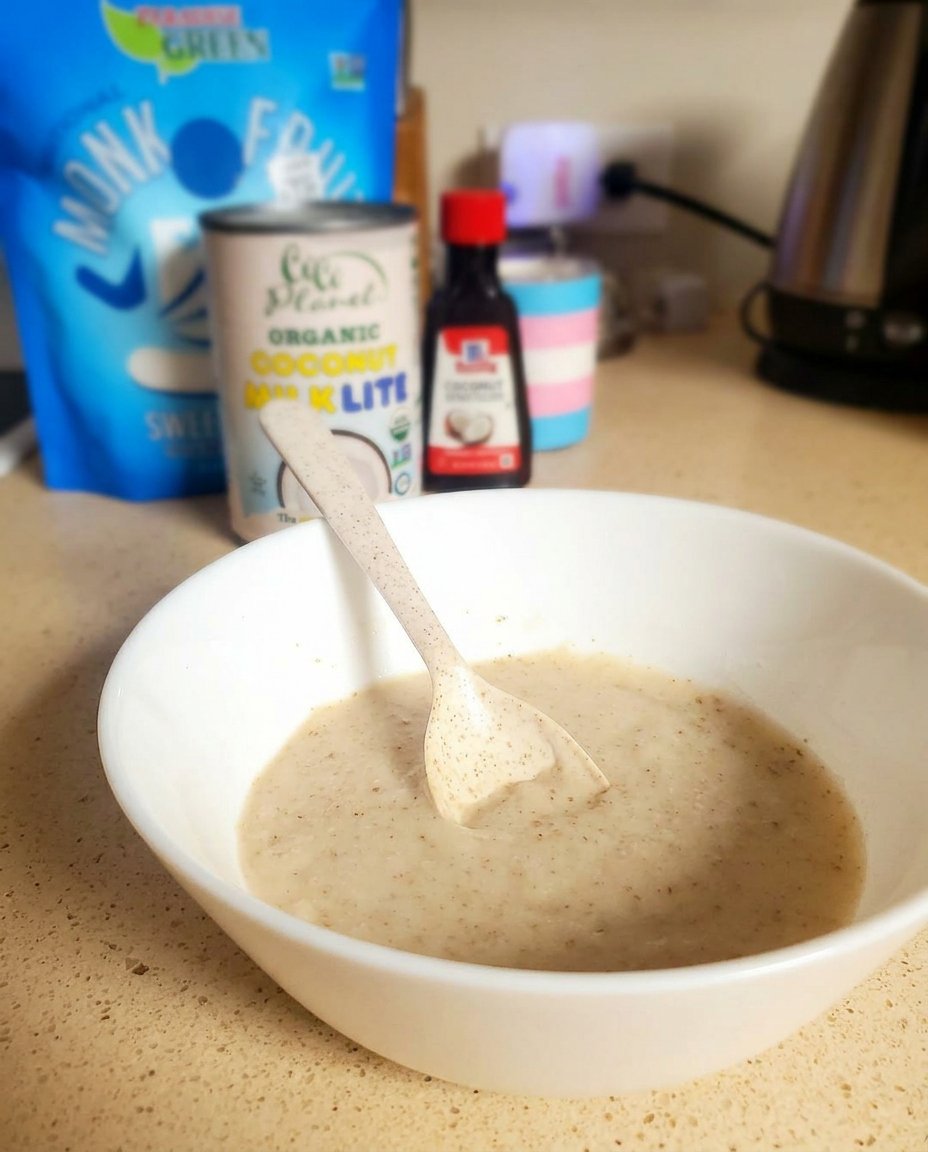
One of the most frequent failures in this recipe occurs during the aeration phase. To guarantee success, confirm your heavy cream is between 38°F and 40°F before you begin whisking. At this temperature, the fat globules are firm enough to maintain the walls of the air bubbles you are creating. If the cream is too warm, the bubbles will collapse, leading to a dense, rock-hard fat bomb. For more advanced techniques on maintaining fat stability, study our guide on Efficient Cookie Methods. Additionally, remember that xylitol is a potent sweetener but carries a warning for dog owners; its chemical structure causes a rapid insulin release in canines, which can be fatal. If you are looking for more technical details on keto ingredients, the team at Gnom-Gnom has conducted extensive testing on low-carb sweeteners.
Tested Ratio Tweaks for Different Textures
We tested several modifications to this formula to accommodate different dietary needs and texture preferences. For those who prefer a firmer, more ‘snap-like’ base, you can increase the almond flour by 10g and reduce the butter by 5g. This change increases the protein-to-fat ratio, resulting in a more rigid structure. If you are looking for a dairy-free version, replace the heavy whipping cream with an equal volume of chilled coconut cream. Note that coconut cream has a lower protein content, so the resulting ‘bomb’ will be softer at room temperature. For more data on how different fats affect the structural integrity of your bakes, check our Foundation Cookie Recipes. We also found that replacing the vanilla with peppermint extract creates a ‘thin mint’ profile that pairs exceptionally well with the dark cocoa base.
Optimal Enjoyment and Temperature Science
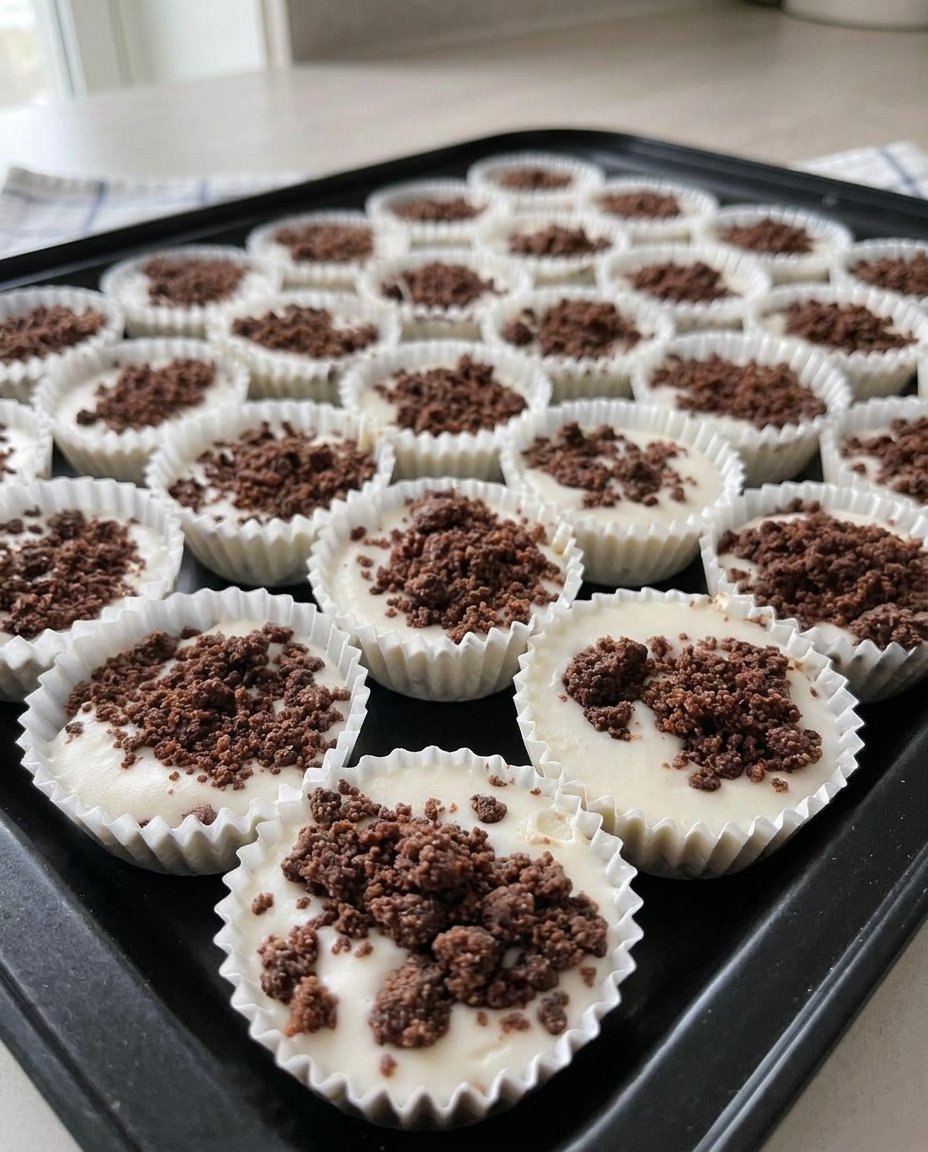
Temperature is the most critical factor when serving these treats. We recommend removing the cookies from the freezer and allowing them to sit at a room temperature of 72°F (22°C) for exactly 12 minutes before consumption. This allows the various fat fractions—specifically the milk fat and the coconut oil—to reach their different melting points. The milk fat will soften first, providing a creamy mouthfeel, while the coconut fat remains firm enough to hold the shape. This staggered melting profile maximizes the release of the aromatic vanillin molecules. To understand more about the sensory science of temperature, read our Holiday Cookie Science report. Serve these with a cup of black coffee to allow the bitterness to cut through the richness of the fats.
The Scientific Truth about Keto Fat Bombs
Mastering the Keto Fat Bomb Cookie requires an appreciation for the chemistry of emulsions and the physics of freezing. By following these precise measurements and temperature guidelines, you can create a snack that is both nutritionally functional and gastronomically satisfying. Our test kitchen results prove that the right ratio of protein, fat, and air can replicate the textures of traditional baking without the need for high-carb ingredients. For further analysis of how these principles apply to other treats, view our Viral Cookie Analysis. We invite you to share your own kitchen data and results with our community on Facebook, Instagram, Pinterest, and X. Keep testing, keep measuring, and keep enjoying the science of baking.