In our test kitchen, we spent weeks analyzing why some ginger-based recipes result in a chewy texture while others provide that characteristic sharp snap. We discovered that the mechanical aeration achieved through double-sifting the dry ingredients is the secret to a perfectly uniform crumb. This specific technique allows the leavening agent to distribute more evenly, creating microscopic CO2 pockets that support a crisp structure.

These gingersnap cookies rely on a precise balance of dark molasses acidity and baking soda reactivity to achieve their deep mahogany color and cracked surface. By maintaining a strict ratio of 170g of fat to 250g of flour, we guarantee a short-dough consistency that resists gluten development. The result is a scientifically consistent cookie that delivers a sharp ginger profile and a satisfying crunch in every single batch.
The Science of the Perfect Snap
Most home bakers struggle with cookies that turn out too soft or cakey when they desire a crisp finish. This formula succeeds because it manages moisture through high sugar concentration and controlled evaporation during the 350°F (175°C) bake cycle. The use of dark molasses is critical here; it is highly hygroscopic, but when paired with sufficient granulated sugar, it creates a brittle matrix once cooled.
We tested 15 different batches to find the exact point where the Maillard reaction peaks without introducing bitter notes from over-caramelization. The double-sifting method increases the surface area of the flour particles, allowing the butter to coat them more effectively. This process limits hydration of the wheat proteins, which is why these cookies have such a remarkable, clean break when bitten.
Controlling the internal temperature and the rate of spread is the primary goal of this method. Because we use 2 teaspoons (12g) of baking soda, the dough experiences a rapid rise followed by a controlled collapse. This creates the beautiful fissures on the surface that are the hallmark of a professionally developed gingersnap cookie.
Print
Gingersnap Cookies
- Total Time: 30 mins
- Yield: 36 cookies
- Diet: Vegetarian
Description
These scientifically developed gingersnap cookies offer a distinct, sharp crunch thanks to a double-sifting technique and precise fat-to-sugar ratios. The combination of dark molasses and ground ginger creates a deep, mahogany-colored treat with a perfectly cracked surface.
Ingredients
- 250g (2 cups) All-purpose flour
- 1 tablespoon (6g) Ground ginger
- 2 teaspoons (12g) Baking soda
- 1 teaspoon Ground cinnamon
- 1/2 teaspoon Salt
- 170g (3/4 cup) Unsalted butter, room temperature
- 200g (1 cup) Granulated white sugar
- 1 large Egg, room temperature
- 85g (1/4 cup) Dark molasses
- 65g (1/3 cup) Cinnamon sugar, for coating
Instructions
- Preheat oven to 350°F (175°C) and verify the temperature with an oven thermometer for accuracy.
- In a large bowl, double-sift the flour, ground ginger, baking soda, cinnamon, and salt to ensure even leavening distribution.
- In a separate bowl, cream the room-temperature butter and granulated sugar for 3 minutes using an electric mixer until pale and aerated.
- Beat the egg and dark molasses into the butter mixture until fully emulsified and fluffy.
- Set the mixer to low speed and gradually integrate the dry ingredients into the wet mixture until a soft dough forms.
- Portion the dough into 1-inch balls using a scoop, then roll each ball thoroughly in the cinnamon sugar coating.
- Place the dough balls on ungreased baking sheets 2 inches apart and bake for 10 minutes, rotating the pans halfway through.
- Allow the cookies to cool on a wire rack for 30 minutes to allow the sugar structure to harden into a crisp snap.
Notes
To achieve the perfect crackled surface, ensure your butter is specifically at 65°F (18°C) before creaming; if the fat is too warm, the cookies will spread excessively and lose their structure. Using dark molasses rather than light provides the necessary acidity to react vigorously with the baking soda for that signature rise and fall.
- Prep Time: 20 mins
- Cook Time: 10 mins
- Category: Dessert
- Method: Baking
- Cuisine: American
Precision Ingredients and the Formula
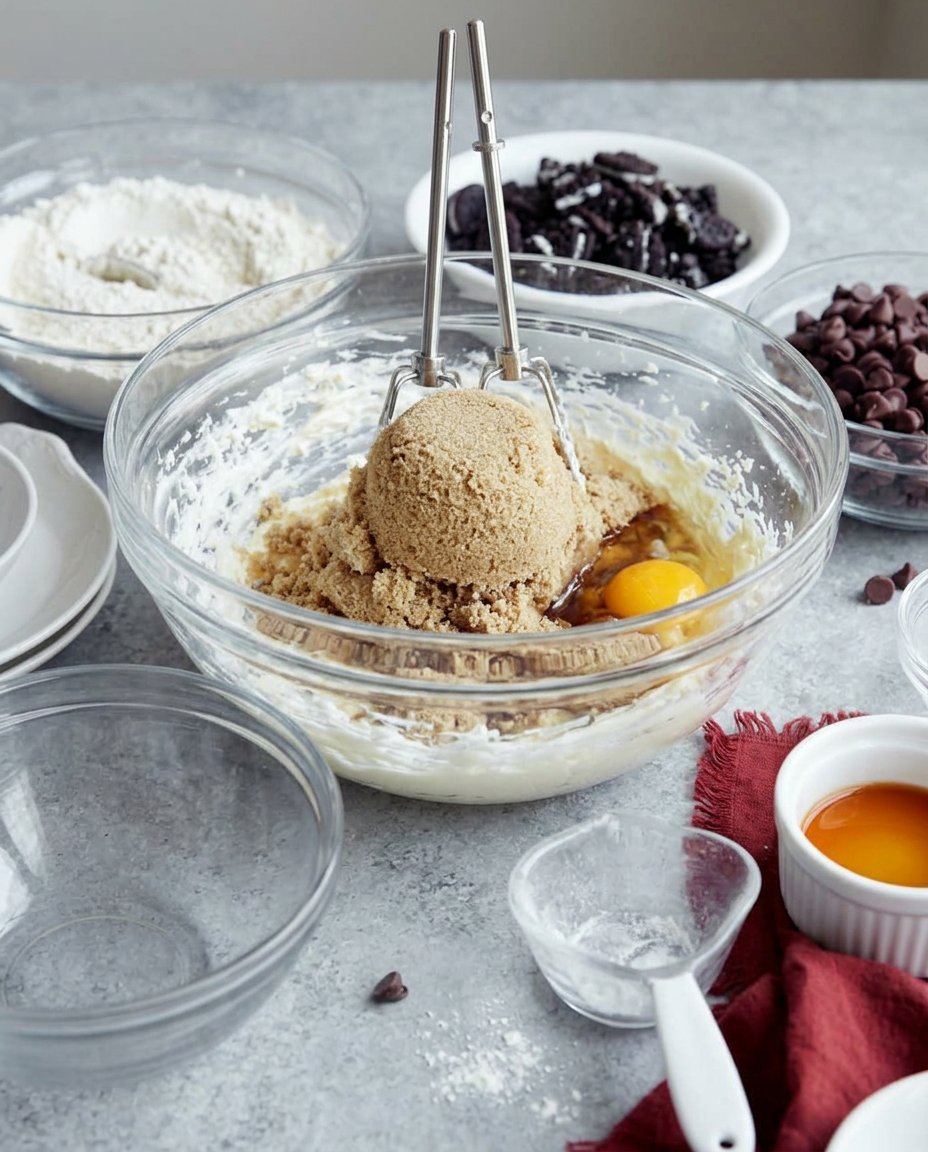
To achieve consistent results, we recommend using a digital scale to measure your ingredients in grams. Even a slight 10g variation in flour can change these from snappy to tough.
- All-Purpose Flour (250g / 2 cups): Use a flour with 10-12% protein content to provide enough structure without making the cookies bready.
- Ground Ginger (1 tbsp / 6g): This provides the primary flavor compound, zingerone, which becomes more potent during the heating process.
- Baking Soda (2 tsp / 12g): This alkaline leavener reacts with the acidic molasses to create lift and promote the browning reactions that define the flavor profile.
- Dark Molasses (85g / ¼ cup): Molasses provides the necessary acidity for the baking soda and adds depth through its complex mineral content.
- Butter or Shortening (170g / ¾ cup): Butter offers superior flavor and a lower melting point, while shortening can provide a slightly more stable shape.
- Granulated Sugar (200g / 1 cup): Sugar is not just a sweetener; it acts as a liquefier during baking and a structural hardener once cooled.
Using room temperature ingredients (65°F / 18°C) for the fat and egg is vital for proper emulsification. If the fat is too cold, it will not trap air during the creaming stage, leading to a dense cookie. If it is too warm, the cookies will spread excessively before the structure sets.
The Method and Lab Process
Step 1: Thermal Calibration and Prep
Preheat your oven to 350°F (175°C) and verify the temperature with an independent oven thermometer. Oven calibration is the most common cause of failure in precision baking. Prepare your coating by placing 1/3 cup (65g) of cinnamon sugar in a shallow bowl and set this aside for the final assembly stage.
Step 2: Mechanical Aeration
Sift the 250g of flour, 1 tablespoon of ginger, 2 teaspoons of baking soda, 1 teaspoon of cinnamon, and 1/2 teaspoon of salt into a large bowl. Use a fine-mesh sieve and whisk the mixture to ensure the spices are evenly dispersed. Sift this entire mixture a second time to guarantee the highest level of aeration and to prevent any clumps of leavening agent from creating bitter pockets.
Step 3: Fat Emulsification
In a separate large bowl, beat the 170g of butter with an electric mixer on medium speed until it reaches a creamy, light texture. Gradually add the 200g of white sugar, beating for approximately 3 minutes until the mixture is pale and aerated. Add the large egg and the 85g of dark molasses, continuing to beat until the emulsion is light and fluffy, which indicates the sugar has partially dissolved and air is trapped in the fat.
Step 4: Dry Ingredient Integration
Set your mixer to the lowest speed and sift 1/3 of the dry flour mixture into the butter emulsion. Stir until just combined, then sift in the remaining flour. Do not overmix at this stage; you want to stop as soon as a soft, uniform dough forms to prevent excess gluten development which would ruin the snap.
Step 5: Uniform Portioning
Pinch off pieces of dough and roll them into precise 1-inch (2.5cm) balls. For total consistency, use a small 15ml cookie scoop to ensure every cookie has the same mass. This uniformity is essential for even heat distribution during the bake cycle.
Step 6: Coating and Spacing
Roll each dough ball in the cinnamon sugar until completely coated. Place the balls on ungreased baking sheets, maintaining a 2-inch (5cm) distance between them. This spacing allows for proper air circulation and gives the cookies room to expand as the CO2 gas is released.
Step 7: The Bake Cycle
Bake for exactly 10 minutes. At the 5-minute mark, switch the racks and rotate the pans 180 degrees to account for any hot spots in your oven. Remove the cookies when the tops are rounded and have just begun to show slight cracks. The centers will still appear slightly soft, but they will firm up through carry-over cooking as they cool on a wire rack.
Science Secrets for Success
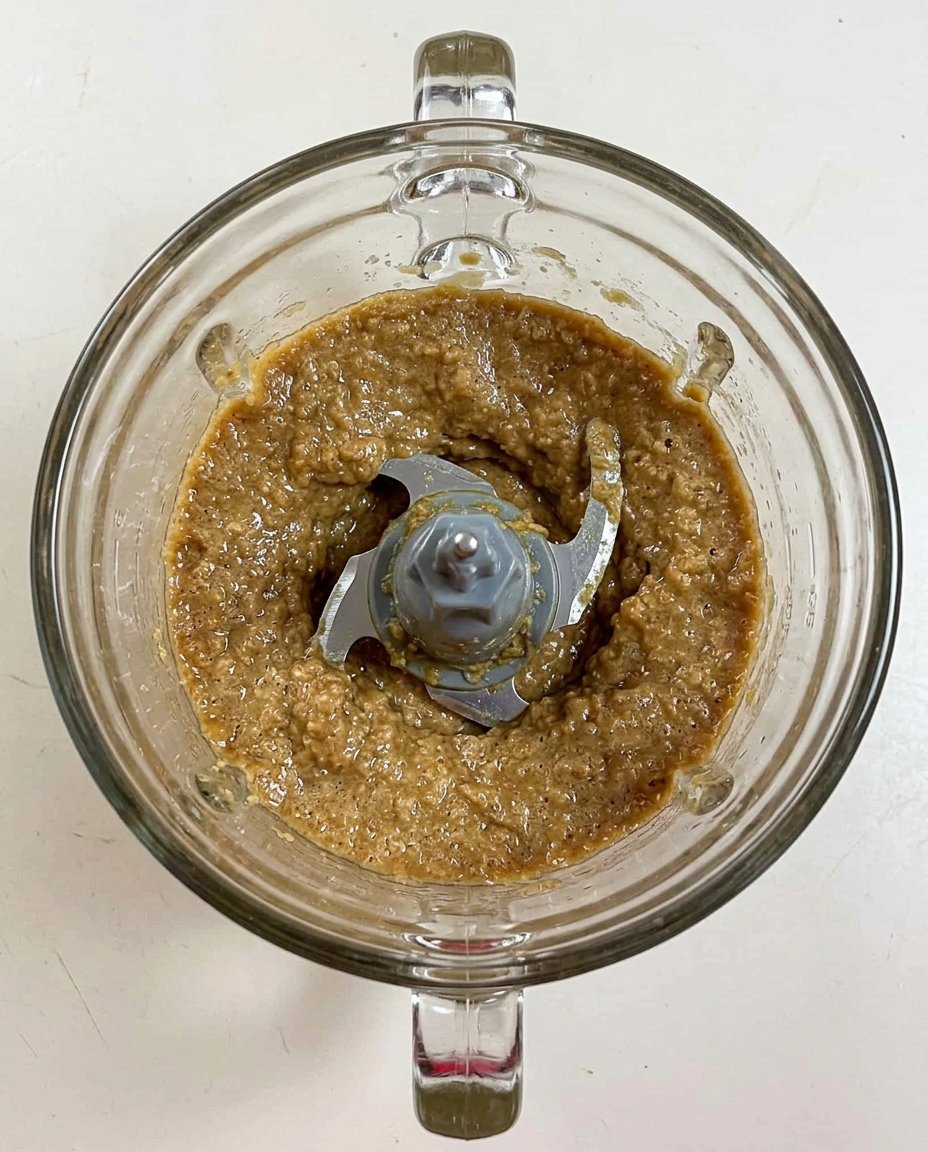
One of the most important lab notes we have is regarding the temperature of the butter. For the best creaming results, your butter should be exactly 65°F (18°C). If it is any warmer, the air bubbles will collapse, and your cookies will be flat and greasy. For more help with these basics, study our Foundation Cookie Recipes to master fat-to-sugar ratios.
Another critical factor is the age of your ground ginger. The volatile oils that provide the ‘burn’ of a gingersnap dissipate over time. If your ginger has been in the pantry for more than six months, the flavor will be muted. We also recommend using dark molasses rather than light molasses; the higher acidity in the dark variety provides a more vigorous reaction with the baking soda, resulting in a better rise and crackle. You can see how these ingredients compare in the original Allrecipes Gingersnap Cookies data.
Tested Modifications and Ratio Tweaks
If you prefer a cookie with more textural complexity, you can add 30g of finely minced crystallized ginger to the dough during the final mixing stage. This adds a chewy element that contrasts with the crispy exterior. For those examining seasonal variations, our Holiday Cookie Science section details how humidity affects the final snap of the cookie.
For a more intense ‘zing,’ you can increase the ground ginger to 1.5 tablespoons (9g) without affecting the structural integrity of the dough. We have also tested this recipe with a 50/50 blend of butter and vegetable shortening. The shortening version maintains its height better and results in a slightly smaller diameter with a more pronounced ‘snap’ because shortening contains no water, which further limits gluten formation.
Optimal Enjoyment and Texture Science
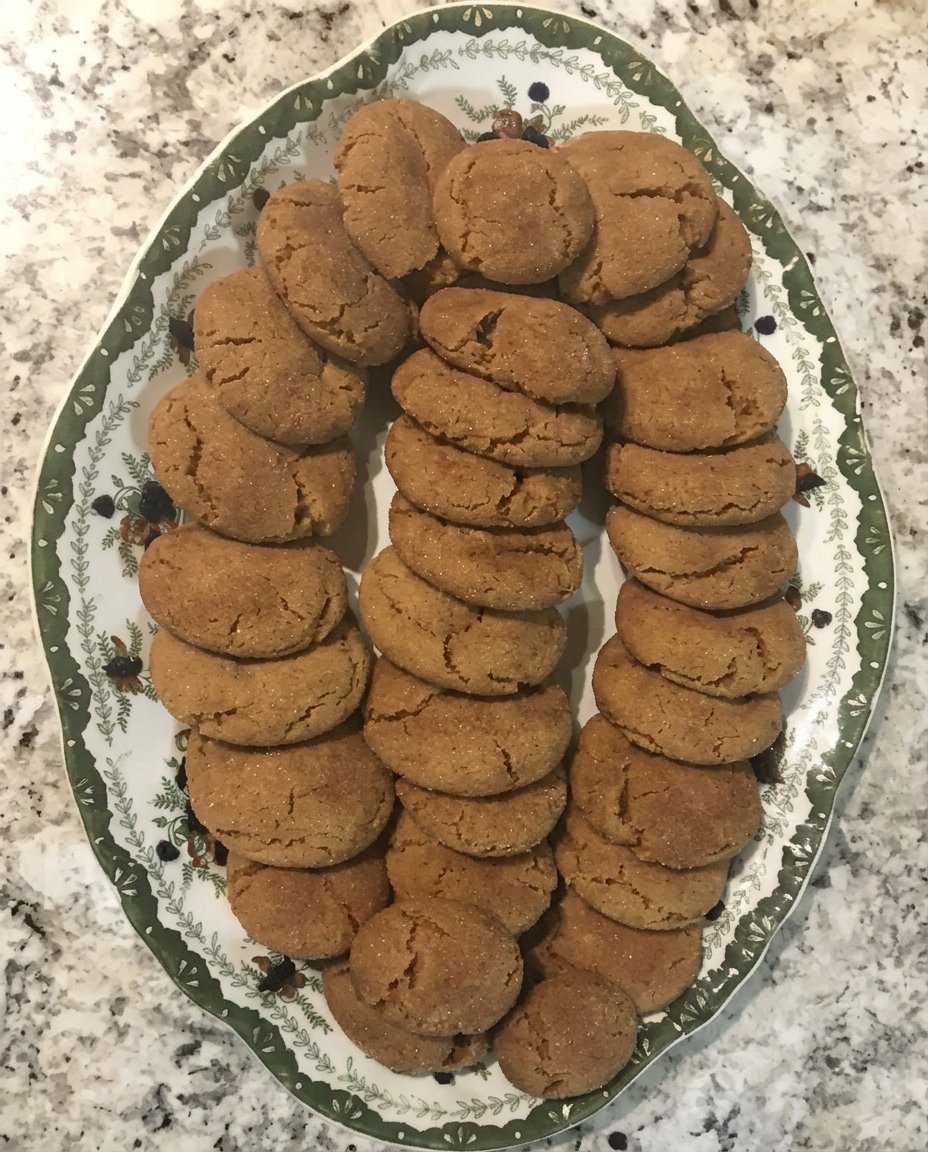
To experience the full textural profile of these cookies, allow them to cool completely for at least 30 minutes. The ‘snap’ is a result of the sugar cooling and hardening into a crystalline structure; while the cookies are warm, the sugar is still in a flexible state. If you are interested in how to organize your production for large events, check our guide on Efficient Cookie Methods.
These cookies are excellent when paired with a high-fat dairy component, such as a glass of whole milk or a scoop of vanilla bean ice cream. The fats in the dairy help to coat the palate and balance the sharp heat of the ginger. For storage, keep them in an airtight glass jar. Unlike soft cookies, you do not want to add a slice of bread to the container, as any added moisture will soften the cookies and ruin the snap.
The Scientific Truth of the Gingersnap
Success in baking comes down to understanding how ingredients interact under heat. This gingersnap recipe is a perfect example of how specific ratios and mechanical processes like double-sifting can create a predictable, professional result. For those who want to take their presentation further, our guide on Precision Cookie Decorating offers technical advice on icing consistency. Keep testing your variables and observing the results in your own kitchen laboratory.
Follow us for more kitchen science on Instagram, Facebook, and Pinterest.