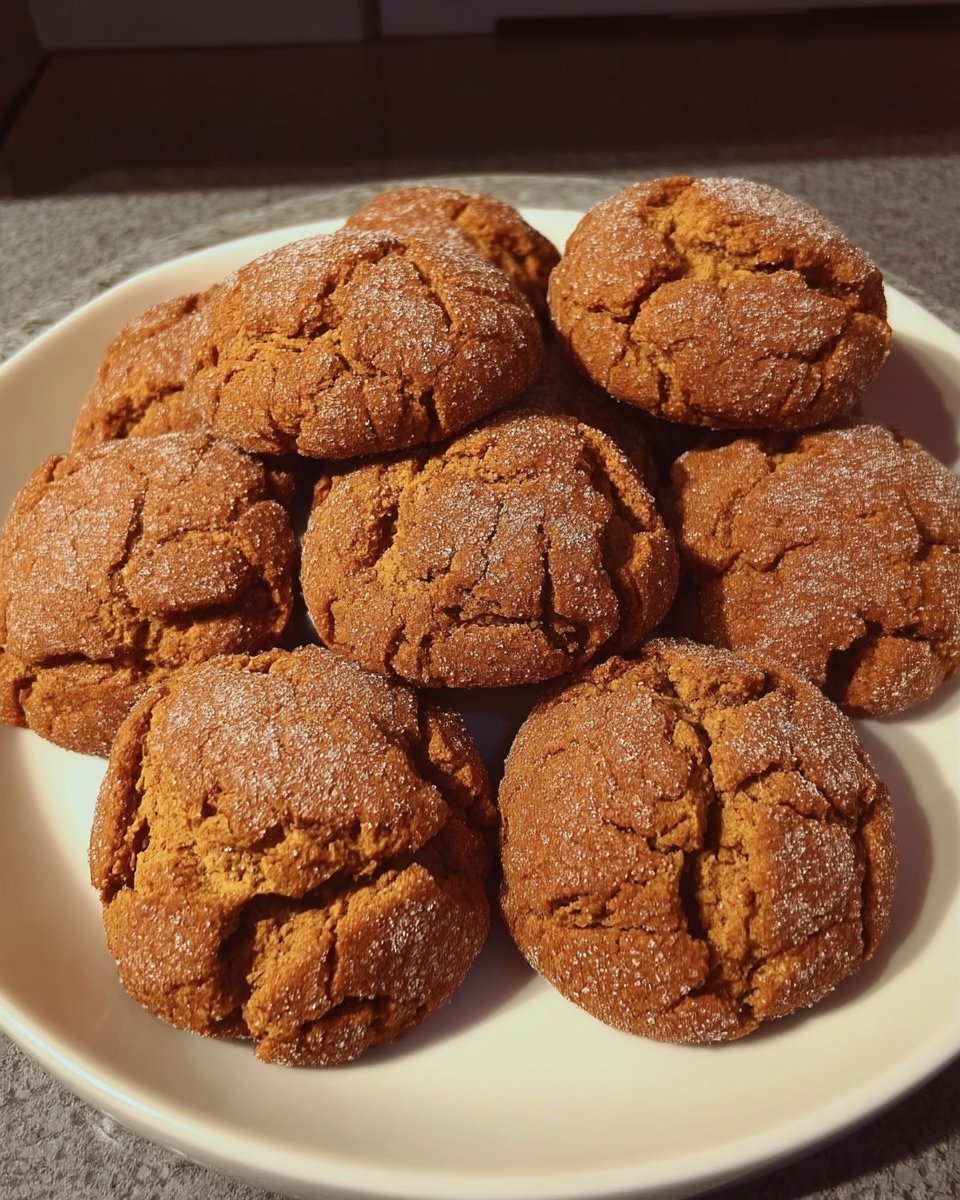
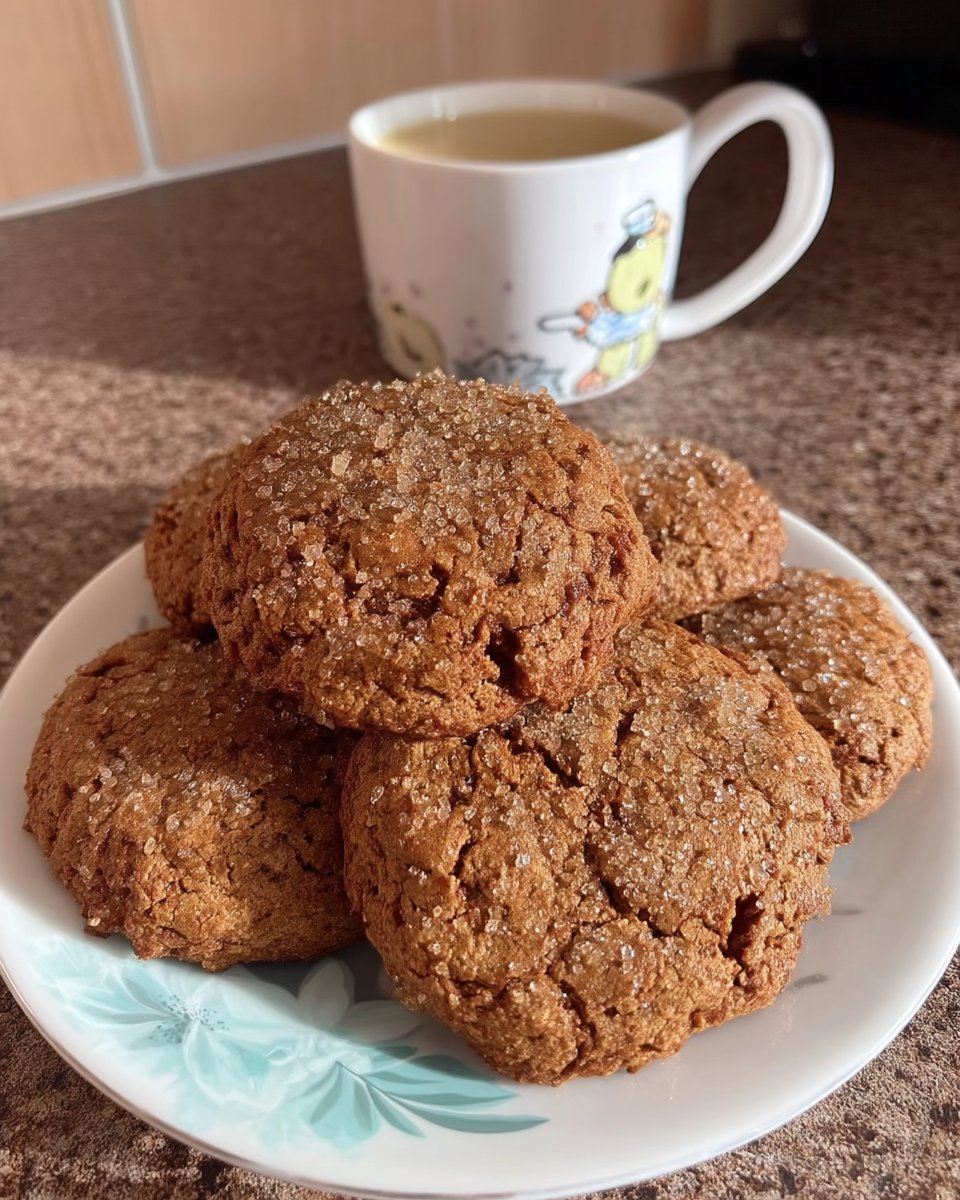
The molecular structure of butter is the true protagonist in the chemistry of these Shortbread Cookies 2. When we beat the butter, we aren’t just mixing; we are creating a microscopic network of air pockets supported by fat solids. This process, known as aeration, dictates the final crumb density and how the cookie dissolves on the tongue.

This specific formula focuses on the delicate interplay between wheat proteins and added starches. By introducing cornstarch, we physically obstruct the formation of long gluten chains, resulting in a ‘short’ texture that crumbles effortlessly. It is a precise manipulation of moisture and solids to produce a clean, buttery finish.
The Flavor Science of Shortness
The primary reason these Shortbread Cookies 2 are so successful is the deliberate inhibition of gluten. In traditional baking, water and flour combine to form elastic proteins that provide chew, but here, we want the opposite. By using a high ratio of fat to flour, the lipids coat the wheat proteins, preventing them from bonding. This creates the signature ‘short’ crumb that is the hallmark of high-quality Scottish-style treats.
You will also notice the clean flavor profile that only comes from high-quality lipids. Because there are no eggs or leavening agents like baking soda to compete, the natural buttery notes are the main focus. The addition of salt serves as a taste modulator, suppressing any metallic notes from the flour while heightening the perception of sweetness from the powdered sugar. This is a study in simplicity where every component must be perfect because there is nowhere for flaws to hide.
Print
Shortbread Cookies
- Total Time: 1 hour 25 mins
- Yield: 24 cookies
- Diet: Vegetarian
Description
Experience the perfect balance of buttery richness and a delicate, crumbly texture with these scientifically-perfected shortbread cookies. By utilizing cornstarch to inhibit gluten development, this recipe yields a sophisticated treat with a professional ‘short’ crumb.
Ingredients
- 1 cup unsalted butter, softened
- 1/2 cup powdered sugar
- 1 teaspoon vanilla extract
- 2 cups all-purpose flour
- 2 tablespoons cornstarch
- 1/4 teaspoon table salt
Instructions
- In a large mixing bowl, beat the softened butter with an electric mixer until it is light, creamy, and pale in color.
- Gradually add the powdered sugar and continue stirring until the mixture is fully integrated and smooth.
- Add the vanilla extract and stir well to distribute the flavor molecules through the fat.
- In a separate bowl, whisk together the all-purpose flour, cornstarch, and salt to ensure even distribution.
- Gradually add the flour mixture to the wet ingredients, stirring until just combined without overworking the dough.
- Form the dough into a disc, wrap in plastic, and chill in the refrigerator for at least 60 minutes.
- Preheat your oven to 350F (175C) and line a baking sheet with parchment paper.
- Roll the chilled dough on a lightly floured surface to a thickness of 1/8 to 1/4 inch and cut into desired shapes.
- Arrange cookies 2 inches apart on the baking sheet and bake for 9-11 minutes until the edges are barely golden.
- Allow cookies to cool completely on a wire rack before serving or dipping in melted chocolate.
Notes
For the most precise texture, ensure your butter is softened to room temperature but not oily, which allows for optimal aeration during the creaming stage. If you choose to dip these in chocolate, a very light sprinkle of fleur de sel can further enhance the buttery profile of the cookie.
- Prep Time: 15 mins
- Cook Time: 10 mins
- Category: Dessert
- Method: Baking
- Cuisine: Scottish
The Architecture of Taste
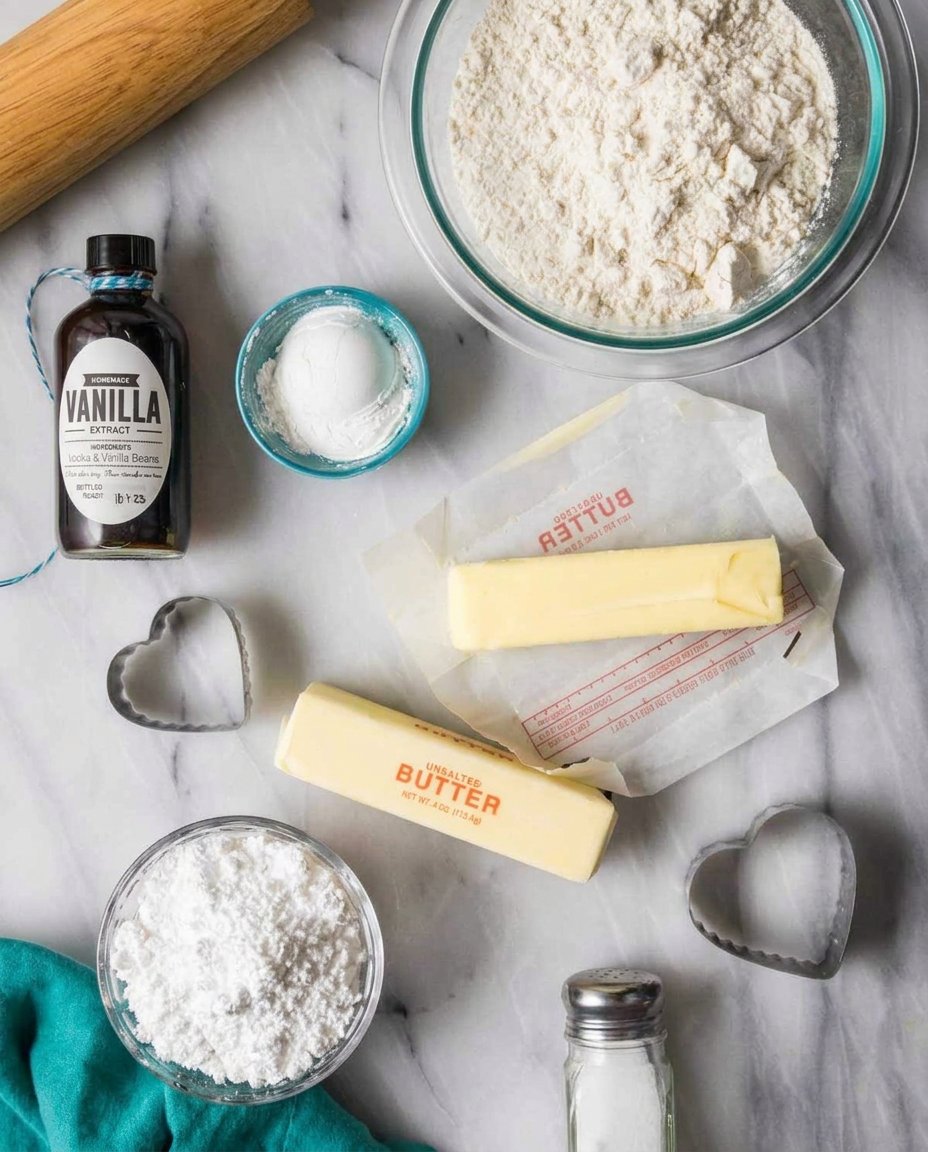
To achieve the perfect balance of flavor and texture, we must examine the specific role of each component in this Shortbread Cookies 2 formula. Every gram of material contributes to the final sensory experience.
- Unsalted Butter: The foundation of the cookie. It provides the essential lipids that determine the ‘melt’ factor. High-fat butter contains less water, which is crucial for preventing excess gluten development.
- Powdered Sugar: Also known as confectioners’ sugar, this contains a small amount of cornstarch. Its fine particle size allows it to dissolve rapidly into the butter emulsion, creating a smoother texture than granulated sugar.
- Vanilla Extract: This provides vanillin, an aromatic compound that tricks the brain into perceiving the cookie as sweeter and more complex without adding more sucrose.
- All-Purpose Flour: Provides the necessary starch matrix. The protein content here is just enough to hold the cookie together while remaining tender.
- Cornstarch: This is our secret weapon for texture. It dilutes the flour’s protein content, ensuring the final product remains crumbly rather than tough.
- Table Salt: Salt is a flavor catalyst. It reduces the bitterness of the flour and sharpens the aromatic impact of the vanilla.
The Flavor Method
Step 1: Creaming the Lipids
In a large mixing bowl, use an electric mixer to beat the softened butter until it is lightened and creamy. This step is about mechanical aeration; we are trapping tiny air bubbles that will expand slightly in the oven to create a delicate crumb. Continue until the color pales.
Step 2: Incorporating the Sweetener
Gradually add the powdered sugar, stirring until the mixture is light and creamy. The sugar should be fully integrated into the fat emulsion so that no grittiness remains. This creates a uniform dispersion of sweetness throughout the dough.
Step 3: Adding the Aromatics
Add the vanilla extract and stir well. The alcohol in the extract helps distribute the vanillin molecules throughout the fat, which will later release their aroma as the cookies bake and the fats melt.
Step 4: Whisking the Dry Matrix
In a separate bowl, whisk together the flour, cornstarch, and salt. Whisking confirms that the cornstarch is evenly distributed through the flour, which is vital for maintaining a consistent ‘short’ texture in every bite.
Step 5: Forming the Emulsion
Gradually add the flour mixture to the wet ingredients. Stir until completely combined but do not overmix. Overworking the dough at this stage can lead to gluten development, which would make the cookies tough instead of crumbly.
Step 6: Chilling for Stability
Form the dough into a disc and wrap it in plastic wrap. Chill in the refrigerator for at least 60 minutes. Chilling allows the fats to solidify and the flour to fully hydrate, which prevents the cookies from spreading too much during the baking process.
Step 7: Preparing the Thermal Environment
Once the dough is nearly done chilling, preheat your oven to 350F (175C) and line a baking sheet with parchment paper. Proper preheating is essential for the immediate expansion of air pockets when the dough hits the heat.
Step 8: Shaping the Cookies
Remove the dough and roll it out on a lightly floured surface until it is between 1/8 to 1/4 inch thick. Use a cookie cutter to make precise cuts. Spacing them 2 inches apart confirms even heat distribution around each cookie.
Step 9: The Maillard Phase
Bake for 9-11 minutes. You are looking for the edges to just begin turning a very light golden brown. This indicates that the Maillard reaction has begun, creating complex toasted flavor compounds without burning the delicate dairy fats.
Step 10: Cooling and Coating
If you desire a deeper flavor profile, melt chocolate and dip the completely cooled cookies. The contrast between the fatty chocolate and the crumbly cookie creates a fascinating textural harmony.
Jasmine’s Flavor Notes
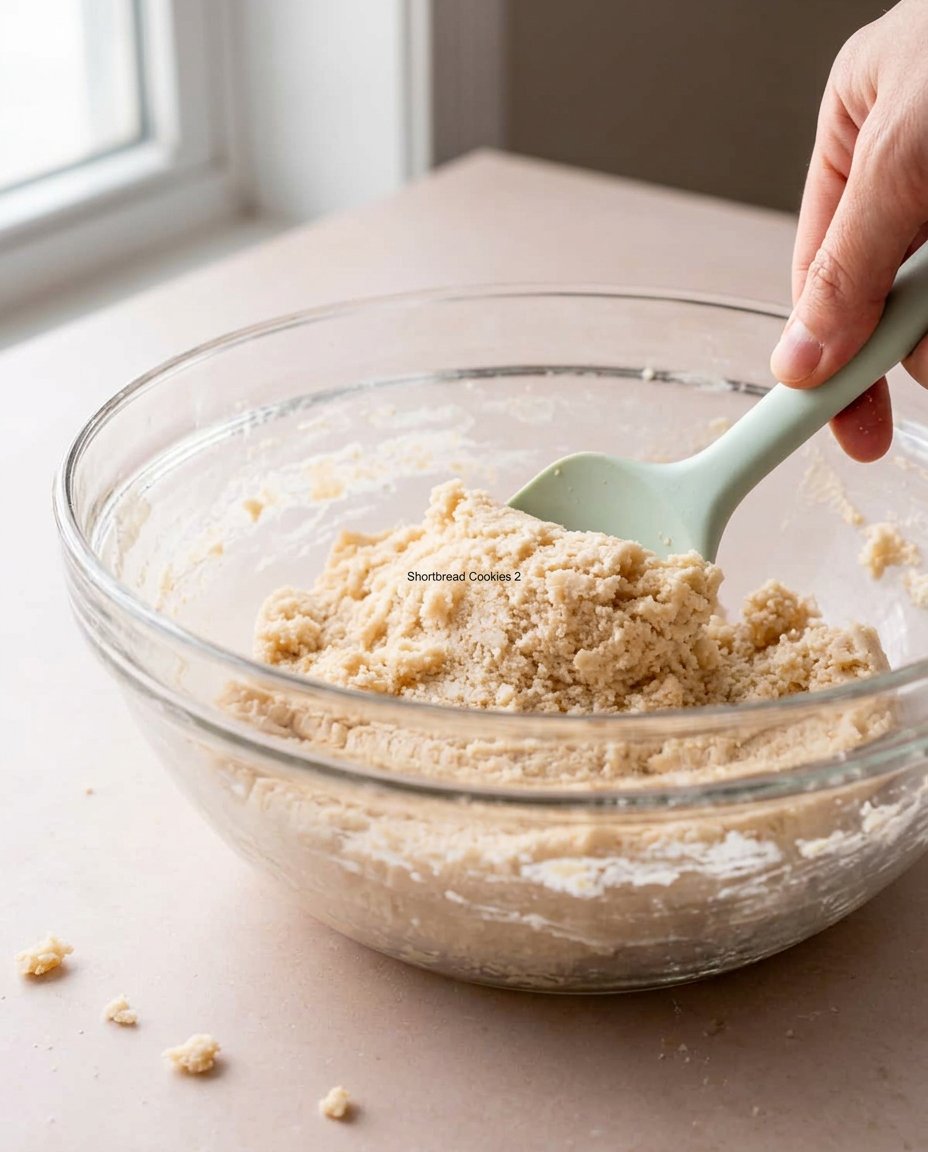
To achieve the best results with Shortbread Cookies 2, I recommend using European-style butter. European butters typically have a higher butterfat percentage and lower water content compared to standard American varieties. Less water means less gluten activation, which results in a noticeably more tender crumb. Additionally, the fermentation process used in many European butters adds a subtle tang that balances the sugar perfectly.
Placement of salt is also a secret to layering flavor. While we add salt to the dough, a tiny pinch of flaky sea salt on top of the chocolate dip can create a ‘flavor spike’ that makes the butter taste even richer. For more foundational techniques, you can look at our guide on Efficient Cookie Methods to perfect your workflow.
Scientific Flavor Swaps
If you want to experiment with the chemistry of this recipe, try making a brown sugar version. By reducing the powdered sugar and adding brown sugar, you introduce molasses. The acidity in the molasses reacts differently with the flour, and the moisture creates a slightly chewier internal structure. You should also increase the cornstarch to 3 tablespoons to maintain the ‘shortness’ of the crumb.
For a different aromatic profile, substitute the vanilla extract with vanilla bean paste. The tiny seeds contain high concentrations of vanillin and other volatile compounds that provide a more intense sensory experience. For more seasonal ideas, check out our Holiday Cookie Science section. You can also see how others approach this classic by looking at this best shortbread cookie recipe for further comparison.
Taste Enjoyment and Pairings
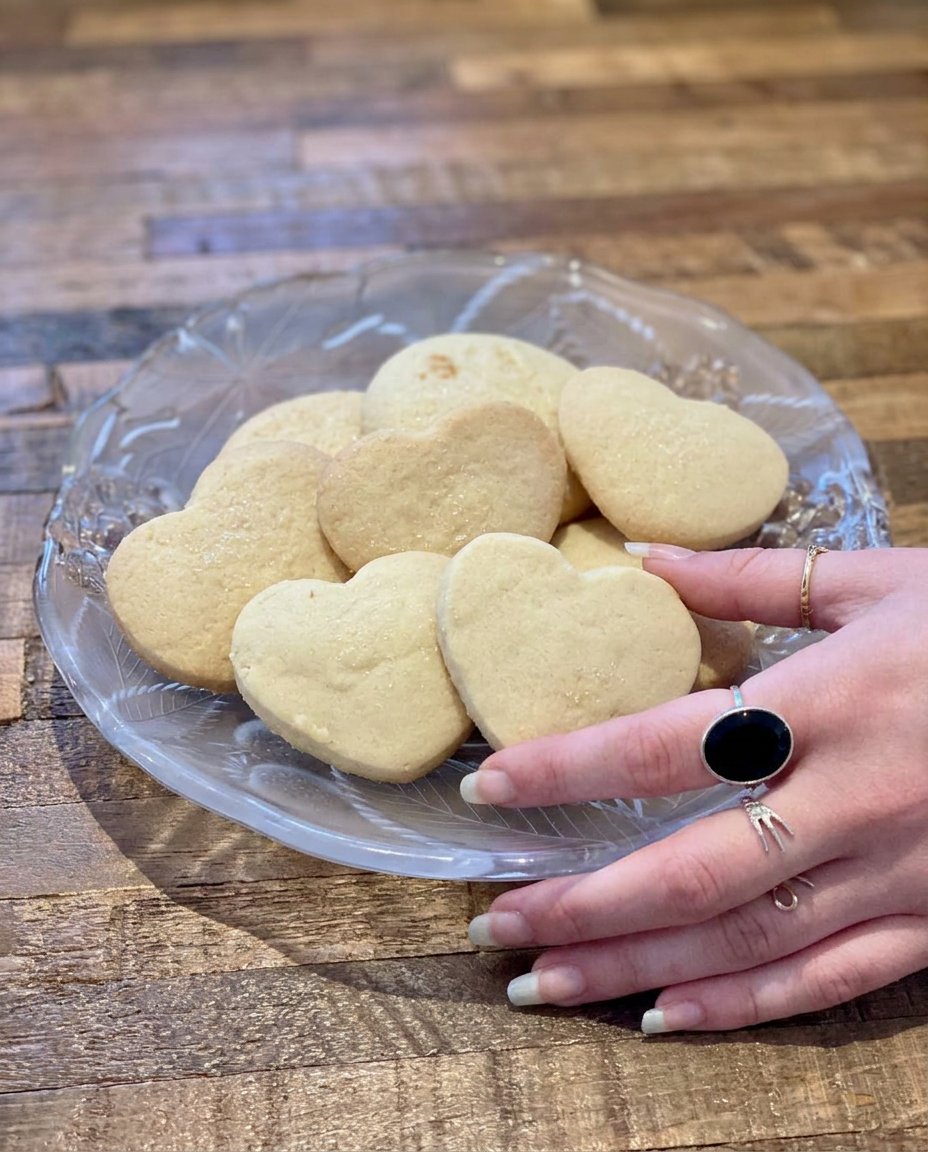
These Shortbread Cookies 2 are best served alongside a hot beverage like Earl Grey tea or a light roast coffee. The polyphenols in tea and the acidic notes in coffee help cleanse the palate of the heavy fats in the butter, making each bite taste as fresh as the first. The heat from the drink also helps melt the fats on your tongue, releasing the aromatic vanillin more effectively.
If you are planning a dessert spread, consider these as a neutral base that pairs beautifully with tart fruit preserves. The acidity of a raspberry or lemon curd cuts through the richness of the shortbread. For more ideas on building a balanced dessert plate, see our Foundation Cookie Recipes for complementary textures.
The Final Flavor Analysis
Understanding the science behind Shortbread Cookies 2 allows you to appreciate the complexity hidden within a simple three-ingredient base. By controlling gluten through fat saturation and using cornstarch to refine the crumb, you have created a masterpiece of texture. This recipe is a perfect example of how precision in the kitchen leads to a superior sensory experience. For more deep dives into cookie chemistry, examine our Viral Cookie Analysis.
If you enjoyed this flavor journey, please share your results with us! You can find more tips and science-based baking on our Pinterest, Instagram, and Facebook pages. Happy baking!