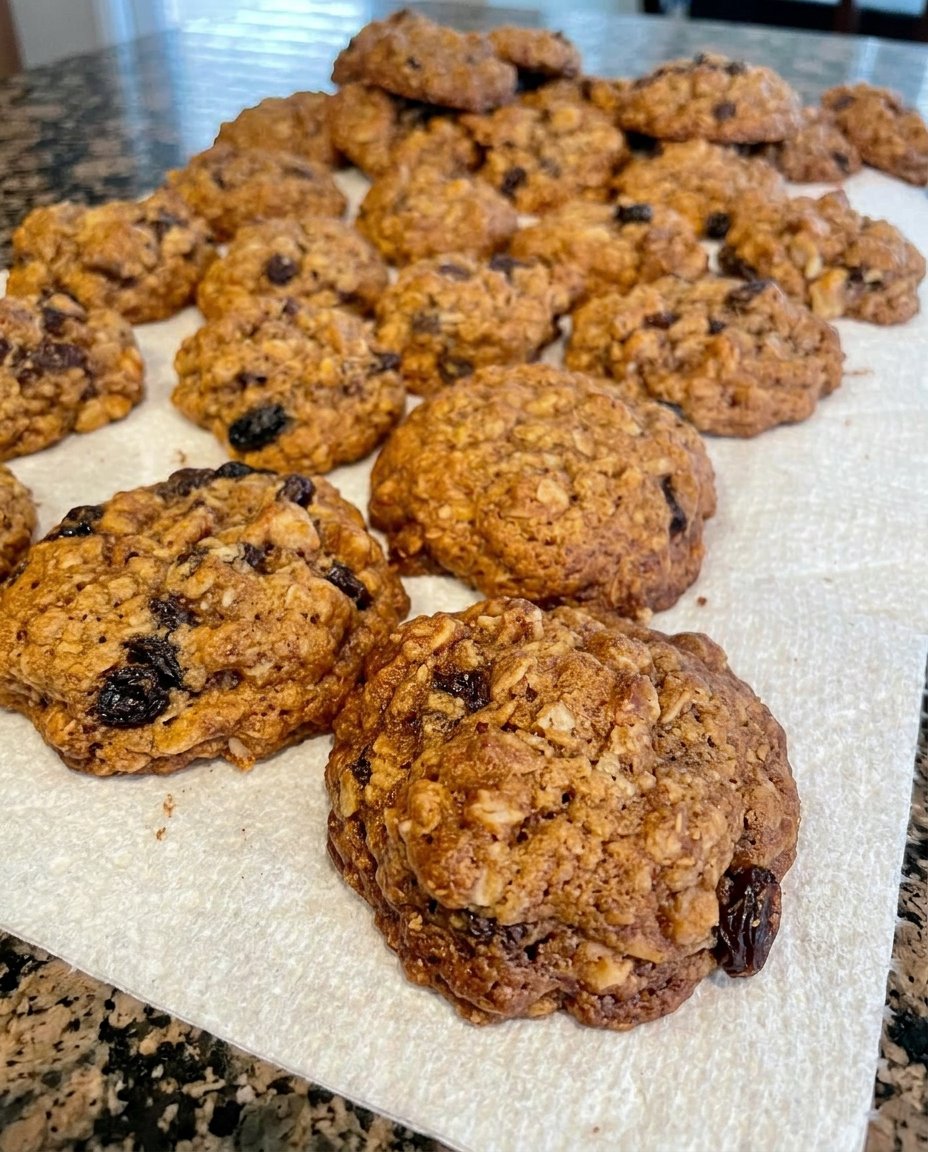
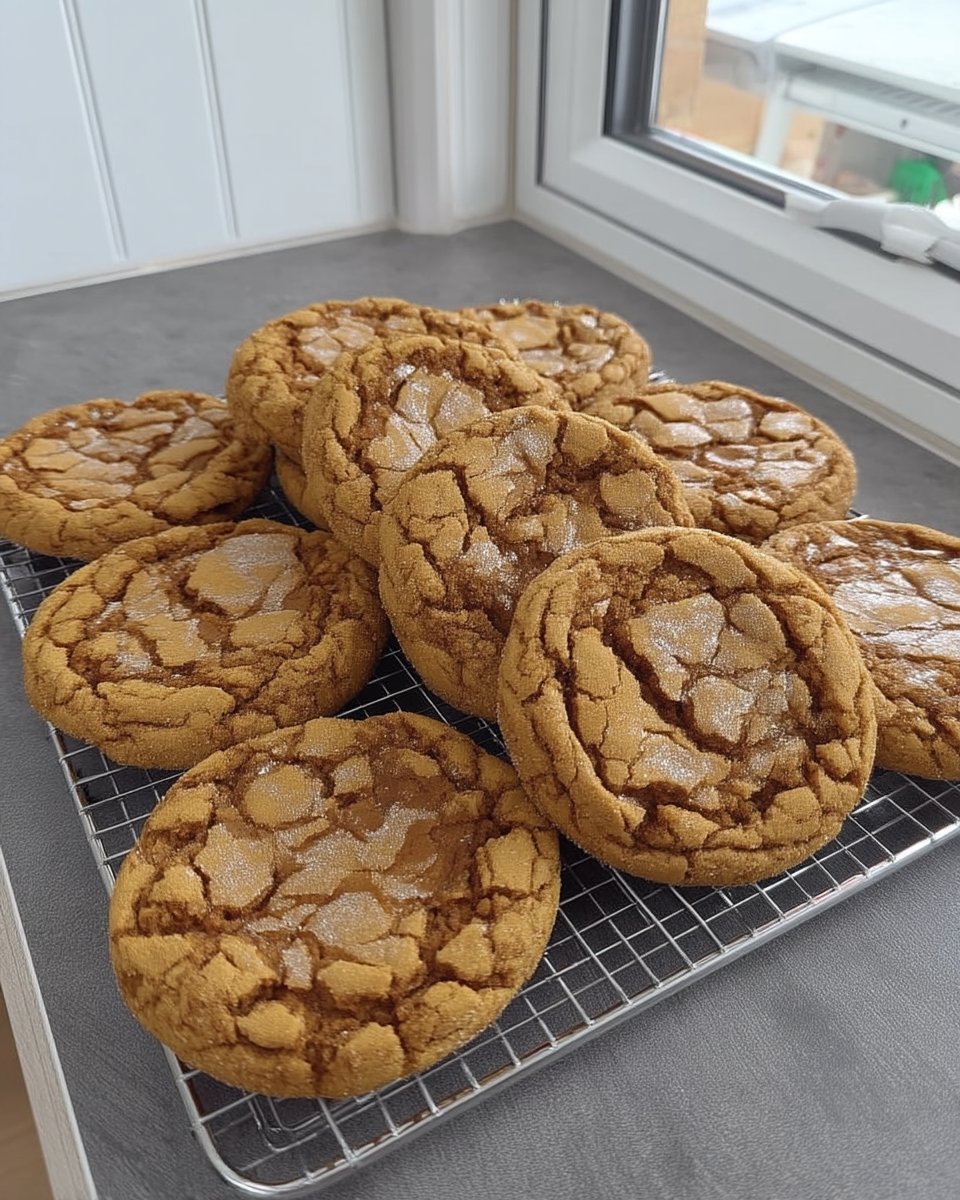
While investigating the aromatic profile of stone fruits, I discovered that apricots contain high concentrations of gamma-decalactones, which produce that velvety, characteristic fruit scent. These lactones share a structural similarity with the fatty acid chains found in salted butter, creating a natural flavor bridge that feels both chemically balanced and nostalgically familiar. This Apricot Thumbprint 2 recipe relies on this specific molecular synergy to create a sensory experience that is far more complex than a standard shortbread cookie.

The physical structure of these cookies is a study in moisture management and fat distribution, ensuring a tender crumb that holds a concentrated jam reservoir. By manipulating the ratio of sucrose to glucose through the addition of apricot jam, we achieve a specific textural contrast between the crisp, buttery base and the tacky, pectin-rich center. It is a formula designed for those who appreciate the intersection of high-end pastry science and the comfort of a classic thumbprint shape.
The Flavor Science Behind the Bite
You will appreciate this recipe because it prioritizes the Maillard reaction and pectin stabilization for a superior mouthfeel and taste. The inclusion of an egg yolk introduces lecithin, a powerful natural emulsifier that binds the water-based vanilla and jam components to the high-fat butter base, preventing the cookie from becoming greasy or crumbly in a dry way. Instead, you get a cohesive, melting texture that dissolves uniformly on the palate.
Furthermore, the use of both granulated white sugar and brown sugar is a strategic choice for moisture control. The molasses content in the brown sugar acts as a humectant, retaining just enough hydration to keep the center of the cookie tender while the exterior develops a beautiful golden-brown hue. This careful balance of sugars also creates a more complex sweetness, where the slight acidity of the molasses complements the tartness of the apricot jam. It is an intentional layering of flavors that ensures every bite is intellectually satisfying and delicious.
Finally, the salt placement in this recipe is crucial. By using salted butter rather than adding salt later, we ensure that the sodium ions are evenly distributed throughout the fat phase of the dough. This suppresses any perceived bitterness in the flour and amplifies the perception of sweetness in the jam, making the apricot flavor pop without needing excessive amounts of added sugar. This is the essence of flavor science: using simple ingredients in precise ratios to maximize their natural chemical potential.
Print
Apricot Thumbprint 2
- Total Time: 32 mins
- Yield: 24 cookies
- Diet: Vegetarian
Description
This refined thumbprint cookie recipe utilizes a precise balance of salted butter and dual sugars to create a tender, structural crumb. The concentrated apricot jam center provides a bright acidic contrast to the rich, vanilla-infused shortbread base.
Ingredients
- 1 cup salted butter, softened
- 1/2 cup granulated white sugar
- 1/4 cup packed brown sugar
- 1 egg yolk
- 1 teaspoon vanilla extract
- 2 cups all-purpose flour
- 1/3 cup apricot jam
Instructions
- Preheat your oven to 350℉ (175℃) and line baking sheets with parchment paper.
- In a large bowl, cream the softened salted butter, granulated sugar, and brown sugar with an electric handheld mixer on high speed for at least 1 minute.
- Add the egg yolk and vanilla extract to the mixture and continue beating until light and fluffy.
- Incorporate the all-purpose flour at low speed, mixing only until just combined to avoid over-developing gluten.
- Scoop dough into 1 tablespoon portions, roll into smooth balls, and place on baking sheets with 2 inches of spacing.
- Create an indentation in the center of each ball using your thumb or a floured 1/2 teaspoon measuring spoon, then fill each reservoir with apricot jam.
- Bake for 10-12 minutes until the bottoms are slightly golden and the jam is bubbling, then cool on the sheet for 10 minutes.
Notes
For the cleanest aesthetic, ensure the dough balls are rolled until completely smooth to prevent cracking during the indentation process. If the jam is very thick, give it a quick stir before filling the cookies to help it settle evenly into the reservoirs.
- Prep Time: 20 mins
- Cook Time: 12 mins
- Category: Dessert
- Method: Baking
- Cuisine: American
Essential Flavor Components and Compounds
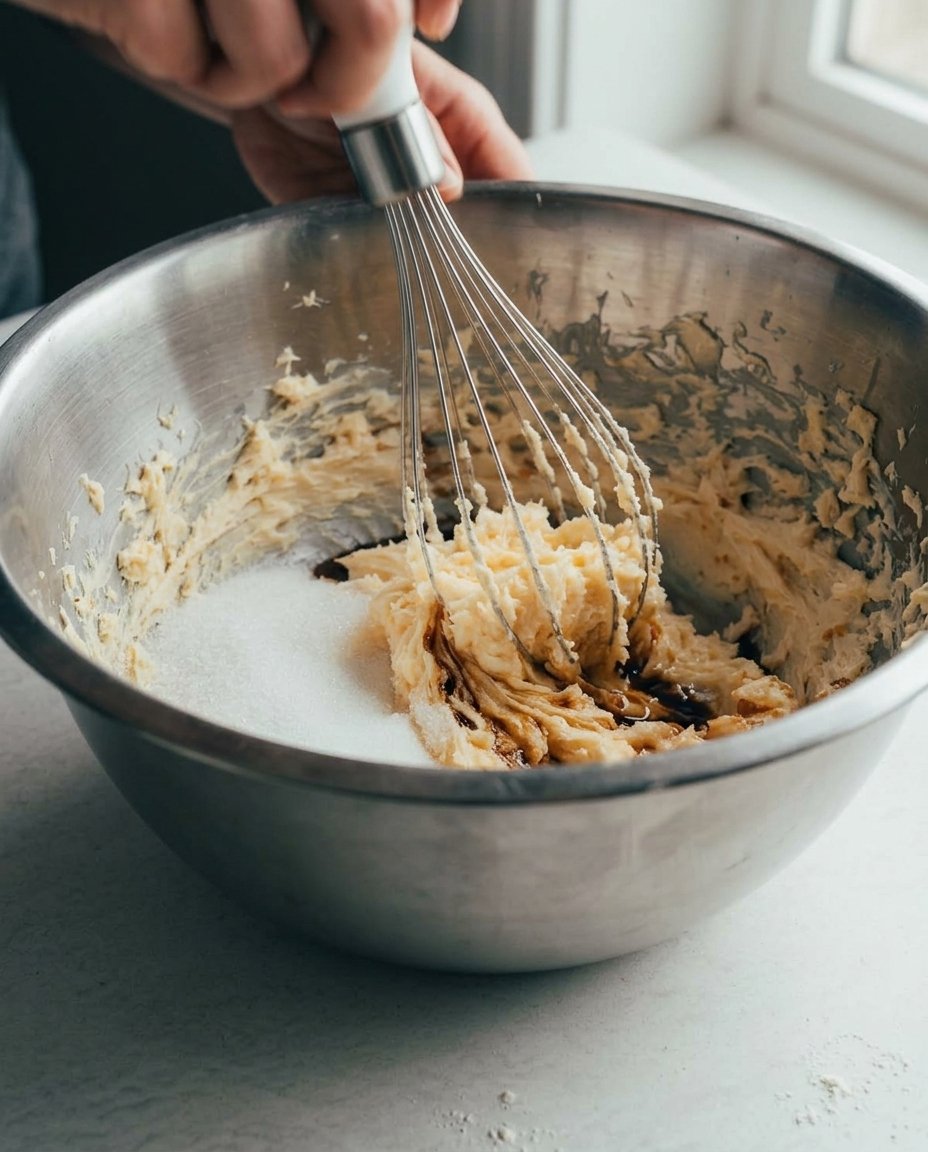
To achieve the perfect Apricot Thumbprint 2, we must look closely at the chemical contributions of each ingredient to ensure a balanced and flavorful result.
- Salted Butter (1 cup, softened): This is our primary fat source and the foundation of the cookie’s emulsion. The butter provides butyric acid, which pairs with the fruit lactones, while the salt acts as a flavor modifier.
- Granulated White Sugar (1/2 cup): Sucrose provides sweetness and assists in the aeration process during creaming, creating tiny air pockets for a light texture.
- Packed Brown Sugar (1/4 cup): The molasses here adds depth and acidity, which reacts with the other ingredients to improve the browning and chewiness of the base.
- Egg Yolk (1): High in phospholipids like lecithin, the yolk stabilizes the dough and contributes to a rich, golden color and a tender, short crumb.
- Vanilla Extract (1 teaspoon): Contains vanillin, an aromatic compound that acts as a flavor bridge, smoothing the transition between the heavy fat of the butter and the bright acidity of the apricot.
- All-Purpose Flour (2 cups): Provides the protein structure. We want just enough gluten development to hold the shape without making the cookie tough.
- Apricot Jam (1/3 cup): The star of the show, providing concentrated fruit sugars and pectin. Pectin is a structural polysaccharide that thickens when heated and cooled, creating that perfect jammy center.
When these components are combined, they undergo a series of transformations—from the mechanical aeration of the sugars to the thermal setting of the starch and proteins in the oven.
The Flavor Layering Process
Step 1: Prep and Thermal Calibration
Preheat your oven to 350℉ (175℃) and line your baking sheets with parchment paper. This thermal calibration is essential; we want the oven at a steady temperature to ensure the butter melts at the correct rate relative to the starch setting, preventing excessive spreading.
Step 2: Mechanical Aeration and Creaming
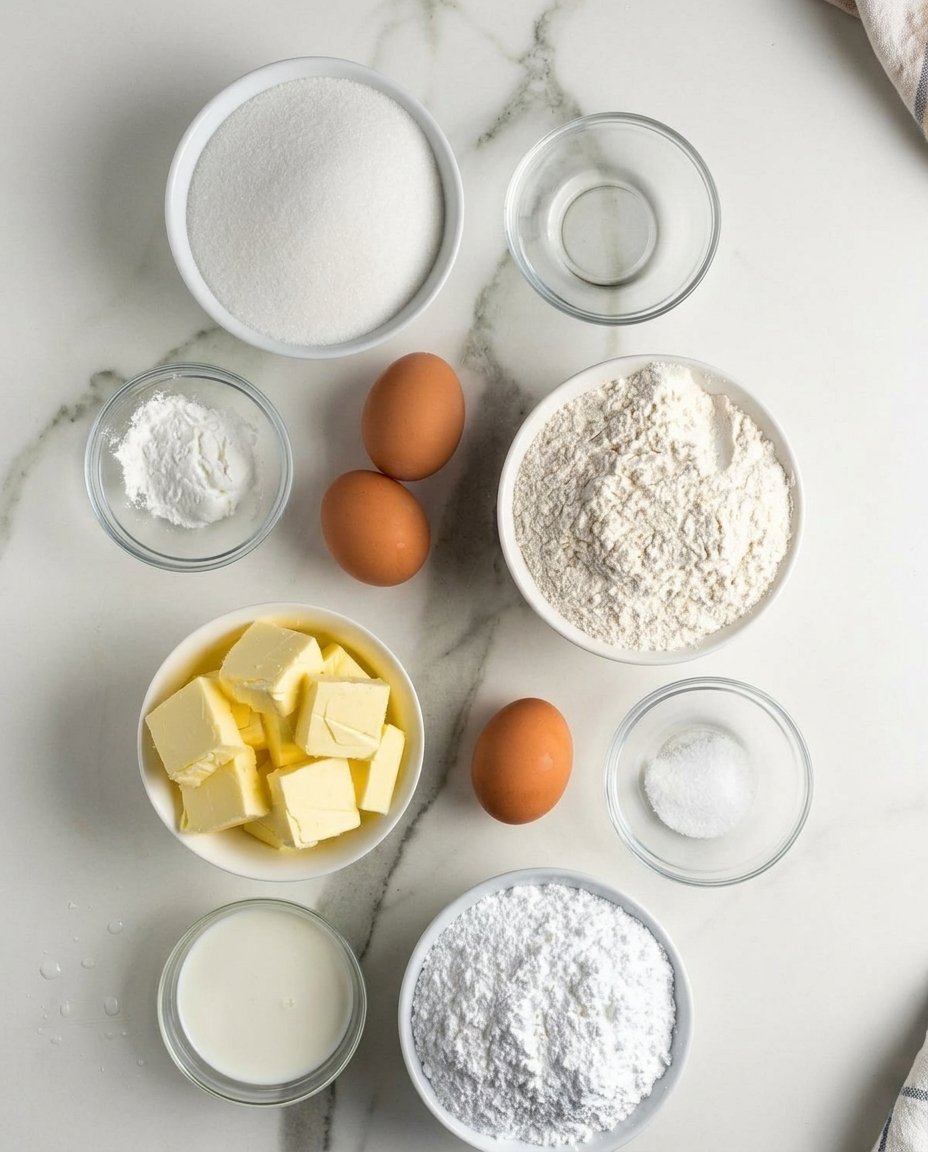
In a large bowl, combine the softened salted butter, granulated sugar, and brown sugar. Use an electric handheld mixer on high speed for at least 1 minute. This physical process forces air into the fat, creating a stable foam that will expand during baking, providing a delicate, airy structure.
Step 3: Emulsification and Flavor Integration
Add the egg yolk and vanilla extract to the creamed mixture. Continue beating until the mixture is light and fluffy. This step is where the lecithin in the yolk surrounds the fat droplets, creating a smooth emulsion that ensures a uniform distribution of flavor throughout the dough.
Step 4: Incorporating the Structure
Add the all-purpose flour and mix at low speed. It is vital to stop as soon as the flour is fully incorporated. Over-mixing at this stage would lead to excessive gluten development, resulting in a bread-like texture rather than the desired short, melting crumb.
Step 5: Shaping and Surface Area Optimization
Scoop the dough into 1 tablespoon portions and roll them into smooth, uniform balls. Place them on the prepared baking sheet with 2 inches of space between them. A smooth surface area prevents uneven cracking and helps the cookie hold its shape during the rapid expansion phase in the oven.
Step 6: Creating the Jam Reservoir
Use your thumb or a floured 1/2 teaspoon measuring spoon to create an indentation in the center of each ball. Fill these reservoirs with the apricot jam. The jam will undergo a concentration of sugars as it bakes, intensifying its flavor and setting the pectin structure.
Step 7: The Thermal Set and Maillard Reaction
Bake for 10-12 minutes, or until the bottoms are slightly golden and the jam is bubbling. This golden color is the visual indicator of the Maillard reaction, where sugars and amino acids combine to create complex toasted flavors. Let the cookies cool on the sheet for 10 minutes to allow the structure to firm up before moving them.
Jasmine’s Scientific Baking Notes
For the best results, ensure your butter is exactly room temperature (around 65°F to 68°F). If the butter is too warm, the emulsion will break, leading to a greasy cookie; if too cold, you won’t trap enough air during the creaming stage. Another secret is to chill the dough for 15 minutes before rolling if your kitchen is particularly warm, as this helps control the rate of fat expansion in the oven. For more foundational techniques on managing fats in dough, you can refer to our Foundation Cookie Recipes guide. Additionally, always use a high-quality apricot jam with fruit listed as the first ingredient to ensure the highest concentration of natural aromatics and pectin for a better set.
Analytical Flavor Substitutions
You can easily modify the flavor profile by understanding the aromatic compounds involved. For instance, replacing vanilla with 1/4 teaspoon of almond extract works beautifully because almonds contain benzaldehyde, which is a key aromatic component in the pits of apricots. This creates a powerful “stone fruit” synergy that tastes incredibly professional. If you are interested in how seasonal changes affect ingredient chemistry, see our notes on Holiday Cookie Science. You could also swap the apricot jam for a raspberry or blackberry preserve, though keep in mind that these berries have different acidity levels and may require a tiny pinch of extra sugar to balance the tartness.
Maximizing the Aromatic Profile
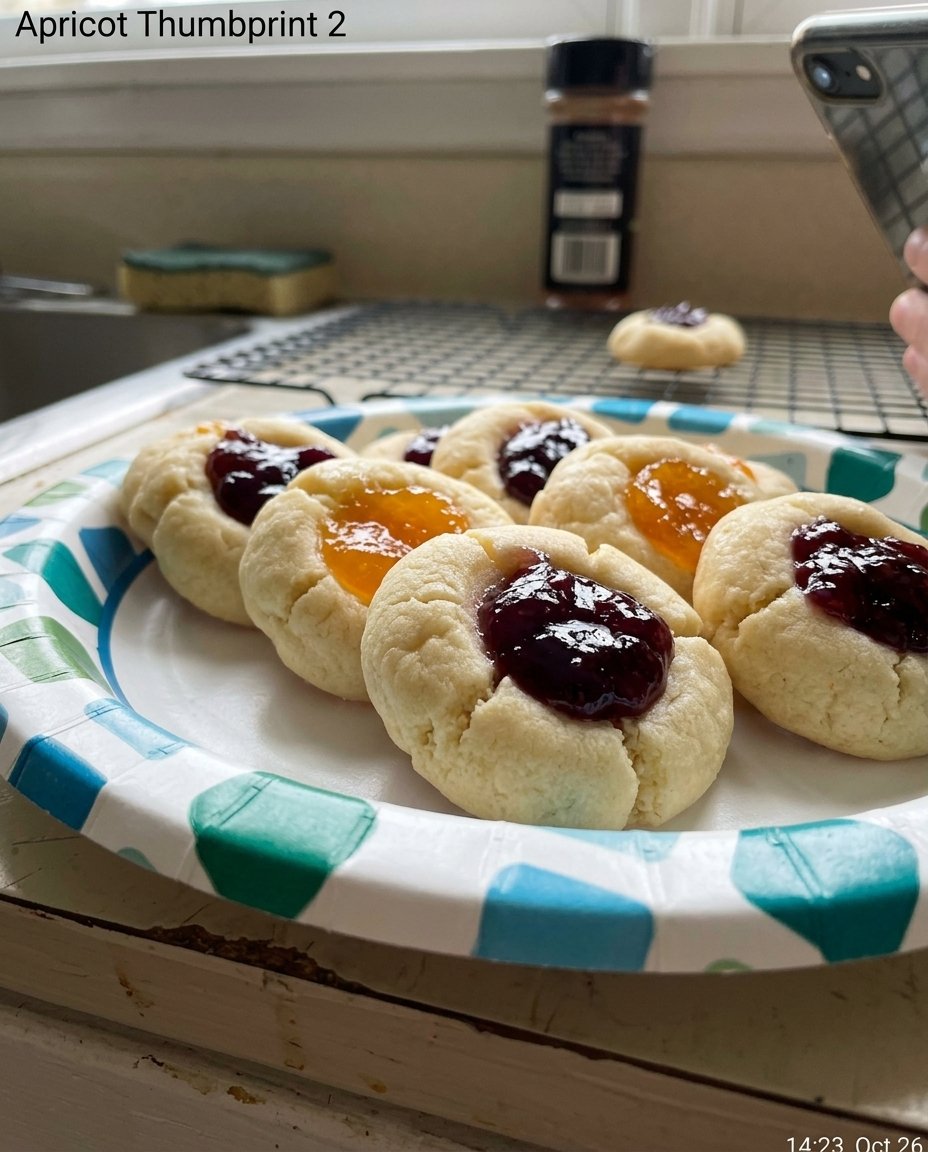
To fully appreciate the flavor complexity of these cookies, serve them slightly above room temperature. This allows the fat in the butter to reach its melting point on your tongue faster, releasing the aromatic volatile compounds more efficiently. I recommend pairing these with a light Earl Grey tea; the bergamot oil in the tea contains limonene and linalool, which perfectly complement the citrusy undertones of the apricot. For those interested in the visual presentation of these bakes, check out our guide on Precision Cookie Decorating for tips on making the jam centers look like glowing jewels.
The Final Flavor Conclusion
Baking these Apricot Thumbprint 2 cookies is more than just a kitchen task; it is an experiment in flavor balancing and texture management. By understanding how the fats, sugars, and fruit acids interact, you can produce a result that is far superior to store-bought alternatives. If you want to see how this recipe stacks up against other trending bakes, you can read our Viral Cookie Analysis. For more detailed methods and community discussion, don’t forget to check out the original inspiration at Knead Some Sweets. We would love to see your results, so please share your bakes with us on Facebook or Instagram and keep discovering the science of taste.