My fascination with the Crumbl sugar cookies phenomenon began not with the bakery’s long lines, but with a molecular study of benzaldehyde, the primary aroma compound in almond extract. While most sugar cookies rely on the simple sweetness of sucrose, this specific profile achieves a complex depth by layering the nutty, cherry-adjacent scent of almond against a rich buttery backdrop. When we chill these cookies, we effectively control the rate of flavor release, allowing the palate to perceive the delicate floral notes without being overwhelmed by immediate sugar saturation.

This recipe recreates that iconic thick, soft texture and the signature swirl of pink icing through precise fat-to-sugar ratios and intentional aeration. By understanding the science of emulsion and temperature, you can master this bakery staple in your own kitchen with scientific accuracy. We will focus on creating a stable crumb structure that supports a heavy layer of sweet almond icing while maintaining a melt-in-the-mouth sensory experience.
The Science of Chilled Sweetness
You will find this recipe fascinating because it challenges the standard assumption that cookies are best served warm. From a flavor chemistry perspective, serving a cookie chilled slows down the volatility of aroma compounds, which means the almond and vanilla scents reach your olfactory system in a controlled, sophisticated sequence. This prevents the high sugar content from tasting cloying and instead highlights the creamy mouthfeel of the butter.
The interaction between the 1 cup of salted butter and the 2 eggs creates a robust emulsion that traps air during the creaming process. This results in a thick, substantial cookie that doesn’t collapse, providing a perfect structural canvas for the almond-infused frosting. By utilizing both vanilla and almond extracts, we create a multi-layered flavor profile where the vanillin rounds out the sharp top notes of the benzaldehyde.
Furthermore, the salt in the butter serves a critical scientific purpose: it suppresses bitterness and increases the perception of sweetness while providing a necessary contrast to the 3 cups of powdered sugar in the icing. This balance is what makes the cookie so remarkably addictive. It is not just a treat; it is a study in taste equilibrium and textural harmony.
Print
Crumbl Sugar Cookies
- Total Time: 1 hour 35 mins
- Yield: 12 cookies
- Diet: Vegetarian
Description
Experience the ultimate bakery-at-home treat with these oversized, chilled sugar cookies topped with a silky almond-flavored pink frosting. This recipe utilizes specific creaming techniques and temperature controls to produce a thick, soft texture that perfectly balances rich butter with floral almond notes.
Ingredients
- 1 cup salted butter, firm but pliable
- 1 cup granulated sugar
- 2 large eggs
- 1 teaspoon vanilla extract
- 1/2 teaspoon almond extract
- 3 cups all-purpose flour
- 2 teaspoons baking powder
- 1/2 cup salted butter, softened (for icing)
- 3 cups powdered sugar
- 1 teaspoon almond extract (for icing)
- 1–3 tablespoons milk
- Neon pink food coloring
Instructions
- Preheat your oven to 350°F and prepare baking sheets with parchment paper.
- In a stand mixer fitted with a flex edge beater, cream 1 cup of salted butter and 1 cup of granulated sugar for 3-5 minutes until light and pale.
- Scrape down the bowl and add the eggs one at a time, followed by 1 teaspoon of vanilla and 1/2 teaspoon of almond extract, beating until fully emulsified and smooth.
- Add 3 cups of flour and 2 teaspoons of baking powder, mixing on the lowest speed until no dry streaks remain.
- Use a #12 scoop to portion the dough into 1/3 cup spheres and place them on the baking sheet with ample space.
- Gently flatten each dough ball with your palm until it is approximately 1 inch thick.
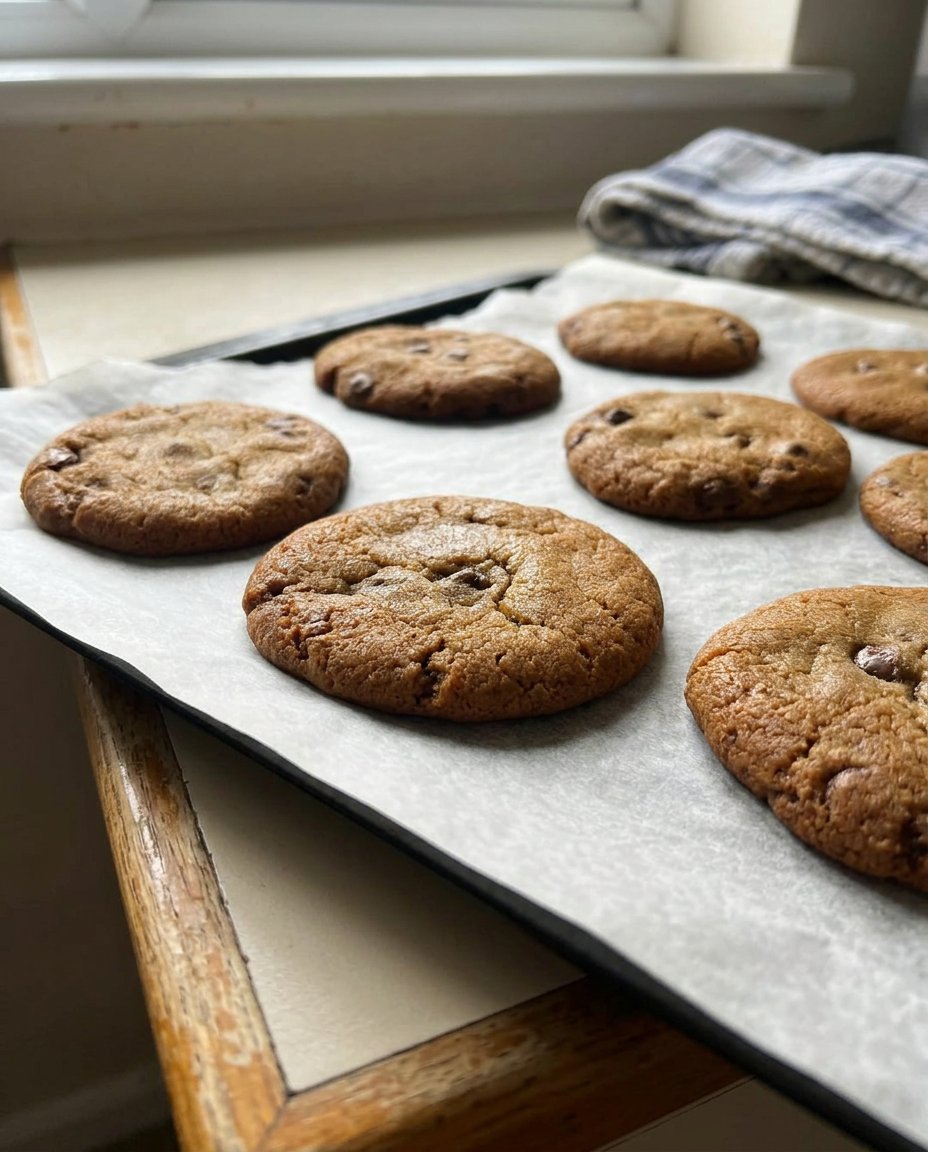
- Bake for 11-13 minutes until the centers are puffed and the surface is no longer glossy; do not let the edges brown.
- Allow the cookies to cool completely on the pan to set the structure.
- Prepare the icing by creaming 1/2 cup of softened butter, then gradually adding 3 cups of powdered sugar, 1 teaspoon of almond extract, milk, and pink food coloring.
- Spread a thick layer of frosting over each cooled cookie and refrigerate for at least one hour before serving.
Notes
To ensure a perfectly smooth frosting, sift your powdered sugar before mixing to remove any clumps that might interfere with the creamy texture. When flattening the dough, if it sticks to your hand, a very light dusting of flour on your palm will help create a clean surface. Always serve these cookies cold from the refrigerator to highlight the specific density and complex almond aroma profile.
- Prep Time: 20 mins
- Cook Time: 12 mins
- Category: Dessert
- Method: Baking
- Cuisine: American
The Molecular Building Blocks
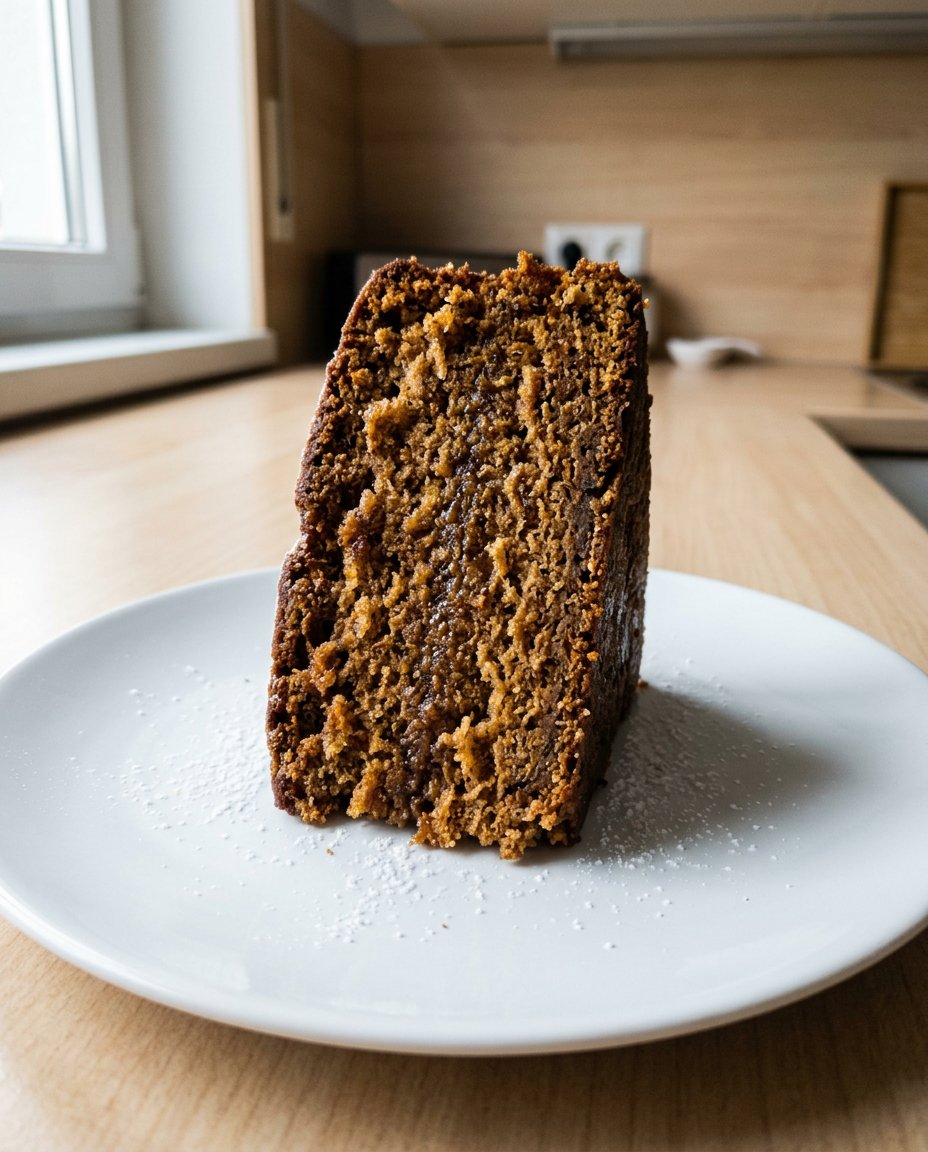
To achieve the specific density and flavor of Crumbl sugar cookies, each component must be chosen for its chemical contribution to the final structure.
- Salted Butter (1.5 cups total): Butter is our primary source of fat and flavor. The water content in butter (about 15-18%) hydrates the flour, while the fat coats gluten proteins to keep the cookie tender. We use salted butter to ensure the sodium ions are evenly distributed throughout the dough, which is essential for flavor balance.
- Granulated Sugar (1 cup): Beyond sweetness, sugar is a humectant. It attracts and holds moisture, ensuring the cookie remains soft even after being chilled. It also aids in the aeration process during creaming by cutting tiny air pockets into the solid fat.
- All-Purpose Flour (3 cups): Providing the scaffolding for our cookie, the protein content in all-purpose flour offers enough strength to hold the cookie’s height without making it tough. We want to avoid excessive gluten development to maintain that signature soft bite.
- Almond and Vanilla Extracts: These are our aromatic powerhouses. Vanilla provides a base of warmth, while almond extract brings the high-frequency aroma of benzaldehyde that defines this specific cookie profile.
- Baking Powder (2 tsp): This chemical leavener provides a double-acting lift, reacting once when moistened and again when heated. This creates the ‘puffy’ center that characterizes the Crumbl style.
- Powdered Sugar (3 cups): In the icing, the fine particles of powdered sugar dissolve into the butter and milk to create a smooth, non-gritty suspension that holds its shape at room temperature or when cold.
The Methodical Layering Process
Step 1: Establishing the Fat-Sugar Emulsion
Begin by preheating your oven to 350°F. In a stand mixer fitted with a flex edge beater, combine 1 cup of salted butter and 1 cup of granulated sugar. Beat these on medium-high speed for approximately 3-5 minutes until the mixture appears light and significantly paler. This process, known as creaming, is not just about mixing; it is about mechanical leavening. You are forcing air into the fat, which will expand in the oven to create a soft, aerated crumb. If the butter is too soft (melted), it cannot hold these air pockets, so ensure your butter is firm but pliable.
Step 2: Incorporating Liquid Aromatics and Proteins
Scrape down the sides of the bowl to ensure a homogeneous mixture. Add the 2 eggs one at a time, followed by 1 teaspoon of vanilla extract and 1/2 teaspoon of almond extract. The eggs provide proteins that stabilize the air bubbles you just created. Continue beating until the mixture is fully emulsified. If the batter looks curdled, the temperature of your eggs may be too low; continue mixing until the emulsion is smooth and glossy, signaling that the fats and liquids have successfully bonded.
Step 3: Integrating the Dry Matrix
Add the 3 cups of flour and 2 teaspoons of baking powder to the wet ingredients. Turn the mixer to the lowest setting to avoid over-developing the gluten. Stop the mixer as soon as no streaks of dry flour remain. Over-mixing at this stage leads to a tough, bready texture because it aligns the glutenin and gliadin proteins into long, elastic chains. For the perfect Crumbl sugar cookies, we want a short, tender crumb structure.
Step 4: Portioning and Geometry
Use a #12 scoop to portion out the dough into large 1/3 cup spheres. This significant mass is necessary to achieve the thick, soft interior. Place only 6 cookies per sheet to allow for heat circulation. Gently flatten each sphere with the palm of your hand until it is about 1 inch thick. This ensures the center cooks through before the edges become overly browned. The goal is a pale, soft cookie with minimal Maillard browning (caramelization) on the surface.
Step 5: Thermal Execution and Cooling
Bake at 350°F for 11-13 minutes. Look for the ‘puff’ in the center and a loss of glossiness. Do not wait for the edges to turn brown; if they do, the cookie will lose its signature soft texture upon cooling. Remove from the oven and allow the cookies to cool completely on the pan. During this time, carryover cooking will finish the center while the starch molecules undergo retrogradation, setting the final structure.
Step 6: Synthesizing the Sweet Almond Icing
While the cookies reach room temperature, prepare the icing. Cream 1/2 cup of softened butter until smooth, then gradually add 3 cups of powdered sugar, 1 teaspoon of almond extract, and 1-3 tablespoons of milk. The milk acts as a solvent for the sugar, while the almond extract provides the dominant aroma. If you choose to add neon pink food coloring, do so drop by drop. Spread a thick layer over the cooled cookies using an icing spatula, creating the iconic swirl. Chill the finished cookies in the refrigerator for at least one hour before serving to set the frosting and optimize the flavor profile.
Jasmine’s Scientific Flavor Secrets
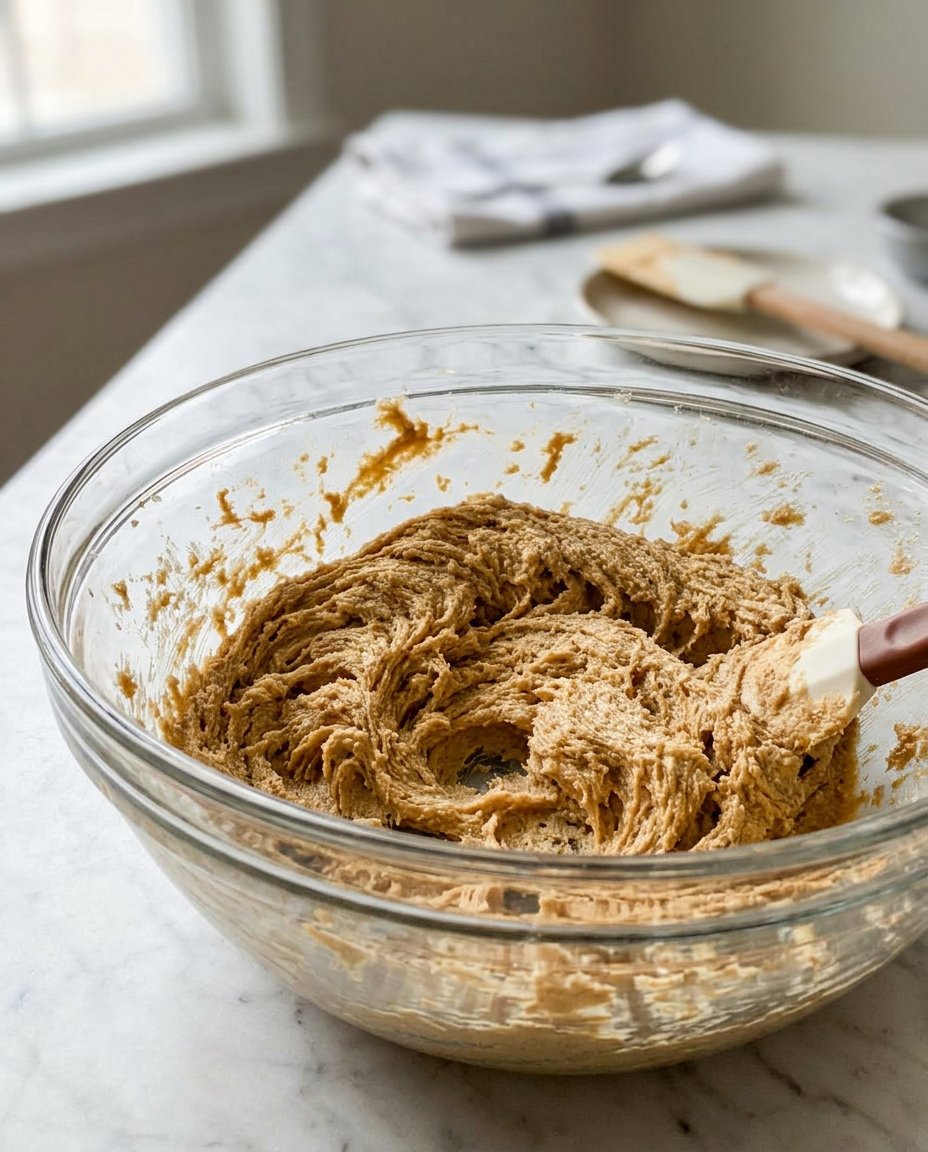
One of the most critical factors in recreating these cookies is the temperature of your ingredients. To ensure a perfect emulsion, your eggs should be at room temperature; cold eggs can cause the butter to seize, resulting in a dense, uneven bake. Additionally, if you want to understand the mechanics of the iconic texture, check out our Viral Cookie Analysis where we break down the hydration levels of famous bakery recipes. Another secret is the placement of salt. While we use salted butter in the dough, adding a tiny pinch of fine sea salt to the icing can amplify the almond aroma by suppressing the perception of ‘sugar burn’ on the back of the throat. This allows the benzaldehyde compounds to shine more clearly. Finally, always sift your powdered sugar for the icing to ensure the smoothest possible mouthfeel; even small clumps can disrupt the creamy suspension of fats and sugars.
Scientific Flavor Swaps and Pairings
If you want to experiment with the chemistry of this recipe, consider the role of citrus. Replacing the almond extract in the icing with lemon juice and zest introduces limonene, a terpene that provides a bright, acidic contrast to the heavy fat content of the cookie. For those looking for seasonal adjustments, our guide on Holiday Cookie Science offers insights on how to adjust moisture levels when adding spices like cinnamon or nutmeg. You can also swap the pink food coloring for natural alternatives like beet powder, though be aware that the betalain pigments in beets may shift color slightly during the chilling process due to pH changes in the icing. For a deeper, more toasted flavor profile, try browning the butter used in the cookie dough; this creates pyrazines, which add a savory, nutty complexity that pairs beautifully with the sweet icing.
Optimal Tasting and Beverage Pairings
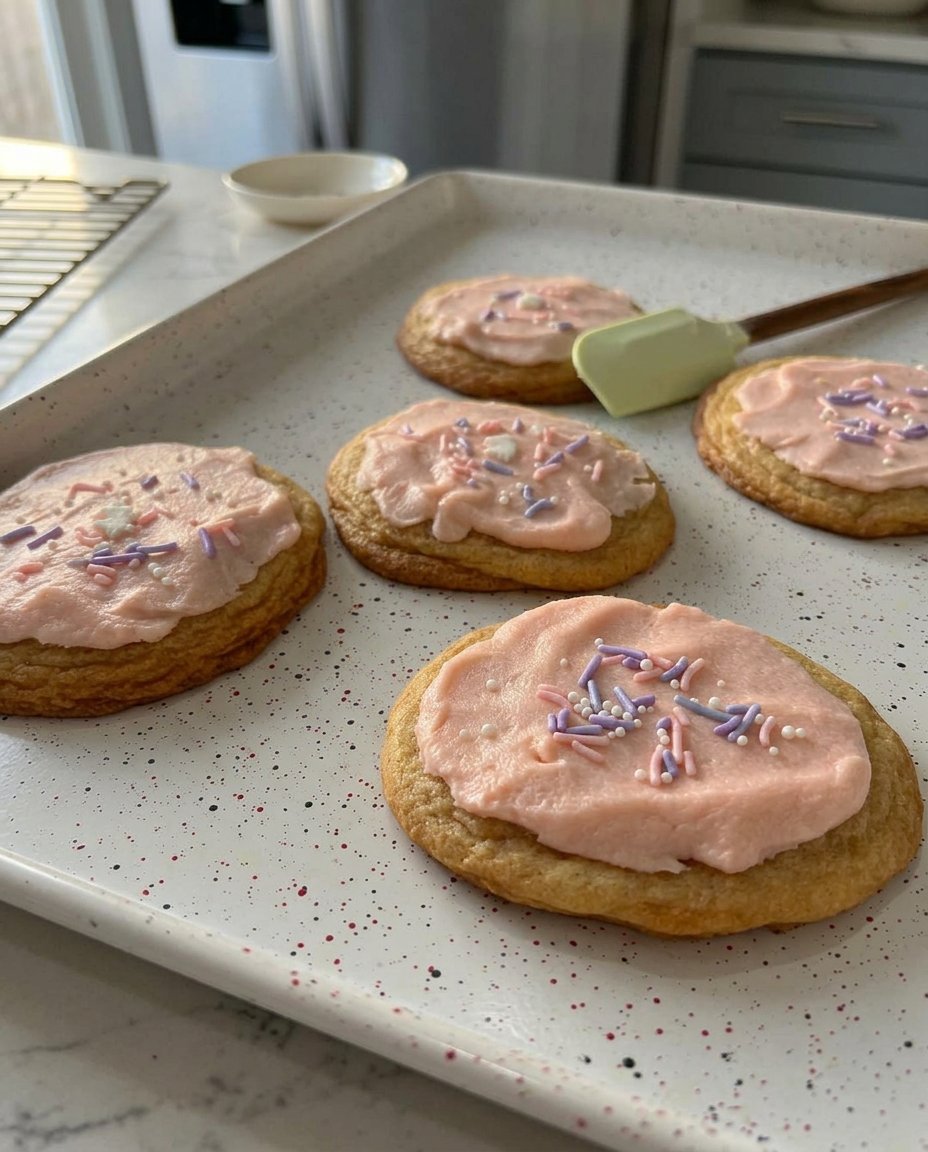
Because these cookies are served chilled, they pair exceptionally well with warm beverages that can melt the frosting on the palate, releasing a sudden burst of almond aroma. A medium-roast coffee is a scientific favorite because the natural bitterness of the coffee beans provides a counterpoint to the high sucrose levels in the cookie. For a more comprehensive look at base textures, you might find our Foundation Cookie Recipes helpful for comparing this dough to traditional shortbread. If serving at a party, keep the cookies on a chilled marble slab or a platter over a bed of ice to maintain the integrity of the icing and the density of the crumb. This temperature control is vital for preserving the specific mouthfeel that makes these cookies so famous.
The Final Flavor Synthesis
Mastering these Crumbl sugar cookies is a rewarding exercise in understanding how temperature and fat-sugar ratios define a cookie’s identity. By chilling the final product, you are not just cooling it down; you are intentionally managing the way flavor molecules interact with your taste buds. For more on the chemistry of butter and sugar, see our section on Fat & Emulsions. If you enjoyed this analytical approach to baking, please share your results with us. For more inspiration, you can follow the original inspiration for this technique at Cooking with Karli. Don’t forget to join our community of flavor scientists on Pinterest, Instagram, and Facebook to share your baking breakthroughs!
Keep experimenting with your flavor pairings and remember that every ingredient has a scientific purpose. Happy baking!