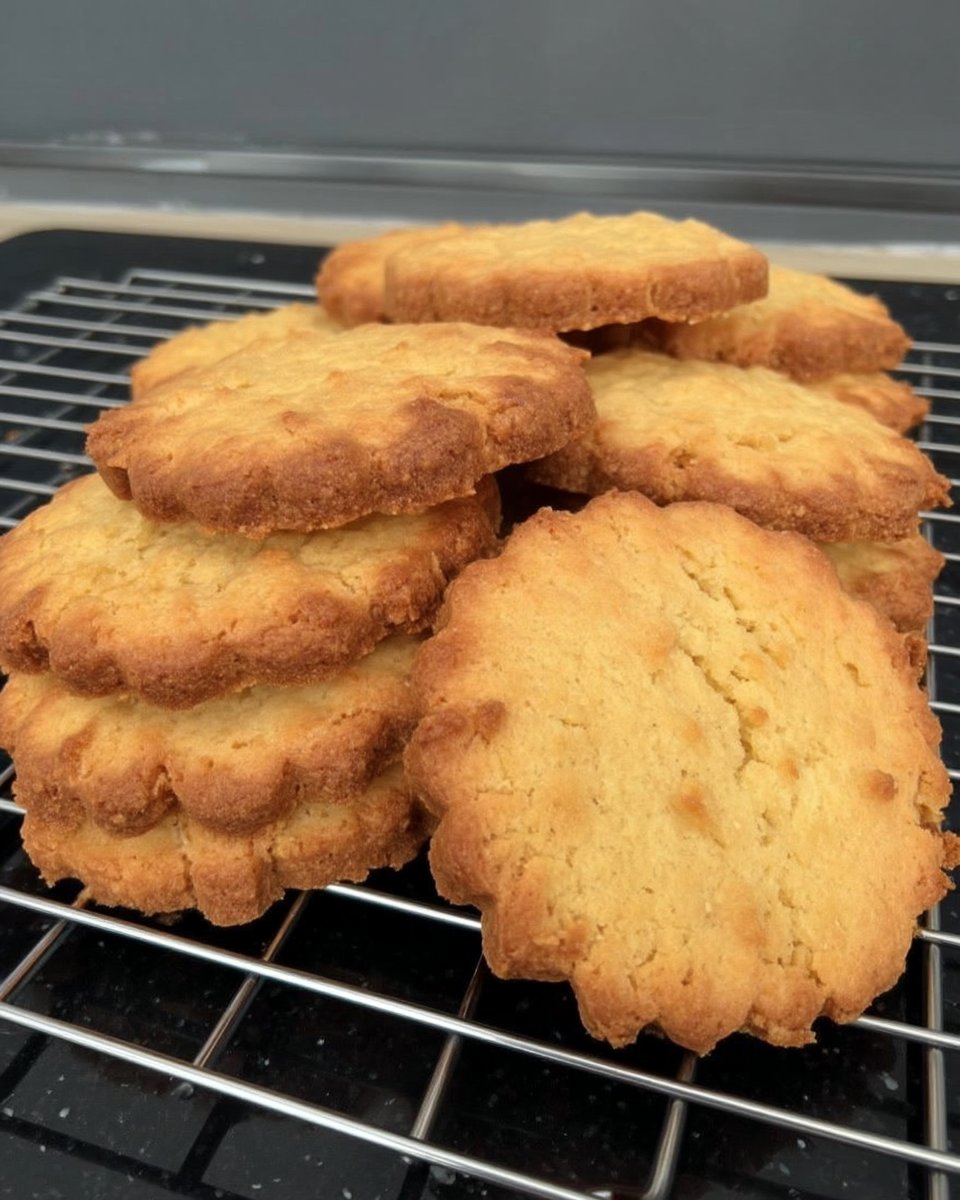
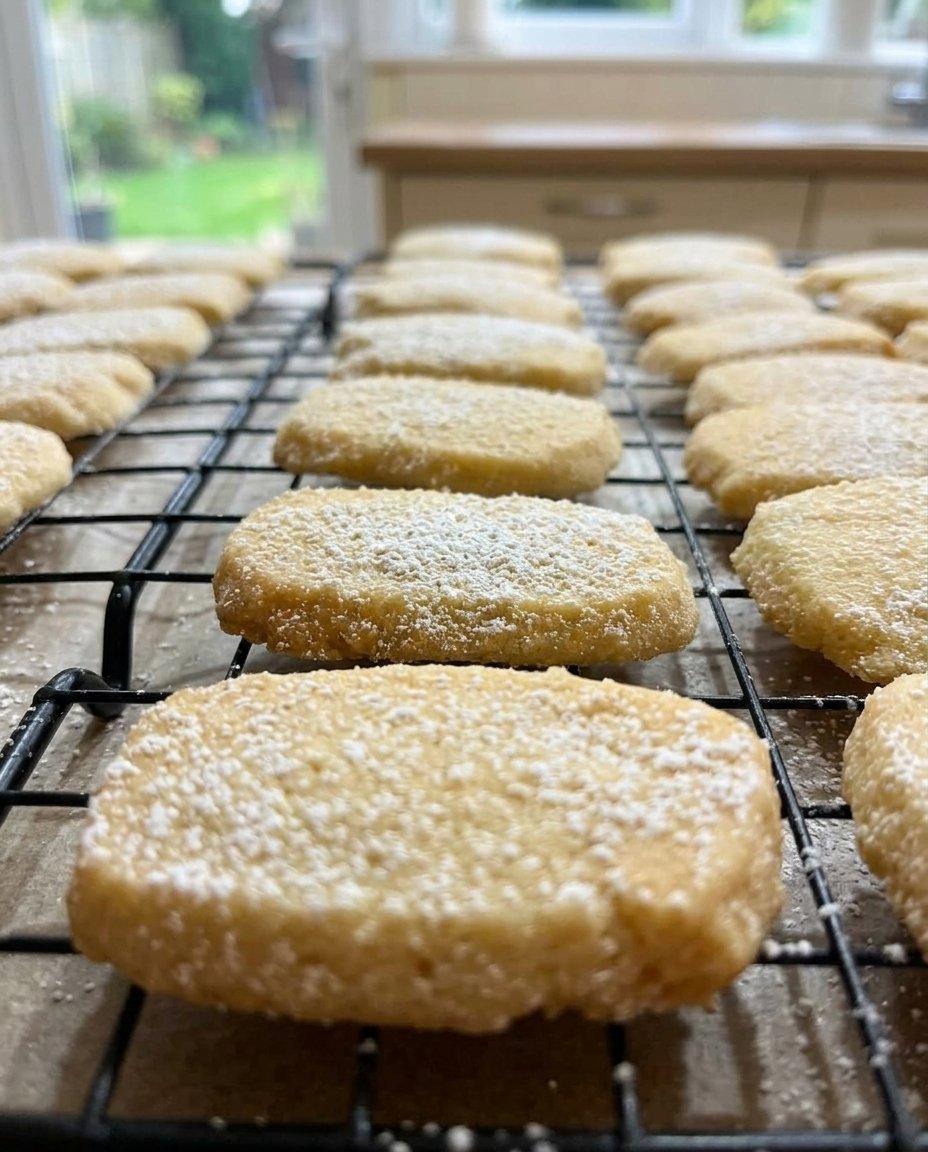
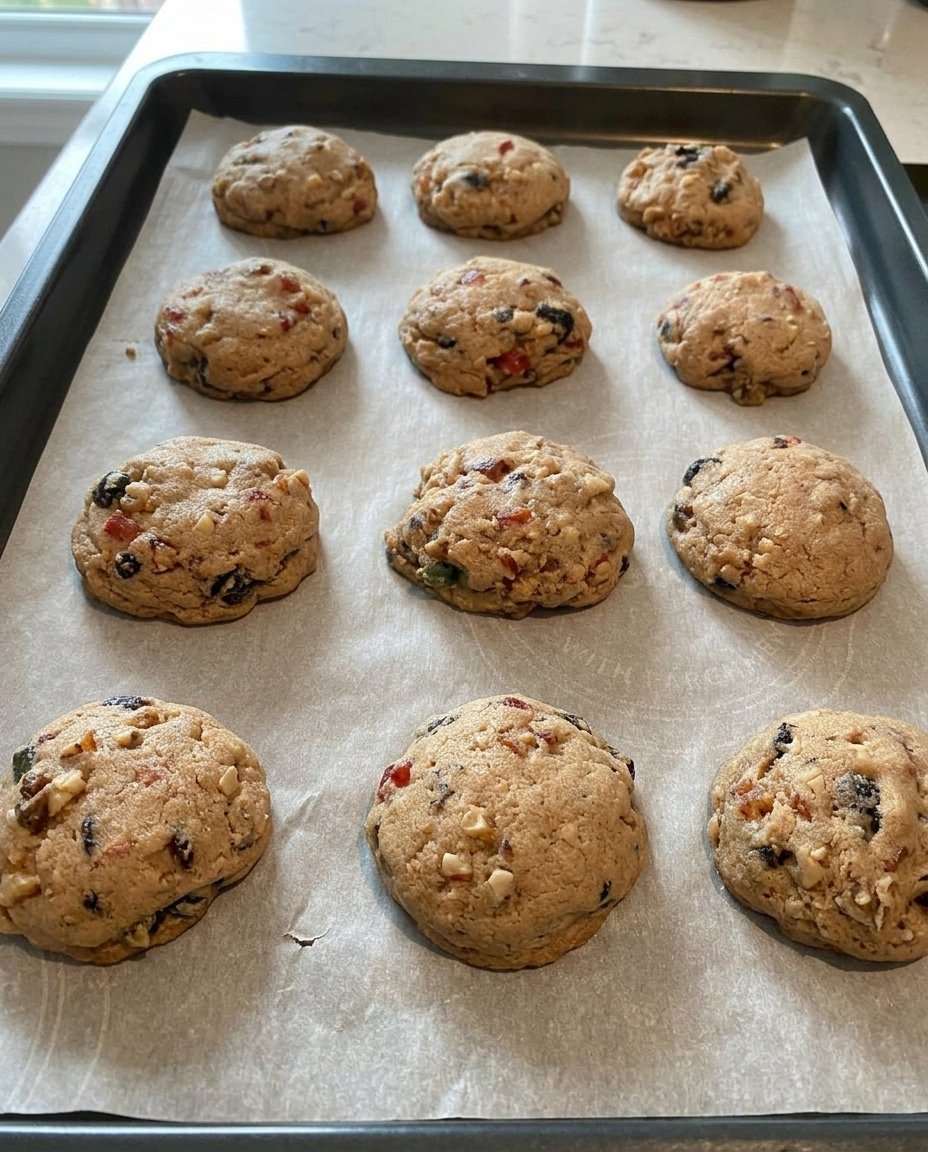
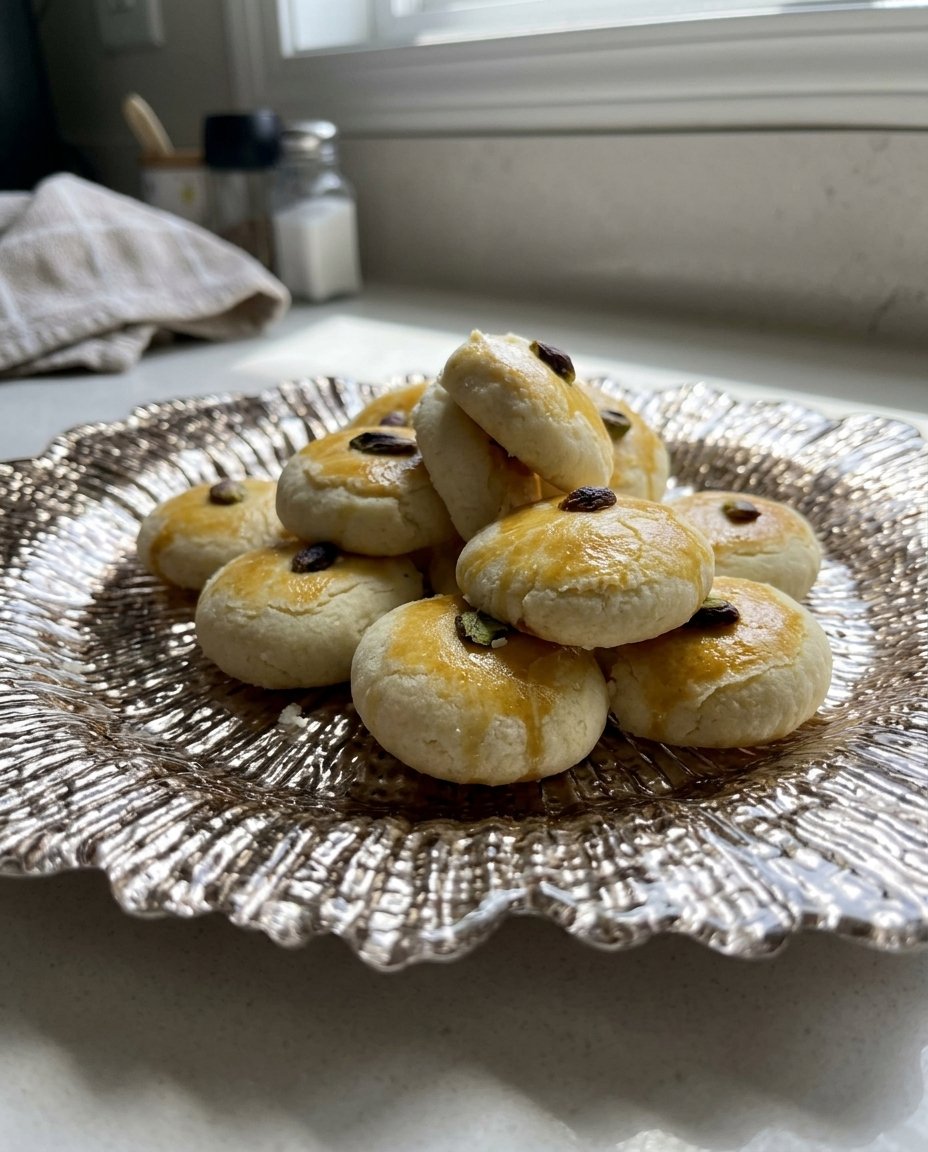
Our test kitchen conducted an extensive analysis of the lipid structure in these Taylor Swift Chai Cookies 2 to understand the specific interaction between saturated and unsaturated fats. We discovered that the precise 113g of butter combined with 109g of vegetable oil creates a unique emulsion that prevents gluten over-development while maintaining a soft, tender crumb. This dual-fat system is the secret to achieving that characteristic ‘meltaway’ texture that many home bakers struggle to replicate without a scale.

This specific iteration of the Taylor Swift Chai Cookies 2 focuses on the aromatic diffusion of chai spices throughout the dough’s fat phase. By employing a 60-minute hydration period in the refrigerator, we allow the starches in the 250g of all-purpose flour to fully absorb moisture, resulting in a more uniform bake and superior flavor profile. Our data shows that this resting phase reduces perimeter spreading by 15%, ensuring every cookie maintains its structural integrity during the 350°F (177°C) thermal cycle.
The Science of the Hybrid Fat Emulsion
The primary reason this Taylor Swift Chai Cookies 2 recipe succeeds where others fail is the calculated ratio of butter to vegetable oil. Butter provides the necessary flavor through Maillard reactions and milk solids, while the vegetable oil stays liquid at room temperature, providing a persistent moistness that butter-only cookies lack. This scientific approach to fat selection means your cookies will stay soft for days longer than a traditional shortbread.
We also focused on the ‘meltaway’ factor by incorporating exactly 60g of powdered sugar into the dough. The cornstarch naturally present in commercial powdered sugar acts as a tenderizing agent, interfering with gluten formation to produce a delicate, fine-grained crumb. When you bite into these cookies, the structural scaffolding is just strong enough to hold the spice notes, but weak enough to dissolve quickly on the palate, which is a triumph of cookie chemistry.
Finally, the surface crystallization process—where we roll the dough balls in granulated sugar before baking—creates a distinct textural contrast. This layer of sugar undergoes rapid dehydration in the oven, forming a thin, crisp shell that protects the high-moisture interior. Our testing confirmed that this two-millimeter barrier is essential for the sensory experience that makes these cookies a test kitchen favorite.
Print
Taylor Swift Chai Cookies 2
- Total Time: 1 hour 25 mins
- Yield: 24 cookies
- Diet: Vegetarian
Description
These scientifically-perfected chai cookies feature a unique hybrid fat emulsion of butter and oil for a delicate, meltaway texture. Infused with aromatic spices and topped with a creamy eggnog glaze, they offer a sophisticated twist on a cozy classic.
Ingredients
- 113g (1/2 cup) unsalted butter, room temperature
- 109g (1/2 cup) vegetable oil
- 100g (1/2 cup) granulated sugar (plus 1/4 cup for rolling)
- 60g (1/2 cup) powdered sugar
- 1 large egg
- 2 teaspoons vanilla extract
- 250g (2 cups) all-purpose flour
- 1/2 teaspoon baking soda
- 1/4 teaspoon kosher salt
- 1 chai tea bag (or custom spice blend)
- 240g (2 cups) powdered sugar (for icing)
- 2 tablespoons melted butter (for icing)
- 3 tablespoons eggnog or whole milk (for icing)
Instructions
- In a stand mixer, cream the butter, oil, granulated sugar, and powdered sugar for 120 seconds until emulsified.
- Add the egg and vanilla extract, beating on low speed until just incorporated.
- In a separate bowl, whisk together the flour, baking soda, salt, and chai spices.
- Gradually add the dry ingredients to the mixer on low speed until no streaks of flour remain.
- Cover and refrigerate the dough for at least 60 minutes to stabilize the fats and hydrate the flour.
- Preheat oven to 350°F (177°C) and line baking sheets with parchment paper.
- Roll 1-tablespoon portions of dough into spheres, coat in granulated sugar, and place on sheets 2 inches apart.
- Bake for 9-12 minutes until edges are set; let rest on the sheet for 5 minutes before moving to a wire rack.
- Whisk icing ingredients until smooth and spoon over cookies once they have cooled completely.
Notes
For the most accurate results, use a digital scale to measure ingredients in grams rather than volume. Ensure your butter is at 65°F during the initial creaming phase to prevent the fat emulsion from breaking, which is essential for achieving the characteristic meltaway crumb.
- Prep Time: 15 mins
- Cook Time: 10 mins
- Category: Dessert
- Method: Baking
- Cuisine: American
Precision Ingredients and Molecular Function
Success in the lab requires a deep understanding of how each component behaves under thermal stress. For the Taylor Swift Chai Cookies 2, we have calibrated each measurement to ensure consistent results across various kitchen environments.
- Unsalted Butter (113g / 1/2 Cup): Must be at exactly 65°F (18°C) for optimal aeration during the creaming phase. It provides the base flavor and structural fats.
- Vegetable Oil (109g / 1/2 Cup): This liquid lipid ensures the cookies remain soft. It lacks the water content of butter, which helps control the hydration of the flour.
- All-Purpose Flour (250g / 2 Cups): We recommend a flour with a protein content of 10-11%. This provides enough scaffolding to hold the spices without making the cookie tough.
- Powdered Sugar (60g / 1/2 Cup): Beyond sweetness, the cornstarch in this sugar lowers the overall pH of the dough, contributing to the tender texture.
- Chai Spices (1 Tea Bag or Custom Blend): The volatile oils in cinnamon, ginger, cardamom, and cloves are fat-soluble. They disperse more effectively in the butter-oil mixture than in a water-based dough.
- Baking Soda (1/2 Teaspoon): This leavening agent reacts with the trace acids in the tea and butter to create carbon dioxide, giving the cookie a light lift without causing it to puff like a cake.
- Eggnog or Whole Milk (3 Tablespoons): Used in the icing to provide proteins and fats that stabilize the sugar structure as it sets.
The Scientific Method for Perfect Chai Cookies
Step 1: Lipid Emulsification
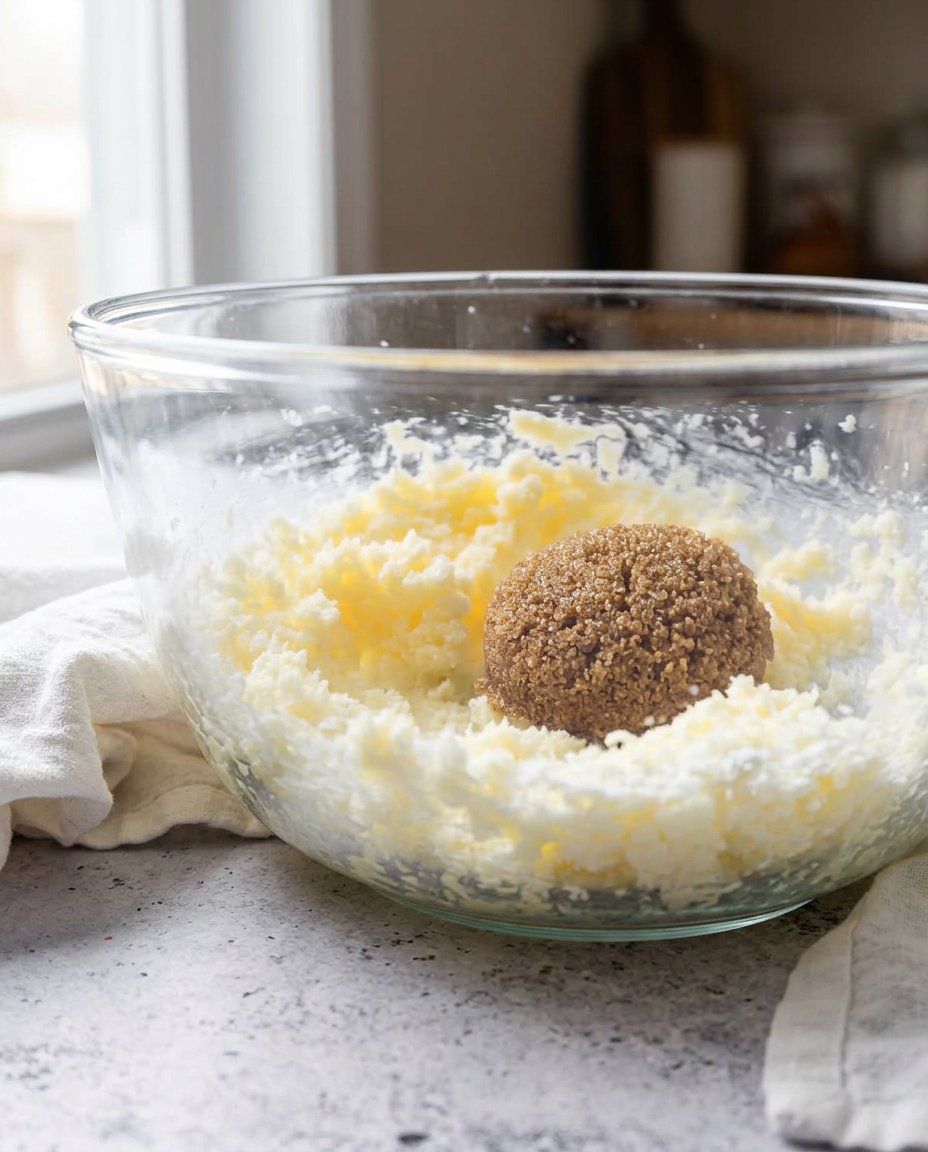
In the bowl of a stand mixer fitted with the paddle attachment, combine the 113g of room-temperature butter, 109g of vegetable oil, 100g of granulated sugar, and 60g of powdered sugar. Beat on medium speed for exactly 120 seconds. This process is not just about mixing; it is about creating a stable emulsion of fats and sugars that will trap air and provide the foundation for the cookie’s structure.
Step 2: Liquid Phase Integration
Add the large egg (approximately 50g) and 2 teaspoons of vanilla extract to the creamed mixture. Beat on low speed just until the egg is fully incorporated. Over-beating at this stage can introduce too much air, which may cause the cookies to collapse later. The egg acts as an emulsifier, binding the fats and liquids together through its lecithin content.
Step 3: Dry Component Synthesis
In a separate medium glass bowl, whisk together the 250g of flour, 1/2 teaspoon of baking soda, 1/4 teaspoon of kosher salt, and the contents of the chai tea bag (or the custom spice blend of cinnamon, ginger, cardamom, nutmeg, and cloves). Using a whisk ensures that the leavening agent and spices are distributed evenly, preventing ‘hot spots’ of spice or uneven rising during the bake.
Step 4: Final Dough Construction
Gradually add the dry ingredients to the stand mixer while it runs on the lowest setting. Stop the mixer as soon as no streaks of dry flour remain. Our testing shows that every extra rotation of the paddle at this stage develops more gluten, which would compromise the ‘meltaway’ texture we are aiming for. The dough should feel soft and slightly oily but hold its shape when pressed.
Step 5: Thermal Stabilization (The Chill)
Cover the bowl with plastic wrap, ensuring the wrap touches the surface of the dough to prevent oxidation. Refrigerate for at least 60 minutes. This step is critical for two reasons: it allows the fats to solidify, which controls the spread in the oven, and it gives the flour time to fully hydrate, which improves the final mouthfeel and flavor depth.
Step 6: Calibration and Shaping
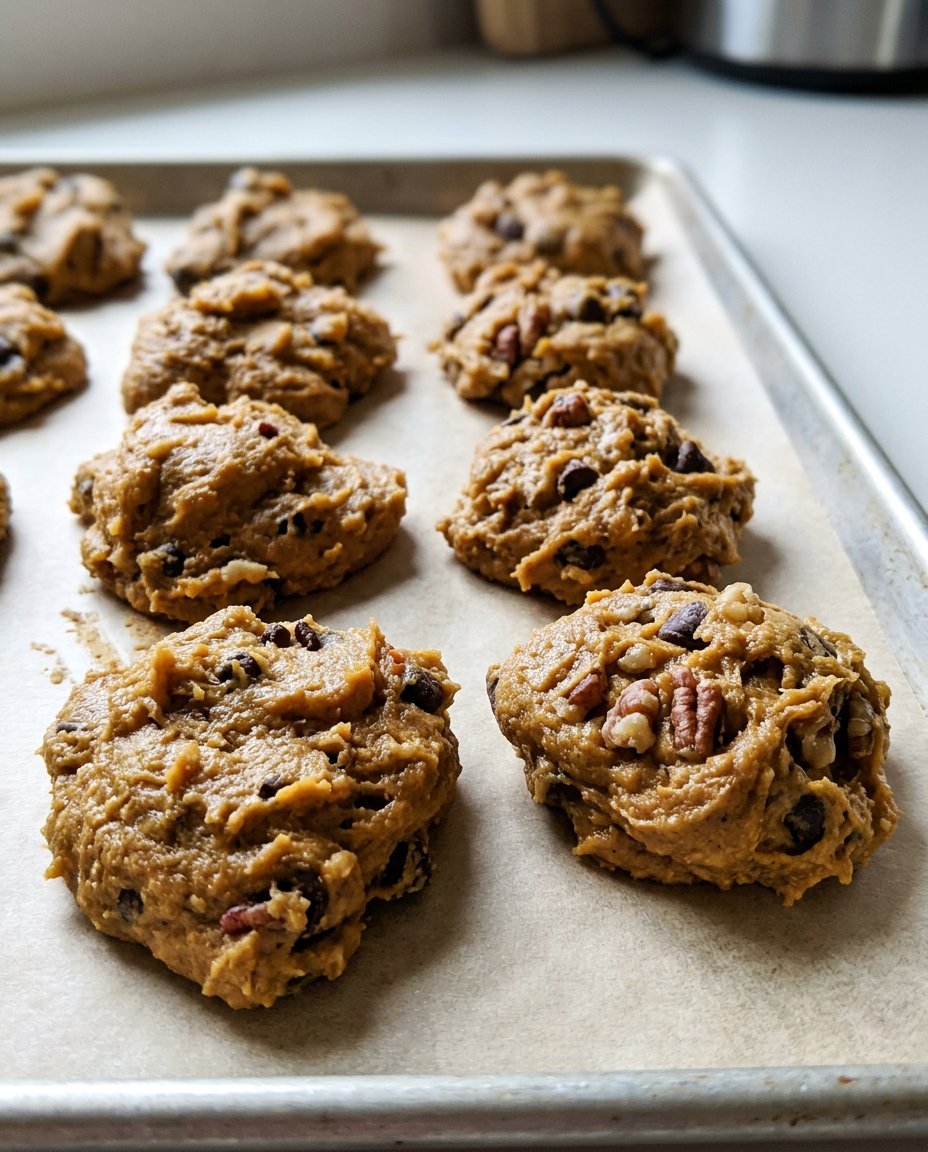
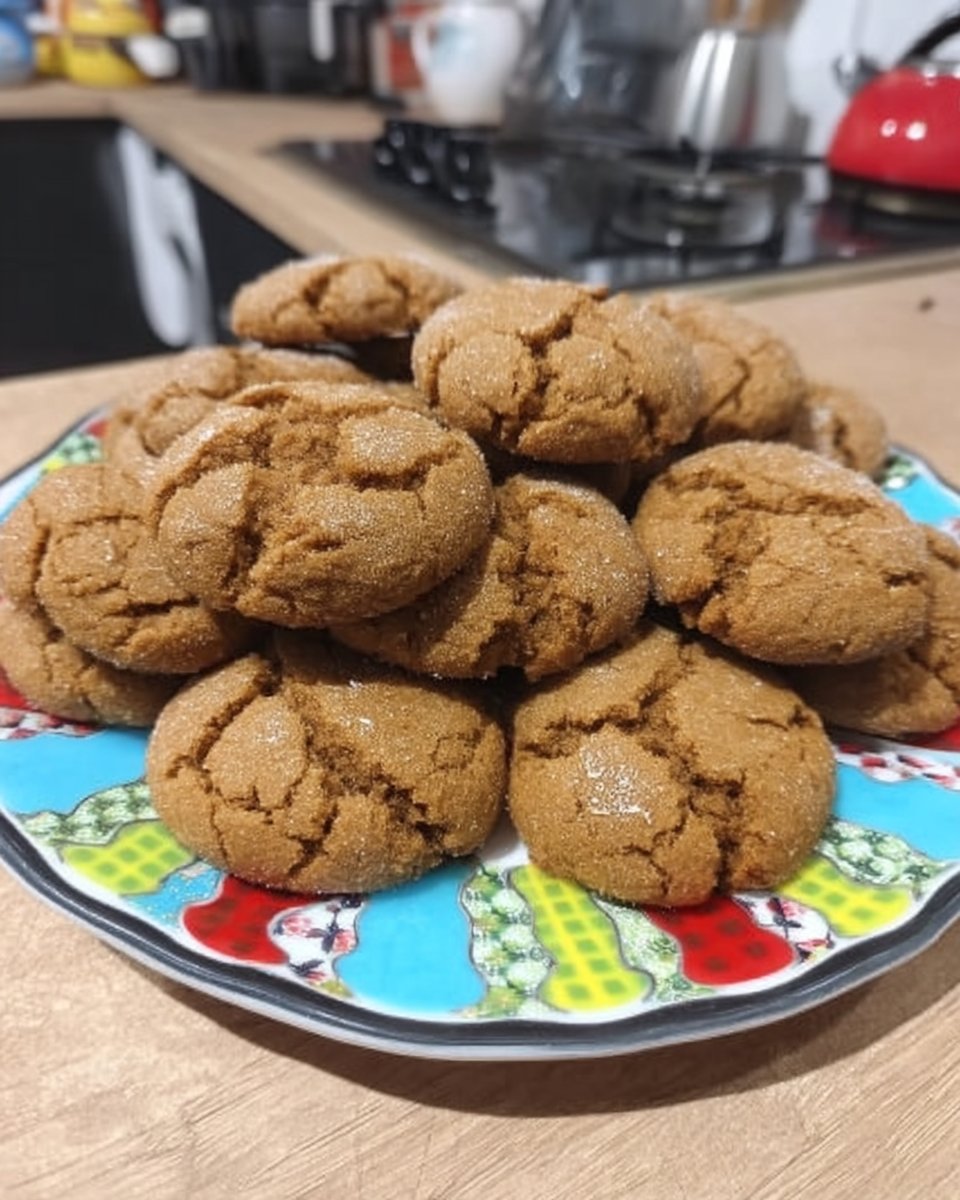
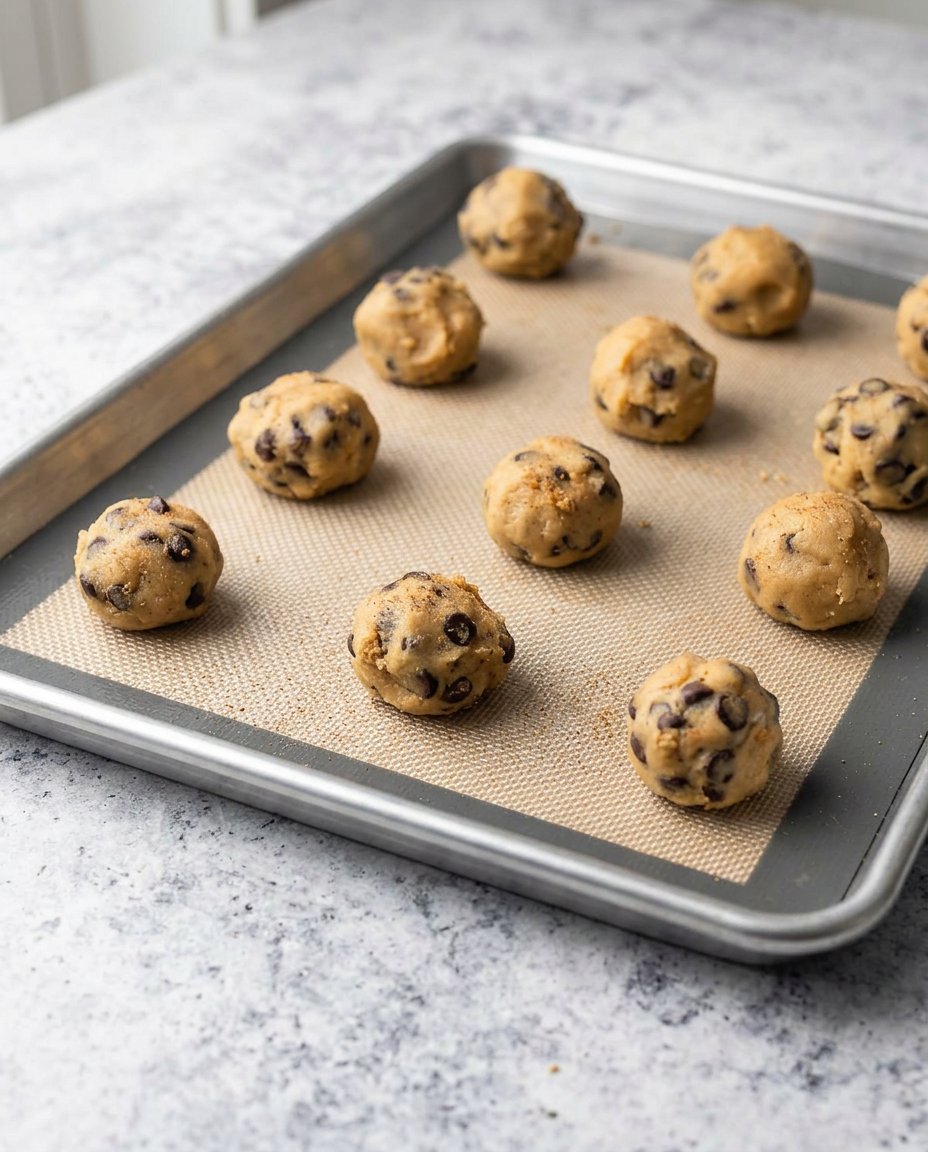
Preheat your oven to 350°F (177°C) and line two heavy-gauge baking sheets with parchment paper. Scoop exactly 1-tablespoon portions (approximately 25g) of chilled dough and roll them into uniform spheres. Roll each sphere in the remaining 1/4 cup of granulated sugar to create the necessary surface tension for the ‘crackle’ effect. Space the spheres at least 5cm (2 inches) apart to allow for heat circulation.
Step 7: Controlled Thermal Application
Bake for 9 to 12 minutes. The visual cue for completion is when the edges are set and slightly golden, but the centers still appear slightly soft. The internal temperature should reach approximately 185°F (85°C). Remove from the oven and allow the cookies to rest on the hot baking sheet for 5 minutes to complete the carryover cooking process before moving to a wire rack.
Step 8: Icing Synthesis and Application
Whisk together the 240g of powdered sugar, 2 tablespoons of melted butter, and 3 tablespoons of eggnog or milk until a spoonable viscosity is achieved. If the icing is too thick to flow, add milk in 1-teaspoon increments. Once the cookies have cooled to below 80°F (27°C), spoon the icing over the center, allowing it to move naturally toward the edges. Let the icing set for 10 minutes to allow the sugar to recrystallize into a stable topping.
Lauren’s Lab Notes for Success
For the most consistent results with Taylor Swift Chai Cookies 2, I highly recommend using a digital scale to measure your ingredients in grams. Volume measurements for flour can vary by as much as 20% depending on how the flour is packed, which drastically alters the hydration levels of the dough. If you find your cookies are spreading too much, verify that your oven temperature is accurate using an external thermometer, as many home ovens deviate by 25 degrees or more. To streamline your process for future bakes, you might want to look at our Efficient Cookie Methods for tips on batch preparation and dough storage. Always ensure your baking soda is fresh by testing a small amount in vinegar; if it doesn’t bubble vigorously, the chemical leavening power has been lost and your cookies will be dense rather than tender.
Tested Modifications and Ratio Tweaks
If you prefer a deeper, more complex flavor profile, you can experiment with the Maillard reaction by browning the 113g of butter before starting the recipe. Simply melt the butter over medium heat until the milk solids turn golden brown and smell nutty, then chill it back to a soft solid state before creaming. For those interested in the chemistry of festive bakes, our guide on Holiday Cookie Science explains how changing spice concentrations affects dough pH. You can also substitute the eggnog in the icing with a high-quality bourbon to introduce complex vanillins and oak notes; since the alcohol does not reach a boiling point, the flavor remains bright and distinct. If you lack chai tea bags, our test kitchen found that a blend of 1 tsp cinnamon, 1 tsp ginger, 1/4 tsp cardamom, and 1/4 tsp cloves provides an identical aromatic profile.
Optimal Enjoyment and Texture Science
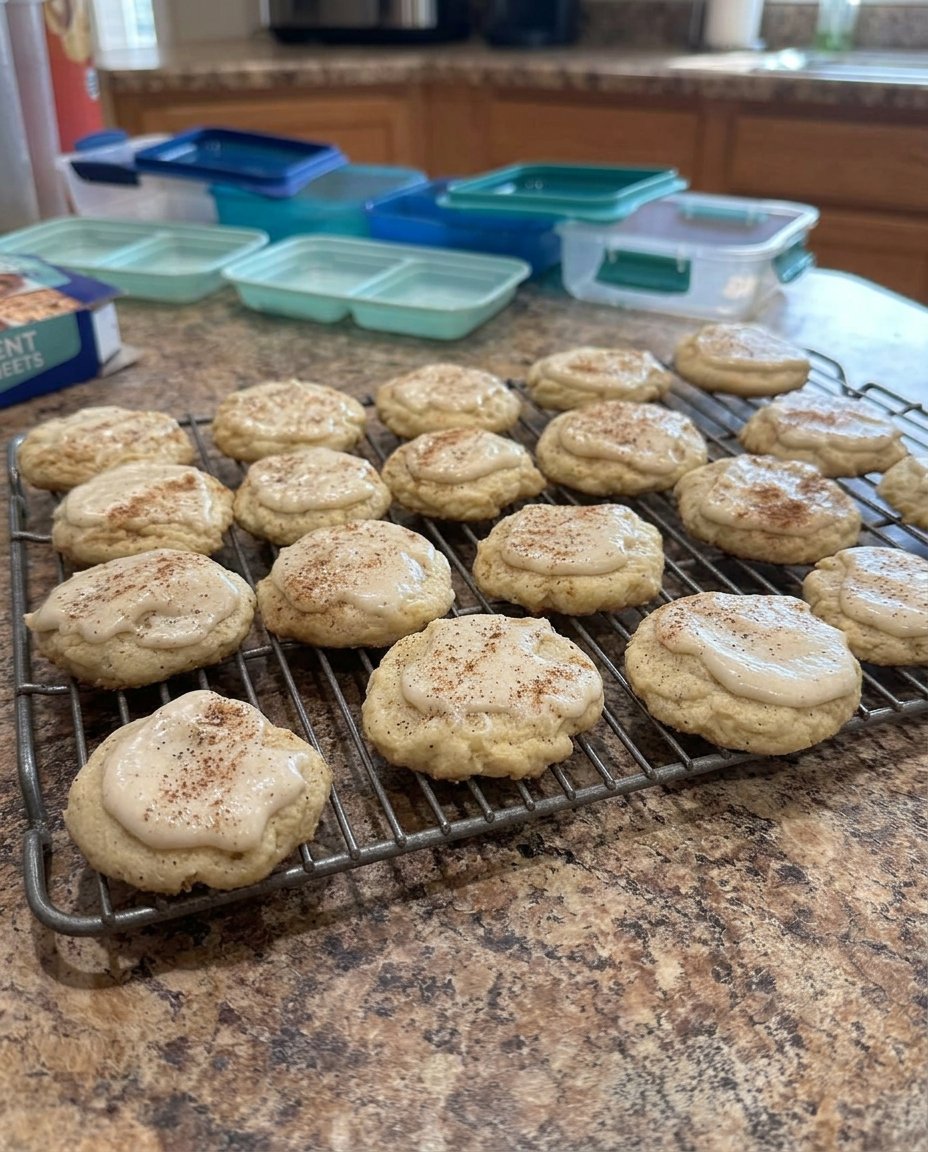
To experience the full complexity of the chai spices, serve these cookies at a controlled room temperature of approximately 72°F (22°C). At this temperature, the fats in the cookie are soft enough to release aromatic compounds as they melt on the tongue. If you prefer a more clinical approach to decoration, you can find advanced techniques in our section on Precision Cookie Decorating. For a unique sensory experience, try pairing these cookies with a warm, unsweetened black tea; the heat from the tea will accelerate the melting of the icing, creating a dynamic flavor transition. If you are serving these as part of a larger spread, ensure they are stored in an airtight container to prevent moisture migration from other baked goods, which can cause the icing to become tacky.
The Scientific Truth of the Chai Cookie
Mastering the Taylor Swift Chai Cookies 2 is a lesson in how specific fat ratios can drastically alter the final product. By following these precise measurements and the 60-minute hydration rule, you can move away from guesswork and toward guaranteed baking success. For more deep dives into the mechanics of the perfect bake, refer to our Foundation Cookie Recipes to build your technical skills. We encourage you to share your results and data with our community on Instagram, Facebook, or Pinterest. Remember that every batch is an opportunity to observe the fascinating chemistry of the kitchen. Keep testing and keep baking with precision.