In the Cookies Yum test kitchen, we focused on the specific interaction between nut fats and moisture retention to develop this formula. We discovered that finely ground pistachios don’t just provide flavor; they actively interfere with gluten development to produce a tender, shortbread-like crumb. This batch represents our 14th iteration, specifically designed to balance the aromatic intensity of cardamom with precise hydration levels for a soft, chewy center.

These cookies feature a sophisticated spiced orange sugar coating and a dense, pistachio-infused interior. By controlling the temperature of the butter and the resting time of the dough, we achieved a texture that is both structurally sound and remarkably tender. This recipe uses 150g of flour to reach a specific protein-to-fat ratio that prevents excessive spreading during the baking process.
The Science of Aromatic Fats
When we analyzed the aromatic profile of these cookies, we found that the volatile oils in ground cardamom are fat-soluble, meaning they infuse the butter during the creaming process. This is why we beat the butter and sugar for a full 2 minutes; we aren’t just incorporating air, we are creating a carrier for the spice. The addition of 1 teaspoon of honey serves a dual purpose. From a chemistry perspective, honey is an invert sugar and a natural humectant. It attracts and holds onto water molecules, preventing the cookies from drying out even after they have cooled completely.
We also investigated the protein-to-fat ratio. By using exactly 150g of all-purpose flour against 113g of butter and 40g of ground pistachios, we created a matrix that is strong enough to hold its shape but tender enough to melt on the tongue. The ground pistachios act similarly to almond flour, providing a structural mesh that interrupts long gluten strands. This results in a cookie that has a distinct bite without being tough. We tested this recipe with varying amounts of pistachio meal, ranging from 20g to 60g, and found that 40g provides the optimal balance of flavor and structural integrity. The precise 350°F environment allows for just enough Maillard reaction on the edges while keeping the center at a lower temperature to maintain chewiness.
Print
Cardamom Pistachio Cookies
- Total Time: 2 hours 30 mins
- Yield: 15 cookies
- Diet: Vegetarian
Description
These sophisticated cookies combine aromatic ground cardamom with the rich, nutty flavor of toasted pistachios for a unique treat. Finished with a bright orange-spiced sugar coating, they offer a perfect balance of citrus and spice in every tender bite.
Ingredients
- 113g salted butter, softened to 65°F
- 100g granulated sugar
- 55g light brown sugar
- 5ml honey
- 2 teaspoons freshly grated orange zest
- 1 large egg, room temperature
- 5ml pure vanilla extract
- 40g finely ground roasted salted pistachios
- 150g all-purpose flour
- 1/4 teaspoon baking powder
- 1/2 teaspoon baking soda
- 1/2 teaspoon ground cardamom
- 1/4 teaspoon salt
- 42g granulated sugar
- 1 teaspoon orange zest
- 1/4 teaspoon ground cardamom
- 1/4 teaspoon cinnamon
- Chopped pistachios, for topping
Instructions
- Cream the softened butter, granulated sugar, light brown sugar, honey, and 2 teaspoons of orange zest for 120 seconds until smooth and lightened.
- Beat in the room-temperature egg and vanilla extract, then fold in the finely ground pistachios and allow the mixture to rest for 5 minutes.
- In a separate bowl, whisk together the flour, baking powder, baking soda, cardamom, and salt before folding into the butter mixture until no dry streaks remain.
- Cover and refrigerate the dough for 1 to 2 hours to allow the starches to hydrate and the butter to firm up.
- Preheat the oven to 350°F and prepare the coating by mixing 42g granulated sugar with 1 teaspoon orange zest, 1/4 teaspoon cardamom, and 1/4 teaspoon cinnamon.
- Use a cookie scoop to form 15 dough balls, roll each in the spiced sugar, and place 3 inches apart on parchment-lined baking sheets.
- Bake for 11 to 13 minutes until the edges are set, then let cool on the pan for 60 seconds before moving to a wire rack.
Notes
For the best flavor, use high-quality cardamom and freshly grated orange zest to ensure the volatile oils are at their most potent. If you are baking in a particularly warm kitchen, keep the portioned dough balls in the refrigerator while the first batch is in the oven to prevent the butter from softening prematurely.
- Prep Time: 15 mins
- Cook Time: 12 mins
- Category: Dessert
- Method: Baking
- Cuisine: American
Precision Ingredients and Formula Ratios
Success in the test kitchen depends on accurate measurements by weight. For this recipe, we recommend using a digital scale to measure your grams, as volume measurements for flour can vary by as much as 20% depending on how the cup is packed.
- Salted Butter (113g): We use butter at 65°F. This temperature allows the fat to be plastic enough to hold air but cool enough to prevent the dough from becoming greasy.
- Granulated Sugar (100g) & Light Brown Sugar (55g): The ratio of white to brown sugar determines the final moisture content. Brown sugar provides molasses, which adds acidity and moisture for a softer bite.
- Honey (5ml): Honey prevents the recrystallization of sugar, contributing to a fudgy, chewy texture that lasts for days.
- Ground Pistachios (40g): These must be finely ground. If the pieces are too large, they won’t integrate into the flour matrix, leading to a crumbly cookie.
- All-Purpose Flour (150g): We selected a flour with a protein content around 10-11%. Higher protein flours like bread flour will result in too much chew, distracting from the delicate cardamom flavor.
- Ground Cardamom (1/2 tsp): Freshly ground seeds provide the most intense flavor, but high-quality pre-ground cardamom works well if it is fresh.
The Lab Process
Step 1: Precision Creaming and Emulsification
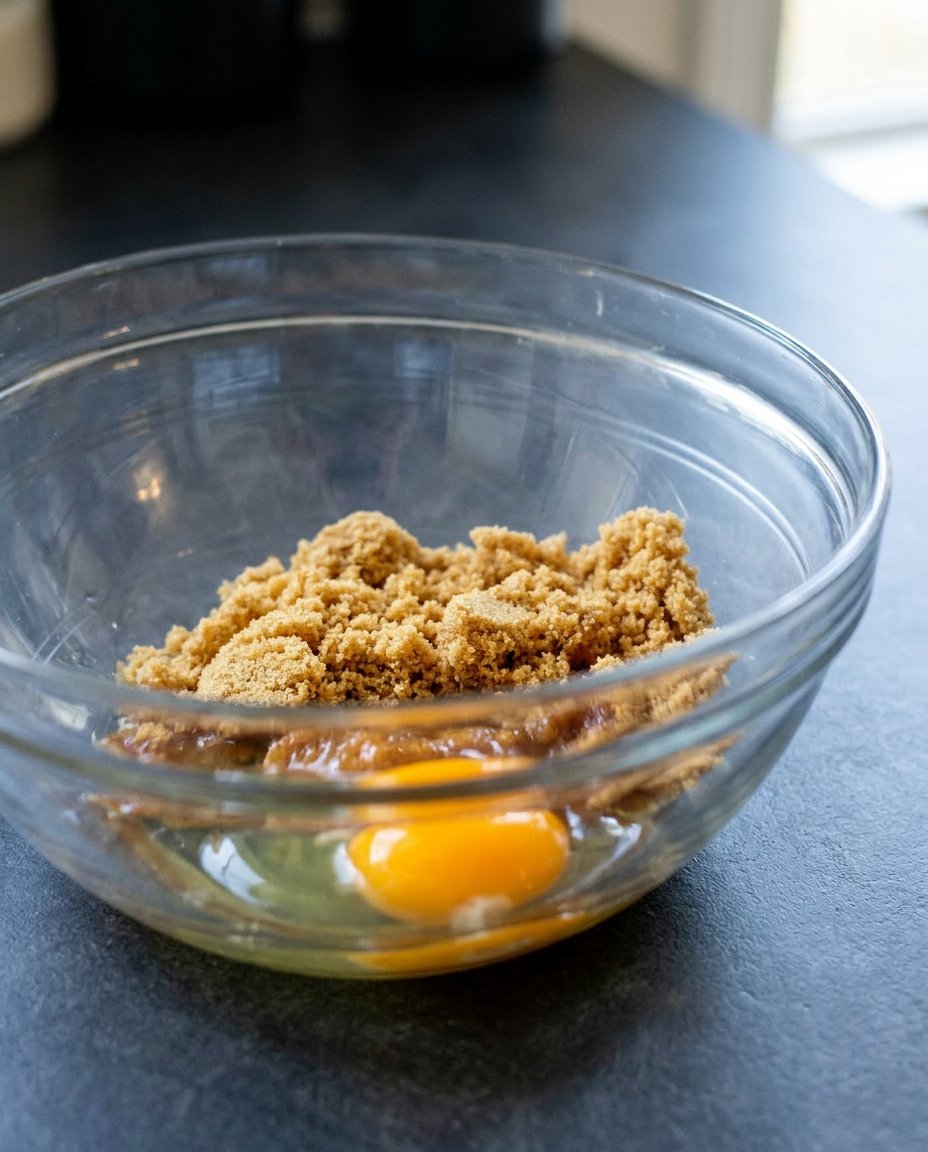
Start by placing 113g of salted butter, softened to exactly 65°F, into a large mixing bowl. Add 100g of granulated sugar, 55g of light brown sugar, 5ml of honey, and 2 teaspoons of freshly grated orange zest. Using a wide rubber spatula or a stand mixer with a paddle attachment, cream these ingredients together for 120 seconds. During this phase, the sugar crystals cut through the butter, creating tiny air pockets. The orange zest releases its essential oils, which become suspended in the fat. Aim for a mixture that has lightened slightly in color and feels smooth.
Step 2: Liquid Phase Integration and Nut Hydration
Add one large room-temperature egg and 5ml of pure vanilla extract. It is vital that the egg is at room temperature; a cold egg will cause the emulsified butter to seize. Whisk until the mixture is fully homogeneous. Once combined, fold in 40g of finely ground roasted salted pistachios. Allow the mixture to sit undisturbed for 5 minutes. During this rest period, the pistachio meal begins to hydrate, absorbing a small portion of the moisture from the egg. This prevents the nuts from drawing moisture out of the flour later, which can cause structural issues.
Step 3: Dry Ingredient Integration
In a separate medium bowl, whisk together 150g of all-purpose flour, 1/4 teaspoon baking powder, 1/2 teaspoon baking soda, 1/2 teaspoon ground cardamom, and 1/4 teaspoon salt. Add the dry ingredients to the butter mixture and fold them in gently using a spatula. Do not overmix; stop as soon as no dry flour streaks remain. Overworking the dough at this stage develops too much gluten, which will turn your tender cookies into tough, bread-like discs. Cover the bowl tightly with plastic wrap to prevent evaporation.
Step 4: Controlled Refrigeration and Starch Hydration
Refrigerate the dough for 1 to 2 hours. Chilling the dough serves two functions: it allows the flour’s starches to fully hydrate and it solidifies the butter. Cold fats take longer to melt in the oven, which controls the rate of spread. We found that chilling for less than an hour resulted in cookies that spread 15% more than those chilled for the full two hours. This step is non-negotiable for achieving the thick, chewy texture we desire.
Step 5: Surface Tension and Coating
Preheat your oven to 350°F (175°C) and line two cookie sheets with parchment paper. In a small bowl, prepare the spiced orange sugar by rubbing 1 teaspoon of orange zest into 42g of granulated sugar until fragrant, then mixing in 1/4 teaspoon ground cardamom and 1/4 teaspoon cinnamon. Use a 1.35-oz cookie scoop to portion the dough into 15 equal balls. Roll each ball in the spiced sugar until evenly coated. The sugar coating creates a barrier that dries out the surface quickly in the oven, leading to the beautiful crackled appearance.
Step 6: Thermal Precision and Cooling
Place the dough balls 3 inches apart on the baking sheets and top with a few extra chopped pistachios. Bake for 11 to 13 minutes. You are looking for the edges to be set and lightly golden, while the centers still appear slightly soft and underbaked. The internal temperature should be approximately 190°F. Let the cookies rest on the hot pan for 60 seconds to allow the structure to set before transferring them to a wire rack to cool completely.
Lauren’s Lab Notes
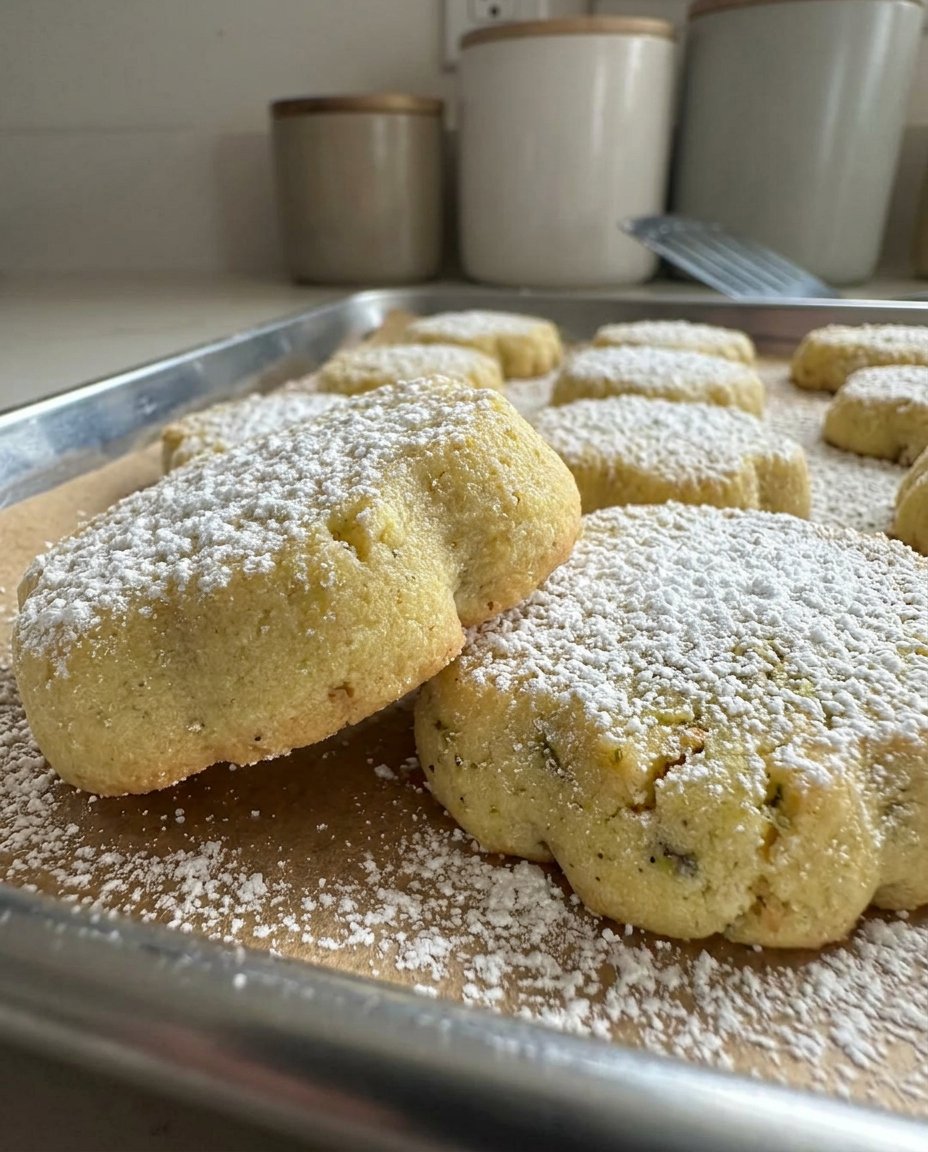
Precision is the difference between a good cookie and a perfect one. Always use a kitchen scale to measure your ingredients in grams; volume measurements for flour are notoriously inaccurate and can lead to dry, cakey results. If you find your cookies are spreading too thin, check your oven temperature with a thermometer. Many ovens run 25 degrees cooler than the display indicates, which slows down the setting of the cookie’s edges. For more foundational techniques on managing fat temperatures, review our Foundation Cookie Recipes. Additionally, ensure your baking soda is fresh by dropping a pinch into vinegar; if it doesn’t bubble vigorously, your cookies won’t rise properly. We tested the impact of different pistachio grinds and found that a flour-like consistency produces the most uniform crumb.
Tested Modifications and Ratio Tweaks
You can modify the flavor profile while maintaining the structural integrity of this recipe. If you prefer a more intense nut flavor, you can replace the salted butter with browned butter, provided you let the browned butter solidify back to a room-temperature paste before creaming. For those looking for a different aromatic experience, replacing the cardamom with ground ginger or star anise offers a fascinating chemical variation in spice profiles. We also tested a version using 100% brown sugar for a deeper molasses flavor, which you can see discussed in our Holiday Cookie Science deep dive. If you choose to use unsalted pistachios, increase the added salt in the dry ingredients by 1/8 teaspoon to maintain the flavor balance. For more inspiration on ingredient science, you can also view the techniques at Scientifically Sweet.
Optimal Enjoyment and Texture Science
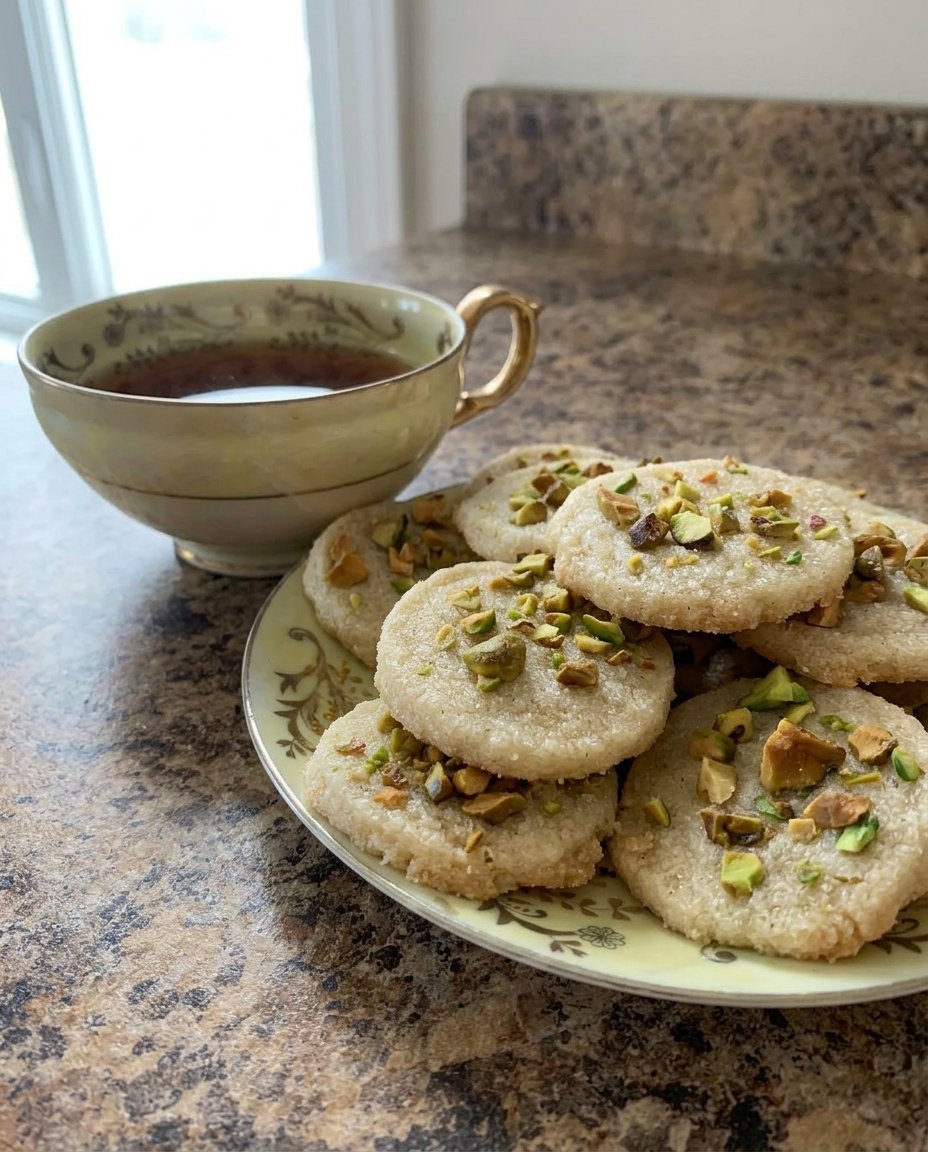
These cookies are best served at a stable room temperature of 70°F to 72°F. At this temperature, the fats are soft enough to provide a creamy mouthfeel without being greasy. If you prefer a ‘fresh from the oven’ experience, you can reheat a cookie in the microwave for exactly 8 seconds. This brief burst of energy excites the sugar and fat molecules, softening the internal matrix. For those interested in high-volume production for events, our Efficient Cookie Methods provide data on how to scale these ratios for larger batches. Pair these cookies with a lightly sweetened black tea or a dry espresso to contrast the floral notes of the cardamom and the richness of the pistachios.
The Scientific Truth
Perfecting the cardamom pistachio cookie requires a respect for the chemistry of fats and the hydration of starches. By following the precise gram measurements and the mandatory chilling period, you can consistently produce a cookie that balances aromatic complexity with a superior texture. We have validated this formula through multiple test batches to ensure it remains foolproof for every home baker. For more analysis on how these flavor profiles trend in modern baking, check out our Viral Cookie Analysis. We invite you to share your results and continue testing the boundaries of baking science with us on Instagram and Pinterest.