In the late 1930s, Ruth Wakefield changed the American biscuit landscape, but it was the mid-century baker who began experimenting with volume and structural integrity. Victorian era bakers understood that higher protein flour and cold fats created the necessary lift for substantial bakes. This recipe employs that historical wisdom to produce a cookie of significant stature and depth.

These cookies weigh in at a substantial six ounces each, mirroring the grand proportions found in heritage British tea cakes. By allowing the dough a twelve-hour rest, we honor the traditional slow-fermentation methods that ensure a complex flavor profile and superior texture. This method guarantees a bake that remains soft and substantial long after it leaves the oven.
The Triumph of Historical Precision
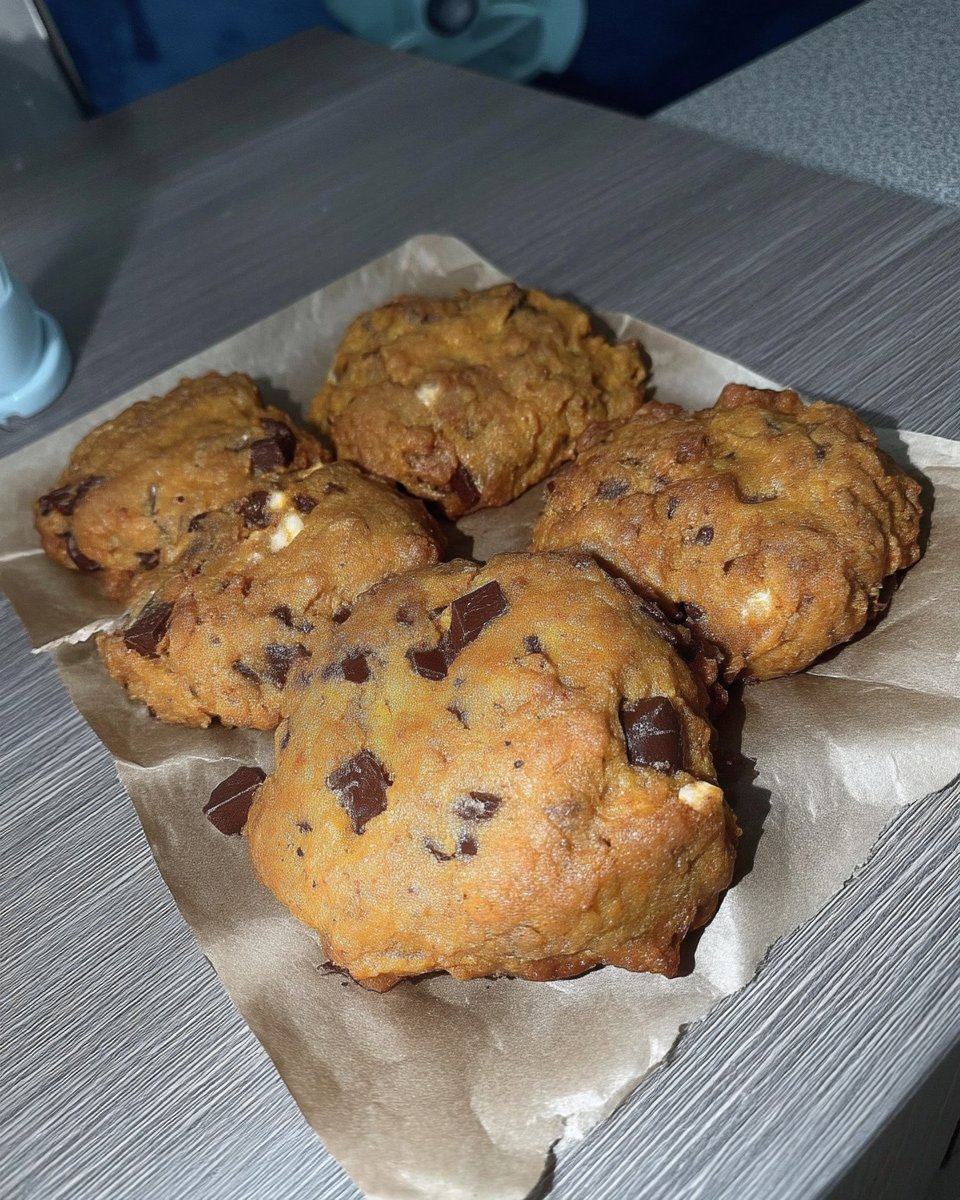
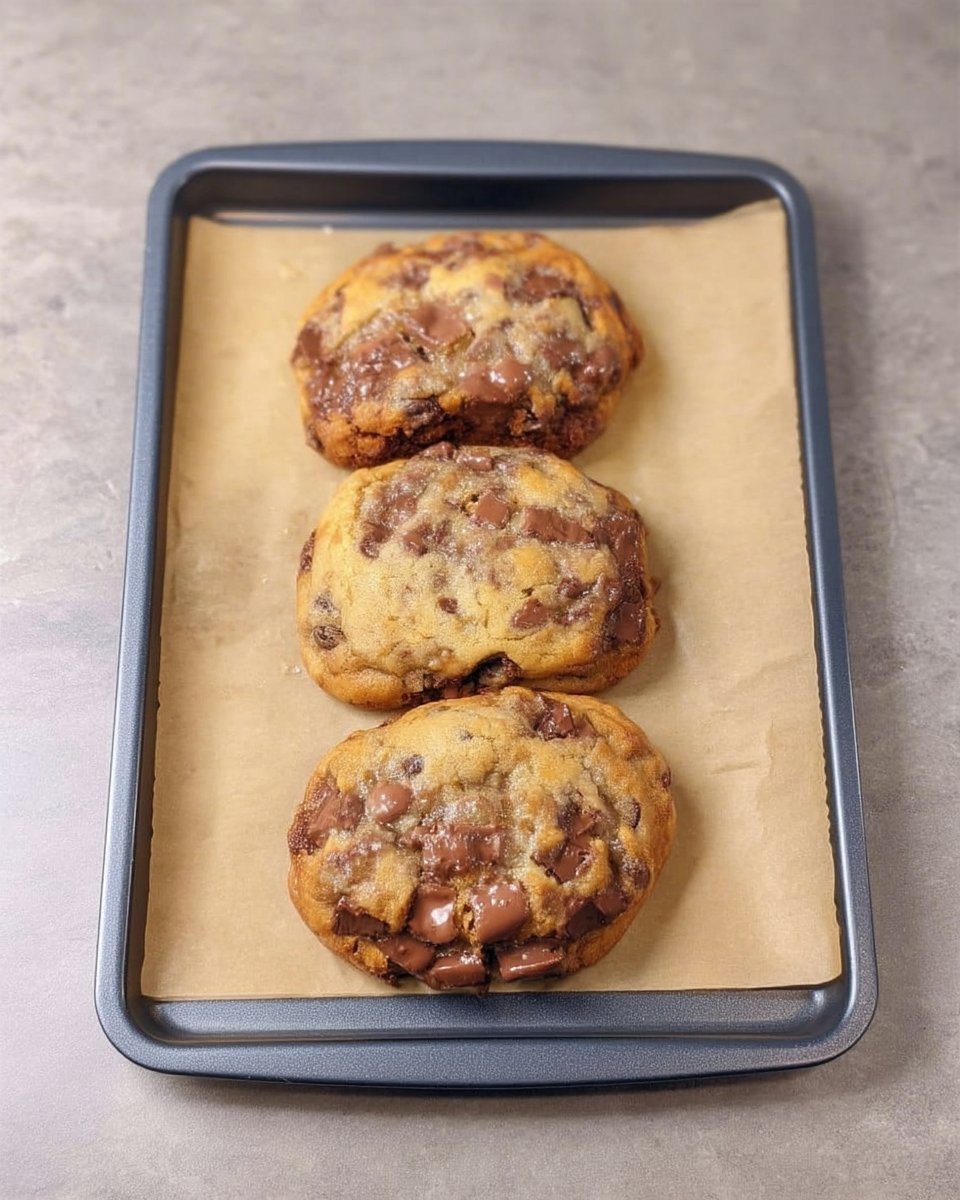
You will appreciate this recipe because it rejects the modern impulse for thin, oily cookies in favor of a robust, structured bake. It combines the scientific rigor of the test kitchen with the patience of traditional methods. The result is a cookie that offers a remarkable contrast between its crisp, honey-gold exterior and its tender, almost custard-like center.
Historically, bakers understood that weight and density were signs of quality and abundance. These cookies provide that same sense of satisfaction, using a precise ratio of fats and sugars to prevent excessive spreading. By following this methodical approach, you achieve a level of consistency that simpler recipes often lack. It is a heritage bake for the modern kitchen that values substance and technique.
Print
Thick Chocolate Chip Cookies
- Total Time: 12 hours 37 mins
- Yield: 8 cookies
- Diet: Vegetarian
Description
These massive, six-ounce cookies utilize historical baking techniques and a twelve-hour rest period to create a structurally sound treat. With a golden, crisp exterior and a tender, custard-like center, they offer a sophisticated depth of flavor and significant stature that modern recipes often lack.
Ingredients
- Unsalted American butter, softened to 65°F
- Toasted white sugar
- Light brown sugar
- Vanilla extract
- Diamond Crystal Kosher Salt
- Baking powder
- Baking soda
- Pinch of nutmeg
- Cold eggs
- All-purpose flour
- Assorted chocolate chips
- Walnuts or pecans
Instructions
- Combine the softened butter, toasted white sugar, light brown sugar, vanilla, salt, baking powder, baking soda, and nutmeg in a stand mixer and cream on medium speed for exactly 8 minutes.
- Add the cold eggs one at a time while the mixer is running, ensuring each egg is fully emulsified and the batter is smooth before adding the next.
- Reduce the mixer to the lowest speed and add the flour all at once, mixing only until no white streaks remain to avoid over-developing gluten.
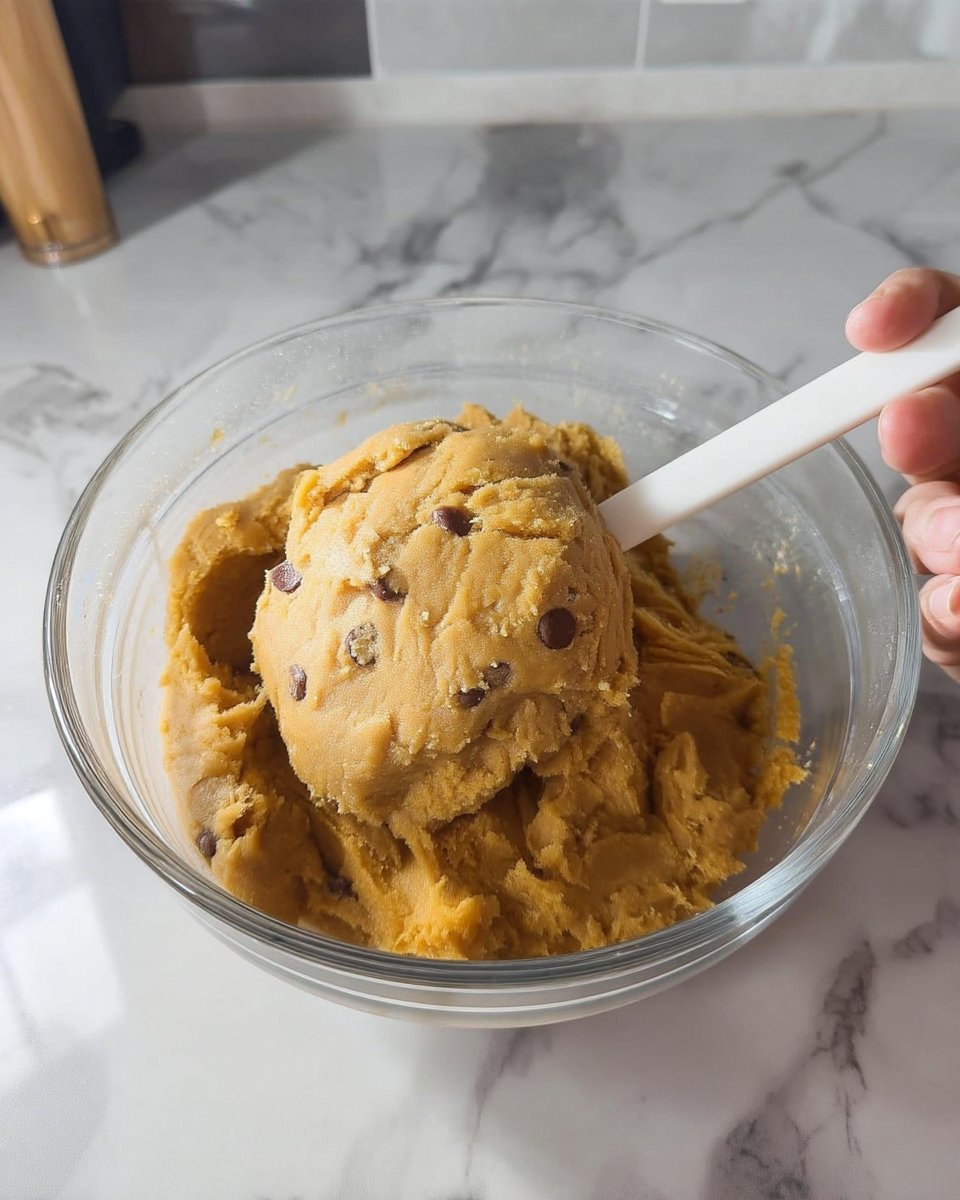
- Fold in the chocolate chips and nuts until they are evenly distributed throughout the heavy dough.
- Divide the dough into eight 6-ounce (170g) portions, roll them into smooth spheres, and wrap each individually in plastic film.
- Refrigerate the dough balls for at least 12 hours to allow for starch hydration and flavor development.
- Preheat your oven to 350°F (180°C) and line an aluminum sheet pan with parchment paper.
- Place four dough balls on the pan and bake for approximately 22 minutes, or until the internal temperature reaches between 175°F and 185°F.
Notes
For the most consistent results, always use a digital scale to ensure each cookie weighs exactly six ounces, as volume measurements can lead to uneven baking. To preserve the towering height of these cookies, ensure the dough is chilled to at least 40°F immediately before placing it into the preheated oven.
- Prep Time: 15 mins
- Cook Time: 22 mins
- Category: Dessert
- Method: Baking
- Cuisine: American
The Components of Structural Integrity
Each ingredient in this formula serves a specific technical purpose, rooted in both historical practice and modern chemistry. We use unsalted American butter softened to exactly 65°F (18°C), which is the ideal temperature for creating a stable emulsion during the creaming process. If the butter is too warm, the air cells will collapse; if too cold, they will never form.
- Toasted White Sugar: This is a professional technique where granulated sugar is heated until it begins a slow thermal decomposition. It adds a complex, caramel-like depth without the moisture of brown sugar.
- Light Brown Sugar: Provides the necessary acidity to react with the baking soda, ensuring a proper rise and a soft, chewy texture.
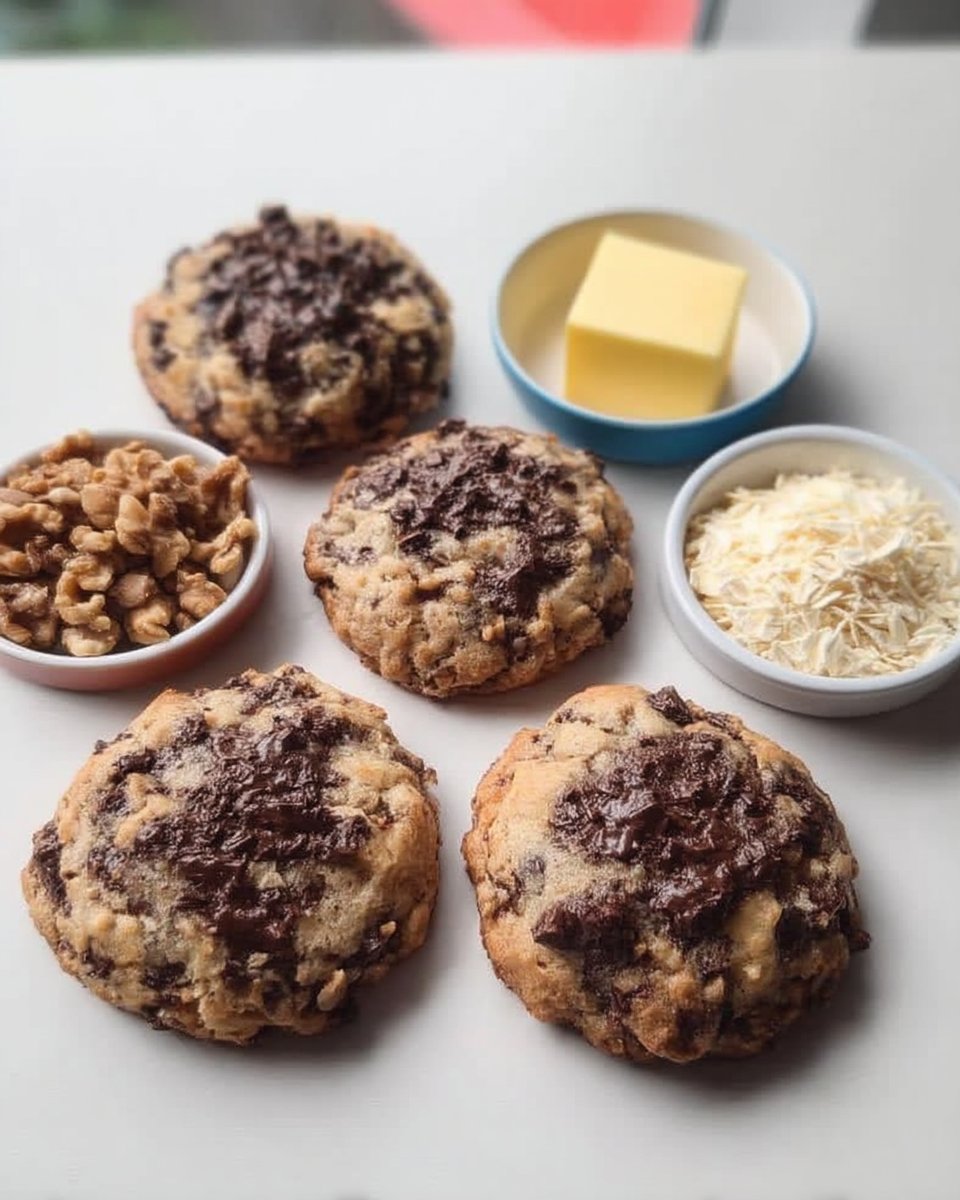
- Assorted Chocolate Chips: We avoid chopped chocolate here because the uniform shape of commercial chips helps maintain the cookie’s physical structure. This technique was often used in early industrial baking to manage the internal crumb.
- Diamond Crystal Kosher Salt: Precision in seasoning is vital; salt acts as a flavor modifier that suppresses bitterness and highlights the cocoa notes.
- All-Purpose Flour: A mid-protein flour like Gold Medal provides the gluten strength needed to hold a six-ounce ball of dough together without becoming tough.
- Walnuts or Pecans: These provide structural support from within the dough, acting like a framework that prevents the heavy chocolate from sinking or causing the cookie to spread too thin.
For more information on the chemistry of these components, the Serious Eats guide to chocolate chips provides excellent technical background.
The Proper Method for Thick Cookies
Step 1: The Foundation of Aeration
Combine the butter, light brown sugar, toasted white sugar, vanilla, salt, baking powder, baking soda, and a pinch of nutmeg in the bowl of a stand mixer. Use the paddle attachment on a low setting initially to prevent the sugars from scattering. Once moistened, increase the speed to medium and beat for exactly 8 minutes. This duration is not arbitrary; it is the time required for the sugar crystals to carve the maximum number of air pockets into the fat, a technique Victorian bakers used to achieve lift without modern chemical leaveners.
Step 2: Emulsification and Integration
With the mixer still running at medium speed, add the cold eggs one at a time. It is vital to let each egg fully disappear into the batter before adding the next to maintain the emulsion. If the batter looks curdled, the fat and liquid have separated; continue beating until the mixture is smooth and pale. This step ensures the finished cookie has a uniform crumb rather than a greasy or uneven texture.
Step 3: Folding the Structure
Reduce the mixer speed to its lowest setting and add the flour all at once. Mix only until no streaks of white remain. Over-mixing at this stage will develop too much gluten, leading to a bread-like cookie. Once the flour is incorporated, add the chocolate chips and nuts, mixing just until they are evenly distributed throughout the heavy dough.
Step 4: The Twelve-Hour Ripening
Divide the dough into eight portions, each weighing approximately 6 ounces (170g). Roll them into smooth, tight spheres. Wrap these balls individually in plastic film. This is the most critical step: refrigerate for at least 12 hours. Historically, this allowed flavors to meld, but scientifically, it permits the starch in the flour to fully hydrate and the fats to firm up, which is the secret to preventing spread.
Step 5: The Precision Bake
Preheat your oven to 350°F (180°C) and line an aluminum sheet pan with parchment. Place no more than four dough balls on the pan, as they need space for the heat to circulate properly. Bake for approximately 22 minutes. The goal is a puffed, lightly browned exterior with an internal temperature between 175°F and 185°F. This precision ensures the center is safe to eat while remaining wonderfully tender.
Historical Wisdom and Precision Methods
To achieve the perfect results consistently, one must pay attention to the temperature of the dough. Never bake these cookies from room temperature; they must be chilled to at least 40°F before entering the oven. This cold start creates a temperature gradient where the edges set quickly while the center remains cool, preserving that towering height. Using a digital thermometer to check the internal temperature of the bake is a professional standard that removes the guesswork from heritage baking.
When measuring your ingredients, always use a gram scale. Volume measurements for flour can vary by as much as 20% depending on how the flour is packed, which can ruin the delicate balance of this heavy dough. For more insights on building a strong foundation for your bakes, consult our Foundation Cookie Recipes guide. This methodical approach ensures that your twentieth batch is as perfect as your first.
Classic Adaptations and Regional Differences
While the chocolate and walnut combination is a mid-century standard, you can adapt this formula to suit different traditions. For a bake that leans toward a British digestive profile, you might replace 20% of the all-purpose flour with whole wheat flour and increase the salt slightly. This creates a nuttier, more savory base that complements dark chocolate particularly well.
Another tested adaptation is the use of different nut varieties. Macadamias paired with white chocolate provide a richer, more buttery experience, though you must ensure the nuts are chopped to a similar size as the chocolate chips to maintain structural integrity. For those looking to adapt these techniques for festive periods, our Holiday Cookie Science section offers detailed advice on incorporating spices and seasonal ingredients without compromising the cookie’s height.
Traditional Service and Classic Enjoyment
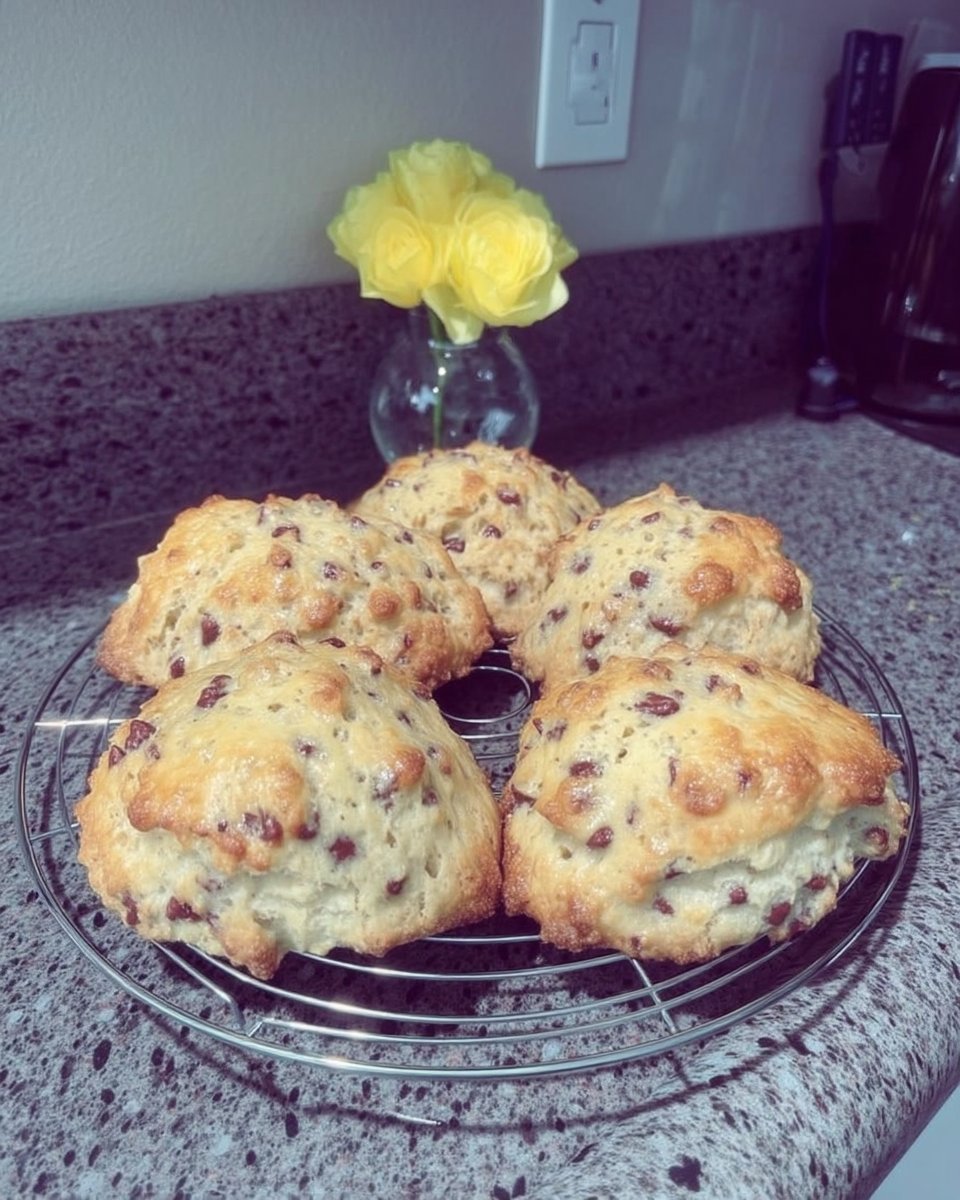
These substantial cookies are best served warm, approximately 20 minutes after they have left the oven. This allows the internal structure to set while the chocolate remains in a fluid state. Traditionally, a bake of this size is served alongside a robust black tea, such as Assam or Earl Grey, which provides a tannic contrast to the rich fats and sugars.
For a more formal presentation, serve a single cookie on a pre-warmed ceramic plate with a small fork. Because these cookies are so large, they are often shared among two people, mirroring the communal aspect of Victorian tea service. If you are preparing these for a large gathering, our guide on Efficient Cookie Methods provides tips on how to manage multiple batches without losing the precision required for this specific recipe.
The Technical Truth and Classic Precision
Mastering the thick chocolate chip cookie is a testament to the baker’s patience and respect for technique. By combining the long-rest methods of the past with modern temperature control, we produce a bake that is far superior to anything found in a commercial setting. It is a reminder that the best results come to those who understand the ‘why’ behind the ‘how.’ For those interested in mastering more complex bakes, I encourage you to view our Technical Bakes category for further study.
I invite you to share your results and technical questions with our community. You can follow my latest testing and historical research on Instagram, Pinterest, and Facebook. Seeing the heritage of these recipes live on in your kitchens is a great triumph for every baker who values tradition.