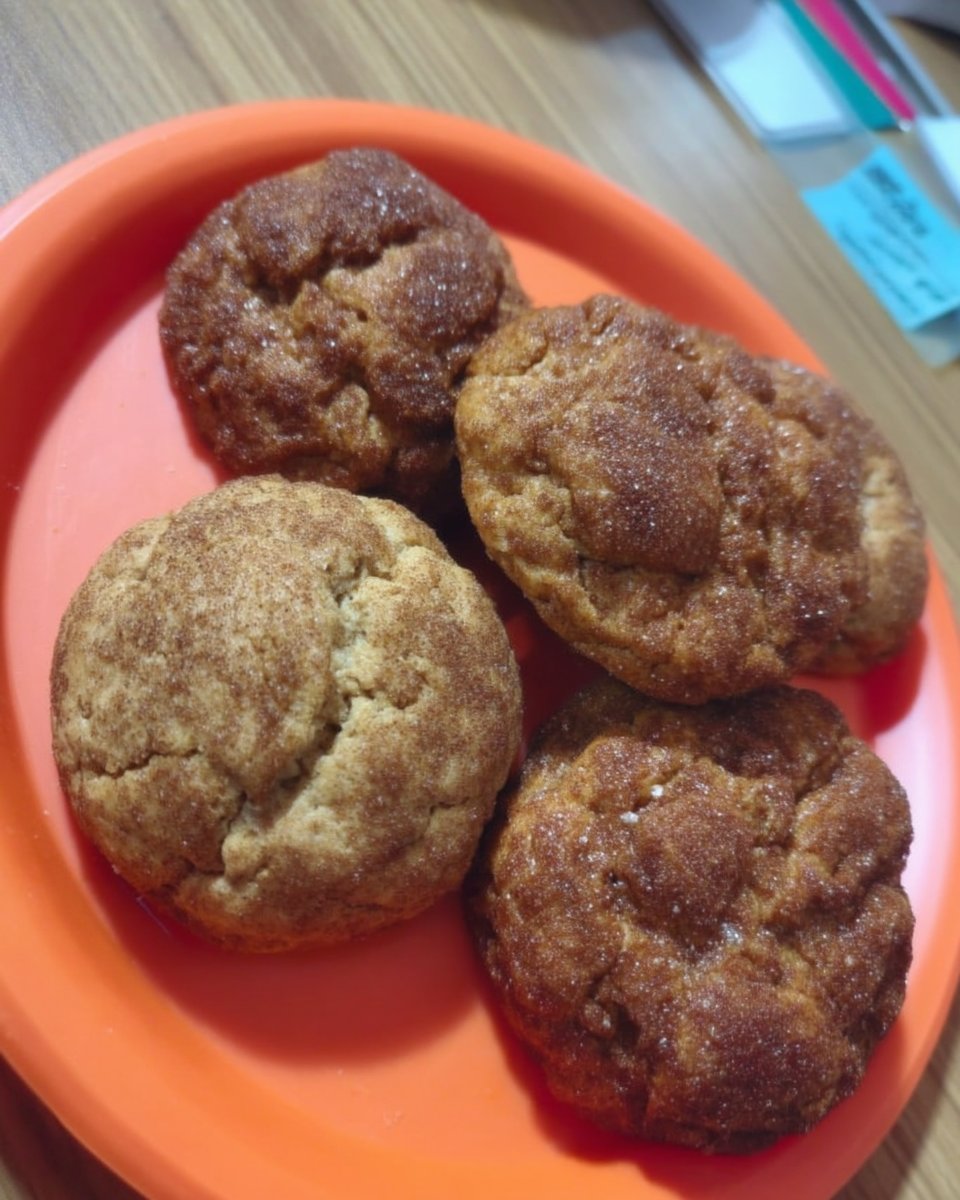
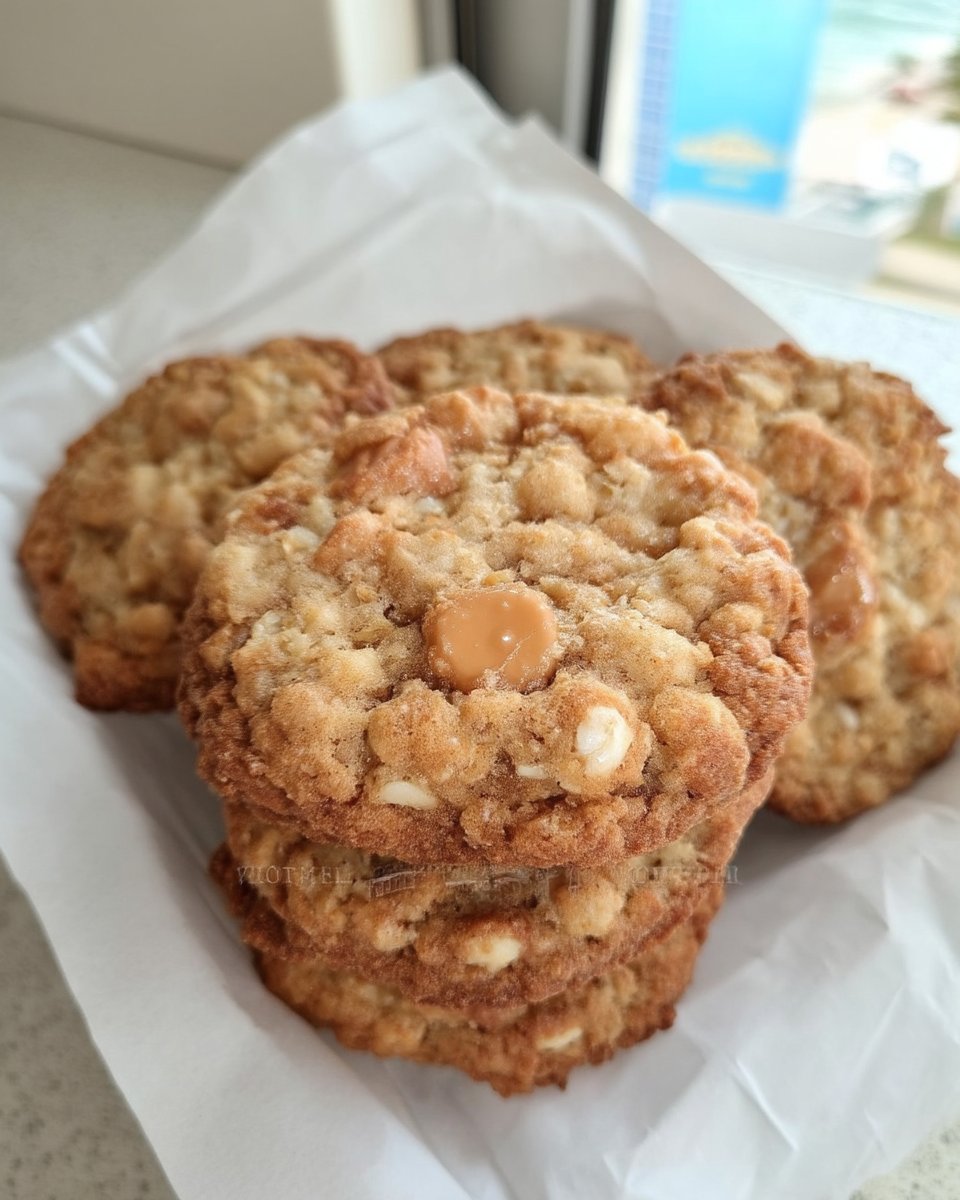
In the laboratory of the home kitchen, I recently discovered how benzaldehyde—the primary aroma compound in almond extract—acts as a molecular bridge between buttery shortbread and fruit jam. This specific interaction is why Thumbprint Cookies 3 offer such a sophisticated flavor profile despite their simple appearance. By layering these aromatic compounds, we create a tasting experience that is far more complex than a standard sugar cookie.

This recipe traces its lineage back to a family tradition, yet I have refined the ratios to satisfy both those who crave a crisp, shortbread-like texture and those who prefer a softer, jammier bite. We will analyze how the physical indentation of the dough changes the final moisture migration between the fruit preserves and the surrounding crumb. Whether you choose the deep well or the shallow press, the result is a masterclass in taste balance.
The Flavor Science of Jam and Shortbread
The appeal of these cookies lies in the precise balance of lipids and sugars. When we cream the butter with the powdered sugar, we are not just mixing ingredients; we are creating a matrix of fat that coats the flour proteins. This coating limits gluten development, leading to that coveted melt-in-your-mouth feel. The addition of a single egg yolk introduces lecithin, a natural emulsifier that binds the fats and liquids into a smooth, cohesive dough that holds its shape under thermal stress.
Furthermore, the salt in this formula serves a critical scientific purpose. Salt suppresses our perception of bitterness while heightening our sensitivity to sweetness and acidity. This makes the fruit jam taste more vibrant and the butter taste richer. We also utilize a dual-sugar approach—powdered sugar in the dough for a fine, tight crumb and granulated sugar on the exterior for a localized crunch. This textural contrast triggers mechanoreceptors in the mouth, making each bite more engaging for the brain.
Finally, the aroma chemistry here is remarkable. The vanillin from the vanilla extract and the benzaldehyde from the almond extract share similar molecular structures, allowing them to blend into a singular, warm fragrance. When these vapors meet the fruity esters of the jam during the baking process, they create a new, complex aromatic profile that is synonymous with high-end pastry work. This is why Thumbprint Cookies 3 remain a favorite among those who appreciate the intersection of chemistry and comfort.
Print
Thumbprint Cookies 3
- Total Time: 35 mins
- Yield: 18 cookies
- Diet: Vegetarian
Description
These sophisticated Thumbprint Cookies 3 combine a buttery shortbread base with a vibrant fruit jam center, enhanced by a delicate blend of vanilla and almond extracts. The dual-sugar coating provides a satisfying crunch that perfectly complements the melt-in-your-mouth texture.
Ingredients
- 1/2 cup unsalted butter, room temperature
- 1/3 cup powdered sugar
- 1 large egg yolk
- 1/2 teaspoon vanilla extract
- 1/4 teaspoon almond extract
- 1/4 teaspoon fine salt
- 1 cup all-purpose flour
- Granulated sugar, for coating
- Fruit jam or preserves
- Powdered sugar and milk, for icing
Instructions
- In a large bowl, cream together the room-temperature butter and 1/3 cup of powdered sugar with a rubber spatula until the mixture is pale and smooth.
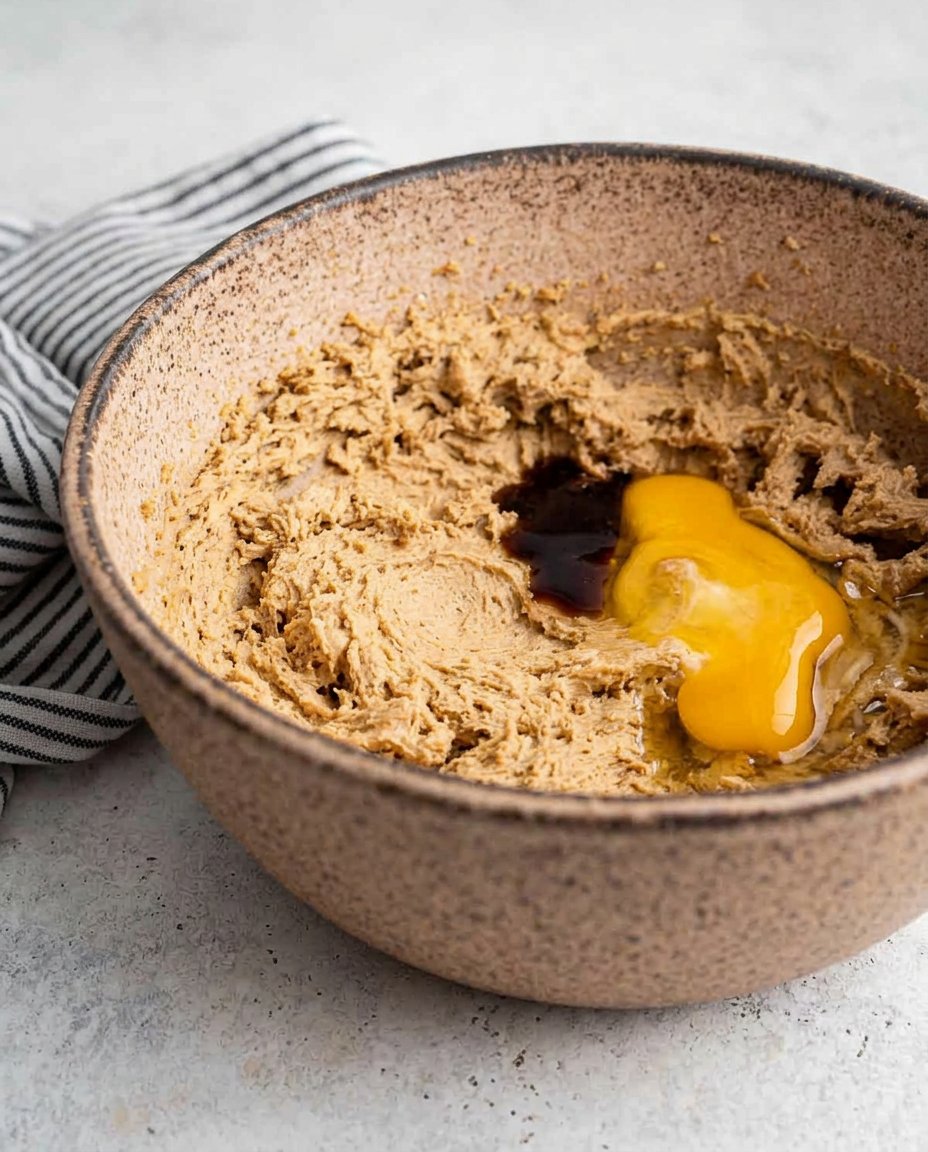
- Add the egg yolk, vanilla extract, almond extract, and fine salt, stirring thoroughly to emulsify the fats and flavorings.
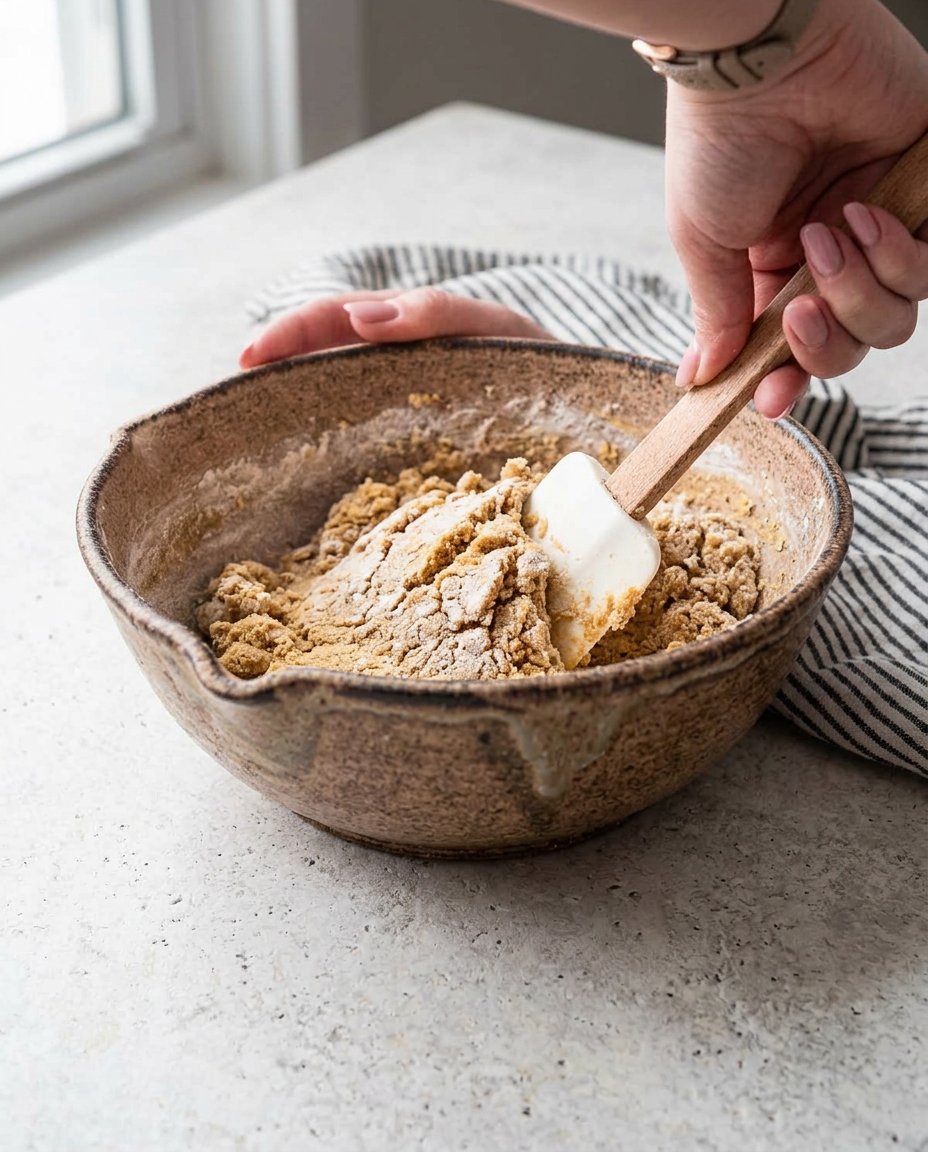
- Gently fold in the all-purpose flour until just combined and no white streaks remains, being careful not to over-work the dough.
- Scoop 1/2-ounce portions of dough, roll into spheres between your palms, and coat each ball twice in granulated sugar.
- Arrange the spheres on a lined baking sheet and use a thumb or the end of a wooden spoon to press a well into the center of each.
- Fill the indentations with fruit jam and bake at 325°F for about 15 minutes until the cookies are set but not overly browned.
- Cool the cookies on a wire rack and finish with a zigzag drizzle of icing made from whisked powdered sugar and milk.
Notes
To ensure the most tender crumb, avoid over-mixing the dough once the flour is added. If your kitchen is particularly warm, chilling the dough for 15 minutes before rolling can help the cookies maintain their shape and prevent the butter from melting prematurely. Using high-quality fruit preserves rather than jelly will result in a better set and more intense flavor in the jam reservoir.
- Prep Time: 20 mins
- Cook Time: 15 mins
- Category: Dessert
- Method: Baking
- Cuisine: American
Deconstructing the Flavor Components
To achieve the perfect equilibrium in Thumbprint Cookies 3, every component must be chosen for its specific chemical contribution to the whole.
- Unsalted Butter: This provides the primary lipid structure. We use unsalted to have complete control over the sodium concentration, ensuring the salt placement is intentional. The butter should be at room temperature (around 68°F) to allow for proper aeration during the creaming phase.
- Powdered Sugar: The inclusion of cornstarch in most commercial powdered sugars helps to absorb excess moisture, contributing to a tender crumb and preventing the dough from spreading too much in the oven.
- Egg Yolk: By excluding the white, we remove the water-heavy albumin and focus on the fat and lecithin of the yolk. This results in a richer, shorter texture rather than a chewy or cakey one.
- All-Purpose Flour: With a protein content usually around 10-12%, this provides just enough structure to hold the jam well without becoming tough.
- Fruit Jam: The pectin in the jam acts as a gelling agent that thickens as it heats and then cools. High-quality preserves with a balance of fruit solids and acidity work best to counter the richness of the dough.
- Almond and Vanilla Extracts: These are our volatile organic compounds. They provide the “top notes” of the cookie’s flavor profile, reaching the olfactory bulb before the taste buds even register the sweetness.
The Layering Process
Step 1: Creaming for Aeration
Begin by combining your room-temperature butter and 1/3 cup of powdered sugar in a large bowl. Use a rubber spatula to press and smear the mixture until it is creamy and pale. This mechanical action creates tiny air pockets that will expand in the oven, providing a light lift without the need for chemical leaveners like baking soda.
Step 2: Emulsification
Incorporate the egg yolk, vanilla extract, fine salt, and almond extract. Mix thoroughly to ensure the lecithin in the yolk has a chance to emulsify the fat-soluble flavor compounds with the small amount of water present in the extracts. This step is vital for a consistent flavor distribution throughout the Thumbprint Cookies 3 batch.
Step 3: Integrating the Dry Matrix
Add the all-purpose flour to the wet mixture. Use a folding motion until the flour is just combined. Over-mixing at this stage would activate the gluten proteins, leading to a bready or tough cookie. We want to stop the moment the white streaks disappear to maintain the “short” texture characteristic of the best shortbreads.
Step 4: Portioning and Coating
Use a small scoop to create 1/2-ounce portions. Roll these into spheres between your palms. The warmth of your hands will slightly soften the outer lipids, making it easier for the granulated sugar to adhere. Roll each ball in the granulated sugar twice; this creates a barrier that helps control moisture loss and adds a crystalline crunch.
Step 5: The Indentation Physics
Place the spheres on your lined baking sheet. For a deeper jam reservoir, use the end of a wooden spoon to press a vertical well. For a broader, flatter cookie with more surface area for the jam to caramelize, use your thumb to create a wide, shallow crater. This choice dictates the ratio of jam to cookie in every mouthful.
Step 6: Thermal Transformation
Fill the wells with your chosen jam. Tap the tray firmly against the counter to remove any trapped air bubbles within the jam. Bake at 325°F for approximately 15 minutes. This lower temperature allows the interior to cook through without the exterior browning too quickly, preserving the delicate almond and vanilla notes.
Step 7: The Final Accents
Once cooled on a wire rack, prepare the icing by whisking powdered sugar with milk or water until it reaches a piping consistency. The sugar in the icing provides a quick hit of glucose that immediately signals pleasure to the brain, while the zigzag pattern increases the visual appeal and creates a varied texture on the tongue.
Jasmine’s Flavor Notes
To prevent your jam from running or becoming too thin during the bake, look for preserves that list fruit as the first ingredient rather than sugar. Higher fruit content usually means more natural pectin, which sets more firmly. If you find your dough is sticking to your hands during the rolling process, you can lightly dust your palms with powdered sugar. However, for the most consistent results, try using Efficient Cookie Methods like working in a cool environment to keep the butter from melting prematurely. Also, placing a tiny pinch of sea salt directly on top of the jam after baking can create a surprising flavor pop that cuts through the sugar intensity.
Scientific Flavor Swaps
You can easily modify the aromatic profile of these cookies by changing the jam and extract combination. For a citrus-forward version, use lemon curd instead of jam; the citric acid provides a sharp contrast to the fatty butter. For a nutty, deeper flavor, replace the jam with a hazelnut spread. If you are interested in the chemistry of seasonal ingredients, you might find inspiration in our guide to Holiday Cookie Science. Another excellent swap is using orange zest in the dough—orange contains limonene, which shares a chemical affinity with the fruity notes in raspberry or apricot jam, creating a harmonious and bright flavor bridge.
Taste Enjoyment and Pairings
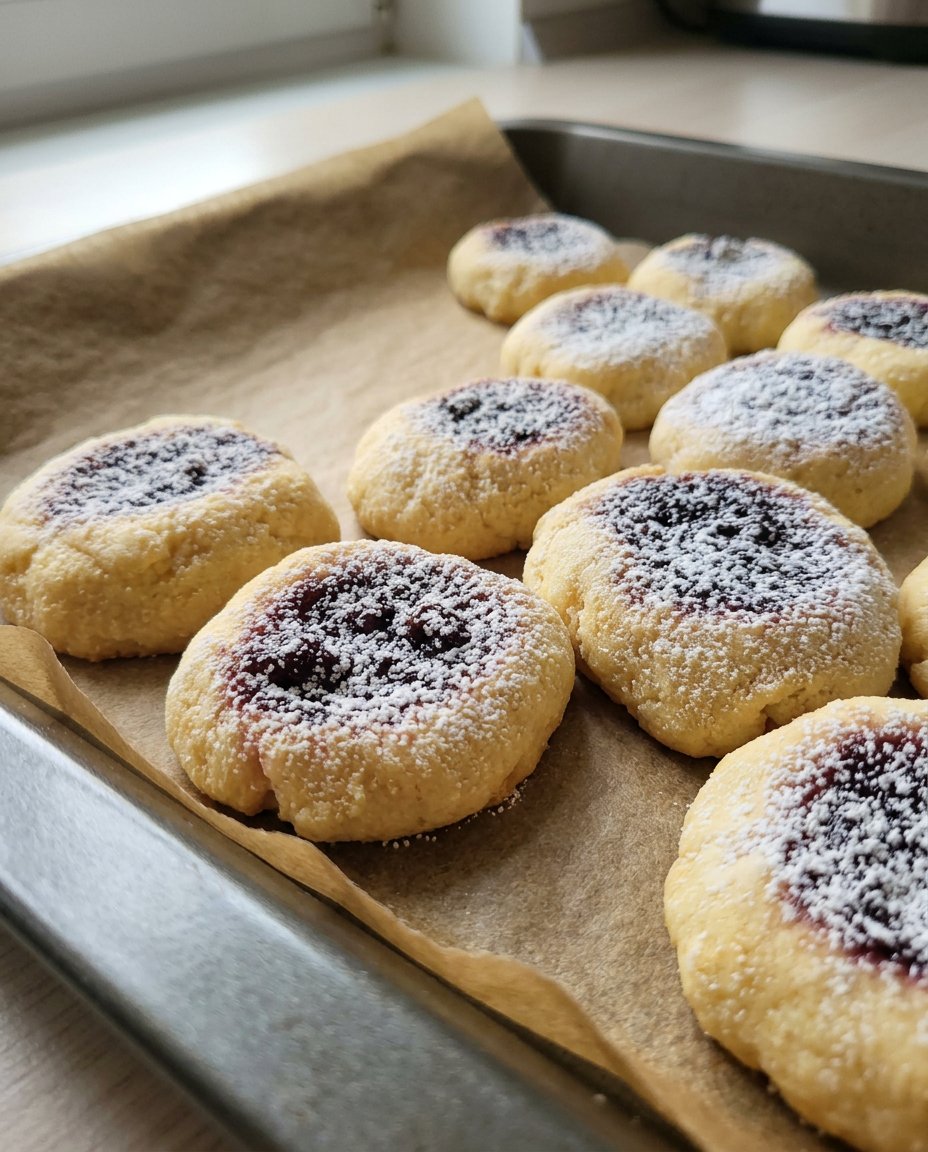
When serving Thumbprint Cookies 3, temperature plays a significant role in flavor perception. Room temperature is ideal, as it allows the butter to reach its melting point on the tongue quickly, releasing the fat-soluble aromas of vanilla and almond. For an even more precise presentation, you can explore Precision Cookie Decorating techniques to make your icing patterns more symmetrical. I highly recommend pairing these with a medium-roast coffee or a black tea. The tannins in the tea and the phenolic compounds in the coffee interact with the sugars in the cookie to cleanse the palate, making each bite taste as vibrant as the first.
Taste Discovery
Mastering the Thumbprint Cookies 3 is a journey into the chemistry of simple ingredients transformed by heat and technique. By understanding how fats, sugars, and aromatic compounds interact, you can create a cookie that is both nostalgic and scientifically balanced. For more foundational knowledge on dough structures, visit our section on Foundation Cookie Recipes. You can also find more community inspiration at AllRecipes. If you enjoyed this flavor science deep-dive, please share your results with us on Instagram, Facebook, or Pinterest. Happy baking, and keep questioning the science behind every bite!