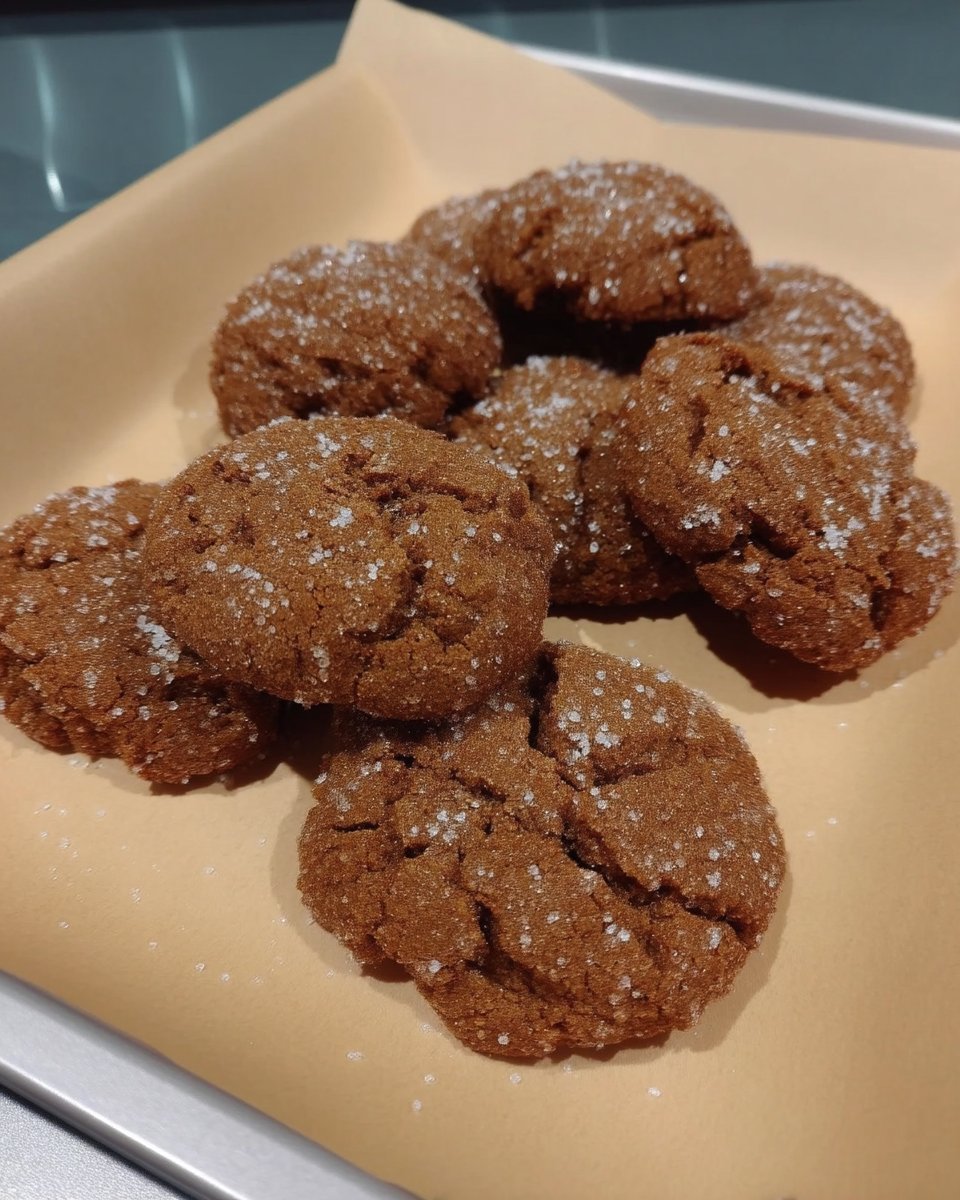
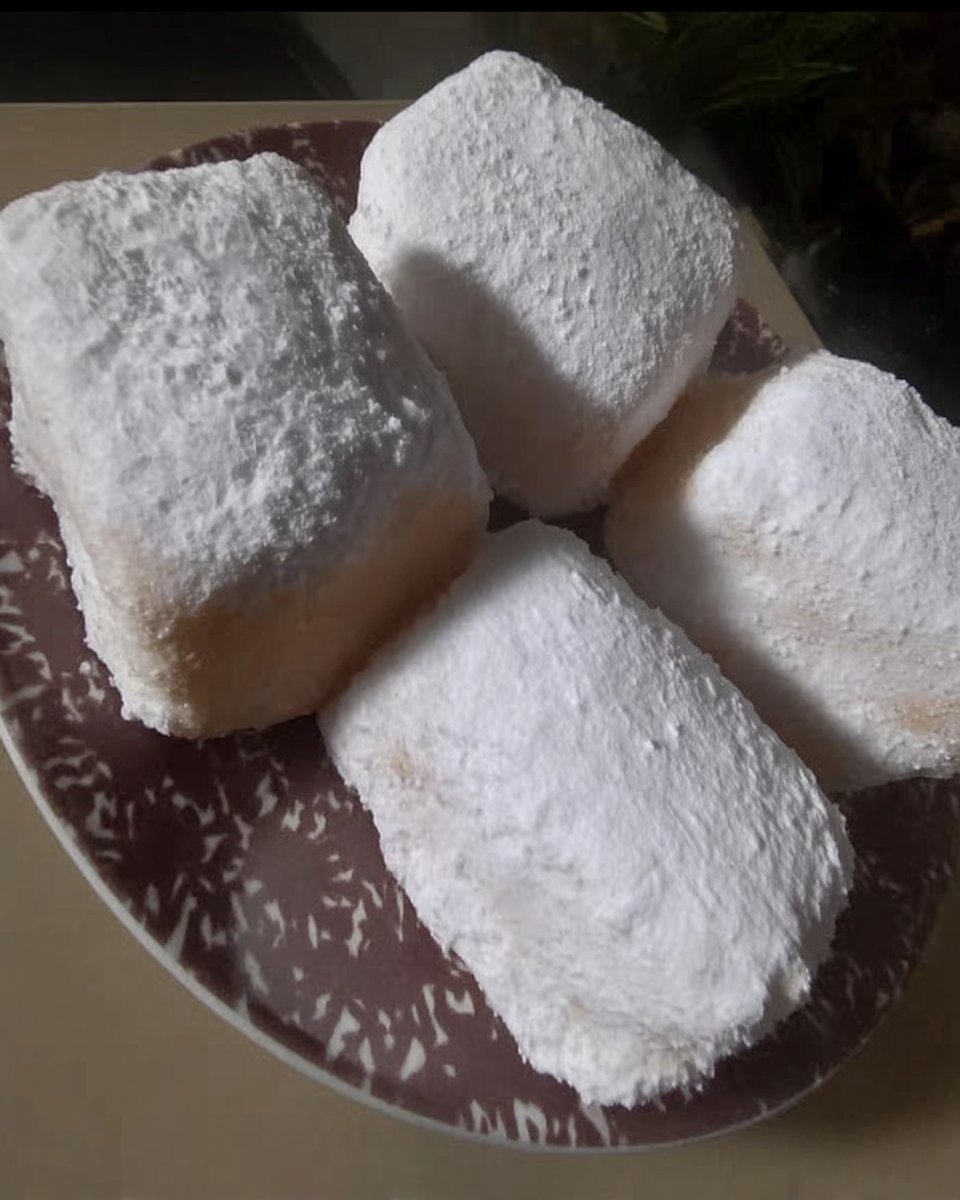
My recent laboratory trials with Chocolate Snaps led to a fascinating discovery regarding the crystallization of sucrose on the cookie’s perimeter. This specific recipe hinges on the precise ratio of saturated fats to simple carbohydrates, creating a structure that resists the typical soft-chew profile in favor of a definitive, audible snap. By understanding the interaction between the cocoa butter in the chips and the moisture-binding properties of the corn syrup, we can achieve a texture that is scientifically superior.

These cookies represent a delicate balance between the deep polyphenols of semisweet chocolate and the structural support provided by all-purpose flour. The result is a deep, resonant cocoa flavor that lingers on the palate long after the initial crunch. We are not just making a snack here; we are conducting an experiment in texture and aroma that results in the perfect bite-sized treat for any scientific mind with a sweet tooth.
The Molecular Magic of the Perfect Snap
The primary reason these Chocolate Snaps stand out is the intentional use of corn syrup to interfere with large sugar crystal formation. In most cookies, we seek a soft, pliable crumb, but here, we are creating a sugar-glass matrix that fractures under pressure, providing that signature sound and feel. The cocoa butter within the melted chocolate chips acts as a specialized fat that solidifies at room temperature, adding to the structural integrity and providing a clean melt-off on the tongue.
Furthermore, the alkalinity of the baking soda facilitates the Maillard reaction during the baking process. This chemical reaction between amino acids and reducing sugars creates hundreds of different flavor compounds, giving the cookies a toasted, complex depth that simple sugar alone cannot provide. When you bite into one, you are experiencing the synergy of rapid moisture loss and the development of pyrazines, which are the aromatic compounds responsible for the roasted smell of dark chocolate. It is a sensory experience backed by rigorous flavor chemistry.
Print
Chocolate Snaps
- Total Time: 60 mins
- Yield: 24 cookies
- Diet: Vegetarian
Description
These expertly crafted Chocolate Snaps deliver a deep cocoa flavor and a distinctive, brittle texture that lives up to its name. By balancing corn syrup and melted chocolate, this recipe creates a scientifically perfect crunch that chocolate enthusiasts will love.
Ingredients
- Semisweet chocolate chips
- Corn syrup
- Softened butter
- Baking soda
- Vanilla extract
- Egg
- All-purpose flour
- Salt
- White sugar
Instructions
- Melt the semisweet chocolate chips over low heat in a small saucepan, then allow them to cool completely to room temperature.
- In a medium mixing bowl, whisk together the all-purpose flour, baking soda, and salt until the dry ingredients are evenly distributed.
- Using an electric mixer set to medium-low speed, beat the softened butter and white sugar until the mixture is light and fluffy.
- Incorporate the vanilla extract, corn syrup, and egg into the creamed butter, beating until the liquid phase is well combined.
- Reduce the mixer speed to low, stir in the cooled melted chocolate, and then gradually add the flour mixture until just combined.
- Cover and refrigerate the dough for at least 30 minutes to allow for thermal stabilization and proper flour hydration.
- Shape the dough into one-inch spheres, roll them in additional white sugar, and bake at 350 degrees F (175 degrees C) on ungreased sheets for 10 to 15 minutes.
Notes
To ensure the perfect snap, avoid over-baking; the cookies should be set at the edges but will continue to firm up as they cool on the baking sheet. Always measure your flour using the spoon-and-level method to maintain the correct scientific ratio of dry to wet ingredients.
- Prep Time: 15 mins
- Cook Time: 15 mins
- Category: Dessert
- Method: Baking
- Cuisine: American
Analyzing the Flavor Components
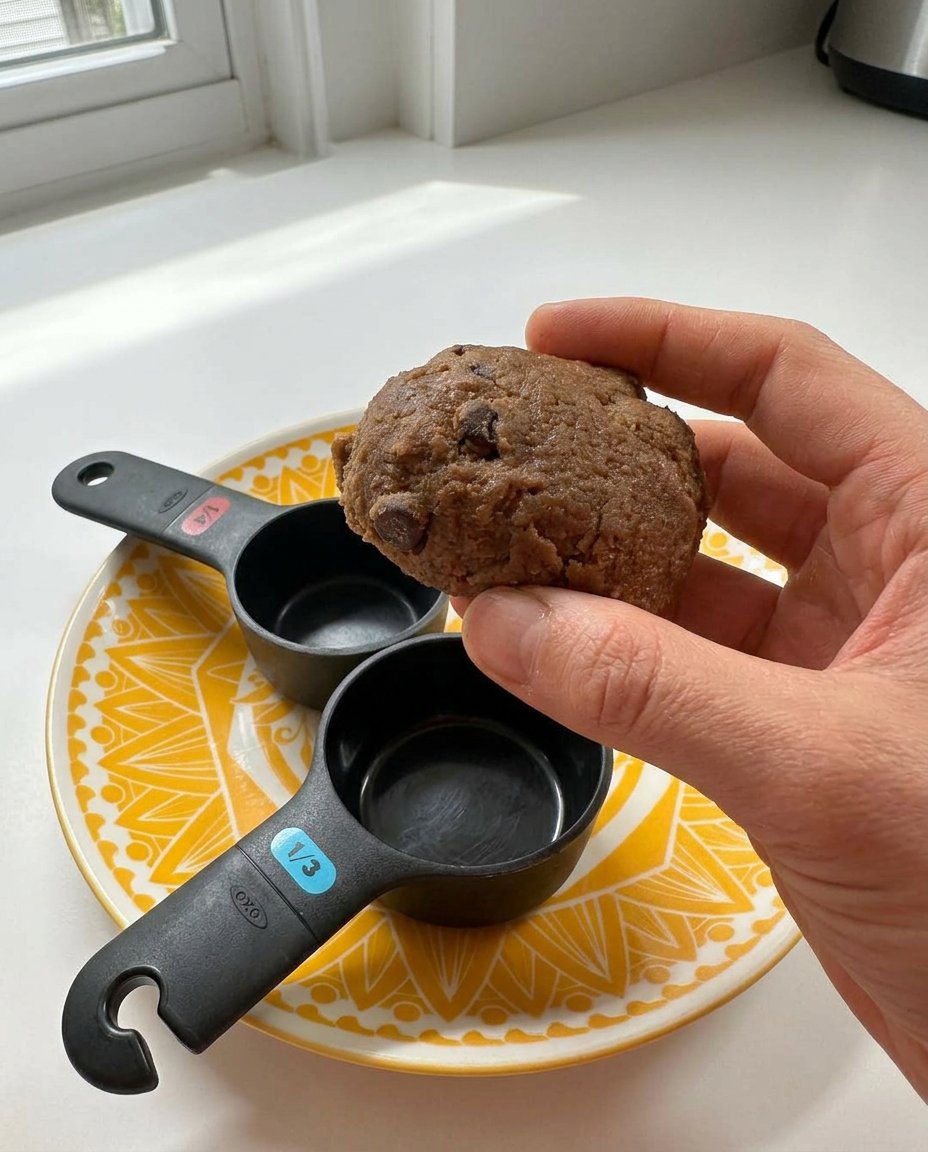
To achieve the perfect balance of taste and texture, each ingredient in this recipe serves a specific scientific purpose. We are building a flavor profile from the ground up, starting with the bitter-sweet foundation of cocoa.
- Semisweet Chocolate Chips: These provide the primary source of cocoa solids and cocoa butter. The polyphenols here offer a slight bitterness that balances the sweetness, while the fat ensures a smooth mouthfeel.
- Corn Syrup: Acting as an interfering agent, this liquid sugar prevents the sucrose from forming large, gritty crystals, resulting in a crisp snap rather than a hard crunch.
- Softened Butter: This is our primary emulsion vehicle. The water content in the butter helps hydrate the flour, while the milk solids contribute to the browning process.
- Baking Soda: This leavening agent increases the pH of the dough, which speeds up browning and affects the final spread of the cookie.
- Vanilla Extract: We include this for the vanillin compounds, which act as a flavor potentiator, making the chocolate taste more intense to our receptors.
- Egg: The proteins in the egg provide the necessary structure to hold the carbon dioxide bubbles produced by the baking soda, preventing the cookie from collapsing.
The Layering Process: From Melt to Snap
Step 1: Melting the Cocoa Base
Begin by melting the semisweet chocolate chips over low heat. It is vital to keep the temperature controlled to prevent the chocolate from seizing. Once melted, allow the mixture to cool to room temperature; this ensures that the fat does not immediately melt the butter in the next step, maintaining the integrity of our emulsion.
Step 2: Preparing the Dry Molecular Weights
In a separate vessel, whisk together the flour, baking soda, and salt. This step is about even distribution. The salt is crucial here as it suppresses bitterness and makes the sweetness perception more acute by activating the SGLT1 receptors on the tongue.
Step 3: Aerating the Fat Emulsion
Using an electric mixer set at medium-low speed, beat the softened butter and white sugar until the mixture is light and fluffy. This process, known as creaming, physically forces air into the fat. These air pockets will later expand in the oven to create the cookie’s final texture.
Step 4: Integrating the Liquid Phase
Add the vanilla extract, corn syrup, and egg to the creamed butter. Continue beating until the mixture is well combined. The lecithin in the egg yolk acts as a natural emulsifier, bonding the water-based ingredients with the fats for a smooth, uniform dough.
Step 5: Combining the Chocolate and Flour
Reduce the mixer speed to low and beat in the cooled, melted chocolate until the color is consistent. Gradually add the flour mixture. Over-mixing at this stage would develop too much gluten, which would result in a tough cookie rather than a crisp snap, so stop as soon as the streaks of white disappear.
Step 6: Thermal Stabilization
Refrigerate the dough for at least 30 minutes. This period of cooling allows the flour to fully hydrate and the fats to solidify. Cold dough spreads less in the oven, ensuring our cookies maintain their height and structural snap.
Step 7: Surface Crystallization and Baking
Shape the dough into one-inch spheres and roll them in additional white sugar. This creates a high-concentration sugar crust that will dehydrate quickly in the heat. Bake at 350 degrees F (175 degrees C) on ungreased sheets for 10 to 15 minutes. The edges should be lightly browned, indicating the completion of the caramelization process.
Jasmine’s Flavor Notes and Pairing Secrets
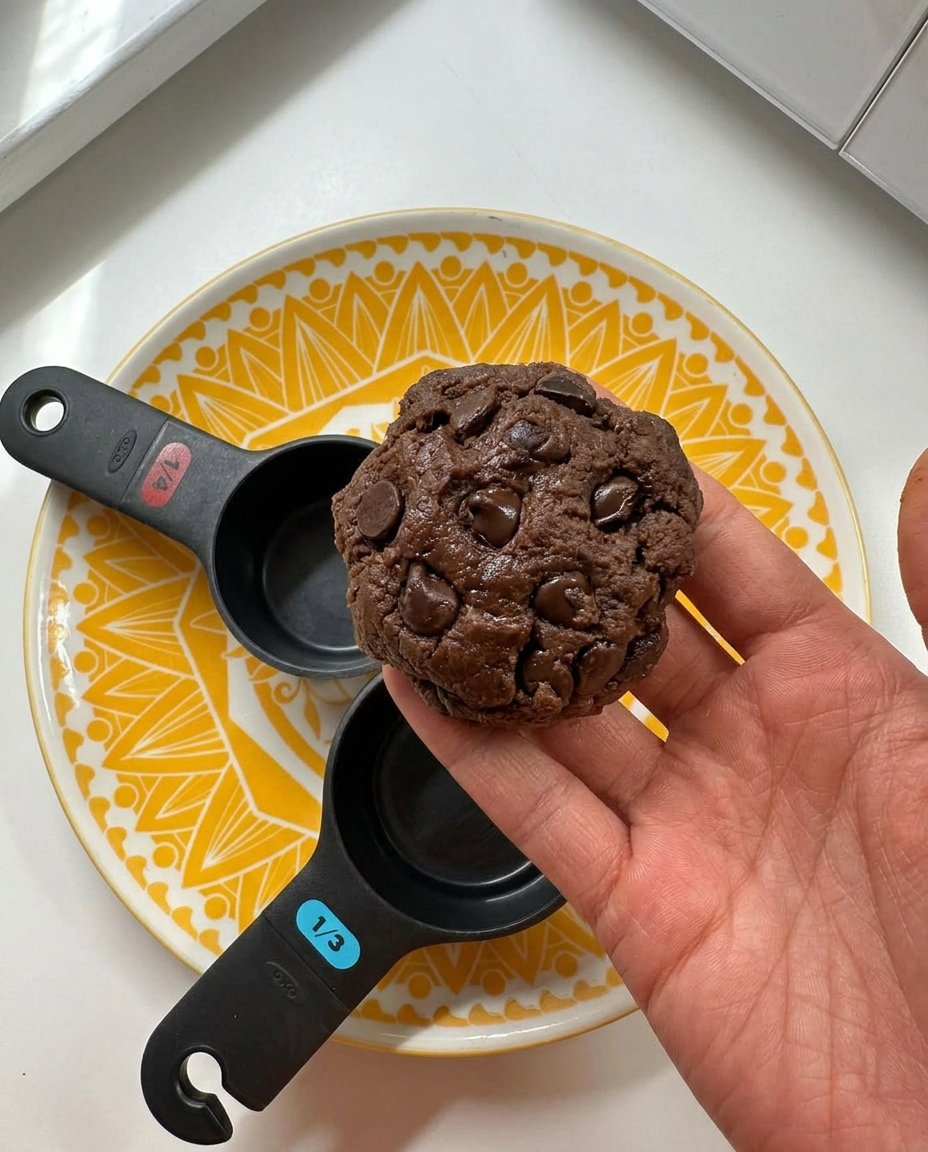
Precision is key when dealing with melted chocolate. If even a drop of water enters your melting bowl, the chocolate will seize into a gritty mass because the sugar particles become wet and cling together. To prevent this, ensure all your equipment is bone-dry. For more foundational techniques, you can look into our Foundation Cookie Recipes to master the art of the perfect base.
Another scientific secret is the placement of salt. While we add salt to the dry mix, adding a tiny pinch of flaky sea salt to the surface right after baking can create a contrast that trick the brain into perceiving the chocolate as richer. This happens because the salt ions trigger the taste buds to be more receptive to the sugar molecules. Also, always use room temperature eggs to maintain the stability of your butter emulsion; a cold egg can cause the fat to clump.
Scientific Flavor Swaps and Pairing Options
You can modify the aromatic profile of these snaps by introducing different terpene-rich ingredients. For instance, adding a teaspoon of orange zest introduces limonene, which shares a natural chemical affinity with chocolate. If you are interested in how seasonal adjustments affect dough chemistry, check out our guide on Holiday Cookie Science.
If you prefer a more intense, adult flavor profile, substitute two tablespoons of the flour with high-quality espresso powder. The caffeine and bitter compounds in the coffee mimic the bitterness of the cocoa, creating a deeper, more sophisticated taste. You could also swap the vanilla for almond extract; the benzaldehyde in almond creates a cherry-like aroma that pairs beautifully with dark chocolate. For those seeking a different texture, try using dark brown sugar instead of white sugar to increase the moisture-retaining properties, though this will result in a softer cookie with less snap.
How to Serve: Enhancing the Sensory Experience
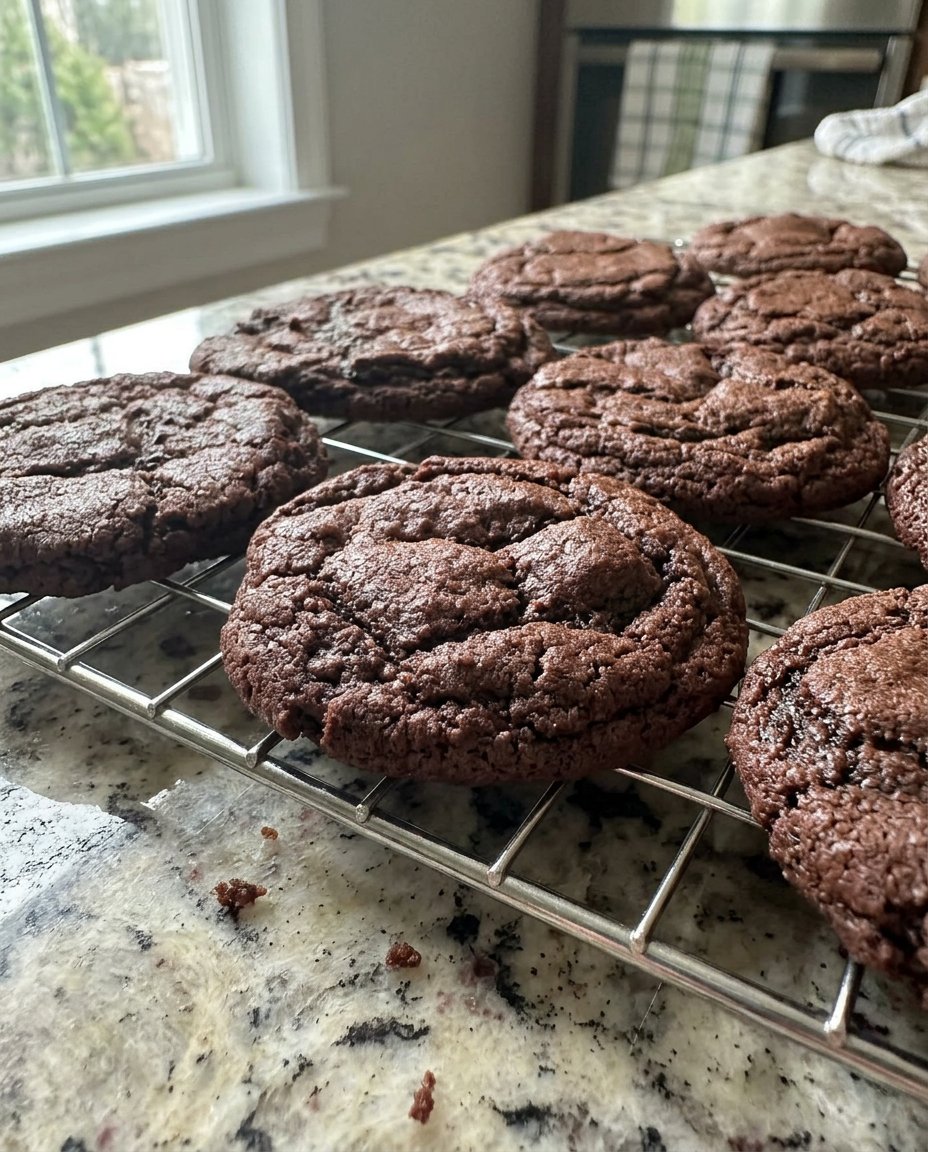
To fully appreciate the flavor science of these snaps, serve them alongside a warm beverage. A medium-roast coffee is ideal because it contains chlorogenic acids that cleanse the palate, allowing the chocolate notes to reset with every bite. If you enjoy analyzing the latest baking trends and how they impact flavor, you might enjoy our Viral Cookie Analysis.
Serving these cookies at room temperature is vital for the aroma. When chocolate is cold, the volatile organic compounds are trapped within the fat; at room temperature, these compounds are released, allowing you to smell the vanilla and toasted sugar before you even take a bite. For a more decadent experience, pair them with a glass of cold whole milk. The milk fats coat the tongue and help carry the fat-soluble flavor molecules in the chocolate throughout the entire mouth.
The Flavor Truth and Scientific Discovery
Baking these Chocolate Snaps is a rewarding exercise in understanding how simple ingredients like corn syrup and melted chocolate can fundamentally change the texture of a cookie. By following the precise steps of melting, emulsifying, and chilling, you create a treat that is as scientifically interesting as it is delicious. To further refine your kitchen workflow, explore our Efficient Cookie Methods for more time-saving techniques. If you enjoyed this experiment in flavor, please share your results with us on Facebook, Instagram, or Pinterest. We love seeing how home bakers apply flavor science in their own kitchens!