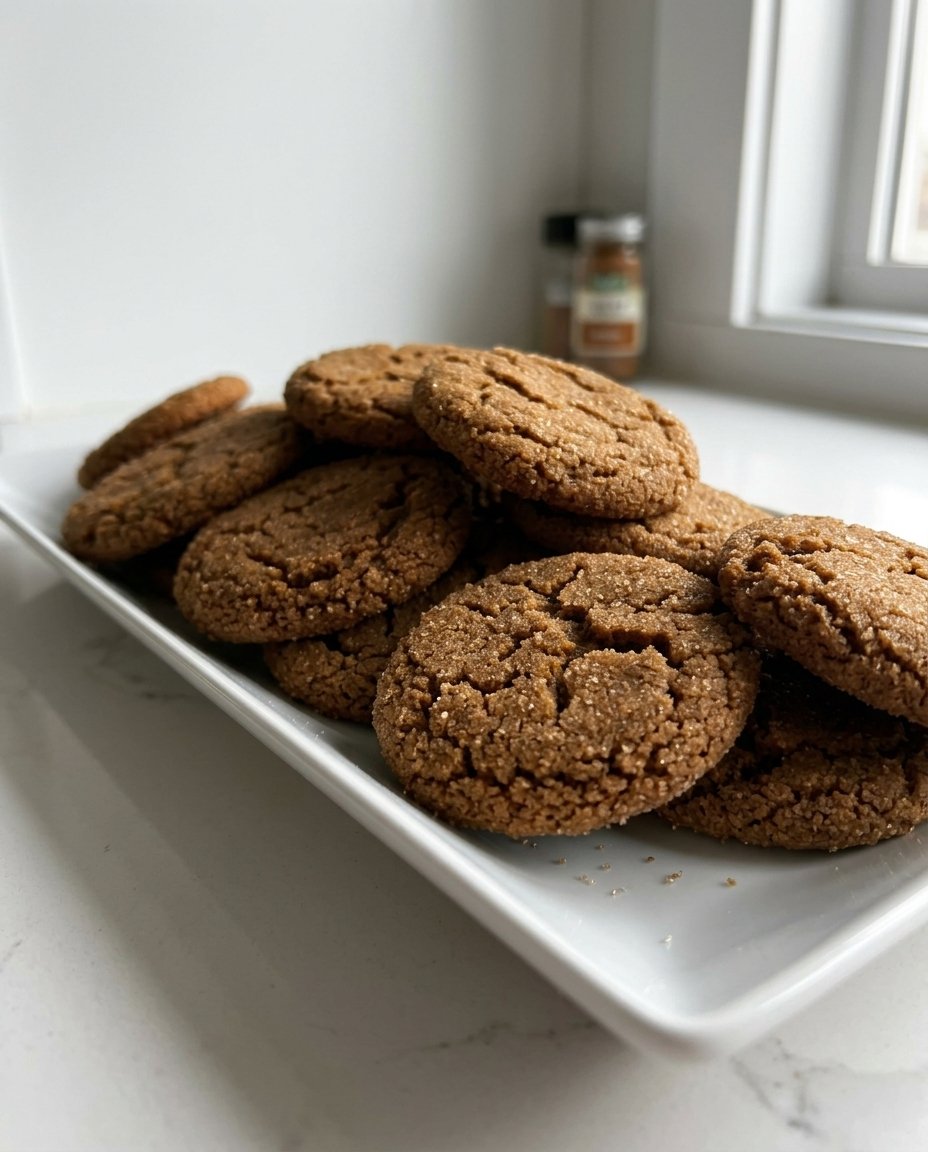
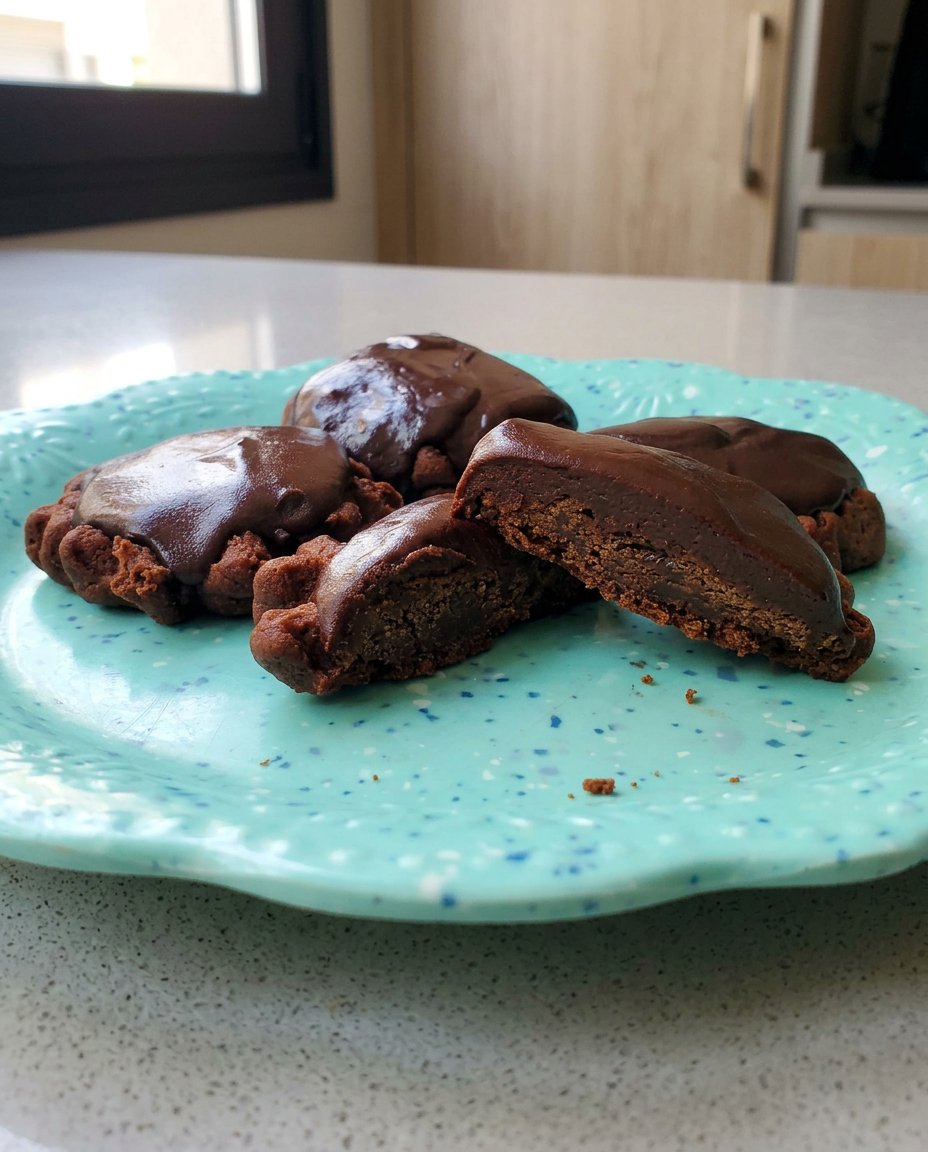
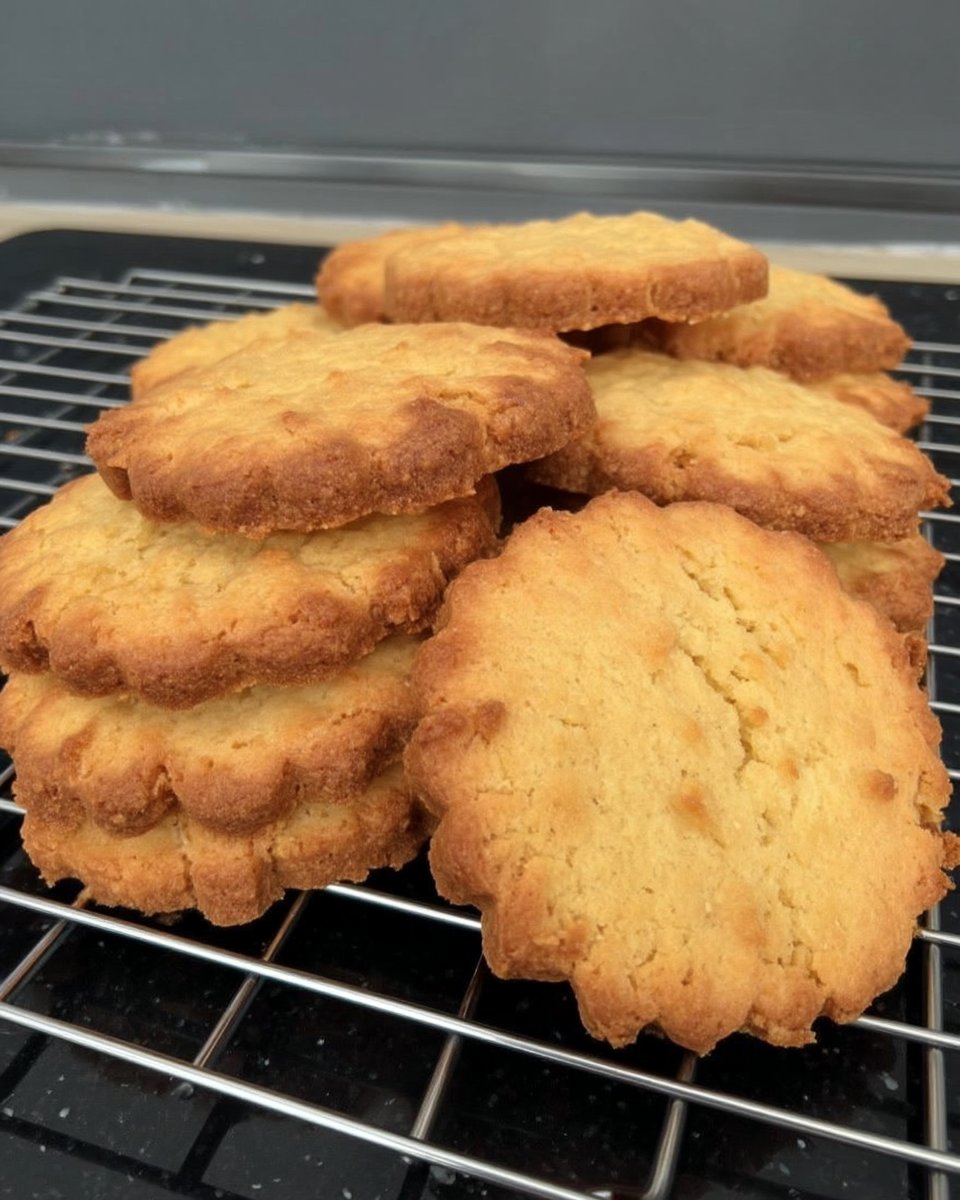
Ginger has been a staple in British baking since the Crusaders brought it back from the East in the 11th century. Historically, these spiced cakes were used as a digestive aid and a preservative for long sea voyages, utilizing the natural anti-microbial properties of the ginger root. This recipe for Paleo Gingerbread 3 represents a modern scientific approach to those ancient traditions, substituting grain-based flours for nutrient-dense almond meal.

This particular formulation focuses on the structural integrity of the dough without relying on the gluten network found in traditional wheat flour. By carefully balancing the moisture content of molasses with the protein in the egg, we create a biscuit that maintains a crisp edge and a tender center. It is a methodical approach to grain-free baking that respects the historical profile of the classic ginger snap.
The Tradition of the Paleo Gingerbread 3 Method
You will appreciate this recipe because it achieves the specific snap and deep, resonant flavor of a Victorian-era ginger biscuit while remaining entirely grain-free. The chemical reaction between the acidity in the molasses and the alkaline baking soda provides a subtle lift that is often missing in Paleo baking. This method creates a stable crumb that does not crumble under pressure, a common failure in almond-based doughs. Historically, ginger was prized for its ability to mask the strong flavors of unrefined sweeteners, and here, it perfectly balances the earthy notes of the coconut sugar. Our test kitchen results show that the specific ratio of 220 grams of almond flour to 3 tablespoons of molasses creates the ideal specific gravity for a cookie that is neither too dense nor too airy. This is not just a healthy alternative; it is a technically superior biscuit that honors the heritage of British spice work.
Print
Paleo Gingerbread 3
- Total Time: 52 mins
- Yield: 12 cookies
- Diet: Paleo, Gluten-Free
Description
Experience a sophisticated grain-free version of the classic British ginger biscuit that balances a crisp exterior with a perfectly tender center. This recipe utilizes the unique properties of almond meal and molasses to recreate a historic spice profile without the need for gluten.
Ingredients
- 220g blanched superfine almond flour
- 76g coconut sugar
- 1/2 teaspoon baking soda
- 1 teaspoon ground ginger
- 1/2 teaspoon ground cinnamon
- 1/4 teaspoon ground allspice
- 1/4 teaspoon salt
- 2 tablespoons coconut oil, melted and cooled
- 3 tablespoons molasses
- 1 large egg
- 1 teaspoon vanilla extract
Instructions
- In a food processor, pulse the almond flour, baking soda, coconut sugar, and spices several times to aerate the mixture and ensure even distribution of the leavening agent.
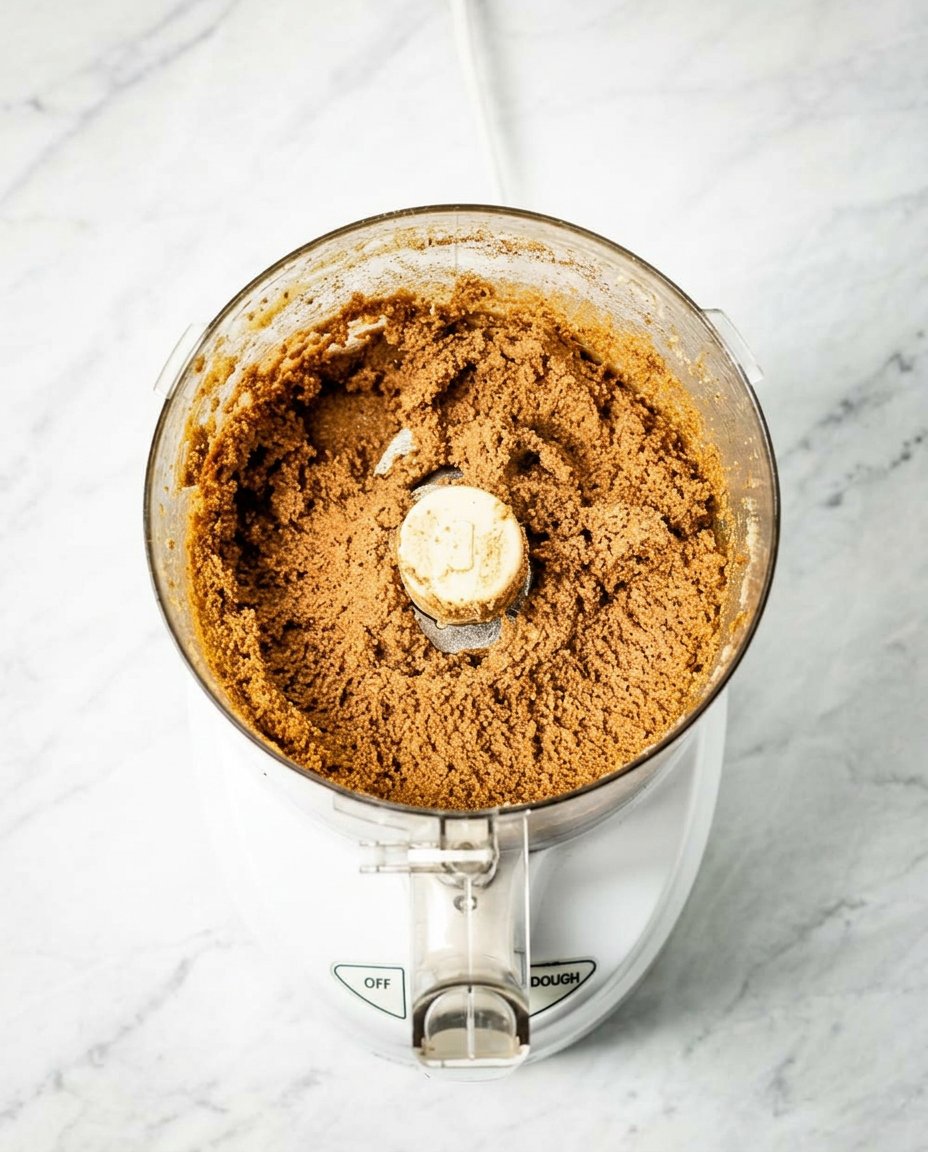
- Add the cooled coconut oil, molasses, egg, and vanilla extract, then process for 15 to 20 seconds until the mixture transitions from a sandy texture into a cohesive ball of dough.
- Transfer the dough to a glass bowl, cover tightly with plastic wrap, and refrigerate for at least 30 minutes to hydrate the flour and stabilize the fats.
- Preheat your oven to 350°F (175°C) and line a heavy baking sheet with parchment paper.
- Using a 1.5-tablespoon scoop, portion the dough into rounds and place them 2 inches apart on the sheet, then gently press each round down to a half-inch thickness.
- Bake for 10 to 12 minutes until the edges are firm; let the cookies rest on the hot baking sheet for 5 minutes before moving them to a wire rack.
Notes
To ensure consistent results, always weigh your almond flour as volume measurements can be unreliable in grain-free baking. If your kitchen is particularly warm, you may need to chill the dough for a full hour to prevent the coconut oil from softening too much during the shaping process.
- Prep Time: 40 mins
- Cook Time: 12 mins
- Category: Dessert
- Method: Baking
- Cuisine: British
Proper Components for Grain-Free Structure
Success in this recipe depends on the quality and temperature of your raw materials. The following components have been selected for their functional roles in the cookie’s final architecture:
- Almond Flour (220g): You must use a blanched, superfine grind to mimic the fine crumb of a traditional wheat biscuit. The high lipid content provides the mouthfeel usually associated with butter-heavy shortbread.
- Coconut Sugar (76g): This acts as our primary sweetener, providing a caramel-like depth that complements the spices. It is less hygroscopic than cane sugar, which helps the cookie maintain its shape.
- Molasses (3 tbsp): This is the soul of the ginger cookie. It provides moisture, color, and the necessary acidity to activate the leavening agent.
- Ground Ginger and Spices: A blend of ginger, cinnamon, and allspice provides a complex aromatic profile. The ginger content is calibrated to provide a gentle heat without overwhelming the palate.
- Coconut Oil (2 tbsp): When melted and cooled, this oil provides a clean fat source that solidifies at room temperature, helping the cookie set properly after baking.
- Large Egg: This serves as our primary binder. The proteins coagulate during the baking process, creating a structural matrix that holds the almond flour together.
The Methodical Process
Step 1: Combine the Dry Materials
Place the 220 grams of superfine almond flour, 1/2 teaspoon of baking soda, 76 grams of coconut sugar, and the spices (ginger, cinnamon, allspice, and salt) into the bowl of a food processor. Pulse the mixture three to four times. This mechanical action serves two purposes: it aerates the flour and makes sure the leavening agent is distributed evenly throughout the mix, preventing bitter pockets of soda.
Step 2: Emulsify the Dough
Add the 2 tablespoons of cooled coconut oil, 3 tablespoons of molasses, the egg, and a teaspoon of vanilla extract. Process the mixture for 15 to 20 seconds. You are looking for the moment the mixture transitions from a sandy texture into a cohesive ball of dough. Do not over-process, as the heat from the blades can cause the almond oil to separate, leading to a greasy cookie.
Step 3: The Cold Hydration Phase
Transfer the sticky dough into a glass bowl and cover it tightly with plastic wrap. Place it in the refrigerator for at least 30 minutes. This rest period is critical; it allows the almond flour to fully hydrate and the fats to solidify. In Victorian kitchens, doughs were often rested overnight in cool cellars; we use the refrigerator to achieve the same structural stability in a fraction of the time.
Step 4: Precise Shaping
Preheat your oven to 350 degrees Fahrenheit (175 Celsius) and line a heavy baking sheet with parchment paper. Using a 1.5-tablespoon scoop, portion the dough into even rounds. Arrange them 2 inches apart. Because this dough lacks gluten, it will not spread significantly on its own, so you must gently press down on each round to create a uniform thickness of about half an inch.
Step 5: Thermal Management and Baking
Bake for 10 to 12 minutes. The cookies are finished when the edges are firm to the touch but the center remains slightly soft. It is vital to let the cookies rest on the hot baking sheet for 5 minutes after removal from the oven. This carry-over cooking allows the internal structure to set fully before they are moved to a cooling rack.
Historical Wisdom for Modern Doughs
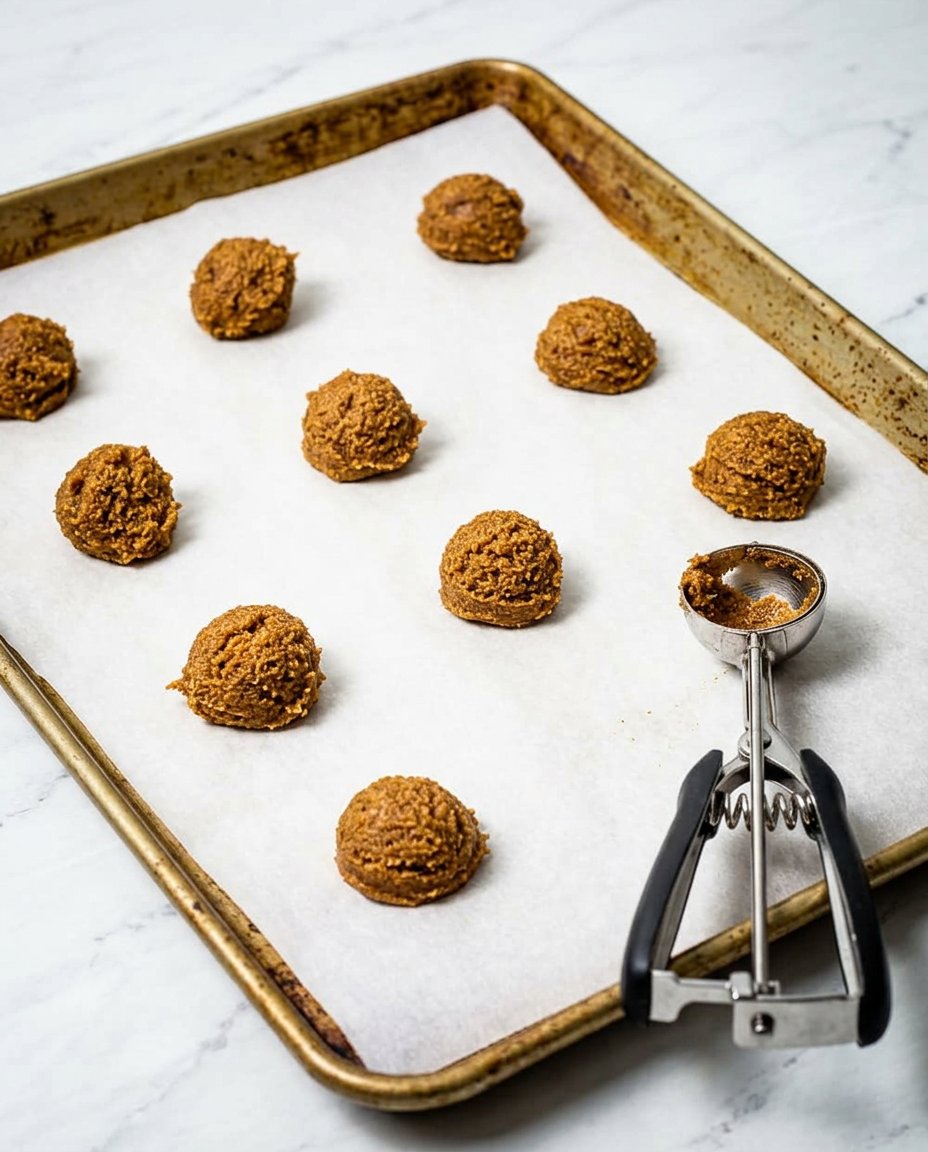
Precision in temperature is the most common variable that determines success in grain-free baking. If your kitchen is warmer than 75 degrees, your coconut oil may remain in a liquid state, causing the dough to be unmanageable. If the dough feels too soft after the initial 30-minute chill, do not hesitate to extend the resting period to an hour. For those looking to master the fundamentals of dough behavior, our guide on Foundation Cookie Recipes provides deep insights into how different fats interact with nut flours. Another technical secret is the use of a food processor; it provides a level of shear force that hand-mixing cannot replicate, which helps in creating a smooth emulsion between the molasses and the almond proteins. Always measure your almond flour by weight (220g) rather than volume, as the density of the flour can vary significantly depending on how it was settled in the bag.
Tested Adaptations and Regional Variations
While the base recipe is scientifically sound, there are several traditional variations that can be applied to suit different dietary needs. For a vegan alternative, you can substitute the large egg with a flax egg (1 tablespoon ground flaxseed mixed with 3 tablespoons water). Note that this will result in a slightly chewier, less crisp texture due to the lack of avian protein. You may also consider coating the dough balls in a light dusting of coconut sugar before baking to mimic the
Traditional Service and Pairing
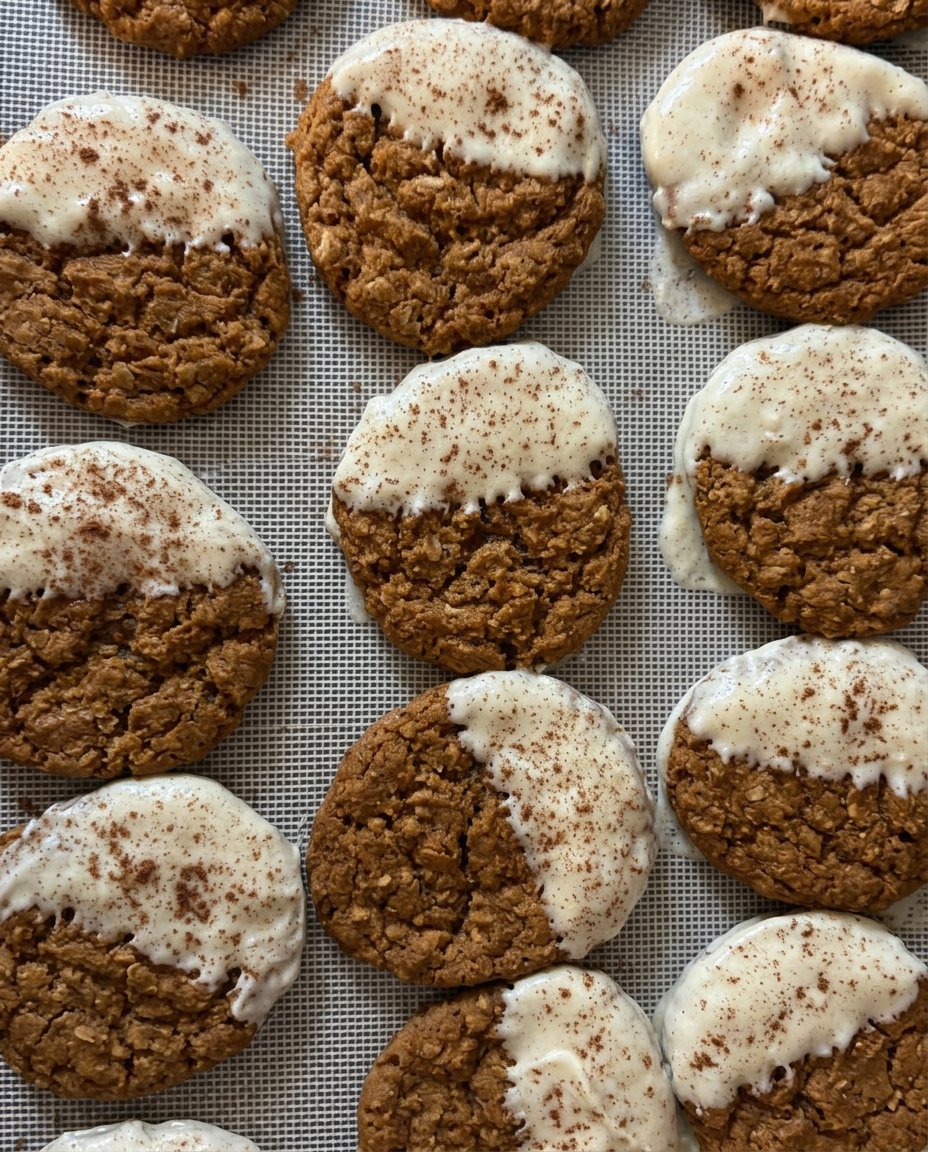
The complex spice profile of these cookies makes them an ideal accompaniment to a strong black tea, such as an Earl Grey or a malty Assam. In the British tradition, a ginger biscuit is often served during the afternoon tea hour to provide a sharp contrast to more delicate finger sandwiches. For a more modern presentation, serve these alongside a bowl of lemon-infused coconut whipped cream; the acidity of the lemon cuts through the richness of the almond flour beautifully. If you are interested in the visual presentation of your bakes, you can find more advanced techniques in our section on Precision Cookie Decorating. Always store these cookies in an airtight tin with a piece of parchment paper between layers to maintain their crispness.
The Technical Truth
Mastering the Paleo Gingerbread 3 requires a respect for both the history of the spice and the science of the ingredients. By following these precise measurements and cooling steps, you can create a grain-free treat that stands up to the best traditional recipes. For more information on optimizing your baking workflow, please visit our resources on Efficient Cookie Methods. We invite you to share your technical triumphs with our community of bakers. Join us on Facebook, Pinterest, Instagram, and X to continue learning the science of the perfect cookie.