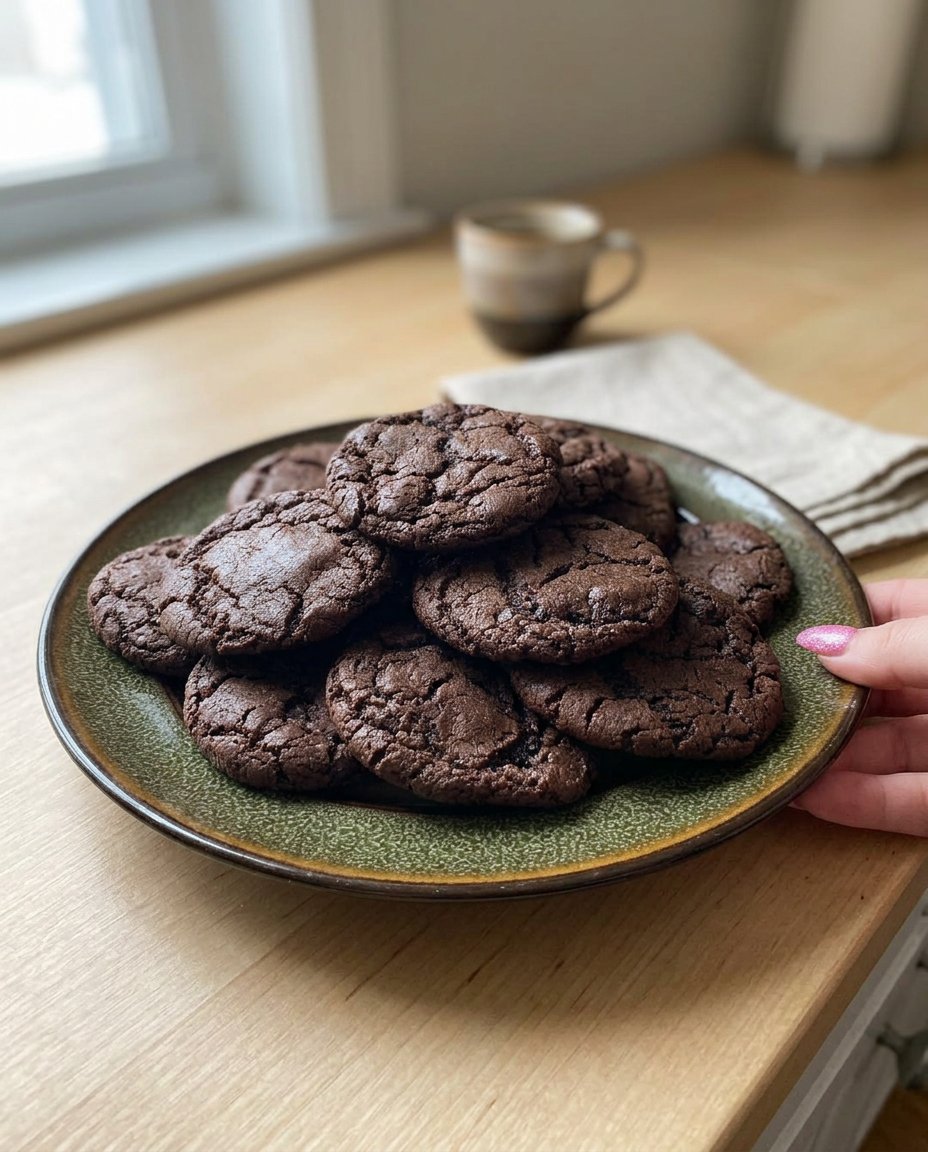
In my lab, I have often studied the fascinating moisture migration that occurs during the baking of Crinkle Cookies 2. The chemical tension between the high-hydration cocoa dough and the dry sucrose exterior creates a beautiful failure of surface tension we call the crinkle. By understanding how theobromine and caffeine compounds in cocoa interact with lipids, we can create a cookie that is both structurally sound and decadently soft.

This specific formula for Crinkle Cookies 2 relies on the science of oil-based emulsions to keep the crumb tender long after baking. While butter-based cookies rely on solid fats that firm up, our vegetable oil approach keeps the fat in a liquid state, providing a persistent fudgy mouthfeel. We allow the dough to mature in the cold to hydrate the starch molecules, making the final result a masterclass in texture and taste.
The Flavor Science of Surface Tension
You will find these cookies remarkable because they demonstrate the physics of crackling in real-time. The interaction between the baking powder’s carbon dioxide release and the sugar-coated exterior is a fundamental study in food engineering. As the internal volume increases, the dehydrated outer layer must give way, creating those iconic snowy peaks and dark valleys of chocolate. This recipe creates a balance of sweetness and bitter cocoa that triggers a complex dopamine response in the brain.
We focus on the Maillard reaction, where proteins and sugars transform under heat to create hundreds of new flavor compounds. By using a high ratio of sugar to cocoa, we stimulate the palate’s sweetness receptors while the salt suppresses any lingering bitterness from the cocoa solids. It is a calculated approach to the perfect holiday treat that appeals to both our analytical minds and our sensory cravings. The result is a cookie that offers a crisp exterior and a center that mimics the density of a high-quality truffle.
Print
Crinkle Cookies 2
- Total Time: 4 hours 27 mins
- Yield: 24 cookies
- Diet: Vegetarian
Description
These decadent Crinkle Cookies 2 feature a striking snow-capped appearance and a rich, truffle-like center. Using a science-based approach with vegetable oil and a long hydration phase, this recipe ensures a persistent fudgy texture that remains soft long after baking.
Ingredients
- 100g Unsweetened Cocoa Powder
- 350g Granulated Sugar
- 120mL Vegetable Oil
- 2 Large Eggs
- 1 teaspoon Vanilla Extract
- 240g All-Purpose Flour
- 2 teaspoons Baking Powder
- 1/2 teaspoon Salt
- 120g Powdered Sugar
Instructions
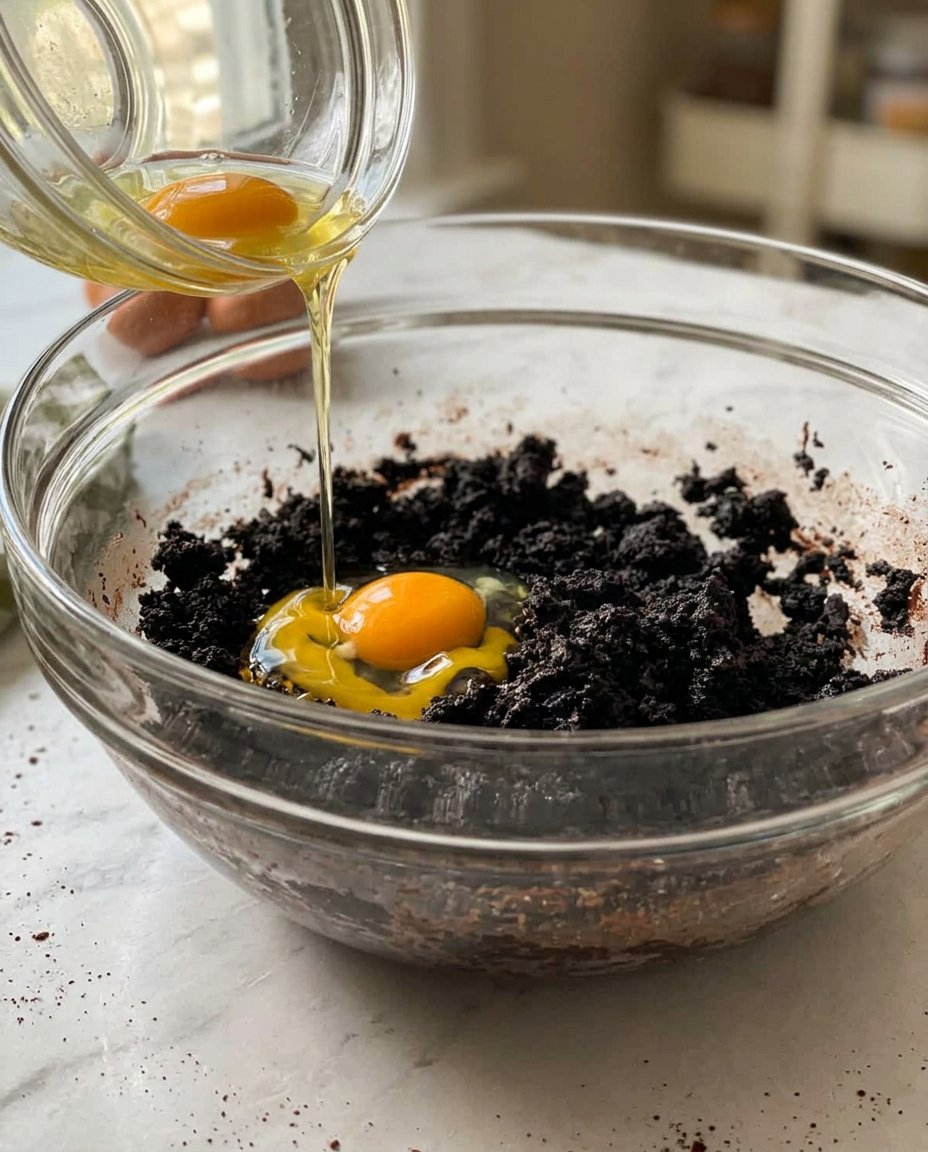
- In a mixing bowl, combine the granulated sugar, cocoa powder, and oil at medium speed until a shiny, dark emulsion is formed.
- Add the room-temperature eggs one by one, ensuring each is fully incorporated before adding the next, then mix in the vanilla extract.
- In a separate vessel, whisk together the flour, baking powder, and salt to ensure even distribution of the leavening agent.
- Gently fold the dry ingredients into the cocoa mixture on low speed, stopping as soon as the white streaks disappear.
- Cover the dough and refrigerate for at least 4 hours to allow the flour to fully hydrate and the fats to firm up.
- Preheat the oven to 350°F (175°C) and line baking sheets with parchment paper.
- Roll the chilled dough into one-inch spheres and coat them generously in powdered sugar until a thick, even layer is achieved.
- Bake for 10 to 12 minutes until the edges are set but the center remains slightly soft, then cool on the baking sheet to finalize the structure.
Notes
For the most dramatic visual contrast, roll your dough balls in granulated sugar first before coating them in the powdered sugar. This creates a moisture barrier that helps the powdered sugar stay bright white and prevents it from being absorbed by the dough during the baking process.
- Prep Time: 15 mins
- Cook Time: 12 mins
- Category: Dessert
- Method: Baking
- Cuisine: American
Analyzing the Crinkle Cookies 2 Taste Building Blocks
To achieve the specific chemical profile of Crinkle Cookies 2, we must look closely at our flavor components. Every addition serves a scientific purpose beyond just filling the bowl.
- Unsweetened Cocoa Powder (100g): This provides the base theobromine compounds and the deep, slightly acidic chocolate flavor that defines the cookie. We look for a high-fat cocoa to improve mouthfeel.
- Granulated Sugar (350g): Beyond sweetness, sucrose acts as a humectant, drawing moisture into the dough while providing the structural integrity for the expansion.
- Vegetable Oil (120mL): Unlike butter, oil is 100% fat and remains liquid at room temperature. This is the secret to a cookie that stays soft and fudgy for days.
- Large Eggs: These provide the lecithin for emulsification, binding the water-based cocoa and the oil into a stable structure.
- Vanilla Extract: The vanillin compounds act as a flavor bridge, magnifying the chocolate notes and adding an aromatic layer that humans find deeply comforting.
- All-Purpose Flour (240g): The protein content here provides just enough gluten to trap the gases released during the bake without making the cookie tough.
- Baking Powder: Our primary leavening agent that creates the internal pressure needed to break the sugar crust.
- Salt: This is the most important mineral in the lab; it suppresses bitterness and allows the sweeter notes to shine with more clarity.
- Powdered Sugar (120g): This acts as a desiccant, drying the surface of the dough ball before it hits the oven, which is vital for the crinkle effect.
The Flavor Layering Process
Step 1: Emulsifying the Base
Begin by combining the sugar, cocoa powder, and oil in your mixing bowl. Use a medium speed to agitate the molecules, creating a shiny, dark emulsion where the oil and sugar are thoroughly integrated. This step is vital for ensuring the fat is evenly distributed, which will later prevent the cookie from spreading too thin.
Step 2: Integrating Proteins
Add the room-temperature eggs one by one. This allows the lecithin in the yolks to gradually pull the fat and moisture together. Once the eggs are incorporated, beat in the vanilla extract to disperse the aromatic compounds throughout the lipid-rich base.
Step 3: Combining the Solids
In a separate vessel, whisk the flour, baking powder, and salt. This ensures the leavening agent is perfectly distributed so the cookies rise uniformly. Gently fold these dry ingredients into the cocoa mixture on a low speed. Over-mixing here would develop too much gluten, so stop the moment the white streaks vanish.
Step 4: The Hydration Phase
Cover the dough and refrigerate for at least 4 hours. This period is not just for firming up the fat; it allows the flour to fully hydrate and the flavors to meld. A matured dough results in a more complex flavor profile and a better crinkle pattern.
Step 5: Thermal Preparation
Preheat your oven to 350°F (175°C) and prepare your sheets with parchment. This temperature is the sweet spot for rapid expansion and the Maillard reaction without burning the delicate sugar coating.
Step 6: Coating and Shaping
Scoop the chilled dough and roll into one-inch spheres. Submerge each ball in the powdered sugar until a thick, even layer is achieved. This coating must be generous to resist the initial heat of the oven and create the high-contrast visual we desire.
Step 7: The Final Transformation
Bake for 10 to 12 minutes. Watch for the moment the edges set and the center appears slightly underdone. This thermal timing ensures the center remains in a soft, fudgy state while the exterior achieves a delicate crunch. Allow them to cool on the sheet to finalize the crumb structure.
Jasmine’s Flavor Notes and Science Secrets
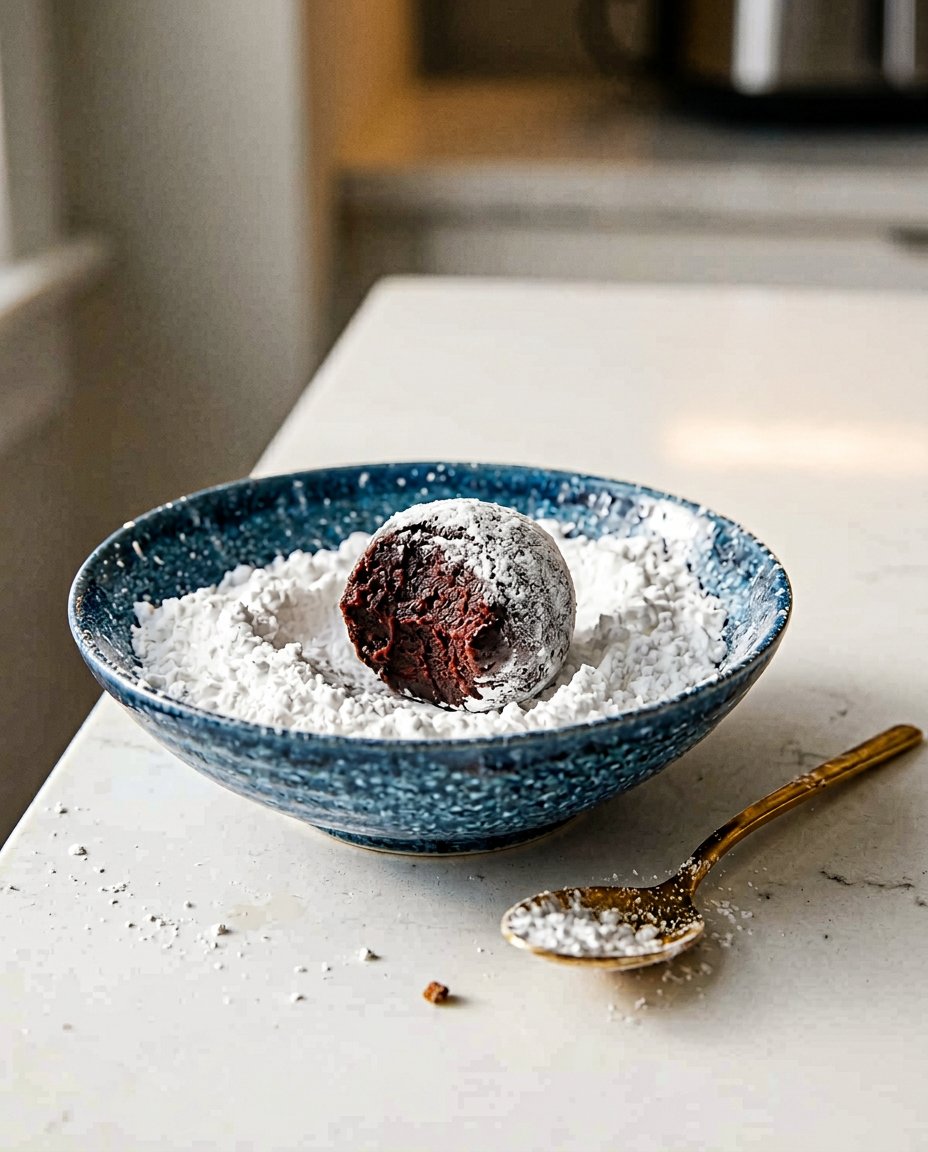
For the best results with Crinkle Cookies 2, I recommend sifting your cocoa powder before you begin. Cocoa often clumps due to its fat content, and sifting ensures a smooth dispersion of chocolate compounds. If you want to magnify the depth of the chocolate, you can add a teaspoon of espresso powder. The bitterness of the coffee shares aromatic profiles with cocoa, creating a more intense chocolate perception without making the cookie taste like coffee.
Temperature control is vital; if the dough becomes too warm while you are rolling it, the sugar will dissolve into the moisture of the dough rather than sitting on top, which will ruin the crinkle effect. For more insights on how temperature affects dough structure, you can study our Foundation Cookie Recipes. You may also want to reference Preppy Kitchen’s method for traditional holiday timing tips.
Molecular Flavor Variations
You can alter the aromatic profile of these cookies by swapping the vanilla for other extracts. Adding a teaspoon of peppermint extract creates a cooling sensation that contrasts beautifully with the warm density of the chocolate. This works because menthol triggers the cold-sensitive receptors in the mouth. For a citrus twist, orange zest provides limonene, a terpene that naturally pairs with the rich notes of cocoa.
If you are interested in how these variations fit into a larger holiday context, our guide on Holiday Cookie Science offers a deeper look at seasonal pairing theory. You can also experiment with different sugar coatings; mixing a little cornstarch into your powdered sugar can help the white coating stay bright and opaque during the bake.
Optimal Serving and Taste Enjoyment
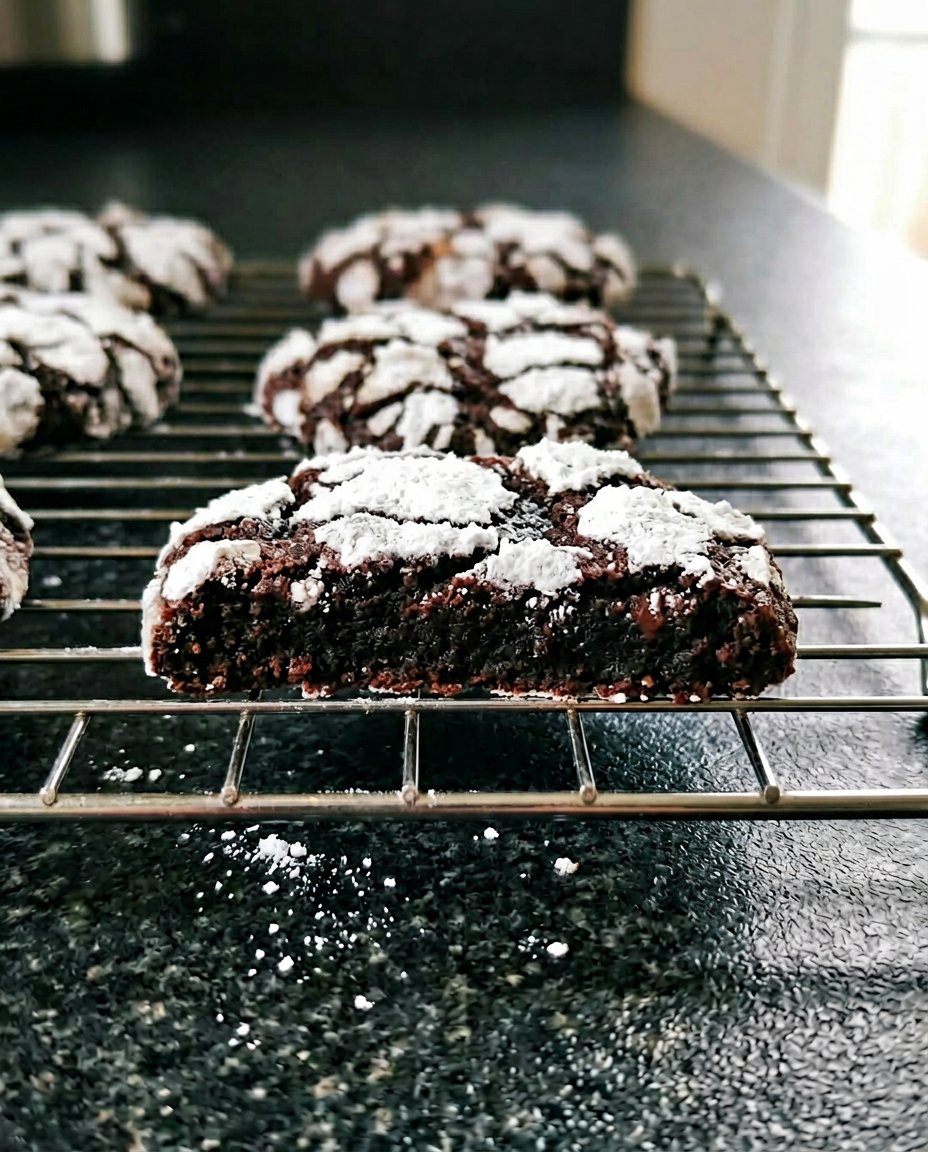
To experience the full spectrum of Crinkle Cookies 2, I suggest serving them slightly warm, which allows the fat to remain in a semi-liquid state for a richer mouthfeel. They pair exquisitely with a dark roast coffee, as the roasted pyrazines in the beans share a molecular affinity with the cocoa solids. For those who prefer a non-caffeine option, a cold glass of whole milk provides a creamy emulsion that cleanses the palate between bites of dense chocolate.
If you are looking for ways to present these for a gathering, our research on Precision Cookie Decorating provides excellent techniques for maintaining the visual integrity of the sugar crust. The contrast of the white sugar against a dark slate serving board can further magnify the aesthetic appeal of the bake.
Final Thoughts on Taste Discovery
Mastering Crinkle Cookies 2 is a rewarding journey into the physics of baking and the chemistry of cocoa. By respecting the chilling time and the sugar-coating process, you create a treat that is as scientifically fascinating as it is delicious. This recipe proves that when we understand why ingredients interact the way they do, we can produce consistent, high-quality results every time. For those looking to understand the popularity of these textures in modern baking, our Viral Cookie Analysis provides more context on why these bakes resonate so deeply with us.
Share your scientific baking results with us on Facebook or show off your perfect crinkle patterns on Instagram. We love seeing how you apply these flavor principles in your own kitchen.