In the world of flavor science, few transformations are as remarkable as the browning of butter. This process triggers the Maillard reaction, where amino acids and reducing sugars react to create complex pyrazines—aroma compounds that offer a nutty, savory profile. When we develop Soft Batch Cookies 2, we are not just melting fat; we are synthesizing a specific flavor landscape that pairs beautifully with the vanillin found in high-quality extracts.

These Soft Batch Cookies 2 achieve their signature pillowy texture through a careful balance of hydration and acidity. By integrating sour cream, we introduce lactic acid, which works to tenderize the gluten network, resulting in a crumb that remains tender long after baking. This scientific approach to baking transforms a simple treat into a masterclass in texture and taste harmony.
The Flavor Science of Soft Batch Cookies 2
This recipe stands out because it prioritizes the chemistry of moisture retention. Most cookies lose their appeal as they dehydrate, but these stay soft because we use hygroscopic light brown sugar. Brown sugar contains molasses, which is naturally humectant, meaning it pulls moisture from the air to keep the cookie interior humid.
Furthermore, the addition of sour cream acts as a secret emulsifier. The fats in the cream bond with the water and flour, creating a stable matrix that prevents the cookies from becoming brittle or dry. This creates a sensory experience where the soft, yielding texture provides a perfect backdrop for the intense, dark notes of the semi-sweet chocolate chips.
We also leverage the power of temperature control. Chilling the dough allows the flour to fully hydrate, which leads to more even browning and a more concentrated flavor profile. When the dough is cold, the fats take longer to melt in the oven, preventing excessive spreading and maintaining that thick, soft batch structure we desire.
Print
Soft Batch Cookies 2
- Total Time: 3 hours 1 min
- Yield: 24 cookies
- Diet: Vegetarian
Description
These decadent cookies feature a unique soft-batch texture achieved through the science of browned butter and sour cream. By chilling the dough and finishing with flaky sea salt, you create a perfectly balanced treat that stays tender for days.
Ingredients
- 1 cup unsalted butter
- 2 1/4 cups all-purpose flour
- 1 teaspoon baking soda
- 1/2 teaspoon salt
- 3/4 cup light brown sugar, packed
- 1/2 cup granulated sugar
- 2 teaspoons vanilla extract
- 2 large eggs, room temperature
- 1/4 cup sour cream, room temperature
- 1 1/2 cups semi-sweet chocolate chips
- Flaky sea salt, for topping
Instructions
- In a medium saucepan, brown the unsalted butter over medium heat until it smells nutty and contains amber bits, then transfer to a large bowl.
- In a separate bowl, whisk together the flour, baking soda, and salt until perfectly dispersed.
- Vigorously whisk the light brown sugar and granulated sugar into the warm browned butter for about one minute before adding the vanilla extract.
- Whisk in the room temperature eggs one at a time, followed by the sour cream, until the mixture is smooth and emulsified.
- Using a rubber spatula, gently fold the dry ingredients into the wet mixture until no flour streaks remain, then fold in the chocolate chips.
- Cover and refrigerate the dough for 30 minutes, scoop into 3-tablespoon balls, then cover and chill for an additional 2 hours.
- Preheat oven to 350°F and bake dough balls on parchment-lined sheets for 11 minutes, allowing them to finish setting on the pan.
- Immediately top with extra chocolate chips and flaky sea salt, then cool on the pan for 20 minutes before moving to a wire rack.
Notes
To achieve the signature soft texture, do not skip the two-stage chilling process as it allows the flour to fully hydrate and prevents the cookies from spreading too thin. Using room temperature dairy is essential for a smooth emulsion that creates the perfect cookie crumb.
- Prep Time: 2 hours 50 mins
- Cook Time: 11 mins
- Category: Dessert
- Method: Baking
- Cuisine: American
The Molecular Building Blocks of Flavor
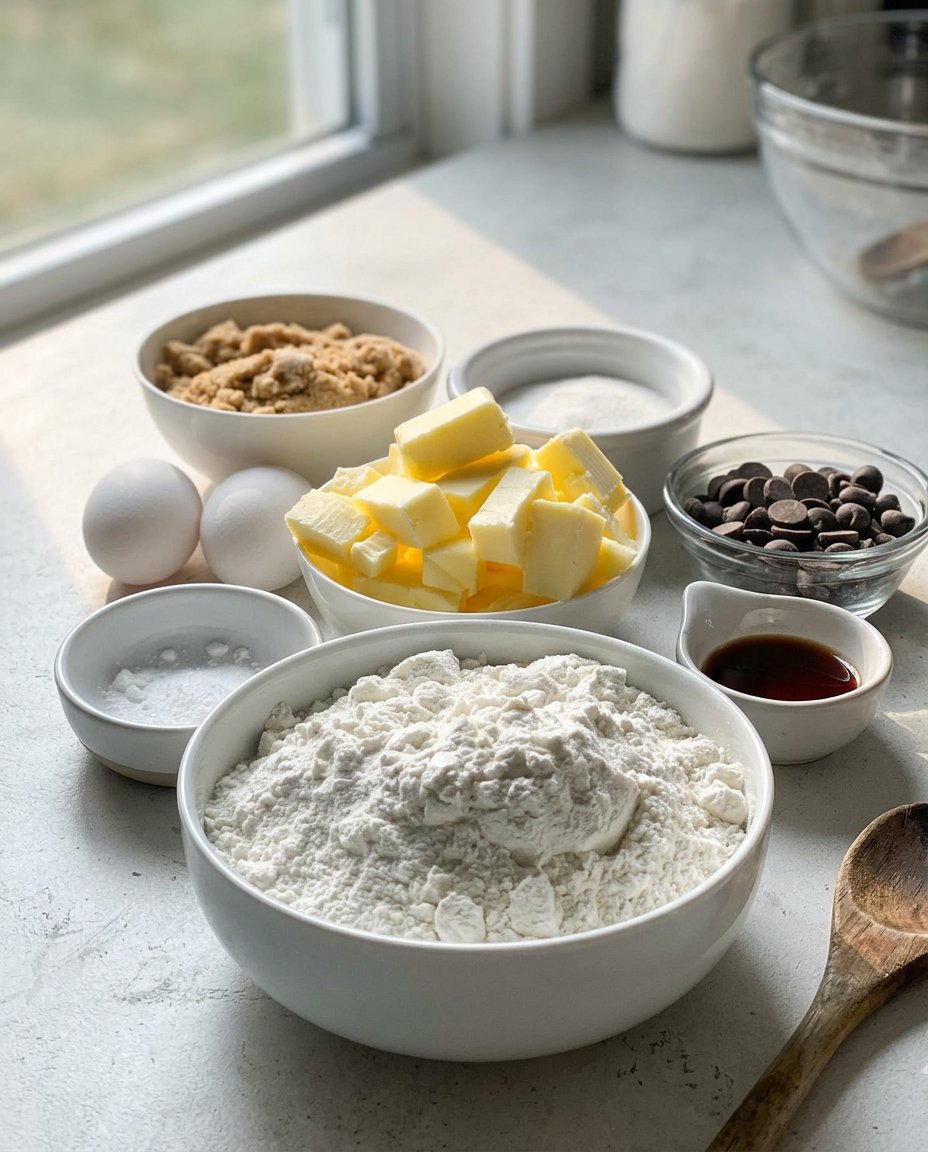
To achieve the perfect Soft Batch Cookies 2, every ingredient must serve a functional and flavor-driven purpose. We choose our components based on how they interact at a molecular level during the baking cycle.
- Browned Unsalted Butter: By cooking the butter until the milk solids toast, we create toasted notes that amplify the sweetness of the sugars. This fat provides the foundation for the cookie’s mouthfeel.
- Light Brown and Granulated Sugars: The ratio of these sugars determines the balance between crisp edges and a soft center. The brown sugar provides acidity to react with the leavening agents.
- Sour Cream: This is our primary tenderizing agent. The lactic acid weakens gluten bonds, while the extra fat contributes to a rich, creamy finish on the palate.
- Semi-Sweet Chocolate Chips: These contain cocoa solids and fats that share aromatic terpenes with vanilla, creating a natural pairing that feels complete and balanced.
- All-Purpose Flour: This provides the structural protein (gluten) needed to hold the air bubbles created by the baking soda.
- Baking Soda: Beyond leavening, baking soda increases the pH of the dough, which accelerates the Maillard reaction for better browning and flavor development.
- Flaky Sea Salt: Sodium ions suppress bitterness and amplify our perception of sweetness, making the chocolate taste more intense.
The Flavor Layering Process
Step 1: Execute the Maillard Reaction
In a medium saucepan, place the unsalted butter over medium heat. As the butter melts, the water content evaporates, allowing the temperature to rise above 212°F. Watch for the foaming stage where the milk proteins begin to toast. Once you smell a nutty aroma and see amber bits at the bottom, remove from heat immediately to prevent burning the delicate pyrazines. Pour this liquid gold into a large bowl to stop the cooking process.
Step 2: Combine the Structural Dry Ingredients
In a separate medium bowl, whisk together the all-purpose flour, baking soda, and salt. Whisking here is critical for even distribution; you want the leavening agent perfectly dispersed so the cookies rise uniformly rather than developing odd pockets of air.
Step 3: Emulsify Sugars and Fats
Add both the light brown sugar and granulated sugar to the warm browned butter. Whisk vigorously for about one minute. This step isn’t just about mixing; it’s about beginning the dissolution of sugar crystals into the fat, which creates a smoother final texture. Add the vanilla extract, which introduces vanillin to complement the toasted butter notes.
Step 4: Integrate Proteins and Acidity
Whisk in the room temperature eggs one at a time. Using room temperature ingredients is vital for maintaining a stable emulsion. Follow this with the sour cream. The acid in the sour cream will immediately begin interacting with the fats, creating a thick, creamy base that promises a soft crumb.
Step 5: Folding for Texture Control
Using a sturdy rubber spatula, gently fold the dry ingredients into the wet mixture. Stop as soon as the last streaks of flour disappear. Over-mixing at this stage would lead to excess gluten development, turning your soft cookies tough. Gently fold in the semi-sweet chocolate chips so they are distributed evenly throughout the matrix.
Step 6: The Hydration Chill
Cover the dough and refrigerate for an initial 30 minutes. This short rest allows the starch granules in the flour to begin absorbing the moisture from the eggs and sour cream. After this, scoop the dough into 3-tablespoon balls and place them on a tray. Cover and chill for another 2 hours. This long chill is the secret to flavor concentration and preventing the cookies from spreading too thin.
Step 7: Precision Baking
Preheat your oven to 350°F. Arrange the chilled dough balls on parchment-lined sheets, leaving 2 inches of space for thermal circulation. Bake for exactly 11 minutes. The centers should still look slightly underdone; they will finish setting through residual heat carry-over. If any cookies lost their circular symmetry, use a spatula to gently reshape the edges while the sugars are still fluid.
Step 8: Final Flavor Accents
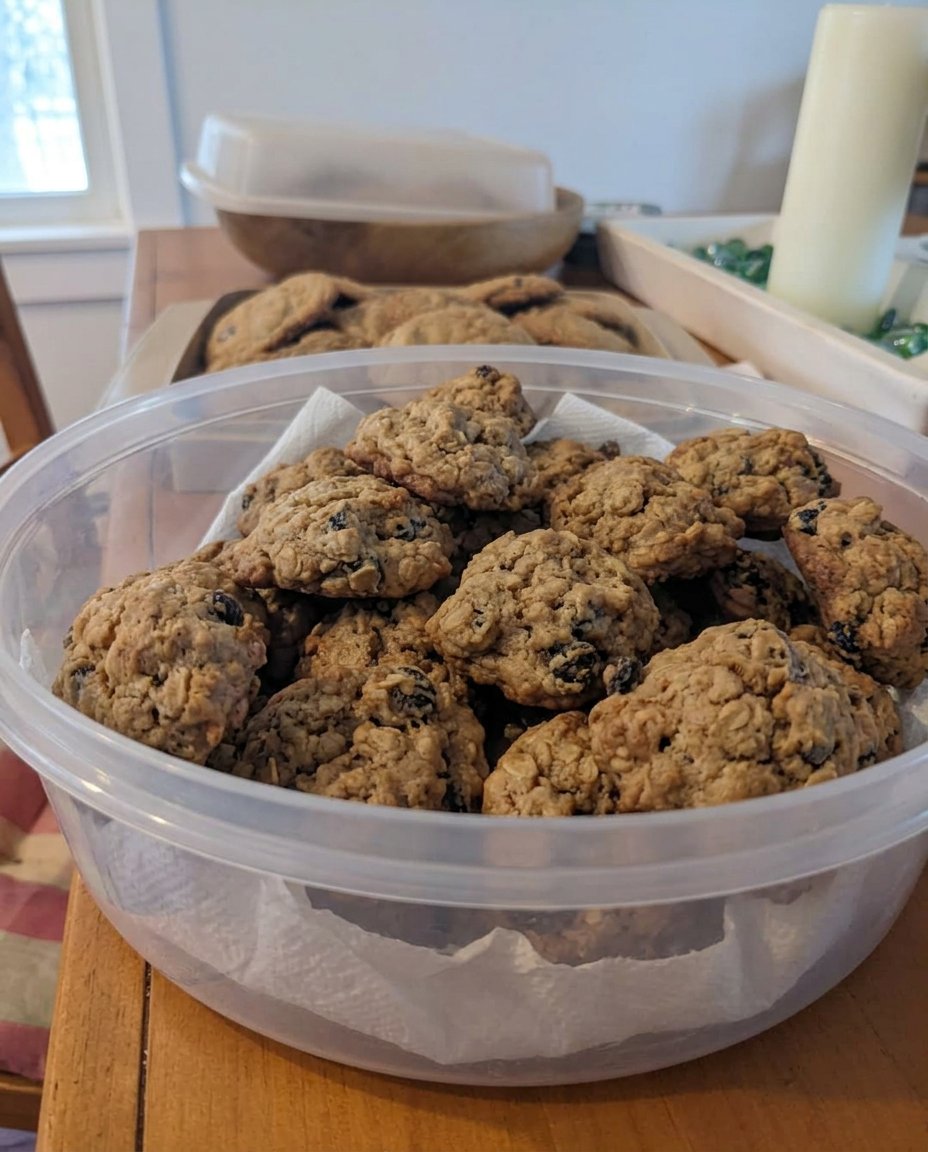
Immediately press a few extra chocolate chips into the tops of the warm cookies for visual appeal. Sprinkle with flaky sea salt. The contrast between the hot cookie and the cool salt crystals creates a hit of flavor that awakens the taste buds. Allow them to cool on the pan for 20 minutes before moving to a rack.
Jasmine’s Flavor Secrets for Soft Batch Cookies 2
To maximize the aromatic potential of your bake, consider the temperature of your ingredients. Using room temperature eggs and sour cream is not a suggestion; it is a chemical necessity for a proper emulsion. When cold ingredients hit melted butter, the fat can seize, leading to a clumpy dough and an uneven bake. For more technical insights on ingredient behavior, refer to our Efficient Cookie Methods.
Another secret involves the salt. Instead of just mixing it in, I suggest adding a tiny pinch of extra fine salt into the butter as it browns. The heat helps the salt ions integrate into the fat, which carries flavor more efficiently across the tongue. This layered approach to seasoning ensures that the savory notes are present in every bite, not just on the surface.
Scientific Flavor Swaps
If you want to experiment with different aromatic profiles, try replacing the vanilla extract with a tablespoon of espresso powder dissolved in a teaspoon of hot water. Coffee contains phenolic compounds that share a similar molecular structure with cocoa, creating a synergistic effect that makes the chocolate taste darker and more complex. You can find more about these combinations in our Holiday Cookie Science guide.
For a bright, citrusy contrast, add the zest of one orange to the sugar before mixing it with the butter. The oils in the zest contain limonene, which provides a high-note contrast to the heavy, base-note richness of the browned butter and chocolate. This creates a multi-dimensional flavor profile that hits different parts of the palate simultaneously.
How to Enjoy Your Scientific Bakes
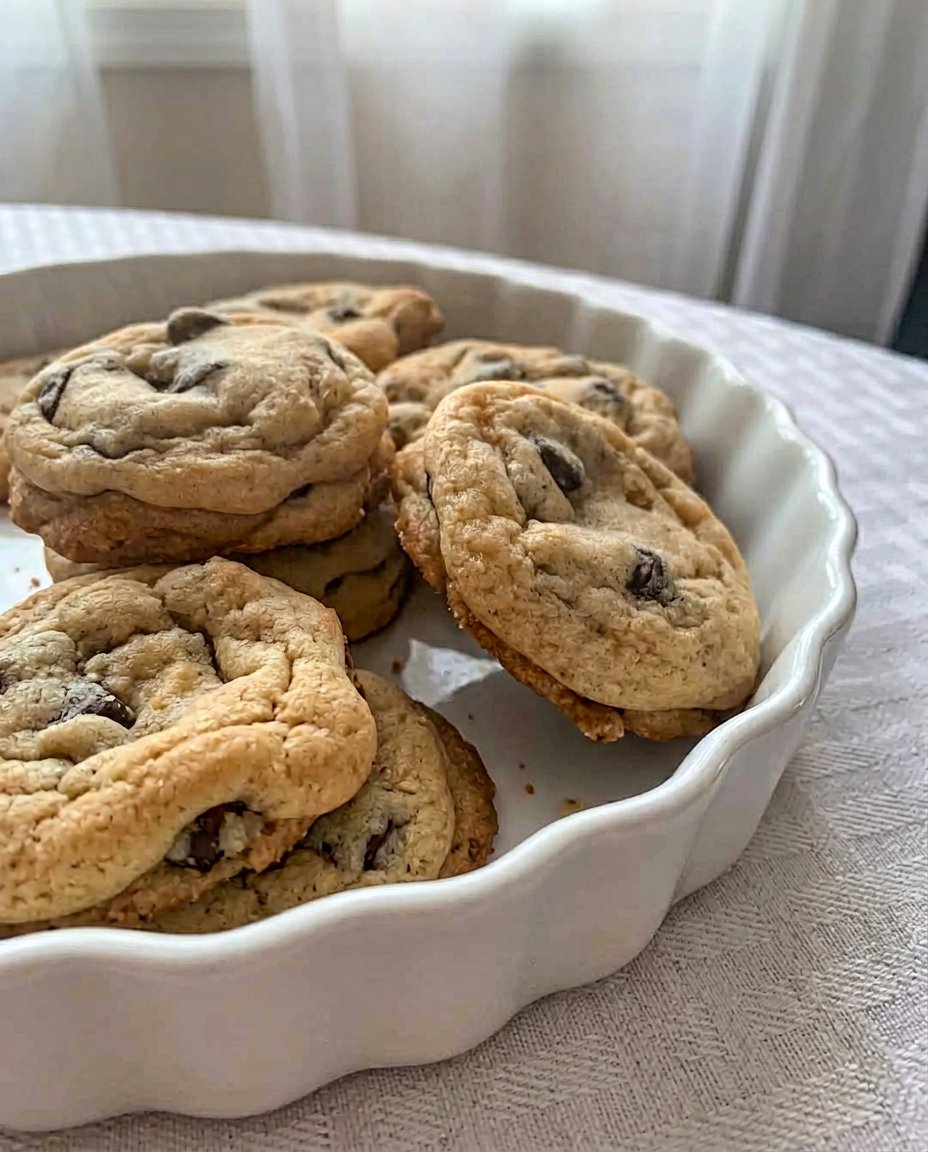
To fully appreciate the flavor complexity of these cookies, serve them slightly warm, around 100°F. At this temperature, the fats in the chocolate and butter are at their most fluid, releasing the maximum amount of volatile aroma compounds. Pairing these with a glass of cold milk creates a classic textural contrast, where the cold liquid cleanses the palate between rich, warm bites. For those looking to master the aesthetic side of serving, check out our guide on Precision Cookie Decorating.
If you prefer a caffeinated pairing, a medium-roast pour-over coffee is ideal. The acidity in the coffee cuts through the richness of the browned butter, while the chocolate notes in the bean complement the semi-sweet chips in the cookie.
The Flavor Truth of Soft Batch Baking
Mastering the Soft Batch Cookies 2 is a rewarding journey into the science of fats and emulsions. By understanding how brown butter, sour cream, and controlled chilling work together, you can consistently produce a cookie that is scientifically superior in both texture and taste. For a deeper look at the fundamentals of baking, visit our Foundation Cookie Recipes section. You can also see this technique in action over at Baker by Nature.
Don’t forget to share your results with our community of flavor enthusiasts! You can find us on Instagram, Pinterest, and Facebook. Happy baking, and keep questioning the science of flavor!