My first encounter with the interaction between green tea and white chocolate felt like a breakthrough in flavor pairing science. The grassy, slightly bitter notes of high-quality matcha provide a necessary counterweight to the intense sweetness of white chocolate, creating a balanced profile that standard chips cannot match. Understanding how the polyphenols in the tea interact with the lipids in the cocoa butter is the key to mastering these Matcha Chocolate Chip 2 morsels.

These homemade chips offer a concentrated delivery system for both color and complex taste, allowing you to control the exact ratio of tea to fat. By sifting the powder into the melted base, we ensure a smooth suspension of particles that won’t seize the chocolate. This technique transforms a simple bake into a precise scientific experiment in aromatic harmony and textural contrast.
The Science of Green Tea and Lipids
The combination of white chocolate and matcha is a fascinating study in molecular gastronomy. White chocolate is primarily composed of sugar and cocoa butter, which acts as a fatty carrier for the volatile aroma compounds found in the tea. When you combine these, the fat coats the tongue, allowing the catechins in the matcha to release their flavor more slowly and pleasantly. This creates a lingering aftertaste that is much more complex than standard semi-sweet chips.
Furthermore, the addition of coconut oil lowers the melting point of the mixture slightly, ensuring a smooth mouthfeel. This means the Matcha Chocolate Chip 2 will melt at body temperature, instantly releasing the L-theanine compounds that provide that signature savory-sweet umami sensation. It is a remarkable way to introduce depth to your cookies while maintaining a beautiful, vibrant green hue that survives the heat of the oven.
Print
Matcha Chocolate Chips
- Total Time: 30 mins
- Yield: 1 cup
- Diet: Vegetarian, Gluten-Free
Description
Elevate your home baking with these vibrant, emerald-hued matcha chocolate chips that perfectly balance creamy sweetness with earthy green tea notes. This simple technique uses a lipid-based emulsion to create professional-grade inclusions that maintain their color and texture through the baking process.
Ingredients
- 1 cup high-quality white chocolate chips (cocoa butter based)
- 1 tablespoon culinary grade matcha powder
- 1 teaspoon refined coconut oil
Instructions
- Combine the white chocolate chips and coconut oil in a microwave-safe bowl or a bain-marie.
- Gently melt the mixture in 20-second intervals, stirring between each, until the chocolate is smooth and fluid.
- Sift the matcha powder directly into the liquid chocolate to ensure no dry lumps remain.
- Whisk vigorously until the tea is fully incorporated and the mixture is a homogeneous, bright green.
- For chips, transfer the mixture to a piping bag and dot onto a silicone mat; for chunks, spread the mixture 1/4-inch thick across the mat.
- Place the mat in the freezer for 20 minutes to allow the chocolate to rapidly crystallize and set.
- Remove from the freezer and peel the chips from the mat or chop the sheet into irregular chunks for immediate use.
Notes
To ensure the best results, always sift your matcha as it is prone to clumping due to static electricity. Store these chips in a cool, dark place or in the refrigerator to prevent the delicate tea flavors from oxidizing and losing their vibrant green hue over time.
- Prep Time: 10 mins
- Cook Time: 20 mins
- Category: Baking Inclusions
- Method: Melting
- Cuisine: Fusion
The Molecular Components of Matcha Chips
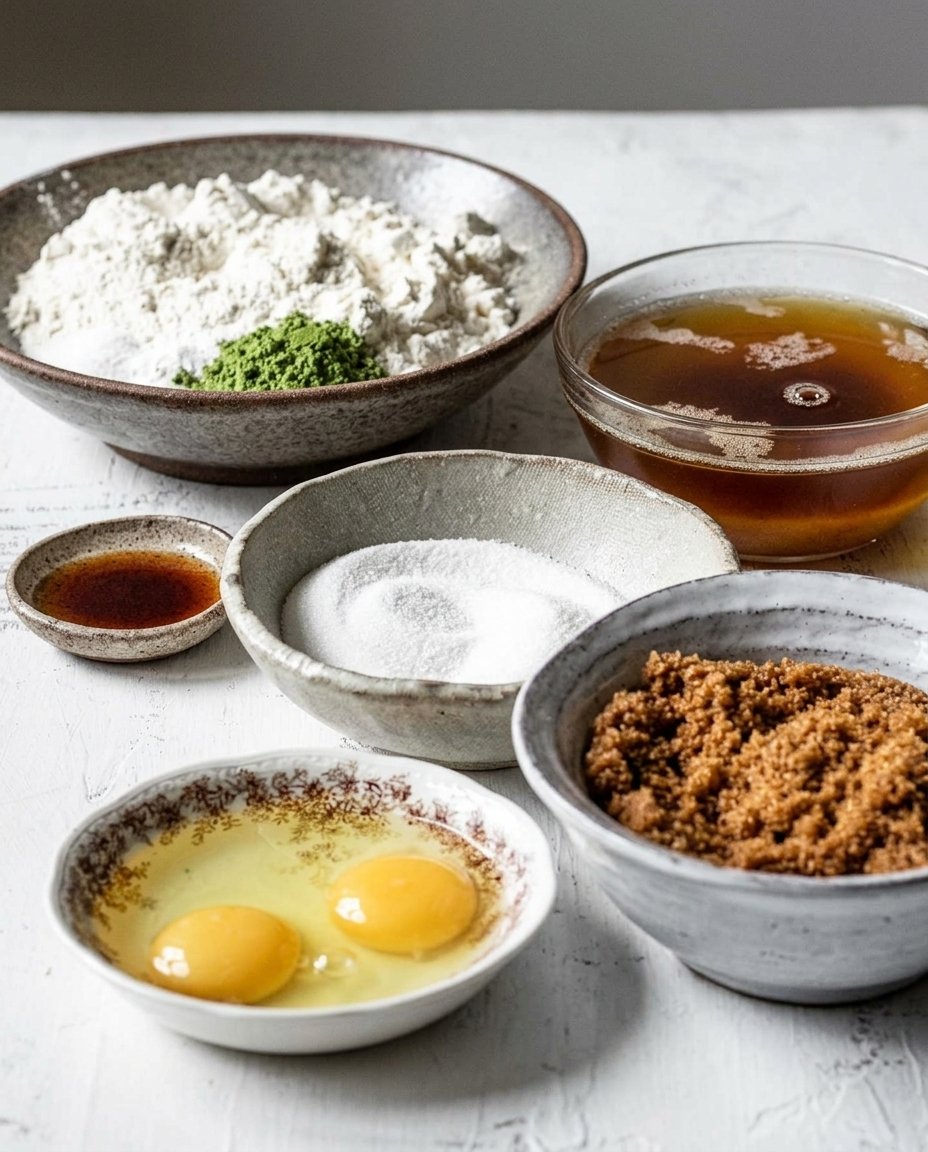
To create the perfect Matcha Chocolate Chip 2, we must look at the quality of our building blocks. Each ingredient serves a specific structural or aromatic purpose in the final emulsion.
- White Chocolate Chips: These provide the structural base and the necessary sugar to balance the tea’s natural astringency. Look for chips with real cocoa butter rather than palm oil for the best flavor release.
- Culinary Grade Matcha: This provides the L-theanine responsible for the umami sensation and the vibrant chlorophyll color. Sifting is vital here to avoid dry clumps of tea solids.
- Coconut Oil: This small amount of saturated fat acts as a plasticizer, making the chocolate easier to pipe into uniform chip shapes and improving the final snap.
By carefully measuring these components, you create a stable solid that maintains its integrity during storage but flows perfectly when introduced to the heat of a baking cookie dough. The ratio of tea to sugar is scientifically calculated to ensure the bitterness is suppressed by the sweetness, highlighting the floral notes of the matcha.
The Flavor Method and Layering Process
Step 1: Melting the Lipid Base
Begin by melting your white chocolate and coconut oil to create a fluid medium. If using a microwave, heat in 20-second intervals to prevent the sugar from scorching, which can happen quickly due to the high milk solid content in white chocolate. Alternatively, use a bain-marie to provide gentle, indirect thermal energy, which is safer for maintaining the integrity of the cocoa butter crystals.
Step 2: Integrating the Tea Solids
Once the chocolate is fully liquid, remove it from the heat source. Sift the matcha powder directly into the bowl. This is a critical step because matcha is highly susceptible to static clumping. Use a whisk to stir until the powder is fully suspended in the fat, creating a vibrant, homogeneous green emulsion with no visible lumps.
Step 3: Shaping for Surface Area
For chunks, pour the mixture onto a silicone mat and spread it to a quarter-inch thickness. This increases the surface area for rapid cooling. For uniform chips, transfer the mixture to a piping bag or squeeze bottle. The viscosity should be thick enough to hold a shape but fluid enough to flow through the tip.
Step 4: Rapid Crystallization
Place the baking sheet in the freezer for 15 to 20 minutes. This rapid drop in temperature encourages the formation of stable fat crystals, ensuring your chips have a professional snap and do not bloom. The cold environment locks the matcha particles in place before they can settle to the bottom of the mixture.
Step 5: Final Sizing and Extraction
If you created a sheet of chocolate, use a sharp knife to cut it into irregular chunks. For the piped chips, gently peel the silicone mat away from the chocolate. The low surface energy of the silicone makes this process easy, leaving you with perfect, ready-to-use matcha inclusions for your next scientific baking project.
Jasmine’s Flavor Notes and Secrets
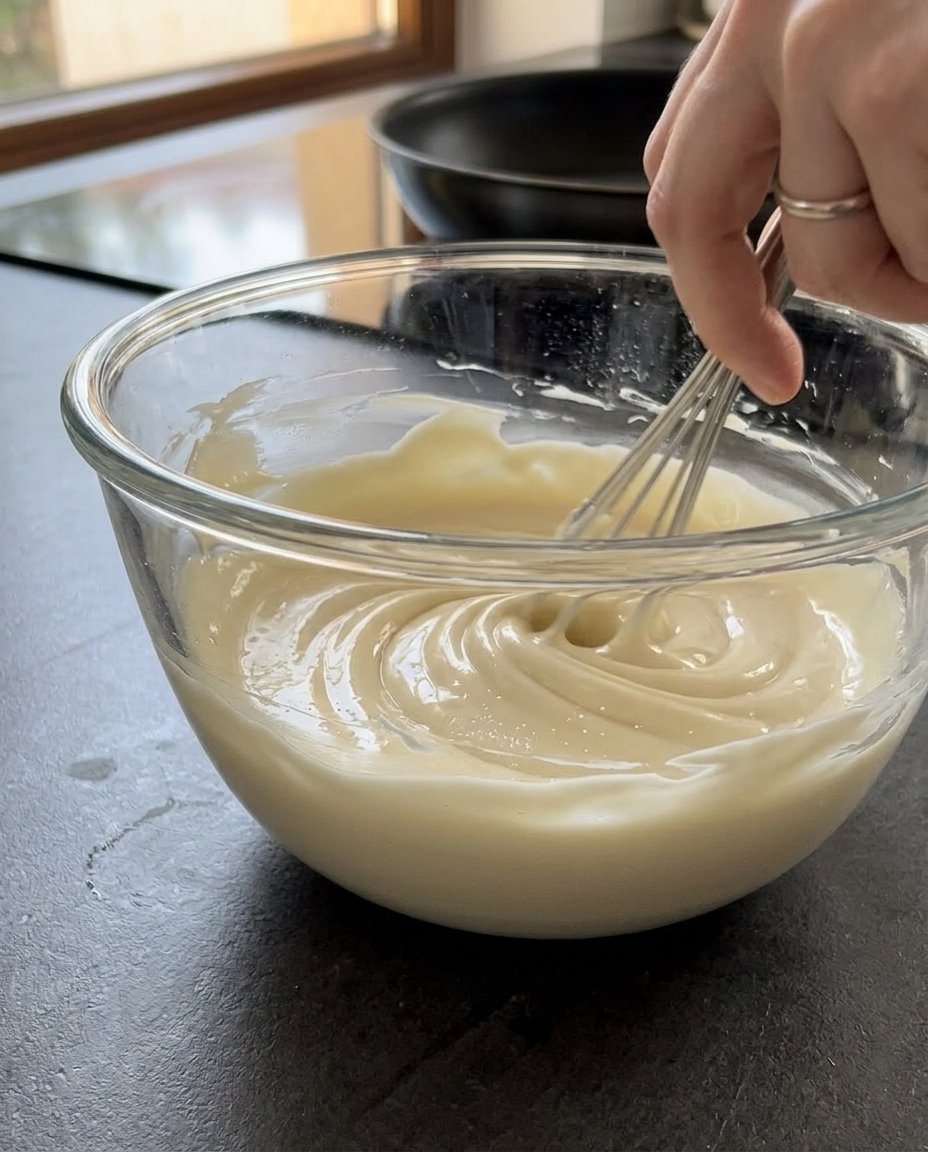
Always monitor the temperature of your white chocolate carefully; it should never exceed 110 degrees Fahrenheit. If the chocolate gets too hot, the proteins can denature and the sugars will clump, ruining the texture of your Matcha Chocolate Chip 2. For those looking to improve their overall kitchen efficiency while managing these delicate temperatures, I recommend reading our guide on Efficient Cookie Methods. Another secret is to use a high-quality culinary matcha that has a bright green color; if the powder looks dull or brown, the flavor compounds have oxidized, resulting in a hay-like taste rather than a fresh, grassy profile.
Scientific Swaps and Flavor Options
You can experiment with different aromatic profiles by adding a pinch of sea salt or a touch of lemon zest to the melted mixture. The sodium ions in salt actually work to suppress the perception of bitterness in the matcha while highlighting the sweetness of the white chocolate. For more inspiration on how to adapt recipes for specific seasons, see our collection of Holiday Cookie Science. You can also find interesting perspectives on matcha preparation and its traditional uses over at Proportional Plate. If you prefer a more intense tea flavor, you can increase the matcha to 1.5 tablespoons, though this will slightly alter the fat-to-solid ratio and may make the chips more brittle.
The Art of Flavor Pairing
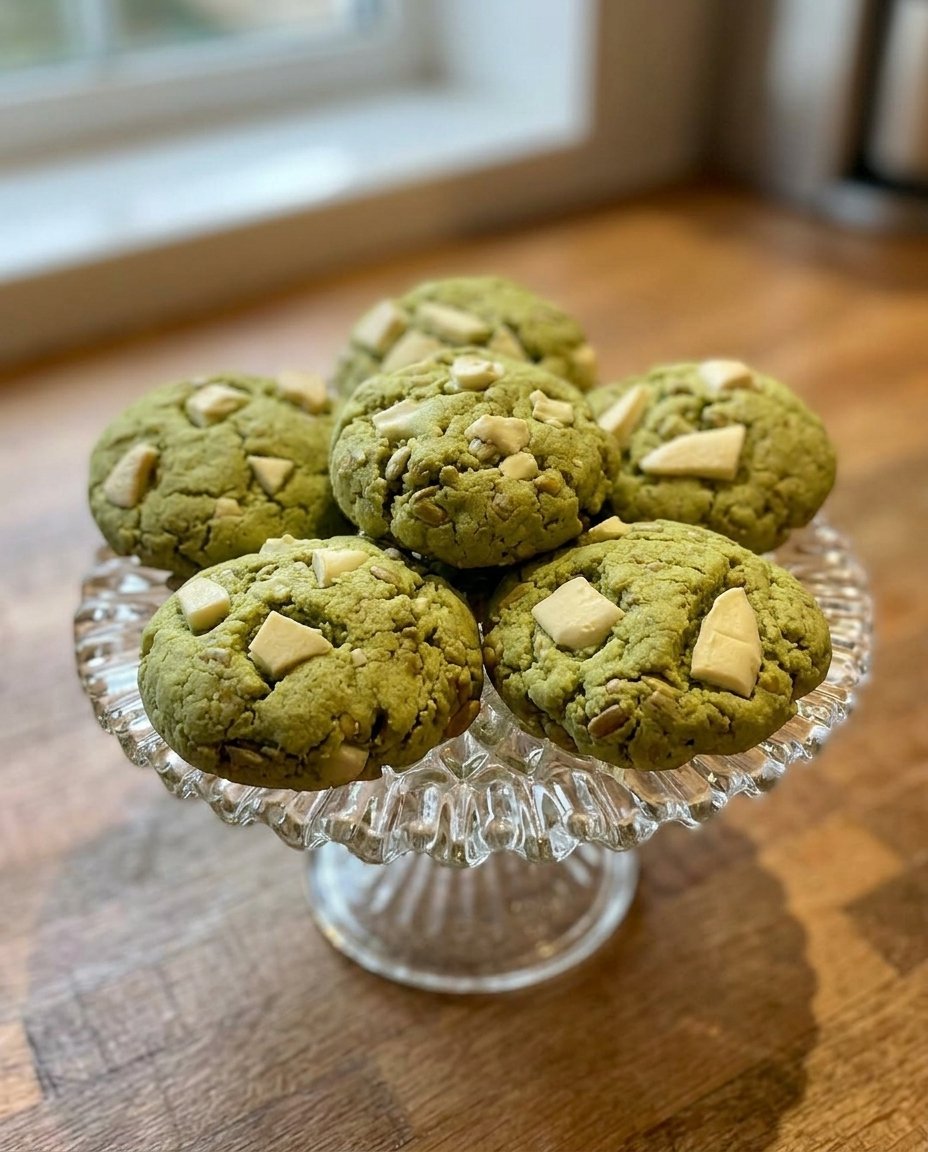
These chips are best utilized in cookies that feature a neutral or slightly nutty base, such as those made with almond flour or browned butter. Pairing these treats with a cup of hot Hojicha (roasted green tea) creates a beautiful synergy, as the roasted notes of the beverage complement the creamy sweetness of the chips. To find the perfect base recipe for these inclusions, check out our Foundation Cookie Recipes. Serving the cookies slightly warm is ideal, as it allows the fats to begin melting on the tongue, immediately releasing the complex tea aromas.
Final Thoughts on Flavor Synergy
Mastering the creation of Matcha Chocolate Chip 2 allows you to customize the intensity of your bakes with scientific precision. By understanding how the lipids in chocolate interact with the polyphenols in tea, you become a more intentional and successful home baker. For a deeper look at how specific cookie trends and inclusion methods evolve, visit our Viral Cookie Analysis. If you enjoyed this flavor science experiment, join our community on Facebook, Instagram, and Pinterest to share your results and discover new pairing theories.