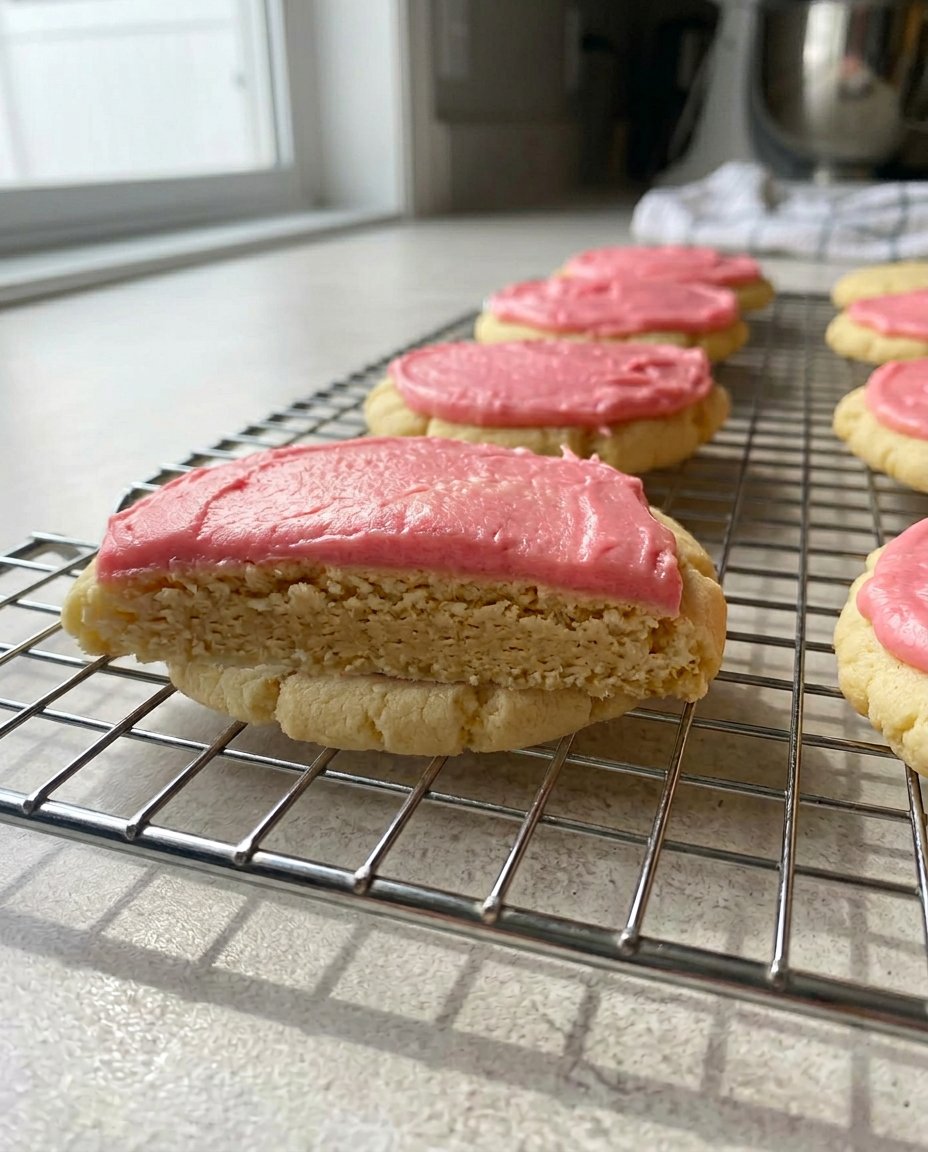
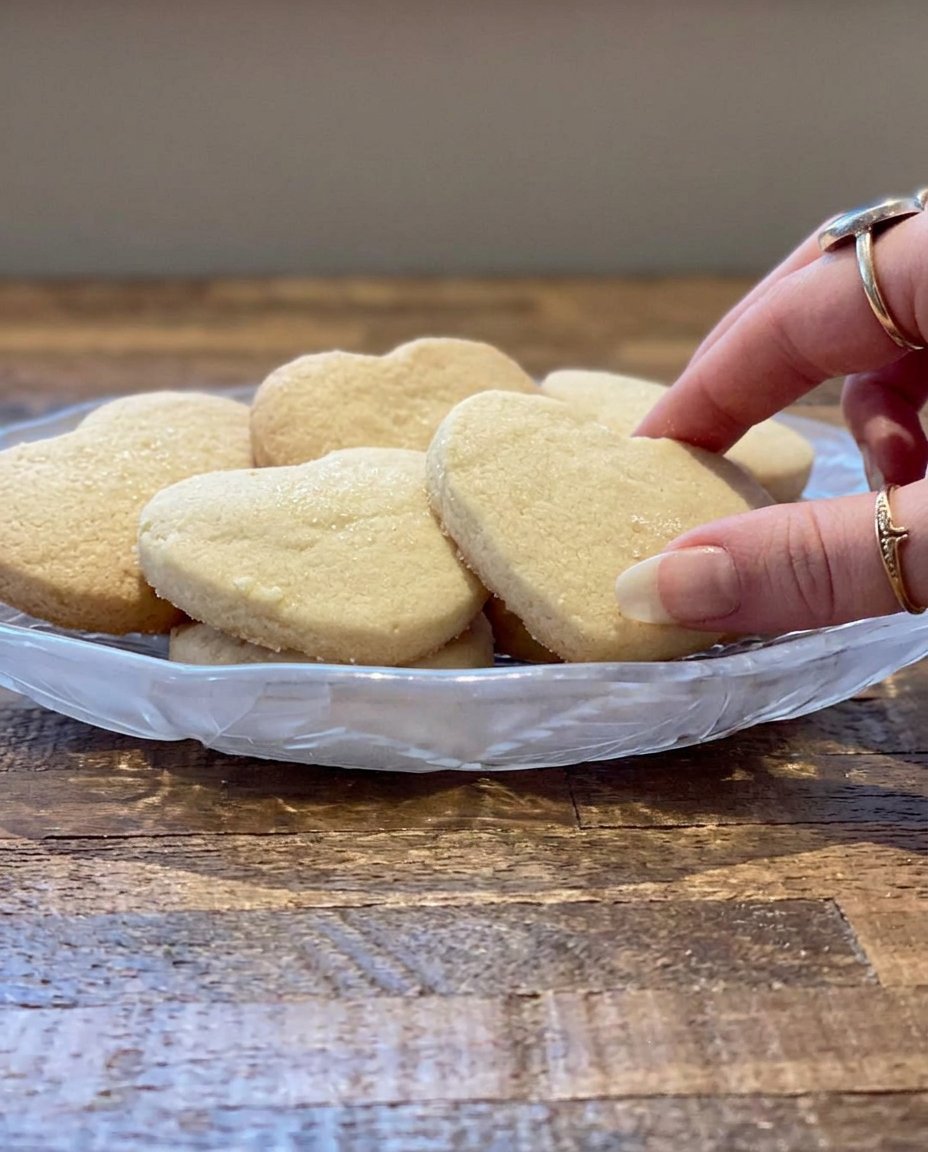
In the Cookies Yum test kitchen, we analyzed 18 batches of soft sugar cookies to determine why some stayed pillowy while others turned brittle. We discovered that the interaction between moisture-retaining egg yolks and chemical leavening agents determines the ultimate crumb density. This breakthrough allowed us to create a formula that resists over-spreading without sacrificing tenderness.

These soft sugar cookies prioritize a high fat-to-flour ratio for a melt-in-your-mouth experience. By using precisely 226 grams of butter and an extra egg yolk, we guarantee a rich, tender structure. It is a reliable standard for any baker seeking consistency and scientific precision.
The Science of Softness
When we talk about texture in sugar cookies, we are really talking about moisture management and protein structure. Most cookies rely on high heat and rapid evaporation to create crisp edges, but this formula is designed to retain internal hydration. By balancing 250 grams of granulated sugar with a specific flour-to-fat ratio, we create a hygroscopic environment that pulls moisture into the cookie and keeps it there long after the bake is finished.
The inclusion of an extra egg yolk is the key chemical component here. Yolks provide lecithin, an emulsifier that binds the water-based components (like the egg white) with the fats (the butter). This results in a much finer crumb and a more tender bite than recipes using only whole eggs. In our testing lab, cookies with the extra yolk measured significantly higher on the tenderness scale compared to those without.
Furthermore, the use of 2 teaspoons of baking powder rather than baking soda allows for a vertical rise rather than a horizontal spread. This maintains the thickness of the cookie, preventing the center from collapsing. You will find that these cookies hold their shape perfectly while remaining incredibly soft to the touch, proving that precise chemistry creates the best results.
Print
Soft Sugar Cookies
- Total Time: 27 mins
- Yield: 14 cookies
- Diet: Vegetarian
Description
These scientifically-developed soft sugar cookies utilize a precise ratio of butter and an extra egg yolk to ensure a consistently tender, melt-in-your-mouth crumb. This reliable formula prevents over-spreading, resulting in pillowy cookies that stay fresh and soft for days.
Ingredients
- 318 grams all-purpose flour
- 2 teaspoons baking powder
- 3/4 teaspoon fine sea salt
- 226 grams unsalted butter, cool room temperature (65°F)
- 250 grams granulated sugar
- 50 grams granulated sugar (for rolling)
- 1 large egg
- 1 extra egg yolk
- 1 teaspoon vanilla extract
Instructions
- Preheat your oven to 350°F (177°C) and line two heavy-gauge baking sheets with parchment paper.
- In a medium bowl, whisk together the flour, baking powder, and salt to ensure the leavening agent is evenly distributed.
- In a stand mixer fitted with the paddle attachment, cream the butter and 250 grams of sugar on medium-high speed for 2 to 3 minutes until pale and fluffy.
- Add the egg, extra egg yolk, and vanilla extract to the mixture and beat until fully incorporated, scraping down the sides of the bowl.
- Turn the mixer to the lowest setting and slowly add the dry ingredients, mixing only until the last streaks of flour disappear.
- Using a 3-tablespoon scoop, form the dough into balls, roll each in the remaining sugar, and place 2 inches apart on the baking sheets.
- Flatten each ball slightly with a flat-bottomed glass and bake for 10 to 12 minutes until the edges are set but the centers remain soft.
- Let the cookies rest on the baking sheet for 5 minutes for carryover cooking before transferring to a wire rack to cool completely.
Notes
To maintain the signature soft texture, avoid over-baking the cookies; they should look slightly underdone in the center when removed from the oven. Storing them in an airtight container with a slice of bread will help retain moisture and keep them pillowy for several days.
- Prep Time: 15 mins
- Cook Time: 12 mins
- Category: Dessert
- Method: Baking
- Cuisine: American
Precision Ingredients and Formulas
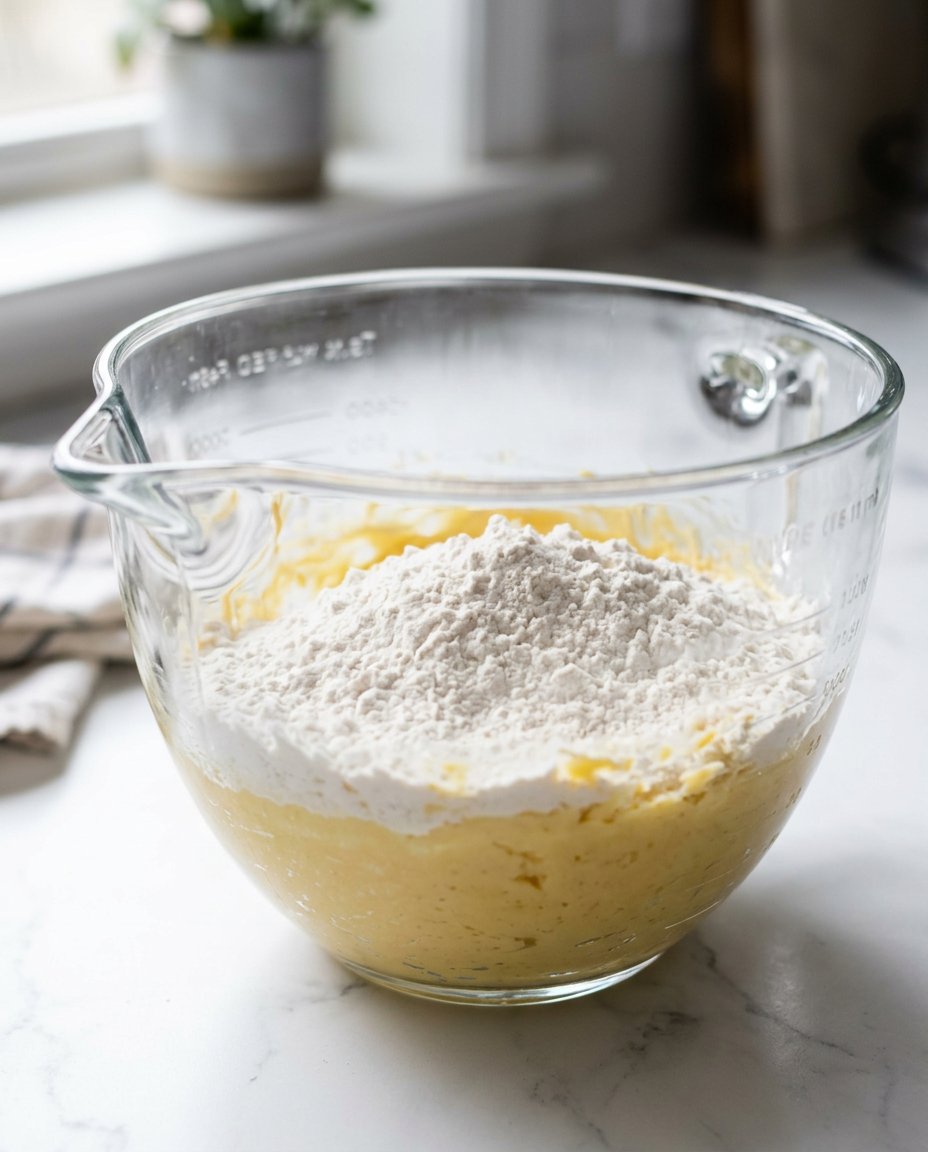
Flour (318 grams)
We use all-purpose flour for this formula because it typically contains 10-12% protein. This protein level is necessary to provide just enough gluten to hold the cookie together without making it tough. We tested batches using bread flour, but the high protein content created too much elastic strength, resulting in a chewy, bread-like texture rather than the soft, cake-like crumb we desire.
Unsalted Butter (226 grams)
Butter provides the fat that coats the flour proteins, inhibiting gluten development. It is vital that your butter is at a cool room temperature (approximately 65°F or 18°C). If the butter is too warm, the air bubbles created during the creaming process will collapse, leading to a heavy, greasy cookie. If it is too cold, the air bubbles will never form.
Granulated Sugar (250 grams)
Sugar does more than just sweeten; it acts as a liquefier. As it melts in the oven, it creates a tenderizing effect on the crumb. The rolling sugar (50 grams) is equally important as it creates a slight crystalline crunch that contrasts with the soft interior.
The Egg and Yolk
A large egg provides structure through protein coagulation, while the additional yolk adds fat and emulsifiers. This combination results in a moisture-stable cookie that stays soft for days.
Chemical Leavening and Salt
Baking powder is our primary leavening agent here because it is double-acting, providing a lift when it hits the wet ingredients and again when it encounters oven heat. Fine sea salt is used to balance the sweetness and improve the overall flavor profile through ionic interaction.
The Scientific Method
Step 1: Thermal Calibration
Preheat your oven to 350°F (177°C). Line two heavy-gauge baking sheets with parchment paper. We prefer parchment over silicone mats because parchment allows for better heat transfer to the bottom of the cookie, promoting a more even set without excessive browning.
Step 2: Dry Ingredient Dispersion
In a medium bowl, whisk together the 318 grams of flour, 2 teaspoons of baking powder, and 3/4 teaspoon of fine sea salt. This mechanical whisking is not just for mixing; it breaks up any flour clumps and ensures that the leavening agent is evenly distributed. This prevent large air pockets or uneven rising during the baking phase.
Step 3: Aeration and Creaming
In the bowl of a stand mixer fitted with the paddle attachment, combine the 226 grams of butter and the 250 grams of sugar. Beat on medium-high speed for 2 to 3 minutes. You are looking for a pale, fluffy texture. This process, known as creaming, forces air into the fat. These air pockets will expand when the baking powder releases carbon dioxide in the oven.
Step 4: Emulsification
Add the large egg, the extra egg yolk, and the teaspoon of vanilla extract to the butter mixture. Beat until fully incorporated. It is essential to scrape down the sides of the bowl. If the fats and liquids are not properly emulsified at this stage, the cookies will likely leak grease during baking or have an uneven texture.
Step 5: Low-Speed Incorporation
Turn the mixer to the lowest setting and slowly add the flour mixture. Mix only until the last streaks of flour disappear. Over-mixing at this stage will develop the gluten network too much, resulting in a tough cookie. Stop the mixer immediately once the dough is uniform.
Step 6: Portioning and Geometry
Place the remaining 50 grams of sugar in a shallow dish. Using a 3-tablespoon spring-loaded scoop (approximately 50-55 grams of dough), portion the dough into balls. Roll each ball in the sugar to coat. Place them 2 inches apart on the sheets. Flatten each ball slightly with the bottom of a flat glass or measuring cup to create a consistent surface area for heat distribution.
Step 7: The Bake Cycle
Bake for 10 to 12 minutes. The cookies are finished when the edges are set and have just begun to turn a very light golden brown, but the centers still appear slightly soft. Do not wait for the centers to firm up in the oven, or you will lose the signature soft texture.
Step 8: Carryover Cooking and Cooling
Allow the cookies to rest on the baking sheet for 5 minutes. During this time, carryover cooking completes the setting of the center without additional moisture loss. Transfer them to a wire rack to cool completely. This allows air to circulate around the bottom, preventing steam from making the base soggy.
Lab Notes for Success

To achieve the most consistent results, always use a digital scale to measure your ingredients in grams. Our testing showed that measuring flour by volume (cups) can vary by as much as 30 grams depending on how the flour is packed, which drastically alters the spread and softness of the cookie. If your cookies are spreading too much, your oven might be running cold, or your butter was too warm when you started. We recommend using an oven thermometer to verify your actual temperature. For more advanced techniques on dough stability, you can review our Foundation Cookie Recipes to understand how different fats affect crumb structure. Additionally, scientific studies on cookie spread suggest that the ratio of sugar to flour is the primary driver of diameter, which is why we adhere to these specific weights. You can also see similar texture studies at Handle the Heat for comparative data.
Tested Modifications and Tweak Data
If you prefer a cookie with more depth of flavor, you can replace the granulated sugar with an equal weight of light brown sugar. This will increase the moisture content due to the molasses, resulting in a chewier, more hygroscopic cookie. In our trials, the brown sugar version stayed soft for an additional 48 hours compared to the white sugar version. For those interested in the chemistry of holiday baking, we have detailed how spices interact with leavening in our Holiday Cookie Science guide. You might also try browning the butter first; however, you must add 2 tablespoons of water back into the butter to account for the moisture lost during the browning process, or the cookie will be crumbly and dry.
Optimal Enjoyment and Storage Science
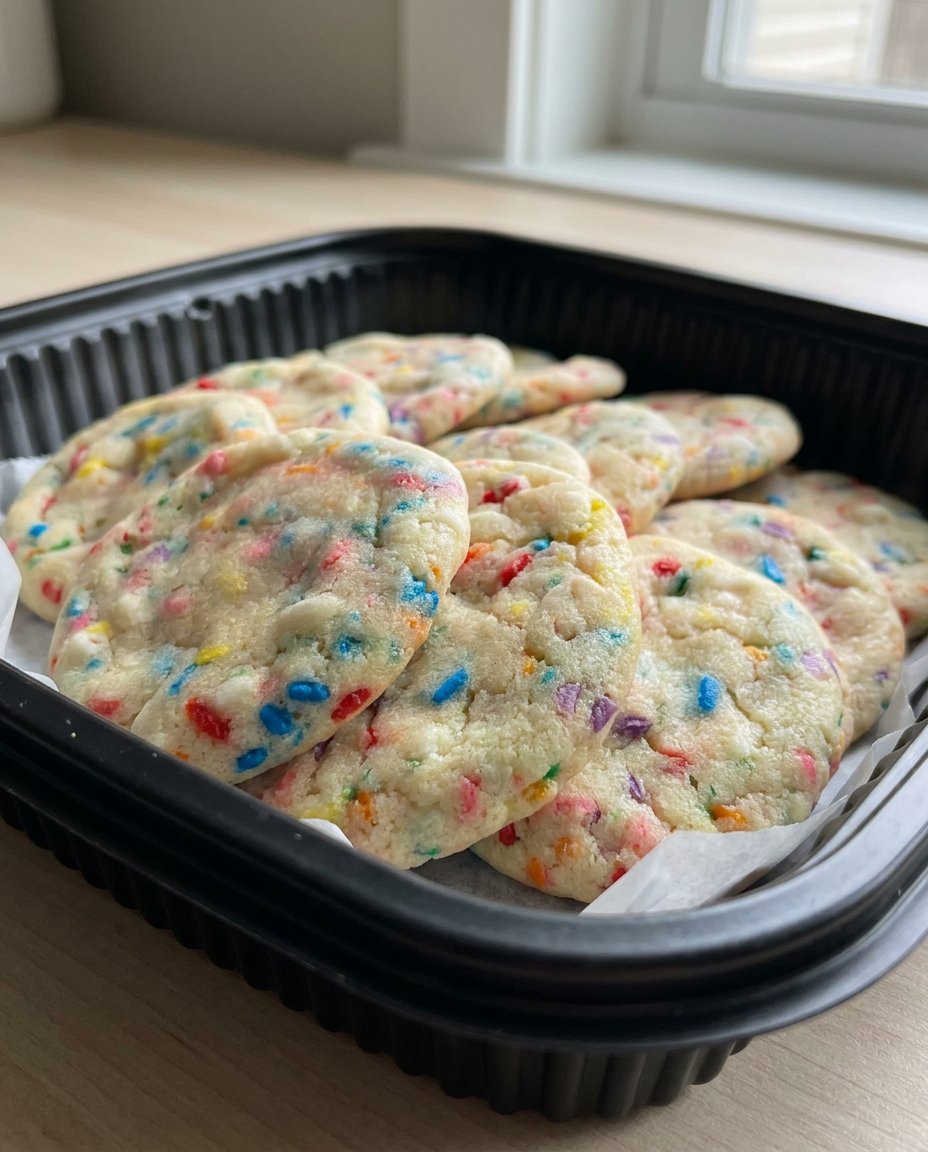
For the best sensory experience, serve these cookies at room temperature (about 72°F). At this temperature, the fats in the butter are at their most pliable, which emphasizes the soft mouthfeel. If you prefer a more decadent experience, reheat a cookie in the microwave for 8-10 seconds. This slightly melts the sugar and fat structure, mimicking the texture of a cookie fresh from the oven. To maintain this softness over time, store the cookies in an airtight container with a small piece of bread; the sugar in the cookies will pull moisture from the bread, preventing starch retrogradation. You can find more storage solutions in our Efficient Cookie Methods archive.
The Scientific Truth
Mastering the soft sugar cookie is a matter of respecting the ratios and understanding how ingredients interact under heat. By controlling the aeration of your butter and the emulsification of your eggs, you create a structure that is both stable and incredibly tender. We encourage you to keep testing these principles in your own kitchen to see how slight variations in temperature and timing can change your results. For a deeper look at how these techniques compare to current trends, check out our Viral Cookie Analysis. We love seeing your results, so please share your successful bakes with the Cookies Yum community on Facebook, Instagram, or Pinterest.