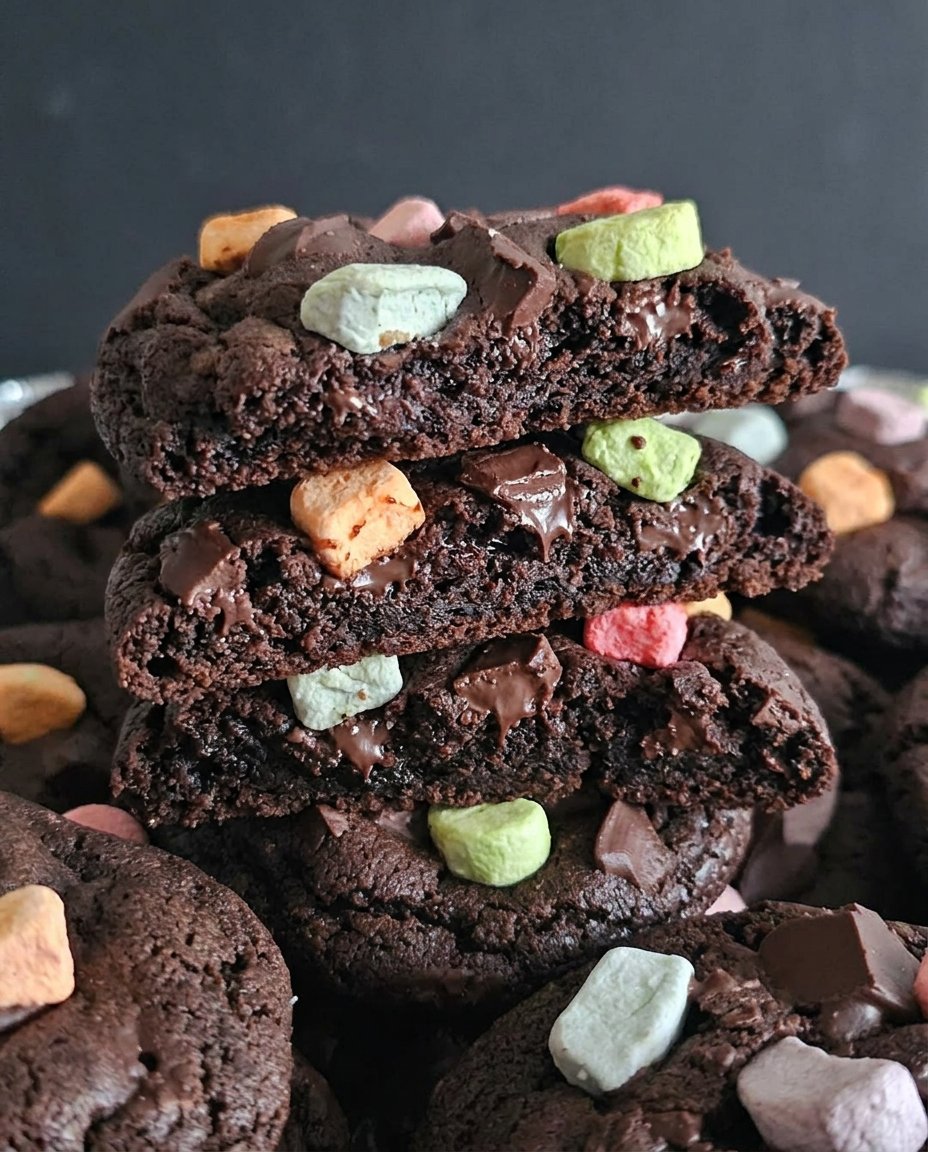
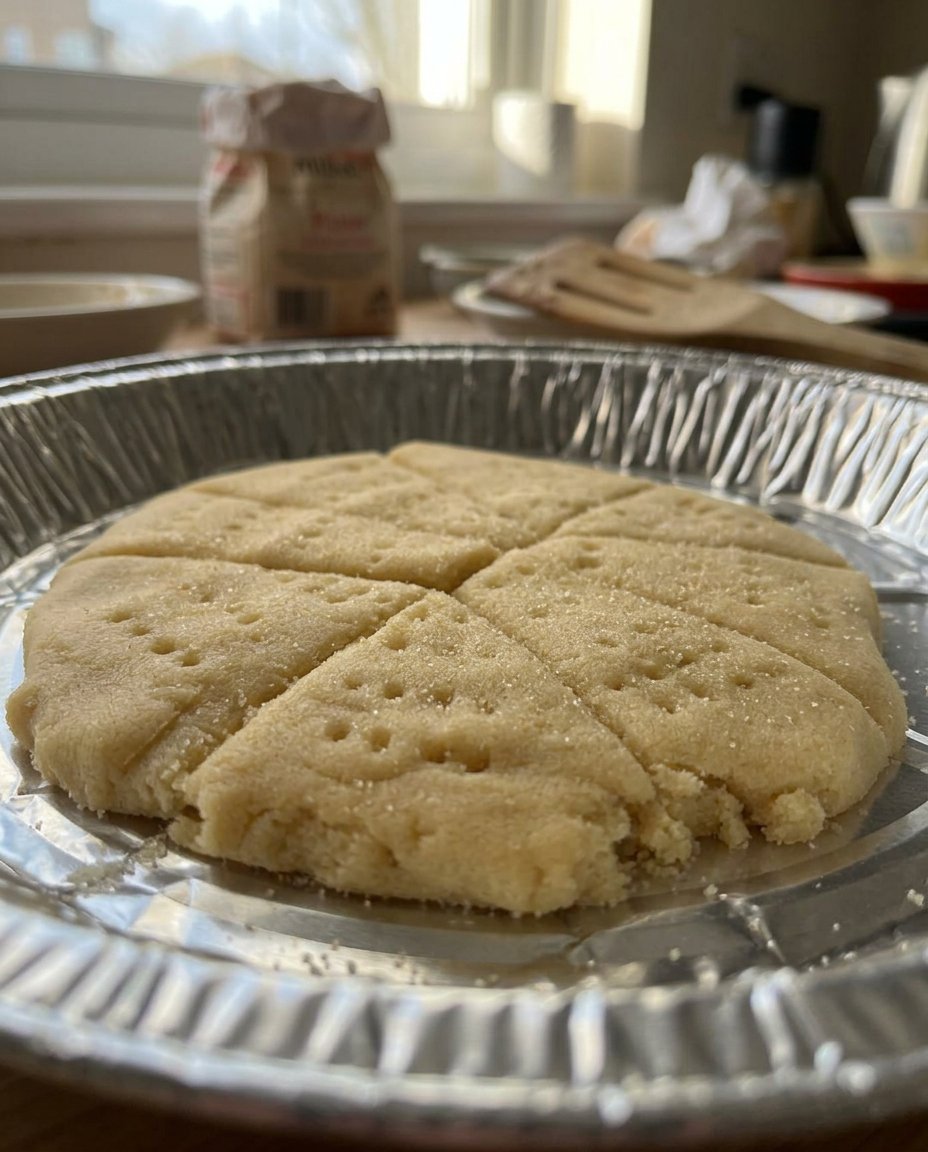
In the world of molecular gastronomy, few pairings are as scientifically resonant as raspberry and almond. Both ingredients share a significant amount of benzaldehyde, an aromatic compound that creates a deep, floral, and nutty synergy when combined. I first realized the power of this chemical link while analyzing how fruit acids interact with nut lipids, leading to the creation of this specific Raspberry Linzer Cookies 2 formula.

These cookies are more than a tradition; they are a study in fat and emulsion. By using a high ratio of butter to flour and incorporating superfine almond meal, we create a shortbread that melts at precisely 98 degrees Fahrenheit—the human body temperature—releasing a burst of vanillin and berry brightness. This version stays true to old-world techniques while focusing on the precise physics of a tender, no-spread crumb.
The Flavor Science of Aromatic Synergy
You will love these cookies because they represent a perfect balance of taste chemistry. Most recipes focus solely on sweetness, but we focus on the interplay between the tart citric acid in the raspberry jam and the rich, fatty mouthfeel of the almond-enriched dough. This contrast prevents palate fatigue, making every bite feel as fresh as the first.
We also use cornstarch to interfere with gluten formation, ensuring a delicate texture that snaps cleanly without being brittle. The addition of almond extract isn’t just for scent; it amplifies the natural benzaldehyde in the almond flour, creating a more robust flavor profile. This scientific approach ensures that your cookies aren’t just visually stunning but also analytically superior in their taste construction.
Print
Raspberry Linzer Cookies
- Total Time: 1 hour 15 mins
- Yield: 24 cookies
- Diet: Vegetarian
Description
This recipe focuses on the precise physics of a tender, no-spread crumb to create perfectly scalloped almond shortbread. By utilizing the molecular synergy between raspberry and benzaldehyde, these cookies offer a sophisticated balance of tart fruit and rich, nutty lipids.
Ingredients
- 226g Unsalted Butter, room temperature
- 67g Superfine Almond Meal
- 133g Granulated Sugar
- 25g Egg Yolk
- 8g Cornstarch
- 640g Raspberry Jam
- All-purpose flour
- Fine salt
- Almond extract
- Vanilla extract
- Powdered sugar
Instructions
- Cream the room temperature butter and granulated sugar on medium-high speed for two to three minutes until the mixture turns pale ivory.
- Introduce the egg yolk, almond extract, and vanilla, allowing the lecithin in the yolk to emulsify the liquids into the fat structure.
- In a separate vessel, whisk together the all-purpose flour, almond meal, cornstarch, and fine salt.
- Turn the mixer to the lowest setting and add the dry ingredients, mixing only until the flour particles are hydrated to prevent gluten development.
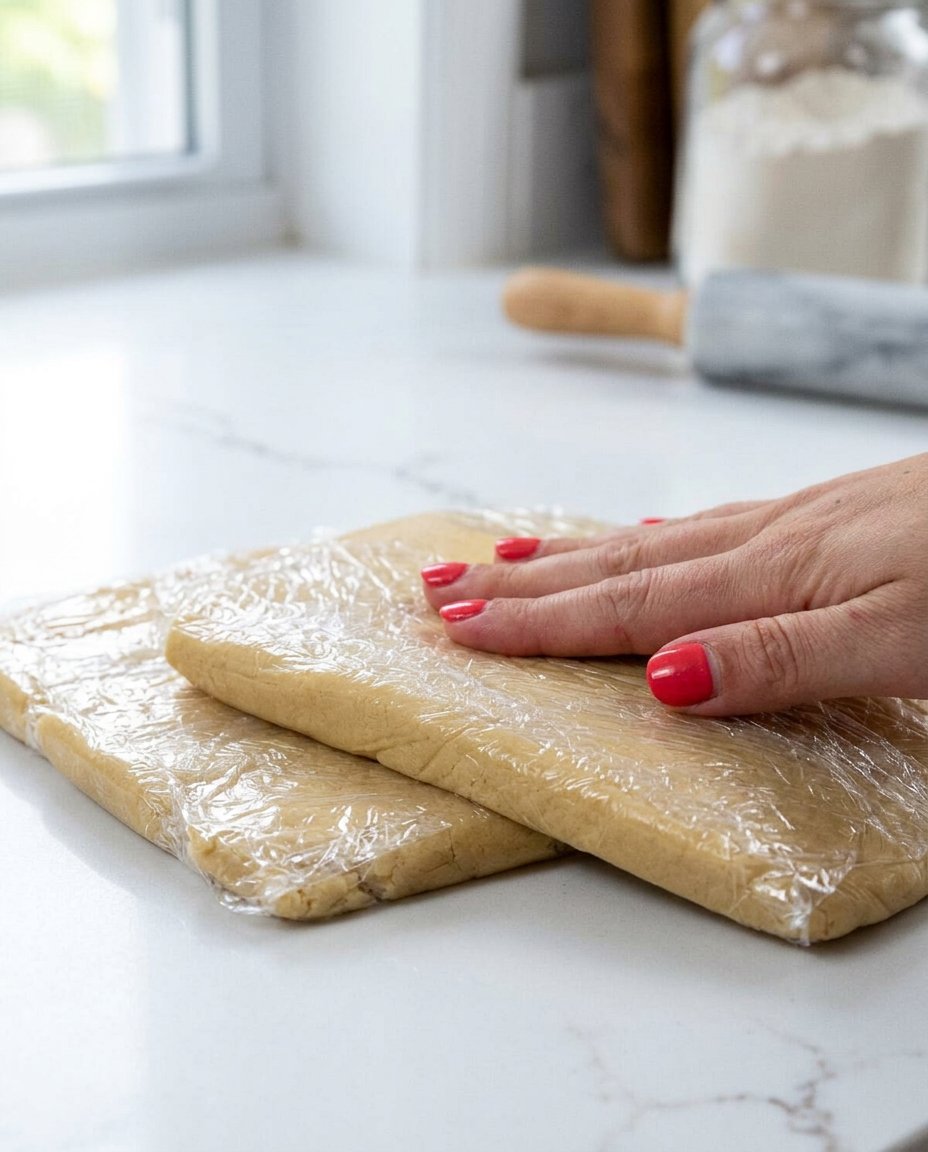
- Divide the dough into two equal portions, wrap in plastic, flatten into rectangles, and refrigerate for at least 45 minutes.
- Preheat oven to 350°F (175°C) and roll chilled dough to a thickness of 1/8 inch.
- Use a 1 1/2-inch scalloped cutter for the bases and a 3/4-inch heart cutter to remove centers from the top layers.
- Arrange cookies two inches apart on prepared sheets and bake for 9-10 minutes until the structure sets.
- Allow cookies to stabilize on the pan for 15 minutes before transferring to a wire rack to cool completely.
- Dust the heart-cutout cookies with powdered sugar, spoon two teaspoons of jam onto each solid base, and gently press the top cookie into place.
Notes
For the most precise results, use a kitchen scale to measure ingredients by weight rather than volume to ensure the perfect ratio of fats to starches. To maintain the cleanest aesthetic, ensure the cookies are entirely at room temperature before dusting with powdered sugar to prevent melting. If your jam is particularly stiff, stir it vigorously to break the pectin bonds for a smoother spread that fills the heart window evenly.
- Prep Time: 65 mins
- Cook Time: 10 mins
- Category: Dessert
- Method: Baking
- Cuisine: Austrian
The Molecular Building Blocks
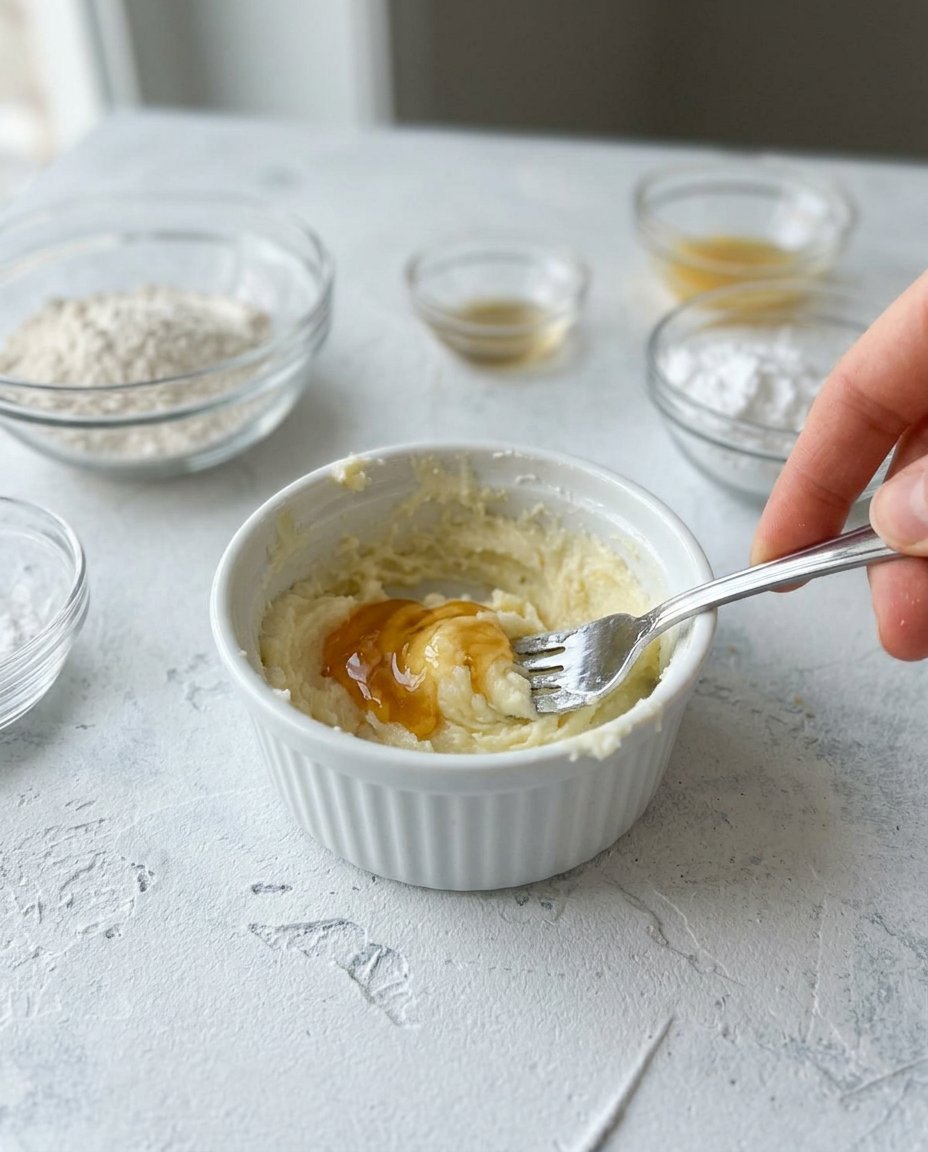
To achieve the perfect Raspberry Linzer Cookies 2, each ingredient is selected for its specific chemical contribution to the final structure and flavor.
- Unsalted Butter (226g): This is our primary fat source, providing the lipids necessary for a melt-in-the-mouth texture. Room temperature butter allows for optimal creaming, which incorporates air cells for a lighter crumb.
- Superfine Almond Meal (67g): Unlike wheat flour, almond meal adds healthy fats and a distinct nutty aroma. It disrupts the protein network of the all-purpose flour, yielding a more tender result.
- Granulated Sugar (133g): Sugar does more than sweeten; it acts as a humectant to keep the cookie moist and aids in the slight Maillard reaction that occurs during baking.
- Egg Yolk (25g): The lecithin in the yolk acts as a natural emulsifier, binding the fats and liquids together for a cohesive dough that won’t separate.
- Cornstarch (8g): By adding a small amount of cornstarch, we lower the overall protein content of the flour mix, which is a proven method for preventing a tough or chewy cookie.
- Raspberry Jam (640g): The high pectin content in quality jam provides the necessary ‘grip’ to hold the sandwich together, while its acidity balances the rich dough.
The Precision Layering Method
Step 1: Aeration and Emulsification
Begin by creaming the room temperature butter and granulated sugar on medium-high speed. You are looking for physical evidence of aeration—the mixture should turn pale ivory as air molecules are trapped within the fat. This process takes approximately two to three minutes. Once aerated, introduce the egg yolk, almond extract, and vanilla. The yolk provides the lecithin needed to emulsify the added liquids into the fat structure.
Step 2: Integrating Dry Volatiles
In a separate vessel, whisk together the all-purpose flour, almond meal, cornstarch, and fine salt. The salt is a crucial flavor potentiator; it suppresses bitterness and enhances the perception of sweetness. Turn your mixer to the lowest setting and add the dry ingredients. Mix only until the flour particles are hydrated. Over-mixing at this stage creates long gluten chains, which would result in a tough, bread-like texture rather than a short, crisp cookie.
Step 3: Thermal Stabilization
Divide your thick dough into two equal portions and wrap them in plastic. Flattening them into rectangles increases the surface area, allowing for faster and more even chilling in the refrigerator. Let the dough rest for at least 45 minutes. This cooling period allows the butter to re-solidify and the flour to fully hydrate, which is essential for a no-spread bake. If the dough is too warm, the lipids will melt too quickly in the oven, causing the cookies to lose their scalloped definition.
Step 4: Geometric Precision and Cutting
Preheat your oven to 350°F (175°C). Roll out one portion of chilled dough on a lightly floured surface or between sheets of plastic wrap to a consistent thickness of 1/8 inch. Use a 1 1/2-inch scalloped cutter to create the bases. For the top layers, use a 3/4-inch heart cutter to remove the centers. This window is not just aesthetic; it allows the raspberry aromatics to reach the nose before the first bite, enhancing the overall sensory experience.
Step 5: The Controlled Bake
Arrange the cookies two inches apart on prepared sheets. Bake one sheet at a time for 9-10 minutes. You are looking for the precise moment when the structure sets but before significant browning occurs. Excessive browning indicates the caramelization of sugars has gone too far, which can mask the delicate almond notes. Allow them to stabilize on the pan for 15 minutes before moving them to a wire rack to reach room temperature.
Step 6: Final Assembly and Dusting
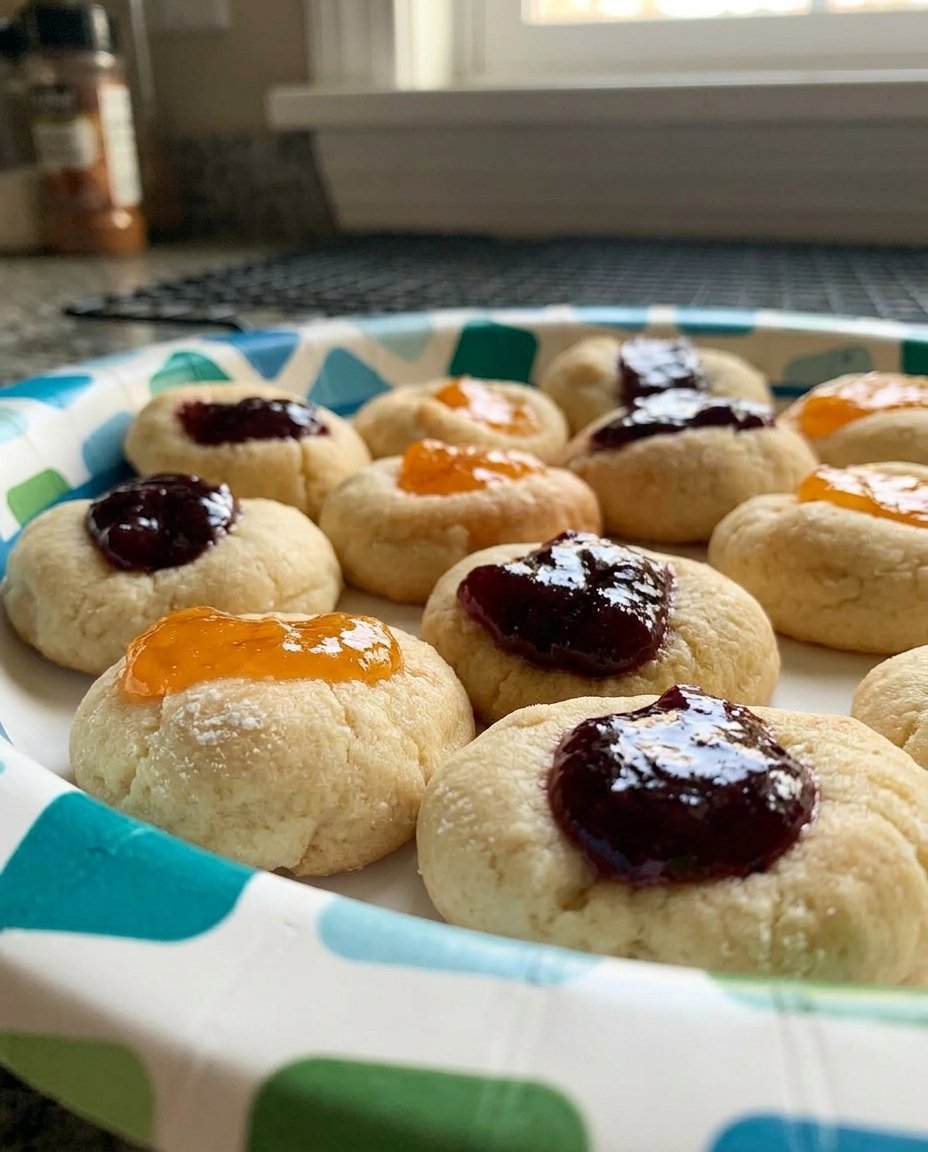
Before assembly, dust the top cookies (the ones with the heart cutouts) with powdered sugar. This prevents the sugar from coating the jam window, keeping the red color vibrant. Spoon approximately two teaspoons of raspberry jam onto each solid base, then gently press the top cookie onto the jam. The pressure should be just enough to move the jam to the edges of the heart window without overflowing.
Jasmine’s Scientific Flavor Secrets
One of the most important factors in successful baking is understanding the physics of temperature. Always ensure your baking sheets are completely cool before placing a new batch of dough on them. If the sheet is warm, the butter in the dough will begin to melt before it even enters the oven, destroying the delicate scalloped edges. For more on the science of seasonal baking, look at our Holiday Cookie Science guide. Additionally, when selecting your jam, look for one with a high fruit-to-sugar ratio to ensure the acidity is strong enough to cut through the almond lipids. You can learn more about finding the right balance in these raspberry linzer cookies as well. Finally, adding a tiny pinch of citric acid to your jam can brighten the fruit profile if your store-bought brand feels too cloying.
Scientific Flavor Swaps and Pairings
You can modify the aromatic profile of these cookies by swapping the jam or the extracts. For instance, using lemon curd instead of raspberry introduces limonene compounds, which pair beautifully with the almond base. If you decide to experiment with different shapes or fillings, check out our guide on Precision Cookie Decorating for technical advice. Another fascinating variation involves replacing the almond meal with toasted hazelnut flour. Toasting the nuts creates pyrazines—savory, roasted flavor compounds—that provide a deeper, more earthy contrast to the sweet jam. You can also add finely grated orange zest to the dough; the oils in the zest contain terpenes that share a molecular lineage with many berry fruits.
How to Optimize Your Taste Experience
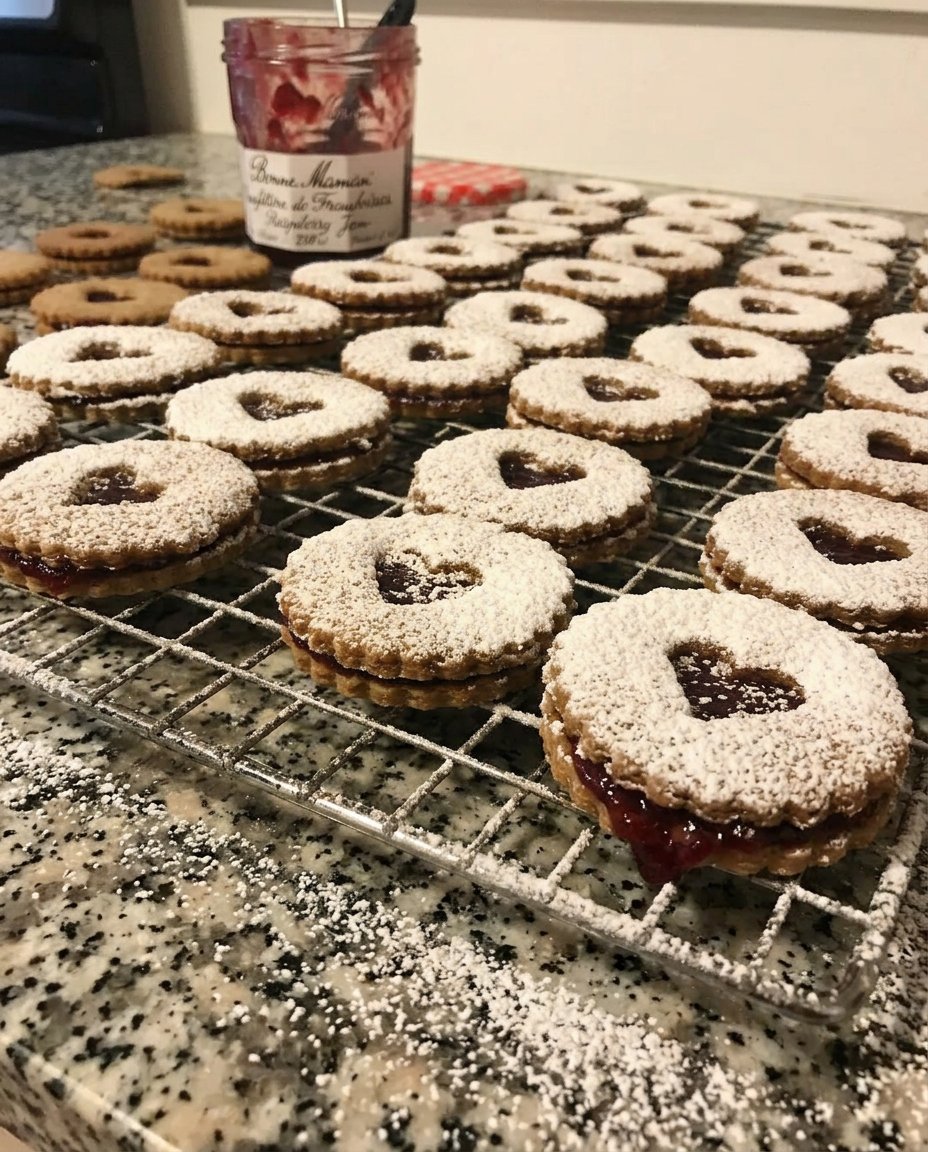
To truly appreciate the complex flavor layers of these Raspberry Linzer Cookies 2, serve them at room temperature. Cold temperatures mute the volatile aromatic compounds in the vanilla and almond. Pair these with a medium-roast coffee or a floral Earl Grey tea; the tannins in the tea provide a structural backbone that complements the soft berry notes. For those interested in building a full dessert spread, explore our Foundation Cookie Recipes to find complementary textures. I also recommend serving these on a dark-colored platter to provide a visual contrast to the white powdered sugar, as visual perception is the first step in the digestion and tasting process.
The Final Flavor Truth
Mastering the Raspberry Linzer Cookies 2 is a rewarding journey into the chemistry of baking. By respecting the temperature of your fats and the molecular synergy of your ingredients, you create a treat that is as sophisticated as it is delicious. For more ways to refine your baking workflow, visit our section on Efficient Cookie Methods. If you enjoyed this deep dive into flavor science, please share your results with our community on Instagram, Pinterest, or Facebook. Happy baking, and stay curious about the science behind your favorite flavors!