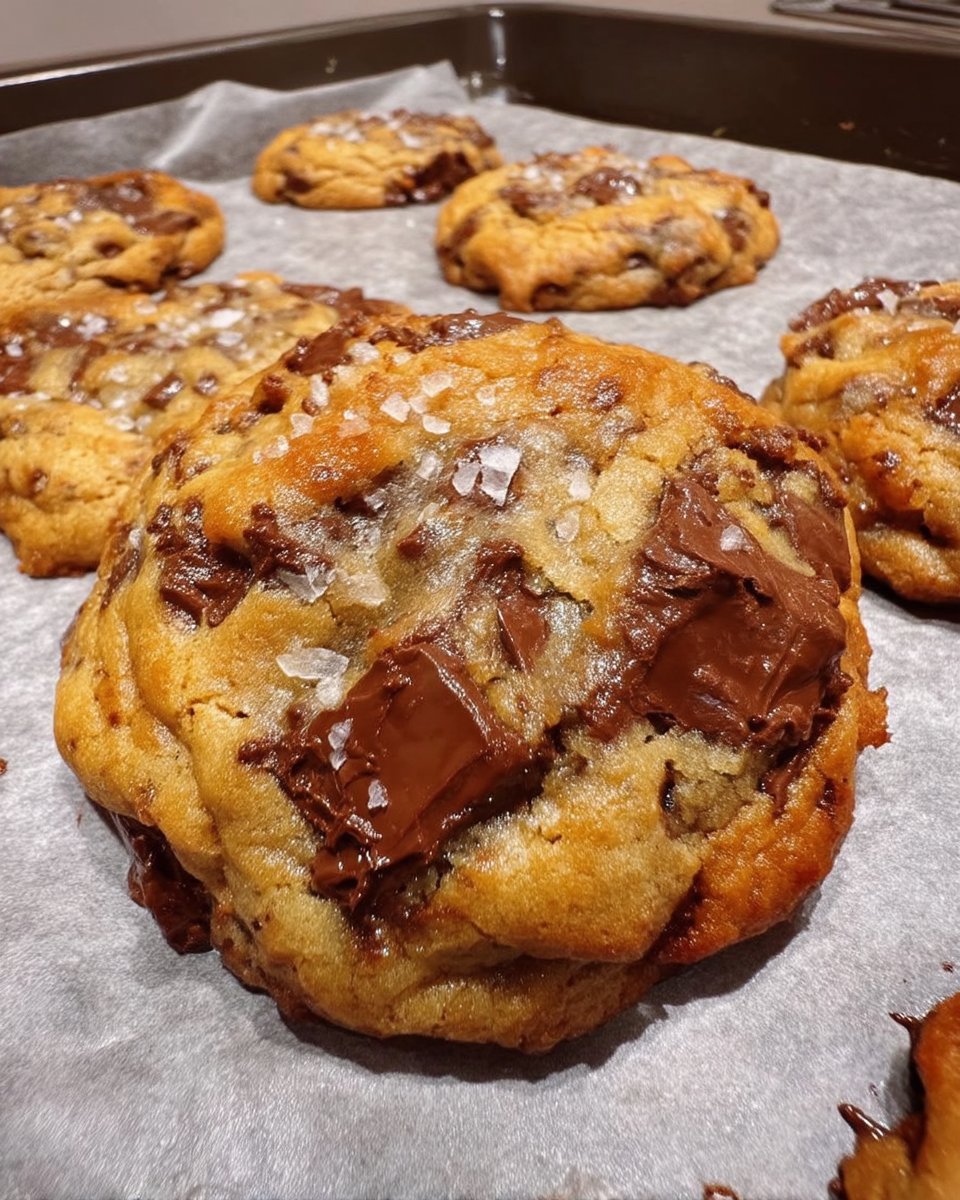
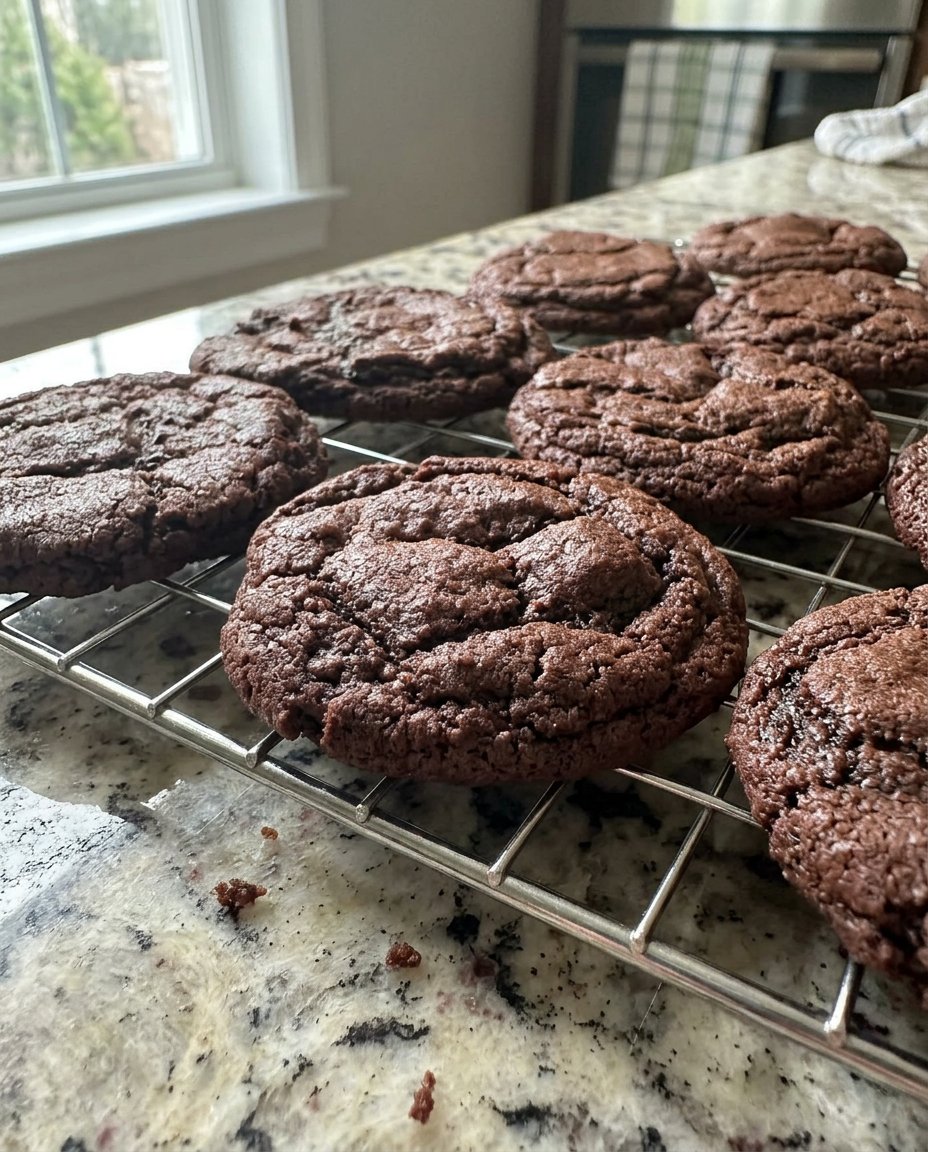
European bakers in the 17th century discovered that combining potash with acidic sweeteners created a unique leavening action before modern powders existed. This traditional method relied on the chemical interaction between honey and mineral salts to produce the characteristic dense yet tender crumb found in Northern European spice biscuits. By using this historical approach, we respect the natural alchemy that has preserved these treats through centuries of winter celebrations.

This particular version of Pfeffernusse 2 focuses on the technical balance between dark molasses and wildflower honey. It creates a structural integrity that supports a heavy spice profile without becoming overly hard or brittle. You will find that the inclusion of white pepper provides a specific heat that complements the cooling nature of the lemon-tinged sugar glaze.
A Testament to Spice and Structure
These cookies represent a time when spices were treasures, and the methodology of baking was as much about preservation as it was about flavor. The use of both honey and molasses serves a dual purpose: they provide deep, complex sugars while acting as hygroscopic agents that draw moisture from the air, meaning these biscuits actually improve as they age. This scientific reality was well-understood by Victorian households who baked these weeks before they were intended to be eaten.
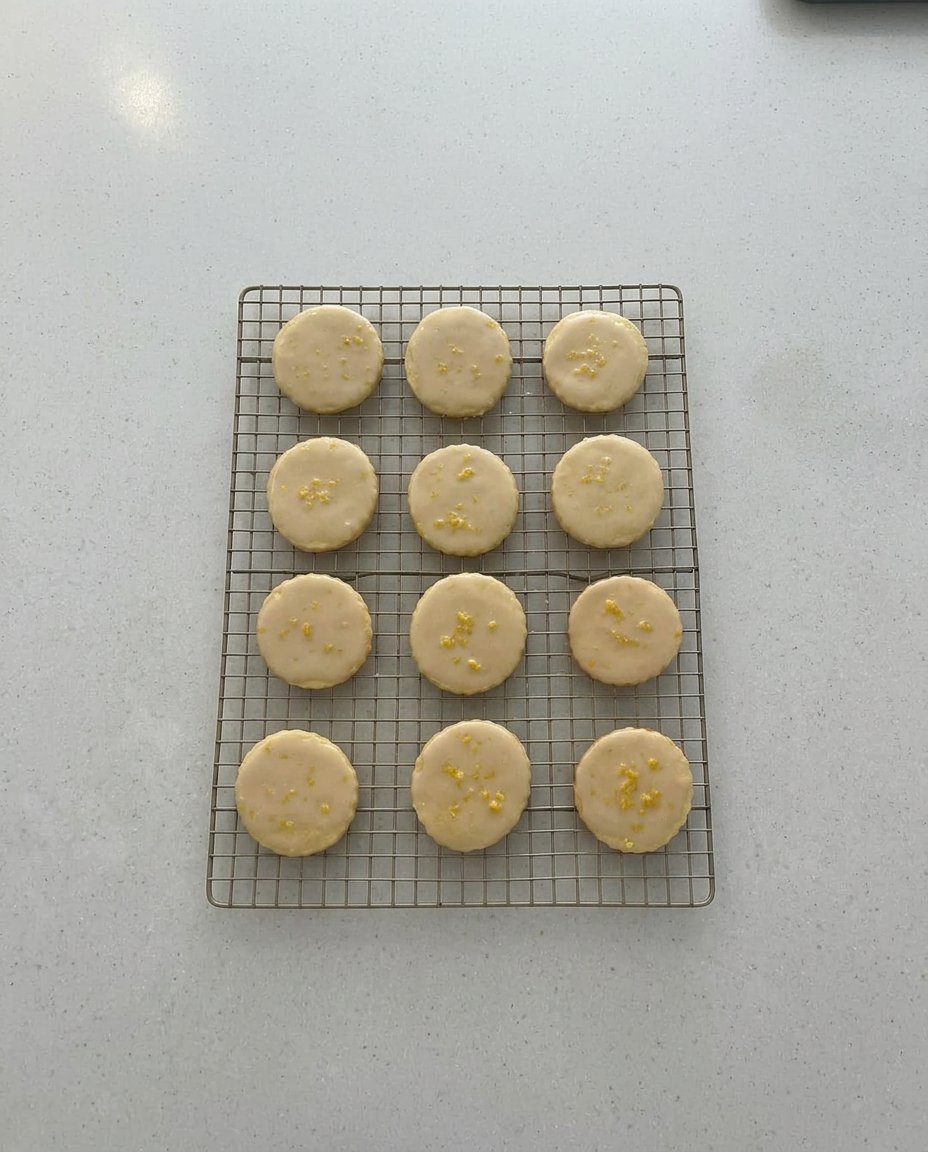
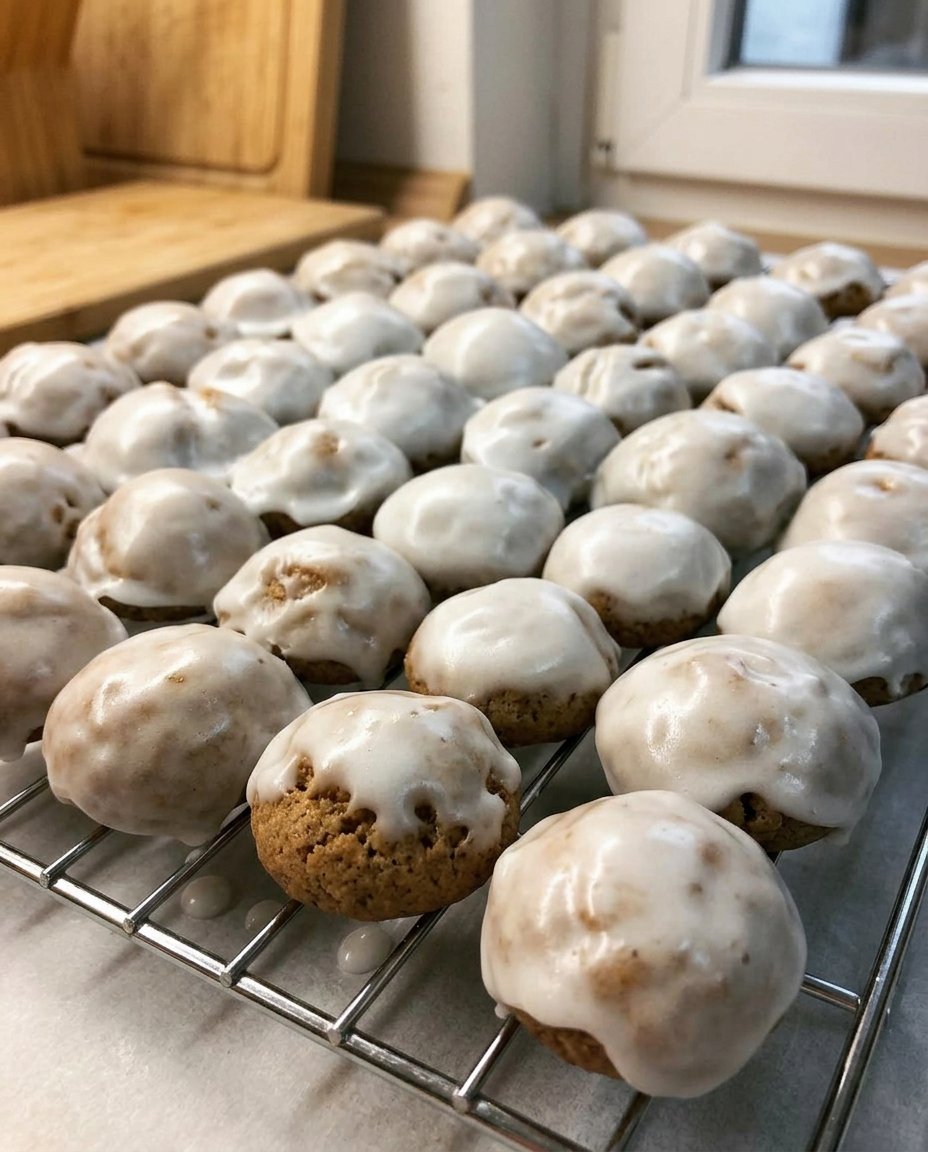
The texture is a deliberate study in contrast, featuring a firm exterior protected by a thin, crystalline glaze and a soft, chewy interior. Unlike modern drop cookies that rely on high fat content for tenderness, these biscuits use the viscosity of the syrups and the precision of the flour ratio to achieve their bite. It is a rewarding bake for those who value the intersection of historical tradition and chemical precision.
Print
Pfeffernusse
- Total Time: 31 mins
- Yield: 36 cookies
- Diet: Vegetarian
Description
These authentic German spice cookies utilize a unique combination of dark molasses, wildflower honey, and white pepper to create a deeply aromatic, warming treat. Finished with a bright lemon-infused glaze, they offer a sophisticated balance of sweetness and spice that matures and improves in texture over time.
Ingredients
- 1/2 cup dark molasses
- 1/2 cup wildflower honey
- 1/2 cup granulated sugar
- 1 teaspoon ground cinnamon
- 1/2 teaspoon ground cardamom
- 1/2 teaspoon ground ginger
- 1/2 teaspoon ground white pepper
- 1/4 teaspoon ground allspice
- 1/4 teaspoon ground cloves
- 1/4 teaspoon ground nutmeg
- 1/4 teaspoon salt
- 2 tablespoons cold milk
- 1 teaspoon baking soda
- 1 large egg
- 3 cups all-purpose flour
- 1 cup powdered sugar
- 1 tablespoon lemon juice
- 2 tablespoons water
Instructions
- Preheat your oven to 375°F (190°C) and line baking sheets with parchment paper or high-quality silicone mats.
- In a medium-sized heavy-bottomed saucepan, combine the molasses, honey, and granulated sugar over low heat, stirring until the sugar crystals are fully dissolved.
- Remove the pan from the heat and stir in the cinnamon, cardamom, ginger, white pepper, allspice, cloves, nutmeg, and salt; allow to cool until just warm.
- Incorporate the cold milk, baking soda, and egg into the syrup, stirring as the mixture begins to react and foam slightly.
- Add the flour and stir until the dry particles are absorbed, then switch to your hands and knead the dough until it reaches a smooth elasticity.
- Pinch off small portions of dough and roll them into 1-inch balls, placing them on the baking sheet with 1 inch of space between each.
- Bake for 9 to 11 minutes, monitoring for dark brown bottoms and slight cracking on the tops.
- Whisk together the powdered sugar, lemon juice, and water, then brush the glaze onto the cookies while they are still piping hot and let them cool on the sheet until the glaze sets.
Notes
For the most authentic experience, store these cookies in a sealed container for at least two days before eating to allow the spices to fully bloom and the crumb to soften. If your kitchen is particularly humid, you may need to reduce the water in the glaze slightly to ensure it sets to a firm, matte finish.
- Prep Time: 20 mins
- Cook Time: 11 mins
- Category: Dessert
- Method: Baking
- Cuisine: German
The Components of a Classic Spice Biscuit
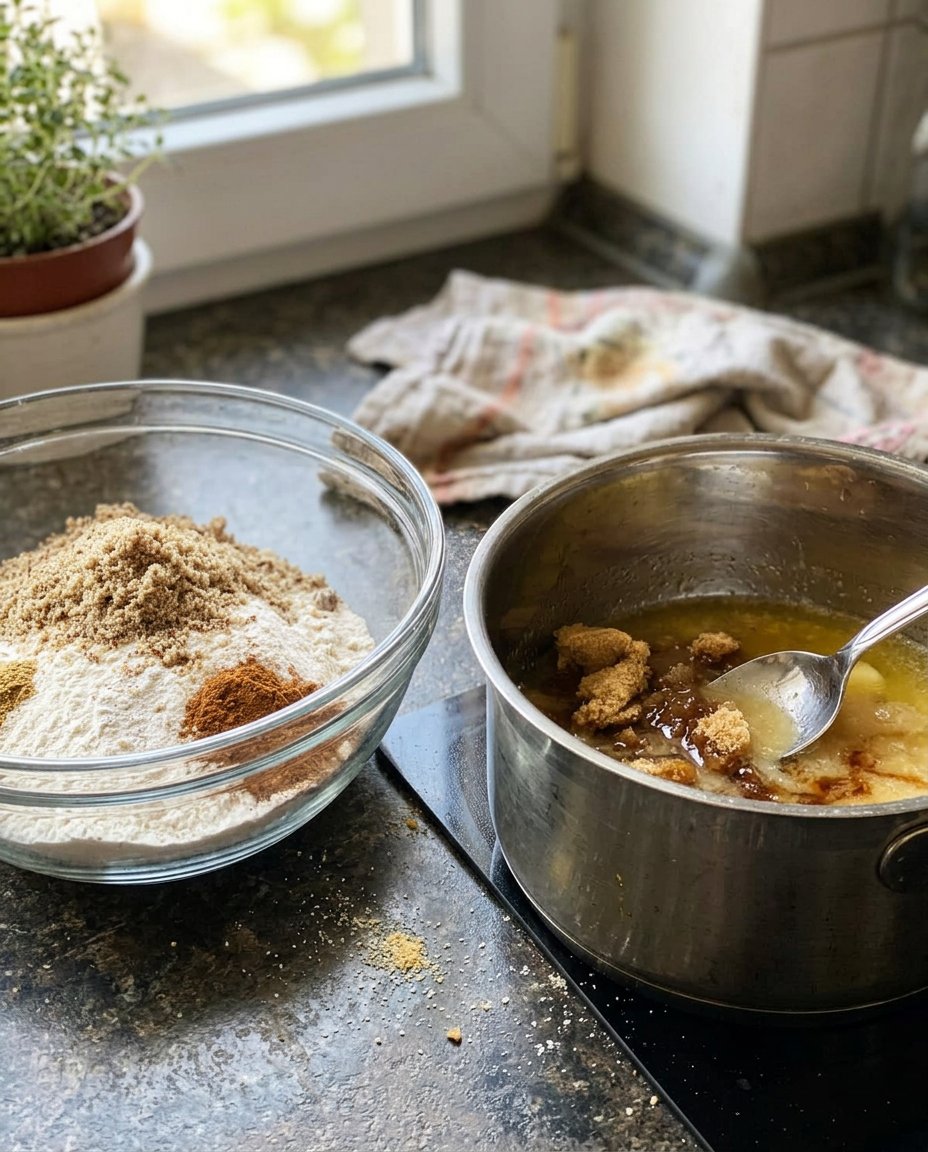
To achieve the proper Pfeffernusse 2 result, one must understand the role of each ingredient in the structural matrix. The choice of sweeteners is not merely for taste but for the specific pH balance required to activate the leavening agents without an electric mixer.
- Dark Molasses and Honey: These provide the necessary acidity to react with the baking soda. Use a standard dark molasses rather than blackstrap to avoid an overpowering bitterness that would mask the delicate cardamom.
- The Spice Quintet: Cinnamon, cardamom, ginger, white pepper, and cloves form the traditional profile. White pepper is essential here; it offers a sharp, clean heat that black pepper cannot replicate without adding unsightly dark flecks to the dough.
- All-Purpose Flour: A medium-protein flour (approximately 10-11%) is ideal. It provides enough gluten for the cookies to hold their spherical shape during the bake without becoming tough.
- Lemon-Infused Glaze: The citric acid in the lemon juice serves to cut through the heavy sweetness of the powdered sugar, providing a balanced finish that cleanses the palate.
The Proper Method for Traditional Pfeffernusse
Step 1: Thermal Preparation and Pan Lining
Begin by preheating your oven to 375°F (190°C). Prepare your baking surfaces with parchment paper or a high-quality silicone mat. This step is vital because the high sugar content in the dough can lead to sticking if the surface is not properly prepared with a non-reactive barrier.
Step 2: The Syrupy Foundation
In a medium-sized heavy-bottomed saucepan, combine the molasses, honey, and granulated sugar. Warm the mixture over low heat, stirring occasionally. You are not looking to boil the liquid, but rather to ensure the granulated sugar crystals are fully dissolved into the syrups. This creates a uniform molecular structure that prevents graininess in the final cookie.
Step 3: Spice Incorporation and Cooling
Remove the pan from the heat and stir in the cinnamon, cardamom, ginger, white pepper, allspice, cloves, nutmeg, and salt. Introducing the spices to the warm liquid allows the essential oils within the ground barks and seeds to bloom, intensifying the flavor profile. Allow this mixture to cool until it is just warm to the touch before proceeding.
Step 4: Chemical Leavening and Binding
Once the syrup has cooled slightly, stir in the cold milk, baking soda, and the egg. The reaction may cause a slight color change or foam, which is the carbon dioxide beginning to release. It is important the egg is cold to help temper the warmth of the syrup, preventing any premature cooking of the proteins.
Step 5: Manual Flour Incorporation
Add the flour and stir until most of the dry particles are absorbed. Switch to using your hands to knead the dough directly in the bowl or on a lightly floured surface. This manual contact is a historical necessity; it allows the baker to feel the exact moment the dough reaches the correct elasticity. Knead only until the flour is fully incorporated to avoid overdeveloping the gluten.
Step 6: Spherical Shaping
Pinch off small portions of dough and roll them into 1-inch (2.5cm) balls. Each should be roughly the size of a large marble. Place them on the prepared baking sheet, leaving at least 1 inch of space between each. The lack of significant fat means these cookies will not spread much, but they do require space for even heat circulation.
Step 7: The Precision Bake
Bake for 9 to 11 minutes. Monitor the bottoms closely; they should be just starting to turn a darker brown. If the tops begin to crack slightly, that is a sign of proper expansion. Do not overbake, as the residual heat will continue to firm up the cookies once they are removed from the oven.
Step 8: The Hot Glazing Technique
While the cookies bake, whisk together the powdered sugar, lemon juice, and water. As soon as the cookies emerge from the oven, brush them with the glaze while they are still piping hot. This temperature difference allows the glaze to partially soak into the surface, creating a bond that won’t flake off. Let them cool on the sheet until the glaze sets to a matte finish.
Historical Wisdom for Modern Results
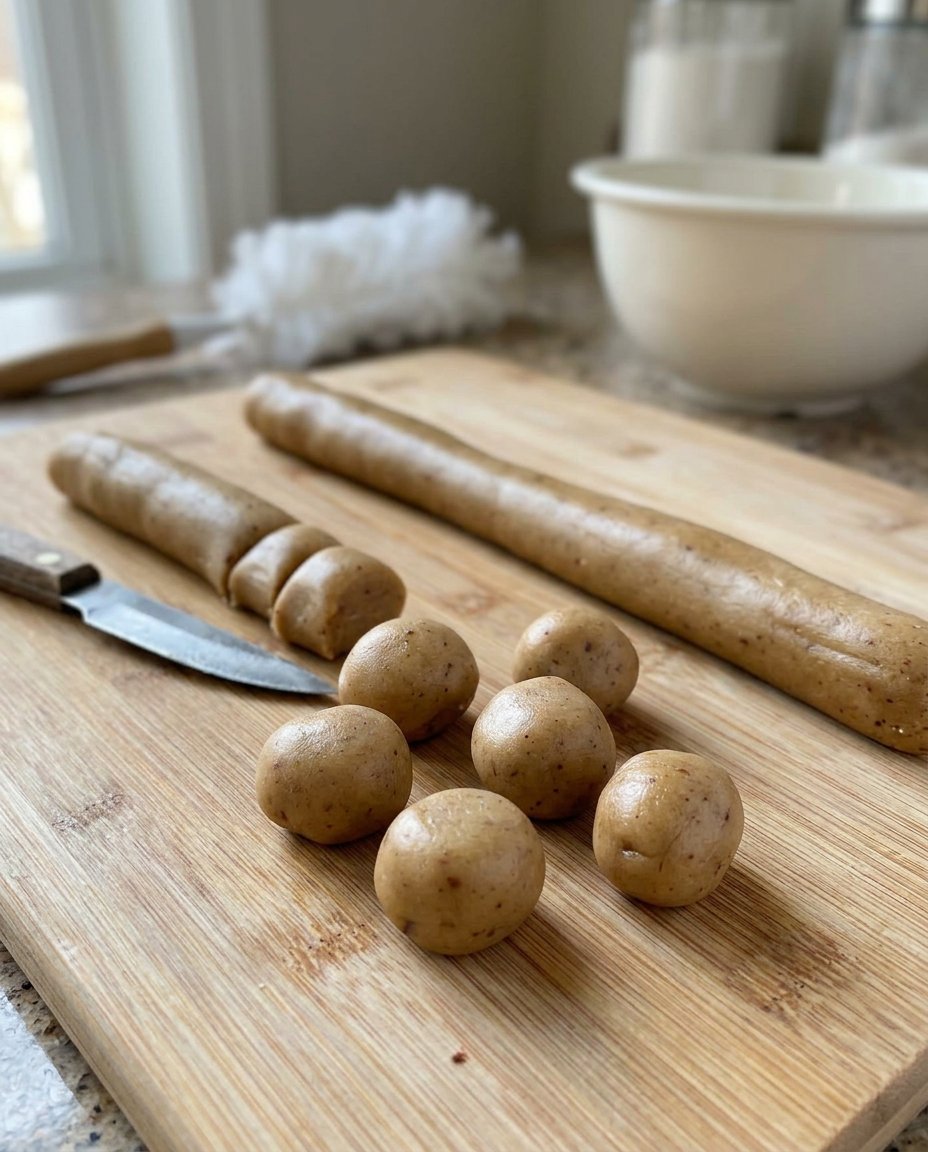
One technical secret to the perfect Pfeffernusse 2 is the resting period. While the recipe can be baked immediately, Victorian bakers often allowed spice doughs to rest overnight in a cool larder. This allows the flour to fully hydrate and the spice flavors to permeate the fat and sugar molecules more deeply. If you choose to rest the dough, make sure to let it return to room temperature before shaping to ensure even baking.
Another point of precision involves the glaze consistency. It should be thin enough to flow but thick enough to leave an opaque white coating. If your glaze is too thick, it will clump; if too thin, it will simply disappear into the cookie. For those looking to master other foundational skills, our guide on Foundation Cookie Recipes provides excellent context on sugar-to-flour ratios. Always remember that the white pepper should be fresh-ground if possible for the most vibrant aromatic impact. You can learn more about the specific history of these spice blends at Simply Recipes.
Regional and Historical Adaptations
While this recipe follows the classic German tradition, there are regional variations that offer different technical profiles. In some parts of Northern Germany, a small amount of candied citron is finely minced and added to the dough for a chewy, citrusy surprise. This adds a layer of moisture that changes the shelf-life and texture slightly, requiring a slightly longer bake time to account for the fruit’s hydration.
A Dutch variation, often called Kruidnoten, uses a higher ratio of ginger and speculaas spices and omits the glaze entirely. These are typically smaller and crunchier, designed for dipping into coffee or tea. Understanding how different spice ratios affect the perceived sweetness is part of the deep Holiday Cookie Science we study. You might also consider replacing the lemon juice in the glaze with a bit of dark rum or brandy for a more adult, festive flavor profile that was common in 19th-century British interpretations of these biscuits.
Traditional Service and Enjoyment
In the British tradition, these biscuits are the ideal accompaniment to a strong afternoon tea, such as a malty Assam or a smoky Earl Grey. The spices in the cookie are designed to stand up to the tannins in the tea, creating a balanced palate experience. For a truly historical presentation, serve them in a shallow porcelain bowl lined with a linen napkin, which helps maintain the dryness of the glaze in humid environments.
They also pair remarkably well with a sharp, aged cheddar or a piece of Stilton. The contrast between the sweet, spiced biscuit and the savory, creamy cheese is a sophisticated combination often found in traditional European winter boards. For more ideas on presenting your bakes with professional flair, refer to our Precision Cookie Decorating section. These cookies also make excellent gifts when packaged in glass jars, as their structural integrity makes them quite sturdy for transport.
The Technical Truth of the Spice Cookie
Mastering the Pfeffernusse 2 is a milestone for any baker interested in the history of confectionery. By focusing on the manual kneading process and the precise thermal application of the glaze, you are participating in a tradition that spans centuries. This recipe proves that you do not need complex machinery to achieve a result that is both scientifically sound and culturally significant. The patience required for the flavors to mature is a reminder that some of the best culinary results cannot be rushed.
To continue building your repertoire of time-tested methods, consider checking our Efficient Cookie Methods. We would be honored to see your technical triumphs in the kitchen. Please share your results with our community on Pinterest, Instagram, or Facebook so we can celebrate the continuation of these classic baking traditions together.