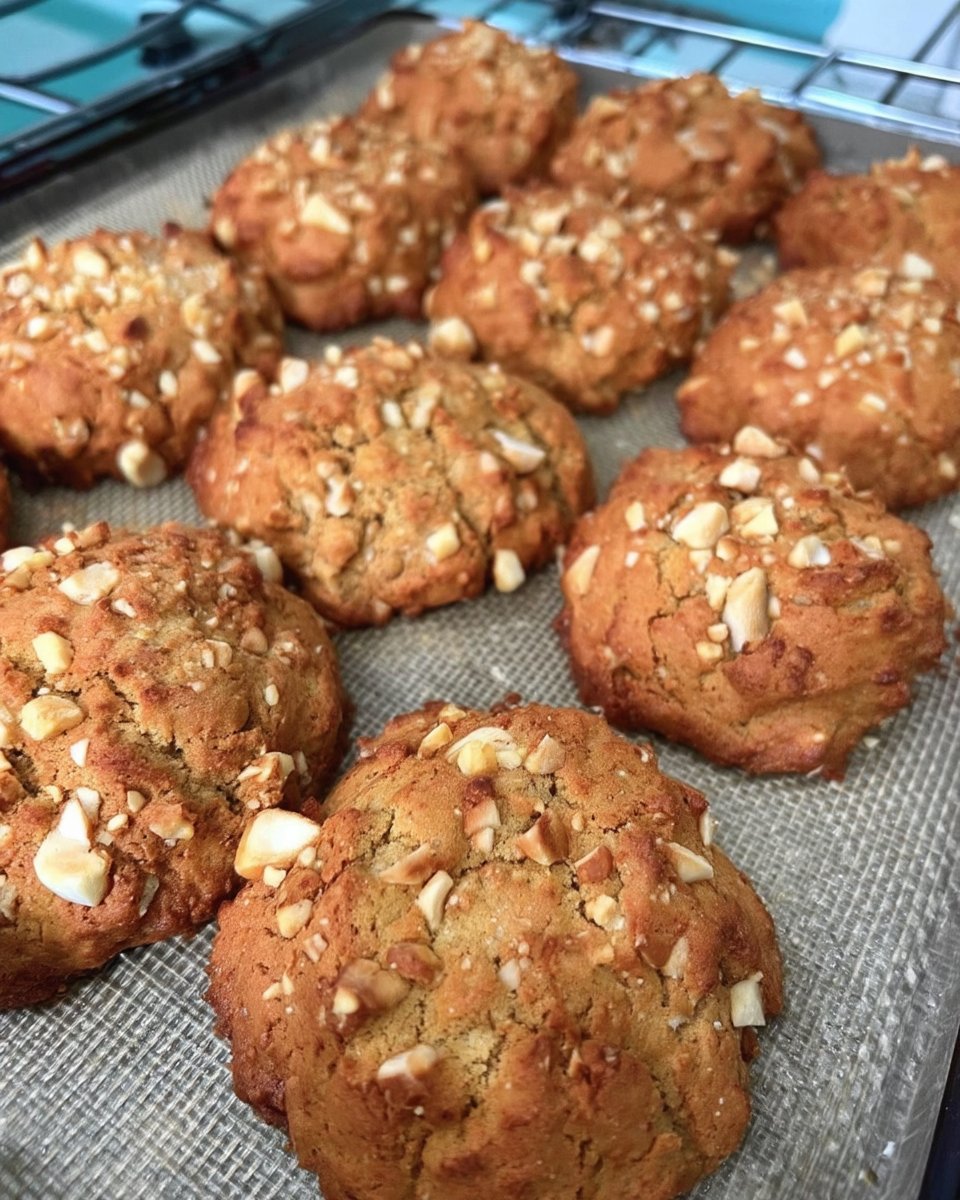
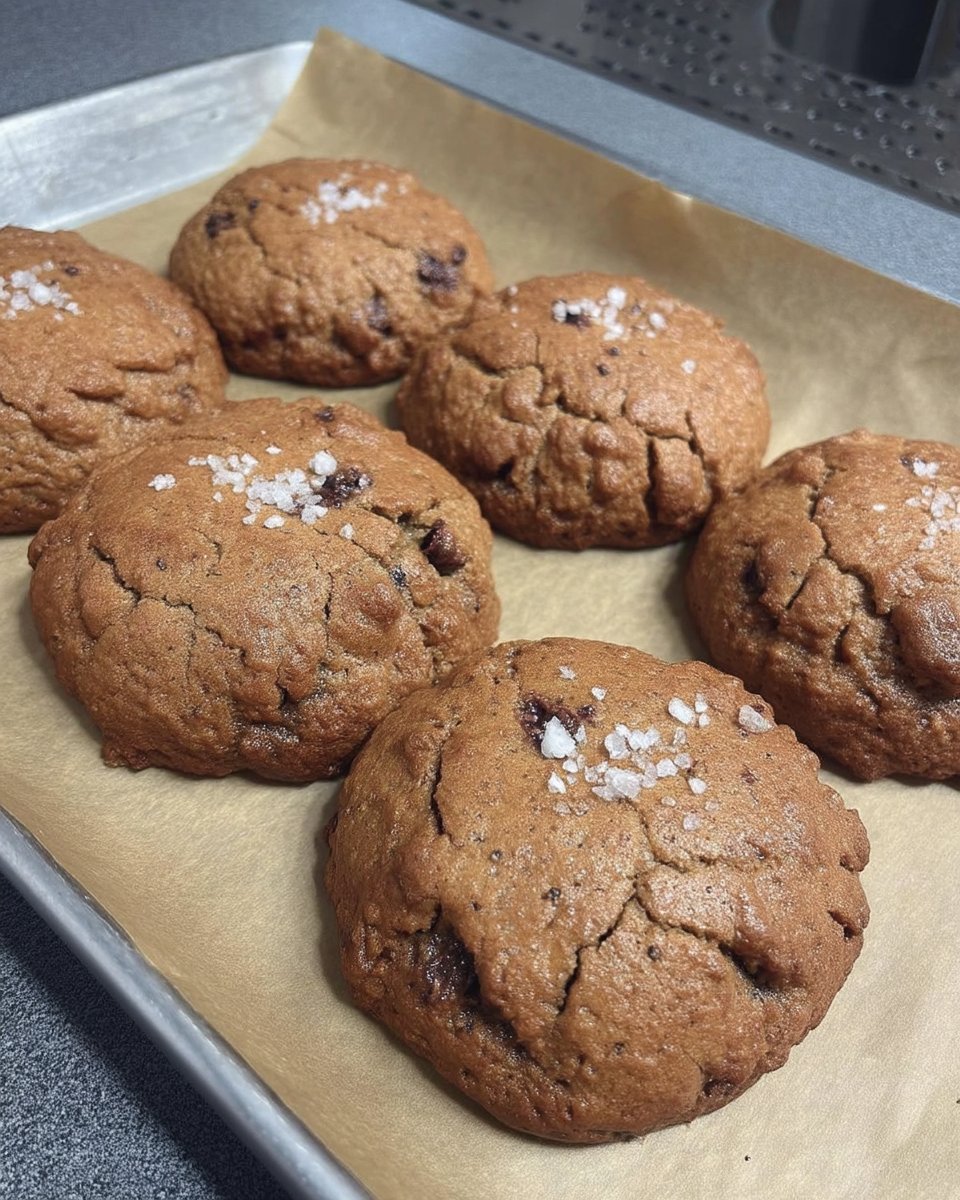
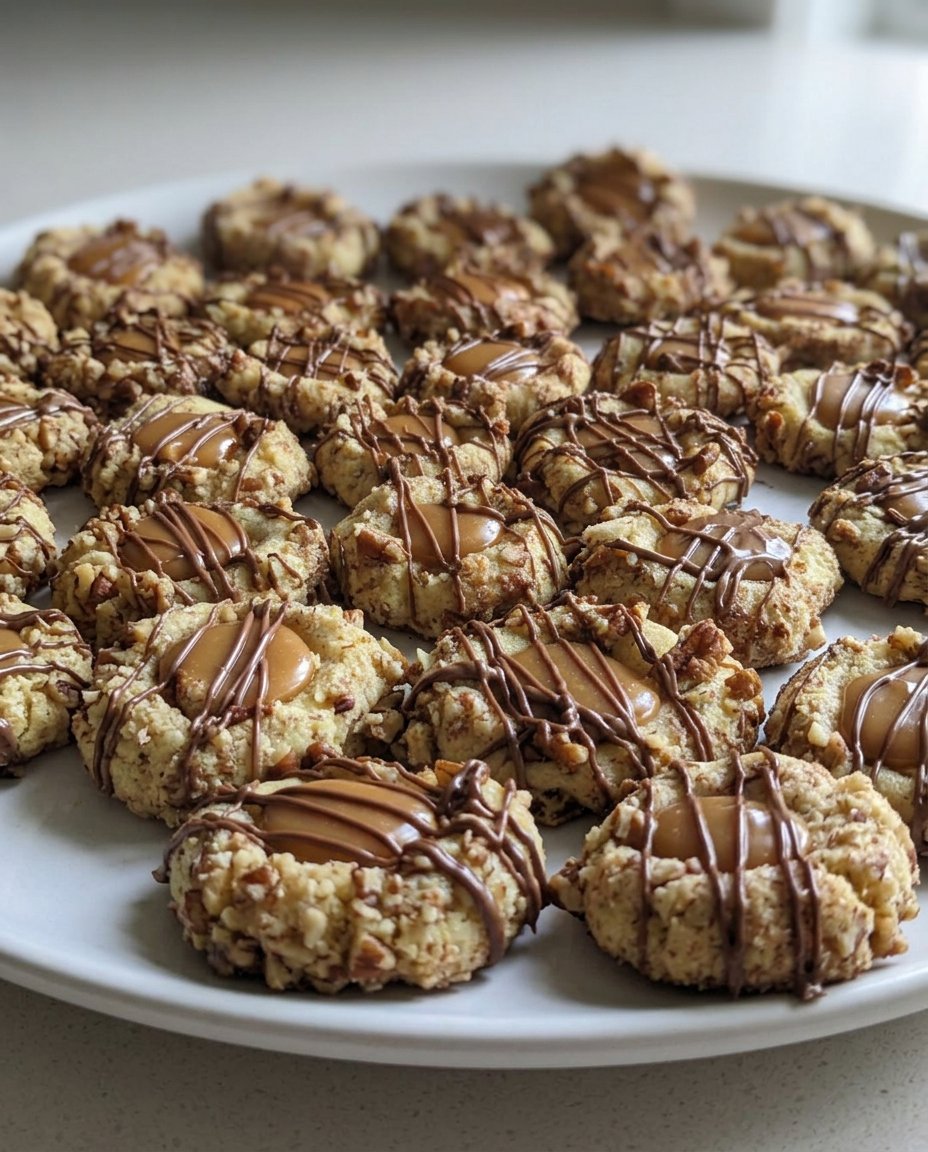
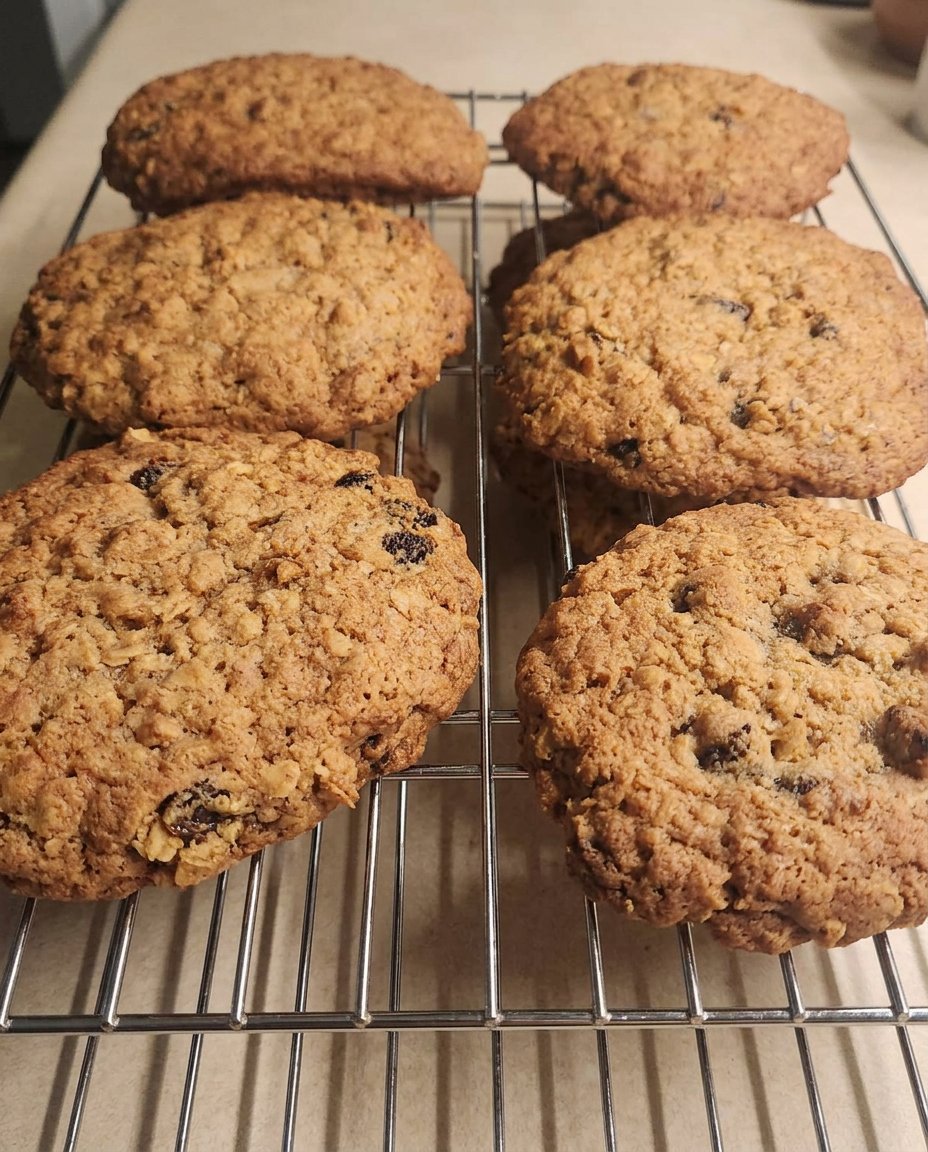
I remember the first time I realized that rum acts as a powerful solvent for flavor, extracting aromatic esters from dried fruit that water simply cannot reach. By soaking raisins in a high-proof spirit, we are not just hydrating them; we are creating a concentrated delivery system for complex oak and vanillin notes. This scientific approach turns a humble dried grape into a burst of flavor that anchors the entire rum raisin cookies structure.

These rum raisin cookies feature a spiced molasses base designed to balance the sweetness of the fruit while providing a sturdy crumb. We include an extra egg yolk to improve the emulsion of fats, resulting in a remarkably chewy texture that persists long after the cookies leave the oven.
The Flavor Science of Rum and Spice
You will appreciate these cookies because they represent a masterclass in taste balance and aromatic depth. The rum provides a sharp contrast to the warm spices like cinnamon and cloves, preventing the palate from becoming overwhelmed by simple sugars. This specific combination relies on the Maillard reaction between the molasses and flour proteins to create a savory-sweet foundation that supports the boozy fruit.
The addition of arrowroot starch in the filling is a deliberate choice to manage moisture migration. By thickening the rum reduction, we prevent the cookies from becoming soggy, keeping the internal texture plush while the edges stay set. Every bite offers a layered experience where the initial hit of spice gives way to the deep, resonant warmth of the rum-soaked center.
Print
Rum Raisin Cookies
- Total Time: 26 hours 12 mins
- Yield: 24 cookies
- Diet: Vegetarian
Description
Elevate your baking with these scientifically crafted rum raisin cookies, featuring a spiced molasses crumb and a luscious, boozy fruit center. The recipe uses specific emulsifiers and thickeners to ensure a perfectly chewy texture and concentrated flavor in every bite.
Ingredients
- 1 cup raisins
- 1/2 cup high-proof rum
- 2 cups all-purpose flour
- 1 teaspoon baking soda
- 1 teaspoon ground cinnamon
- 1/2 teaspoon ground nutmeg
- 1/4 teaspoon ground cloves
- 1 teaspoon ground ginger
- 1/2 teaspoon salt
- 1 cup unsalted butter, softened
- 3/4 cup granulated sugar, plus more for rolling
- 1/4 cup molasses
- 1 large egg
- 1 large egg yolk
- 1 teaspoon vanilla extract
- 2 tablespoons honey
- 1 tablespoon arrowroot starch
- 1 teaspoon lemon juice
Instructions
- Submerge raisins in rum in a sealed jar and let sit for at least 24 hours to fully saturate the fruit.
- Whisk together flour, baking soda, cinnamon, nutmeg, cloves, ginger, and salt in a medium bowl until evenly distributed.
- Cream butter and sugar on high speed for two minutes until the mixture is light, fluffy, and well-emulsified.
- Mix in the molasses, followed by the egg, egg yolk, and vanilla extract until the liquid components are integrated.
- Gradually add the dry ingredients to the wet mixture, mixing until just combined to avoid over-developing gluten.
- Cover and refrigerate the dough for 1 to 2 hours to allow the fats to solidify and the flour to hydrate.
- In a small saucepan, melt butter and honey, then stir in a slurry of arrowroot starch and lemon juice.
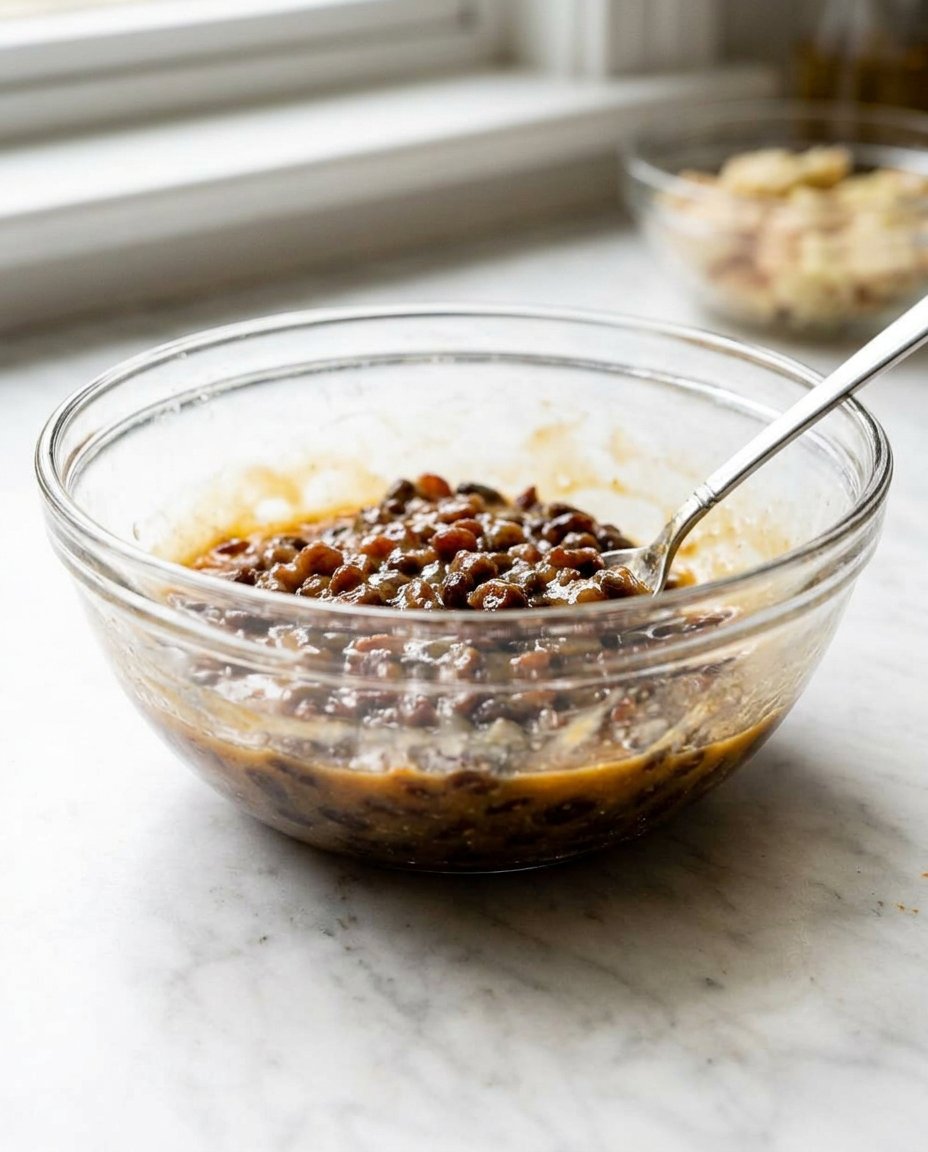
- Add the soaked raisins and any remaining rum to the saucepan, cooking for 5-10 minutes until thickened into a glossy jam.
- Preheat oven to 350°F and line baking sheets with parchment paper.
- Form dough into balls, split them in half, place a teaspoon of cooled raisin filling inside, and seal carefully.
- Optionally roll the assembled dough balls in granulated sugar for a crisp, crystalline exterior.
- Bake for 10-12 minutes until the edges are set, then allow to cool on the pan before moving to a wire rack.
Notes
To maximize the aromatic impact, choose a high-quality dark rum and allow the raisins to soak for the full 24 hours. If the dough becomes too sticky while stuffing the centers, a brief 10-minute stint in the freezer can make it much easier to handle without the filling leaking.
- Prep Time: 26 hours
- Cook Time: 12 mins
- Category: Dessert
- Method: Baking
- Cuisine: American
Building the Flavor Profile
Developing a scientifically sound cookie requires selecting ingredients that complement each other at a molecular level. Here is how these components work together to create the perfect bite.
- Rum-Soaked Raisins: These are the primary flavor drivers, utilizing ethanol to pull out deep fruit notes and aromatic compounds from the raisins.
- Molasses: This provides essential acidity to react with the baking soda, along with a complex profile of bitter and sweet notes that ground the recipe.
- Ground Ginger and Cinnamon: These spices contain gingerol and cinnamaldehyde, which provide a sensory warmth that echoes the heat of the rum.
- Egg Yolk: Adding an extra yolk introduces more lecithin, which improves the emulsion of the butter and sugars for a superior mouthfeel.
- Arrowroot Starch: This functional thickener creates a stable gel for the filling, ensuring it stays put during the baking process.
- Salt: We add salt to suppress bitterness and highlight the subtle vanilla notes in the rum.
The Layering Process
Step 1: Infuse the Fruit
Place the raisins in a clean jar and pour in the rum, making sure the fruit is fully submerged. Cover the jar and let it sit for at least 24 hours to allow the ethanol to fully saturate the raisin tissues for maximum flavor intensity.
Step 2: Combine Dry Aromatics
In a medium bowl, whisk together the flour, baking soda, cinnamon, nutmeg, cloves, ginger, and salt. This step ensures that the leavening agent and spices are distributed evenly throughout the flour matrix.
Step 3: Emulsify Fats and Sugars
Use a mixer to beat the butter and sugar on high speed for at least two minutes until the mixture is creamy. This process incorporates air and creates a stable emulsion that will support the cookie’s structure.
Step 4: Integrate Liquid Flavor
Drizzle in the molasses and beat until combined, then add the egg, egg yolk, and vanilla extract. The proteins in the eggs will further stabilize the fat-sugar matrix you have built.
Step 5: Merge the Matrix
Gradually add the dry ingredients to the wet mixture, beating until the components are just combined. Over-mixing at this stage can develop too much gluten, leading to a tough cookie rather than a chewy one.
Step 6: Thermal Stabilization
Cover the dough and refrigerate it for 1-2 hours. Chilling the dough allows the fats to solidify and the flour to hydrate fully, which prevents excessive spreading in the oven.
Step 7: Create the Filling Reduction
Melt the butter and honey in a saucepan, then add a slurry of arrowroot and lemon juice. Add the rum-soaked raisins and cook until the mixture thickens into a glossy jam, which takes about 5-10 minutes.
Step 8: Prepare the Heat
Preheat your oven to 350°F and line your sheet pans with parchment paper. Proper preheating is vital for the immediate activation of the baking soda when the dough hits the heat.
Step 9: Assemble the Layers
Scoop the dough into balls and split them in half, creating a small dent for the filling. Place a teaspoon of the cooled raisin reduction into the center, seal with the other half, and roll into an egg shape for optimal heat distribution.
Step 10: Surface Crystallization
Roll each dough ball in white sugar if you desire a crisp, crystalline exterior. This optional step adds a textural contrast to the soft, chewy interior of the cookie.
Step 11: Execute the Bake
Bake for 10-12 minutes or until the edges appear set and the surface is matte. The center will still look slightly soft, but it will finish setting as the cookies cool.
Step 12: Molecular Set
Allow the cookies to cool on the baking sheet for a few minutes before moving them to a wire rack. This period allows the starch structure to firm up so the cookies don’t break.
Jasmine’s Flavor Secrets
To achieve the most complex profile, select a dark rum that has been aged in charred oak barrels, as this introduces natural vanillin compounds that harmonize with the vanilla extract. When you are assembling the cookies, make sure the filling is completely cold to prevent the dough from melting prematurely. For more technical insights on how temperature affects your bakes, view our guide on Holiday Cookie Science. You can also find interesting perspective on rum-based treats at Fed and Fit.
Scientific Flavor Swaps
If you want to experiment with different aromatic profiles, try swapping the raisins for dried currants, which offer a higher acidity-to-sugar ratio. You can also replace the rum with a concentrated bourbon if you prefer the notes of corn and caramel over the cane sugar profile of rum. For those looking to master the basics of cookie construction before experimenting, our Foundation Cookie Recipes provide the perfect starting point for any flavor adaptation.
Sensory Pairing Suggestions
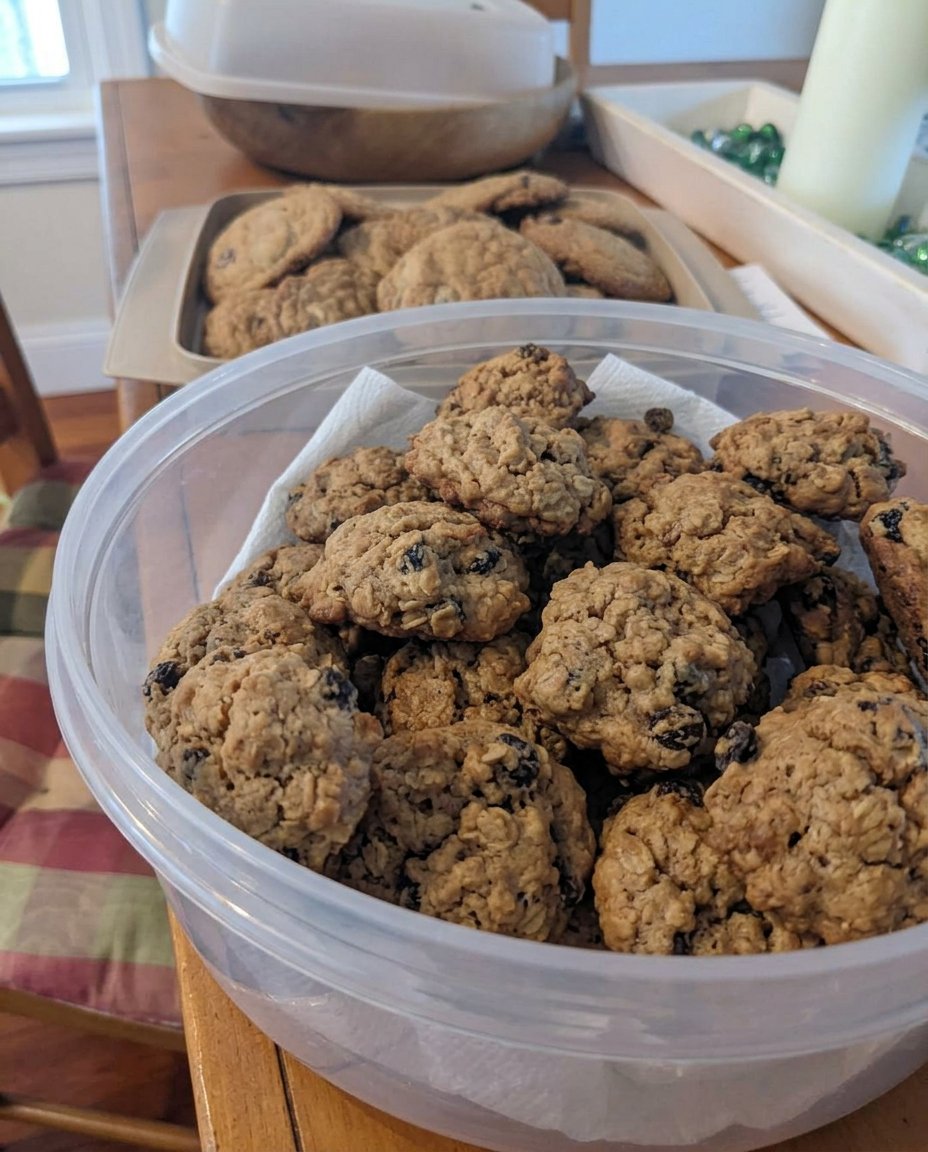
These cookies are best served slightly warm, which allows the volatile aroma compounds in the rum to release more effectively. I recommend pairing them with a cup of dark roast coffee, as the roasted pyrazines in the coffee beans perfectly complement the toasted notes of the molasses. To see how these cookies compare to other trending treats, check out our Viral Cookie Analysis where we break down what makes a recipe go social.
The Final Flavor Discovery
Mastering the rum raisin cookie is all about understanding how to balance the intensity of the spirit with the warmth of the spice. When you treat your ingredients as chemical components rather than just pantry items, you can create a bake that is truly remarkable. If you enjoyed this technical approach to baking, explore more in our Efficient Cookie Methods section. Don’t forget to share your baking results with our community on Instagram, Pinterest, and Facebook!