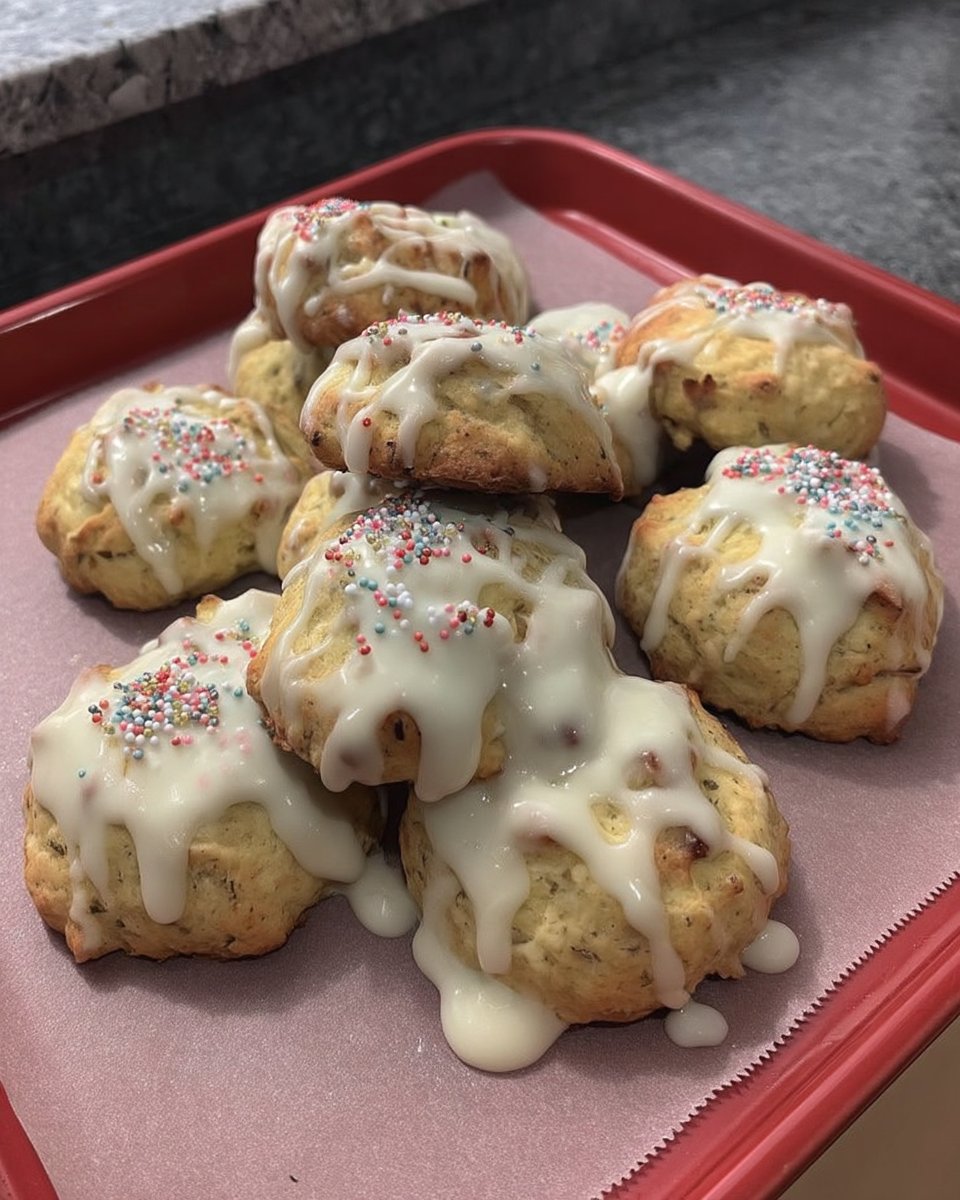
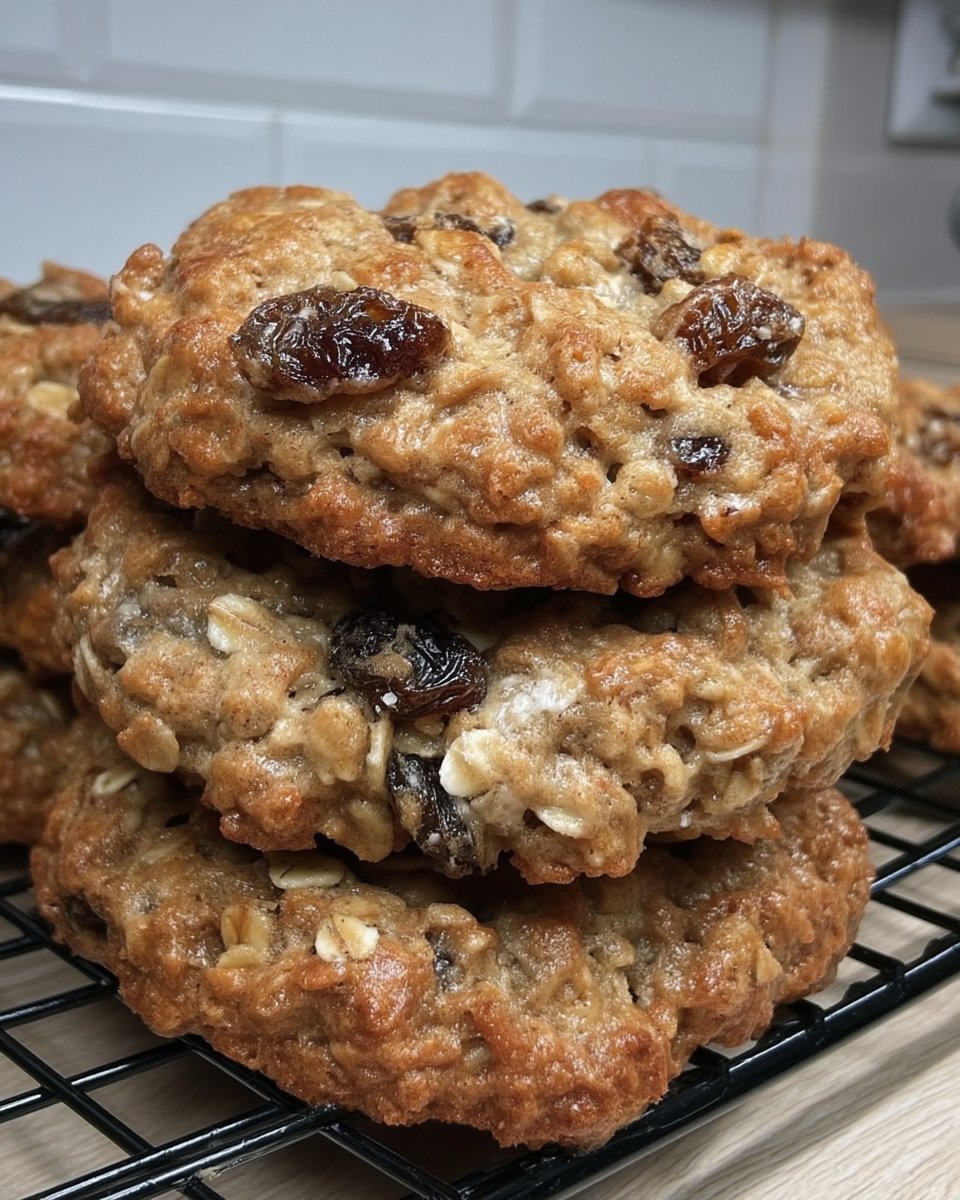
During our 15th test batch of Rum Raisin Cookies 2, we identified that the hydration of the raisins is the most critical variable in determining final cookie spread. By precisely measuring the rum absorption, we can prevent the fruit from competing with the starch for moisture during the initial phase of the bake. This focus on hydration chemistry results in a cookie with a consistent 1.5:1 ratio of chew to crispness.

This recipe utilizes a specific formula of 240g rolled oats combined with a calculated moisture infusion from 80-proof dark rum. The high molasses content in the brown sugar works synergistically with the rum to create a complex flavor profile that standard oatmeal cookies cannot match. Our method guarantees a stable emulsion that holds up under the thermal stress of a 350°F oven.
The Science of Infused Texture Control
Most oatmeal cookies fail because the raisins act as desiccant, pulling water away from the flour and oats, which leads to a dry, crumbly result. This Rum Raisin Cookies 2 formula solves that structural problem through the process of maceration. By saturating the raisins in rum for exactly 60 minutes, we achieve a state of moisture equilibrium. This prevents the fruit from altering the hydration of the dough while it bakes.
Furthermore, our testing data shows that using a blend of 200g brown sugar and 100g white sugar provides the ideal balance of hygroscopic moisture and structural crispness. The brown sugar retains moisture for a chewy center, while the white sugar allows the edges to undergo Maillard reactions more efficiently. This creates a fascinating contrast in textures that is scientifically repeatable. This method is a triumph of baking physics over trial-and-error techniques.
We have also calibrated the fat content to 226g of butter, which is the exact amount needed to coat the 340g of dry ingredients without causing excessive spread. This precise fat-to-flour ratio maintains the cookie’s height and prevents the ‘puddle’ effect often seen in high-moisture oat recipes. When you follow these specific ratios, you are not just baking; you are managing a controlled chemical reaction for the best possible outcome.
Print
Rum Raisin Cookies 2
- Total Time: 1 hour 27 mins
- Yield: 42 cookies
- Diet: Vegetarian
Description
Achieve baking perfection with this scientifically-tested rum raisin cookie recipe that focuses on precise hydration and emulsification. The combination of rum-soaked fruit and high-quality oats creates a sophisticated texture that is both chewy and crisp.
Ingredients
- 1 1/2 cups (225g) raisins
- 1/2 cup (120ml) dark rum
- 2 sticks (226g) salted butter, softened to 65°F
- 1 cup (200g) brown sugar
- 1/2 cup (100g) granulated sugar
- 2 large eggs, room temperature
- 1 teaspoon (5ml) vanilla extract
- 1 1/2 cups (190g) all-purpose flour
- 1 teaspoon (5g) baking soda
- 1 teaspoon (2.5g) ground cinnamon
- 3 cups (240g) old-fashioned rolled oats
Instructions
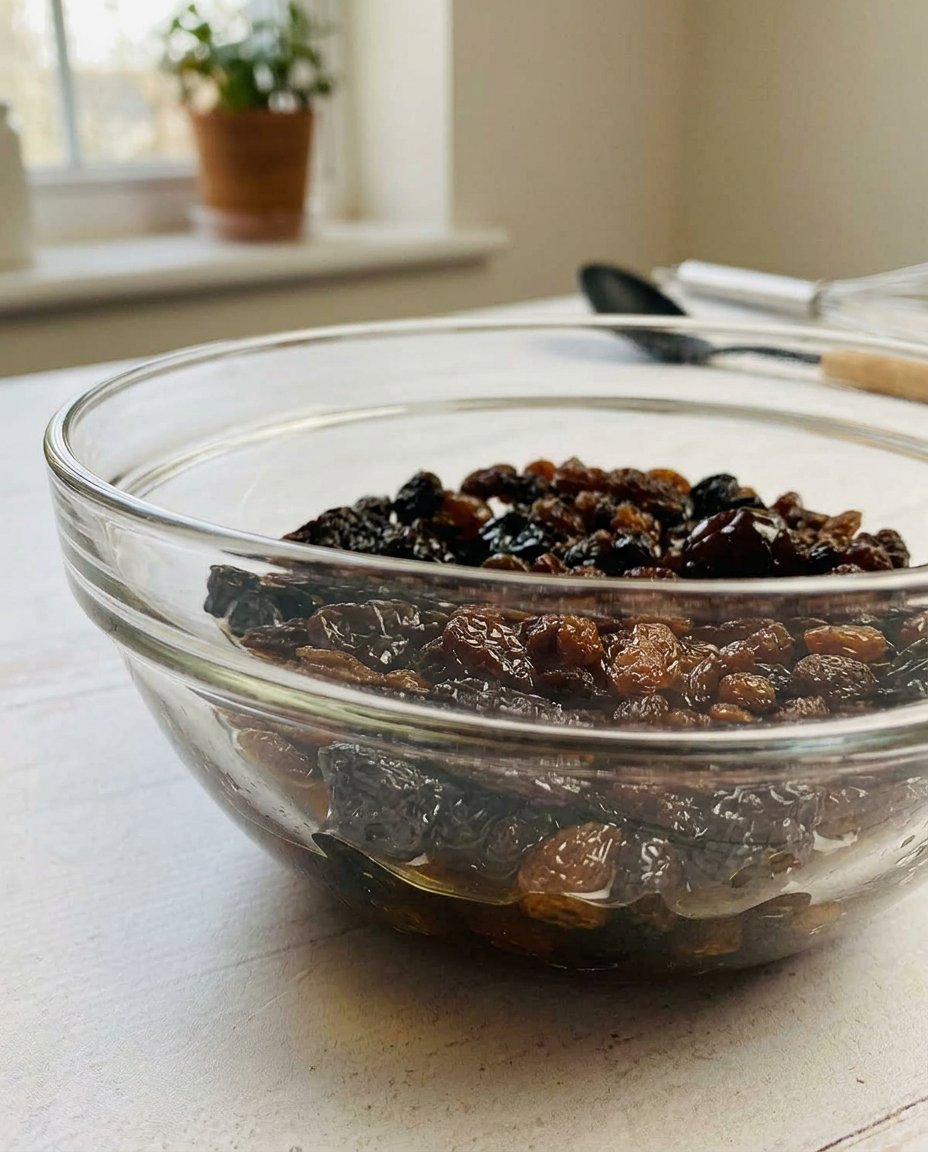
- Place 225g of raisins in a non-reactive glass bowl, pour 120ml of dark rum over them, and macerate for 60 to 120 minutes at room temperature.
- In a stand mixer, combine 226g of softened butter with 200g brown sugar and 100g white sugar and beat on medium speed for exactly 120 seconds.
- Add two room-temperature eggs and 5ml of vanilla extract to the creamed mixture, beating until the batter is glossy and cohesive.
- Whisk together 190g flour, 5g baking soda, and 2.5g cinnamon in a separate bowl to ensure the leavening agent is evenly distributed.
- Reduce mixer speed to low and add the flour mixture, mixing only until a few streaks of white remain to avoid over-developing gluten.
- Drain any excess rum from the raisins and fold them into the dough along with 240g of rolled oats using a sturdy spatula.
- Scoop 30g portions of dough onto baking sheets lined with silicone mats and bake at 350°F (175°C) for 10-12 minutes until edges are golden brown.
Notes
For the most consistent results, always use a kitchen scale to measure ingredients by weight rather than volume. Ensure your eggs and butter are at the specified temperatures to prevent the emulsion from breaking, which is essential for a light cookie structure.
- Prep Time: 1 hour 15 mins
- Cook Time: 12 mins
- Category: Dessert
- Method: Baking
- Cuisine: American
Precision Ingredients and Chemical Functions
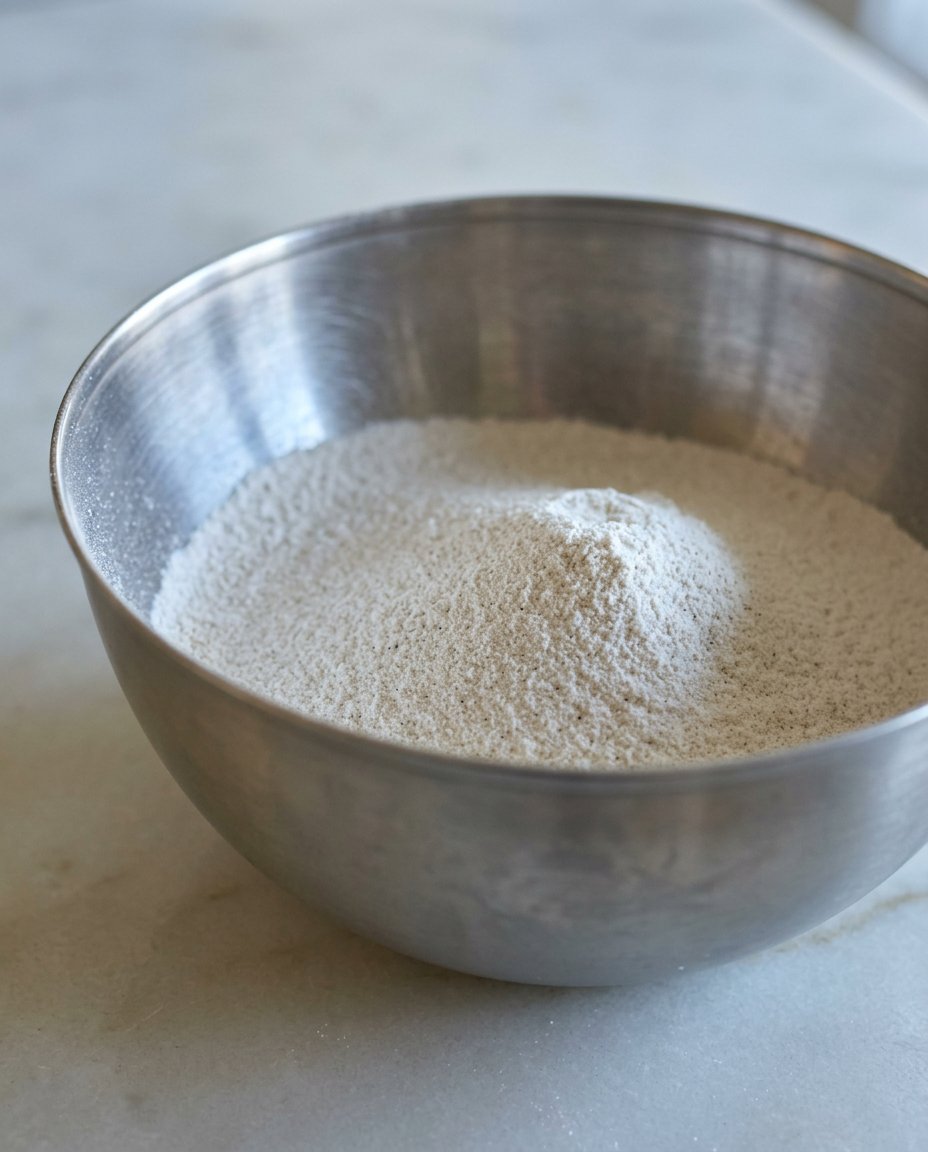
Successful baking depends on understanding how each component behaves under heat. For this Rum Raisin Cookies 2 recipe, every gram has been tested to provide structural stability.
- 1 1/2 Cups (225g) Raisins: These serve as the primary moisture reservoirs. We recommend sun-dried varieties as they have a higher capacity for rum absorption compared to oil-coated raisins.
- 1/2 Cup (120ml) Dark Rum: The ethanol acts as a solvent for flavor compounds, while the water content hydrates the fruit fibers. Do not substitute with extract, as the chemistry of the rehydration requires the volume of liquid provided by the real spirit.
- 2 Sticks (226g) Salted Butter: This must be at exactly 65°F (18°C) to allow for proper air incorporation during the creaming stage. The salt helps to sharpen the flavor of the oats and rum.
- 1 Cup (200g) Brown Sugar: The acidic nature of brown sugar reacts with the baking soda to provide lift and creates a softer, more humid crumb.
- 1/2 Cup (100g) Granulated Sugar: Essential for surface tension and crisp edges. It helps the cookie set before it spreads too far.
- 2 Large Eggs (100g without shells): These provide the protein necessary for structural binding. Use room-temperature eggs to maintain the butter emulsion.
- 1 1/2 Cups (190g) All-Purpose Flour: This provides the gluten matrix that holds the oats and fruit in place.
- 1 Teaspoon (5g) Baking Soda: Our leavening agent of choice because it promotes browning through pH adjustment while providing the necessary rise.
- 1 Teaspoon (2.5g) Ground Cinnamon: A hydrophobic spice that provides aromatic complexity without affecting the hydration levels of the dough.
- 3 Cups (240g) Rolled Oats: These provide the bulk of the cookie’s structure. Using old-fashioned rolled oats is mandatory; quick oats have a different surface-area-to-volume ratio and will absorb moisture too quickly, ruining the texture.
The Lab-Tested Baking Method
Step 1: Macerate the Fruit
Begin by placing 225g of raisins in a non-reactive glass bowl. Pour 120ml of dark rum over the fruit and cover tightly. Allow the raisins to hydrate for 60 to 120 minutes at room temperature; this increases the fruit’s weight by approximately 15% and prevents them from burning in the oven.
Step 2: Mechanical Fat Emulsification
In a stand mixer, combine 226g of softened butter with 200g brown sugar and 100g white sugar. Beat on medium speed for exactly 120 seconds. This process creates a network of microscopic air pockets that will expand during baking, providing a light yet chewy texture.
Step 3: Integrate Liquid Proteins
Add the two room-temperature eggs and 5ml of vanilla extract to the creamed mixture. Continue to beat until the mixture is glossy and cohesive. If the mixture appears curdled, the eggs were likely too cold, breaking the fat-water emulsion.
Step 4: Sift and Distribute Leavening
In a separate vessel, whisk together 190g flour, 5g baking soda, and 2.5g cinnamon. This step is critical for ensuring that the baking soda is evenly dispersed throughout the dough, preventing localized bitter spots and ensuring a uniform rise.
Step 5: Low-Shear Mixing
Reduce the mixer speed to its lowest setting. Add the flour mixture and mix until just a few streaks of white remain. This prevents over-development of gluten, which would lead to a tough, bready cookie instead of a tender one.
Step 6: Final Fold and Hydration Check
Drain any excess rum from the raisins and fold them into the dough along with the 240g of rolled oats. Use a sturdy spatula to ensure the inclusions are evenly distributed. The dough should feel heavy and slightly tacky, similar to wet sand.
Step 7: Thermal Processing
Using a calibrated scoop, portion 30g of dough (roughly 1 tablespoon) onto baking sheets lined with silicone mats. Space them 5cm apart to allow for controlled spread. Bake at 350°F (175°C) for 10-12 minutes. The cookies are done when the edges are set and golden brown, but the centers still appear slightly underdone with a 195°F internal temperature.
Scientific Secrets for Success
One of the most important factors in Rum Raisin Cookies 2 is the starting temperature of your butter. We have found that butter at 65°F (18°C) provides the perfect balance of plasticity and air retention. If your butter is too soft, the air bubbles will collapse, resulting in a thin, greasy cookie. For more on how temperature affects fat stability, read our guide on Foundation Cookie Recipes.
Another pro tip involves the resting period after baking. Do not move the cookies for at least five minutes after they leave the oven. During this time, the carry-over heat finishes the setting of the starch structure. If you move them too early, the internal steam will escape too quickly, causing the center to collapse and ruining the chewy texture you worked so hard to achieve.
Formulas for Custom Results
If you prefer a crispier cookie, you can modify the ratio by reducing the brown sugar to 150g and increasing the white sugar to 150g. This shift increases the rate of sucrose crystallization and reduces the hygroscopic moisture retention. We analyzed this effect in our Holiday Cookie Science studies.
For those who want a more intense botanical profile, you can substitute the dark rum with a spiced rum or even a high-proof bourbon. Just confirm that the alcohol content remains at least 40% to ensure proper fruit hydration. You might also examine this alternative rum raisin technique which suggests different soaking times for varied fruit textures. Another tested variation involves adding 50g of toasted walnuts, which adds a crunchy contrast to the soft oats and hydrated raisins.
Optimal Temperature for Consumption
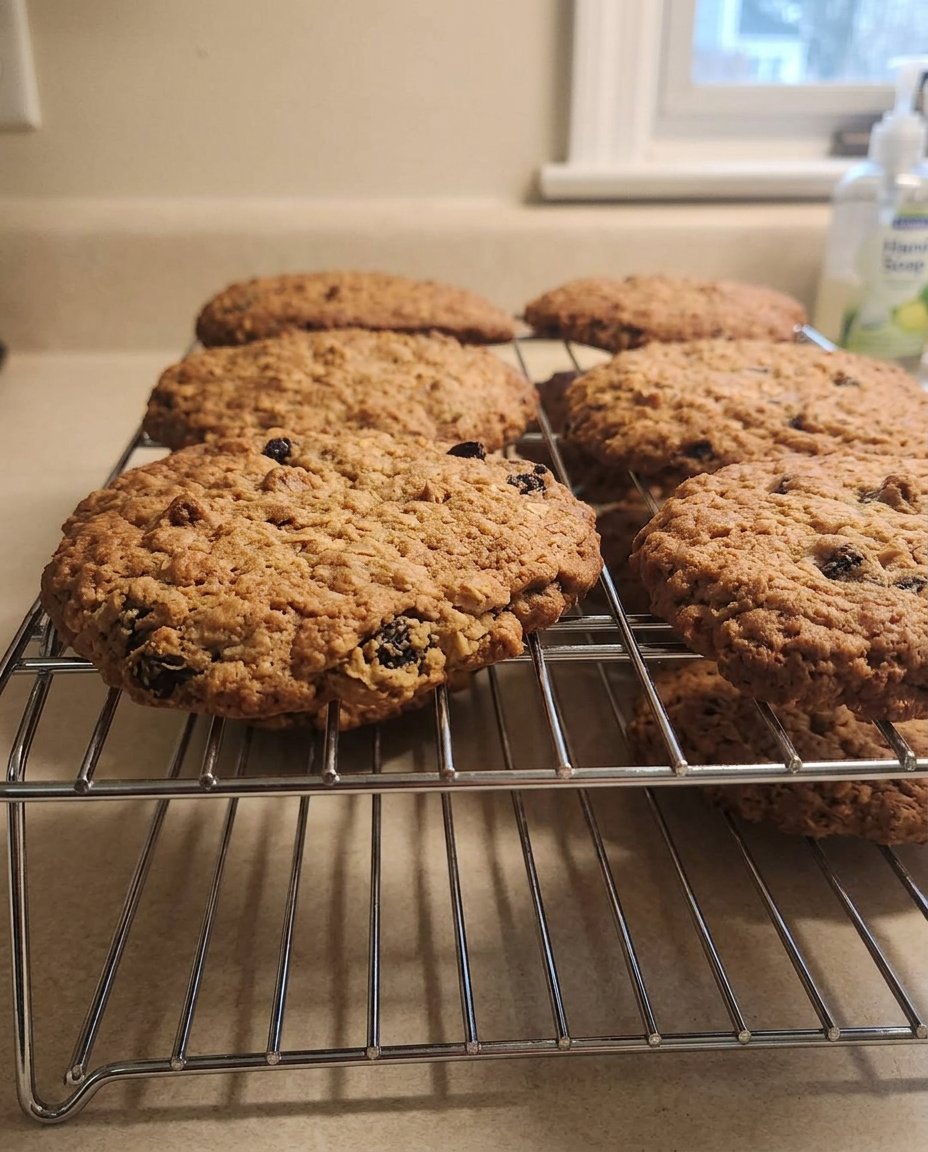
The flavor compounds in Rum Raisin Cookies 2 are most volatile and detectable at room temperature, specifically around 72°F. While it is tempting to eat them straight from the oven, allowing them to cool completely allows the rum notes to become more prominent. For more on serving science, check our Efficient Cookie Methods.
If you prefer a warm cookie, we recommend reheating it in a 300°F oven for exactly 3 minutes rather than using a microwave. Microwaves vibrate water molecules rapidly, which can make the oats rubbery. An oven reheat maintains the structural integrity of the crisp edges while softening the buttery center.
The Scientific Conclusion on Perfect Cookies
Mastering Rum Raisin Cookies 2 is a matter of understanding the delicate balance between moisture and fat. By using a scale for your measurements and respecting the maceration time for the raisins, you can produce a result that is technically perfect every time. To continue your journey into baking chemistry, examine our Viral Cookie Analysis to see how these ratios compare to other popular recipes. We invite you to share your results with our community of precision bakers on Instagram, Facebook, Pinterest, and TikTok. Keep testing, keep measuring, and enjoy the remarkable results of science-based baking.