Oats contain avenanthramides, unique antioxidant compounds that provide a subtle, earthy foundation for the volatile oils found in cinnamon and nutmeg. When we pulse the oats, we increase the surface area for lipid binding, allowing the butter’s fats to carry these warm aromatics into every bite. It is a calculated structural choice that transforms a simple grain into a complex flavor vessel.

These iced oatmeal cookies achieve a specific textural harmony: crisp on the perimeter but dense and soft toward the center. By incorporating a high-viscosity molasses and a chilled dough phase, we control the spread and the Maillard reaction for a deep, caramelized finish that defines this classic treat.
The Flavor Science of Iced Oatmeal Cookies
This recipe works because it respects the chemistry of its components. The interaction between the dark molasses and the brown sugar creates a humectant effect, pulling moisture from the air to keep the cookie centers soft for days. We use a specific ratio of granulated sugar to create the crisp edges through efficient crystallization, while the brown sugar provides the glucose and fructose necessary for rapid browning.
The inclusion of vanilla bean extract acts as a flavor potentiator. Vanillin compounds amplify the perception of sweetness without requiring additional sucrose, allowing the earthy notes of the whole grain oats to remain prominent. This is not just a cookie; it is a study in how moisture, fat, and aromatics interact to create a balanced sensory experience. You will appreciate the scientific precision that results in a predictable, high-quality bake every time.
Print
Iced Oatmeal Cookies
- Total Time: 1 hour 12 mins
- Yield: 24 cookies
- Diet: Vegetarian
Description
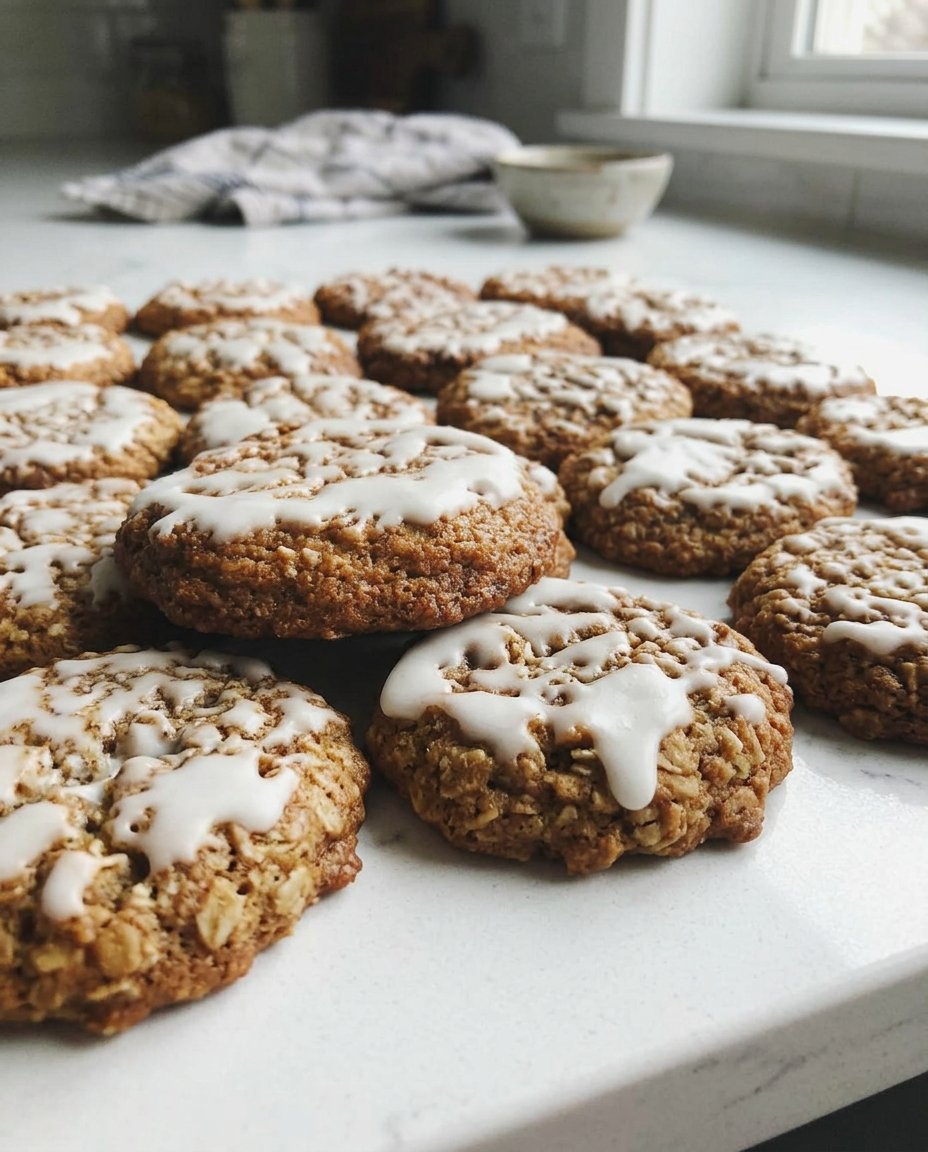
These scientifically crafted iced oatmeal cookies feature a unique texture achieved by pulsing whole oats and incorporating dark molasses. The result is a perfectly spiced, chewy treat finished with a signature crackled vanilla icing.
Ingredients
- 2 cups old-fashioned whole rolled oats
- 1.5 cups all-purpose flour
- 1 teaspoon baking soda
- 1/2 teaspoon salt
- 1 tablespoon ground Ceylon cinnamon
- 1/2 teaspoon freshly grated nutmeg
- 1 cup unsalted butter, softened
- 1 cup light brown sugar, packed
- 1/2 cup granulated sugar
- 2 large eggs, room temperature
- 1 tablespoon dark molasses
- 1 tablespoon vanilla bean extract
- 2 cups confectioners’ sugar
- 2–3 tablespoons milk
- 1/2 teaspoon vanilla extract
Instructions
- Pulse the oats in a food processor 10-12 times until you have a mix of fine flour and small oat pieces to modify the particle size distribution.
- In a medium bowl, whisk together the pulsed oats, all-purpose flour, baking soda, salt, cinnamon, and nutmeg to ensure even leavening.
- In a large bowl, beat the softened butter with brown and granulated sugars on medium-high speed for 2 minutes to create a stable air matrix.
- Add the eggs, molasses, and vanilla to the butter mixture and beat on high for 1 minute until the emulsion is smooth.
- Slowly add the dry ingredients to the wet mixture, mixing on low speed just until combined to avoid excessive gluten development.
- Cover and refrigerate the dough for at least 45 minutes to allow the starches to hydrate and the fats to solidify.
- Preheat oven to 350°F (177°C) and place 1.5 tablespoon scoops of dough 3 inches apart on prepared baking sheets.
- Bake for 11-12 minutes until the edges are lightly browned, then allow them to cool completely.
- Whisk the confectioners’ sugar, extra vanilla, and milk into a thick icing and lightly dip the tops of the cooled cookies.
Notes
To ensure the iconic crackled icing look, wait until the cookies are entirely cool before dipping. Using room temperature eggs is vital for maintaining the stability of the emulsion, which prevents the cookies from spreading too thin or becoming greasy during the bake.
- Prep Time: 15 mins
- Cook Time: 12 mins
- Category: Dessert
- Method: Baking
- Cuisine: American
Analyzing the Flavor Building Blocks
To achieve the perfect iced oatmeal cookies, we must select ingredients for their chemical contributions and aromatic profiles. Each element plays a role in the final structural and taste outcome.
- Old-Fashioned Whole Rolled Oats: These provide the primary structure and a nutty flavor profile. We pulse them to break down the large flakes, which increases the starch availability for hydration and creates a more uniform crumb.
- Unsalted Butter: At room temperature, butter allows for the entrapment of air during the creaming process. This air expands during baking, contributing to the leavening and providing a clean lipid base that carries fat-soluble flavor compounds.
- Dark Molasses: Molasses introduces acidity which reacts with the baking soda. It also provides a distinct bitterness and depth that balances the high sugar content, adding complexity through its mineral-rich profile.
- Ceylon Cinnamon and Fresh Nutmeg: These spices contain cinnamaldehyde and myristicin. When combined, they create a warm aromatic bridge that connects the sugar and the grain.
- Confectioners’ Sugar: For the icing, we use finely milled sugar to create a stable suspension. The small particle size allows the icing to set into a firm, crackled layer that provides a high-sweetness contrast to the spiced base.
The Systematic Flavor Method
Step 1: Mechanical Breakdown of Oats
Pulse the oats in a food processor 10-12 times. This step is critical for modifying the particle size distribution. You want a variety of textures—some fine oat flour to bind the dough and larger pieces for the characteristic chew. This increase in surface area allows the moisture from the eggs and butter to hydrate the oats more efficiently.
Step 2: Whisking Dry Components
In a medium bowl, whisk together the pulsed oats, all-purpose flour, baking soda, salt, cinnamon, and nutmeg. This ensures that the leavening agents and spices are evenly dispersed. Even distribution is vital to prevent pockets of bitterness and to make certain the cookie rises uniformly.
Step 3: Lipid and Sugar Emulsification
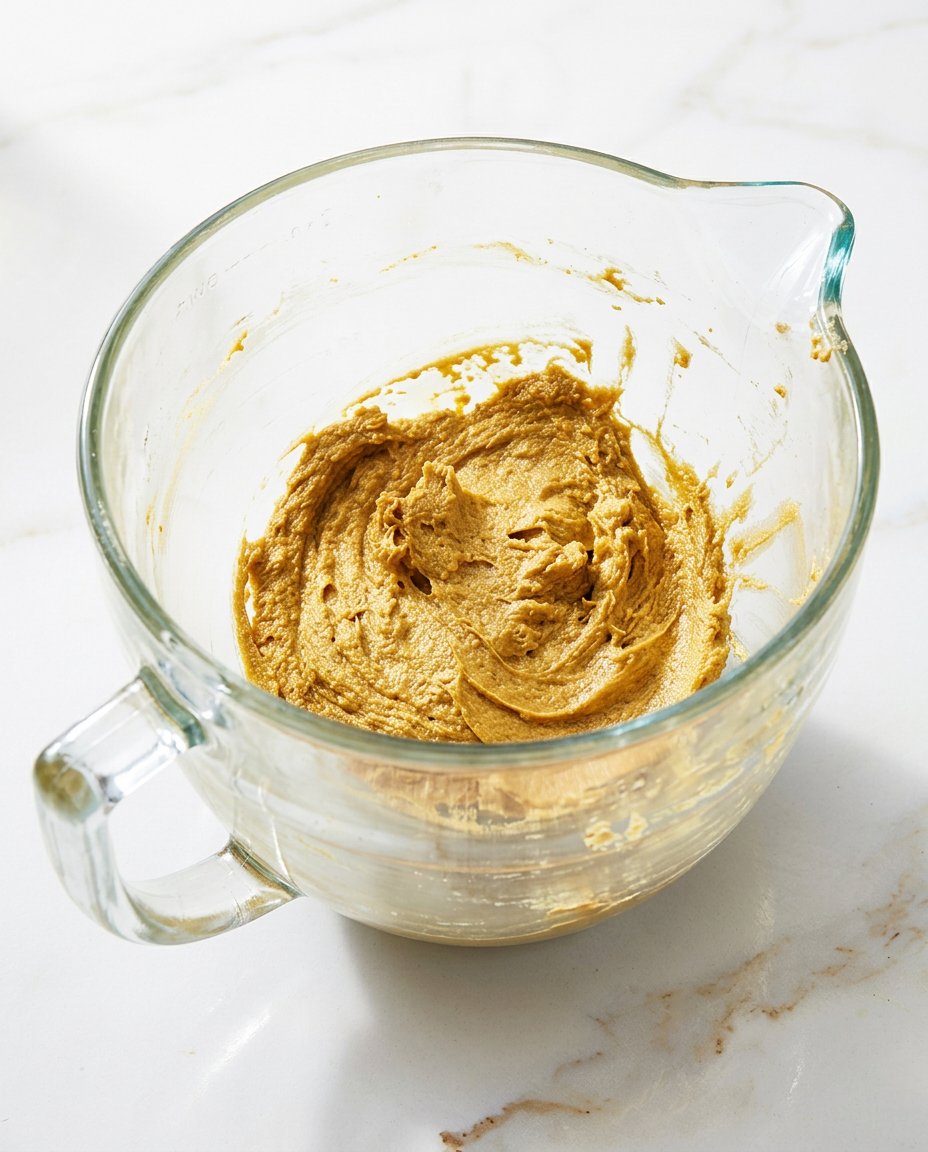
In a large bowl, beat the softened butter with both the brown and granulated sugars on medium-high speed for approximately 2 minutes. This process, known as creaming, creates a matrix of air bubbles and dissolved sugar. Add the eggs, molasses, and vanilla, beating on high for another minute until the emulsion is smooth and stable.
Step 4: Final Dough Integration
Slowly add the dry ingredients to the wet mixture. Mix on low speed just until combined. Over-mixing at this stage can lead to excessive gluten development, which would make the cookies tough. The resulting dough will be thick and significantly sticky due to the hydration of the oats.
Step 5: Thermal Stabilization and Chilling
Cover and refrigerate the dough for at least 45 minutes. This chilling period allows the starches in the flour and oats to fully hydrate and the fats to solidify. Chilling controls the rate of spread in the oven, leading to a thicker cookie with a more concentrated flavor profile.
Step 6: Precision Baking
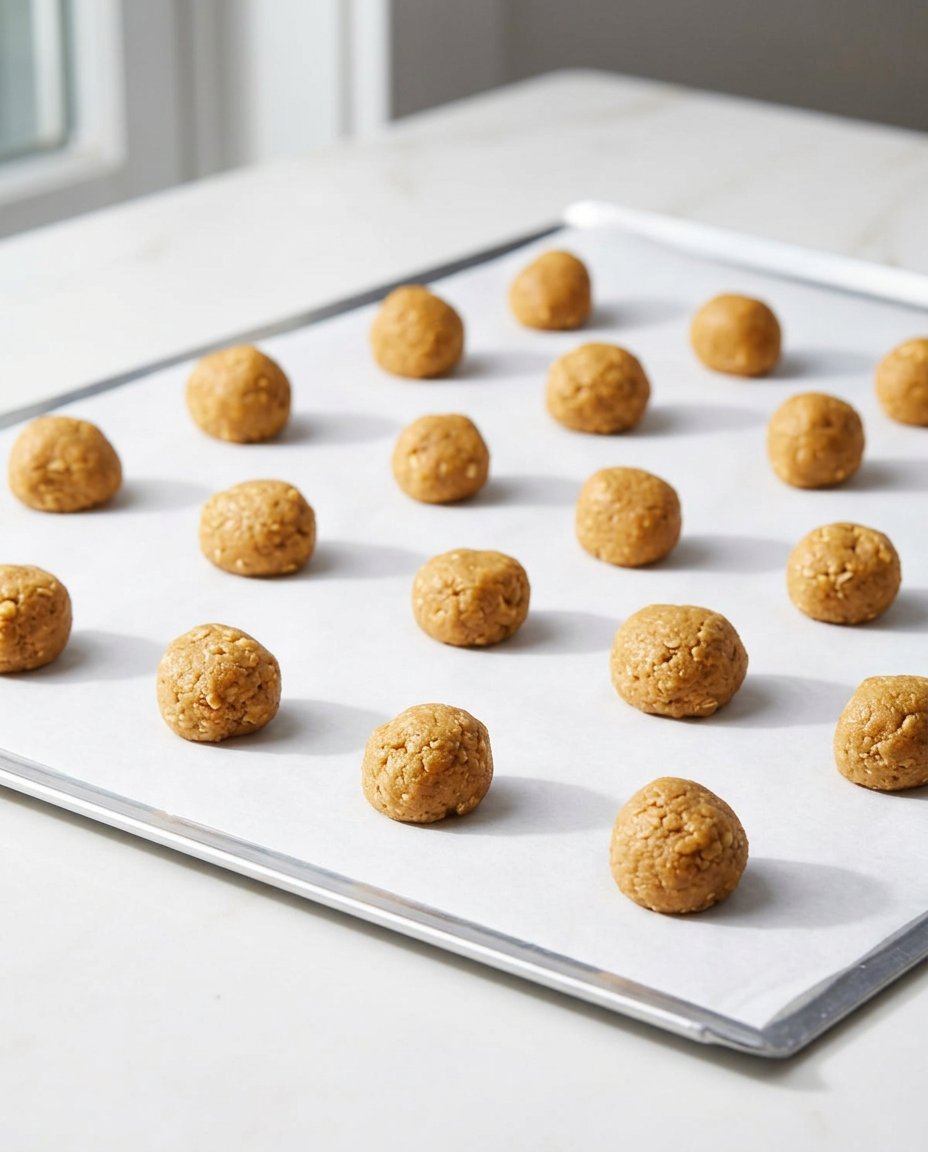
Preheat your oven to 350°F (177°C). Scoop 1.5 tablespoons of dough and place them 3 inches apart on prepared baking sheets. Bake for 11-12 minutes. The edges should be lightly browned, indicating the completion of the Maillard reaction, while the centers remain soft to provide a textural contrast.
Step 7: Icing and Surface Tension
Once the cookies are completely cool, whisk the sifted confectioners’ sugar with vanilla and milk to create a very thick icing. Lightly dip the tops of the cookies. The high viscosity of the icing allows it to sit on the peaks of the oat texture without soaking in, creating the classic crackled appearance.
Jasmine’s Scientific Secrets for Perfect Taste
To maximize the flavor intensity, consider toasting your oats in a dry pan for 5 minutes before pulsing them. This heat application triggers the creation of pyrazines, which are the flavor compounds responsible for roasted, nutty notes. This adds a layer of complexity that raw oats simply cannot provide. Furthermore, always use room temperature eggs to maintain the stability of your fat emulsion during mixing.
Precise salt placement is also a factor. I prefer adding a small pinch of flakey salt to the dough just before the final mix to create localized bursts of flavor that suppress bitterness and highlight the vanilla notes. For more foundational techniques on managing dough temperature and hydration, check out our guide on Foundation Cookie Recipes to master the basics of cookie chemistry.
Experimental Flavor Swaps
If you want to experiment with the aromatic profile, try adding one teaspoon of orange zest to the sugar during the creaming stage. Orange peel contains limonene, a terpene that shares chemical similarities with the spice notes in cinnamon, creating a bright and natural pairing. You can also replace the molasses with maple syrup for a more woodsy flavor, though this will result in a slightly thinner cookie due to the lower viscosity of the syrup.
For those looking to analyze how different fats affect the bake, substituting half the butter for browned butter (beurre noisette) will introduce toasted milk solids that complement the oats beautifully. We discuss these types of experimental changes in our Viral Cookie Analysis where we break down popular trends through a scientific lens.
Optimized Pairing Strategies
These cookies are best served alongside a beverage that can cut through the sweetness of the icing. A dark roast coffee is an excellent choice, as the roasted compounds in the coffee beans mirror the pyrazines in the toasted oats and the caramelized notes of the molasses. The heat from the coffee also helps to melt the icing slightly on the tongue, releasing the vanillin aromatics more rapidly.
If you prefer a cold pairing, a glass of cold whole milk provides a lipid-rich wash that clears the palate of sugar between bites. This allows you to experience the spice profile fresh with every cookie. For more ideas on how to pair your bakes for seasonal events, see our research on Holiday Cookie Science.
Final Taste Observations
Understanding the science behind your baking transforms the process from a guessing game into a repeatable experiment. These iced oatmeal cookies are a testament to how mechanical processing, thermal control, and ingredient selection create a superior product. By pulsing the oats and managing the hydration of the dough, you produce a cookie that is structurally sound and packed with layered flavor.
I encourage you to continue your journey into the precision of baking by reviewing our Precision Cookie Decorating techniques for more ways to finish your treats. Please share your results and join our community of flavor scientists on Pinterest, Instagram, and Facebook. Happy baking, and keep questioning the chemistry of your kitchen!