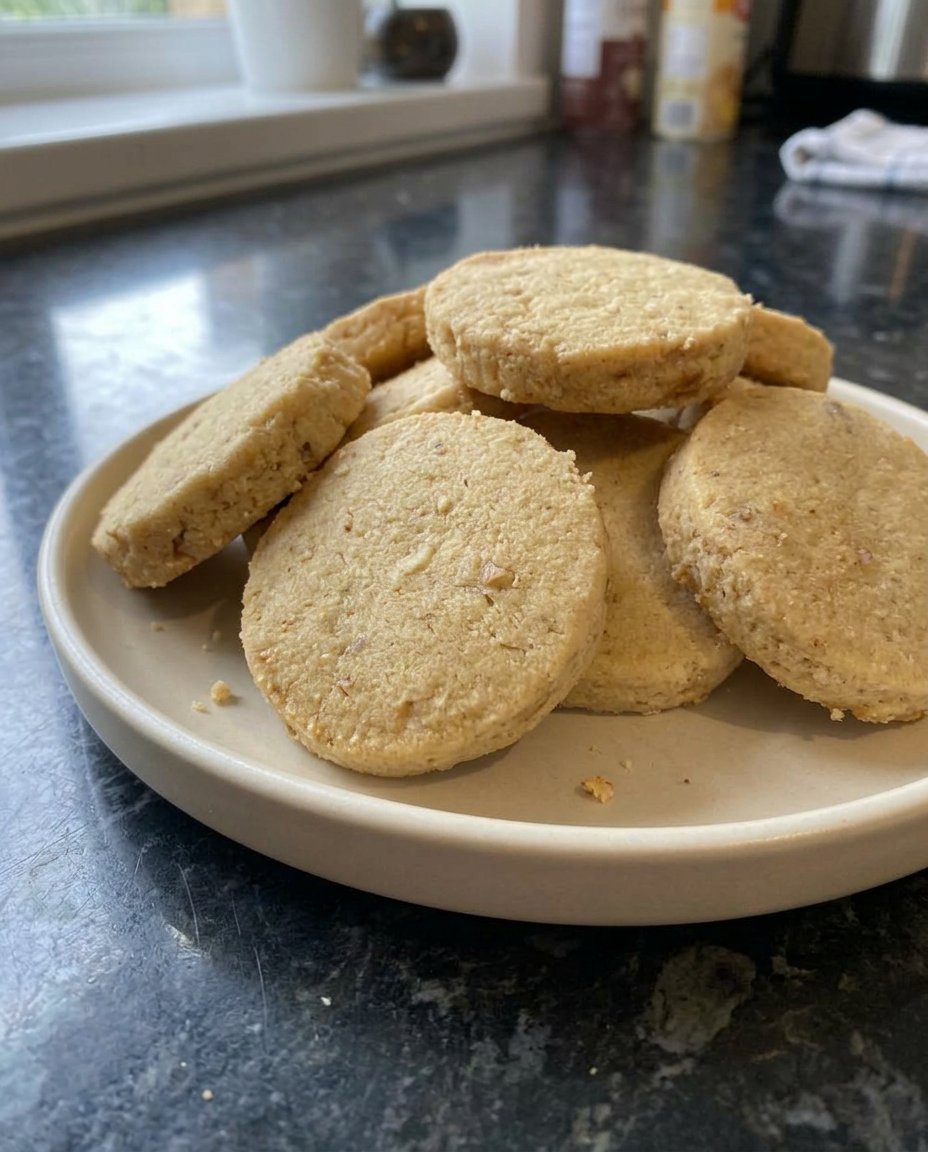
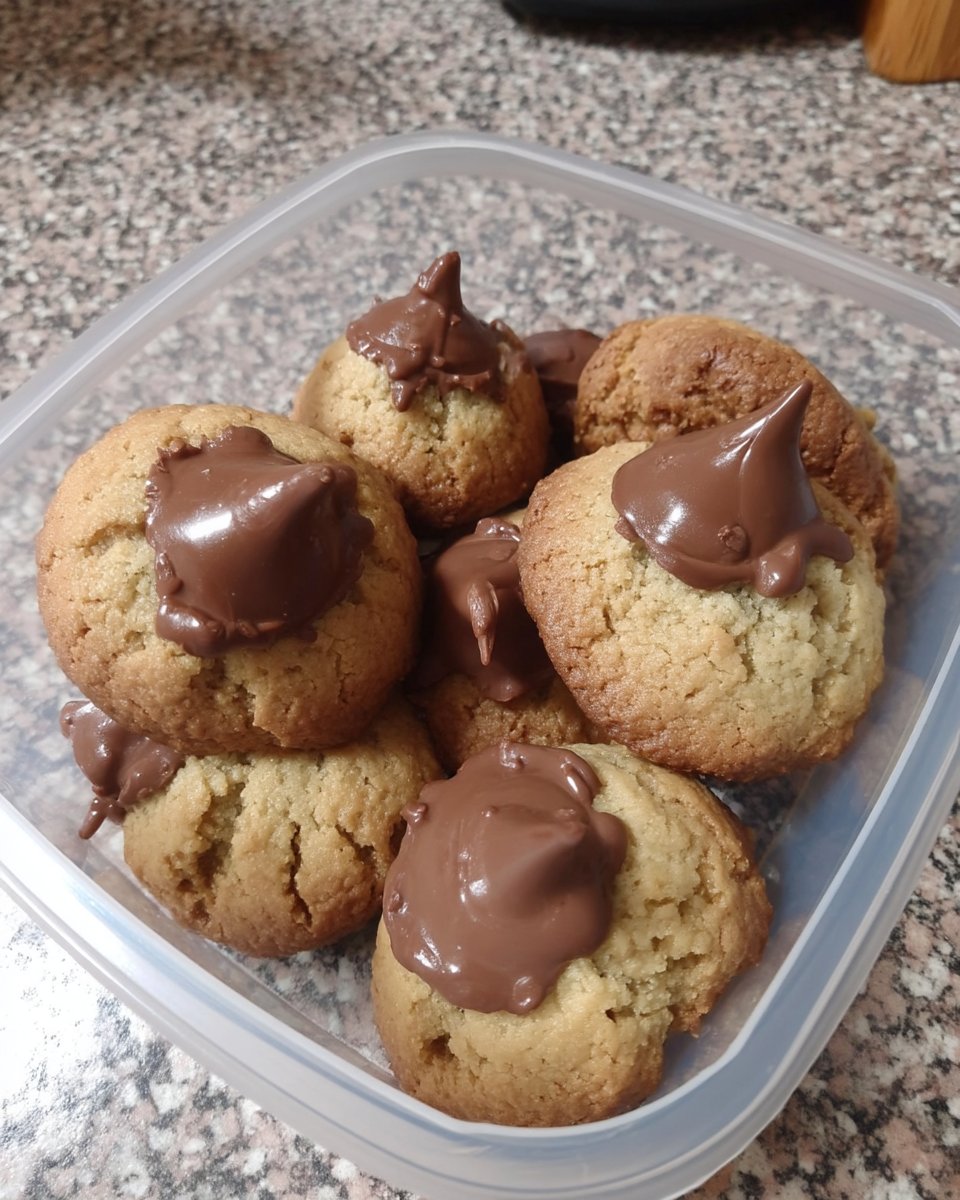
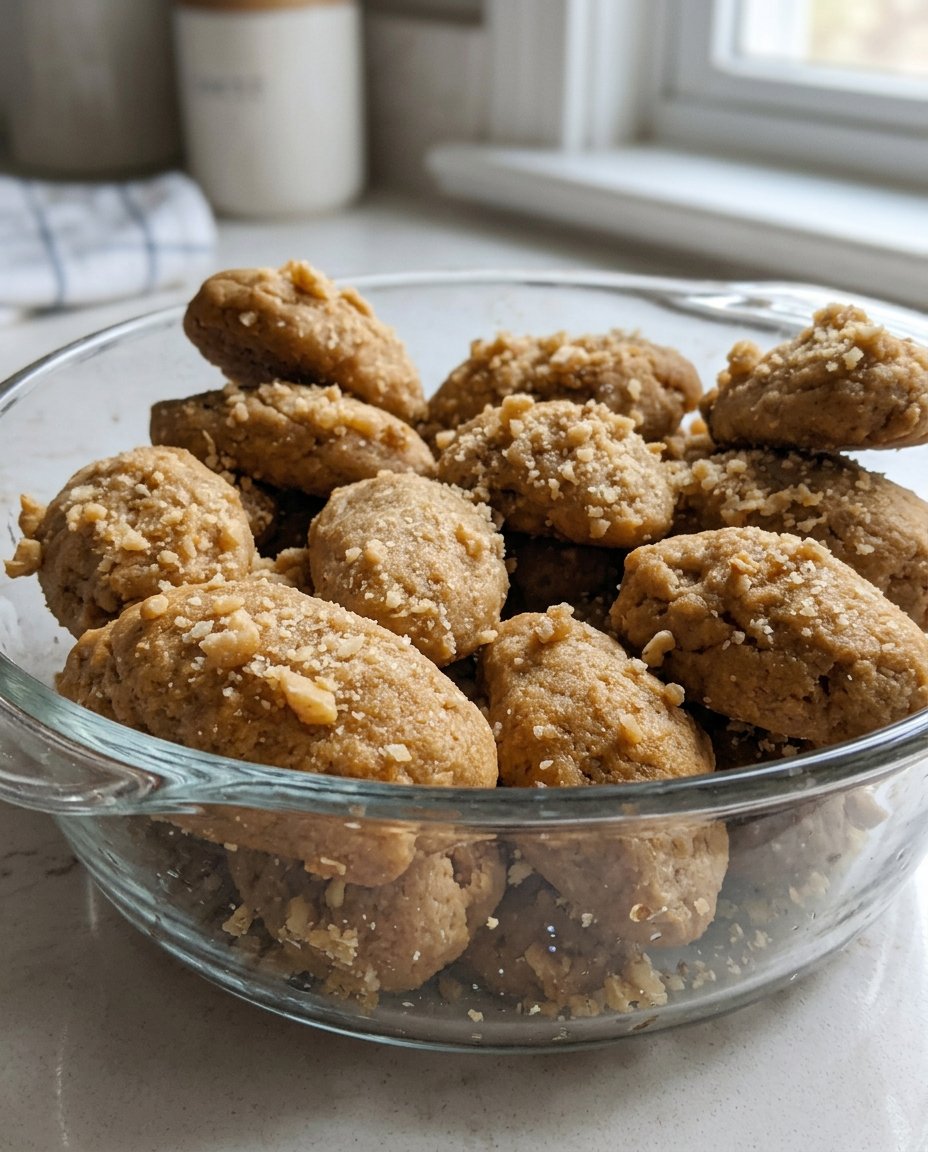
In the world of molecular gastronomy, the chemical interaction between nut-based lipids and unrefined sugars defines the success of a grain-free crumb. This Paleo Chocolate Chip 2 formulation represents a breakthrough in understanding how almond flour’s benzaldehyde compounds harmonize with the vanillin found in high-quality dark chocolate. By analyzing the way these ingredients bond without a gluten matrix, we can create a cookie that rivals any traditional bakery standard through pure flavor science.

Achieving the perfect chew in a paleo-friendly treat requires balancing the hygroscopic nature of coconut sugar with the moisture-absorbing fiber of coconut flour. We utilize these scientific principles to engineer a texture that is simultaneously thick, soft, and structurally sound. These cookies serve as a testament to the fact that removing grains does not mean removing the complex chemical reactions that make a dessert truly memorable.
The Science of Texture and Flavor Synergy
You will appreciate this recipe because it moves beyond simple substitution and focuses on intentional flavor layering. Most paleo bakes fail because they lack the structural integrity provided by wheat proteins; however, this recipe uses the emulsifying properties of almond butter to create a stable lipid-protein bond. This results in a cookie that doesn’t crumble but instead offers a dense, satisfying bite that mimics the classic Maillard reaction results seen in traditional brown butter recipes.
Furthermore, the flavor profile is built on the specific aromatic compounds shared between coconut and chocolate. These two ingredients contain similar fatty acid chains, which allows their flavors to meld seamlessly on the palate rather than competing for attention. When you bite into one of these, you aren’t just eating a ‘paleo’ snack; you are experiencing a carefully calibrated balance of sweetness, salinity, and rich cacao depth. The addition of salt specifically suppresses the bitter notes of the almond skins, allowing the natural caramel notes of the coconut sugar to shine through with remarkable clarity.
Print
Paleo Chocolate Chip Cookies
- Total Time: 1 hour 29 mins
- Yield: 12 cookies
- Diet: Paleo
Description
A scientifically formulated grain-free cookie that prioritizes structural integrity and flavor synergy through a precise blend of nut-based lipids and unrefined sugars. These cookies deliver a dense, chewy texture and a complex profile of caramel notes and dark cacao without the need for gluten.
Ingredients
- Blanched finely ground almond flour
- Coconut flour
- Baking soda
- Salt
- Refined coconut oil
- Coconut sugar
- Almond butter
- Vanilla extract
- Large egg, room temperature
- Paleo-friendly chocolate chips
Instructions
- In a medium mixing bowl, whisk together the almond flour, coconut flour, baking soda, and salt until the leavening agent is evenly distributed.
- Using a stand mixer or electric hand mixer, cream the refined coconut oil, coconut sugar, almond butter, and vanilla extract on medium speed for one minute until well combined.
- Incorporate the room-temperature egg into the wet mixture on low speed, then slowly stir in the dry flour mixture until a thick, heavy dough forms.
- Fold in the chocolate chips and refrigerate the dough for exactly one hour to allow the fibers to hydrate and the fats to stabilize.
- Preheat your oven to 350°F (175°C), roll the chilled dough into 75-gram spheres, place on a parchment-lined sheet, and bake for 11 to 14 minutes until the centers are just set.
Notes
For the most consistent results, allow the baked cookies to rest on the hot baking sheet for at least 10 minutes after removal from the oven; this carry-over cooking is essential for the internal structure to set properly. If you substitute the almond butter with another nut butter, ensure it is well-stirred and at room temperature to maintain the correct lipid-to-fiber ratio in the emulsion.
- Prep Time: 1 hour 15 mins
- Cook Time: 14 mins
- Category: Dessert
- Method: Baking
- Cuisine: American
Molecular Components and Taste Building Blocks
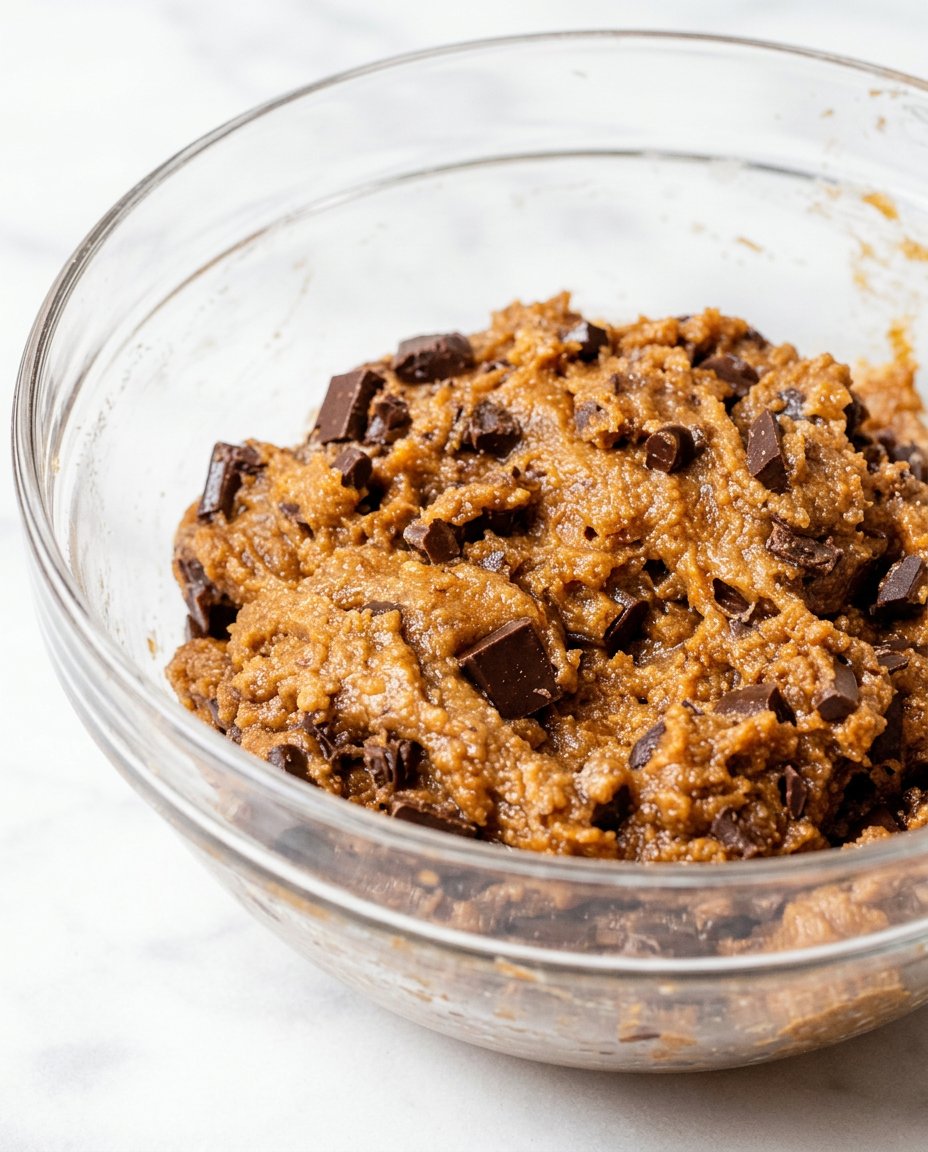
To achieve this specific texture and flavor profile, we must understand the role of each building block in our formula. We are not just mixing ingredients; we are creating a stable emulsion of fats and fibers.
- Almond Flour (Blanched, Finely Ground): This provides the primary protein and lipid structure. The fine grind is essential for a smooth mouthfeel and to prevent the ‘gritty’ texture often associated with nut-based bakes.
- Coconut Flour: Acting as a powerful moisture regulator, coconut flour absorbs the excess oils from the nut butter and coconut oil, preventing the cookies from spreading too thin during the baking process.
- Coconut Sugar: This unrefined sweetener has a lower melting point than cane sugar, contributing to a quicker caramelization and a deeper, more earthy sweetness that resembles molasses.
- Almond Butter: This serves as a secondary emulsifier. The natural lecithin in almonds helps bind the water-based egg with the fat-based oils, creating a cohesive dough.
- Refined Coconut Oil: We choose refined oil to maintain a neutral flavor base, ensuring the chocolate and almond notes remain the primary sensory focus without the interference of tropical aromas.
- Paleo Chocolate Chips: High-percentage cacao provides the necessary polyphenols to balance the sweetness of the dough, creating a complex taste experience.
The Flavor Layering Process
Step 1: Combining the Structural Fibers
In a medium mixing bowl, stir together the almond flour, coconut flour, baking soda, and salt. This step is vital for ensuring the leavening agent is evenly distributed throughout the fiber matrix. By whisking these dry components together first, you prevent ‘hot spots’ of baking soda that can create an unpleasant metallic tang, ensuring a consistent pH balance across the entire batch.
Step 2: Emulsifying the Lipids and Sugars
Using a stand mixer or electric hand mixer, beat the coconut oil, coconut sugar, almond butter, and vanilla extract at medium speed for approximately one minute. This process, known as creaming, isn’t about aeration in this context, but rather about ensuring the sugar granules are evenly coated in fat. If your coconut oil is slightly too firm, the friction from your hands can help reach the ideal temperature for the fats to integrate with the sugar’s crystalline structure.
Step 3: Incorporating the Binding Agent
Add the room-temperature egg to the fat mixture on low speed. The egg provides the necessary proteins to bind the flour fibers together. Once the egg is fully incorporated and the emulsion looks smooth, slowly stir in the dry flour mixture. The dough will become thick and heavy as the coconut flour begins to hydrate and absorb the moisture from the wet ingredients.
Step 4: Folding in the Cacao Compounds
Stir in the first portion of the chocolate chips. Because we are using grain-free flours, the chocolate distribution is crucial for the final structural integrity of the cookie. If you are using coconut sugar, this is the point where you must refrigerate the dough for one hour. This rest period allows the fats to solidify and the fibers to fully hydrate, which is the secret to a thick, soft cookie that doesn’t spread into a puddle.
Step 5: Thermal Application and Setting
Preheat your oven to 350°F (175°C) and line your sheet with parchment. Roll the chilled dough into 75-gram spheres, pressing the remaining chocolate chips into the exterior for a visually striking finish. Bake for 11 to 14 minutes. The cookies will appear soft and underdone in the center, but the residual heat on the baking sheet will complete the setting process, a technique known as carry-over cooking that preserves the internal moisture.
Jasmine’s Flavor Secrets
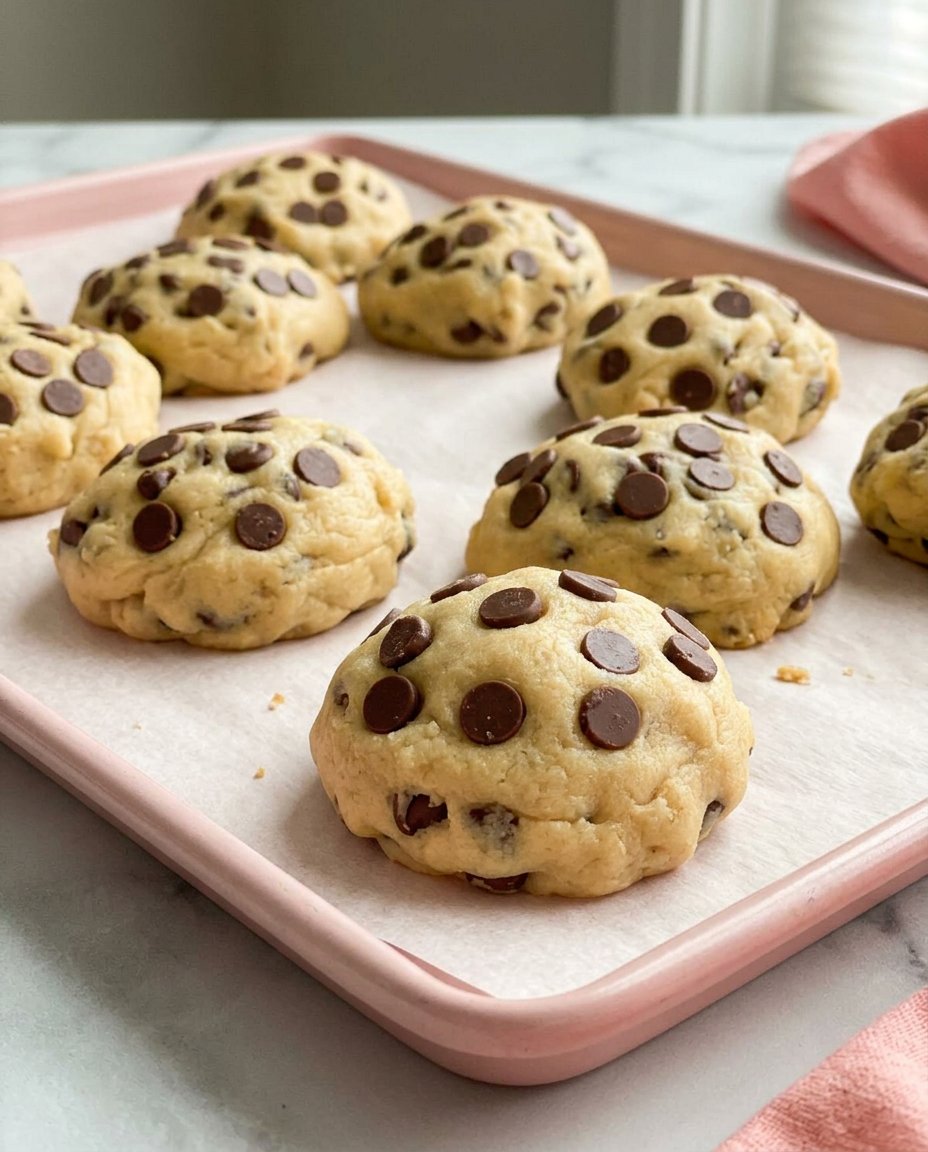
To truly master this recipe, pay close attention to the temperature of your ingredients. Using a room-temperature egg is non-negotiable; a cold egg will cause the coconut oil to seize and clump, breaking the emulsion you worked so hard to create. For a deeper flavor profile, try toasting your almond flour in a dry pan for three minutes before mixing; this triggers the creation of pyrazines, which add a toasted, savory depth to the final product. For more technical insights on building a solid baking pantry, check out our guide on Foundation Cookie Recipes.
Additionally, consider the salt placement. While we mix salt into the dough to balance the sugar, a tiny sprinkle of flaked sea salt on top immediately after baking provides a sensory contrast. This localized salt concentration hits the tongue first, suppressing bitterness and making the chocolate taste more intense through a process called cross-modal flavor perception. For the original inspiration behind this formulation, you can also view the Texanerin Paleo Cookie method.
Scientific Flavor Swaps
If you want to experiment with the aromatic profile of these cookies, you can replace the vanilla extract with a teaspoon of almond extract. This doubles down on the benzaldehyde compounds, creating a marzipan-like aroma that pairs beautifully with dark chocolate. You can also incorporate a tablespoon of finely ground espresso beans into the dry ingredients. The bitterness of the coffee mimics the tannins in chocolate, lengthening the finish of the flavor on your palate. For more ideas on seasonal adjustments, see our notes on Holiday Cookie Science.
For those needing a nut-free version, sunflower seed butter can be substituted for the almond butter at a 1:1 ratio. Be aware that the chlorogenic acid in sunflower seeds can react with baking soda to create a harmless green tint in the cookie; adding a teaspoon of lemon juice can neutralize the pH and prevent this color shift without significantly altering the taste.
Optimal Taste Enjoyment
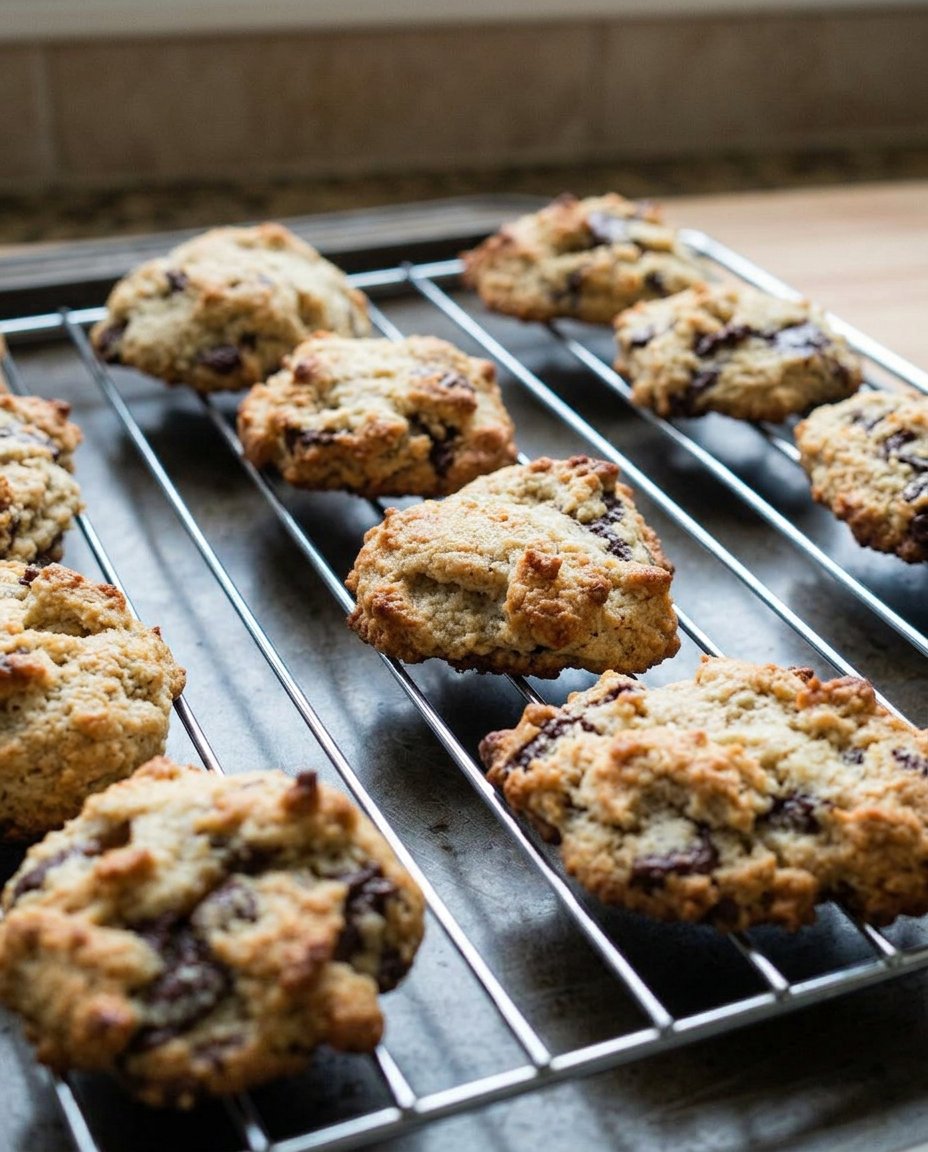
To experience the full complexity of these cookies, serve them slightly warm, around 100°F (38°C). At this temperature, the fats in the chocolate and almond butter are at their melting point, providing a luscious mouthfeel and releasing a wider range of volatile aroma compounds. Pairing these with a cup of black coffee is a brilliant scientific choice; the chlorogenic acids in coffee act as a palate cleanser, cutting through the richness of the fats and preparing your taste buds for the next bite. To see how these stack up against other trending treats, visit our Viral Cookie Analysis.
Avoid serving these directly from the refrigerator, as cold temperatures mute the perception of sweetness and make the texture feel overly dense. If you have stored them in the fridge, a quick five-second burst in the microwave will reactivate the fats and restore the cookie to its intended soft, chewy state.
The Flavor Truth
Mastering the Paleo Chocolate Chip 2 is about more than just following a recipe; it is about respecting the chemistry of grain-free ingredients. By understanding how lipids, fibers, and sugars interact under heat, you can produce a cookie that is scientifically superior in both taste and texture. I encourage you to continue experimenting with these ratios to find your own perfect balance. For more efficient baking strategies, be sure to browse our Efficient Cookie Methods. If you enjoyed this dive into baking science, please share your results with us on Facebook, Instagram, Pinterest, or TikTok. Happy baking, and remember that every flavor has a formula.
You can also find more inspiration at Texanerin Baking.