Victorian bakers recognized that mechanical extrusion offered a level of uniformity that hand-shaping could never match. This British tradition of the biscuit press allowed for delicate, repeatable patterns that signaled professional skill in a domestic kitchen. Historical records show that early spritz techniques were used to create ornate tea biscuits that held their shape through the heat of the oven. We now understand that this specific method minimizes dough handling, which prevents the overdevelopment of gluten and results in a superior melt-in-the-mouth texture.

These Spring Flower Cookies use a traditional spritz method to create a texture that is remarkably tender yet structurally sound. By incorporating a single candy-coated chocolate egg, we marry 19th-century technique with a beloved seasonal confection. The result is a biscuit that is crumbly without being dry, providing a professional finish that honors the precision of classic baking. Using a cookie press requires an understanding of dough temperature and surface tension to achieve the perfect floral silhouette.
The Tradition of Precision
This recipe stands as a testament to the beauty of mechanical baking. Unlike hand-rolled cookies, these flower-shaped treats rely on the physics of the cookie press to create uniform ridges that catch the light and hold onto decorations. You will appreciate the methodical nature of the process, which yields a high volume of consistent biscuits perfect for large gatherings or seasonal gifts.
From a technical standpoint, the ratio of fat to flour in this formula is engineered for a clean release from the press. The inclusion of confectioner’s sugar instead of granulated sugar is a deliberate choice. Historically, this was done to create a finer crumb, as the cornstarch often present in powdered sugar inhibits gluten formation, making the final product exceptionally delicate. It is a triumph of simple ingredients used with high-level technique.
Finally, the addition of the Cadbury Mini Egg is more than a decorative flourish. It provides a structural anchor for the center of the flower and a contrasting texture to the soft, buttery base. This balance of the soft biscuit and the crisp candy shell is a hallmark of well-designed confectionery. It is a reliable method that has been tested to provide the same remarkable results every time you step into the kitchen.
Print
Spring Flower Cookies
- Total Time: 45 mins
- Yield: 48 cookies
- Diet: Vegetarian
Description
These delicate spritz cookies utilize a traditional biscuit press to create intricate floral shapes with a remarkably tender crumb. Crowned with a festive chocolate egg, they offer a perfect balance of buttery richness and seasonal charm for any spring tea service.
Ingredients
- 1 cup unsalted butter, softened to 65°F
- 1 cup confectioner’s sugar
- 1 large egg, room temperature
- 1 teaspoon vanilla extract
- 2 1/4 cups all-purpose flour
- 1 teaspoon baking powder
- 1 cup Cadbury Mini Eggs
Instructions
- Preheat your oven to 350°F (175°C) and prepare a heavy-gauge baking sheet with a silicone baking mat.
- In a large mixing bowl, beat the softened butter and confectioner’s sugar together for exactly two minutes to achieve proper aeration.
- Add the room-temperature egg and vanilla extract to the mixture, beating until light, fluffy, and fully emulsified.
- Sift together the all-purpose flour and baking powder, then integrate into the wet ingredients on low speed until just combined.
- Fit a cookie press with a flower disc and pack the dough tightly into the barrel, ensuring no air pockets remain.
- Press the cookies directly onto the silicone mat, leaving approximately one inch of space between each flower shape.
- Press one Cadbury Mini Egg firmly into the center of each cookie to create the flower’s stamen.
- Bake for 7 to 8 minutes until the edges are set and bottoms are lightly golden, then rest on the sheet for two minutes before cooling on a wire rack.
Notes
To ensure your cookies maintain their high-definition floral ridges, always use a completely cool baking sheet for each batch and avoid greasing the surface, as the dough needs the grip of a silicone mat to release properly from the press. If the dough becomes too warm from handling, a brief five-minute chill in the refrigerator will restore the ideal consistency for pressing.
- Prep Time: 20 mins
- Cook Time: 8 mins
- Category: Dessert
- Method: Baking
- Cuisine: British
The Proper Components
Success in technical baking begins with the quality and temperature of your ingredients. For these Spring Flower Cookies, each component serves a specific structural purpose. When you gather your materials, consider the following technical details to guarantee a perfect bake:
- Unsalted Butter (1 cup): This must be properly softened to approximately 65°F (18°C). This temperature allows for optimal aeration during the creaming process without the fat becoming too oily, which would cause the cookies to lose their shape in the oven.
- Confectioner’s Sugar (1 cup): Also known as icing sugar, this provides the sweetness and the “melting” quality. The fine particles distribute evenly throughout the fat, creating a smooth dough that passes through the press discs without clogging.
- Large Egg (1): Acting as the primary emulsifier, the egg binds the fat and flour. Ensure it is at room temperature to prevent the butter from curdling during the mixing phase.
- Vanilla Extract (1 teaspoon): A high-quality extract provides the aromatic backbone of the biscuit. Historically, vanilla was a luxury, and its presence here marks these as a special occasion treat.
- All-Purpose Flour (2 1/4 cups): This provides the structure. In the British tradition, we look for a moderate protein content that offers enough strength to hold the floral shape while remaining tender.
- Baking Powder (1 teaspoon): A small amount of chemical leavening provides just enough lift to lighten the crumb without causing the dough to spread or lose the intricate details of the flower press.
- Cadbury Mini Eggs (1 cup): These candy-coated chocolates are the centerpiece. Their weight helps keep the center of the cookie slightly denser, which is essential for a proper spritz bake.
Using these specific ratios ensures that the dough is pliable enough to be pressed but firm enough to stand tall. The science of the spritz relies on the dough adhering to the cold baking sheet more readily than it adheres to the metal disc of the press.
The Proper Method
Step 1: Prep Your Environment
Preheat your oven to 350°F (175°C). The temperature must be accurate to set the structure of the cookie quickly. Prepare a heavy-gauge baking sheet by lining it with a silicone baking mat. Unlike parchment paper, a silicone mat provides the necessary grip for the spritz dough to release from the press. Avoid greasing the pan, as too much slip will prevent the dough from sticking to the surface.
Step 2: The Creaming Process
In a large mixing bowl, combine the softened butter and confectioner’s sugar. Beat these together for exactly two minutes. This duration is critical for mechanical aeration. Victorian bakers would have done this by hand with a wooden spoon, but a modern mixer allows for a more consistent distribution of air bubbles, which later expand in the oven to create the desired crumb.
Step 3: Emulsification
Add the egg and the vanilla extract to the butter mixture. Continue to beat until the mixture is completely incorporated and appears light and fluffy. If the egg is too cold, the mixture may look broken; if this happens, continue mixing at a slightly higher speed until the emulsion is restored. This step is vital for the structural integrity of the flower.
Step 4: Integrating Dry Ingredients
Sift together the all-purpose flour and baking powder. Sifting is a historical necessity that we continue for scientific reasons—it aerates the flour and removes clumps, ensuring the dough remains smooth. Add the dry ingredients to the butter mixture and beat on low speed until just combined. Over-mixing at this stage will develop gluten, making the cookies tough rather than tender.
Step 5: Loading the Press
Select your flower-shaped disc and fit it into the cookie press. Load the dough into the barrel, taking care to pack it tightly to remove any air pockets. Air pockets will cause the press to “misfire,” resulting in incomplete flower shapes. If the dough feels too soft or warm from your hands, place the loaded press in the refrigerator for five minutes to stabilize the fat.
Step 6: Pressing the Flowers
Place the press directly against the silicone mat. Use a firm, steady click of the trigger to extrude the dough. Lift the press straight up in one quick motion. The dough should stay on the mat in a perfect flower shape. Leave approximately one inch of space between each cookie; since these cookies contain very little leavening, they will not spread significantly.
Step 7: Central Decoration
Take one Cadbury Mini Egg and place it firmly into the center of each pressed cookie. Press it down just enough so it sits securely in the dough but do not flatten the cookie. This creates the “stamen” of your flower and adds a necessary weight to the center of the biscuit, which aids in even baking.
Step 8: The Precision Bake
Place the sheet in the center of the oven and bake for 7 to 8 minutes. In our testing, 7 minutes is ideal for a softer bite, while 8 minutes yields a traditional crispness. The cookies should be set and very slightly golden on the bottom but should remain pale on top. Remove from the oven and allow them to rest on the sheet for two minutes. This “carry-over” period allows the starches to set before you transfer them to a wire rack to cool completely.
Jordan’s Technique Notes
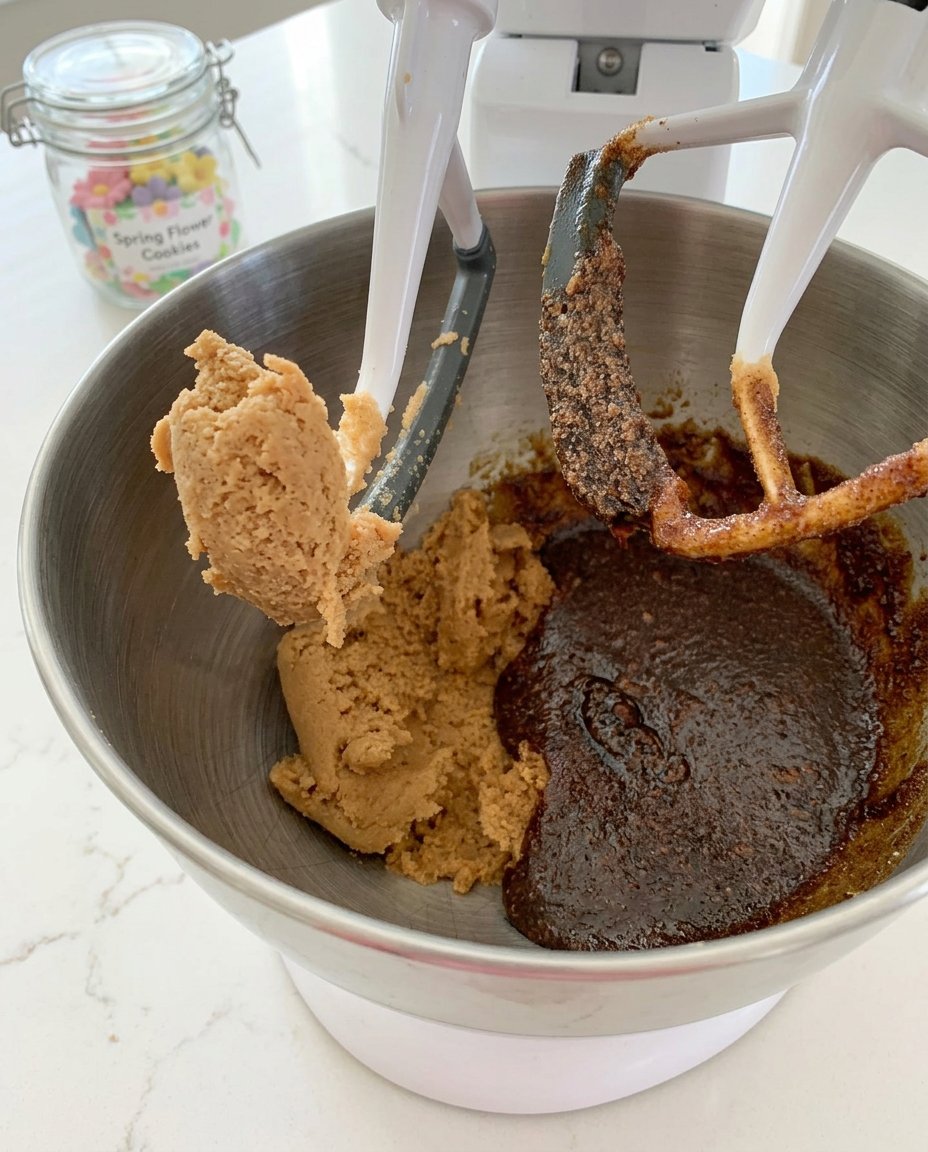
The most common failure in spritz baking is the dough failing to stick to the pan. This is often caused by using a pan that is too warm. If you are baking in batches, ensure your baking sheet has cooled completely to room temperature before pressing the next set of flowers. Professional kitchens often use multiple trays to maintain a consistent workflow. For more on managing your kitchen environment, see our guide on Holiday Cookie Science.
Another technical secret involves the sugar. If you find your cookies are spreading too much, verify that your confectioner’s sugar contains cornstarch. In the UK, some brands of icing sugar are pure sugar, whereas North American versions usually include a small percentage of starch. This starch acts as a stabilizer. If you are using a pure sugar, you may need to add half a teaspoon of cornflour to your dry ingredients to maintain the high-definition ridges of the flower petals. Precision in your measurements will always lead to a more professional result.
Tested Adaptations
While the classic vanilla flower is a staple, you can modify the flavor profile without compromising the structural science of the dough. To create a citrus variation, replace the vanilla extract with half a teaspoon of lemon extract and add the zest of one lemon to the butter. This provides a bright, acidic contrast to the rich butter. For a deeper look at how different flavorings affect dough chemistry, consult our Viral Cookie Analysis.
Regional differences also exist in the spritz tradition. In some parts of Europe, ground nuts are added to the dough for a sand-like texture. If you wish to try this, replace a quarter cup of the flour with very finely ground almonds. This variation, often called an Almond Spritz, requires a press disc with larger openings to prevent the nut particles from obstructing the flow of the dough. Regardless of the flavoring, the cooling process remains the same to preserve the biscuit’s integrity. You can also refer to the Springtime Flower Cookies for further inspiration on seasonal styling.
Traditional Service
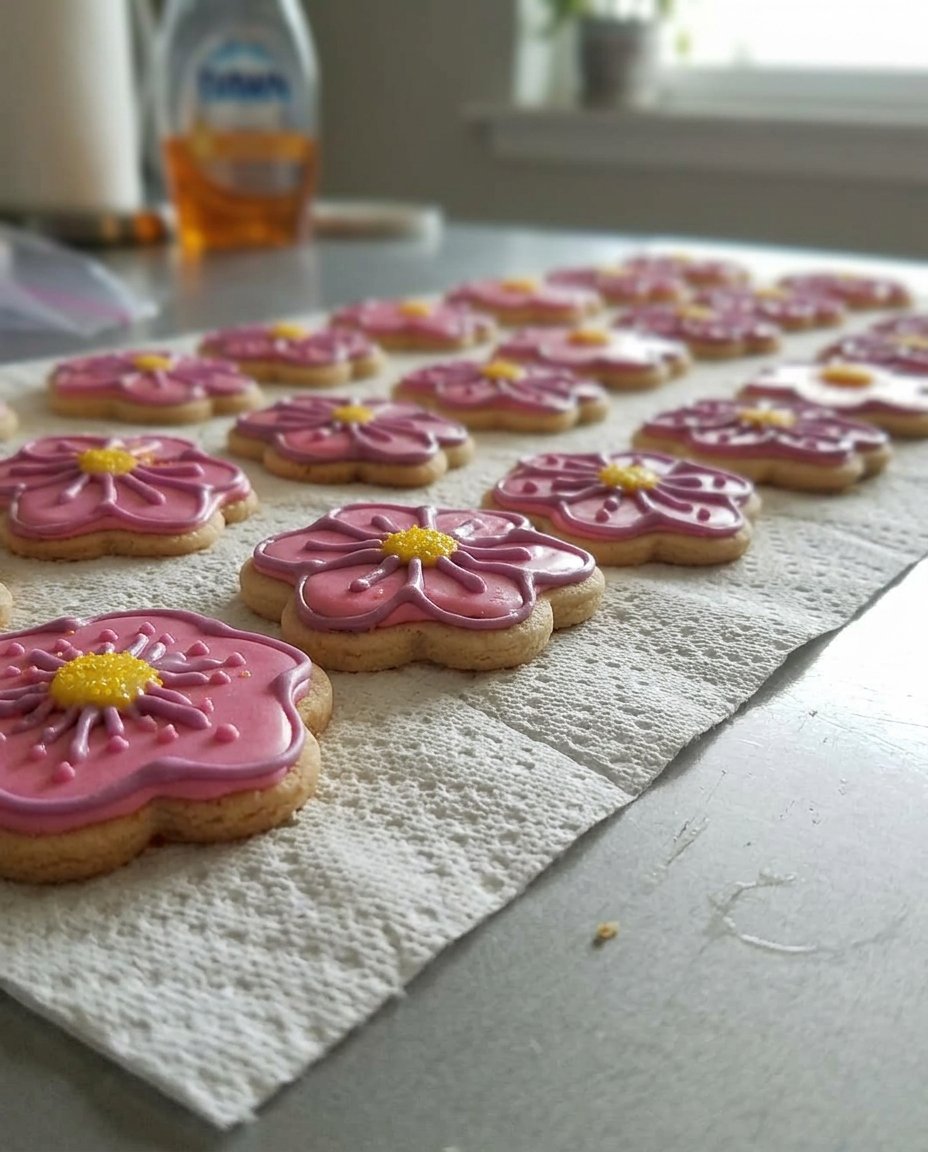
In the British tradition, these biscuits are the perfect accompaniment to an afternoon tea service. Arrange them on a tiered porcelain stand, placing the flower cookies on the top tier to showcase their intricate designs. The delicate nature of the spritz biscuit pairs exceptionally well with a robust Earl Grey or a delicate Darjeeling. For more on the aesthetics of cookie presentation, explore our tips on Precision Cookie Decorating.
When serving at a gathering, consider the environmental temperature. Because of the high butter content, these cookies are best served in a cool environment to maintain their snap. If you are gifting these, use a rigid tin lined with parchment paper. This protects the delicate petals from breaking during transport. These cookies are not just a dessert; they are a decorative element that brings a sense of historical charm to any spring celebration or Sunday tradition.
The Technical Truth
Mastering the Spring Flower Cookie is a journey into the heart of baking physics. By respecting the temperature of the fat and the mechanical requirements of the cookie press, you produce a biscuit that is as scientifically sound as it is visually appealing. This recipe proves that traditional methods, when combined with an understanding of ingredient functionality, yield results that far surpass modern shortcuts. To continue building your repertoire of essential bakes, visit our section on Foundation Cookie Recipes.
We invite you to share your technical triumphs with our community. Join the conversation on our social channels and show us your perfectly pressed flowers. You can find us on Facebook, Pinterest, Instagram, and X. For more detailed demonstrations and historical baking insights, check out our latest videos at Lord Byron’s Kitchen. Happy baking, and remember that precision is the secret to perfection.