Basler Lackerli represents a fascinating study in sugar crystallization and aromatic preservation within the world of traditional Swiss baking. When we warm honey and sugar together, we create a humectant-rich base that defines the signature chew and dense crumb of these legendary biscuits. The interaction between the heated invert sugars in honey and the volatile oils of the spices creates a complex flavor matrix that only matures with time.

This specific preparation focuses on the delicate balance of moisture and structure, using almond meal to disrupt the gluten network for a tender yet substantial bite. By applying a bright lemon glaze to the hot dough immediately after baking, we trap the steam and set the sugar in a way that preserves the internal hydration while adding a sharp, acidic contrast to the deep honey notes.
The Flavor Science
The allure of Basler Lackerli lies in its unique moisture-retention properties, a result of the high fructose content in honey. Because honey is hygroscopic, it attracts and holds onto water molecules, preventing the biscuits from becoming brittle like traditional shortbread. This chemical property allows the spices—specifically cinnamaldehyde from cinnamon and eugenol from cloves—to remain suspended in a soft sugar gel rather than a dry matrix.
We also benefit from the Maillard reaction occurring rapidly at the high baking temperature of 220°C (425°F). This short, intense burst of heat creates a caramelized exterior through the interaction of amino acids from the almond meal and the reducing sugars in the honey. The result is a savory-sweet complexity that carries notes of toasted nut and deep molasses, a flavor profile that actually improves as the aromatic compounds from the citrus peel and kirsch continue to permeate the dough during storage.
Print
Basler Lackerli
- Total Time: 30 mins
- Yield: 24 biscuits
- Diet: Vegetarian, Dairy-Free
Description
Experience the signature chew and aromatic depth of these traditional Swiss honey biscuits, crafted with a blend of warming spices and citrus peels. Finished with a sharp lemon glaze, these treats utilize precise sugar chemistry to create a sophisticated, long-lasting flavor profile.
Ingredients
- 225g honey
- 150g castor sugar
- 1 tsp ground cinnamon
- 1/2 tsp ground nutmeg
- 1/4 tsp ground cloves
- 40g candied orange peel, finely chopped
- 40g candied lemon peel, finely chopped
- 120g almond meal
- 1 lemon, zested
- 30ml Kirsch
- 300g plain flour
- 1 tsp baking powder
- 100g icing sugar
- 2 tbsp lemon juice
Instructions
- Warm the honey, castor sugar, cinnamon, nutmeg, and cloves in a saucepan over low heat until the sugar crystals have fully dissolved.
- Remove the pan from the heat and stir in the chopped candied peels, almond meal, and fresh lemon zest.
- Add the Kirsch followed by the plain flour and baking powder, stirring until a thick, sticky dough forms.
- Transfer the dough to a floured surface, knead briefly, then roll it between two sheets of baking paper to a thickness of 5mm.
- Bake in a preheated oven at 220°C (425°F) for exactly 10 minutes to achieve a rapid surface caramelization.
- Whisk the icing sugar and lemon juice together, then brush the glaze over the hot biscuit immediately after removing it from the oven.
- Allow to cool on a wire rack, trim the edges, and cut into 3cm x 5cm rectangles before storing in an airtight container for at least 24 hours.
Notes
For the most authentic texture, ensure you do not overbake the dough; it should still feel slightly soft when removed from the oven as it will firm up while cooling. Using a high-quality cherry brandy like Kirsch is essential as it acts as a solvent for the spice oils, resulting in a more intense aromatic experience.
- Prep Time: 20 mins
- Cook Time: 10 mins
- Category: Dessert
- Method: Baking
- Cuisine: Swiss
Flavor Components
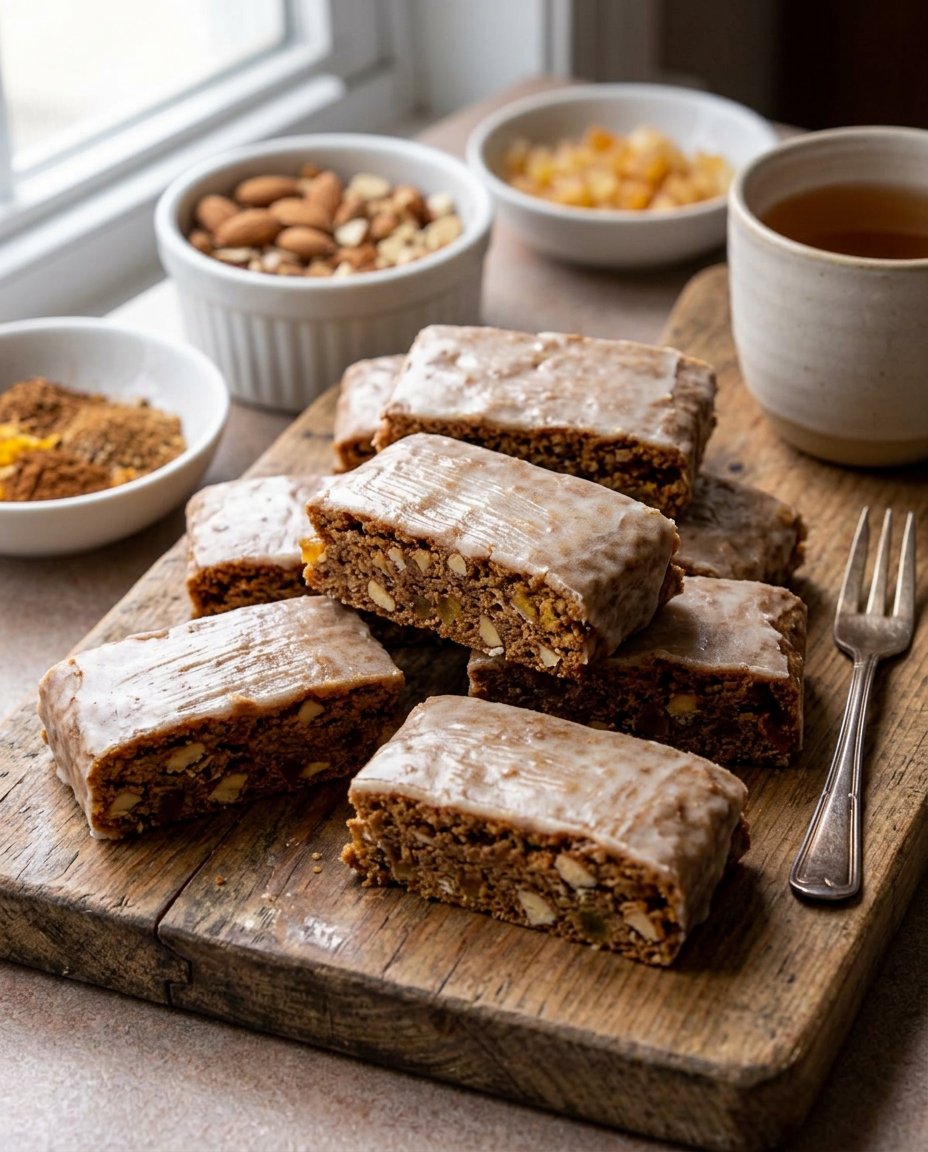
To achieve the perfect balance in your Basler Lackerli, every component must be chosen for its chemical contribution to the final taste and texture.
- Honey (225g): The primary humectant and sweetener. Honey provides a distinct floral aroma and the fructose necessary for that iconic chewy texture.
- Castor Sugar (150g): Chosen for its fine crystal size, which dissolves quickly in the warming honey to create a smooth syrup.
- Ground Cinnamon, Nutmeg, and Cloves: These spices provide the warm aromatic backbone. The eugenol in the cloves and the warm terpene profile of the nutmeg create a multidimensional scent.
- Candied Orange and Lemon Peel (40g each): These provide concentrated citrus oils, specifically limonene, which cuts through the density of the honey.
- Almond Meal (120g): Adds healthy fats and protein, which contributes to the Maillard reaction and provides a nutty pyrazine-rich flavor.
- Kirsch (30ml): This cherry brandy acts as an ethanol-based flavor carrier, helping the fat-soluble spice oils disperse more evenly through the dough.
- Plain Flour and Baking Powder: The structural framework. The small amount of leavening provides just enough lift to keep the dense dough from becoming heavy.
- Icing Sugar and Lemon Juice: Used for the glaze, providing a sharp acidic finish that resets the palate after the intense sweetness of the honey.
The Flavor Method
Step 1: Syrupy Foundation
Place the honey, castor sugar, cinnamon, nutmeg, and cloves in a saucepan over a low heat. Warm the mixture for a few minutes, stirring often, until the sugar crystals fully dissolve into the honey. This process activates the spices as the heat helps release their essential oils into the liquid medium.
Step 2: Aromatic Integration
Remove the saucepan from the heat. Immediately stir in the finely chopped candied orange and lemon peels along with the almond meal. Grate the fresh lemon zest directly over the mixture to capture the volatile citrus oils before they dissipate. The residual heat from the honey syrup will soften the candied peels, allowing their flavors to meld into the base.
Step 3: Spirit and Structure
Add the kirsch to the mixture, followed by the combined plain flour and baking powder. The ethanol in the kirsch helps to bridge the gap between the water-soluble and fat-soluble flavor compounds, creating a more cohesive taste profile. Stir until a thick, sticky mass forms.
Step 4: Kneading and Shaping
Transfer the dough to a lightly floured work surface. Knead it briefly to form a soft, uniform dough. Place the dough between two large sheets of baking paper and roll it into a precise rectangle about 5mm thick. This thinness is vital for even heat penetration and a consistent texture.
Step 5: High-Heat Flash Bake
Preheat your oven to 220°C (425°F). Transfer the rolled dough on its bottom sheet of paper to a baking tray. Bake for exactly 10 minutes. The high heat triggers rapid caramelization on the surface while leaving the interior moist and chewy.
Step 6: The Acidic Glaze
While the biscuit bakes, whisk together the icing sugar and lemon juice. As soon as the tray comes out of the oven, pour the glaze over the hot surface and brush it to the edges. The heat from the dough will cause the glaze to set into a thin, crackly white film that seals in the internal moisture.
Step 7: Trimming and Maturation
Lift the sheet onto a wire rack to cool. Once the glaze has set and the biscuit is cool, trim the edges to reveal the clean, layered interior. Cut into small rectangles (3cm x 5cm). Store in an airtight container for at least 24 hours to allow the moisture levels to equilibrate and the flavors to deepen.
Jasmine’s Flavor Notes
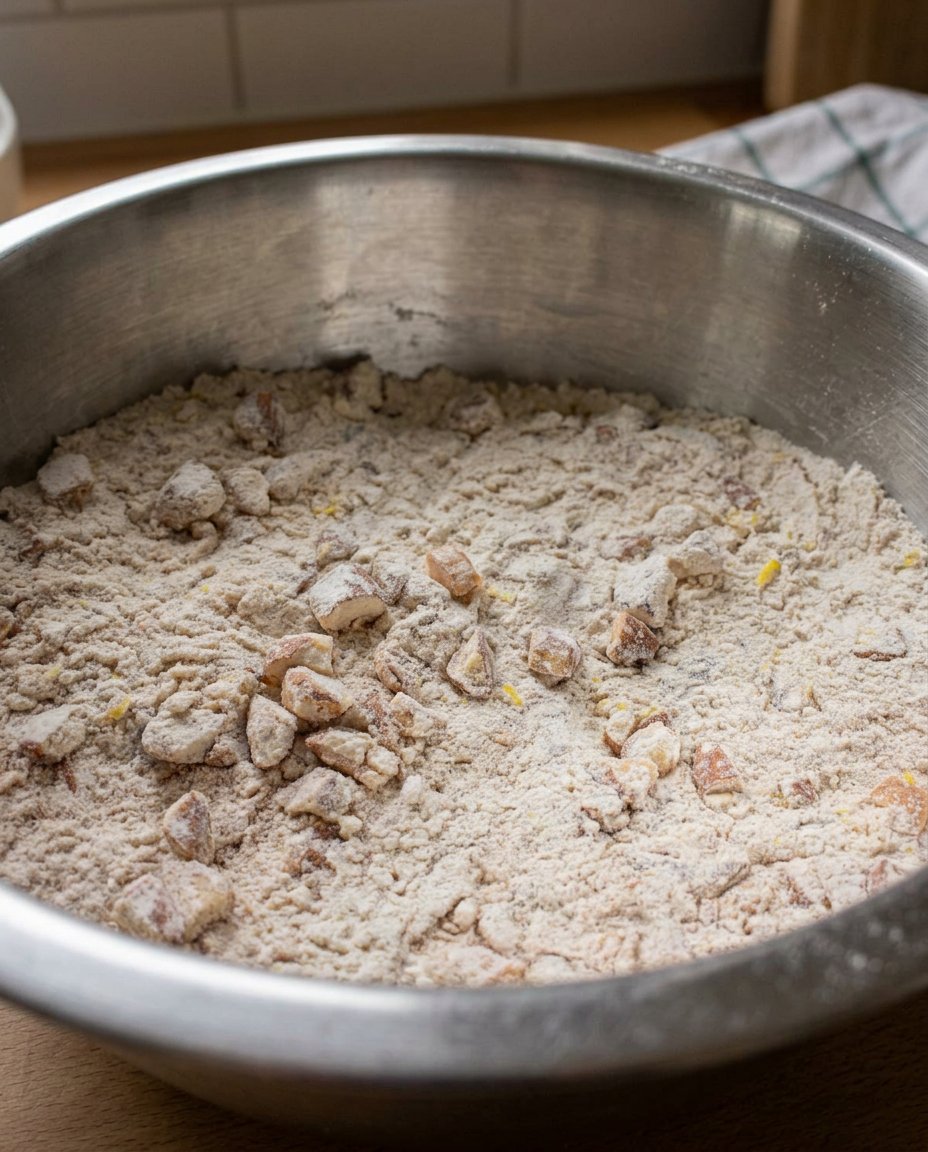
Precision is your best friend when working with honey-based doughs. If your honey is particularly dark, expect a more robust, almost bitter molasses undertone; for a lighter touch, use a floral clover or acacia honey. When kneading, avoid adding too much extra flour, as this will dry out the biscuit and ruin the delicate balance of the invert sugars. For a more scientific approach to texture, you can examine efficient cookie methods to understand how different mixing techniques impact the final crumb density and chewiness of traditional European biscuits.
Scientific Swaps
If you want to experiment with the terpene profile of this recipe, consider substituting the kirsch with an equal amount of spiced rum or even a high-quality orange liqueur like Cointreau. The limonene in the orange liqueur will amplify the citrus notes of the candied peels through molecular synergy. You might also swap half of the almond meal for ground hazelnuts; hazelnuts contain high levels of filbertone, which provides a deep, roasted aroma that pairs beautifully with cloves. For more insights into how these swaps affect your seasonal baking, read our guide on holiday cookie science to see how fats and sugars interact in different environments.
Taste Enjoyment
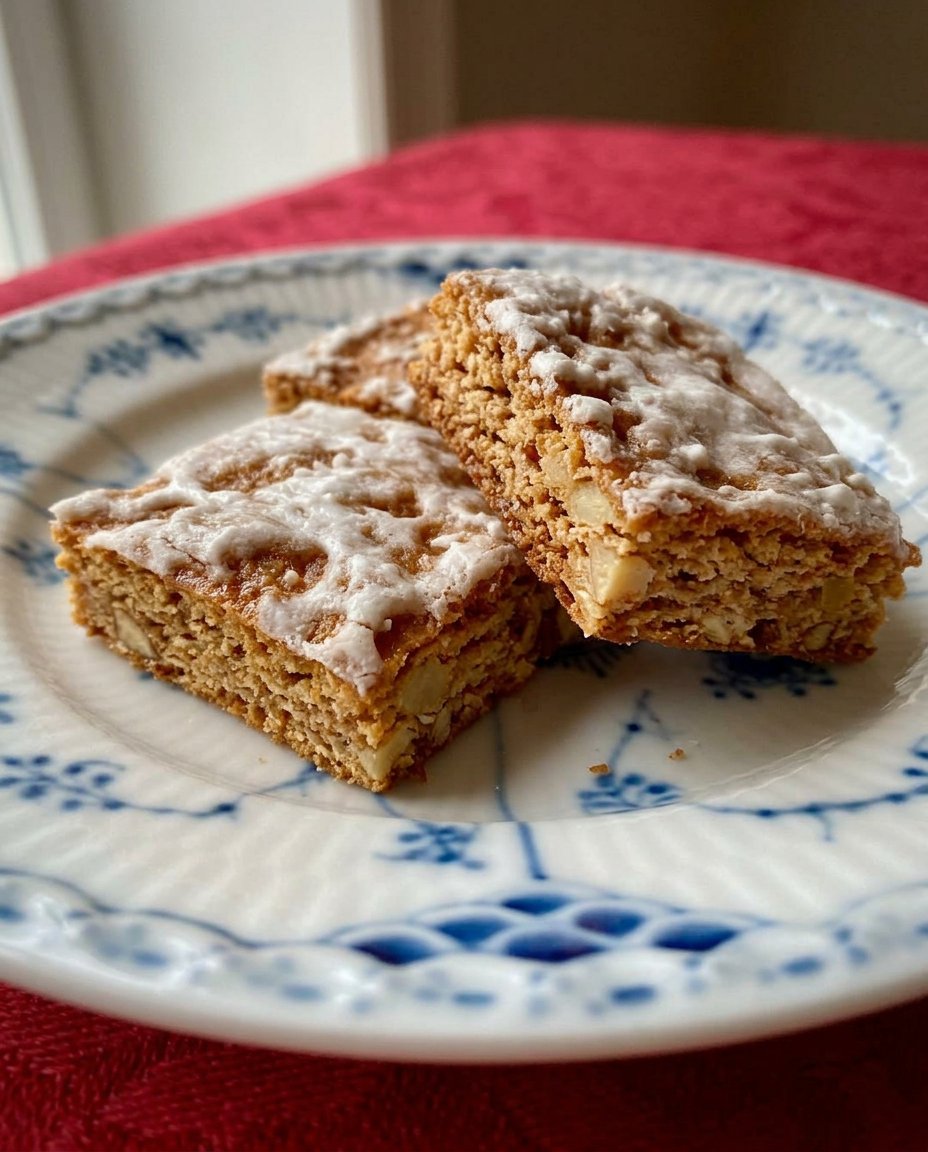
These biscuits are best enjoyed alongside a beverage that can stand up to their intense spice profile. A dark roast coffee is an excellent choice, as the bitter roasted notes of the coffee beans provide a perfect counterpoint to the sweetness of the honey. Alternatively, a spiced chai or an Earl Grey tea works well; the bergamot oils in the tea share aromatic compounds with the lemon zest in the glaze, creating a harmonious sensory experience. To learn more about building the perfect cookie platter for guests, you can look at our foundation cookie recipes to find contrasting textures that complement these chewy Swiss delights.
Taste Discovery
Mastering the Basler Lackerli is about more than just following a recipe; it is an exercise in understanding how traditional ingredients use chemistry to create lasting flavor. By respecting the temperature of the honey and the timing of the glaze, you produce a biscuit that carries centuries of Swiss tradition into your modern kitchen. This recipe yields a treat that is as scientifically fascinating as it is delicious, proving that precision in the lab translates perfectly to excellence in the oven. For more deep dives into how specific recipes capture the public’s imagination through flavor chemistry, check out our viral cookie analysis.
If you enjoyed this deep dive into Swiss baking, follow us for more scientific treat discoveries on Pinterest, Instagram, and Facebook.