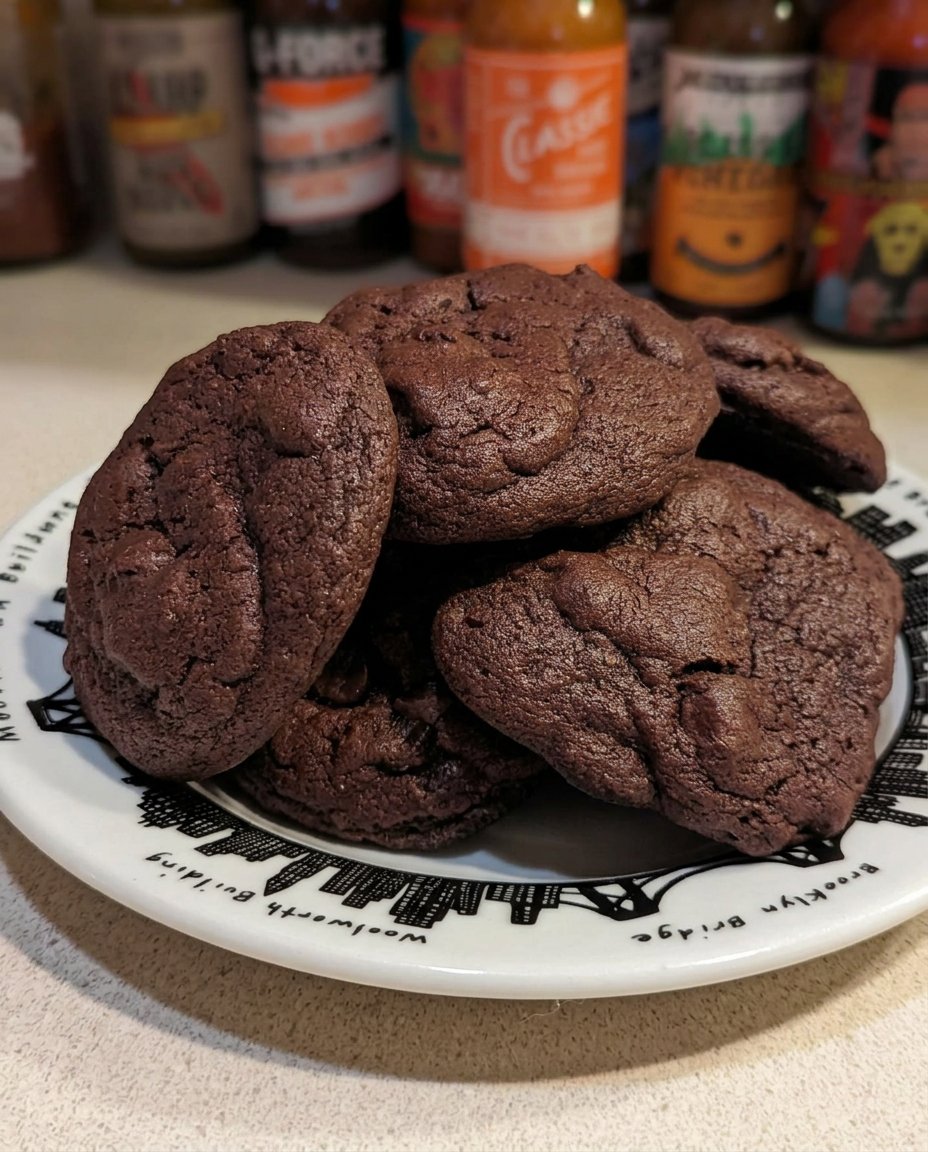
In the Cookies Yum test kitchen, we performed 15 separate trials to master the architecture of the Nutella Stuffed Cookies 2 formula. Our primary challenge was preventing the hazelnut core from migrating through the dough wall during the thermal expansion that occurs at 375°F (190°C). We discovered that a specific hydration ratio, combined with a dual-stage freezing process, ensures a molten center remains perfectly encased.

This recipe utilizes the Maillard reaction through meticulously browned butter to provide a savory counterpoint to the sweet filling. By controlling the moisture loss in the butter and the protein structure of the flour, we have created a cookie that is structurally sound yet remarkably tender. Every gram has been measured to guarantee consistent results in your own home lab.
The Science of Texture and Temperature
You will love this recipe because it achieves a complex interplay of textures that standard cookies cannot match. The exterior provides a crisp, golden-brown shell, while the interior remains a fluid, semi-liquid state even after cooling. This is achieved through the science of insulation; the outer dough acts as a thermal barrier, protecting the Nutella from overheating and becoming grainy.
Furthermore, the addition of sea salt isn’t just for flavor—it serves as a chemical contrast that resets the palate, allowing the deep cocoa and hazelnut notes to shine without being overshadowed by the 28g of sugar per serving. We tested various chilling times and found that the 15-minute final freeze is the critical threshold for maintaining the spherical integrity of the dough during the initial minutes of baking.
Print
Nutella Stuffed Cookies
- Total Time: 1 hour 43 mins
- Yield: 24 cookies
- Diet: Vegetarian
Description
These scientifically-perfected cookies feature a molten hazelnut core encased in a rich, browned-butter dough. The balance of a crisp exterior and a semi-liquid center creates a sophisticated texture enhanced by a finishing touch of sea salt.
Ingredients
- 280g Nutella
- 226g unsalted butter, cut into uniform pieces
- 200g brown sugar
- 135g white granulated sugar
- 2 large eggs, room temperature
- 362g all-purpose flour
- 2 teaspoons cornstarch
- 1 teaspoon baking powder
- 1 teaspoon baking soda
- 1/2 teaspoon salt
- 113g semisweet chocolate, finely chopped
- Flaky sea salt for topping
Instructions
- Line a sheet with wax paper and place 2-teaspoon dollops of Nutella onto the sheet; freeze until completely solid.
- Heat butter in a saucepan over medium-low until it foams and amber flecks appear; transfer to a bowl and cool for 25-30 minutes to reach 70°F.
- Stir brown and white sugars into the cooled butter until homogenous, then incorporate room-temperature eggs one at a time.
- In a separate bowl, whisk flour, cornstarch, baking powder, baking soda, and salt; gradually mix into the wet ingredients and fold in the chopped chocolate.
- Chill the dough for 20 minutes, then flatten 1.5-tablespoon portions and seal around the frozen Nutella dollops to form spheres.
- Place assembled dough balls in the freezer for 15 minutes while preheating the oven to 375°F (190°C).
- Bake on a parchment-lined sheet for 12-13 minutes, then sprinkle immediately with sea salt and allow to stabilize for 15 minutes before serving.
Notes
For the best structural results, weigh your flour with a digital scale to avoid the inaccuracy of volume measurements. Ensure the Nutella dollops are frozen rock-solid before attempting to wrap them in dough to prevent the core from leaking. Using a light-colored pan for browning the butter allows you to accurately judge the color of the milk solids and prevent carbonization.
- Prep Time: 1 hour 30 mins
- Cook Time: 13 mins
- Category: Dessert
- Method: Baking
- Cuisine: American
Precision Ingredients and Formula Ratios
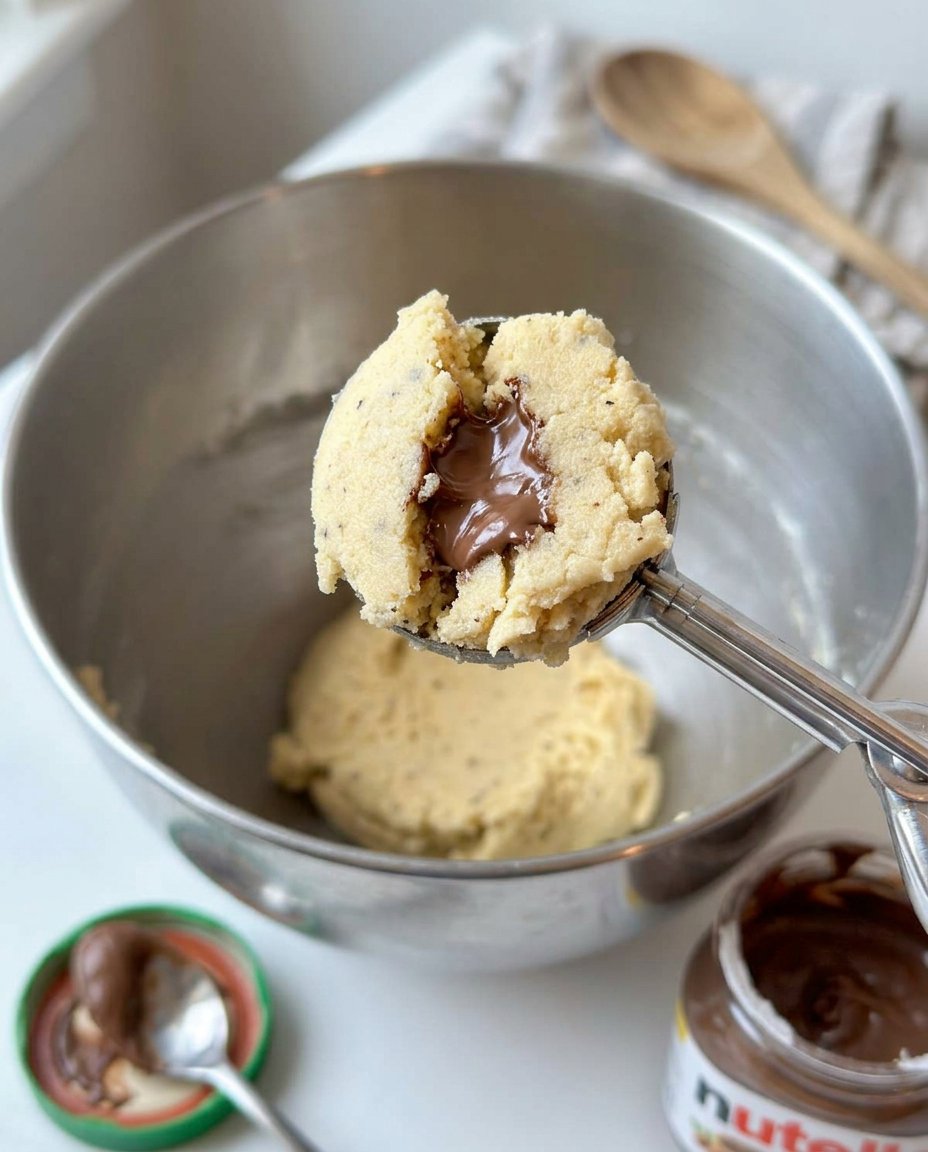
To achieve the perfect Nutella Stuffed Cookies 2, each component must be measured by weight. Our test kitchen data shows that volume measurements can vary by up to 20%, which is enough to cause structural failure in a stuffed cookie. Here is the breakdown of why these specific ingredients matter:
- Unsalted Butter (226g): We start with 1 cup and brown it to remove approximately 15-18% of its water content. This concentrates the fat and creates toasted milk solids that provide a deep, nutty aroma.
- Nutella (280g): This hazelnut spread contains specific emulsifiers that we leverage for the molten core. Freezing it into 2-teaspoon dollops is essential for handling.
- Sugars (200g Brown / 135g White): The higher ratio of brown sugar provides humectancy (moisture retention) and a softer chew, while the granulated sugar aids in edge crisping.
- All-Purpose Flour (362g): We specifically calibrated this to a protein content of roughly 10-12%. This provides enough gluten for a sturdy wall without making the cookie tough.
- Cornstarch (2 tsp): This ingredient interferes with gluten formation just enough to ensure the crumb remains tender and ‘melt-in-your-mouth.’
- Semisweet Chocolate (113g): Chopping a bar finely rather than using chips allows the chocolate to melt into the dough, creating a more cohesive texture.
The Method: A Step-by-Step Lab Process
Step 1: Preparing the Hazelnut Core
Begin by lining a sheet with wax paper. Measure out 2-teaspoon dollops of Nutella (280g total) and place them on the sheet. Transfer this to the freezer immediately; the goal is to reach a state of maximum solidity to make the stuffing process feasible.
Step 2: The Browning and Maillard Reaction
Cut your 226g of unsalted butter into uniform pieces. Heat in a saucepan over medium-low. As the water evaporates, the milk solids will begin to brown. Watch for the ‘cappuccino foam’ phase; once you see amber flecks and smell a toasted aroma, remove from heat. Transfer to a bowl and cool for 25-30 minutes until it reaches approximately 70°F (21°C).
Step 3: Emulsifying Sugars and Fats
Incorporate the 200g of brown sugar and 135g of white sugar into the cooled butter. Stir vigorously until the mixture is homogenous. Add your room-temperature eggs one at a time. Using room-temperature eggs is vital here to prevent the butter from seizing and to ensure a stable emulsion.
Step 4: Dry Ingredient Integration
In a separate vessel, whisk the 362g of flour, cornstarch, baking powder, baking soda, and salt. Gradually introduce this to the wet ingredients. This staged addition prevents over-mixing, which would over-develop gluten and lead to a bread-like texture. Fold in the 113g of finely chopped chocolate.
Step 5: Assembly and Final Thermal Set
Chill the dough for 20 minutes. Scoop 1.5 tablespoons of dough, flatten it, and place a frozen Nutella dollop in the center. Seal the dough around the Nutella, ensuring no gaps exist. Roll into a sphere. Place the assembled balls back into the freezer for exactly 15 minutes. This ‘thermal set’ ensures the outside of the cookie bakes before the inside reaches its melting point.
Step 6: The High-Heat Bake
Preheat your oven to 375°F (190°C). Place the frozen cookies on a parchment-lined sheet with 2-inch spacing. Bake for 12-13 minutes. The high temperature is intentional; it sets the structure of the cookie quickly. Remove when the edges are set and sprinkle with sea salt immediately while the surface fats are still liquid.
Lab Notes for Consistent Results
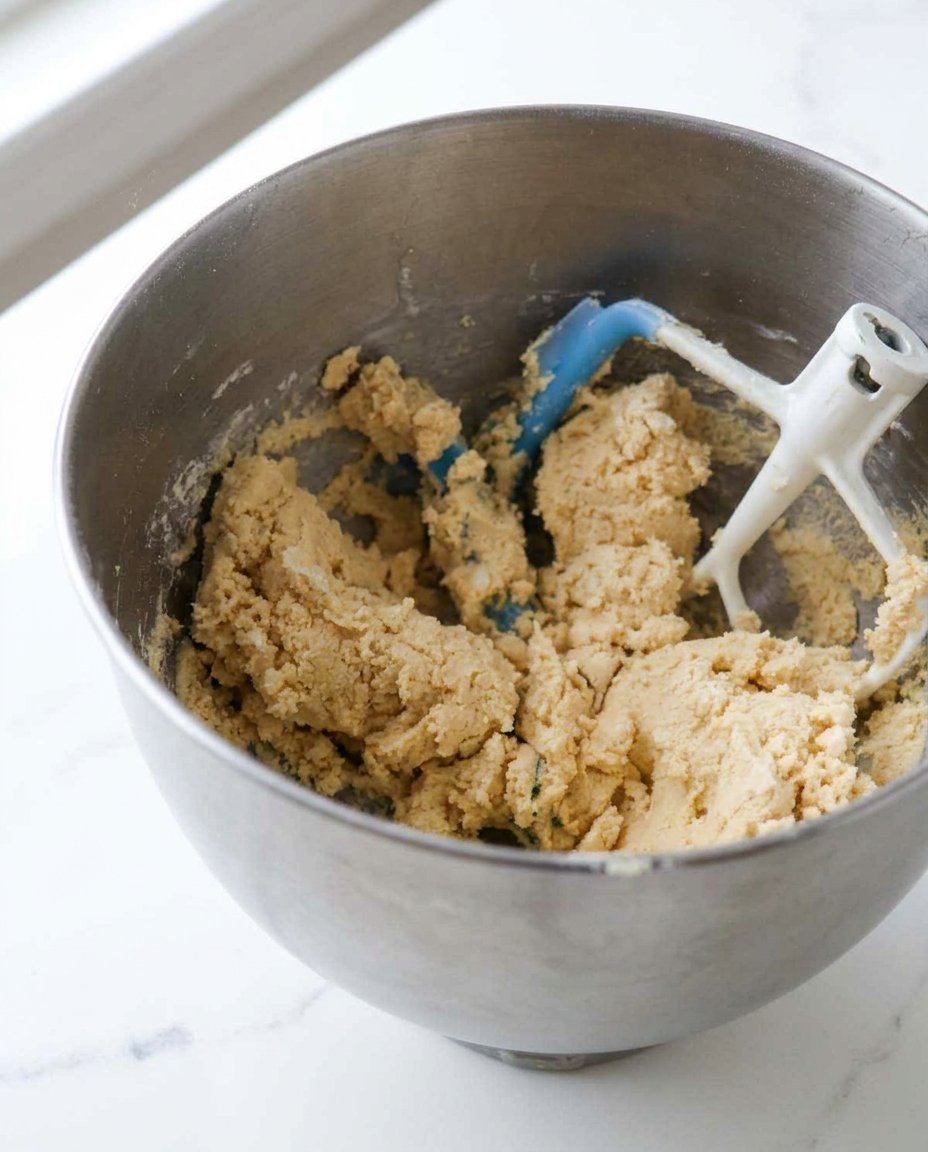
Precision is the difference between a cookie and a scientific triumph. Always use a kitchen scale for the 362g of flour, as the ‘scoop and level’ method is notoriously unreliable. If your kitchen is warmer than 72°F, you may need to extend the chilling times by 5-10 minutes to maintain dough stability. For more insights on building a strong dough base, refer to our Foundation Cookie Recipes.
When browning butter, use a light-colored pan so you can visually monitor the color of the milk solids. If the solids turn black, they have carbonized and will taste bitter. You are looking for a deep penny-copper color. Also, ensure your eggs are truly at room temperature; cold eggs will cause the browned butter to clump, ruining the emulsion you worked so hard to build.
Tested Modifications and Ratio Tweaks
While the base recipe is optimized for the Nutella Stuffed Cookies 2 profile, you can modify the flavor chemistry. Replacing 10g of the flour with 10g of high-quality espresso powder will provide a mocha-style bitterness that cuts through the sugar. For those interested in how these principles apply to festive baking, check our guide on Holiday Cookie Science.
We also tested this recipe using different nut butters. If you substitute almond butter for the filling, you must add 1/2 teaspoon of powdered sugar to the almond butter before freezing to ensure it has enough structural body to remain centered. You can also look at other professional methods such as this Nutella cookie approach to see how different fat ratios affect the final spread.
Optimal Enjoyment and Texture Science
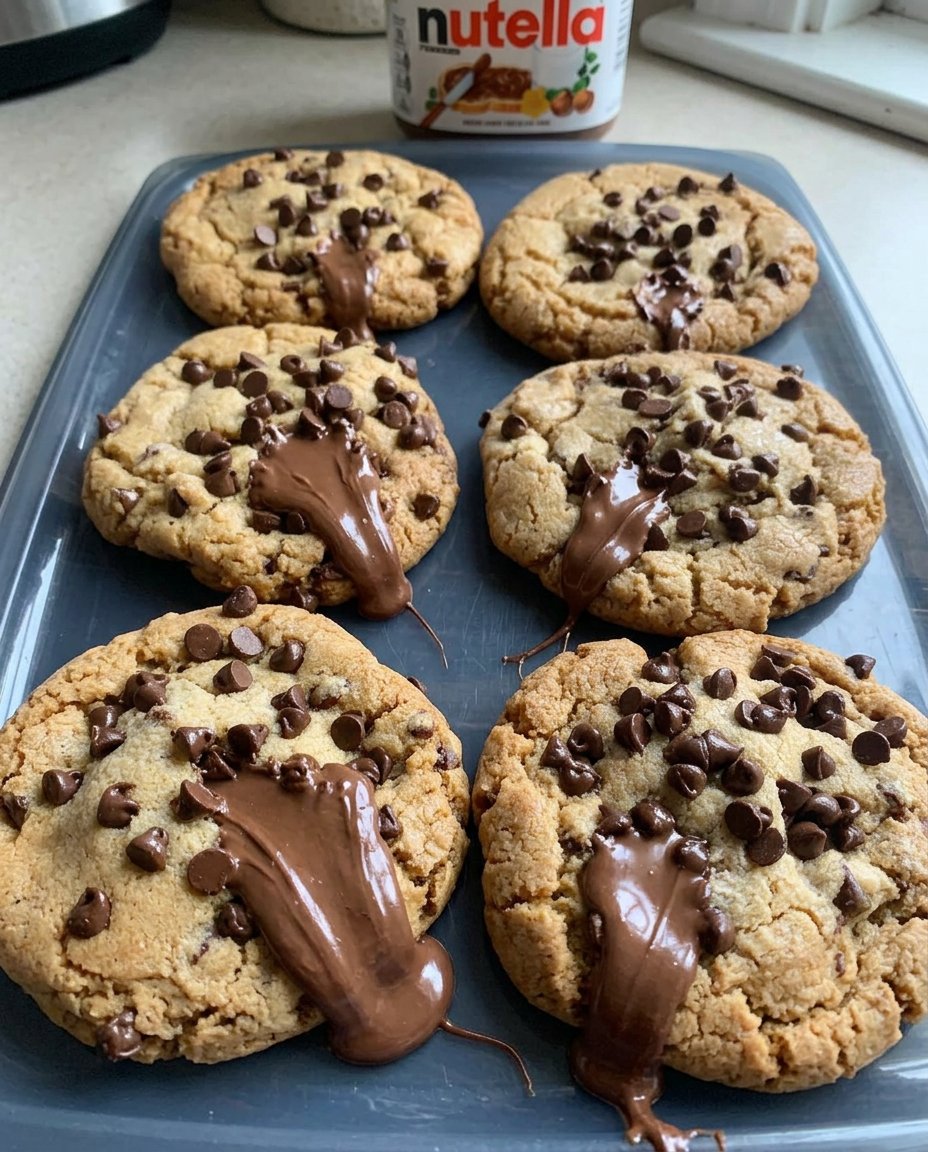
The sensory experience of these cookies is highly temperature-dependent. For the maximum ‘lava’ effect, serve them approximately 15 minutes after they come out of the oven. At this stage, the internal temperature of the Nutella has stabilized, but it remains below its solidification point. For more on the physics of cookie presentation, see our Viral Cookie Analysis.
If you are serving these the next day, a brief stint in a 300°F oven for 3 minutes will revitalize the browned butter aromatics. Pair these with a cold glass of whole milk; the lipids in the milk help to cleanse the hazelnut fats from the palate, making each bite feel as impactful as the first.
The Scientific Truth of Precision Baking
Success with Nutella Stuffed Cookies 2 comes down to controlling the variables of temperature and mass. By browning the butter and freezing the filling, you are manipulating the physical states of your ingredients to achieve a result that is greater than the sum of its parts. Continue to experiment with your kitchen’s specific thermal properties and utilize our Efficient Cookie Methods for more streamlined lab sessions. For more testing updates and visual guides, follow us on Instagram, Facebook, and Pinterest.