While investigating the molecular structure of grain-free doughs, I discovered that the specific aroma compounds in almond flour trigger a profound sensory response when combined with the floral esters in raw honey. This scientific interaction creates a unique olfactory profile that bypasses the need for traditional grains by stimulating the same neural pathways as classic wheat-based treats. By focusing on the aroma chemistry of the ingredients, we can create a Paleo Chocolate Chip experience that is analytically satisfying and deeply nostalgic.

This recipe centers on a precise emulsion of healthy fats and natural sugars to achieve a soft, pliable crumb. We focus on the interplay between the medium-chain triglycerides in coconut oil and the moisture-attracting properties of honey to maintain structural integrity without gluten. This approach treats baking as a study in lipid-sugar dynamics, ensuring every bite is a perfect balance of texture and taste.
The Flavor Science of Paleo Chocolate Chip
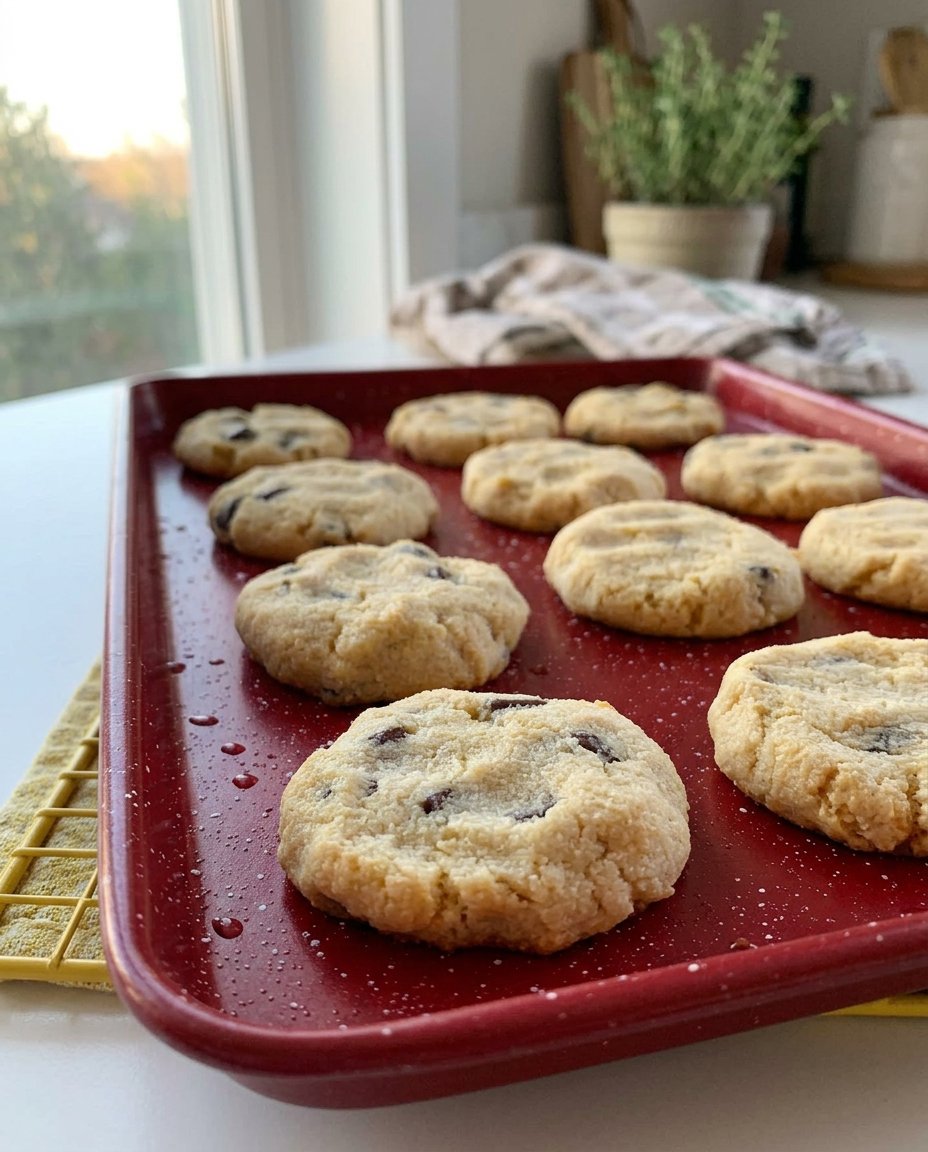
The chemistry of this cookie is rooted in the balance of lipids and aromatic intensity. Almond flour provides a high concentration of fats and proteins that serve as a robust scaffold for the darker, more complex notes of the chocolate. Because we are avoiding refined sugars, we rely on the honey to undergo a rapid Maillard reaction, which creates those beautiful honey-gold edges and complex toasted flavor compounds known as pyrazines.
We also pay close attention to the vanillin molecules in our vanilla extract. These compounds interact with the theobromine in the dark chocolate to amplify the perception of sweetness without adding extra glucose. This is a scientific strategy known as flavor layering, where one ingredient boosts the sensory impact of another through cross-modal reinforcement. By understanding these interactions, we create a cookie that feels indulgent while remaining biologically compatible with a paleo lifestyle.
Print
Paleo Chocolate Chip
- Total Time: 20 mins
- Yield: 12 cookies
- Diet: Paleo, Gluten-Free
Description
These grain-free chocolate chip cookies leverage the scientific synergy between almond flour and honey to achieve a soft, chewy texture without traditional grains. By focusing on lipid-sugar dynamics and flavor layering, this recipe creates a nostalgic treat that is both nutritionally dense and deeply satisfying.
Ingredients
- 1 cup Almond Flour
- 1/4 cup Coconut Oil, melted
- 1 tbsp Honey
- 1/4 cup Mini Dark Chocolate Chips
- 1 tsp Vanilla Extract
- 1 tbsp Almond Milk
- 1/4 tsp Baking Soda
- Pinch of Salt
Instructions
- In a large glass bowl, whisk together the melted coconut oil, honey, vanilla, and almond milk until a stable emulsion is formed.
- In a separate bowl, whisk the almond flour, salt, and baking soda, ensuring all clumps are broken up to increase the total surface area for better absorption.
- Slowly pour the dry ingredients into the wet mixture and stir with a silicone spatula until a cohesive, malleable dough forms.
- Gently fold in the mini dark chocolate chips to ensure an even distribution throughout the dough matrix.
- Preheat the oven to 350 degrees F and line a baking sheet with parchment; scoop tablespoon-sized portions, shape into discs, and bake for 8 to 12 minutes until edges are golden.
Notes
To ensure the best structural integrity, allow the cookies to cool completely on a wire rack so the healthy fats can set. Using mini chocolate chips rather than full-sized ones ensures that every bite has a balanced ratio of chocolate to dough, while the small amount of almond milk provides the necessary hydration to activate the leavening agent effectively.
- Prep Time: 10 mins
- Cook Time: 10 mins
- Category: Dessert
- Method: Baking
- Cuisine: American
Taste Building Blocks
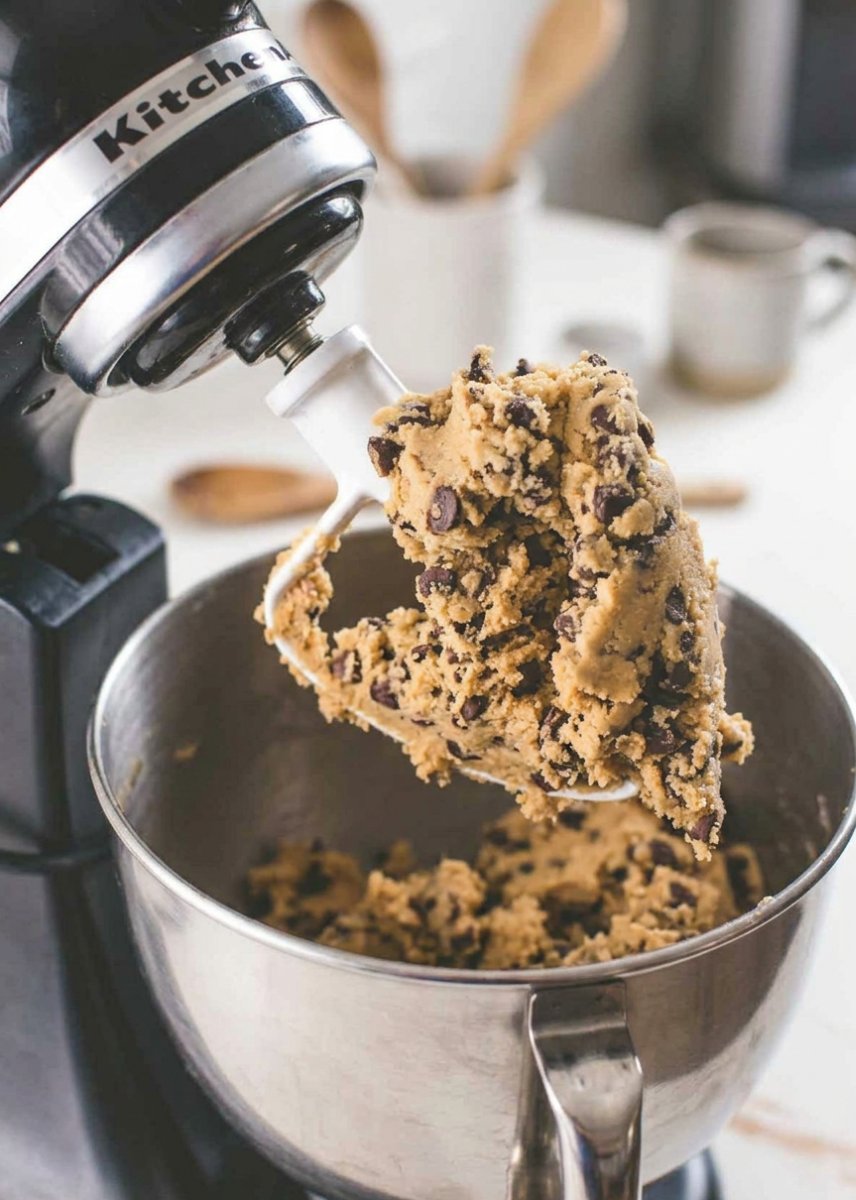
Each component in this formula is selected for its specific chemical contribution to the final flavor profile and structural stability. We avoid fillers and focus on ingredients that offer high nutrient density and powerful taste potential.
- Almond Flour (1 cup): This provides the base structure. Its high fat content results in a tender mouthfeel, while its proteins contribute to the browning process during baking.
- Coconut Oil (1/4 cup, melted): As a saturated fat, coconut oil provides the necessary viscosity and mouthfeel that mimics traditional butter. It creates a stable emulsion with the liquid sweeteners.
- Honey (1 tbsp): This natural invert sugar is highly hygroscopic, meaning it attracts and holds moisture, which is critical for preventing grain-free cookies from becoming dry.
- Mini Dark Chocolate Chips (1/4 cup): These are packed with polyphenols. The smaller size allows for a more even distribution of chocolate throughout the matrix, ensuring a consistent chocolate-to-dough ratio in every bite.
- Vanilla Extract (1 tsp): We use this for its concentrated vanillin, which acts as a bridge between the nuttiness of the almond and the bitterness of the dark chocolate.
- Almond Milk (1 tbsp): This small amount of hydration helps activate the leavening agent and provides a smoother consistency to the dough.
- Baking Soda (1/4 tsp) and Salt (Pinch): The baking soda reacts with the acidity in the honey to create carbon dioxide, while the salt suppresses any latent bitterness in the almond flour, making the sweet notes more prominent.
The Flavor Method
Step 1: Initialize the Wet Emulsion
In a large glass bowl, combine the melted coconut oil, honey, vanilla, and almond milk. Whisk these together vigorously to create a stable emulsion where the lipids and aqueous components are fully integrated. This step is vital for ensuring a consistent texture across the entire batch.
Step 2: Combine Dry Structural Components
In a separate vessel, whisk the almond flour, salt, and baking soda. It is important to break up any clumps of almond flour at this stage. Removing lumps increases the total surface area, allowing the dry ingredients to absorb the wet components more efficiently.
Step 3: Integrate the Phases
Slowly pour the dry ingredients into the wet mixture. Use a silicone spatula to stir the mixture until a cohesive dough forms. The proteins in the almond flour will begin to hydrate, creating a thick, malleable consistency that holds its shape when pressed.
Step 4: Distribute the Flavor Payloads
Fold in the mini dark chocolate chips. Aim for a randomized but even distribution so that the heat-sensitive chocolate is protected by the surrounding dough during the initial stages of the bake.
Step 5: Thermal Processing and Cooling
Preheat your oven to 350 degrees F and line a sheet with parchment. Scoop tablespoon-sized portions and form them into discs. Bake for 8 to 12 minutes. Monitor for the moment the edges turn honey-gold, signaling the completion of the Maillard reaction. Let them rest for 5 minutes to allow the lipids to set before transferring to a wire rack.
Jasmine’s Flavor Notes
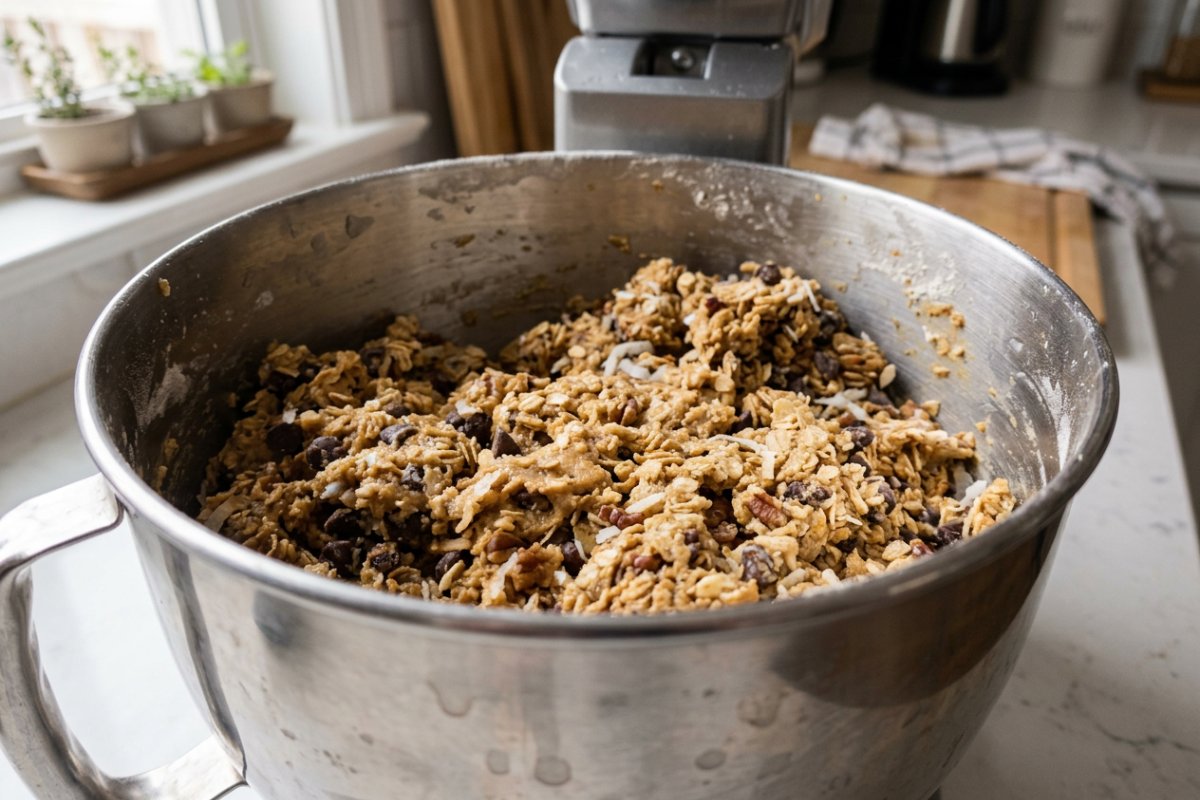
To maximize the flavor complexity of these cookies, I recommend toasting your almond flour in a dry pan for three minutes before mixing. This heat-induced treatment begins the development of nutty pyrazines before the cookie even enters the oven. If you find your dough is too soft, refrigerate it for fifteen minutes; this allows the coconut oil to partially solidify, which helps prevent over-spreading. For those interested in the foundational science of these techniques, our Foundation Cookie Recipes provide a deeper look at dough stability. Additionally, choosing high-quality chocolate is paramount, as the Paleo Grubs method suggests that the purity of your cacao directly impacts the final antioxidant count and flavor depth. Always apply your salt in a fine dusting after baking to ensure it hits the taste buds first, heightening the perception of all other flavors.
Scientific Swaps
If you wish to modify the aromatic profile, you can swap the vanilla extract for almond extract. This change intensifies the benzaldehyde compounds, creating a marzipan-like depth that pairs beautifully with the chocolate. For a holiday-themed version, you can consult our Holiday Cookie Science guide for ratios on adding cinnamon or nutmeg, which contain cinnamaldehyde and myristicin to stimulate seasonal scent memories. You may also replace the honey with maple syrup; however, keep in mind that maple syrup has a higher water content and a different sugar profile, which will result in a slightly crispier edge and a distinct woody flavor from the presence of vanillin-related compounds in the syrup.
Flavor Pairings
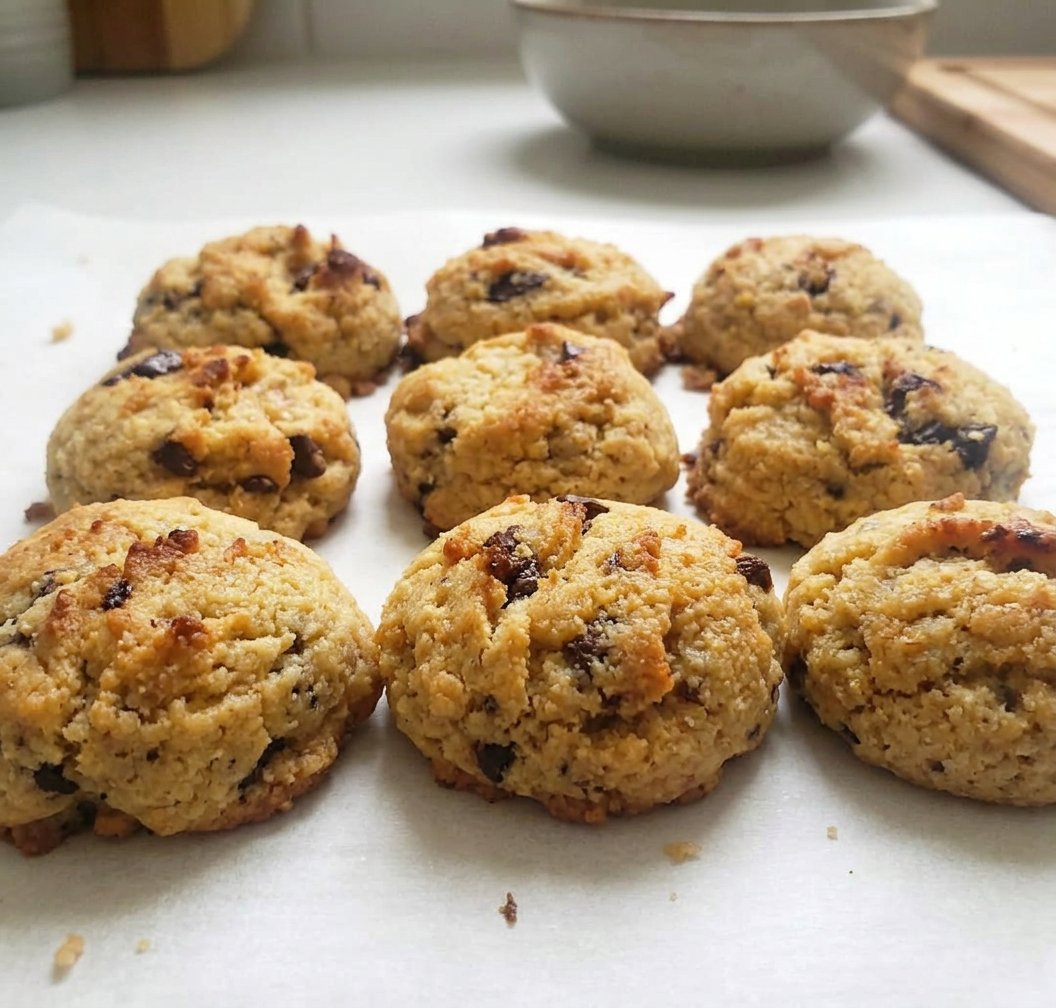
These cookies are best served at slightly above room temperature to allow the coconut oil to soften, which releases the fat-soluble flavor compounds from the chocolate. Pair them with a cup of black coffee; the bitterness of the coffee’s chlorogenic acids provides a sharp contrast that makes the sweetness of the honey more vibrant. You can also analyze how these textures compare to other popular trends in our Viral Cookie Analysis section. For a more scientific experience, try serving them alongside a glass of unsweetened almond milk to reinforce the primary almond notes through a technique known as flavor echoing.
The Flavor Truth
Baking without grains is not about compromise; it is about understanding the chemistry of alternative ingredients to achieve a superior result. By balancing the fatty acids in almond flour with the aromatic complexity of honey and dark chocolate, we create a Paleo Chocolate Chip cookie that stands on its own scientific merit. To learn more about streamlining your baking process, check out our Efficient Cookie Methods. We invite you to share your flavor discoveries with our community on Instagram and Pinterest. Continue your journey of taste discovery and keep pairing with intention.