Victorian confectioners understood that managing sugar crystallization was the secret to success in a kitchen without consistent oven temperatures. These No Bake Chocolate Oatmeal Cookies represent a bridge between 19th-century fudge-making techniques and the practical, mid-century demand for efficient family treats. The method relies on the precision of a rolling boil, a technique that home cooks once mastered by observation rather than digital thermometers.

While many view these as simple biscuits, the chemistry involves creating a stable emulsion of fats and sugars that perfectly hydrates the oats. By following these methodical steps, you will achieve a structural integrity that prevents the common pitfalls of being too dry or failing to set properly. This is a technical bake disguised as a quick preparation, requiring focus during the critical boiling phase.
The Science Behind No Bake Chocolate Oatmeal Cookies
Traditional bakers valued recipes that produced reliable results without the variables of oven heat distribution. These No Bake Chocolate Oatmeal Cookies are a triumph of stove-top chemistry, utilizing the specific heat capacity of a sugar syrup to bind proteins and fibers. The tradition of the “Preacher Cookie”—so named because they could be prepared before a visiting minister arrived—highlights the efficiency of the method.
You will appreciate the deep, complex profile that develops when cocoa powder is subjected to the high heat of a rolling boil. This process blooms the chocolate, releasing volatile compounds that would otherwise remain dormant. The combination of creamy peanut butter and hearty oats creates a biscuit that is both structurally sound and remarkably satisfying. It is a tested formula that has survived generations because the underlying ratios are scientifically sound.
Print
No Bake Chocolate Oatmeal Cookies
- Total Time: 15 mins
- Yield: 24 cookies
- Diet: Vegetarian
Description
These traditional no-bake treats combine the rich flavor of bloomed cocoa with creamy peanut butter and hearty quick oats. Relying on precise stovetop chemistry rather than oven temperatures, they deliver a satisfyingly fudgy texture and a perfect set every time.
Ingredients
- 2 cups granulated white sugar
- 1/2 cup unsalted butter
- 1/2 cup whole milk
- 1/4 cup unsweetened cocoa powder
- 1 pinch fine sea salt
- 3 cups quick-cooking oats
- 1/2 cup creamy peanut butter
- 1 teaspoon pure vanilla extract
Instructions
- Line a large flat baking sheet with parchment or waxed paper and measure all ingredients in advance to ensure a smooth assembly.
- In a heavy-bottomed saucepan, combine the granulated sugar, unsalted butter, whole milk, cocoa powder, and fine sea salt.
- Place the pan over medium-high heat and stir constantly until the butter is melted and the mixture is well blended.
- Bring the mixture to a full rolling boil—where bubbles rise vigorously even while stirring—and boil for exactly two minutes.
- Immediately remove the saucepan from the heat and fold in the quick-cooking oats, creamy peanut butter, and vanilla extract until the oats are thoroughly coated.
- Working quickly, drop rounded spoonfuls of the mixture onto the prepared baking sheet using a scoop or two teaspoons.
- Allow the cookies to sit undisturbed at room temperature for at least 30 minutes until they are fully set and firm to the touch.
Notes
For the most consistent results, ensure your ‘rolling boil’ is vigorous across the entire surface of the liquid before you start your timer. If you are working in a humid environment, you may need to extend the boil time by thirty seconds to help the sugar reach the proper set point. Using quick-cooking oats is vital here, as they absorb the syrup more efficiently than thick-rolled oats, resulting in a cohesive cookie that won’t crumble.
- Prep Time: 10 mins
- Cook Time: 5 mins
- Category: Dessert
- Method: No-Bake
- Cuisine: American
Components for Structural Integrity
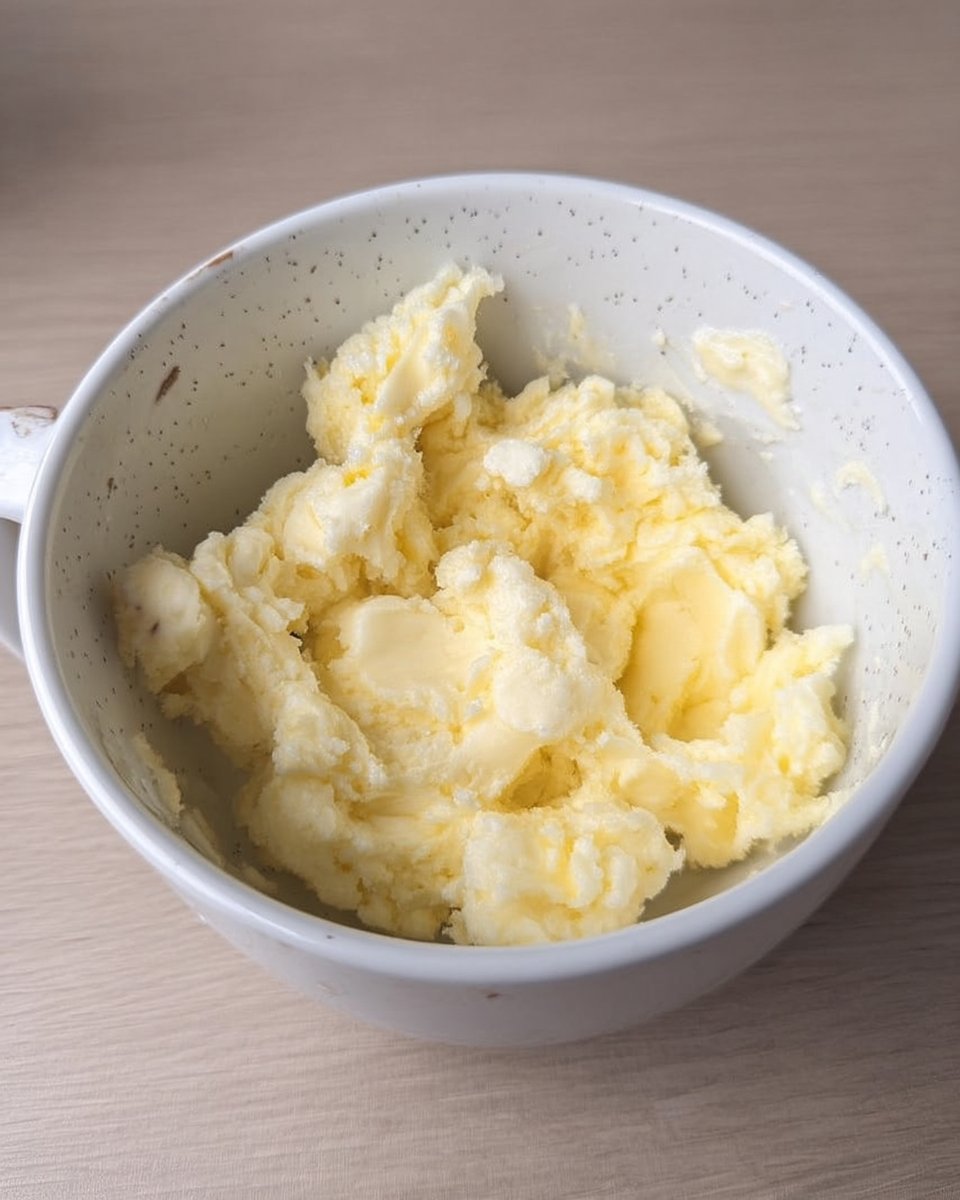
To achieve the perfect texture, one must understand the role of each component within this traditional formula. The balance of sucrose, lipids, and complex carbohydrates is what defines the final set. Proper selection of ingredients is paramount for the technical success of the biscuit.
- Granulated White Sugar: This is the primary structural agent. When boiled with milk and butter, it reaches a stage near the soft-ball point, which provides the “snap” and hold once cooled.
- Unsalted Butter: Provides the necessary fats for a smooth mouthfeel. Using high-quality butter with a low water content is preferred for a richer emulsion.
- Whole Milk: The liquid medium that dissolves the sugar. The proteins in milk help stabilize the mixture during the rapid boiling phase.
- Unsweetened Cocoa Powder: This provides the structural depth and chocolate flavor. Boiling the cocoa helps to eliminate any grittiness by hydrating the particles thoroughly.
- Quick-Cooking Oats: These are essential because they have a greater surface area than old-fashioned rolled oats. This allow for rapid absorption of the syrup, creating a cohesive structure before the mixture cools.
- Creamy Peanut Butter: Acts as a secondary emulsifier and stabilizer. The fats and proteins in the peanuts prevent the sugar from becoming too brittle.
- Pure Vanilla Extract: Added at the end to preserve the aromatic compounds that would otherwise evaporate during the boil.
- Fine Sea Salt: A single pinch is necessary to balance the sweetness and highlight the cocoa’s natural bitterness.
The Proper Method for No-Bake Success
Step 1: Preparation of Tools and Ingredients
Begin by weighing your ingredients precisely. In the tradition of British biscuit making, accuracy is the foundation of consistency. Line a large flat surface or baking sheet with high-quality waxed paper or parchment. Having your oats, peanut butter, and vanilla measured and ready is critical, as the final assembly must happen quickly before the sugar syrup begins to crystallize.
Step 2: Achieving the Rolling Boil
Combine the sugar, butter, milk, cocoa powder, and salt in a heavy-bottomed saucepan. The choice of pan is important; a heavy base prevents localized hotspots that could scorch the sugar. Heat the mixture over medium-high, stirring constantly until the butter is fully melted and the ingredients are homogenous. Bring the mixture to a full rolling boil—this is the point where bubbles rise vigorously from the center and cannot be stirred down. Start your timer for exactly two minutes. This duration is calculated to reach the precise temperature required for the sugar to set.
Step 3: The Critical Incorporation
Immediately after the two minutes are up, remove the saucepan from the heat. Moving with methodical speed, fold in the quick-cooking oats, peanut butter, and vanilla extract. Use a sturdy wooden spoon to ensure every oat is coated in the chocolate syrup. The residual heat will soften the peanut butter and allow it to integrate smoothly into the emulsion. If you work too slowly, the sugar will start to set in the pan, resulting in a crumbly texture.
Step 4: Portioning and Setting
Using a professional spring-loaded scoop or two teaspoons, drop the mixture onto the prepared paper. Maintain a consistent size for even cooling. The cookies must rest undisturbed at room temperature to allow the sucrose crystals to lock into place. While you can refrigerate them for twenty minutes to speed up the process, a slow cool at room temperature often yields a superior, more traditional texture.
Historical Wisdom for Precision Results
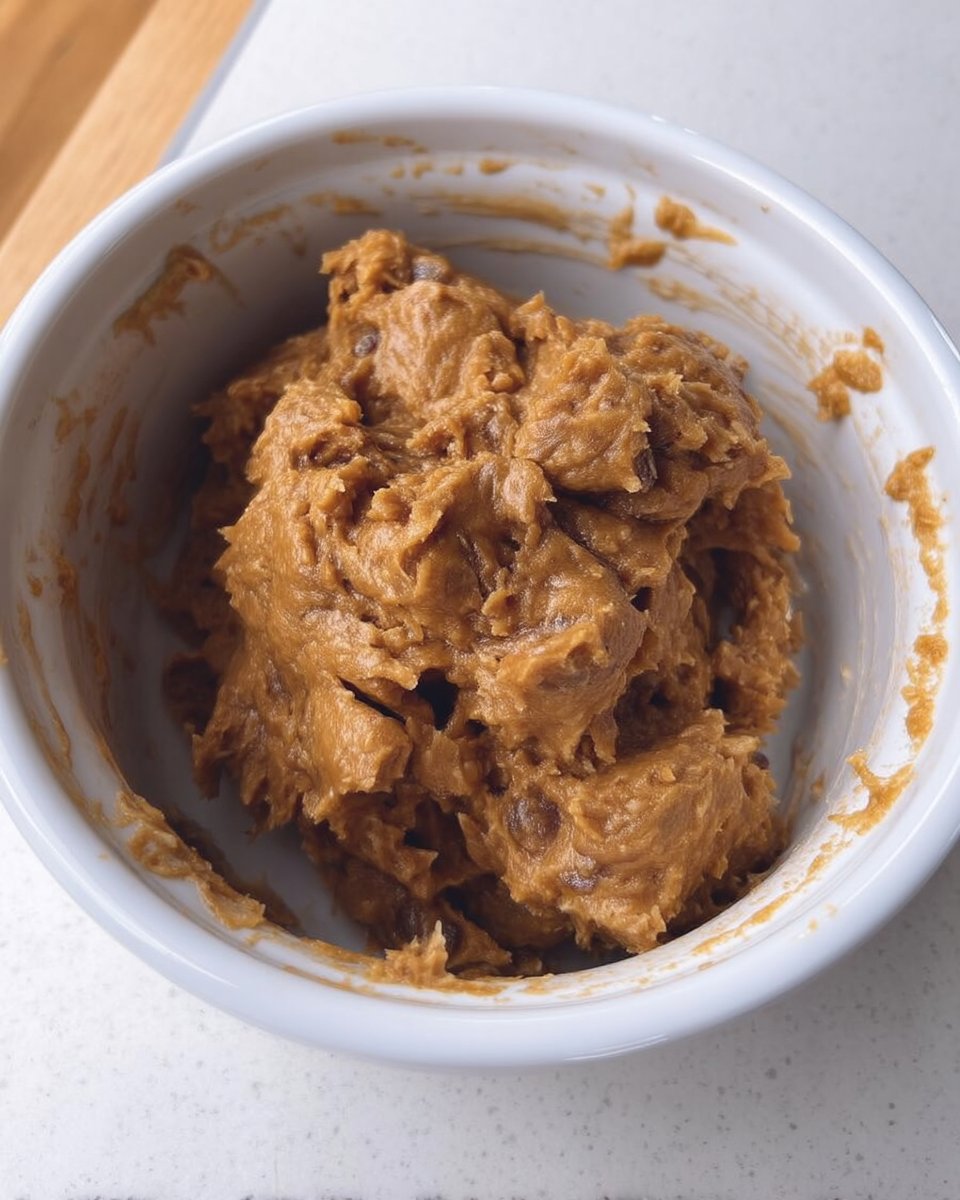
The most frequent error in this method is miscalculating the boil time. Victorian cooks often used the “cold water test” to check the stage of the syrup, but modern timing is more reliable if you start the clock only when the boil is truly “rolling.” If your kitchen is particularly humid, you may need to boil the mixture for an additional thirty seconds to compensate for the moisture in the air. For those interested in the underlying principles of dough and syrup behavior, our guide on Foundation Cookie Recipes provides excellent technical context. Always use a saucepan that is larger than you think you need, as the mixture will foam and expand as it reaches its peak temperature.
Tested Adaptations and Regional Shifts
While the classic recipe is a standard in the Cookies Yum lab, historical variations offer fascinating insights into regional tastes. In some British traditions, a portion of the oats is replaced with desiccated coconut, which adds a different fibrous structure and a subtle tropical note. You might also consider using dark cocoa powder or even a dash of espresso powder to accentuate the bitterness, a technique often explored in our Holiday Cookie Science archives. For a more textured biscuit, crunchy peanut butter can be substituted, providing small bursts of protein that contrast with the smooth chocolate fudge base. For further exploration of similar methods, researchers at AllRecipes suggest no bake cookie ratios that align with these historical methods.
Traditional Service and Preservation
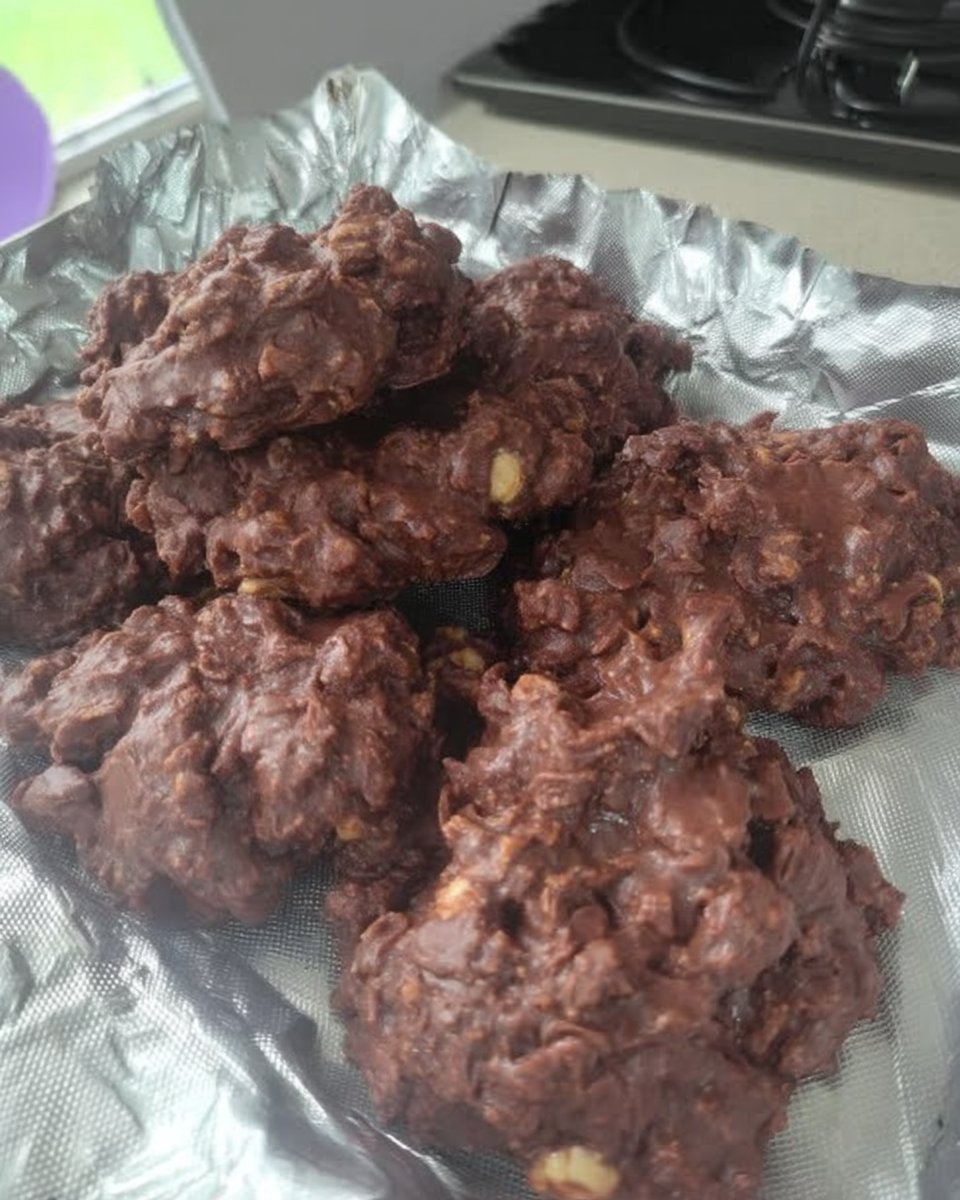
These cookies are best served at room temperature, ideally accompanied by a strong black tea or a glass of cold milk to balance the richness of the cocoa. In the British tradition, they are presented on a tiered stand or a simple ceramic platter. For the best preservation of texture, store them in an airtight container with sheets of waxed paper between the layers. This prevents them from absorbing atmospheric moisture, which can make them sticky. If you are preparing these for a themed event, you might find inspiration in our notes on Precision Cookie Decorating for ways to present these classic treats with modern flair.
The Technical Truth of the No-Bake Biscuit
Mastering No Bake Chocolate Oatmeal Cookies is a reminder that simplicity in ingredients does not mean a lack of technical depth. By respecting the historical methods of sugar work and emulsion, you can produce a consistent, high-quality treat that honors generations of home bakers. We invite you to continue your journey into the mechanics of baking by visiting our section on Efficient Cookie Methods. Please share your results with our community on Pinterest, Instagram, or Facebook. Happy baking.