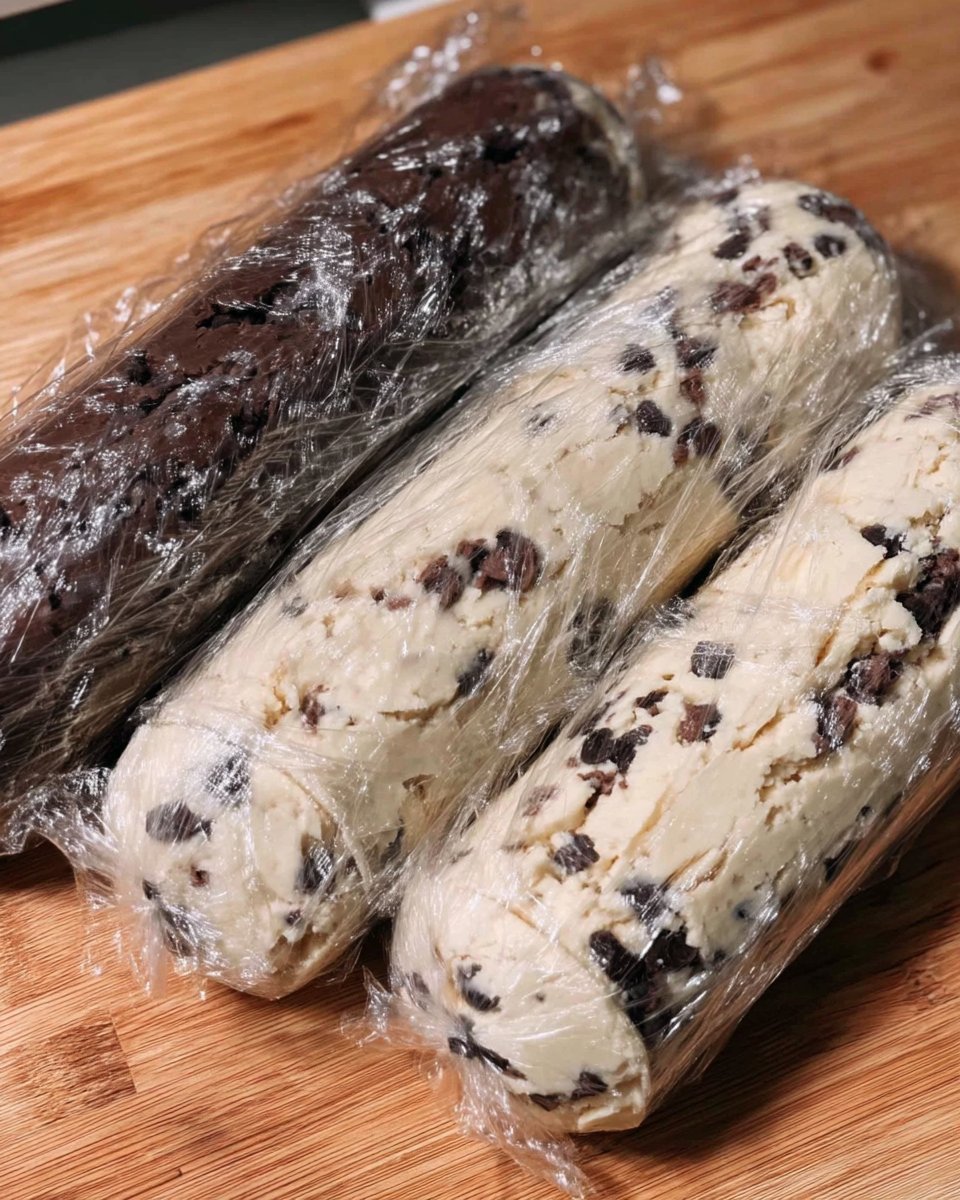
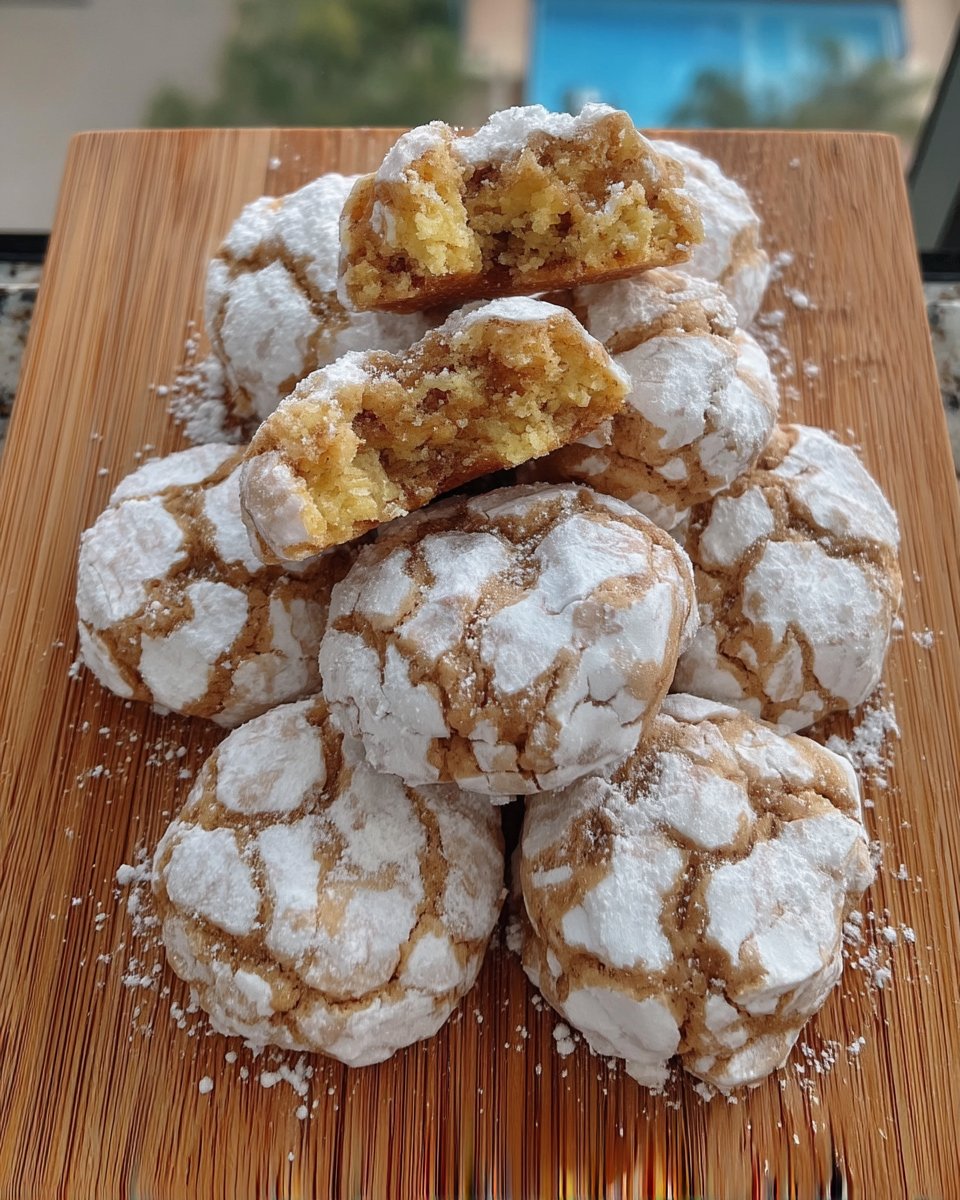
We have all experienced the frustration of a thumbprint cookie that splits wide open the moment you press into it. In the Cookies Yum test kitchen, we discovered that the secret to a structural sound indentation lies in the precise moisture-to-fat ratio and the temperature of the dough during shaping. By balancing hydration, we can create a vessel that holds the jam without compromising the delicate crumb.

This formula utilizes a specific blend of white and brown sugars for flavor complexity, while a key addition of cornstarch inhibits gluten formation for a tender, melt-away texture. The result is a scientifically calibrated cookie that provides the perfect vehicle for fruit preserves, balancing the rich, buttery crumb with the tart viscosity of the filling.
The Science of Texture Control
Unlike standard butter cookies which rely solely on flour for structure, this recipe introduces cornstarch to soften the proteins in the flour. This lowers the overall protein percentage of your dry ingredients, mimicking the effect of cake flour but with more structural integrity. Additionally, using only the egg yolk rather than the whole egg increases the fat content and emulsifying capabilities without adding the excess water found in egg whites, which leads to a fudgier, richer crumb rather than a cakey one.
We also employ a freezing technique before baking. By chilling the shaped and indented dough, we solidify the butter fat. This ensures that when the cookies hit the oven, the outside sets before the fat can melt and spread, preserving that deep, perfect well for your jam.
Print
Thumbprint Cookies
- Total Time: 56 mins
- Yield: 24 cookies
- Diet: Vegetarian
Description
Master the art of the crack-free thumbprint cookie with this scientifically developed recipe that prioritizes structural integrity and a melt-in-your-mouth crumb. By utilizing cornstarch and a specific freezing technique, these buttery vessels perfectly hold your favorite fruit preserves for a professional-grade finish.
Ingredients
- 226g Unsalted Butter, softened
- 70g Granulated Sugar
- 70g Light Brown Sugar
- 1 Large Egg Yolk
- ¾ tsp Vanilla Extract
- 280g All-Purpose Flour
- 2 tsp Cornstarch
- ½ tsp Salt
- 105g Jam or Preserves
- ½ cup Granulated Sugar (optional, for rolling)
Instructions
- In a stand mixer, beat the softened butter until creamy, then add both sugars and beat on medium-high for 30–60 seconds until pale and fluffy.
- Add the egg yolk and vanilla extract, beating well to create a stable emulsion.
- Whisk together the flour, cornstarch, and salt in a separate bowl, then gradually mix into the butter mixture on low speed until combined.
- Shape the dough into 1-tablespoon balls, roll them firmly between your palms to smooth cracks, and roll in optional sugar if desired.
- Press a deep indent into the center of each ball using your thumb or a teaspoon, then freeze the shaped dough on a wax-paper lined plate for 30 minutes.
- Preheat the oven to 375°F (190°C) and briefly warm the jam in the microwave until pliable before spooning it into the frozen cookie indents.
- Arrange cookies 2 inches apart on a parchment-lined sheet and bake for 11 minutes; allow them to cool completely on the baking sheet to set.
Notes
To ensure the best results, use a kitchen scale to measure ingredients by weight, as the moisture-to-fat ratio is critical for preventing the dough from spreading. If the dough seems too firm while mixing in the dry ingredients, finish the process by hand to avoid overworking the gluten while ensuring all flour is fully hydrated.
- Prep Time: 45 mins
- Cook Time: 11 mins
- Category: Dessert
- Method: Baking
- Cuisine: American
Precision Ingredients & Ratios
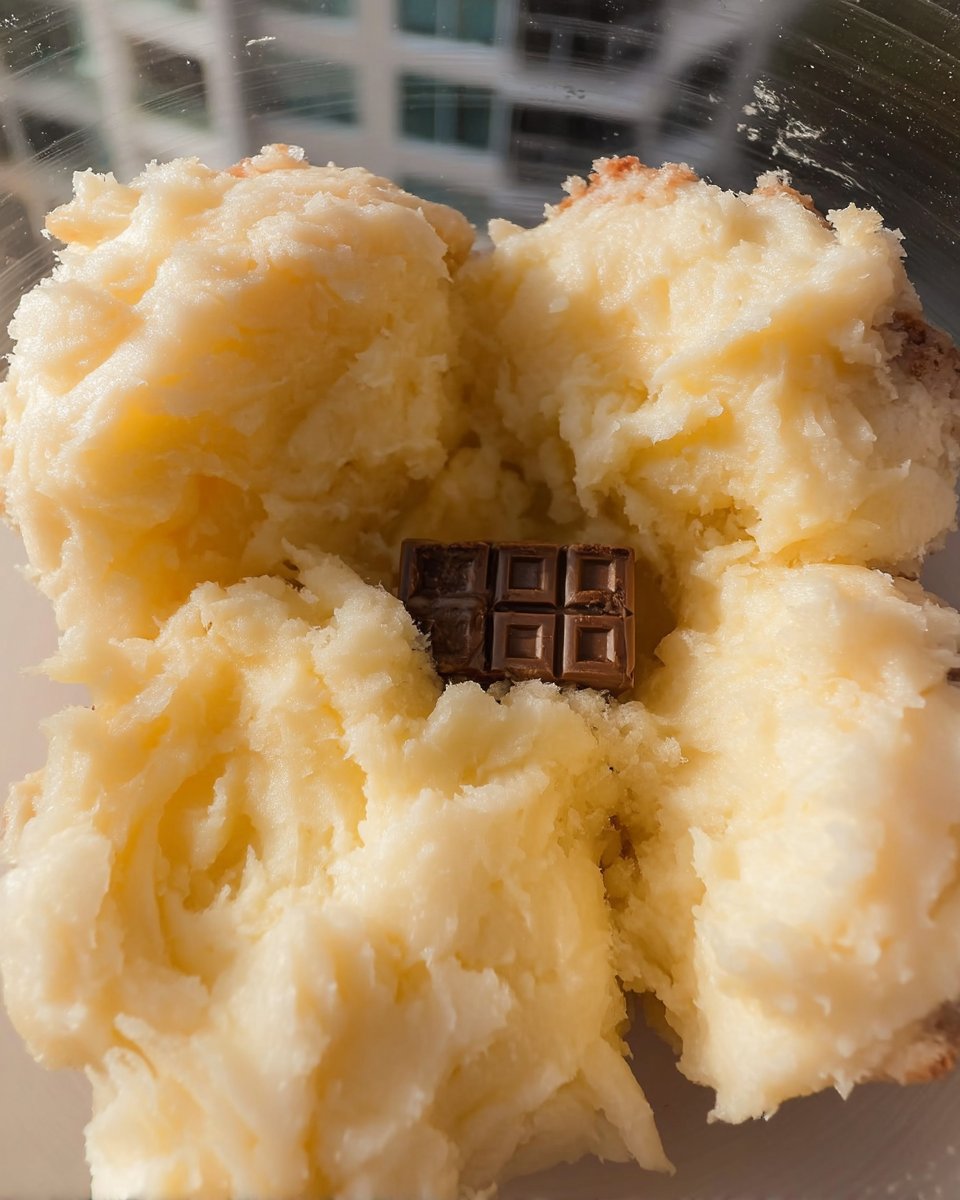
For consistent results, we recommend measuring by weight (grams).
- Unsalted Butter (226g): Must be softened to room temperature (approx. 18°C/65°F). This allows for proper aeration during the creaming process.
- Sugars (70g Granulated / 70g Light Brown): The brown sugar introduces molasses, which is hygroscopic (attracts moisture), contributing to a chewier texture, while the white sugar aids in crisp edges.
- Egg Yolk (1 Large): Provides lecithin for emulsification and fat for richness.
- Vanilla Extract (¾ tsp): Flavor foundation.
- All-Purpose Flour (280g): The structural backbone. Too much yields a dry cookie; too little causes spreading.
- Cornstarch (2 tsp): The tenderizing agent that prevents toughness.
- Salt (½ tsp): Essential for balancing the sweetness.
- Jam or Preserves (105g): We used raspberry, but the viscosity is what matters—choose a preserve that isn’t too runny.
The Method: Controlled Structure
Step 1: Aeration and Emulsion
Place 226g of softened butter in the bowl of a stand mixer. Beat until creamy to begin the aeration process. Scrape down the sides, then add 70g sugar and 70g packed light brown sugar. Beat on medium-high speed for 30–60 seconds. We are looking for a pale, fluffy mixture where the sugar crystals have begun to dissolve into the fat. Add the egg yolk and vanilla extract, beating well to create a stable emulsion.
Step 2: Dry Ingredient Integration
In a separate vessel, whisk together 280g flour, 2 tsp cornstarch, and ½ tsp salt to ensure even distribution of the leavening and tenderizing agents. With the mixer on low, gradually introduce the flour mixture. The dough will appear dry and crumbly initially—this is normal. Pause to scrape the bowl. If the motor strains, switch to manual mixing with your hands to bring the dough together without overworking the gluten.
Step 3: Structural Shaping
Scoop the dough into 1-tablespoon balls. Roll them firmly between your palms. The friction warms the butter slightly, allowing you to smooth out any micro-cracks. This step is critical; if cracks exist now, they will expand in the oven. Roll each ball in the optional ½ cup of extra sugar, then place on a wax-paper lined plate. Gently press an indent into the center using your thumb or the back of a teaspoon.
Step 4: Thermal Setting and Filling
Transfer the shaped dough to the freezer for exactly 30 minutes. This thermal shock sets the structure. Near the end of the freeze time, preheat your oven to 375°F (190°C). Briefly heat your jam in the microwave (5–10 seconds) just until it is pliable but not hot. Spoon the jam into the frozen indents, filling to the brim.
Step 5: Baking
Arrange cookies 2 inches apart on a parchment-lined baking sheet. Bake at 375°F (190°C) for 11 minutes. The goal is for the edges to just begin turning golden brown while the center remains pale. Allow them to cool completely on the baking sheet; the residual heat will finish the cooking process and set the crumb.
Lauren’s Lab Notes: Troubleshooting
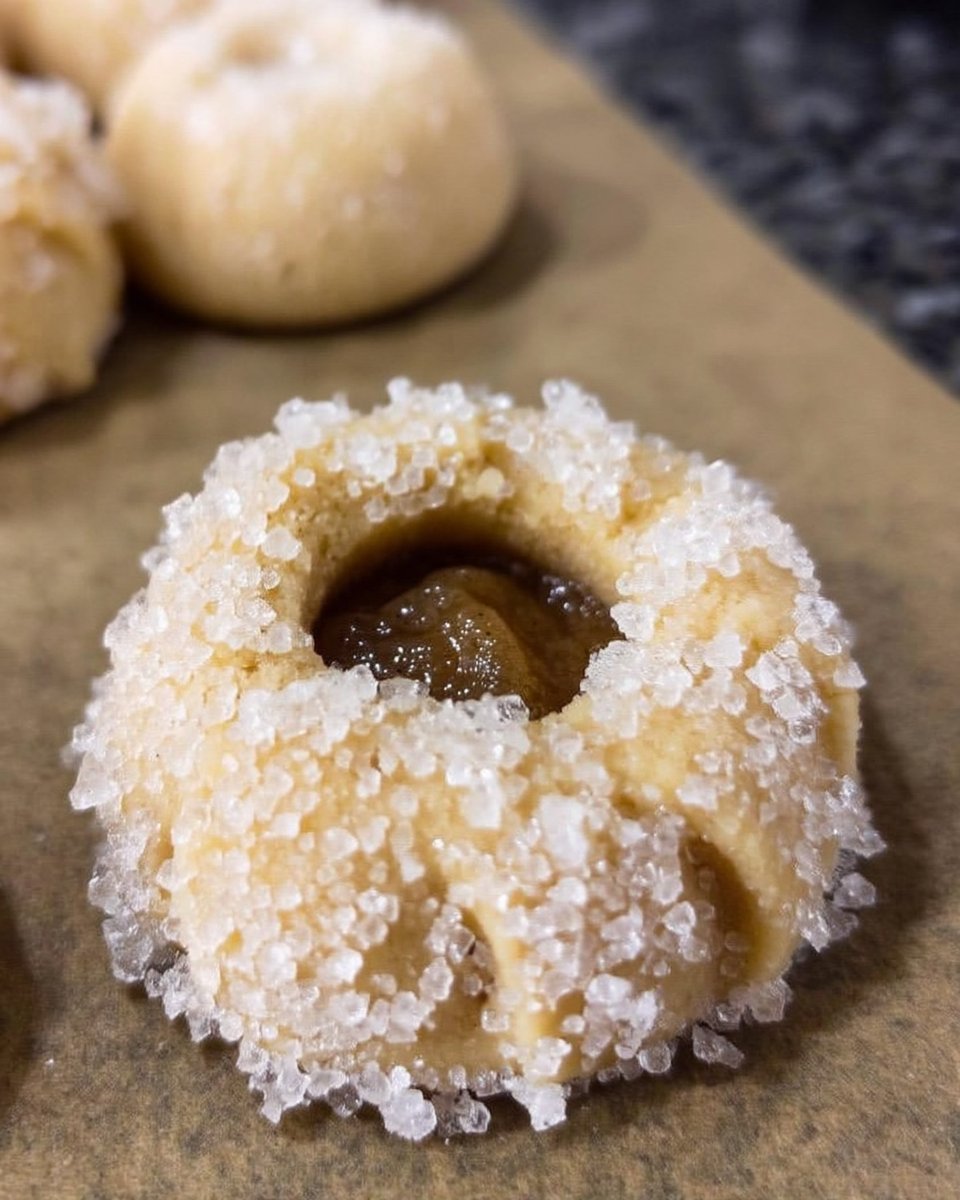
- Preventing Cracks: If your dough creates jagged edges when you press your thumb into it, the dough is likely too cold or hasn’t been rolled smoothly enough. The heat from your hands is a tool—use it to warm the exterior of the ball before pressing.
- The Cornstarch Factor: Do not skip the cornstarch. In our testing, batches without it resulted in a tougher, more bread-like texture rather than the shortbread melt we want.
- Weighing Flour: We cannot stress this enough. A cup of flour can vary from 120g to 150g depending on how it’s scooped. For this recipe, you need exactly 280g. If you don’t have a scale, use the spoon-and-level method.
For more understanding on how base ingredients affect structure, review our Foundation Cookie Recipes.
Tested Modifications
- Texture Contrast: Instead of rolling in granulated sugar, try rolling the dough balls in finely chopped walnuts or pecans before indenting. The oils in the nuts toast during baking, adding a savory crunch that offsets the sweet jam.
- Flavor Profiles: While raspberry is classic, apricot or strawberry preserves work well. Avoid jellies, which have a higher water content and may boil over.
- Chocolate Filling: If you prefer a ganache center, bake the cookies without the jam (you may need to press the indent again halfway through baking as it puffs up). Fill with ganache after cooling.
Experimenting with different fillings is part of the fun—check out our Holiday Cookie Science for more seasonal flavor pairings.
Optimal Temperature & Storage
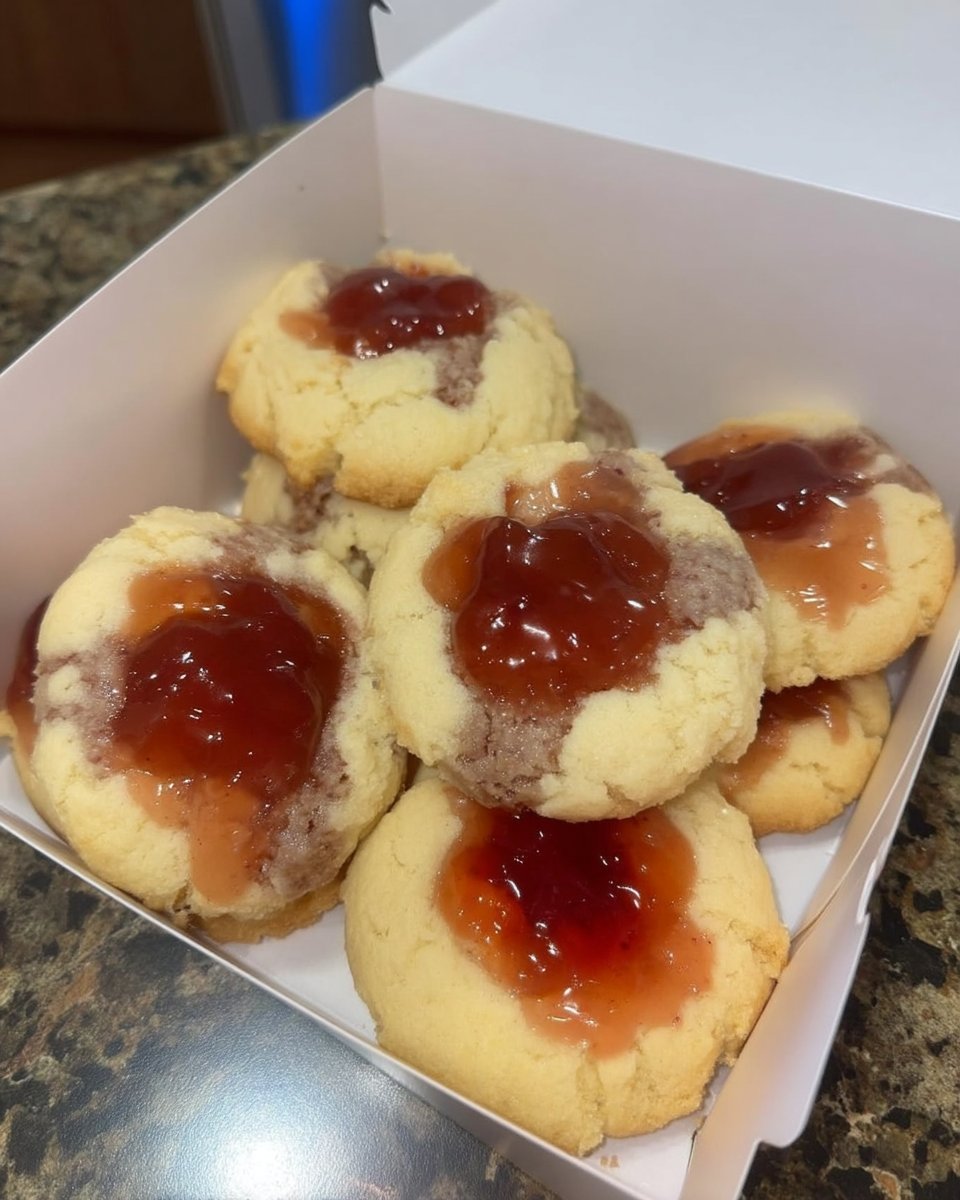
These cookies rely on the recrystallization of the butter fat for their final texture. They are best served at room temperature, where the crumb is firm yet tender. If served too warm, they may crumble structurally.
Store them in an airtight container at room temperature for up to 5 days. Separating layers with wax paper prevents the jam from sticking to the bottoms of other cookies. For longer storage, the baked cookies freeze well for up to 3 months.
If you are baking in bulk, see our guide on Efficient Cookie Methods for workflow optimization.
Final Analysis
The success of a thumbprint cookie relies on the marriage of a sturdy, tender dough and a viscous filling. By adhering to the gram measurements and respecting the freezing time, you control the spread and ensure a professional finish. This recipe is a testament to how simple ingredients, when treated with scientific precision, yield superior results.
For a comparison on how different mixing methods affect spread, read our Viral Cookie Analysis. We also recommend comparing this method to the classic approach found at Sugar Spun Run to see how ratio tweaks change the outcome.
Did you achieve the perfect texture? Share your data with us on Pinterest or tag us on Instagram.