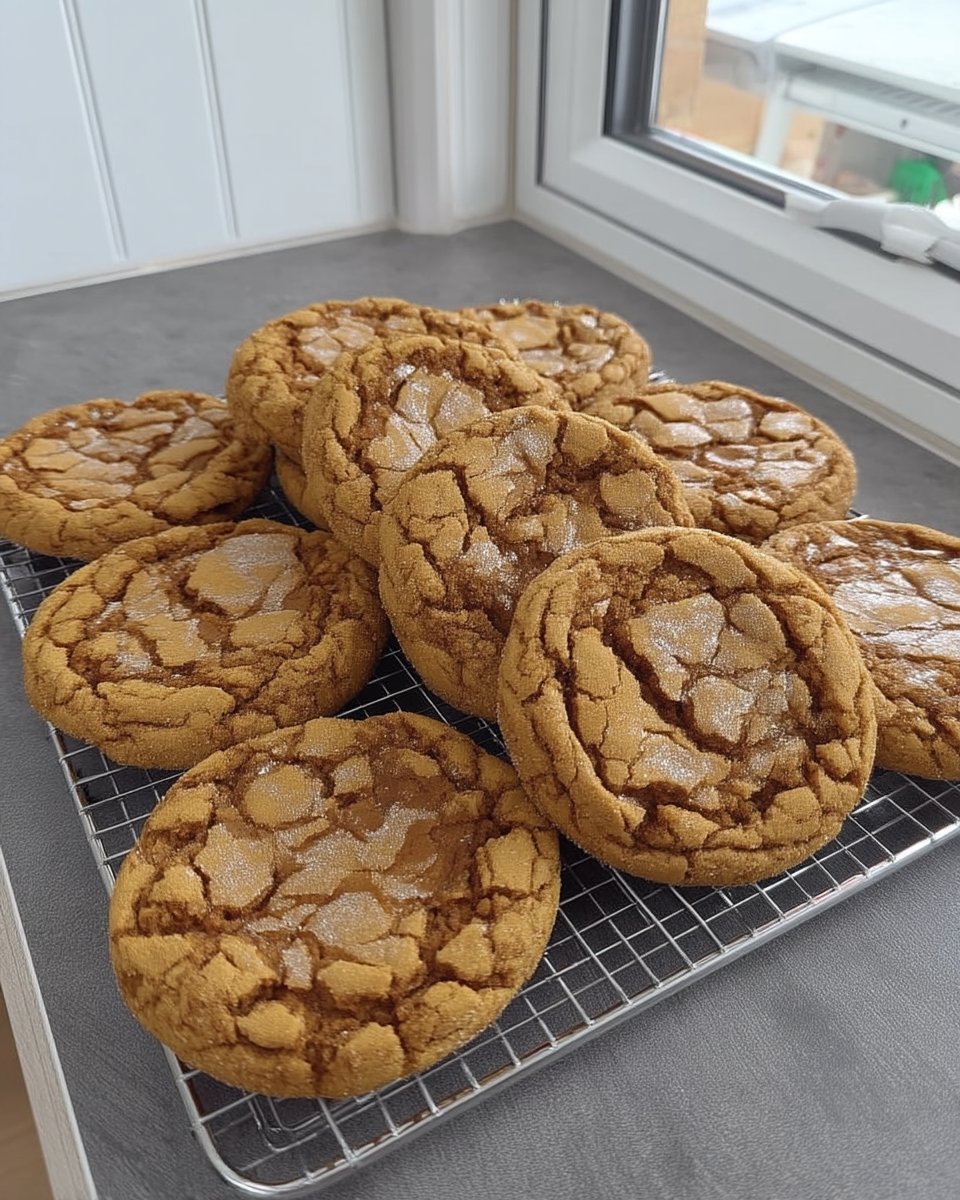
The distinct aroma of holiday baking often comes down to a specific molecular dance between cinnamaldehyde and gingerol. When we work with dried ginger, the heat of the oven transforms these compounds into shogaols, which provide a deeper, more resonant pungency than their fresh counterparts. In my lab-style kitchen, I have found that balancing these volatile oils against the earthy profile of almond flour creates a remarkable sensory experience.

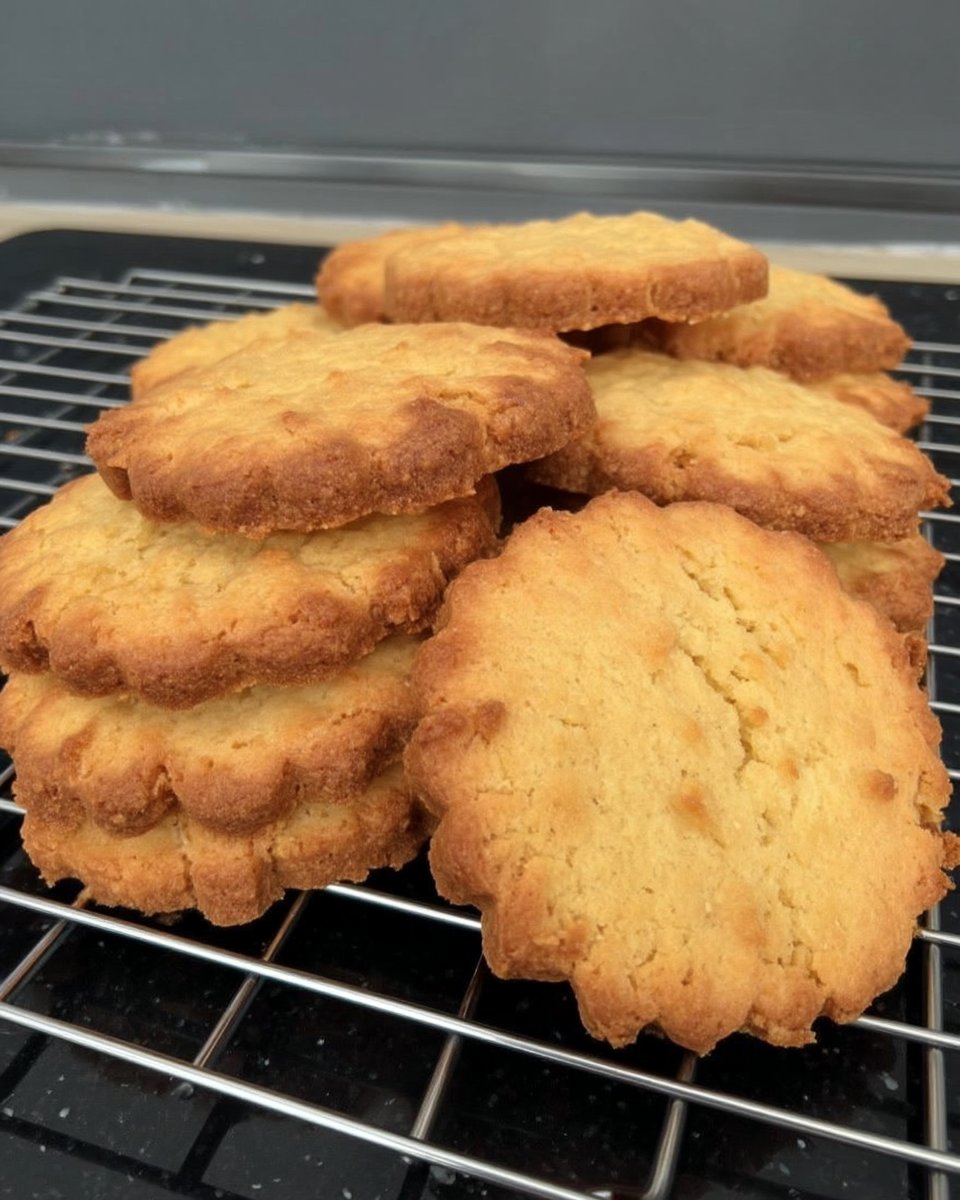
This Paleo Gingerbread formula relies on the humectant properties of molasses and the structural integrity of nut proteins. By removing gluten and refined grains, we allow the authentic taste of the warm spices to stand at the forefront of the flavor profile. These cookies offer a dense, chewy texture that satisfies the palate while maintaining a clean, ingredient-focused approach to traditional holiday treats.
The Flavor Science of Warm Spices
There is a fascinating chemistry behind why we find these cookies so comforting during the colder months. The primary reason involves the way our olfactory receptors interact with the aromatic compounds found in ginger, cinnamon, and allspice. These spices contain phenols and terpenes that stimulate a feeling of warmth on the tongue, even before the physical heat of the cookie is registered. By using almond flour as our base, we provide a high-fat matrix that carries these flavors across the palate more effectively than wheat flour ever could.
The inclusion of molasses is a strategic choice for moisture management. Molasses is naturally hygroscopic, meaning it attracts and holds onto water molecules. In grain-free baking, where dryness can often be a challenge, the molasses acts as a natural softener. This ensures your cookies remain tender for days, as the sugars continue to draw moisture from the air. Furthermore, the dark mineral content of the molasses adds a bitter-sweet complexity that suppresses the perception of oversweetness, creating a balanced and sophisticated profile.
We also observe a beautiful synergy in the Maillard reaction between the coconut sugar and the almond proteins. As the cookies bake, the amino acids and reducing sugars interact to create hundreds of new flavor compounds. This results in a toasted, nutty depth that complements the spicy bite of the ginger. Unlike traditional recipes that might rely on empty calories, every component in this formula serves a specific functional and flavorful purpose, making it a favorite for those who value scientific precision in their baking.
Print
Paleo Gingerbread
- Total Time: 52 mins
- Yield: 12 cookies
- Diet: Paleo, Gluten-Free
Description
Experience a sophisticated take on holiday classics with these chewy paleo gingerbread cookies. By leveraging the unique chemistry of almond flour and molasses, this recipe delivers a nutrient-dense treat that highlights the aromatic warmth of ginger and cinnamon.
Ingredients
- 220g almond flour
- 76g coconut sugar
- 3 tablespoons molasses
- 1/2 teaspoon baking soda
- 1/2 teaspoon ground ginger
- 1 teaspoon ground cinnamon
- 1/4 teaspoon ground allspice
- Pinch of salt
- 1/4 cup coconut oil or avocado oil, melted and cooled
- 1 large egg
- 1 teaspoon vanilla extract
Instructions
- In a food processor, combine the almond flour, baking soda, coconut sugar, cinnamon, ginger, allspice, and salt, pulsing 3 to 4 times to remove clumps.
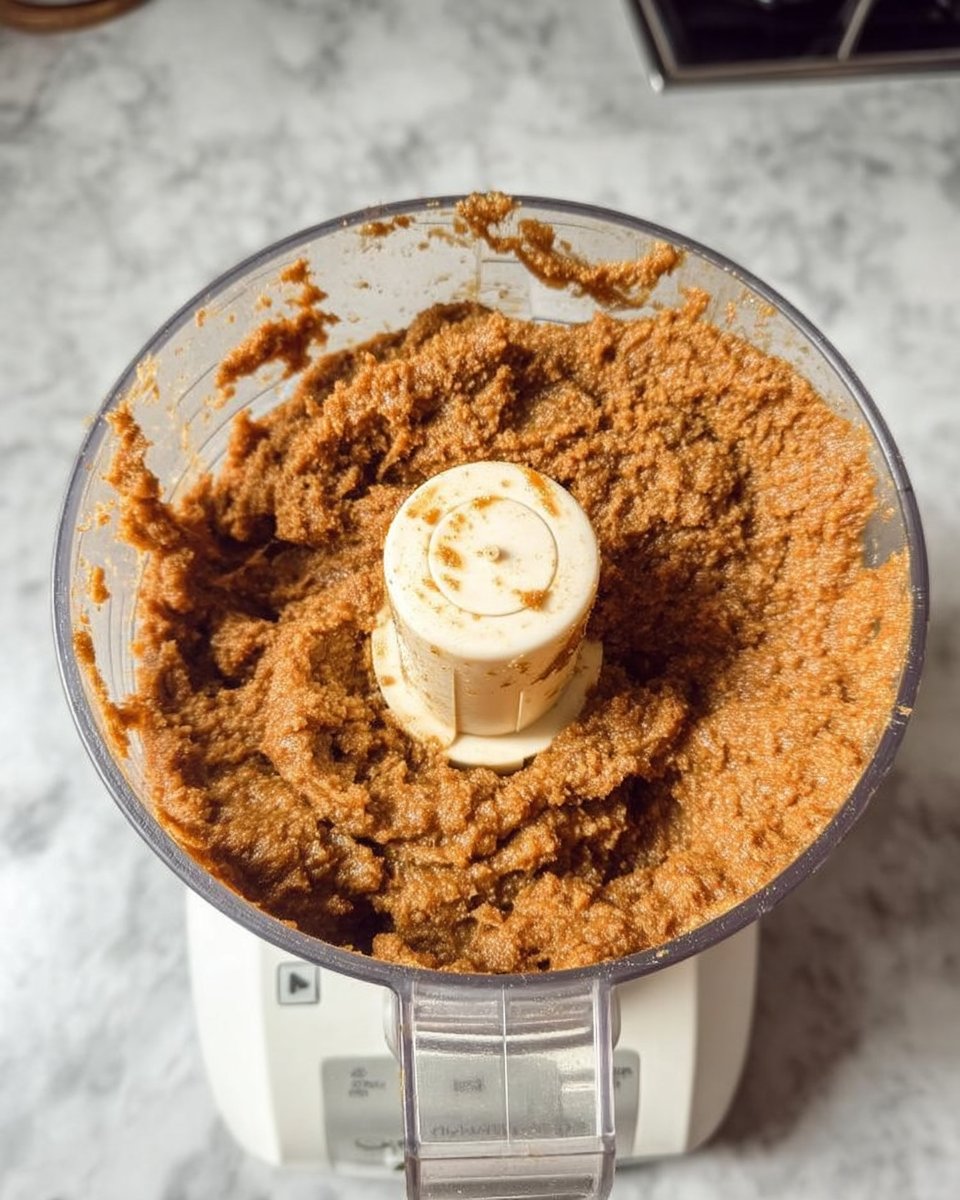
- Add the melted and cooled oil, molasses, egg, and vanilla extract to the processor and blend for 15 to 20 seconds until a sticky dough forms.
- Transfer the dough to a glass bowl, cover tightly, and refrigerate for at least 30 minutes to allow the flour to hydrate and the fats to firm up.
- Preheat your oven to 350°F (175°C) and line a large baking sheet with parchment paper.
- Using a 1.5-tablespoon scoop, roll the dough into uniform spheres and place them 2 inches apart on the prepared baking sheet.
- Gently press down on each sphere to flatten it slightly to ensure even baking and a better texture.
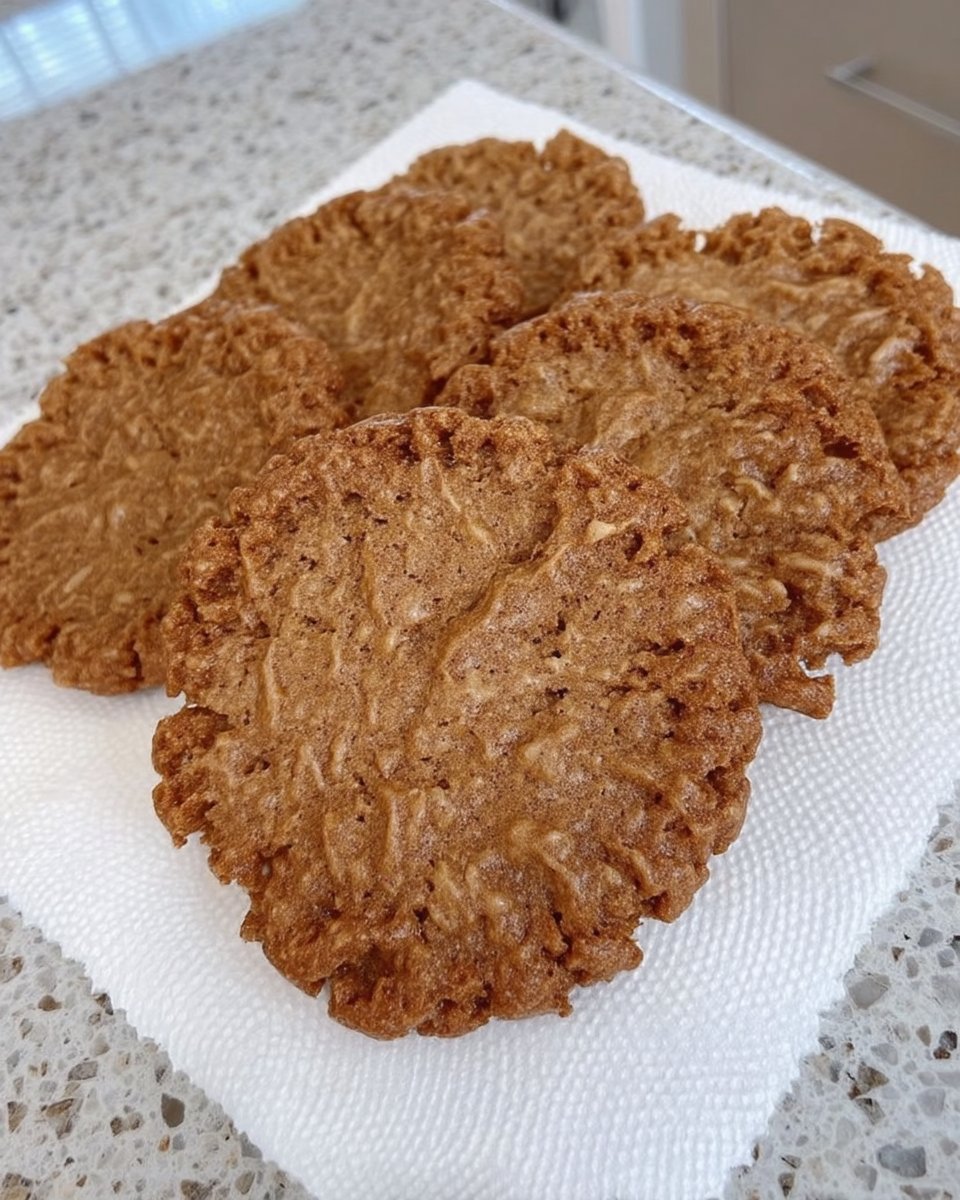
- Bake for 10 to 12 minutes until the edges are firm but the centers remain soft, then let them rest on the pan for 5 minutes before transferring to a cooling rack.
Notes
To ensure the most accurate results, use a digital kitchen scale to measure the almond flour and coconut sugar. If you are baking in a particularly warm kitchen, you may want to keep the dough in the refrigerator between batches to prevent the coconut oil from softening too much, which can cause the cookies to spread excessively.
- Prep Time: 40 mins
- Cook Time: 12 mins
- Category: Dessert
- Method: Baking
- Cuisine: American
Essential Flavor Building Blocks
To achieve the perfect balance of heat and sweetness, we must look closely at our selection of raw materials. Each ingredient has been chosen for its specific chemical contribution to the final cookie.
- Almond Flour (220g): This provides the primary structure and a significant dose of healthy lipids. The fats in the almonds act as a solvent for the essential oils in our spices, allowing the flavor to linger longer on the taste buds.
- Coconut Sugar (76g): With a lower melting point than cane sugar, coconut sugar contributes to a faster caramelization process. It brings notes of butterscotch that bridge the gap between the sharp ginger and the dark molasses.
- Molasses (3 tablespoons): This is the heart of the gingerbread identity. It provides the characteristic acidity needed to react with the baking soda and contributes a dense, syrupy mouthfeel.
- Ground Ginger (1/2 teaspoon): We use the dried form to access shogaols, which are more stable at high temperatures and provide the ‘snap’ we expect from a holiday cookie.
- Ground Cinnamon & Allspice: These spices contain eugenol, which shares molecular similarities with cloves. They round out the flavor profile, preventing the ginger from becoming too one-dimensional.
- Coconut Oil or Avocado Oil: These fats provide the necessary slip and prevent the cookies from becoming tough. Using a liquid fat at room temperature ensures a softer final crumb.
- Large Egg: The lecithin in the egg yolk acts as an emulsifier, binding the water-based molasses with the oil-based fats to create a smooth, consistent dough.
Selecting high-quality spices is paramount. Over time, the volatile oils in ground spices dissipate, leading to a dull flavor. For the most vibrant results, ensure your spices are fresh so that the aromatic compounds are at their peak concentration when they hit the oven heat.
The Scientific Layering Process
Step 1: Homogenize Dry Components
Place your almond flour, baking soda, coconut sugar, cinnamon, ginger, allspice, and a pinch of salt into the bowl of a food processor. Pulse the mixture 3 to 4 times. This mechanical action serves two purposes: it breaks up any clumps in the almond flour and ensures that the leavening agent and spices are perfectly distributed through the lipid-rich base before the wet ingredients are introduced.
Step 2: Emulsify the Dough
Add the melted and cooled coconut oil, molasses, egg, and vanilla extract directly into the food processor. Process the mixture for 15 to 20 seconds until a cohesive, sticky dough forms. During this stage, the egg and fats are creating a stable emulsion. Do not be alarmed by the stickiness; the high concentration of sugar and fat is what creates the desirable chewy texture after baking.
Step 3: Thermal Stabilization
Transfer the dough to a glass bowl and cover it tightly with plastic wrap. Place it in the refrigerator for at least 30 minutes. This chilling period is critical. It allows the coconut oil to solidify and the almond flour to fully hydrate. A cold dough is much easier to handle and ensures that the cookies do not spread excessively when they encounter the heat of the oven.
Step 4: Calibrate and Shape
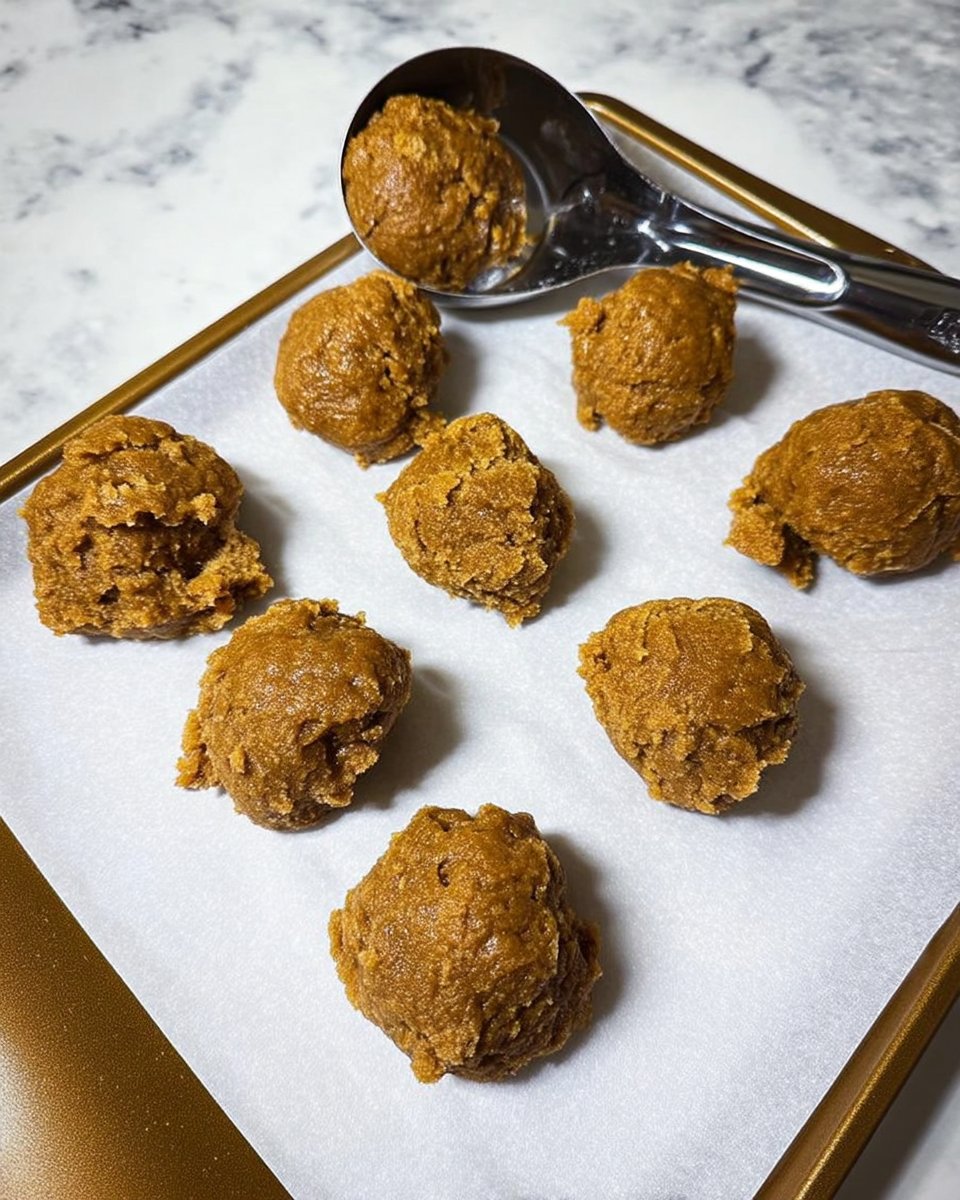
Preheat your oven to 350 degrees Fahrenheit and line a baking sheet with parchment paper. Using a 1.5-tablespoon scoop, portion out the dough into uniform spheres. Place them approximately 2 inches apart to allow for heat circulation. Uniformity in size is essential for even heat distribution and consistent textural results across the entire batch.
Step 5: Texture Preparation
Because this dough lacks gluten, it will not naturally spread as much as a traditional cookie. Gently press down on each sphere to slightly flatten it. This increases the surface area exposed to the direct heat of the pan, which encourages the Maillard reaction on the bottom of the cookie while keeping the center soft and insulated.
Step 6: Controlled Baking
Bake the cookies for 10 to 12 minutes. You are looking for the edges to be firm to the touch while the centers remain slightly soft. The residual heat will continue to cook the interior once removed from the oven. Allow the cookies to rest on the sheet pan for 5 minutes before transferring them to a cooling rack. This stabilization period allows the sugar structure to set, preventing the cookies from breaking.
Jasmine’s Flavor Secrets
One of the most effective ways to intensify the spice profile is to toast your almond flour lightly in a dry pan before mixing. This creates pyrazines, which are roasted flavor compounds that add a savory depth to the cookies. If you choose this route, make sure the flour is completely cool before adding it to the food processor to avoid melting the fats prematurely. For more foundational techniques on managing dough textures, you can look at our Foundation Cookie Recipes for detailed guides on ingredient ratios.
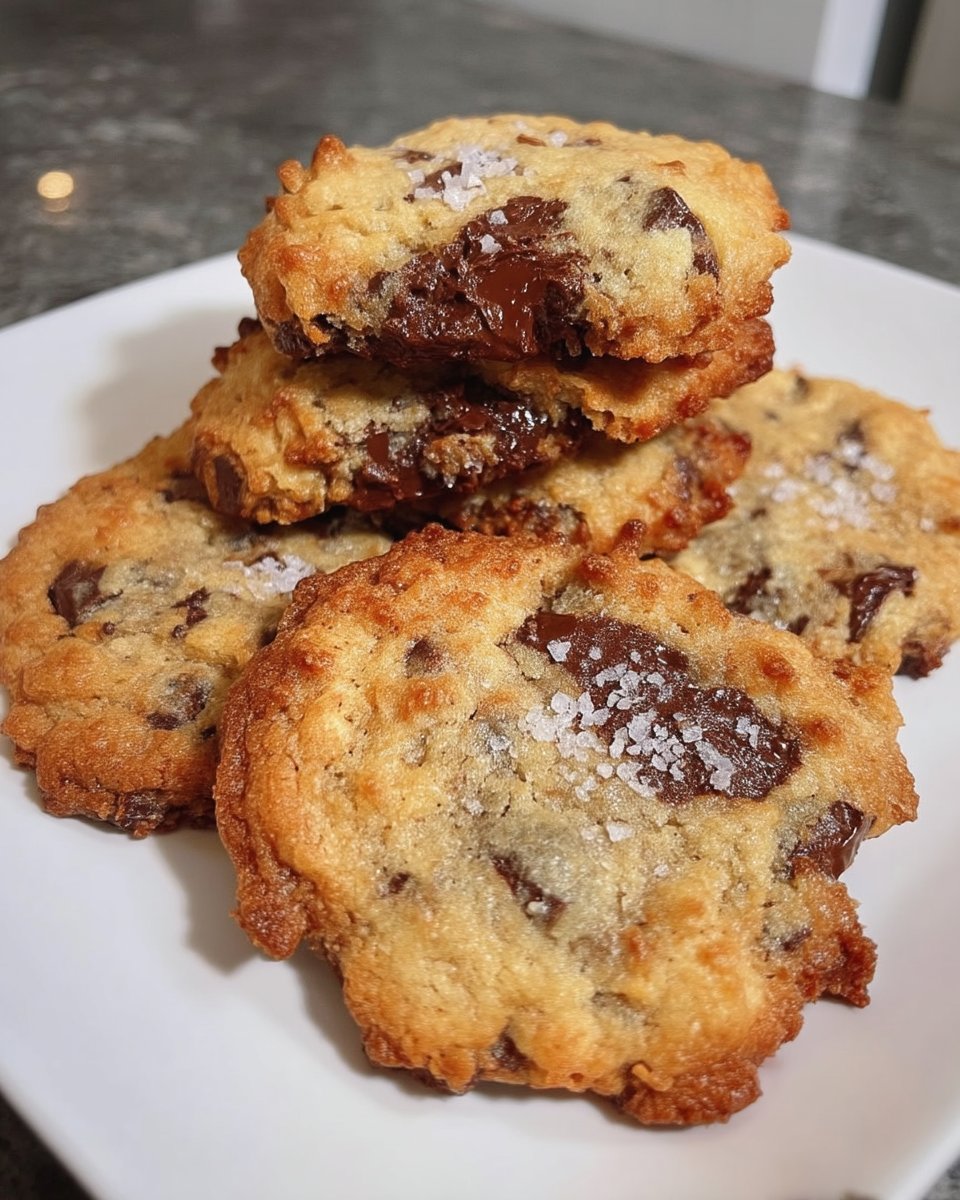
Another secret involves the placement of salt. Instead of just mixing it in, try adding a tiny pinch of flaky sea salt to the top of each cookie before baking. Salt acts as a flavor modifier by suppressing bitterness and highlighting the sweetness of the molasses. This contrast creates a more dynamic sensory experience that keeps the palate engaged. Always use a digital scale for your measurements whenever possible; baking is a science of ratios, and precision leads to reproducible excellence.
Scientific Flavor Swaps
If you want to experiment with the aroma profile, try adding the zest of one fresh orange to the dough. Orange peel contains high levels of limonene, which shares a molecular bridge with the spicy notes of ginger. This citrus addition brightens the cookie and adds a fresh top note to the heavy, earthy base. For those looking for more holiday-themed scientific bakes, check out our Holiday Cookie Science section for inspiration.
For a vegan alternative, you can replace the egg with a flax egg (1 tablespoon ground flaxseed mixed with 3 tablespoons water). While the texture will be slightly denser due to the different protein structure of flax, the mucilage in the flax seeds provides a similar binding effect to the egg whites. You can also experiment with different liquid fats; using avocado oil will result in a more neutral flavor, whereas unrefined coconut oil will add a subtle tropical aroma that pairs surprisingly well with the allspice.
Optimal Flavor Pairings
To truly appreciate the complex spice profile of these cookies, I recommend serving them alongside a hot beverage that can stand up to the molasses. A dark roast coffee is an excellent choice because the roasted melanoidins in the coffee beans find a natural harmony with the toasted notes of the almond flour. The tannins in the coffee also help cleanse the palate between bites of the rich, fatty cookie. You can find more tips on serving and storing your bakes in our Efficient Cookie Methods guide.
If you prefer tea, a spicy chai or a robust Earl Grey works beautifully. The bergamot in Earl Grey provides a floral, citrusy contrast that cuts through the density of the gingerbread. For a more decadent experience, serve these cookies slightly warm—around 100 degrees Fahrenheit—which is the ideal temperature for the volatile aroma compounds to release and be fully detected by your olfactory system.
The Final Flavor Truth
Understanding the science behind your ingredients transforms baking from a chore into a fascinating experiment. These Paleo Gingerbread cookies prove that you don’t need traditional grains to create a treat that is rich in both history and flavor chemistry. By respecting the roles of fats, sugars, and aromatic compounds, we create a cookie that is as satisfying to the mind as it is to the tongue. For a deeper look into why certain recipes go viral, see our Viral Cookie Analysis. You can also find more inspiration at Paleo Gingerbread.
I invite you to share your results and your own flavor discoveries with our community. Connect with us on Pinterest, Instagram, and Facebook to stay updated on our latest scientific baking breakthroughs. Happy pairing!