Welcome to the flavor lab, where we are revisiting a classic chemical reaction. By introducing *Citrus sinensis* (orange) to the traditional snickerdoodle equation, we are doing more than just adding fruitiness; we are manipulating the acidity. The citric acid from the orange juice interacts with the potassium bitartrate (cream of tartar) and baking soda, creating a specific carbon dioxide release that affects both the lift and the chewiness of the final crumb.

In this experiment, we pair the warming compound cinnamaldehyde found in cinnamon with the bright limonene terpenes of fresh orange zest. To bridge these two distinct flavor profiles, we introduce cardamom, which contains cineole—a compound that adds a cooling, eucalyptus-like aromatic note. The result is a cookie that offers the classic tangy tenderness of a snickerdoodle with a complex, layered citrus-spice profile.
The Chemistry of Citrus and Spice
You will appreciate this formulation because it balances the inherent sweetness of the sugar coating with a calculated acidic bite. The addition of orange juice lowers the pH of the dough slightly more than a standard recipe, which inhibits the gluten network just enough to keep the texture pillowy rather than tough. Furthermore, the aromatic combination of orange and cardamom creates a “bridge” flavor, connecting the sharp citrus notes with the warm cinnamon base for a complete sensory experience.
Print
Orange Snickerdoodles
- Total Time: 55 mins
- Yield: 24 cookies
- Diet: Vegetarian
Description
A sophisticated twist on a classic favorite, these Orange Snickerdoodles feature a bright citrus profile balanced by the warming notes of cinnamon and cardamom. The unique chemical reaction between fresh orange juice and cream of tartar ensures a perfectly soft, pillowy texture in every bite.
Ingredients
- 2 3/4 cups all-purpose flour
- 1 teaspoon baking soda
- 2 teaspoons cream of tartar
- 1/2 teaspoon salt
- 1 cup unsalted butter, softened
- 1 1/2 cups granulated sugar
- 2 large eggs
- 1 teaspoon vanilla extract
- 1 tablespoon fresh orange juice
- 1 tablespoon orange zest
- 1/4 cup granulated sugar (for coating)
- 2 teaspoons ground cinnamon
- 1/2 teaspoon ground cardamom
Instructions
- Whisk together the flour, baking soda, cream of tartar, and salt in a medium bowl until thoroughly combined.
- In a stand mixer, cream the butter and 1 1/2 cups sugar on medium speed for 2 to 3 minutes until light and aerated.
- Scrape down the sides of the bowl and mix in the vanilla extract, orange juice, and orange zest.
- Add eggs one at a time, mixing until fully emulsified into the butter mixture.
- Lower the mixer speed and gradually add the dry ingredients, mixing only until the flour is just incorporated.
- Cover and chill the dough in the refrigerator for 30 minutes to allow for proper hydration.
- Preheat your oven to 350°F (175°C) and whisk together the coating sugar, cinnamon, and cardamom in a small bowl.
- Scoop the dough and roll into balls, then roll each ball in the spice-sugar mixture until coated.
- Place on a baking sheet and bake for 8 to 10 minutes, or until the edges are set but the centers remain soft.
Notes
For the best results, ensure your butter is softened to room temperature but not melted, which helps maintain the cookie’s structure during the creaming process. If you want a more pronounced citrus flavor, let the dough rest in the refrigerator overnight to allow the orange essential oils to fully permeate the flour.
- Prep Time: 15 mins
- Cook Time: 10 mins
- Category: Dessert
- Method: Baking
- Cuisine: American
Deconstructing the Flavor Profile
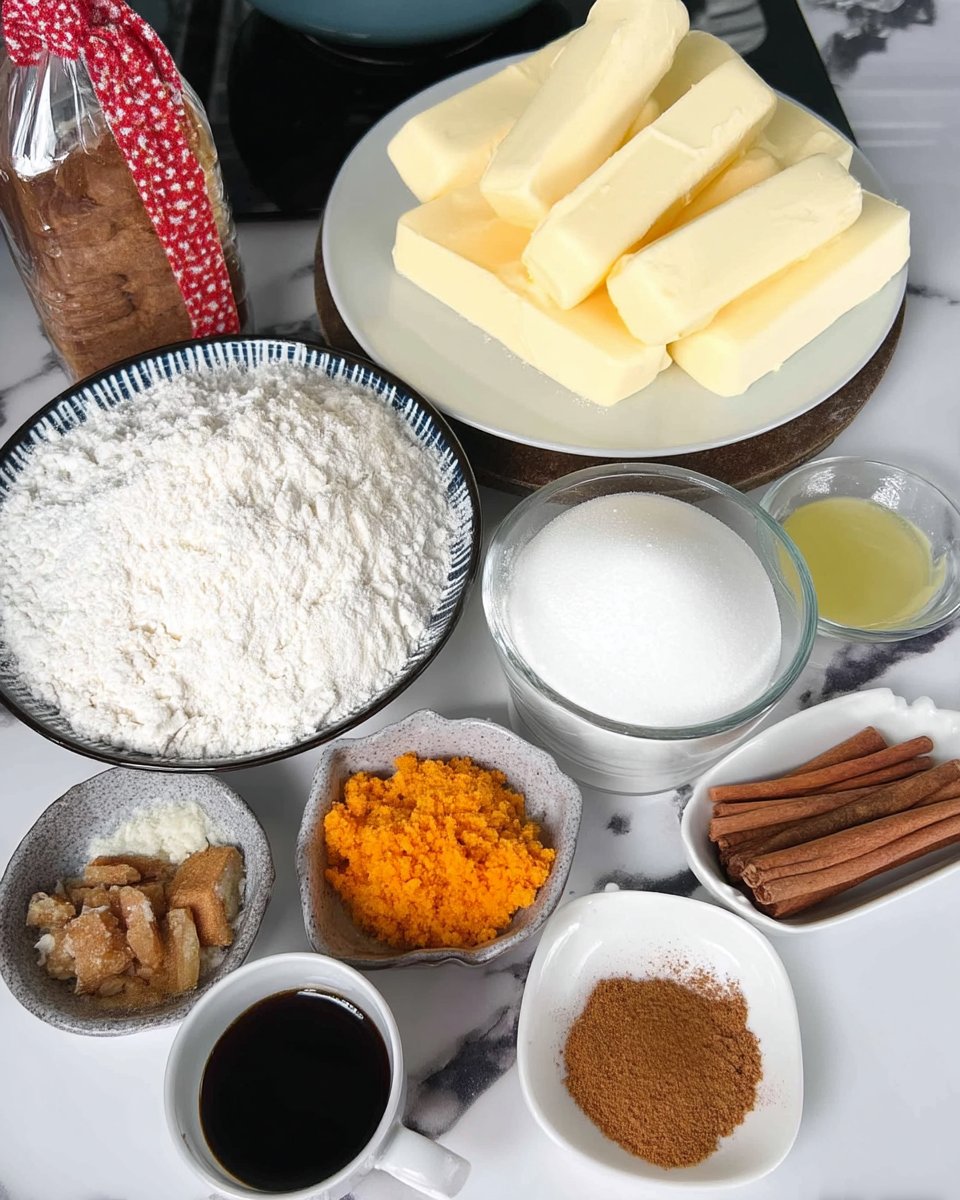
To achieve the optimal texture and flavor release, precise ingredient selection is required.
- Cream of Tartar: This acidic salt (potassium bitartrate) is the defining variable of a snickerdoodle. It provides the signature tangy taste and prevents the sugar in the dough from crystallizing, ensuring a soft chew.
- Orange Zest: We rely on the outer zest for its essential oils (limonene), avoiding the bitter white pith which contains unpleasant phenolic compounds.
- Cardamom: This spice introduces a complex, floral aroma that complements the citrus. It acts as a high note against the bass of the cinnamon.
- Butter: Unsalted butter is preferred to control the sodium content, allowing the salt we add to function purely as a flavor potentiator.
- Fresh Orange Juice: Provides the necessary liquid hydration and citric acid to react with the leavening agents.
Method: The Emulsion Process
Step 1: Reacting the Dry Ingredients
Begin by weighing your dry variables. Measure the flour, baking soda, cream of tartar, and salt into a bowl. Whisk them thoroughly to distribute the leavening agents evenly. In separate vessels, zest your orange to capture the oils and juice it to extract the liquid acid.
Step 2: Creating the Base Emulsion
In a mixer, cream the butter on medium speed until malleable. Add the sugar and continue mixing for 2 to 3 minutes. This mechanical aeration is crucial for structure. Scrape down the bowl, then introduce the vanilla extract, orange juice, and orange zest. The mixture may look slightly curdled due to the liquid acid, but this is normal.
Step 3: Incorporation and Hydration
Add the eggs one at a time, breaking them into a small bowl first to check for shell fragments. Mix until fully emulsified. Lower the mixer speed and gradually add the flour mixture. Stop immediately once the flour disappears to avoid over-developing the gluten. Cover the dough and chill for 30 minutes; this allows the flour to fully hydrate and the fats to resolidify.
Step 4: The Maillard Coating
Preheat your oven to 350°F (175°C). In a small bowl, mix the coating sugar, cinnamon, and cardamom. Scoop the chilled dough and roll it into spheres. Roll each sphere in the sugar-spice mixture until completely coated. This coating will caramelize and create a crisp contrast to the soft interior. Bake for 8–10 minutes until the edges are set but the centers remain soft.
Optimizing Flavor Release
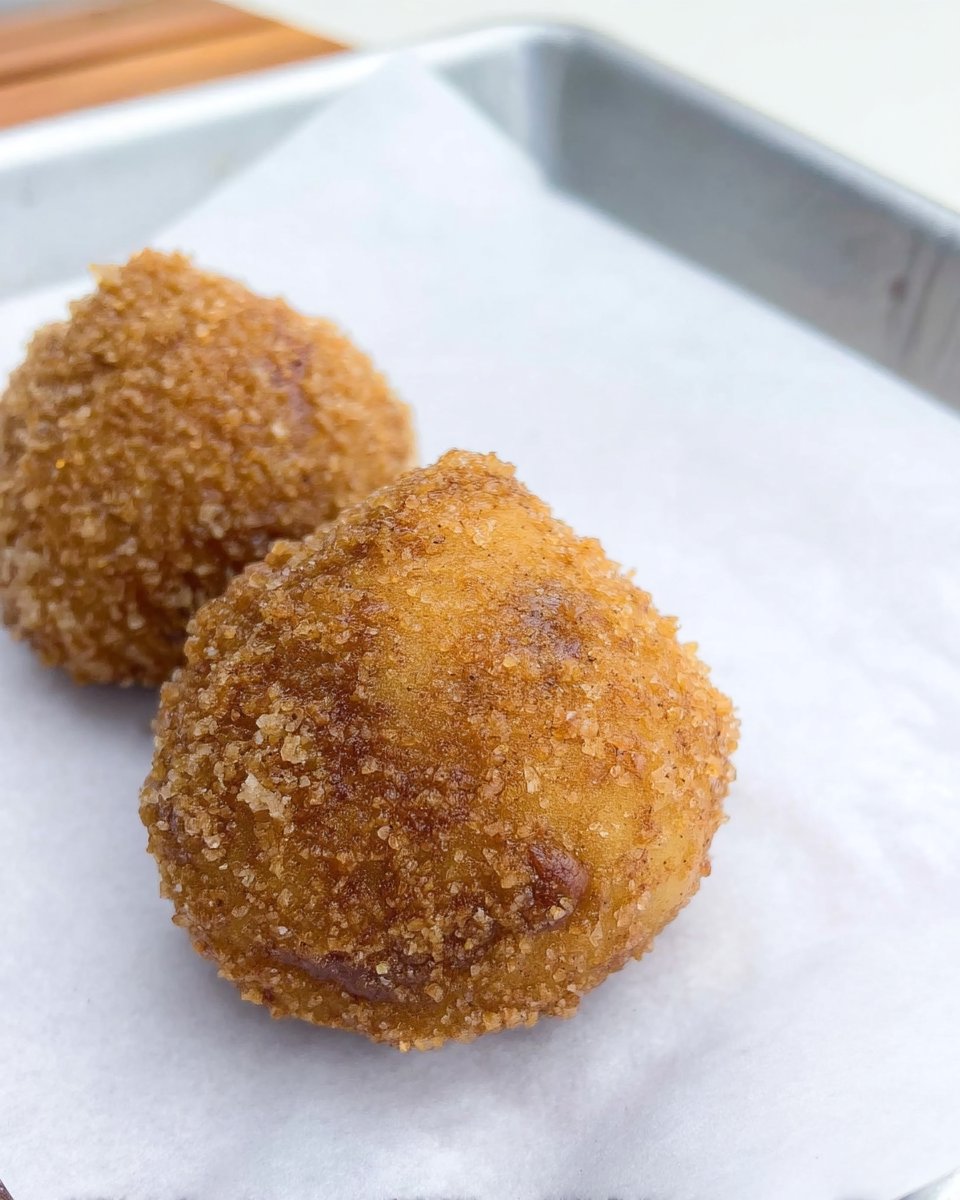
To get the most intense citrus profile, try rubbing the orange zest directly into the sugar with your fingers before creaming it with the butter. This friction breaks the cell walls of the zest, releasing the essential oils directly into the sugar crystals, which acts as a flavor carrier. Additionally, do not skip the chilling step. Cold dough entering a hot oven ensures the fat melts slowly, preventing the cookie from spreading too thin. For more insights on dough temperature and texture, review our analysis on Efficient Cookie Methods.
Hypothesis Testing: Flavor Swaps
Flavor science allows for interesting substitutions based on shared compounds. You can swap the orange for grapefruit zest to introduce naringin, a compound that adds a sophisticated bitterness. Alternatively, replace the cardamom with ground ginger; ginger shares the compound zingiberene with turmeric and pairs naturally with citrus. If you are interested in exploring more seasonal flavor profiles, take a look at our Holiday Cookie Science experiments.
Pairing Analysis
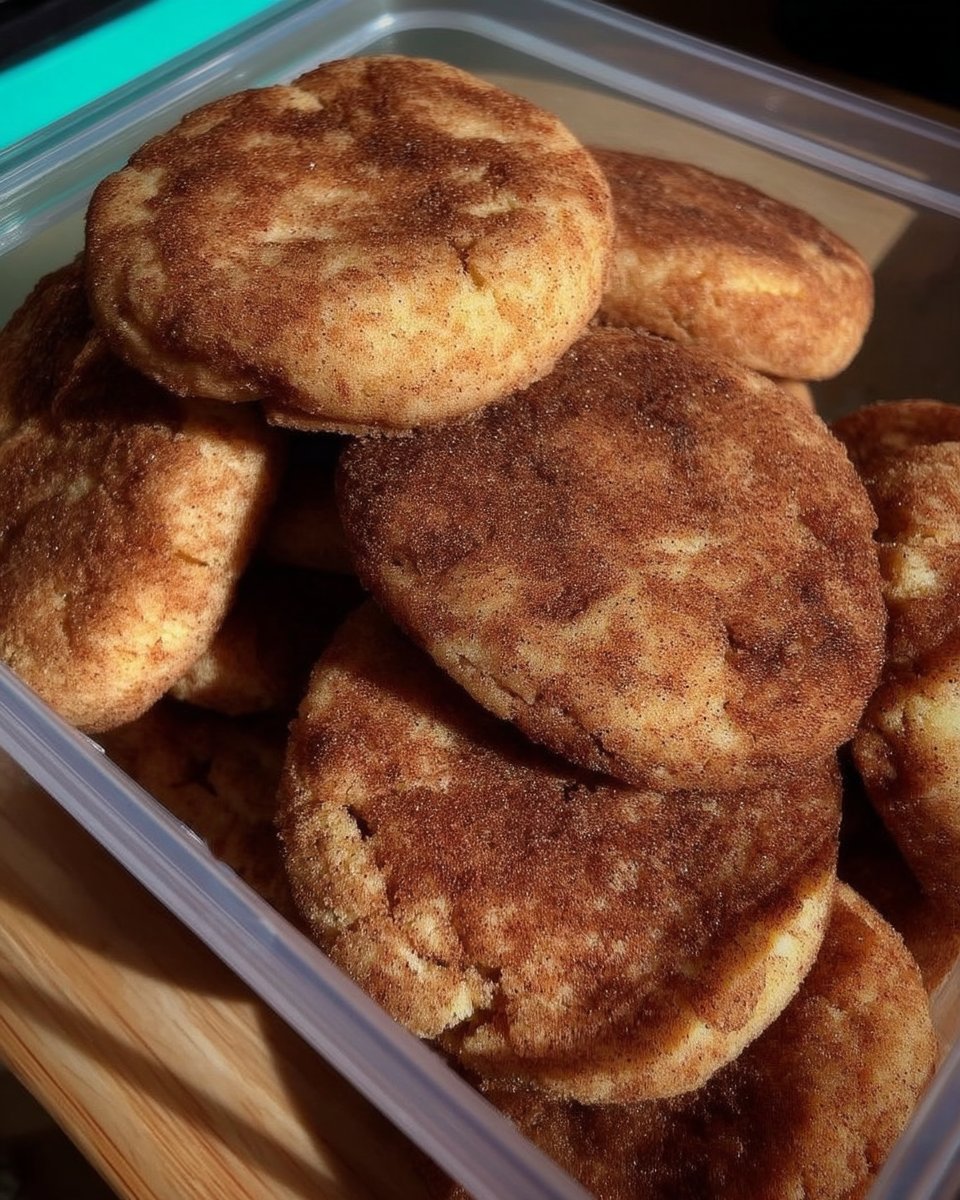
These cookies are best served slightly warm, allowing the volatile aroma compounds of the orange and cardamom to be more perceptible. They pair exceptionally well with a hot black tea, as the tannins in the tea cut through the sweetness of the sugar coating. For a contrasting texture, serve them alongside crispy items from our Foundation Cookie Recipes collection.
Final Sensory Notes
The Orange Snickerdoodle is a fascinating study in balancing pH and aroma. The acid provides the texture, while the terpene-rich zest provides the bright top notes that lift the heavy cinnamon base. If you enjoyed this flavor pairing, you might also find the similar approach used at My Cookie Journey interesting for comparison. For more advanced techniques on aesthetic presentation, explore our Precision Cookie Decorating archives.
Share your results with us on Pinterest, Instagram, Facebook, or X.