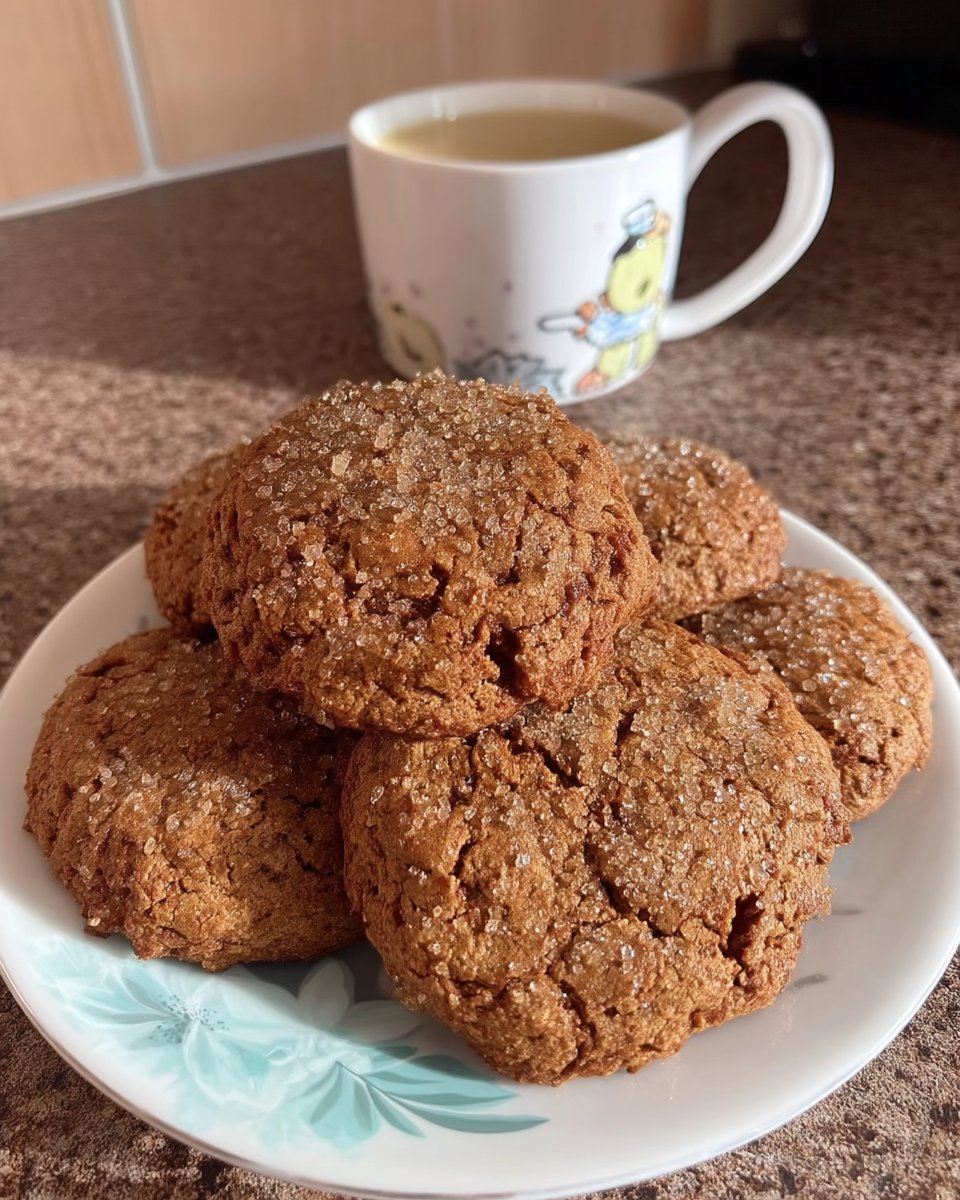
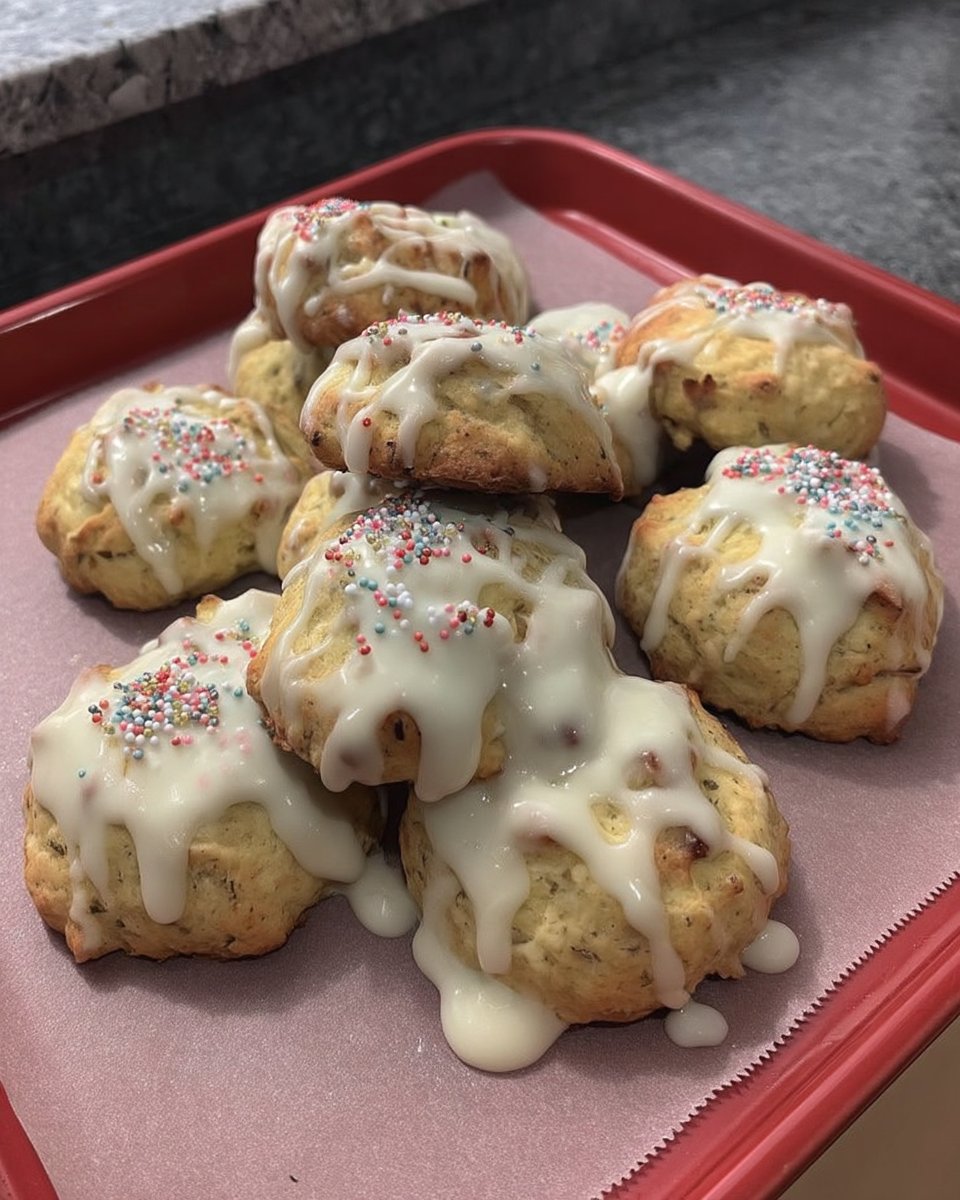
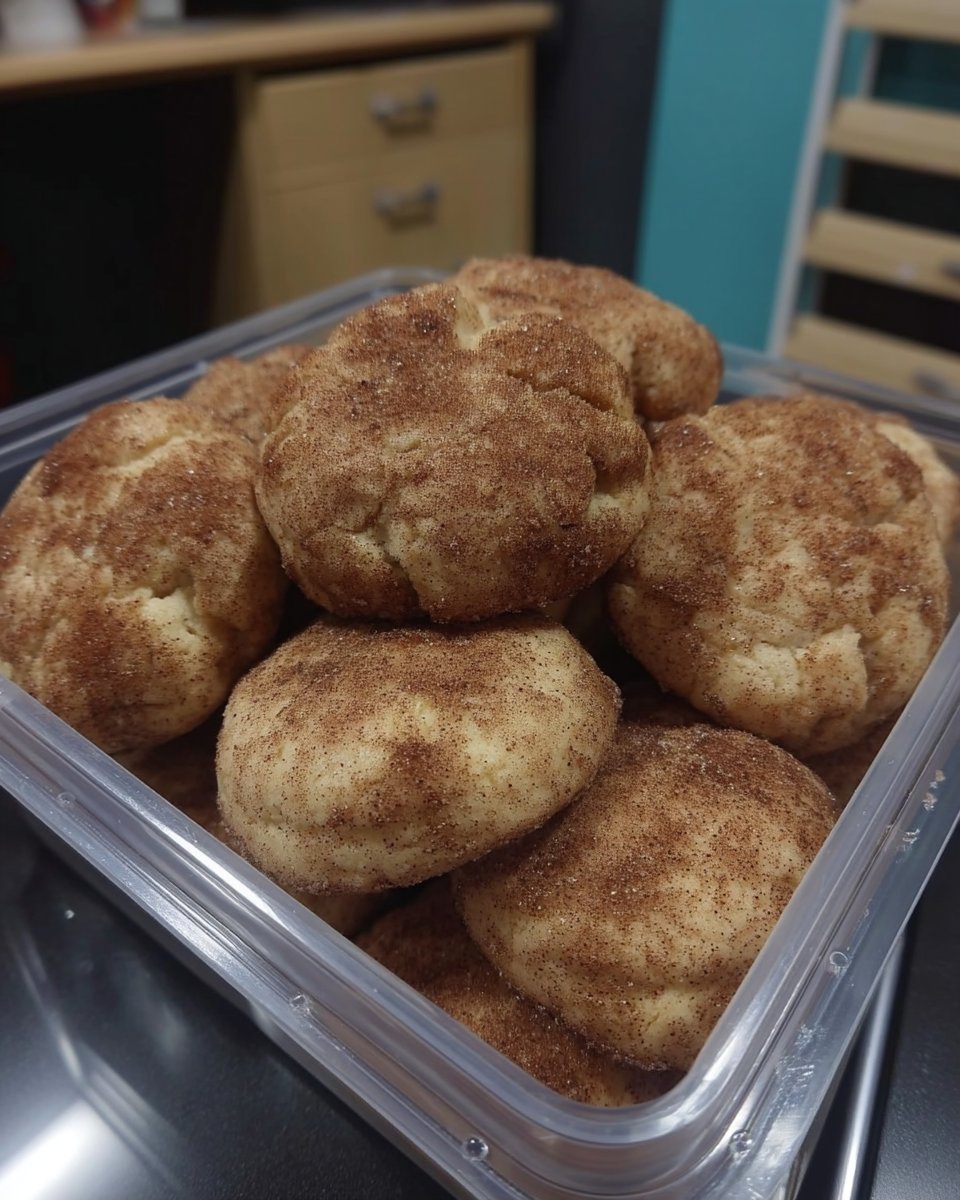
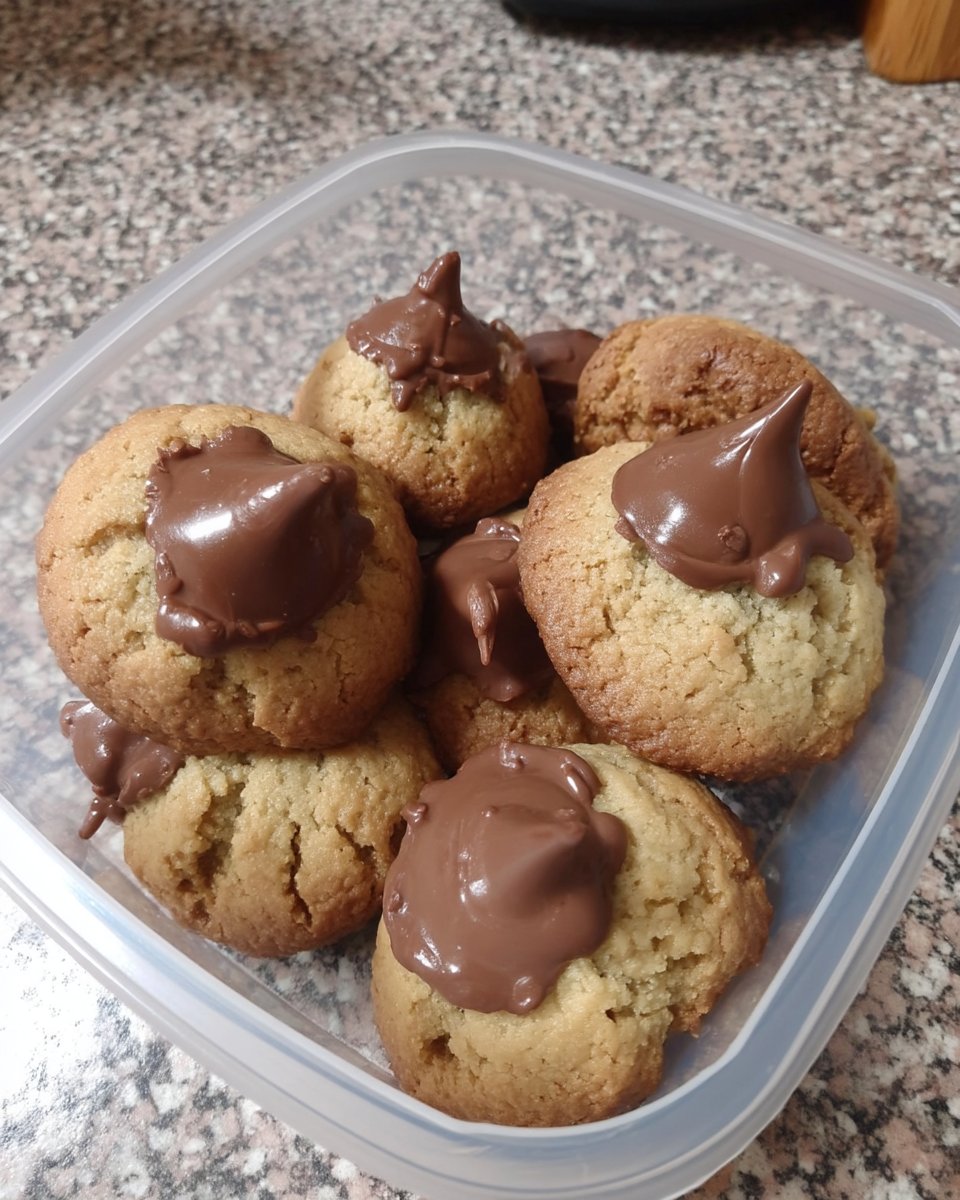
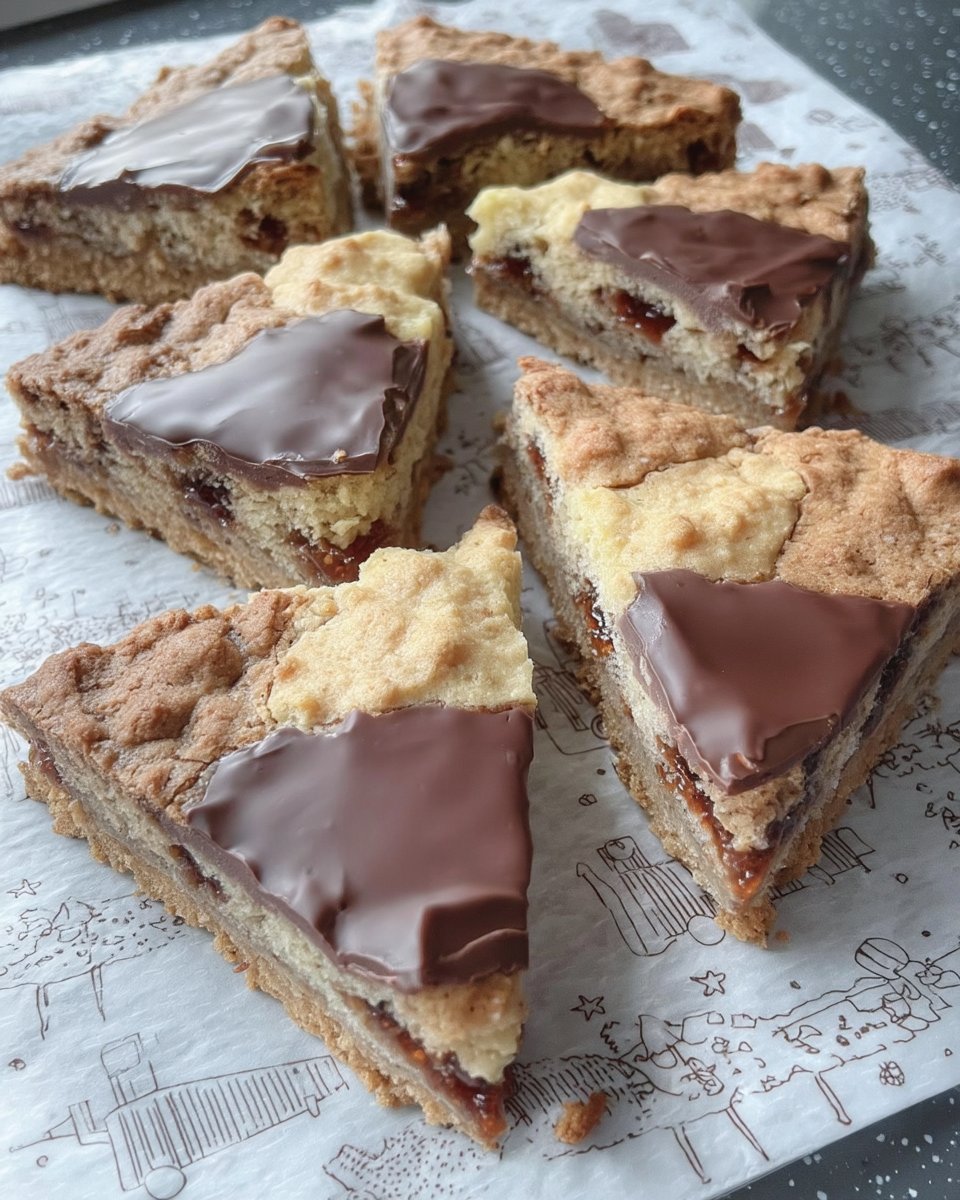
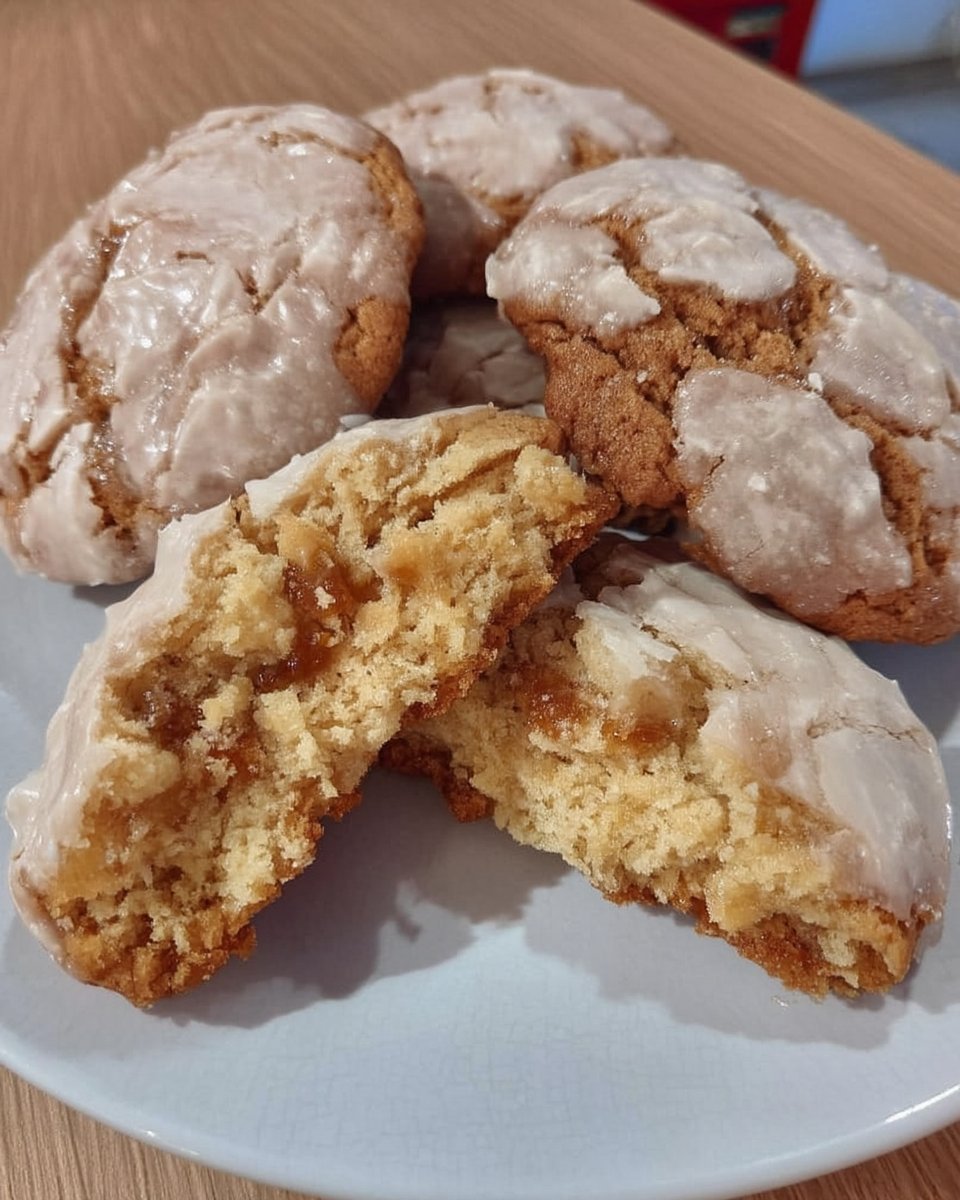
The molecular affinity between roasted hazelnuts and chocolate is one of the food world’s most successful pairings, primarily due to the compound filbertone found in hazelnuts which bridges the gap between earthy cocoa pyrazines and sweet dairy notes. When we encapsulate this emulsion inside a cookie dough, we create a thermodynamic challenge: keeping the filling molten while achieving the Maillard reaction on the cookie’s exterior. By manipulating temperature states—freezing the fat-heavy filling before baking—we delay its heat absorption, allowing the cookie structure to set before the center liquefies.

This recipe relies heavily on browned butter, or *beurre noisette*, to provide a nutty, savory backbone that cuts through the intense sweetness of the commercial hazelnut spread. We layer this with a specific ratio of brown to white sugar to control moisture retention and spread, finishing with sea salt to trigger the tongue’s SGLT1 receptors, effectively amplifying the perception of sweetness while suppressing bitterness.
The Flavor Science Behind the Stuffing
Print
Nutella Stuffed Cookies
- Total Time: 1 hour 13 mins
- Yield: 15 cookies
- Diet: Vegetarian
Description
These decadent cookies feature a molten hazelnut cocoa center encased in a rich, brown-butter dough studded with hand-chopped chocolate shards. By combining food science techniques like thermal stabilization and the Maillard reaction, they achieve a perfect balance of crispy edges and a gooey, creamy interior.
Ingredients
- 1/2 cup Nutella (for stuffing)
- 1 cup unsalted butter
- 1 cup dark brown sugar, packed
- 1/2 cup granulated white sugar
- 2 large eggs
- 1 teaspoon vanilla extract
- 2 1/4 cups all-purpose flour
- 1 tablespoon cornstarch
- 1 teaspoon baking powder
- 1/2 teaspoon baking soda
- 1/2 teaspoon fine salt
- 4 oz semisweet chocolate bar, chopped
- Flaky sea salt, for finishing
Instructions
- Scoop 2-teaspoon dollops of Nutella onto a wax paper-lined tray and freeze for at least 20 minutes until solid.
- Brown the butter in a saucepan over medium heat until golden amber, then transfer to a bowl and cool for 30 minutes.
- Preheat oven to 375°F (190°C) and cream the cooled brown butter with brown and white sugars until well combined.
- Beat in eggs one at a time, followed by the vanilla, then fold in the whisked dry ingredients (flour, cornstarch, leaveners, and fine salt).
- Stir in the chopped chocolate, then chill the dough for 15 minutes before wrapping 1.5-tablespoon portions around the frozen Nutella centers.
- Bake the sealed dough balls for 12–13 minutes, sprinkle immediately with flaky sea salt, and let cool on the pan.
Notes
To ensure the best texture, always use high-quality chocolate bars rather than chips to allow for better melting within the dough. If you find your dough is too soft to handle during the stuffing phase, return it to the refrigerator for an additional ten minutes to firm up the fats. This helps prevent the Nutella center from leaking out during the bake.
- Prep Time: 1 hour
- Cook Time: 13 mins
- Category: Dessert
- Method: Baking
- Cuisine: American
Thermodynamic Contrast
The primary appeal of this recipe lies in the contrast of textures and temperatures, a concept known in sensory science as dynamic contrast. By freezing the Nutella disks (a high-fat emulsion of sugar, palm oil, and hazelnuts) before enclosing them in dough, we create a thermal lag. The cookie dough, which has a lower thermal mass, bakes and sets its gluten structure around $180^{\circ}\text{F}$ ($82^{\circ}\text{C}$), while the frozen core takes longer to reach its melting point. This ensures that when you bite into the finished product, you experience a crisp, caramelized edge followed immediately by a viscous, creamy center.
The Maillard Advantage
Standard stuffed cookies often suffer from being one-dimensional in sweetness. We counter this by browning the butter. When we heat the butter past its melting point, we evaporate the water content (approximately 16-18%) and allow the milk solids (proteins and lactose) to toast. This chemical reaction creates hundreds of new flavor compounds, including nutty pyrazines and caramel-like furans. These savory notes provide a necessary counterweight to the sugar-dense filling, creating a complex flavor profile that lingers on the palate rather than vanishing instantly.
Textural Engineering with Cornstarch
To support the heavy filling without the cookie spreading into a flat puddle, we introduce cornstarch. This ingredient essentially dilutes the gluten-forming potential of the all-purpose flour. By lowering the overall protein percentage of the dry mix, we limit the development of elastic gluten networks. The result is a crumb structure that is tender and soft—often described as “melt-in-your-mouth”—which mirrors the texture of the filling rather than fighting against it with chewiness.
Flavor Building Blocks
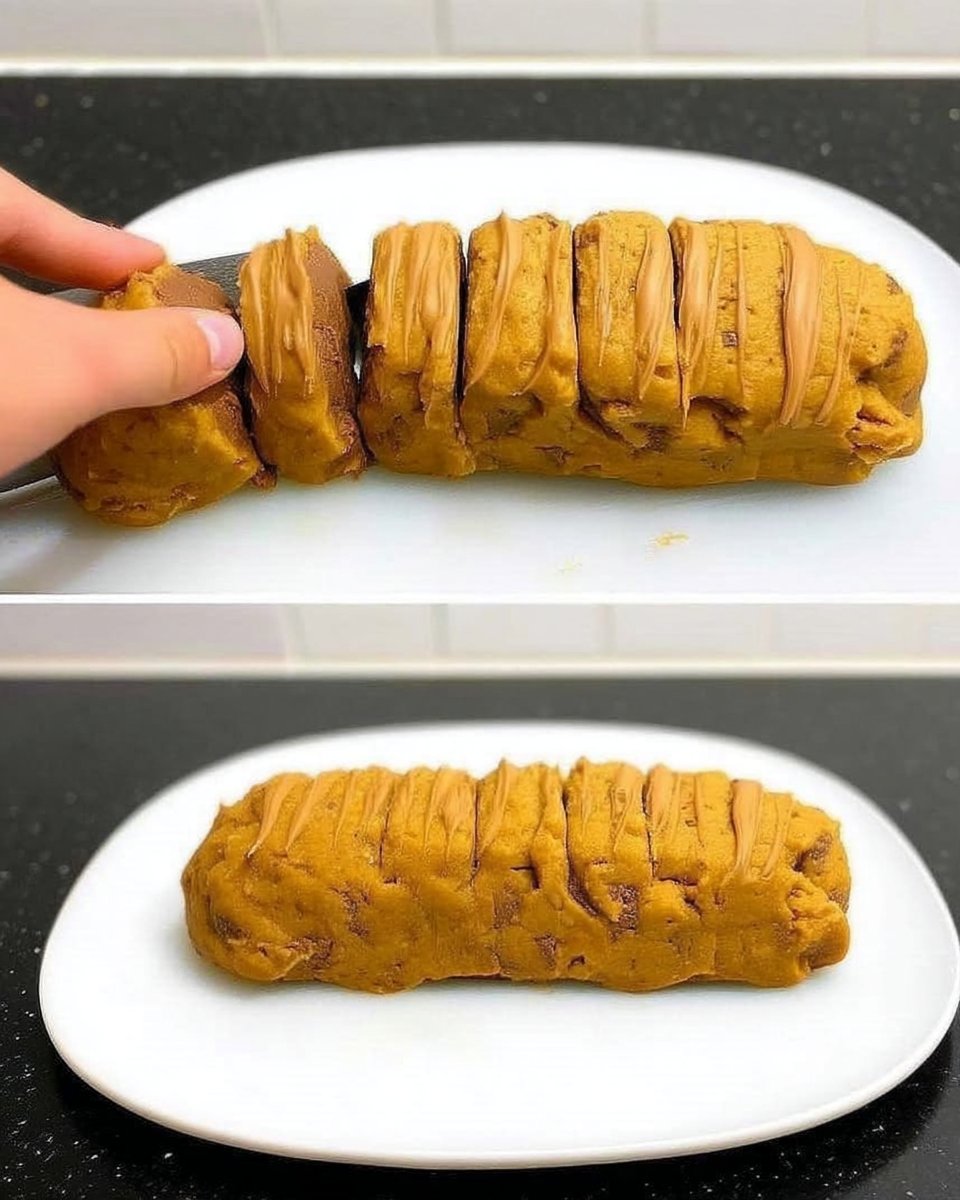
- Unsalted Butter (Browned): We start with unsalted butter to have total control over the sodium content. Browning it is non-negotiable; it transforms the fat from a simple carrier of flavor to a primary flavor agent itself. The toasted milk solids echo the roasted hazelnut notes in the filling.
- Nutella (Hazelnut Cocoa Spread): This is a suspension of cocoa and hazelnut particles in fat and sugar. It serves as the molten core. The high sugar content means it remains fluid even after cooling slightly, unlike pure chocolate which would harden completely.
- Dark Brown Sugar: We use a higher ratio of brown sugar to white. The molasses content adds hygroscopic properties (attracting water), which keeps the cookie crumb moist and chewy, extending the shelf life and adding distinct caramel notes.
- Cornstarch: A critical structural agent. It provides “shortness” to the dough, preventing it from becoming tough and helping the cookie maintain its dome shape over the heavy filling.
- Sea Salt (Flaky): Applied post-bake. Salt doesn’t just add saltiness; at low concentrations, it suppresses the perception of bitterness (from the cocoa) and allows the sweetness to shine through without being cloying. The crunch also adds mechanical interest.
- Semisweet Chocolate: We use a bar chopped into fine shards rather than chips. Chips often contain stabilizers to hold their shape; chopped bars melt seamlessly into the dough, creating pools of chocolate that integrate better with the brown butter matrix.
The Flavor Method
Step 1: Thermal Stabilization of the Core
Begin by stabilizing your filling. Line a baking sheet with wax paper. Portion the Nutella into 2-teaspoon dollops. This step is critical because Nutella’s viscosity drops rapidly with heat. Place these dollops in the freezer for at least 15–20 minutes. We need them to be solid solids, not just firm, to survive the assembly process without smearing into the dough matrix.
Step 2: The Maillard Reaction
Cut the unsalted butter into uniform pieces for even melting. Place in a saucepan over medium heat. Stir frequently to keep the milk solids moving; if they settle, they will burn rather than brown. Watch for the foaming stage—this indicates water evaporation. Once the foam subsides and the solids turn a golden amber color (emitting a nutty aroma), immediately remove from heat and pour into a heatproof bowl to stop the thermal momentum. Cool for 20–30 minutes until it reaches a plastic, workable consistency.
Step 3: Emulsification
Preheat your oven to $375^{\circ}\text{F}$ ($190^{\circ}\text{C}$). In the bowl with the cooled brown butter, add the brown and white sugars. Stir vigorously. We are mechanically forcing the sugar crystals to cut into the fat, creating aeration. Add the eggs one at a time, followed by the vanilla. The lecithin in the yolks acts as an emulsifier, binding the water from the whites with the fat from the butter to create a cohesive, glossy mixture.
Step 4: Dry Integration
In a separate vessel, whisk together the flour, cornstarch, baking powder, baking soda, and fine salt. This ensures the leavening agents are distributed homogeneously, preventing uneven rising. Gradually fold this into the wet butter mixture. Stop mixing the moment the flour streaks disappear—over-mixing develops gluten, which we want to minimize for tenderness. Fold in the chopped semisweet chocolate.
Step 5: Assembly and Chill
Chill the dough for 15 minutes to firm up the saturated fats. Remove the dough and the frozen Nutella disks. Take a heaping 1.5 tablespoon scoop of dough, flatten it slightly, and place the frozen Nutella in the center. Carefully manipulate the dough around the sphere, sealing it completely. Any gaps will result in a “blowout” during baking. Roll into a smooth ball.
Step 6: Baking and Crystallization
Place dough balls 2 inches apart on parchment paper. Bake at $375^{\circ}\text{F}$ for 12–13 minutes. We bake at a slightly higher temperature to set the edges quickly before the butter spreads too much. The edges should be golden, but the center will look slightly underdone—this is correct. Remove from the oven and immediately sprinkle with flaky sea salt. Let them cool on the pan; this “carryover cooking” finishes the center gently.
Jasmine’s Protocol for Precision
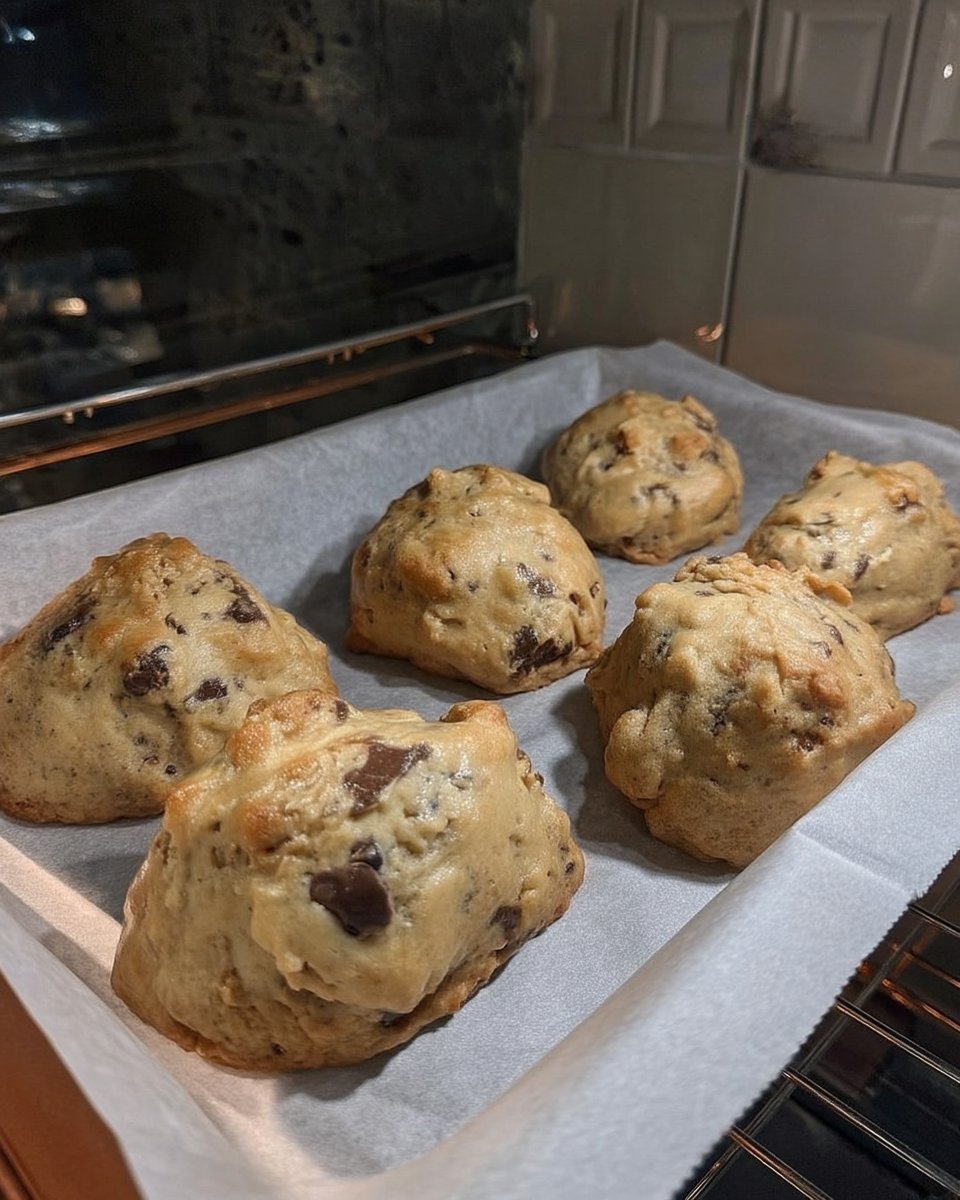
- Monitor the Emulsion: If your brown butter is too hot when you add the sugar and eggs, you risk denaturing the proteins in the egg (scrambling them) or melting the sugar too fast, which leads to a greasy dough. The butter should be cool to the touch but still liquid.
- The Freezer is Essential: Do not skip the freezing steps. If the Nutella is even slightly soft, it will mix with the dough during rolling, destroying the distinct “stuffed” effect. If the dough gets warm, pop it back in the fridge. This is a standard technique in our foundation cookie recipes for high-fat doughs.
- Chopped Chocolate vs. Chips: I always recommend chopping a bar of chocolate. The dust and shards created during chopping melt into the dough, changing its color and flavor profile more deeply than distinct chips can. It creates a “stracciatella” effect throughout the cookie base.
- Salt Placement: Add the sea salt immediately when the cookies come out of the oven. The surface of the cookie is slightly molten, allowing the salt crystals to adhere properly. If you wait until they cool, the salt will simply bounce off.
Scientific Flavor Swaps
- Cookie Butter (Speculoos): Substitute the Nutella with Biscoff or Speculoos spread. The cinnamon and ginger spices in cookie butter share flavor compounds with the caramelized notes of brown butter, creating a very cohesive spiced flavor profile.
- Peanut Butter Core: For a savory-sweet profile, use a processed peanut butter (not natural style) mixed with a tablespoon of powdered sugar to stabilize it before freezing. Peanut pyrazines are a natural match for chocolate.
- Orange Zest Infusion: Rub fresh orange zest into the sugar before mixing. The essential oil limonene is a classic pairing for chocolate and acts as a solvent for flavor compounds, making the chocolate taste more intense. This is a technique we often explore in holiday cookie science.
- Toasted Nuts: Add chopped toasted hazelnuts to the dough itself for textural reinforcement. Toasting increases the crunch and mirrors the internal flavor of the spread.
Optimal Temperature and Pairing
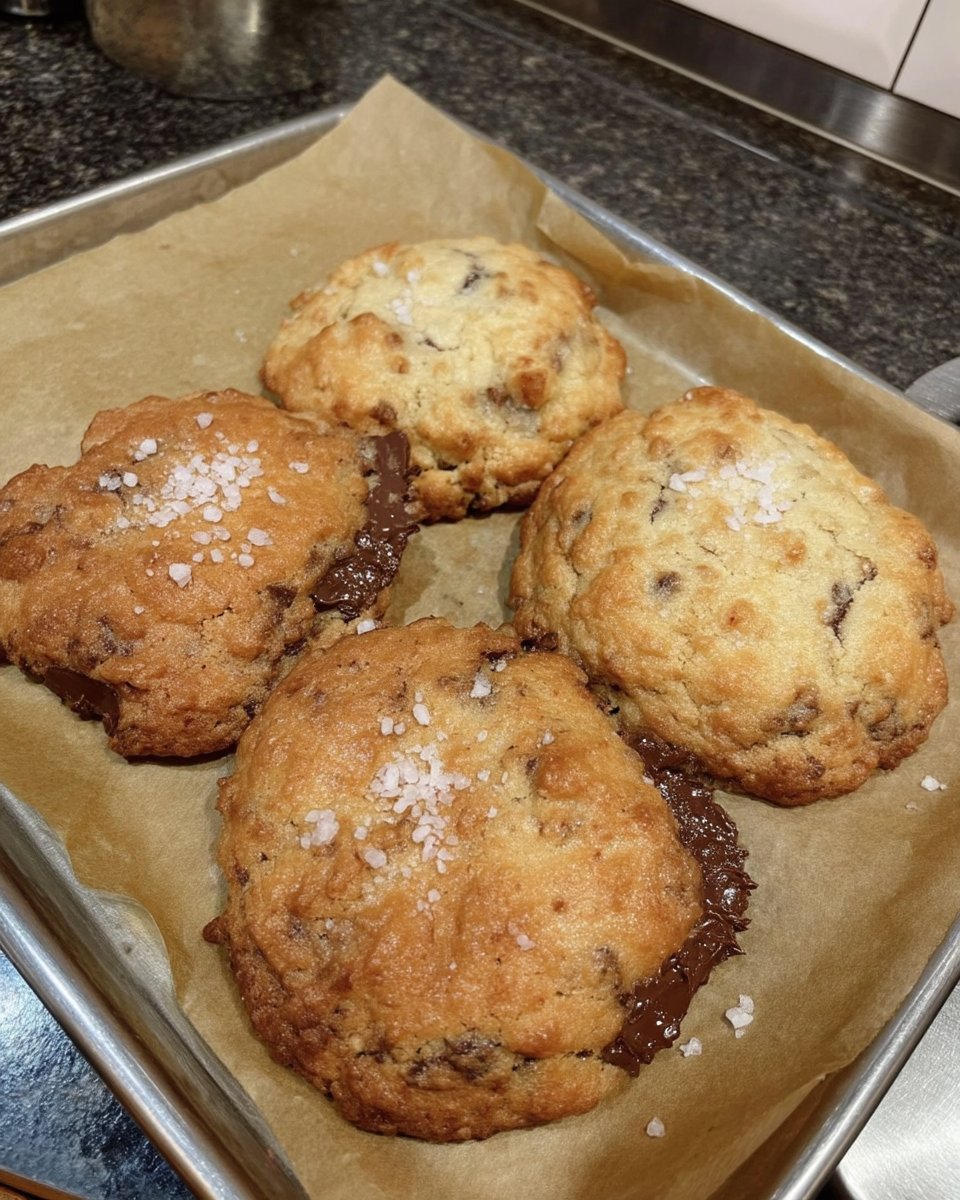
These cookies are best served slightly warm, when the internal temperature of the filling is around $95^{\circ}\text{F}$—close to body temperature. This maximizes the fluidity of the Nutella and the volatility of the aroma compounds. If serving later, a 10-second blast in the microwave revives the emulsion.
For beverages, a glass of cold milk is the classic choice, as the milk proteins bind to the tannins in the chocolate, smoothing out any astringency. For a more sophisticated pairing, try a dark roast coffee; the roasted bitter notes complement the brown butter perfectly. Serving large batches efficiently is key for gatherings, a topic we cover in our efficient cookie methods guide.
Final Flavor Notes
Mastering the Nutella stuffed cookie is an exercise in thermal management and flavor layering. By respecting the chemistry of the ingredients—specifically the melting points of the fats and the reaction potential of the proteins—you create a treat that is greater than the sum of its parts. It is a perfect example of how viral cookie analysis often reveals solid food science principles at work.
We benchmarked our ratios against high-quality standards like the Nutella stuffed cookies from Sugar Spun Run to ensure our brown butter modification provided the distinct nutty profile we sought. Share your results with us on Pinterest or tag us on Instagram to show off that perfect molten center.