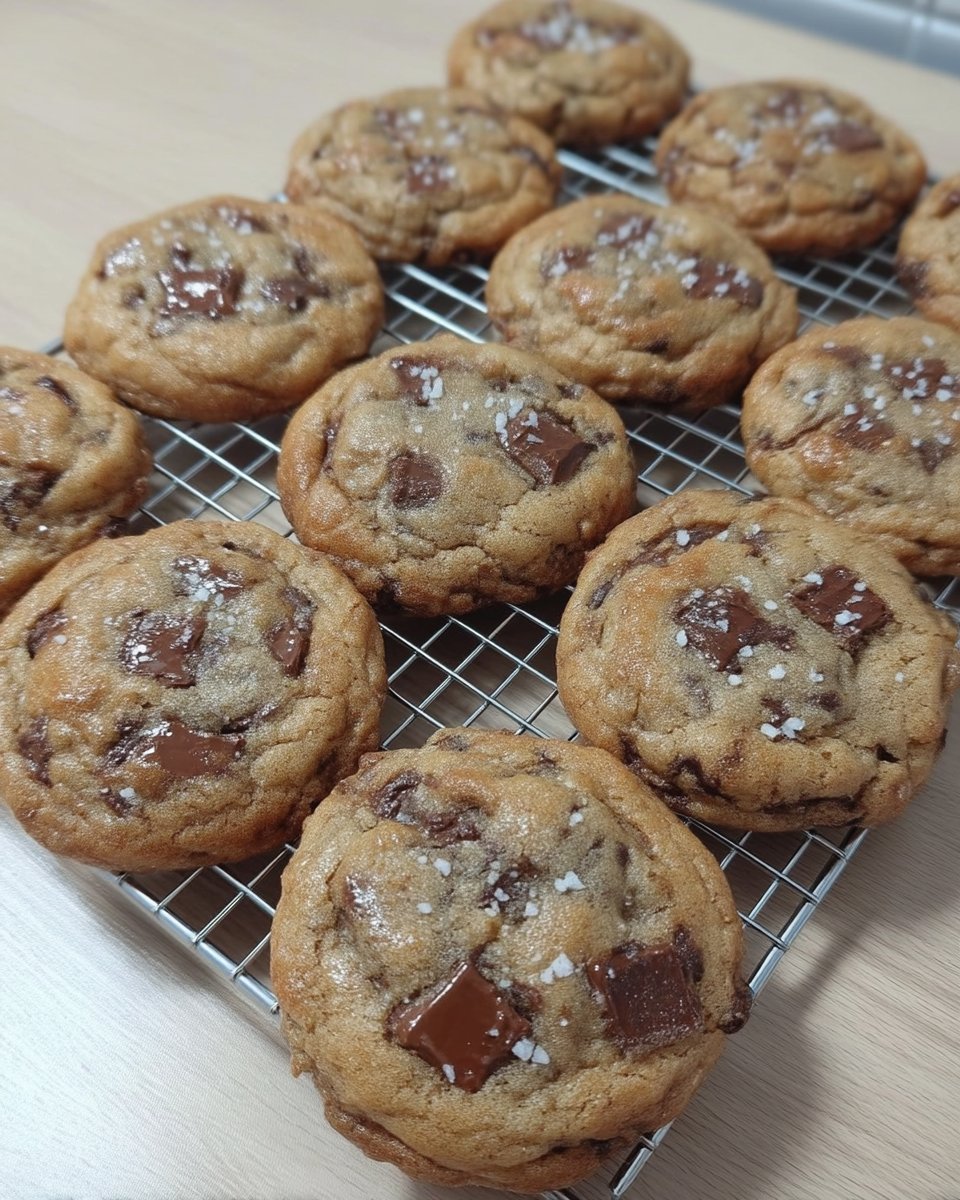
In the test kitchen, we often find that the most complex flavors come from the simplest chemical reactions. By browning the butter, we trigger the Maillard reaction, toasting the milk solids to create nutty, toffee-like flavor compounds that standard creamed butter simply cannot achieve. While many recipes rely on overnight chilling to hydrate the flour and develop this depth, we found that manipulating the temperature of your ingredients—specifically using cold eggs to rapidly cool the hot butter—allows us to bypass the long wait without sacrificing texture.

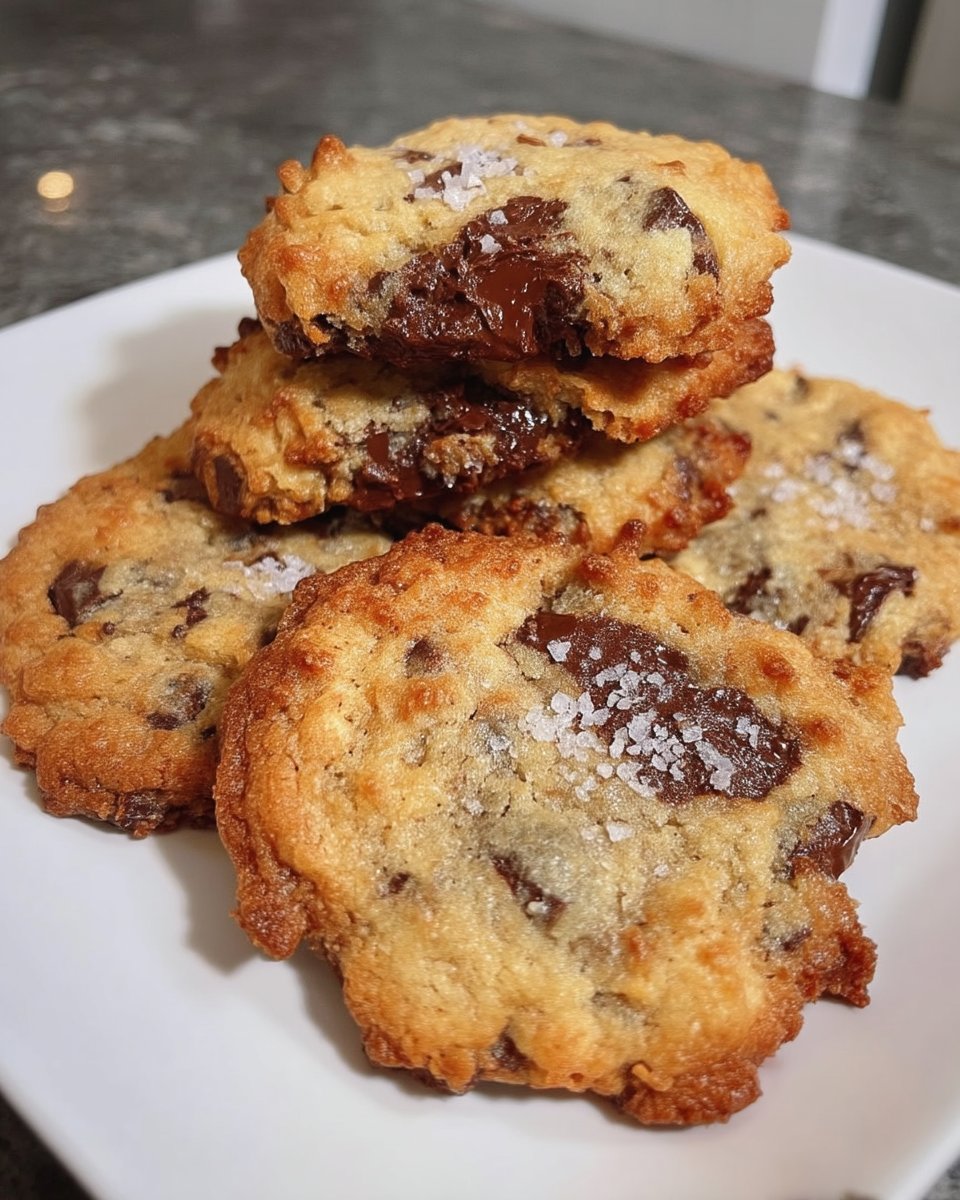
These cookies are engineered for immediate gratification without the structural compromise usually found in quick recipes. The result is a cookie with crisp, caramelized edges and a dense, chewy center that stays soft for days. By keeping the brown sugar ratio high and adding a precise amount of nutmeg to amplify the butter’s nuttiness, we achieve a complex flavor profile in under 30 minutes.
The Science of Efficiency
You will love this recipe because it respects your time while adhering to strict culinary science principles. Most “no chill” recipes result in greasy, spreading puddles because the fat is too warm. Here, we control the emulsion by introducing cold proteins (eggs) to the warm fat, bringing the dough to the perfect plasticity for baking immediately. Additionally, the inclusion of nutmeg isn’t for spice—it acts as an aromatic enhancer that bridges the gap between the vanilla and the caramelized milk solids, creating a bakery-level depth of flavor.
Print
No Chill Brown Butter Chocolate Chip Cookies
- Total Time: 30 mins
- Yield: 14 cookies
- Diet: Vegetarian
Description
These decadent chocolate chip cookies leverage the chemical power of browned butter and cold eggs to achieve a deep, toffee-like flavor without any chilling time. With a perfect balance of crisp edges and a fudgy center, they are engineered for immediate baking and maximum flavor impact.
Ingredients
- 113g unsalted butter
- 110g dark brown sugar
- 50g granulated sugar
- 1 large cold egg
- 1 large cold egg yolk
- 1 teaspoon vanilla extract
- Pinch of ground nutmeg
- 190g all-purpose flour
- ½ teaspoon baking soda
- ¼ teaspoon salt
- 170g dark chocolate chips
Instructions
- Melt the butter in a saucepan over medium heat, stirring constantly until it foams and turns amber with brown specks, then transfer to a bowl and cool for 10-15 minutes until it reaches 93°F-96°F.
- Whisk the dark brown sugar, granulated sugar, vanilla, and nutmeg into the warm butter.
- Incorporate the cold egg and egg yolk, whisking vigorously until the mixture becomes smooth and glossy.
- Using a spatula, gently fold in the baking soda, salt, and flour until just a few streaks of flour remain.
- Fold in the dark chocolate chips and portion the dough into 14 balls using a 1.35-oz scoop.
- Bake at 350°F on parchment-lined sheets for 9-11 minutes until edges are golden and set while centers remain slightly soft.
Notes
To ensure your cookies do not spread too much, it is vital to use eggs directly from the refrigerator to help cool the warm butter mixture. For the most accurate texture, weigh your flour and sugars using a digital kitchen scale rather than using measuring cups. Let the cookies rest on the hot baking sheet for at least five minutes after removal from the oven to allow the internal structure to fully set.
- Prep Time: 20 mins
- Cook Time: 10 mins
- Category: Dessert
- Method: Baking
- Cuisine: American
Precision Ingredients & Ratios
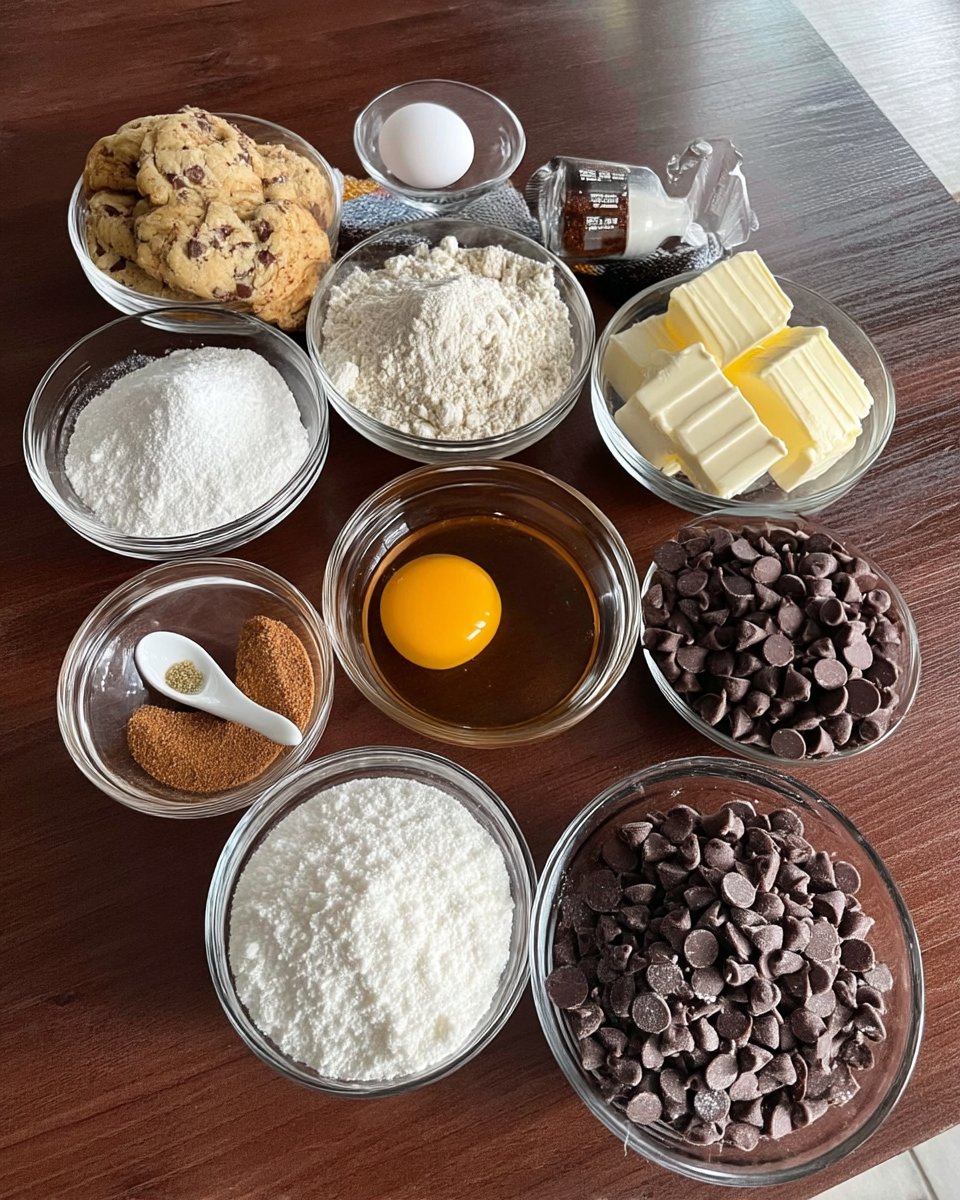
For consistent results, we highly recommend weighing your ingredients. Volume measurements can vary significantly based on packing density.
- Unsalted Butter (113g): We start with unsalted butter to control the sodium content. It will be melted and browned to 100% liquid fat with toasted milk solids.
- Dark Brown Sugar (110g): The molasses content here is crucial. It provides acidity to react with the baking soda and hygroscopic properties to retain moisture for a chewier texture.
- Granulated Sugar (50g): essential for crisp edges and promoting some spread.
- Cold Egg & Egg Yolk: The extra yolk increases the fat-to-protein ratio, creating a fudgier crumb. Crucially, they must be cold to lower the batter temperature.
- Nutmeg (Pinch): A chemical flavor potentiator for the brown butter.
- All-Purpose Flour (190g): A protein content of 10-12% is ideal here to balance tenderness with structure.
- Baking Soda (½ tsp): Provides the lift and aids in browning.
The Method
Step 1: Execute the Maillard Reaction
Place the butter in a saucepan over medium heat. Stir constantly as it melts and begins to foam. Watch for the color to shift to amber and the aroma to become nutty. Once you see brown specks (toasted milk solids) at the bottom, remove from heat immediately to prevent burning. Pour into a large heat-proof mixing bowl. Let it cool for 10-15 minutes until it registers between 34°C-36°C (93°F-96°F).
Step 2: Create the Emulsion
Add the dark brown sugar, granulated sugar, vanilla, and nutmeg to the warm butter. Whisk vigorously. Add the cold egg and cold egg yolk. Continue whisking until the mixture transforms; it should look smooth, glossy, and slightly thickened. This mechanical action creates a stable emulsion.
Step 3: Incorporate Dry Ingredients
Switch to a spatula. Add the baking soda and salt, mixing briefly. Add the 190g of flour and fold gently. Stop when a few flour streaks remain. This prevents over-developing the gluten, which would lead to tough cookies.
Step 4: Fold and Scoop
Fold in the dark chocolate chips just until combined. The dough should feel soft but manageable, similar to play-dough. Use a 1.35-oz scoop to portion out 14 dough balls.
Step 5: Bake for Texture
Place balls on parchment-lined sheets, spaced 3 inches apart. Bake at 350°F for 9-11 minutes. The visual cue is key here: the edges should be golden and set, but the centers should still look slightly underbaked and glossy. They will set as the residual heat continues to cook them on the pan.
Lab Notes for Success
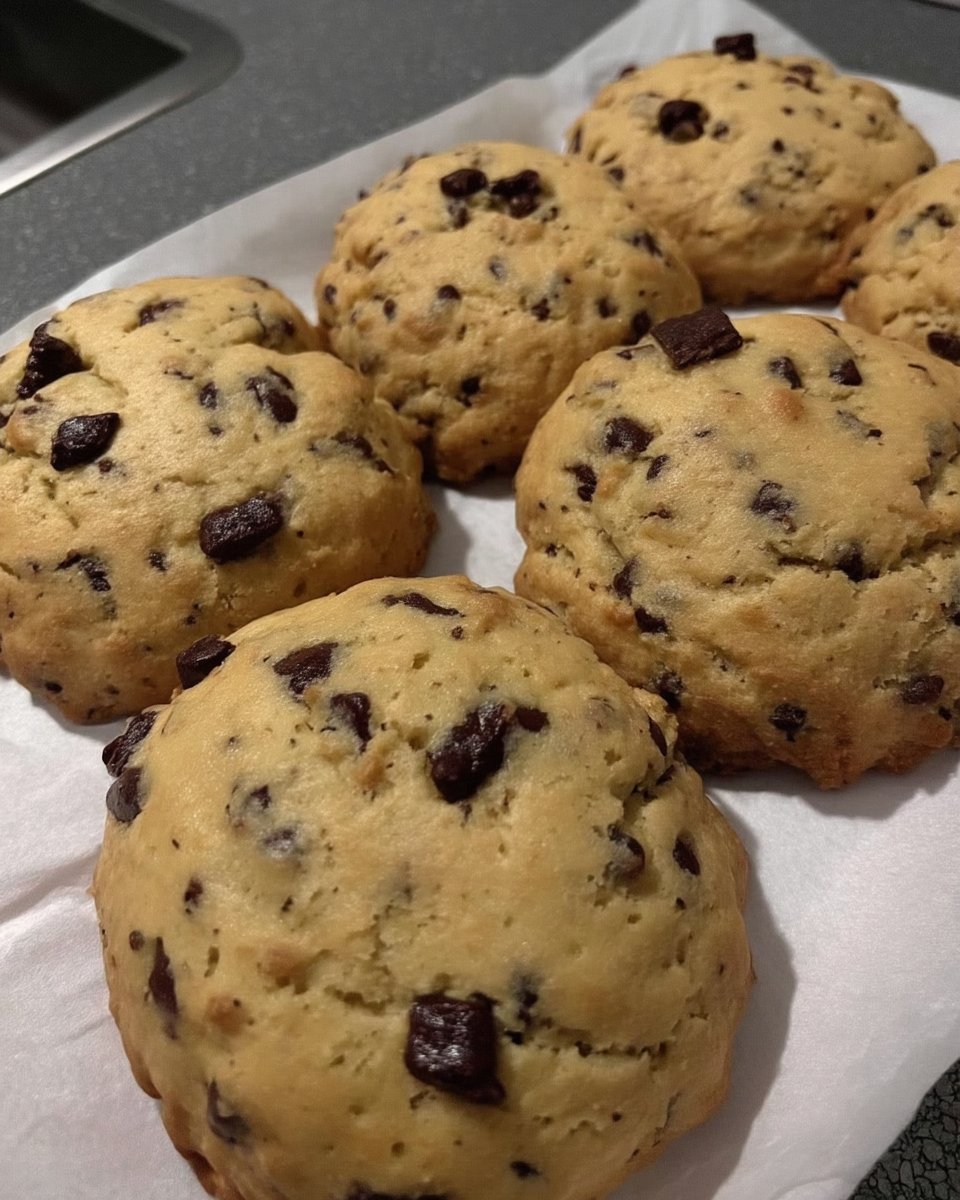
- Temperature is Critical: If your brown butter is too hot (over 100°F) when you add the eggs, you risk scrambling them and melting the sugar too fast, leading to greasy cookies. Use a thermometer for precision.
- The Pan Bang: If your cookies are puffing up too much in the oven, lift the baking sheet and drop it onto the rack once or twice. This collapses the air pockets for a denser texture.
- Measure Flour Correctly: We tested this with exactly 190g of flour. If you scoop with a cup, you might accidentally add 20-30g extra, drying out the dough. See our guide on Foundation Cookie Recipes for more on measuring techniques.
- Don’t Skip the Rest: Letting the cookies cool on the hot baking sheet for 5 minutes allows the structure to solidify without overcooking the bottom.
Tested Modifications
- Toasted Nuts: Adding 50g of toasted pecans complements the brown butter perfectly. Toast them first to release their oils.
- Flour Adjustments: For a cakeier cookie, you can increase the flour by 10g, but this will reduce the chewiness.
- Chocolate Types: We prefer dark chocolate (60-70%) to balance the sweetness, but chopped chocolate bars will create pools of chocolate rather than distinct chips.
- Spiced Variations: For a seasonal twist, check out our Holiday Cookie Science archives where we explore adding cinnamon or cardamom to this base ratio.
Optimal Serving Temps
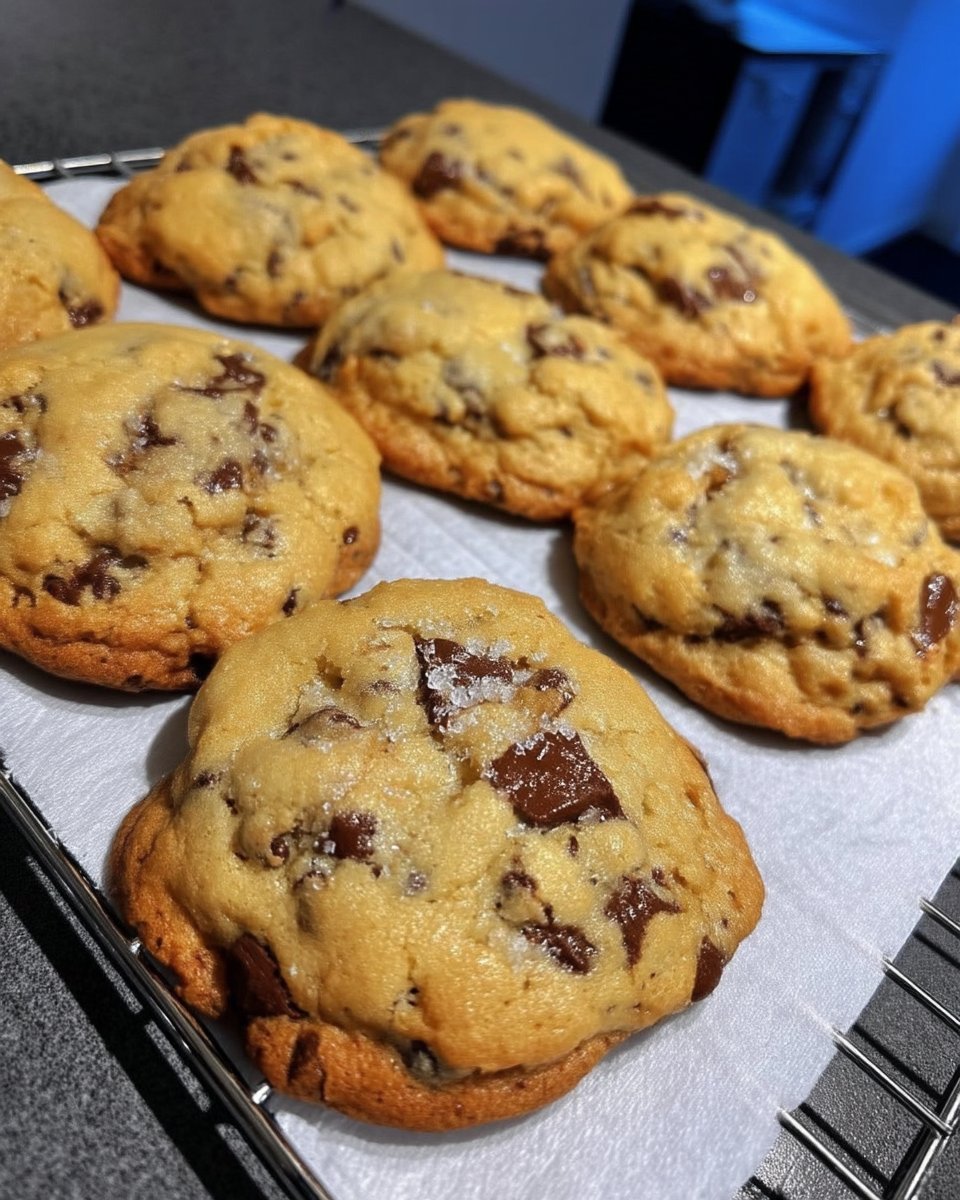
For the scientifically perfect experience, serve these cookies about 15-20 minutes after they come out of the oven. At this temperature (approx. 40°C), the chocolate is still liquid, but the crumb has set enough to provide a contrasting chew. If you are baking in large batches, consult our Efficient Cookie Methods for tips on rotating pans to ensure even heat distribution across multiple racks.
The Scientific Truth
Baking is chemistry you can eat, and these No Chill Brown Butter Chocolate Chip Cookies prove that you don’t always need time to develop flavor—you just need the right thermal reactions. By manipulating the Maillard reaction in the butter and controlling the emulsion temperature with cold eggs, we achieve a result that tastes like it rested for 24 hours. For further reading on brown butter mechanics, we enjoyed the research presented by Scientifically Sweet.
Keep testing your variables, and for more data-driven baking experiments, check out our Viral Cookie Analysis.
Share your results with us on social media: