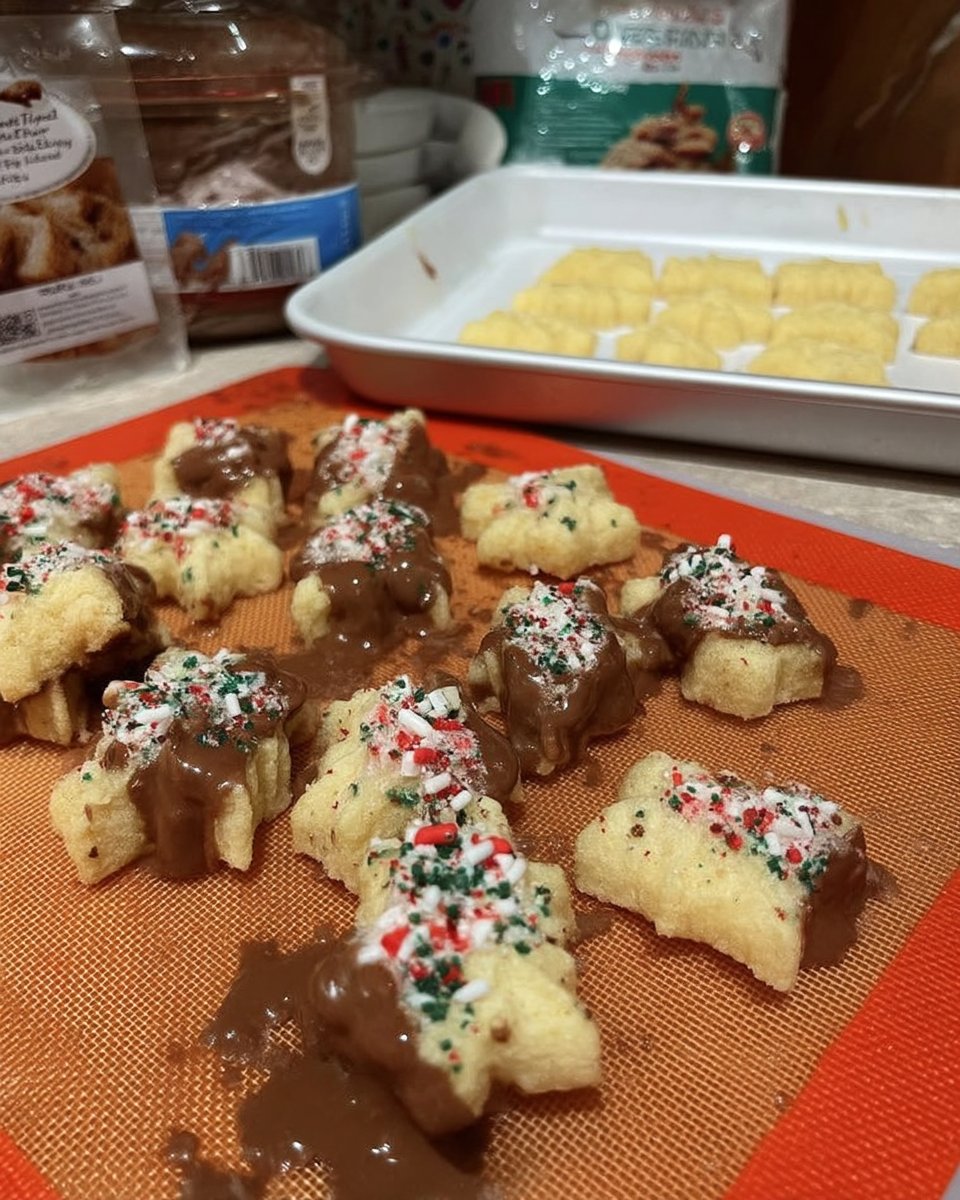
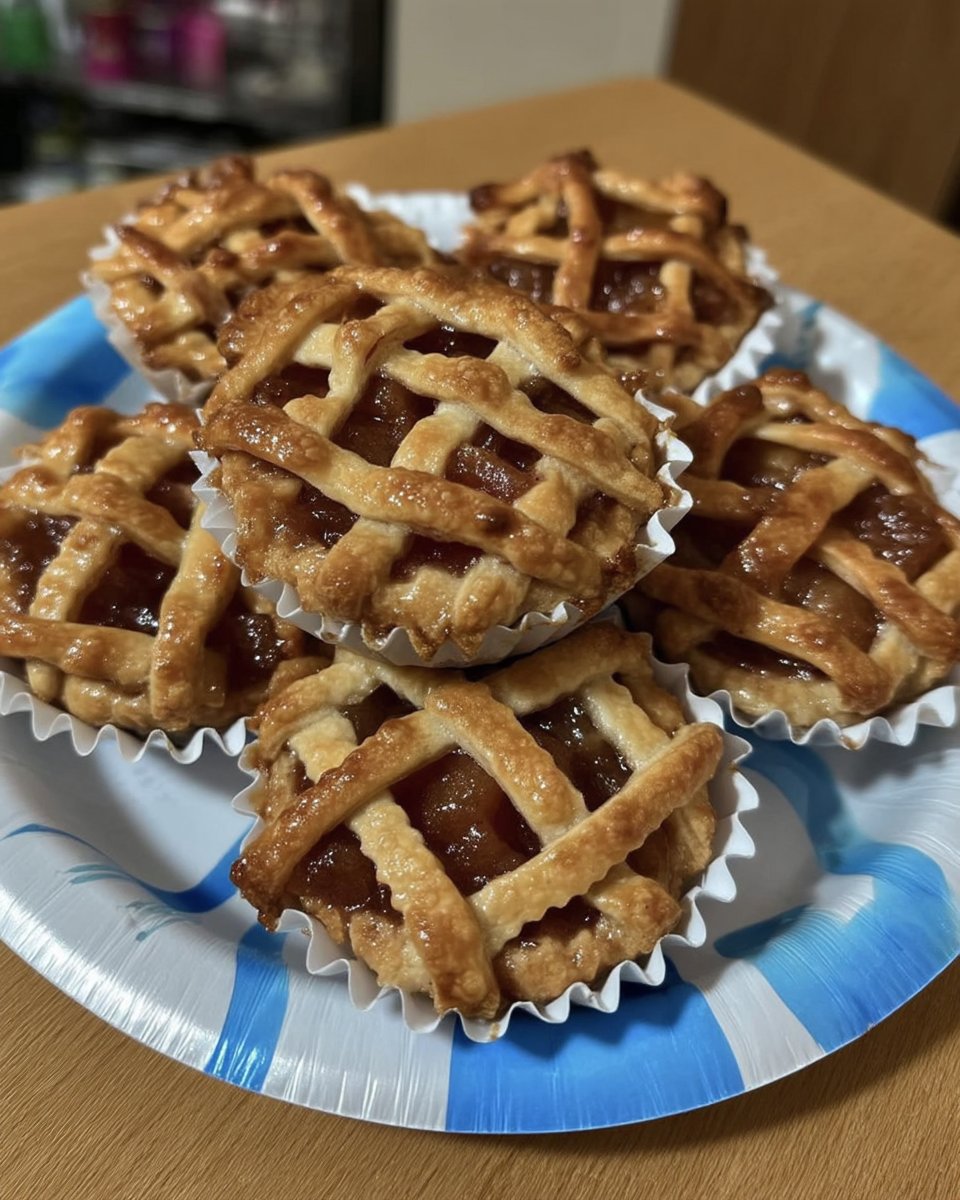
My fascination with the Apricot Thumbprint began when I started examining the molecular synergy between stone fruit and high-fat shortbread bases. Apricots contain unique aroma compounds called lactones, which possess a creamy, peach-like quality that bridges the gap between the dairy fats in butter and the floral notes of vanilla. When we combine these elements, we aren’t just making a cookie; we are creating a flavor circuit where the tartness of the fruit amplifies the richness of the dough through a process of taste suppression and enhancement.

These particular cookies rely on a precise ratio of fat to flour to create a tender, melt-in-the-mouth texture that supports a concentrated fruit center. The addition of almond extract introduces benzaldehyde, a compound that naturally occurs in apricot pits, reinforcing the fruit’s identity while providing a sophisticated nutty undertone. By rolling the dough in granulated sugar before baking, we create a crystalline barrier that provides a necessary textural contrast to the soft, jammy interior.
The Chemistry of Flavor Contrast
The primary reason this Apricot Thumbprint succeeds is the scientific balance between acidity and lipid content. The apricot jam provides a concentrated source of malic and citric acids, which act as a palate cleanser against the dense, buttery shortbread. Without this acidic intervention, the high fat content of the cookie would coat the tongue and dull the taste buds; instead, the jam cuts through the fat, allowing the nuances of the vanilla and almond to shine through more clearly.
Furthermore, the sugar coating on the exterior serves a functional purpose beyond mere sweetness. During the baking process, the sugar undergoes slight caramelization, adding a layer of complex pyrazines—toasted flavor compounds—that complement the roasted notes of the flour. This creates a multi-dimensional sensory experience where every bite offers a progression from crunchy and sweet to tender and tart. The interaction of the pectin in the jam with the moisture in the dough also creates a specific “chew” that is highly satisfying to the mechanoreceptors in the mouth.
Finally, the addition of the egg yolk provides lecithin, a powerful emulsifier. This helps to bond the water-based extracts with the fat-based butter, creating a more uniform crumb structure. This scientific approach to ingredient selection results in a cookie that feels intentional and balanced, rather than just another sweet treat. You will appreciate how the salt suppresses the perception of bitterness in the almond extract, effectively making the entire profile taste brighter and more vibrant.
Print
Apricot Thumbprint
- Total Time: 34 mins
- Yield: 24 cookies
- Diet: Vegetarian
Description
A sophisticated take on a classic holiday treat, these cookies pair a rich, buttery shortbread base with the bright tartness of apricot preserves. The addition of almond extract and a crystalline sugar coating creates a multi-textured experience that is scientifically balanced for maximum flavor impact.
Ingredients
- 1 cup unsalted butter, room temperature
- 1/2 cup granulated sugar, plus extra for rolling
- 1 large egg yolk
- 1 teaspoon vanilla extract
- 1/2 teaspoon almond extract
- 2 1/4 cups all-purpose flour
- 1/4 teaspoon fine sea salt
- 1/2 cup high-quality apricot jam
Instructions
- Preheat your oven to 350°F (180°C) and line two baking sheets with parchment paper.
- In a large bowl, cream together the room-temperature butter and 1/2 cup sugar using an electric mixer on medium-high speed until light and fluffy.
- Beat in the egg yolk, vanilla extract, and almond extract until fully combined and smooth.
- Gradually add the flour and salt on low speed, mixing just until the dough comes together; do not over-mix.
- Shape the dough into 1-tablespoon spheres and roll each ball in granulated sugar until evenly coated.
- Place the spheres on the prepared baking sheets about 2 inches apart.
- Use the back of a teaspoon to gently press a well into the center of each cookie.
- Fill each indentation with approximately 1/2 teaspoon of apricot jam.
- Bake for 12-14 minutes, or until the bottoms are lightly golden and the centers are set.
- Allow the cookies to cool on the baking sheets for 5 minutes before transferring them to a wire rack to cool completely.
Notes
For the best results, use a high-quality jam or preserve that is thick enough to hold its shape during baking. If the jam seems too thin, you can simmer it in a small saucepan for a few minutes to reduce the moisture content and concentrate the pectin before filling the cookies to ensure they do not run.
- Prep Time: 20 mins
- Cook Time: 14 mins
- Category: Dessert
- Method: Baking
- Cuisine: American
The Molecular Building Blocks of Taste
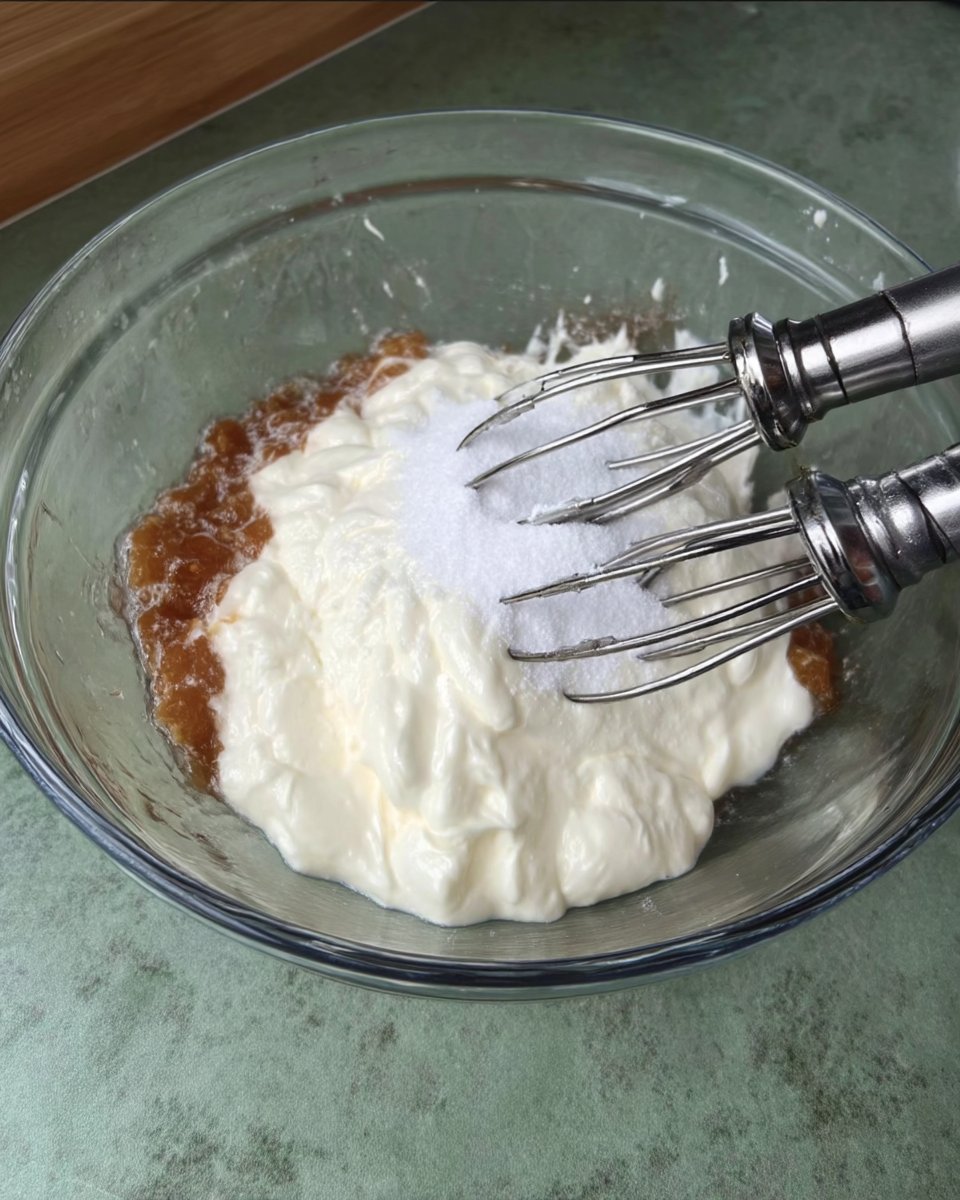
To achieve the perfect Apricot Thumbprint, we must select ingredients based on their chemical contributions to the final structure and flavor profile. Each component serves a specific role in the flavor layering process.
- Unsalted Butter: This is the primary lipid source, providing the short texture. High-quality butter contains about 80-82% milk fat, which is essential for carrying the fat-soluble aroma compounds of the extracts.
- Granulated Sugar: Used both in the dough and as a coating. In the dough, it aids in creaming and air entrapment; as a coating, it provides a textural crunch and aids in the Maillard reaction.
- Egg Yolk: Unlike a whole egg, the yolk adds fat and emulsifiers without adding excess water. This keeps the cookie tender and prevents it from becoming cakey or developing too much gluten.
- Vanilla and Almond Extracts: These provide vanillin and benzaldehyde. The almond extract is particularly important here as it shares a chemical lineage with apricots, creating a deeper, more resonant fruit flavor.
- All-Purpose Flour: This provides the protein structure (glutenin and gliadin). We mix this minimally to prevent tough cross-linking, keeping the cookie soft.
- Apricot Jam: The star of the show, providing acidity and pectin. Look for a high-quality preserve with visible fruit pieces for the best aroma concentration.
- Fine Sea Salt: Salt is a flavor modifier that reduces the perception of bitterness and increases the perceived intensity of the sweetness and fruit notes.
The Precision Layering Method
Step 1: Aeration and Emulsification
Begin by preheating your oven to 350°F (180°C) and lining your sheets with parchment. In a large bowl, cream the room-temperature butter and sugar on medium-high speed. This process isn’t just about mixing; it’s about mechanical aeration—forcing tiny air bubbles into the fat, which will expand in the oven to create a light texture.
Step 2: Integrating Volatile Compounds
Add the egg yolk, vanilla extract, and almond extract. Beat these until fully combined. The lecithin in the yolk will help stabilize the emulsion, ensuring that the volatile aroma compounds in the extracts are evenly distributed throughout the dough matrix for a consistent flavor experience in every bite.
Step 3: Managing Protein Development
Gradually add the flour and salt on low speed. It is vital to stop mixing as soon as the flour is incorporated. Over-mixing at this stage would lead to the development of a strong gluten network, which would result in a tough, bread-like cookie rather than a delicate, crumbly shortbread.
Step 4: Structural Shaping and Coating
Roll the dough into 1-tablespoon spheres. Roll each sphere in granulated sugar. This sugar layer acts as a thermal insulator and a moisture barrier, while also providing the characteristic crunch. Place them 2 inches apart to allow for heat circulation around each sphere during the baking cycle.
Step 5: Indentation Physics
Use the back of a teaspoon to press a well into the center of each ball. This creates a vessel for the jam while also thinning the center of the cookie, allowing it to bake at a similar rate to the thicker edges. Fill each indentation with approximately 1/2 teaspoon of apricot jam.
Step 6: Thermal Transformation
Bake for 12-14 minutes. During this time, the jam will reach a boiling point, concentrating its sugars and acids, while the dough undergoes the Maillard reaction. Look for light browning on the bottoms as a signal that the starches have gelatinized and the structure is set. Cool on the trays for 5 minutes to let the fats solidify before moving to a wire rack.
Jasmine’s Flavor Science Secrets
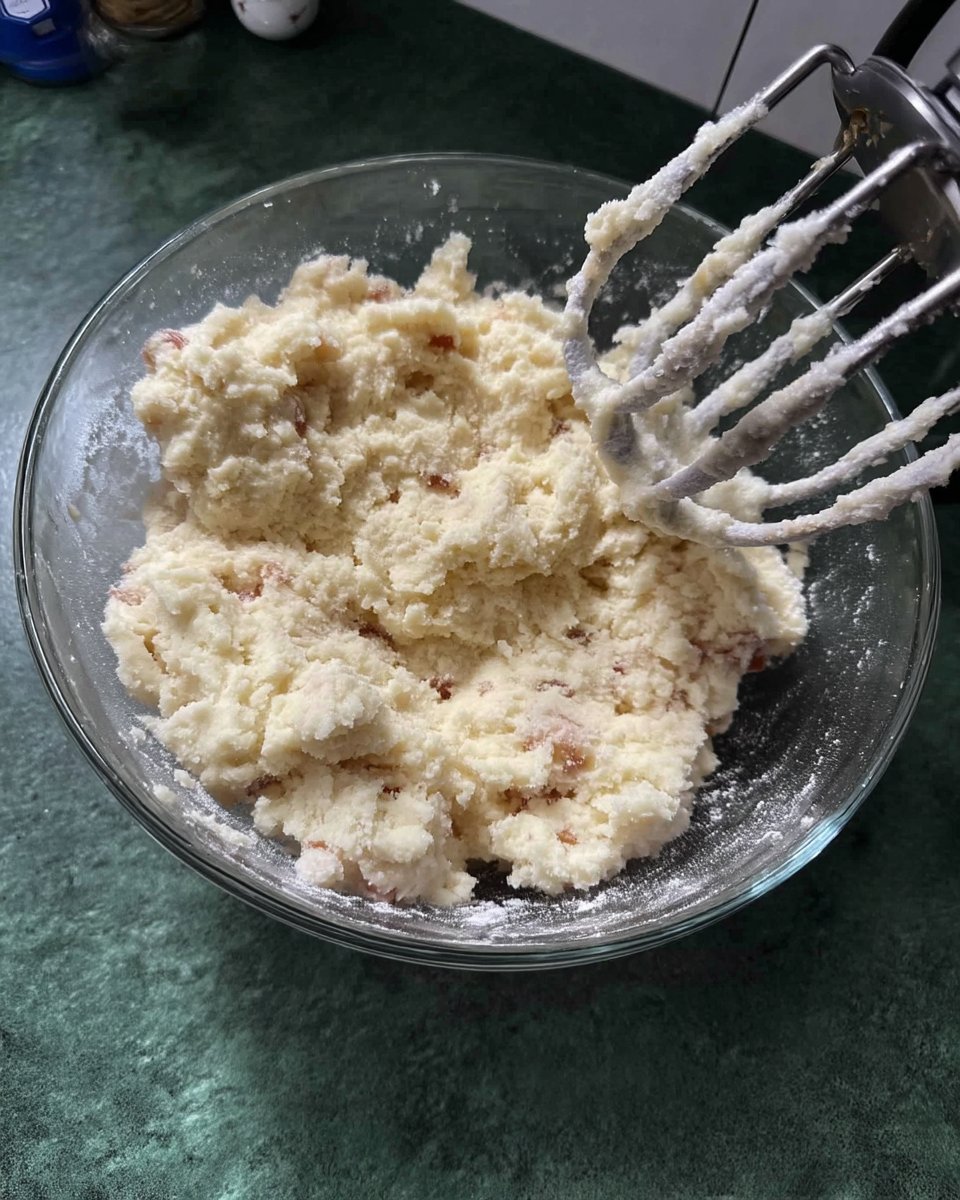
To maximize the flavor complexity of your Apricot Thumbprint, consider the temperature of your ingredients. Using butter that is exactly 65°F allows for the most efficient air entrapment during the creaming stage. If the butter is too warm, the air bubbles will collapse, resulting in a greasy, flat cookie. For more foundational knowledge on these interactions, examine our Foundation Cookie Recipes to master the basics of fat-based doughs. Additionally, you can find a similar traditional approach in this Apricot Thumbprint recipe which highlights the importance of jam quality.
Another secret involves the salt. Instead of mixing all the salt into the dough, try sprinkling a tiny pinch of flaky sea salt directly onto the jam after baking. This creates a localized salt concentration that hits the tongue first, suppressing bitterness and making the apricot flavor explode with intensity. Always use a high-pectin jam to guarantee that the center stays stable and doesn’t run during the thermal expansion in the oven.
Scientific Flavor Swaps
If you want to experiment with different aroma profiles, you can swap the apricot jam for raspberry. Raspberry contains ketones that provide a sharp, floral contrast to the buttery base. When making this switch, I recommend replacing the almond extract with lemon zest. The limonene in the lemon shares a citrus-terpene profile with many berries, creating a brighter, more acidic finish. For those interested in seasonal adjustments, our guide on Holiday Cookie Science offers deeper insights into spice pairings.
You can also modify the coating. Instead of granulated sugar, try rolling the dough in finely chopped toasted pecans. The pyrazines from the toasted nuts offer a savory-roasted counterpoint to the sweet jam, creating a more complex “nut-and-fruit” flavor pairing that is common in advanced pastry science. This variation changes the textural experience from a sharp crunch to a more complex, fatty crumble.
Optimal Flavor Pairing
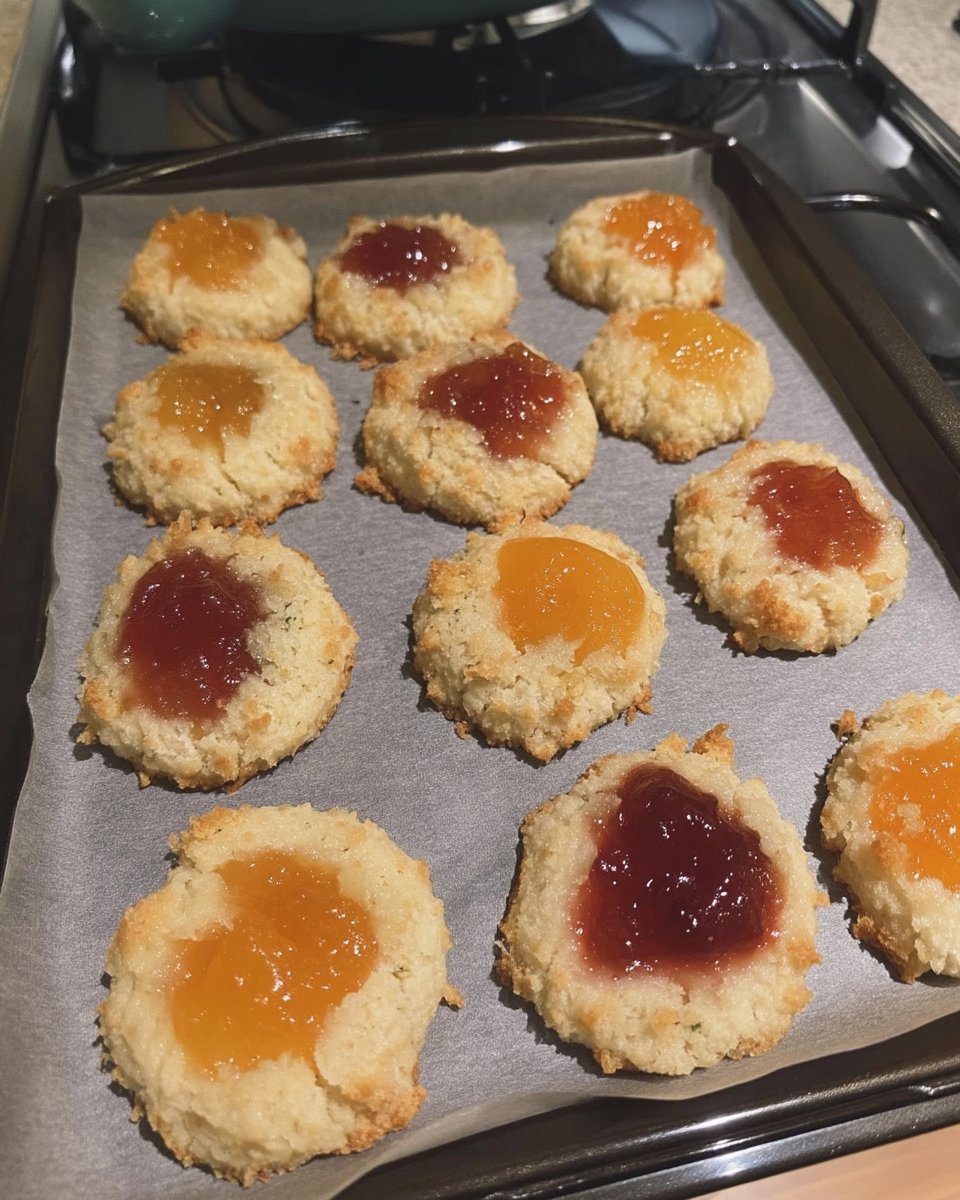
To fully appreciate the flavor science of the Apricot Thumbprint, serve them alongside a drink that complements the malic acid in the fruit. A light-roast coffee with citrus notes works beautifully, as the acidity in the coffee echoes the tartness of the jam while the warm temperature helps release the fat-soluble aromas of the butter. For a more formal presentation, you might want to look at our tips on Precision Cookie Decorating to learn how to pipe the jam centers for a cleaner look.
Temperature also plays a role in taste perception. While these are delicious warm, the flavor profile actually becomes more complex once the cookie has cooled to room temperature. This allows the fats to stabilize and the volatile aroma compounds to settle, making the distinction between the sweet dough and the tart jam more pronounced. Serve them on a ceramic plate, which holds a neutral temperature and doesn’t interfere with the sensory experience.
The Flavor Truth
Mastering the Apricot Thumbprint is a journey into the delicate balance of fat, acid, and aroma. By understanding the chemistry behind the ingredients—from the emulsification of the egg yolk to the lactones in the apricot—you can transform a simple cookie into a precise scientific achievement. For more analysis on how these classic flavors hold up under modern scrutiny, check out our Viral Cookie Analysis. I would love to see your results and hear your thoughts on this flavor pairing. Please share your bakes and join our community of flavor-focused bakers on Pinterest, Instagram, and Facebook. Keep experimenting with the science of taste, and happy baking!