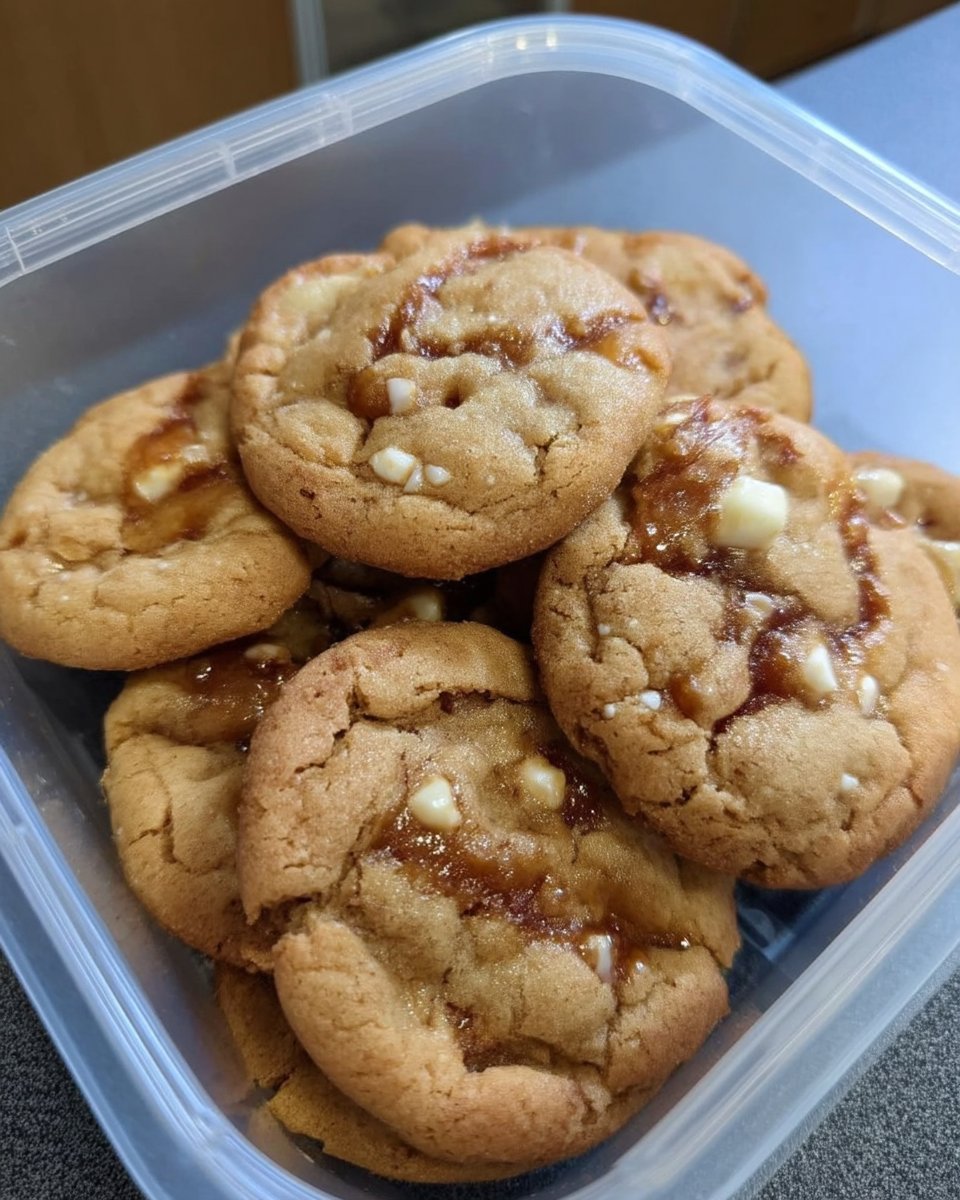
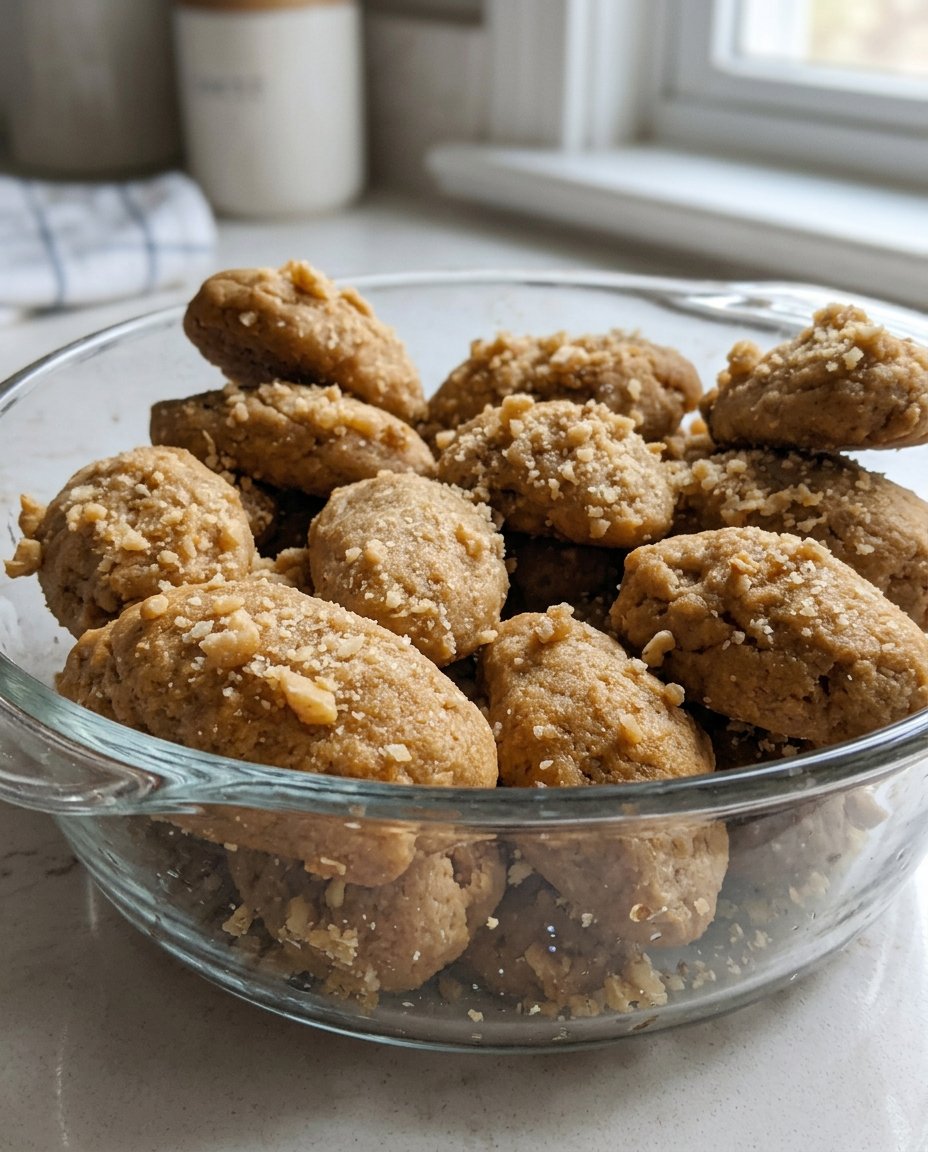
When evaluating the flavor profile of classic brown sugar cookies, we must look directly at the molasses content. Molasses introduces complex acidic compounds that react with baking soda, creating a tender, plush texture while contributing deep caramel notes. By melting the butter before mixing, we change the lipid structure to extract more fat-soluble flavor compounds from the brown sugar.

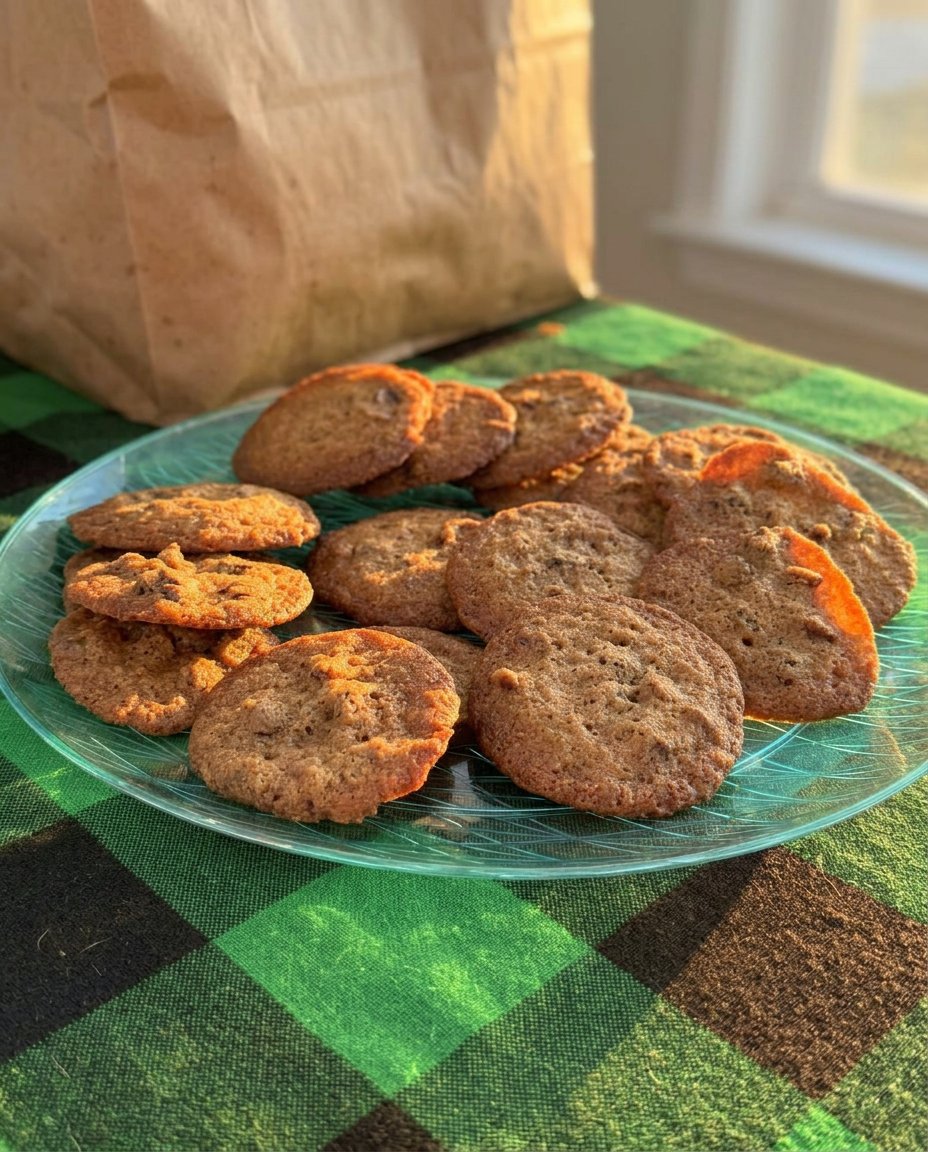
This precise method produces a cookie with crisp, sugar-crusted edges and a rich, chewy center. We skip the mixer entirely, relying on thermal management—specifically mandatory dough chilling—to control spread and hydrate the starches. It is a straightforward, scientifically sound approach to building layered sweetness.
The Flavor Science
Focusing purely on brown sugar alters the entire moisture and flavor dynamic of the bake. Brown sugar contains molasses, which is slightly acidic and highly hygroscopic, meaning it attracts and holds onto water molecules. This chemical property is exactly why these cookies stay remarkably soft and chewy for days.
We also incorporate a small amount of cinnamon, not to dominate the profile, but to introduce cinnamaldehyde. This compound acts as a background warming agent that amplifies the perception of the molasses notes. When we roll the dough in granulated sugar before baking, we create a textural contrast: a crystalline crust that shatters slightly, giving way to the dense, fudgy interior.
Print
Brown Sugar Cookies
- Total Time: 3 hours 35 mins
- Yield: 24 cookies
- Diet: Vegetarian
Description
These science-backed brown sugar cookies utilize melted butter and a specific chilling phase to achieve a dense, chewy center with a crisp, sugar-coated exterior. Rich molasses notes and a touch of cinnamon create a sophisticated caramel profile perfect for any occasion.
Ingredients
- 292g all-purpose flour
- Baking soda
- Cornstarch
- Ground cinnamon
- Salt
- Unsalted butter, melted and cooled
- Light brown sugar
- Dark brown sugar
- Large egg, room temperature
- Vanilla extract
- Granulated sugar, for rolling
Instructions
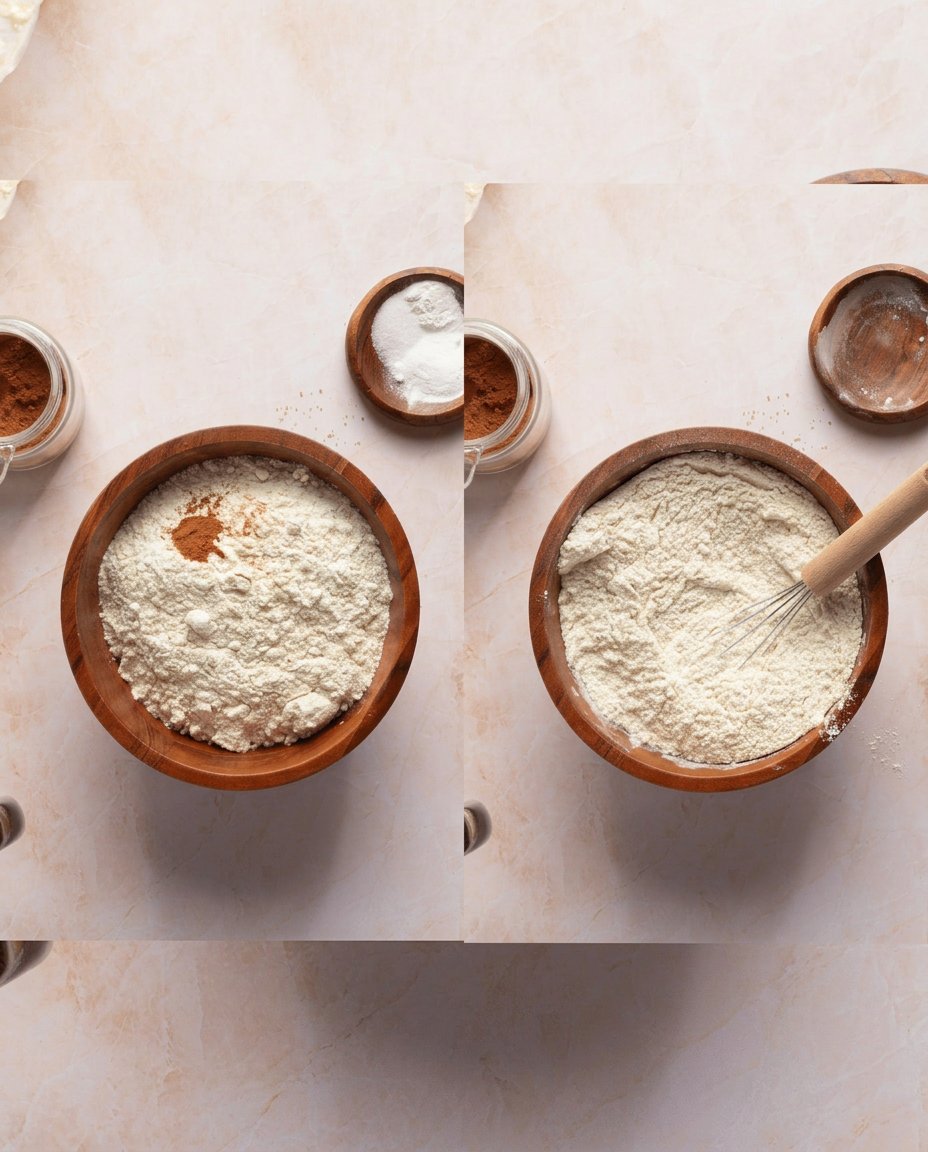
- In a large bowl, whisk together the flour, baking soda, cornstarch, cinnamon, and salt to ensure even distribution of the leavening agents.
- In a medium bowl, whisk the melted and slightly cooled butter with the light and dark brown sugars until smooth. Whisk in the room-temperature egg and vanilla extract until fully emulsified.
- Combine the wet and dry ingredients by pouring the butter-sugar mixture into the flour mixture, folding gently with a silicone spatula until just incorporated.
- Cover the dough tightly and refrigerate for at least 3 to 4 hours, or up to 3 days, to allow the starches to hydrate and the fats to solidify.
- Scoop approximately 1.5 tablespoons of dough (30–35g), roll into smooth balls, and coat each sphere generously in granulated sugar.
- Place dough balls 3 inches apart on parchment-lined baking sheets and bake at 325°F (163°C) for 14 to 16 minutes until the edges are set and the centers remain slightly puffy.
Notes
To ensure the best results, always allow your melted butter to cool for at least 5 to 10 minutes before adding the egg to prevent premature coagulation. The mandatory chilling period is essential for controlling the spread of the cookie and deepening the caramel flavors through enzymatic breakdown.
- Prep Time: 3 hours 20 mins
- Cook Time: 15 mins
- Category: Dessert
- Method: Baking
- Cuisine: American
Flavor Components and Building Blocks
Every ingredient here serves a distinct structural or flavor purpose. Understanding these roles allows you to bake with intention rather than just following steps.
- Melted Unsalted Butter: Melting the fat reduces aeration, resulting in a denser, fudgier texture rather than a cakey one. It also acts as the primary solvent for our flavor compounds.
- Brown Sugar (Light and Dark): The star of our recipe. Using half light and half dark provides a balanced ratio of sucrose to molasses, giving us deep caramel notes without tipping into bitterness.
- Cornstarch: This carbohydrate structural modifier binds with liquids to soften the gluten proteins, creating a tender, thick center.
- Ground Cinnamon & Vanilla Extract: Vanilla offers vanillin, which smooths out the sweetness, while cinnamon provides woody, warm aromatics that pair naturally with caramel flavors.
- All-Purpose Flour: Clocking in at 292g, this specific hydration ratio prevents the melted butter dough from spreading excessively on the hot baking pan.
The Layering Process
Step 1: Whisk the Dry Structural Elements
In a large bowl, whisk together the flour, baking soda, cornstarch, cinnamon, and salt. Dispersing the leavening agent and salt evenly through the flour prevents concentrated chemical pockets in the final bake.
Step 2: Emulsify the Wet Ingredients
In a medium bowl, whisk the melted and slightly cooled butter with the brown sugar until no lumps remain. This step dissolves the sugar crystals into the fat. Whisk in the room-temperature egg and vanilla extract until fully unified.
Step 3: Combine and Hydrate
Pour the wet lipid-sugar mixture into the dry ingredients. Mix gently with a silicone spatula just until combined. The dough will appear very soft and thick; this is the correct hydration level before the flour absorbs the moisture.
Step 4: Mandatory Chilling Phase
Cover the dough tightly and refrigerate for at least 3 to 4 hours, or up to 3 days. This thermal rest period is non-negotiable—it solidifies the melted butter and allows the starches to fully hydrate, which controls spread during baking.
Step 5: Roll and Coat
If the dough is exceedingly firm, let it soften at room temperature for 15 minutes. Scoop 1.5-Tablespoon portions (roughly 30–35g) and roll them into smooth spheres. Coat each ball generously in granulated sugar to promote a crystalline crust.
Step 6: Bake with Precision
Place the coated dough balls 3 inches apart on parchment-lined baking sheets. Bake at 325°F (163°C) for 14 to 16 minutes. The edges will set with micro-cracks while the centers remain puffy and soft; they will deflate and solidify as they cool on the pan.
Jasmine’s Taste Science Notes
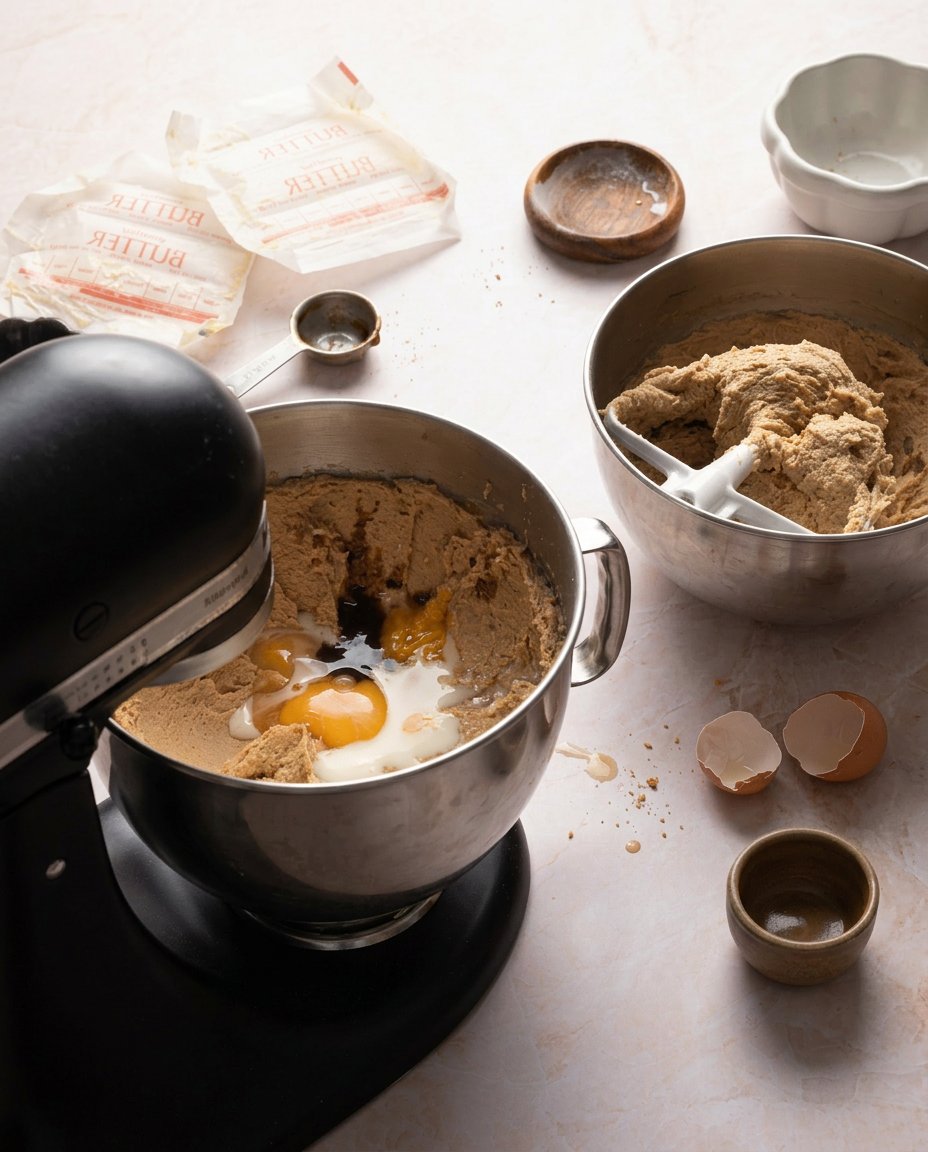
Temperature management is the most critical variable in this formula. If you apply hot melted butter directly to the egg, you risk coagulating the proteins prematurely, which alters the texture. Let the butter cool for 5 to 10 minutes before mixing.
Additionally, the resting phase does more than just solidify the butter. As the dough sits, enzymes break down complex carbohydrates into simple sugars, which promotes better browning and more complex caramel flavors in the oven. For those interested in mastering foundational techniques, reviewing Foundation Cookie Recipes can provide further insight into dough hydration. We also owe a nod to the classic chewy brown sugar cookies methodology, which first inspired this deeper look into fat hydration ratios.
Scientific Swaps and Flavor Options
Many bakers wonder about altering the fat source for deeper flavor. You can absolutely brown the butter first to create nutty pyrazine compounds through the Maillard reaction. However, browning evaporates the water content in the butter.
If you make this swap, you must add 2 Tablespoons of water or milk to the wet ingredients to replenish that lost moisture, otherwise, your dough will be crumbly and dry. You can also try infusing the granulated rolling sugar with citrus zest. The limonene oils in the zest provide a sharp, bright contrast to the heavy molasses notes. Check out our Efficient Cookie Methods for more ways to tweak fat ratios.
Flavor Pairings and Enjoyment
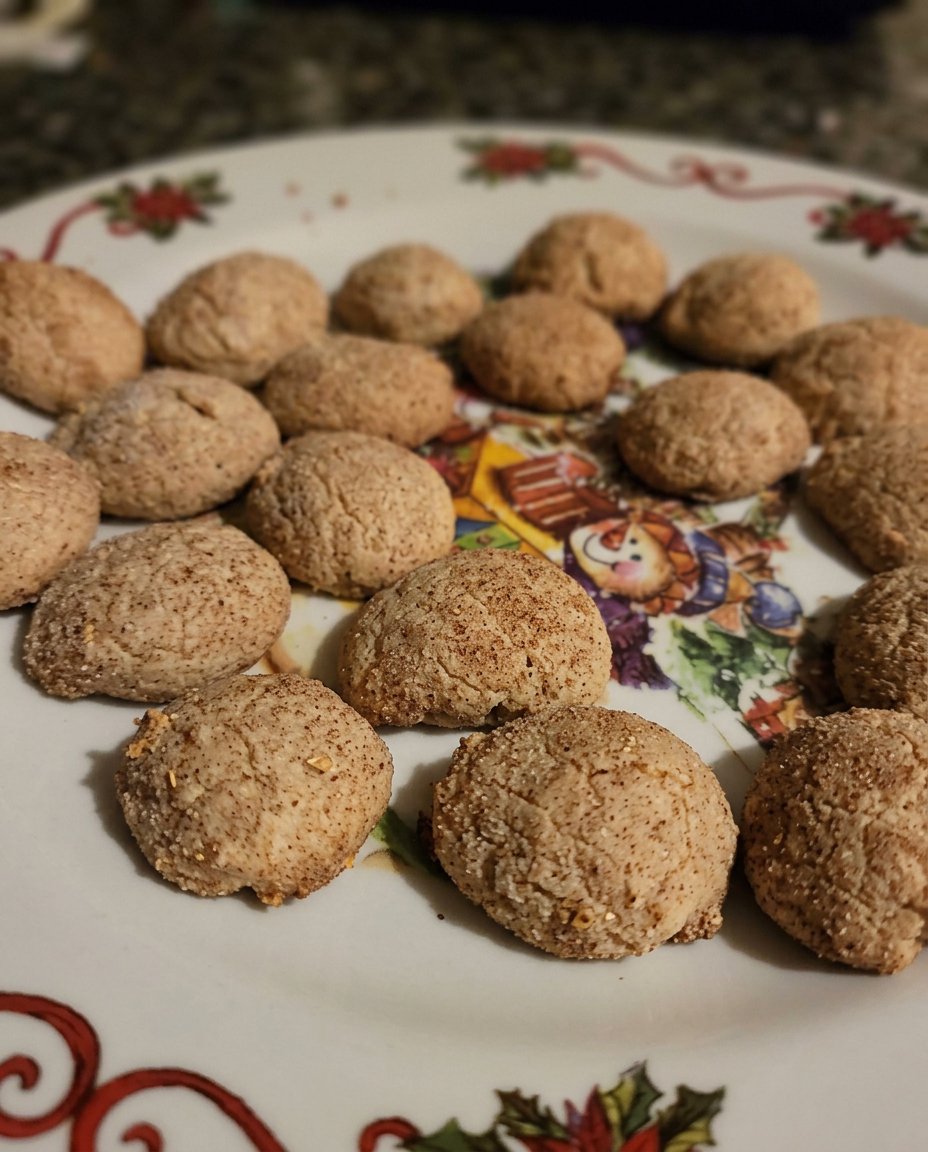
These brown sugar cookies possess a dense, caramel-forward profile that pairs beautifully with bitter compounds. Serving them alongside a dark roast coffee or black tea balances the sweetness, as the tannins in the tea cleanse the palate between bites.
If you are serving them warm, the volatile aroma compounds are highly active, making the cinnamon and vanilla notes much more pronounced. For more analytical approaches to dessert pairings, our Viral Cookie Analysis details how temperature affects flavor perception.
The Flavor Truth
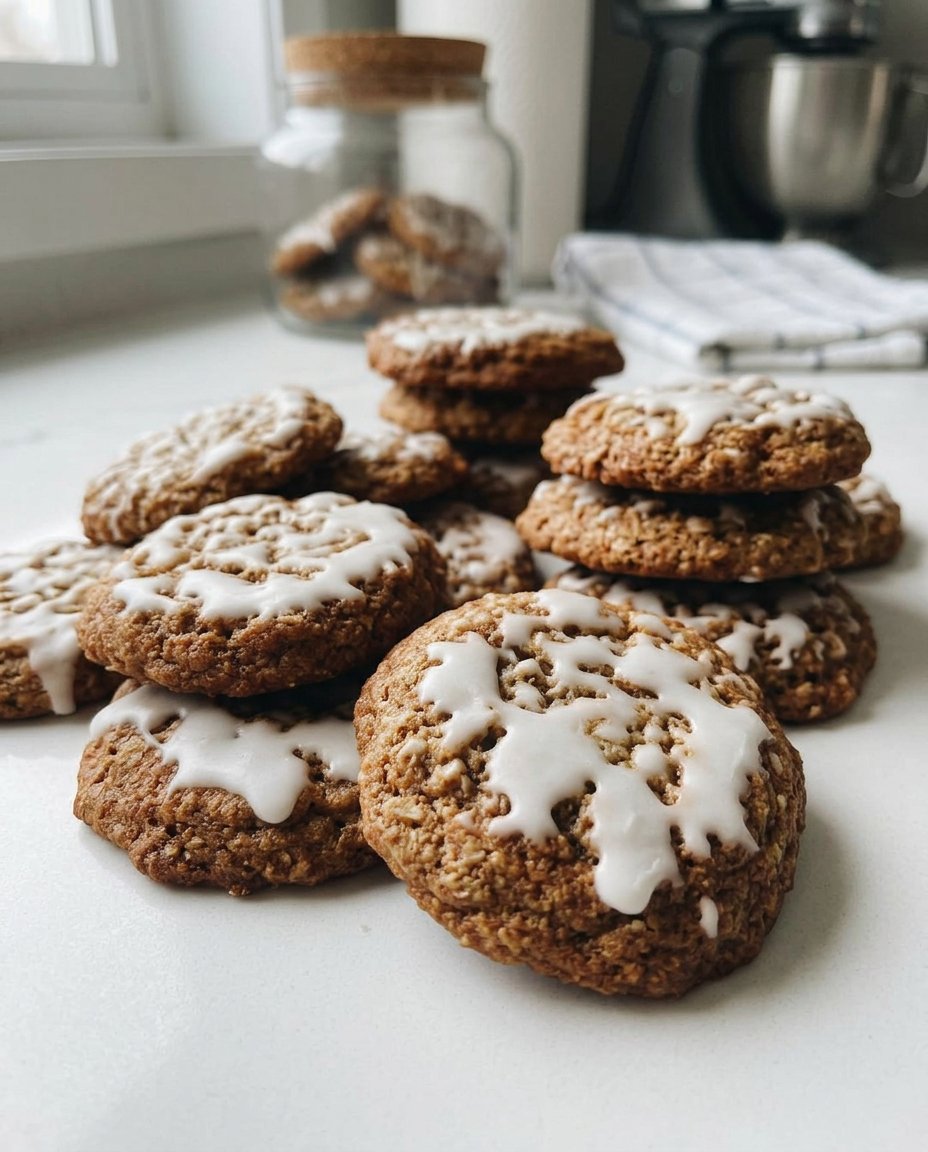
Mastering these brown sugar cookies demonstrates how manipulating basic variables—like melting the fat and resting the dough—can completely transform a bake. The resulting texture is plush, the edges are perfectly crystalline, and the flavor is scientifically balanced.
To read about how these structural rules apply to other seasonal bakes, review our Holiday Cookie Science archive. Share your baking results and flavor discoveries with us on Instagram, Pinterest, and Facebook!