Victorian bakers understood the chemical importance of molasses long before modern food science identified it as a powerful humectant. In the 19th-century British kitchen, the preservation of moisture in biscuits was achieved through the high mineral content and acidity of treacle and molasses. This specific Paleo Gingerbread 3 recipe honors those historical methods by using identical ratios of spice and dark sugars to replicate that traditional, tender crumb without the use of refined grains.

This methodical approach to paleo baking focuses on the precise interaction between almond flour lipids and the viscous structure of molasses. By applying historical temperature control techniques, we achieve a cookie that maintains its structural integrity while offering the nostalgic snap of a traditional gingerbread. It is a formula that respects the past while meeting the dietary requirements of the present day.
The Heritage of Spice and Structure
There is a profound logic to why gingerbread became a staple of the British winter. Historically, the heavy concentration of ginger, cinnamon, and allspice served not just as flavor but as a preservative, allowing these treats to remain fresh throughout the long months. In this recipe, we capture that historical intensity by using a concentrated spice blend that interacts with the coconut sugar to create a deep, caramel-like complexity. Modern testing reveals that these spices actually slow the oxidation of fats in nut-based flours, meaning your cookies stay fresher for longer periods, just as they did in the cool stone pantries of the 1800s.
You will appreciate the technical balance of this dough, which avoids the common pitfalls of grain-free baking. Many modern paleo recipes result in a crumbly or overly soft texture, but by following the precision of this method, you produce a cookie with a remarkable chew. The inclusion of molasses provides the necessary acidity to react with the baking soda, creating tiny carbon dioxide pockets that lighten the dense almond flour. This scientific reality reflects the intuitive wisdom of early bakers who knew exactly how to balance leavening with heavy sweeteners to produce a reliable, consistent result every time.
Finally, this recipe celebrates the art of the rest. In traditional biscuit making, allowing the dough to mature was standard practice to allow the flour to fully hydrate and the flavors to meld. We maintain that tradition here, as the thirty-minute chill period is not a mere suggestion but a critical step in fat solidification. This ensures that the cookies maintain their thickness and resist spreading into thin, oily discs during the bake. It is a triumph of patience over haste, rewarding the methodical baker with a cookie that is as structurally sound as it is delicious.
Print
Paleo Gingerbread
- Total Time: 52 mins
- Yield: 12 cookies
- Diet: Paleo, Gluten-Free
Description
Experience a sophisticated, grain-free take on traditional British gingerbread that pairs the richness of almond flour with the deep complexity of molasses. This recipe uses precise scientific methods to ensure a perfectly chewy texture and a warm, nostalgic spice profile.
Ingredients
- 220 grams finely ground blanched almond flour
- 76 grams coconut sugar
- 3 tablespoons molasses
- 1 tablespoon ground ginger
- 1 teaspoon ground cinnamon
- 1/2 teaspoon ground allspice
- 1/4 cup coconut or avocado oil
- 1 large egg
- 1 teaspoon vanilla extract
- 1/2 teaspoon baking soda
- 1/4 teaspoon salt
Instructions
- Place the almond flour, baking soda, coconut sugar, cinnamon, ginger, allspice, and salt into a food processor and pulse three to four times until combined and clump-free.
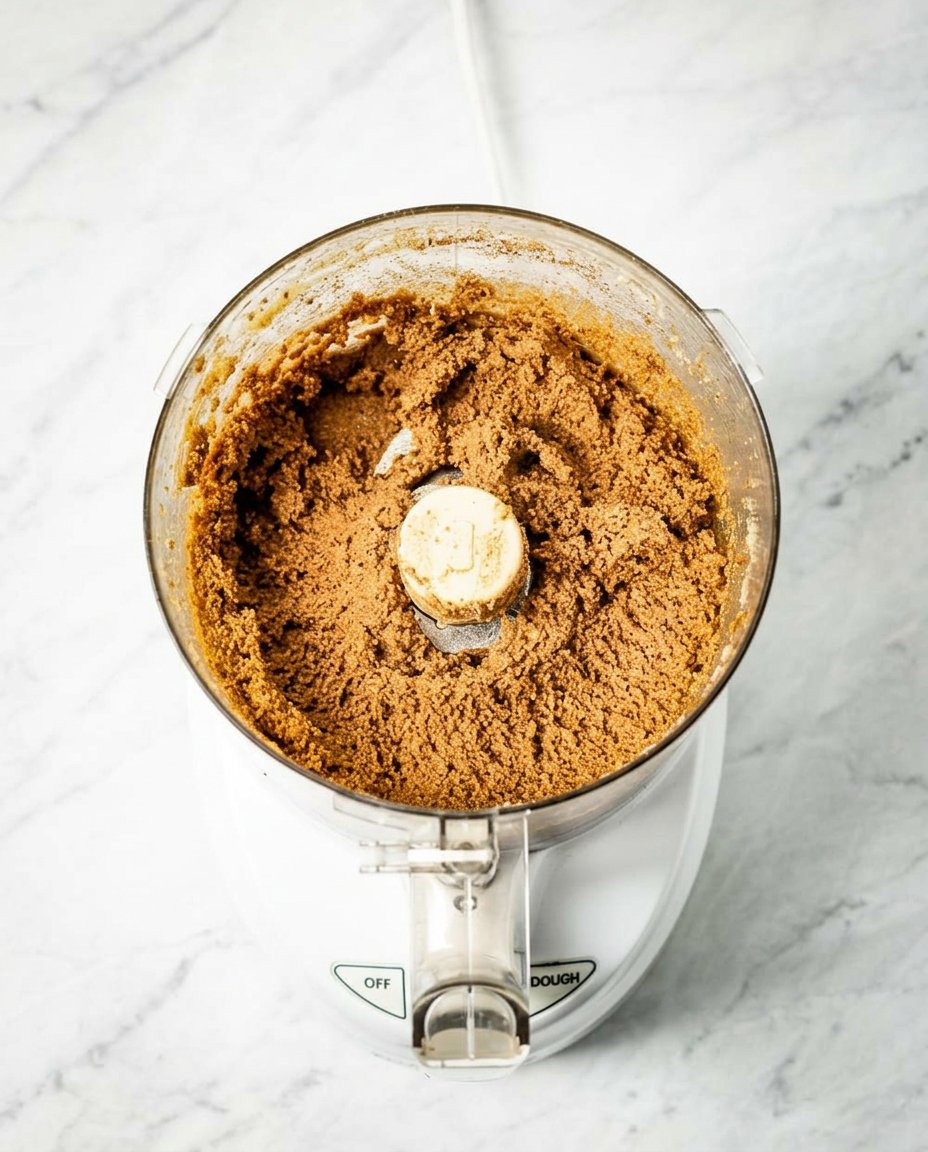
- Add the oil, molasses, egg, and vanilla extract, then process for 15 to 20 seconds until a thick, cohesive dough forms.
- Transfer the dough to a bowl, wrap tightly with plastic film, and refrigerate for 30 minutes to allow the fats to solidify and the flour to hydrate.
- Preheat your oven to 350°F and line a heavy baking sheet with parchment paper.
- Scoop 1.5-tablespoon portions of dough onto the sheet, spacing them two inches apart, and gently press each sphere with your palm to flatten slightly.
- Bake for 10 to 12 minutes until the edges are set, then allow the cookies to rest on the hot pan for five minutes to firm up before moving them.
Notes
To ensure the most consistent results, measure your almond flour using a digital scale rather than a measuring cup. If your kitchen is warm, you may need to extend the chilling time to prevent the cookies from spreading too much during the baking process.
- Prep Time: 10 mins
- Cook Time: 12 mins
- Category: Dessert
- Method: Baking
- Cuisine: British
Components of a Modern Classic
The choice of ingredients in this recipe is grounded in a deep understanding of how non-traditional flours behave under thermal stress. Every element has been tested for its scientific contribution to the final structure and flavor profile.
- Almond Flour (220 grams): We use finely ground blanched almond flour because its high protein and healthy fat content provide the structural foundation. Unlike wheat, it lacks gluten, so we must rely on the egg and molasses for binding.
- Coconut Sugar (76 grams): This acts as our primary dry sweetener. It has a lower glycemic index than white sugar but carries a flavor profile remarkably similar to the brown sugars used in traditional gingerbread.
- Molasses (3 tablespoons): This is the soul of the recipe. It provides the characteristic dark color, deep flavor, and the essential acidity required for proper leavening in a grain-free environment.
- Spices (Ginger, Cinnamon, Allspice): We use a ratio that favors the heat of the ginger while being rounded out by the warmth of cinnamon and the complex notes of allspice. This reflects the spice blends found in late-Victorian ‘ginger nuts.’
- Coconut or Avocado Oil: These fats are chosen for their stability. When melted and then cooled, they help create a smooth emulsion with the egg, preventing the dough from becoming greasy.
- Large Egg: This is our primary emulsifier. The proteins in the egg set during the bake, providing the ‘skeleton’ that keeps the cookie from collapsing once it leaves the oven.
The Methodical Path to Perfection
Step 1: Mechanical Homogenization
Place the almond flour, baking soda, coconut sugar, ground cinnamon, ground ginger, allspice, and salt into the bowl of a high-speed food processor. Pulse the mixture three to four times. This mechanical action does more than just mix; it breaks down any small clumps in the almond flour and ensures the leavening agent is perfectly distributed through the dry mass, preventing uneven rising.
Step 2: Formulating the Emulsion
Add the coconut oil, molasses, the egg, and the vanilla extract directly to the processor. Process the mixture for approximately 15 to 20 seconds until a cohesive dough forms. This high-speed integration is superior to hand-mixing for paleo doughs, as it forces the fats and liquids into the almond flour, creating a stable emulsion that prevents the oil from separating during the baking process.
Step 3: The Critical Chill Period
Transfer the sticky dough into a clean glass bowl and wrap it tightly with plastic film. Place the dough in the refrigerator for at least 30 minutes. This step is a direct descendant of the ‘resting’ technique used in traditional shortbread. It allows the coconut oil to firm up and gives the almond flour time to fully hydrate, which is the secret to a cookie that holds its shape and develops a deeper spice profile.
Step 4: Portioning and Preparation
Preheat your oven to 350 degrees Fahrenheit and line a heavy-gauge baking sheet with parchment paper. Using a 1.5-tablespoon scoop, portion the dough and arrange the spheres two inches apart. This spacing is vital for proper airflow. Gently press each ball with the palm of your hand to slightly flatten them, as grain-free doughs do not have the same natural spread as wheat-based versions.
Step 5: The Precise Thermal Set
Bake for exactly 10 to 12 minutes. The cookies will appear soft but will have set edges. This is the ‘carry-over cooking’ phase often discussed in professional pastry circles. Let the cookies rest on the sheet pan for five minutes; this allows the internal structure to firm up as the temperature drops, ensuring they don’t break when moved to a cooling rack.
Jordan’s Technique Notes
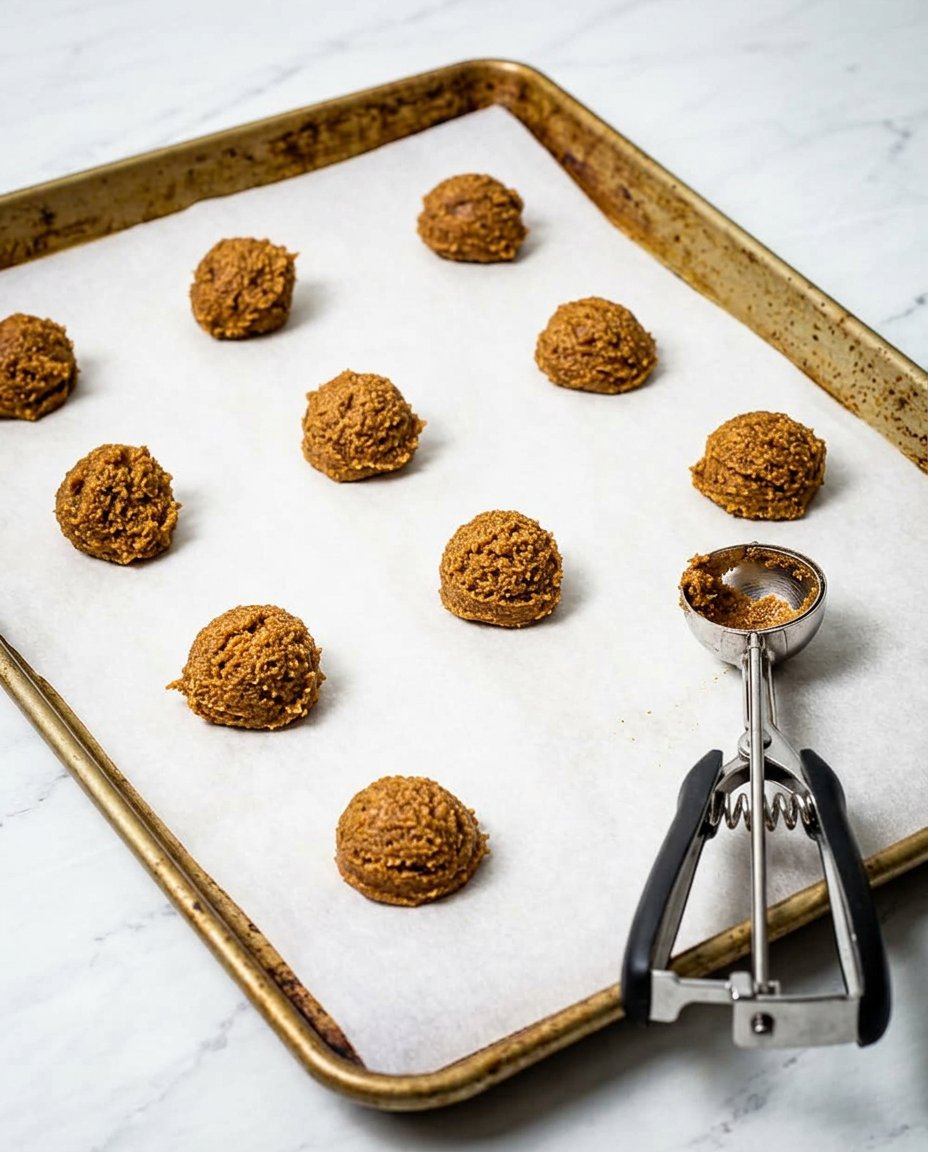
To achieve the perfect texture, one must understand the role of fat solidification. If your kitchen is particularly warm, I recommend chilling the dough for an additional fifteen minutes to prevent the coconut oil from melting too rapidly in the oven. This technical adjustment ensures the cookies maintain a thick, chewy center. If you find the dough is sticking to your hands during portioning, a very light coating of oil on your palms will act as a barrier without altering the dough’s chemistry. For those looking to master other core methods, our guide on Foundation Cookie Recipes provides the scientific basis for consistent results across all grain-free bakes. Always use a digital scale for your almond flour; volume measurements are notoriously inaccurate and can lead to a dry, crumbly biscuit.
Regional and Dietary Adaptations
While this recipe follows a traditional profile, historical variations allow for some creativity. In some parts of Northern England, it was common to add finely minced candied ginger for extra ‘bite.’ You may stir in two tablespoons of minced ginger after the dough has formed in the food processor. For a festive look, you can also dip the tops of the chilled dough balls in a small amount of coconut sugar before flattening them. If you are interested in the wider application of these spices in seasonal treats, see our Holiday Cookie Science section for more technical deep dives. For a different take on these flavors, you might also find this paleo gingerbread recipe a helpful resource for comparison.
Traditional Service and Enjoyment
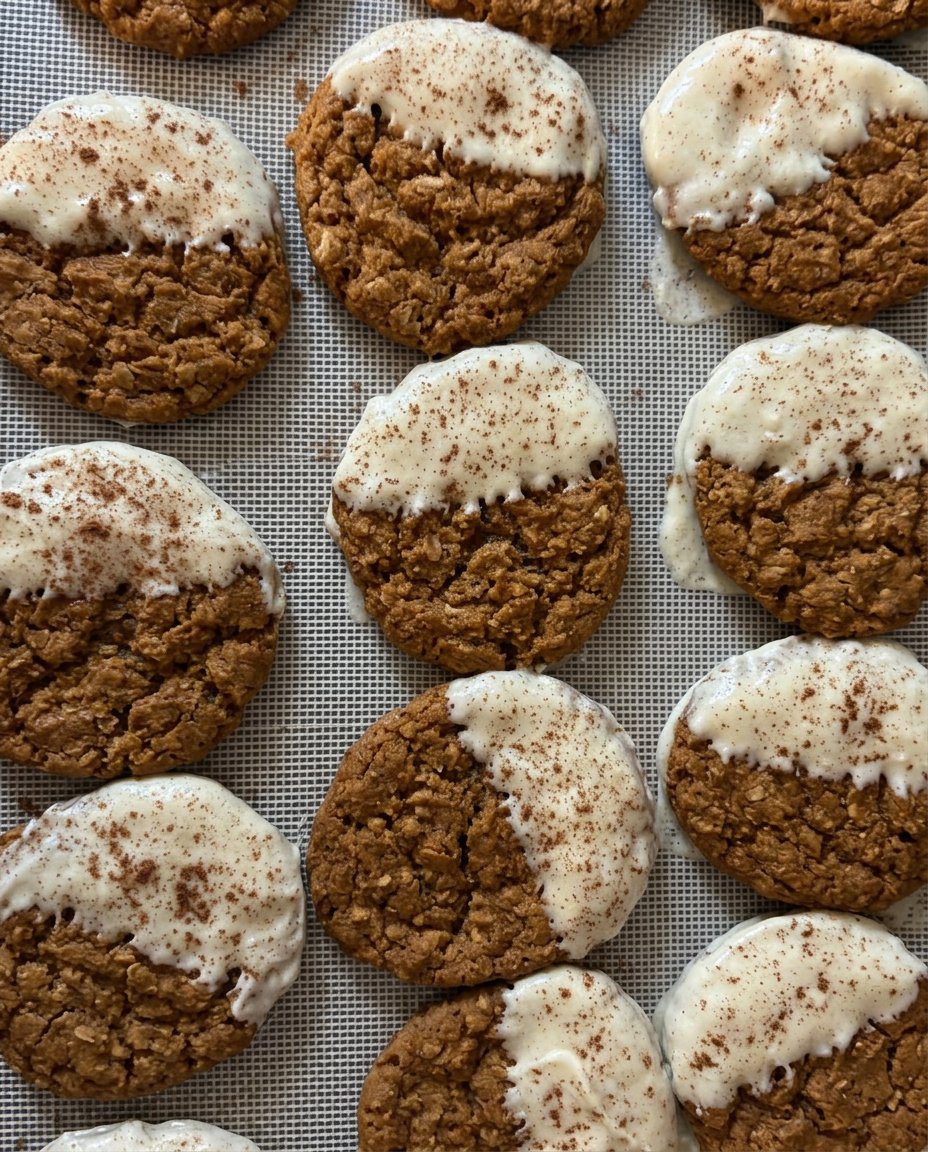
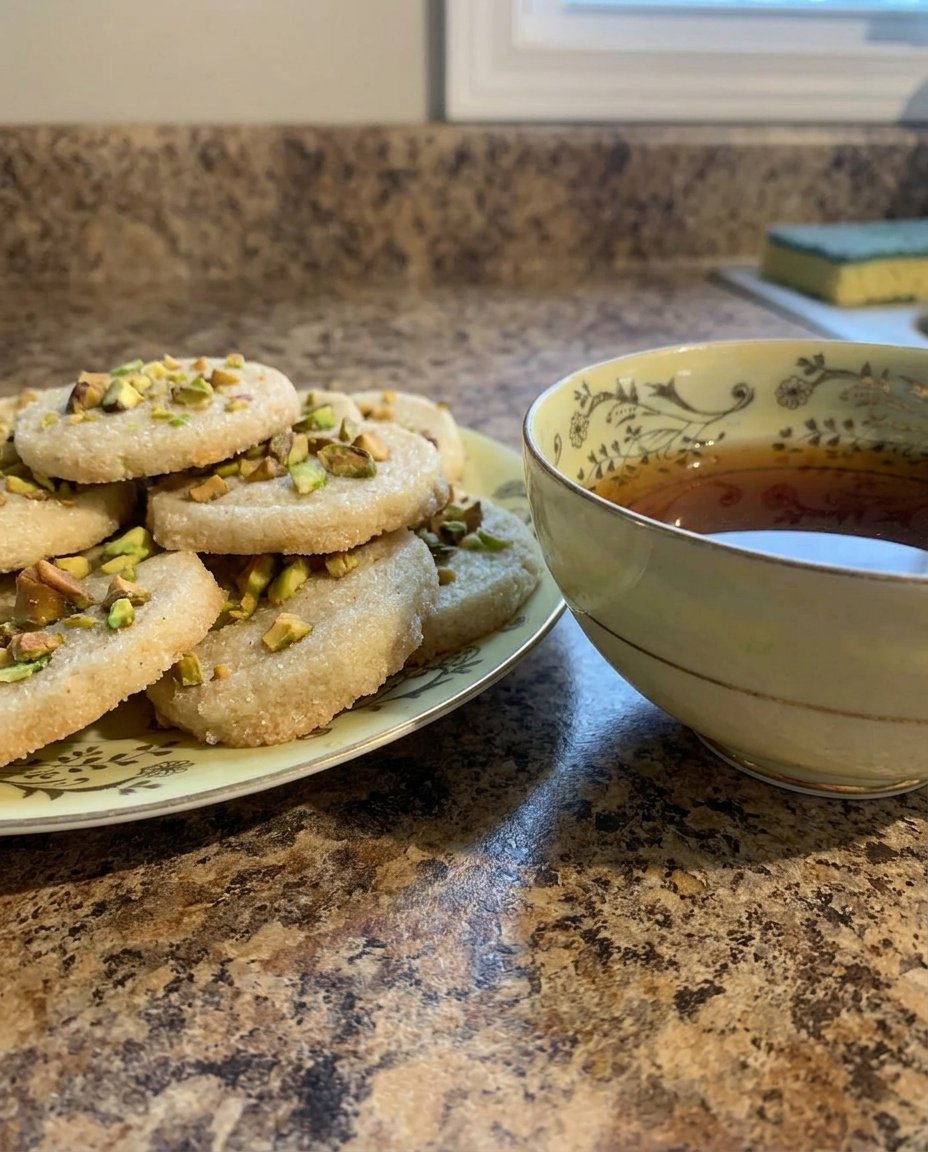
In the British tradition, gingerbread is the perfect accompaniment to a strong afternoon tea, such as an Earl Grey or a robust Assam. The tannins in the tea provide a sharp contrast to the deep molasses and warm spices of the cookie. To serve these in a more formal setting, arrange them on a pre-warmed ceramic platter; the residual heat keeps the centers tender for longer. For more ideas on how to organize your baking workflow for gatherings, visit our section on Efficient Cookie Methods. These cookies also pair beautifully with a dollop of lemon-infused coconut cream, which provides a bright acidity that cuts through the richness of the almond flour.
The Technical Truth
Baking is fundamentally an act of chemistry, and this paleo gingerbread proves that we can honor historical flavors while respecting modern dietary needs. By focusing on the precision of the chill and the stability of the emulsion, we create a cookie that stands as a testament to both old wisdom and new science. To continue your journey into the mechanics of the perfect bake, study our Viral Cookie Analysis for more technical breakdowns. We would love to see your results, so please share your bakes and follow our community for more precise methods on Pinterest, Instagram, and Facebook.