Victorian bakers often turned to finely ground nut meals when traditional wheat supplies were inconsistent or when seeking a specific tender crumb for high-tea delicacies. This historical reliance on almond flour serves as the foundation for our modern Keto Chocolate Chip cookies, proving that old-world wisdom remains technically sound. By understanding the structural limitations of nut proteins, we can replicate the classic American biscuit experience without the traditional carbohydrate load.

These cookies represent a meticulous marriage of nineteenth-century technique and twenty-first-century nutritional science. We utilize a specific blend of fats and sugar alternatives to achieve a texture that is remarkably similar to a conventional wheat-based treat. The result is a soft, buttery cookie that stays within keto parameters while honoring the heritage of the traditional chocolate chip recipe.
A Masterclass in Low-Carb Heritage
The tradition of the chocolate chip cookie is a cornerstone of the baking world, yet adapting it for a keto lifestyle requires more than just swapping ingredients. You will appreciate this recipe because it respects the science of fat-to-protein ratios. Most keto bakes suffer from a dry or sandy texture, but our method focuses on proper hydration of the almond meal to produce a tender, yielding bite.
Historical baking texts often emphasize the importance of fat dispersion, and in this recipe, the melted butter acts as a vehicle for the almond flour’s natural oils. This creates a cohesive structure that does not crumble upon handling. The inclusion of Swerve Brown provides a depth of flavor reminiscent of traditional muscovado sugar, giving these cookies an authentic, rich profile that most sugar-free versions lack. It is a triumph of technical baking that honors the past while serving modern needs.
Print
Keto Chocolate Chip
- Total Time: 30 mins
- Yield: 12 cookies
- Diet: Ketogenic
Description
Experience a sophisticated low-carb treat that combines nineteenth-century baking techniques with modern nutritional science. These almond flour-based cookies offer a tender, buttery crumb and rich chocolate flavor without the traditional sugar spike.
Ingredients
- 200g super-fine blanched almond flour
- 1/2 cup Swerve Brown sweetener
- 1/2 tsp baking soda
- 1/4 tsp salt
- 1 large egg
- 1/3 cup unsalted butter, melted and cooled
- 1 tsp vanilla extract
- 1/2 cup sugar-free chocolate chips
- 1/4 cup chopped walnuts (optional)
Instructions
- Preheat oven to 325°F (163°C) and line a heavy-gauge baking sheet with a silicone mat or parchment paper.
- In a large bowl, whisk together the almond flour, Swerve Brown, baking soda, and salt, ensuring all clumps are fully broken up.
- Add the large egg, melted butter, and vanilla extract, stirring with a firm spatula until a cohesive dough forms.
- Fold in half of the sugar-free chocolate chips and the walnuts, then roll the dough into 1.5-inch spheres.
- Place the spheres on the baking sheet and press down to 0.75-inch thickness, topping with the remaining chocolate chips.
- Bake for 15 to 18 minutes until the edges are pale golden, then allow to cool completely on the pan to set before handling.
Notes
To achieve the best texture, ensure your almond flour is labeled as super-fine rather than almond meal. If the dough feels too soft to roll into spheres, chilling it for ten minutes can help the almond flour hydrate and make the dough easier to handle for uniform results.
- Prep Time: 15 mins
- Cook Time: 15 mins
- Category: Dessert
- Method: Baking
- Cuisine: American
Precise Components for Technical Success
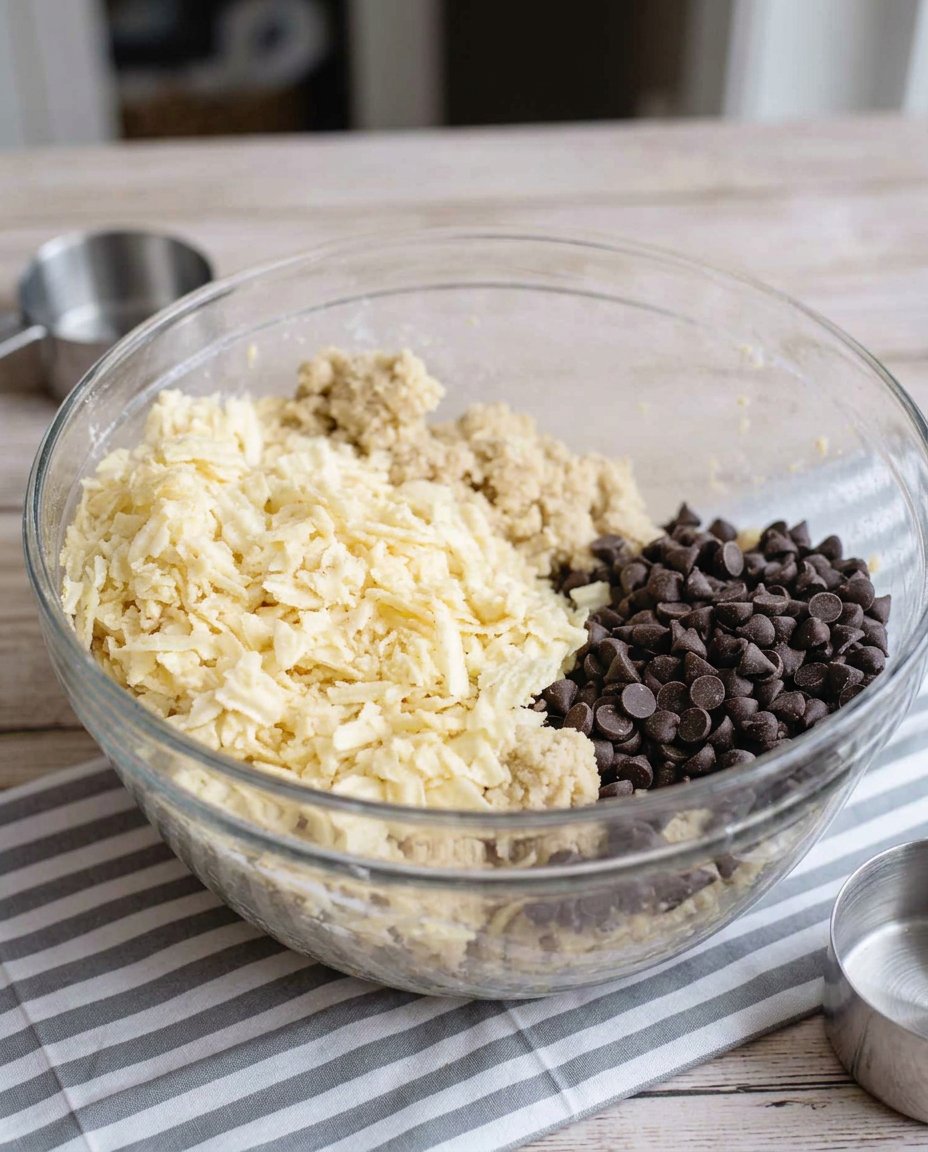
Success in keto baking depends entirely on the quality and ratio of your ingredients. Unlike wheat flour, almond flour lacks gluten, meaning we must rely on other structural binders to prevent the cookie from falling apart. Each component has been tested for its scientific contribution to the final crumb.
- Almond Flour (200g): Use a super-fine, blanched almond flour for the best results. The historical precedent for using blanched nuts ensures a smooth mouthfeel and prevents the gritty texture associated with unpeeled skins.
- Swerve Brown: This erythritol-based sweetener contains molasses-like flavors that mimic the acidity of brown sugar. This acidity is crucial for the chemical reaction with the leavening agent.
- Melted Butter: Proper technique requires the butter to be melted and then cooled. This method, often seen in classic French pastry, alters how the fat coats the flour particles, resulting in a denser, chewier cookie.
- Sugar-Free Chocolate Chips: Modern food science has gifted us with high-quality chocolate that melts properly without the spike in blood glucose. These provide the necessary bursts of flavor.
- Walnuts (Optional): Adding nuts provides a structural lattice and introduces different healthy fats, which helps the cookie maintain its shape during the bake.
The Proper Method for Keto Success
Step 1: Thermal Preparation and Lining
Set your oven to 325°F (163°C). In the British tradition of precision, accuracy in temperature is paramount. Line a heavy-gauge baking sheet with a silicone mat or high-quality parchment paper. This prevents the delicate almond proteins from sticking and allows for a more even heat distribution across the base of the cookie.
Step 2: Combining Dry Elements
In a large ceramic or glass bowl, whisk together the almond flour, Swerve Brown, baking soda, and salt. Use a fine-mesh whisk to break up any clumps in the almond flour. Historically, sifting was essential for aeration; here, it ensures that the leavening agent is distributed perfectly, preventing uneven rising.
Step 3: Integrating Wet Ingredients
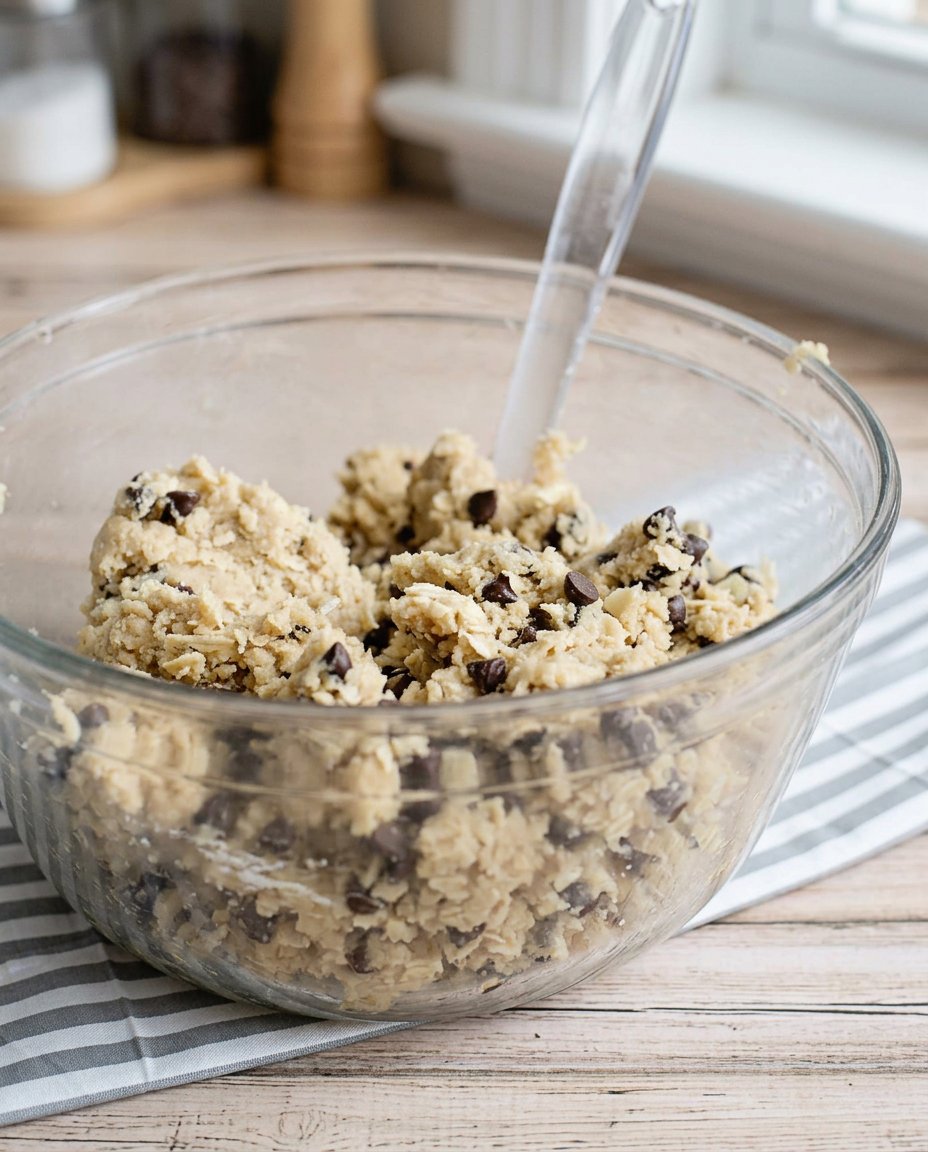
Introduce the large egg, the melted (and cooled) butter, and the vanilla extract. Stir with a firm spatula until a cohesive dough forms. The goal is to coat every particle of almond flour with fat and moisture. This method prevents the ‘leaking’ of fat during the baking process, a common issue in nut-based recipes.
Step 4: Adding the Chocolate and Nuts
Fold in half of the sugar-free chocolate chips and the chopped walnuts. Folding is a specific technique that preserves the air pockets created during the mixing process. Roll the dough into 1.5-inch spheres, ensuring each is uniform in weight for consistent baking results.
Step 5: Shaping and Topping
Place the spheres on the prepared sheet and press them down to roughly 0.75-inch thickness. Do not flatten them completely, as the fat will naturally spread the dough as it reaches its melting point. Press the remaining chocolate chips into the tops of each cookie for a professional finish.
Step 6: The Bake and Set
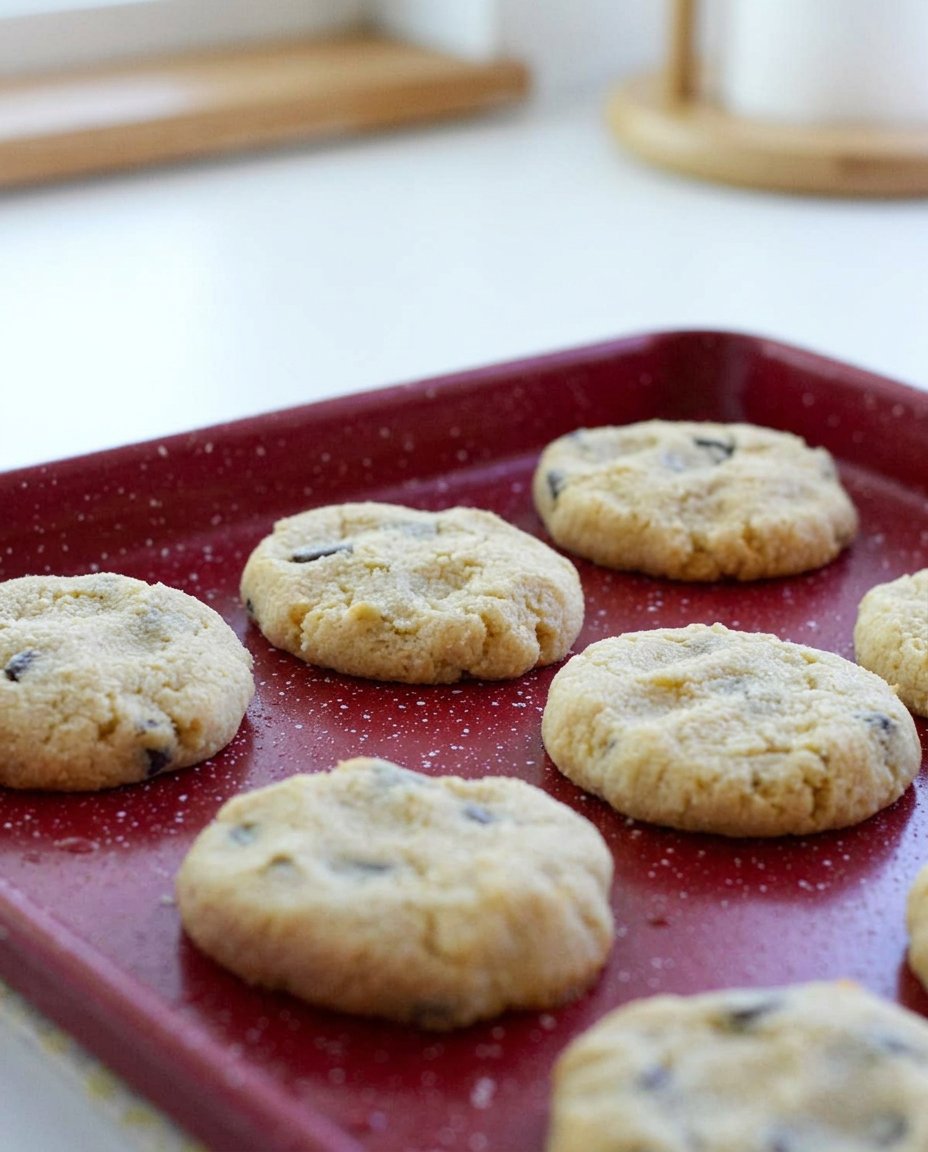
Bake for 15 to 18 minutes. Look for a pale golden hue around the edges while the center remains soft. It is vital to let these cool completely on the pan. Almond flour cookies are fragile while hot; the cooling period allows the proteins and fats to set, creating the final, durable structure.
Precision Notes for the Home Laboratory
Temperature control is the most frequent point of failure in keto baking. Always allow your butter to cool to room temperature after melting; if added while hot, it will partially cook the egg and cause the fats to separate from the almond meal. This results in a greasy cookie with a poor crumb. For those looking to master the basics of cookie chemistry, reviewing our Foundation Cookie Recipes can provide further insight into how different fats interact with alternative flours.
Another technical secret is the ‘rest period.’ If time permits, allow the dough to sit for ten minutes before rolling. This allows the almond flour to fully hydrate, much like how Victorian shortbread was rested to ensure a tender bite. This simple step reduces the ‘grainy’ sensation often found in low-carb treats and helps the flavors of the vanilla and chocolate meld more effectively.
Technical Adaptations and Regional Variations
While this recipe mimics the classic American style, you can adapt it to reflect different historical traditions. For a more British ‘biscuit’ profile, replace the vanilla with a hint of almond extract and omit the chocolate for a plain, buttery shortbread variant. If you are interested in how seasonal changes affect dough behavior, our guide on Holiday Cookie Science offers excellent data on managing moisture in varied climates.
You might also consider a ‘Dark Forest’ variation by using high-percentage cacao chips and adding a small amount of dried, unsweetened cherry bits. This requires a slight adjustment in baking time, as the fruit adds moisture. Always ensure your additions are finely chopped to maintain the structural integrity of the almond flour lattice, as large chunks can cause the cookie to fracture upon cooling.
Traditional Service and Presentation
In the spirit of British afternoon tea, these cookies should be served on a pre-warmed ceramic plate to maintain their buttery aroma. They pair exceptionally well with a strong Earl Grey or a dark-roasted coffee, which cuts through the richness of the almond flour. If you are preparing these for a large gathering, understanding Efficient Cookie Methods will help you manage the timing so they are served at the peak of their freshness.
For a more formal presentation, serve a single cookie alongside a small portion of keto-friendly whipped cream and a few fresh raspberries. The acidity of the fruit balances the sweetness of the Swerve Brown. Remember that these cookies are best stored in an airtight container at room temperature; refrigeration can introduce unwanted moisture that softens the crisp edges we worked so hard to achieve.
The Final Technical Word
Mastering the Keto Chocolate Chip cookie is a journey into the heart of baking science. By respecting the historical methods of nut-meal preparation and applying modern temperature controls, we can create a treat that is both healthy and indulgent. For those who wish to continue their education in the mechanics of the perfect bake, I recommend our comprehensive guide on The Lab Standards. This recipe proves that you do not have to sacrifice tradition for nutrition; you simply need the right technique.
For further inspiration and to see this recipe in action, please visit All Day I Dream About Food. We also invite you to join our community of methodical bakers on Pinterest, Instagram, and Facebook to share your results and technical discoveries.