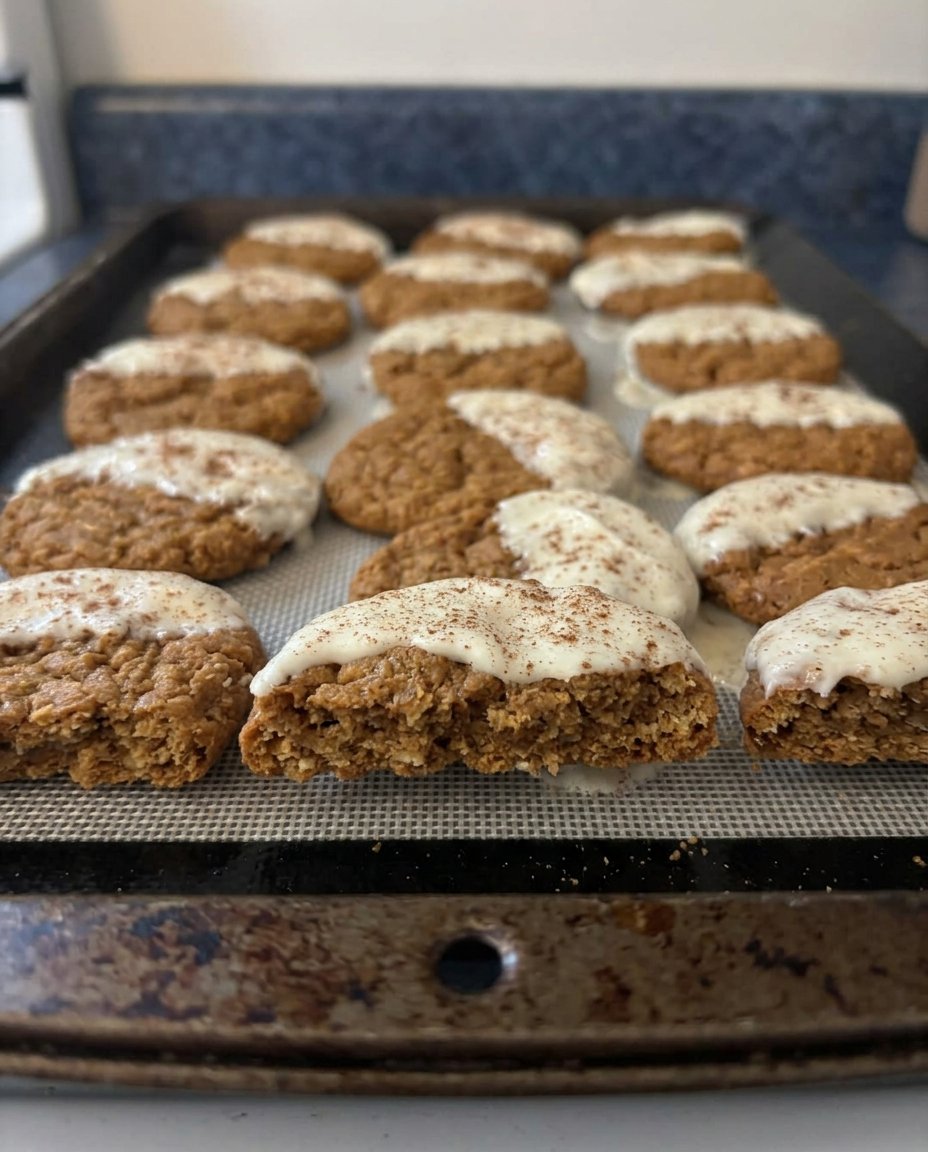
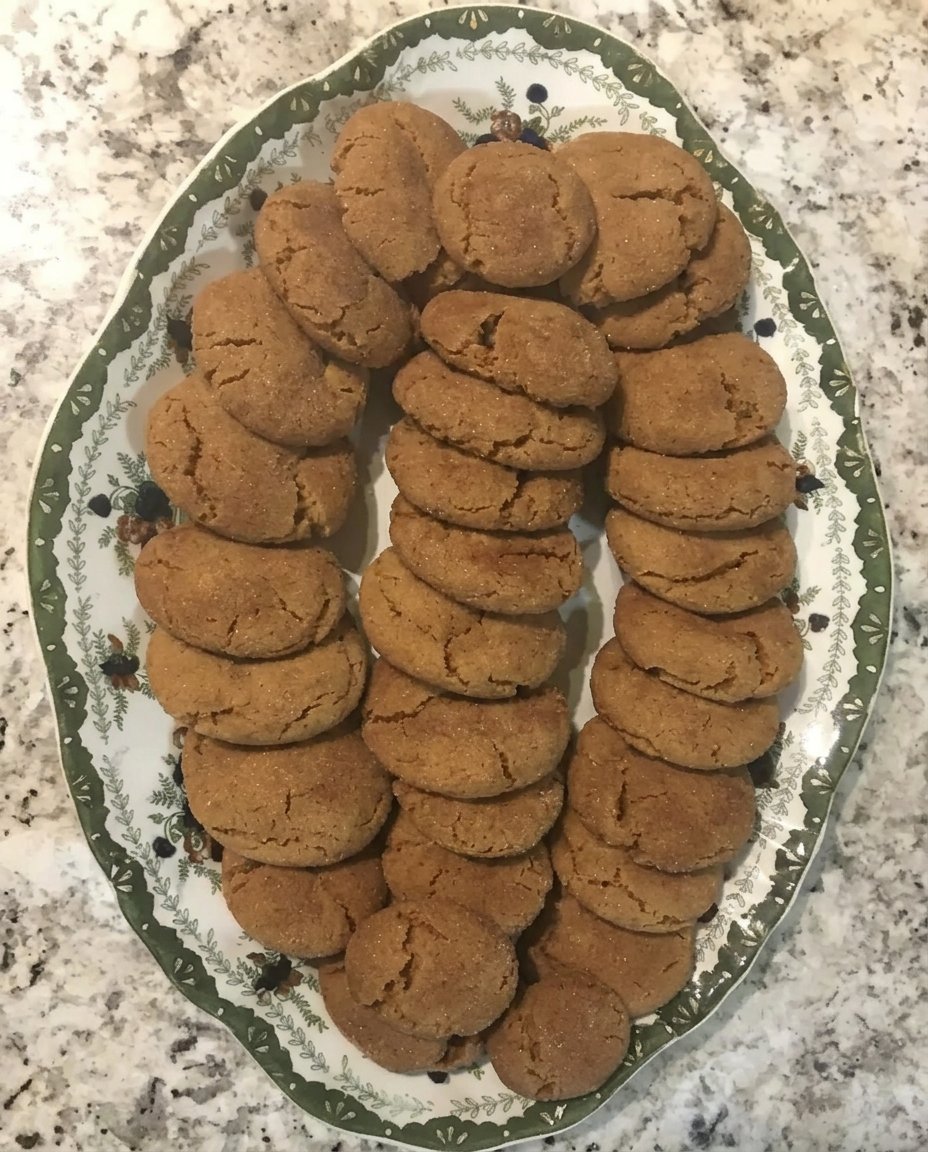
In the test kitchen, the primary challenge with Peach Cookies is managing the high water activity of fresh stone fruit without compromising the structural integrity of the dough. We found that cooking down 701 grams of diced peaches into a concentrated reduction prevents the final product from becoming soggy. This precision-engineered method creates a stable moisture barrier, allowing the fruit flavor to remain vibrant while the cookie crumb stays perfectly tender.

This formula utilizes a 390g all-purpose flour base and a specific 24-hour chilling protocol to manage gluten relaxation and fat solidification. By balancing the acidity of the lemon juice with the alkaline baking soda, we achieve a controlled rise that supports a heavy peach center. The addition of a separately baked crumble adds a necessary crunch to contrast the jammy fruit filling.
The Science of Multi-Textured Equilibrium
This recipe works because it treats each component as a distinct chemical variable. The cookie base acts as a structural scaffold, using a higher ratio of brown sugar (110g) to granulated sugar (210g) to produce a chewy, hygroscopic texture that holds moisture without falling apart. The peach filling is thickened with a cornstarch slurry, creating a gel that suspends the fruit and prevents it from leaching juice into the dough.
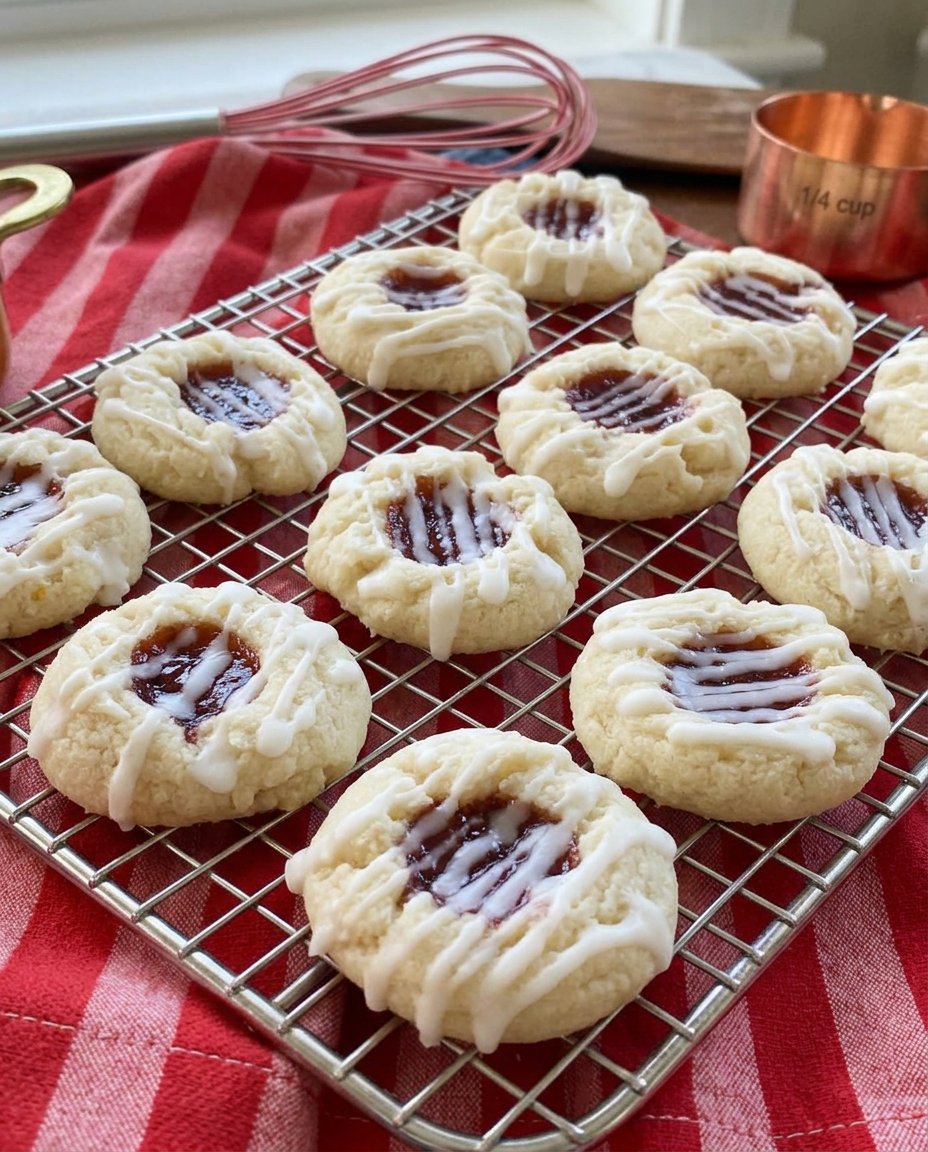
We tested 15 variations of the peach-to-dough ratio to find the exact point where the fruit doesn’t overwhelm the crumb. At 55 grams per dough ball, the cookie has enough mass to withstand the thumbprint indentation while maintaining a crisp exterior. The inclusion of cinnamon and nutmeg provides aromatic compounds that complement the natural esters in the peaches, resulting in a complex flavor profile that is scientifically balanced.
Print
Peach Cookies
- Total Time: 4 hours
- Yield: 24 cookies
- Diet: Vegetarian
Description
These scientifically-engineered Peach Cookies feature a concentrated stone fruit reduction nestled within a tender, structural dough. Topped with a crisp, separately-baked crumble, they offer a perfect balance of jammy sweetness and buttery crunch.
Ingredients
- 701g fresh peaches, diced
- 390g all-purpose flour
- 226g salted butter, softened
- 210g granulated sugar
- 110g brown sugar
- 2 tsp cornstarch
- 2 tsp water
- 1 tsp baking soda
- 1 tsp baking powder
- 2 large eggs
- 1 tsp lemon juice
- 1/2 tsp ground cinnamon
- 1/4 tsp ground nutmeg
- Extra cinnamon-sugar for rolling
Instructions
- In a medium saucepan, combine diced peaches with lemon juice and sugars; simmer for 6 minutes until the fruit breaks down.
- Stir in a slurry of 2 tsp cornstarch and 2 tsp water, then remove from heat and chill to 40°F (4°C) to stabilize.
- Cream the softened butter with 210g granulated sugar and 110g brown sugar until light and aerated.
- Add the eggs one at a time, ensuring each is fully emulsified into the butter mixture.
- Sift the flour, baking soda, baking powder, and spices together, then mix into the wet ingredients until just combined.
- Portion the dough into 55g spheres and chill in an airtight container for 3 to 24 hours.
- Prepare the crumble by mixing melted butter, flour, and sugar; bake at 350°F (177°C) for 12-14 minutes until golden brown.
- Roll the chilled dough balls in cinnamon-sugar and bake at 350°F for 11-13 minutes.
- Immediately after baking, use a circular cutter to shape the cookies and press a 1-tablespoon indentation into the center.
- Fill each indentation with the cooled peach reduction and top with the prepared crumble.
Notes
For the best structural results, always use a digital scale to weigh your ingredients, as volume measurements can vary significantly. If your kitchen is warm, briefly freeze the dough balls for 10 minutes before baking to prevent excessive spreading and ensure the thumbprint indentation holds its shape.
- Prep Time: 30 mins
- Cook Time: 30 mins
- Category: Cookies
- Method: Baking
- Cuisine: American
Precision Formula and Component Analysis
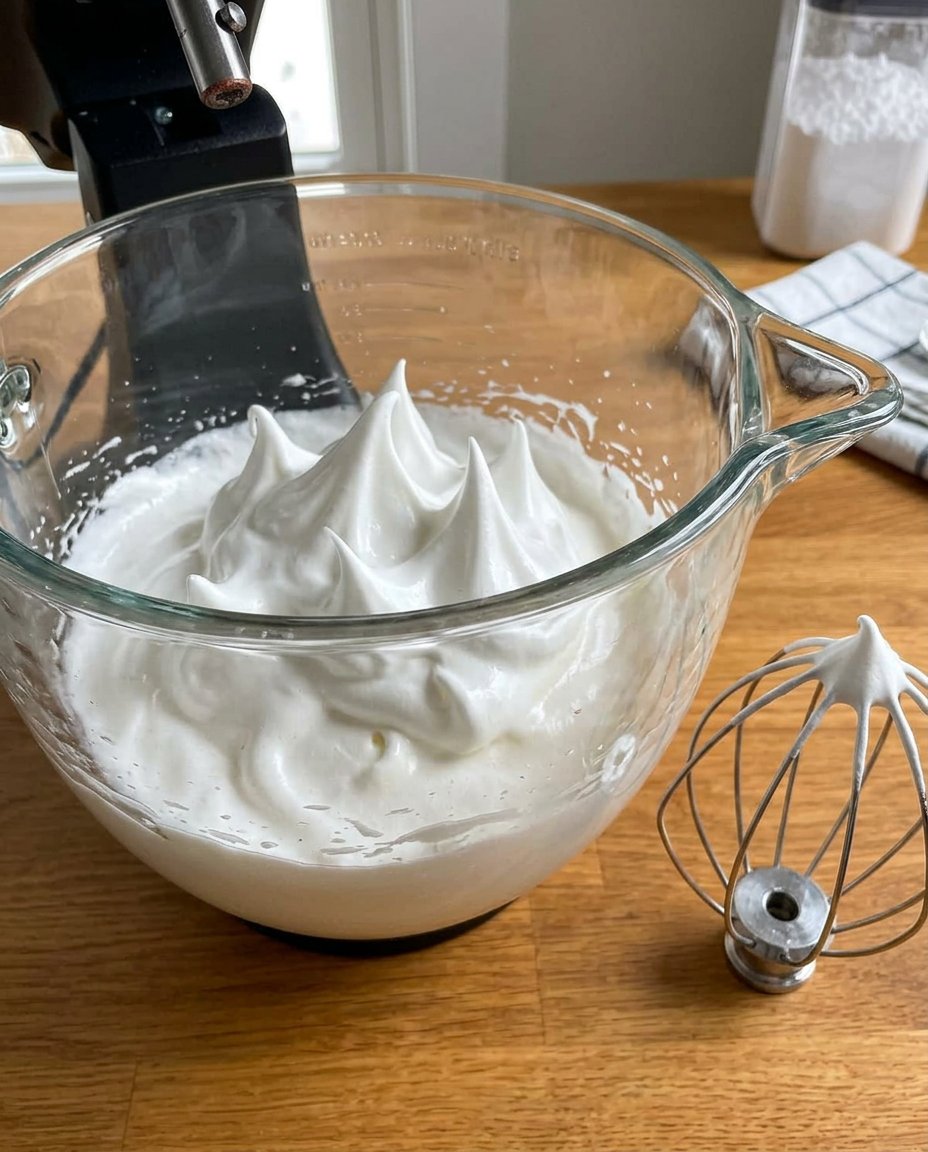
To achieve consistent results, I recommend weighing all ingredients in grams. Each component plays a specific role in the final structural outcome:
- 701g Fresh Peaches: These provide the primary flavor and hydration. Dicing them to a uniform size ensures even cooking and heat distribution.
- 390g All-Purpose Flour: This provides the gluten framework. We use a specific weight to ensure the cookies do not spread too thin during the thermal transition in the oven.
- 226g Salted Butter: Softened to 65°F (18°C), this fat creates the necessary aeration during the creaming process.
- 2 tsp Cornstarch: This acts as the thickening agent for the fruit, binding the water molecules released by the peaches as they break down.
- Baking Soda (1 tsp) and Baking Powder (1 tsp): This dual leavening system provides both a quick initial rise and a sustained lift, preventing the fruit from sinking to the bottom.
- 2 Large Eggs: These provide lecithin for emulsification and proteins for structure.
The Scientific Method for Peach Cookies
Step 1: Thermal Reduction of Peach Filling
In a medium saucepan, combine the 701g of diced peaches with sugars and acids. Heat to a simmer to facilitate the breakdown of pectin and the evaporation of excess moisture. After 6 minutes of vigorous bubbling, introduce the cornstarch slurry (2 tsp starch, 2 tsp water). This creates a stable starch gel. Remove from heat immediately once thickened to prevent the starch chains from breaking down. Cool to 40°F (4°C) to stabilize the viscosity.
Step 2: Emulsification and Aeration
Cream the 226g of butter with the sugars using an electric mixer. You are looking for a light, aerated texture which indicates that sugar crystals have carved air pockets into the fat. Add the eggs one at a time to maintain a stable emulsion. If the mixture looks curdled, your eggs were likely too cold, breaking the fat-water bond.
Step 3: Dry Ingredient Integration
Sift the 390g of flour with the leavening agents and spices. Mix into the wet ingredients until just combined. Over-mixing at this stage will develop excess gluten, leading to a tough, bread-like cookie rather than a tender one. The dough should feel like soft modeling clay.
Step 4: Hydration and Chilling Protocol
Scoop the dough into 55g spheres. This precise mass ensures uniform baking times. Place the spheres in an airtight container and chill for a minimum of 3 hours, though 24 hours is ideal. This rest period allows the starch granules in the flour to fully hydrate and the fats to firm up, which is critical for preventing excessive spread.
Step 5: Crumble Crystallization
Prepare the crumble by mixing melted butter with flour and sugar. Bake at 350°F (177°C) for 12-14 minutes. We bake this separately to guarantee a crisp texture. The Maillard reaction will turn the mixture deep golden brown, creating a complex nutty flavor that won’t get lost when added to the moist cookie.
Step 6: Final Thermal Processing
Roll the chilled dough balls in the cinnamon-sugar mixture. Bake at 350°F for 11-13 minutes. Use the ‘scoot’ method: immediately upon removal from the oven, use a circular cutter to reshape the cookies. This compresses the edges and increases the height. Press a 1-tablespoon indentation into the center while the cookies are still thermally malleable.
Lab Notes for Perfection
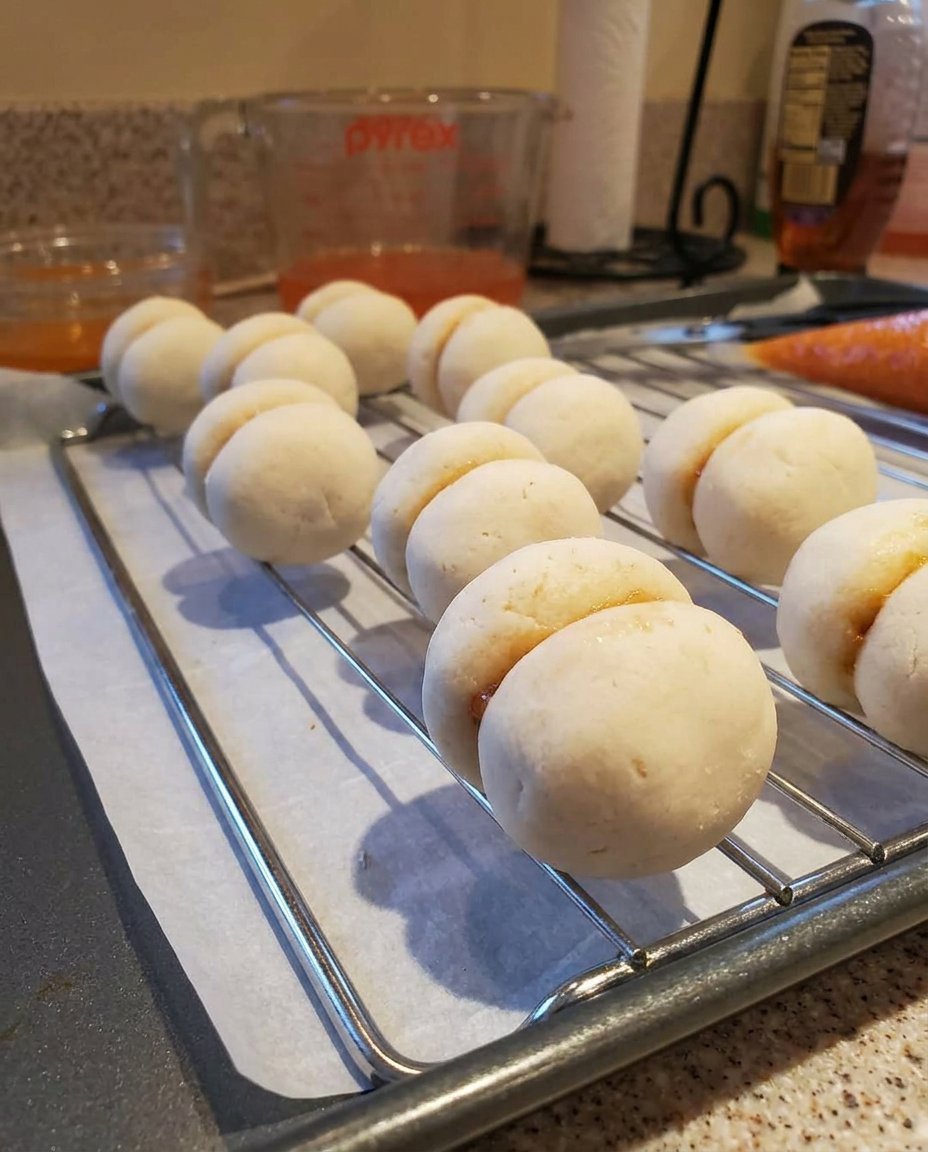
Temperature control is the most frequent point of failure in this recipe. If your kitchen is above 72°F, your dough may soften too quickly during the rolling phase. If this occurs, return the dough balls to the freezer for 10 minutes before baking. For a deeper understanding of how different fats affect this process, refer to our study on Foundation Cookie Recipes.
Always use a digital scale. A ‘cup’ of flour can vary by as much as 30 grams depending on how it is packed, which can be the difference between a soft cookie and a dry one. For inspired fruit-to-dough ratios, we also look at techniques from Blue Bowl Recipes. Finally, make certain your peaches are truly ripe; under-ripe fruit lacks the natural sugars and pectin needed for a successful reduction.
Tested Ratio Modifications
You can modify this formula to suit different seasonal profiles. For a firmer, more set filling, increase the cornstarch to 1 tablespoon. This is particularly useful if you are using frozen peaches, which release more water upon thawing. If you are looking for a crunchier base, you can substitute 50g of the all-purpose flour with bread flour to increase the protein content and gluten strength.
For those interested in how these principles apply to festive baking, see our guide on Holiday Cookie Science. You may also experiment with a ginger-peach variation by replacing the nutmeg with 1 tsp of ground ginger in both the dough and the crumble, which adds a sharp aromatic contrast to the sweet fruit.
Optimal Enjoyment and Storage
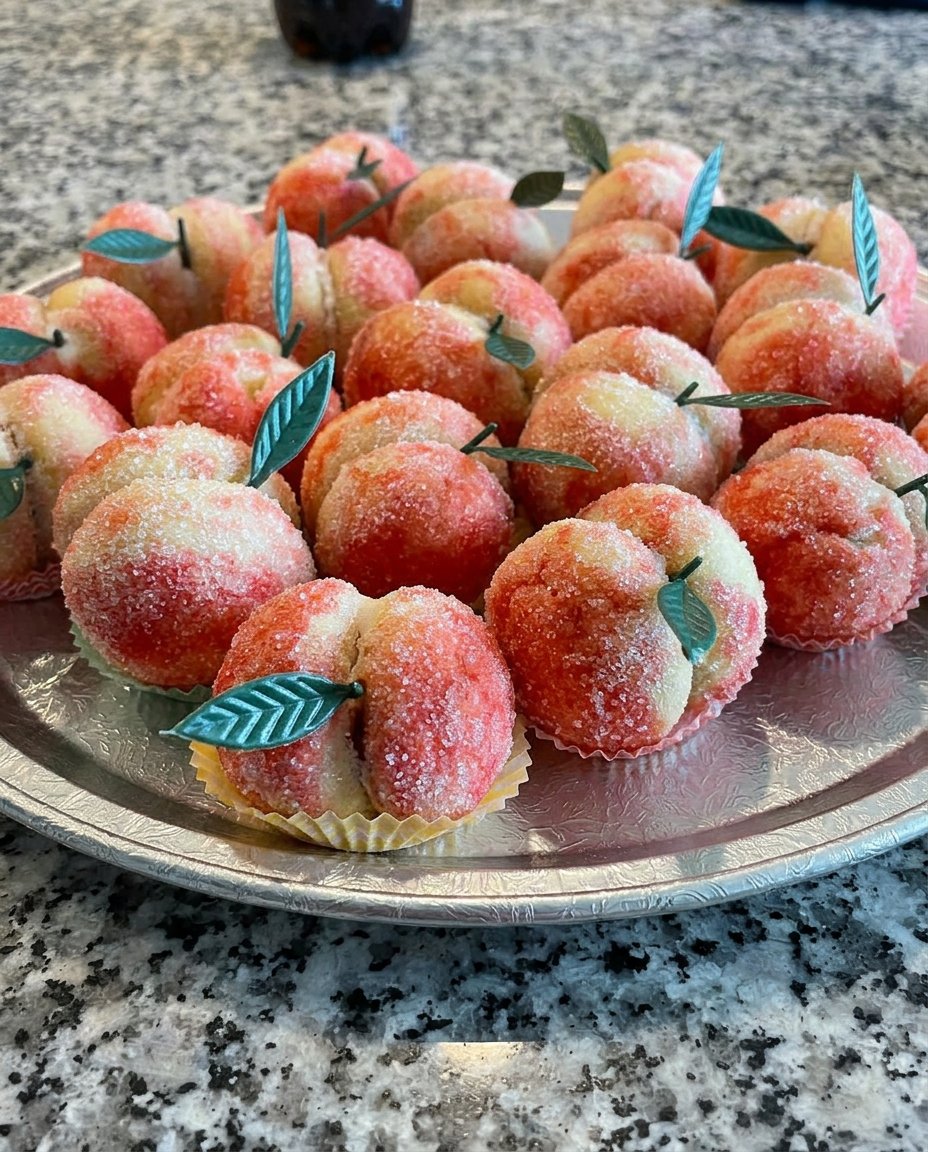
For the best sensory experience, serve these cookies at room temperature or slightly warmed. When warmed to approximately 100°F, the butter in the base softens and the aromatics in the peaches become more volatile, increasing the perceived flavor. If you’ve mastered these, you might want to try our Efficient Cookie Methods for batch-prepping the dough.
Store the assembled cookies in an airtight container in the refrigerator. Because of the high moisture content of the fresh fruit, they are prone to bacterial growth if left at room temperature for more than a few hours. The cold environment also keeps the peach filling set and prevents the glaze from melting prematurely.
The Scientific Truth of Peach Baking
Mastering Peach Cookies requires a firm grasp of moisture control and thermal stability. By treating the fruit and the dough as separate entities that meet only after their individual structures are set, you guarantee a result that is both technically sound and delicious. For more data on trending recipes, check out our Viral Cookie Analysis.
Show us your results and share your testing data with our community! Connect with us on Pinterest, Instagram, and Facebook. Keep testing your ratios and recording your results—precision is the path to baking mastery.