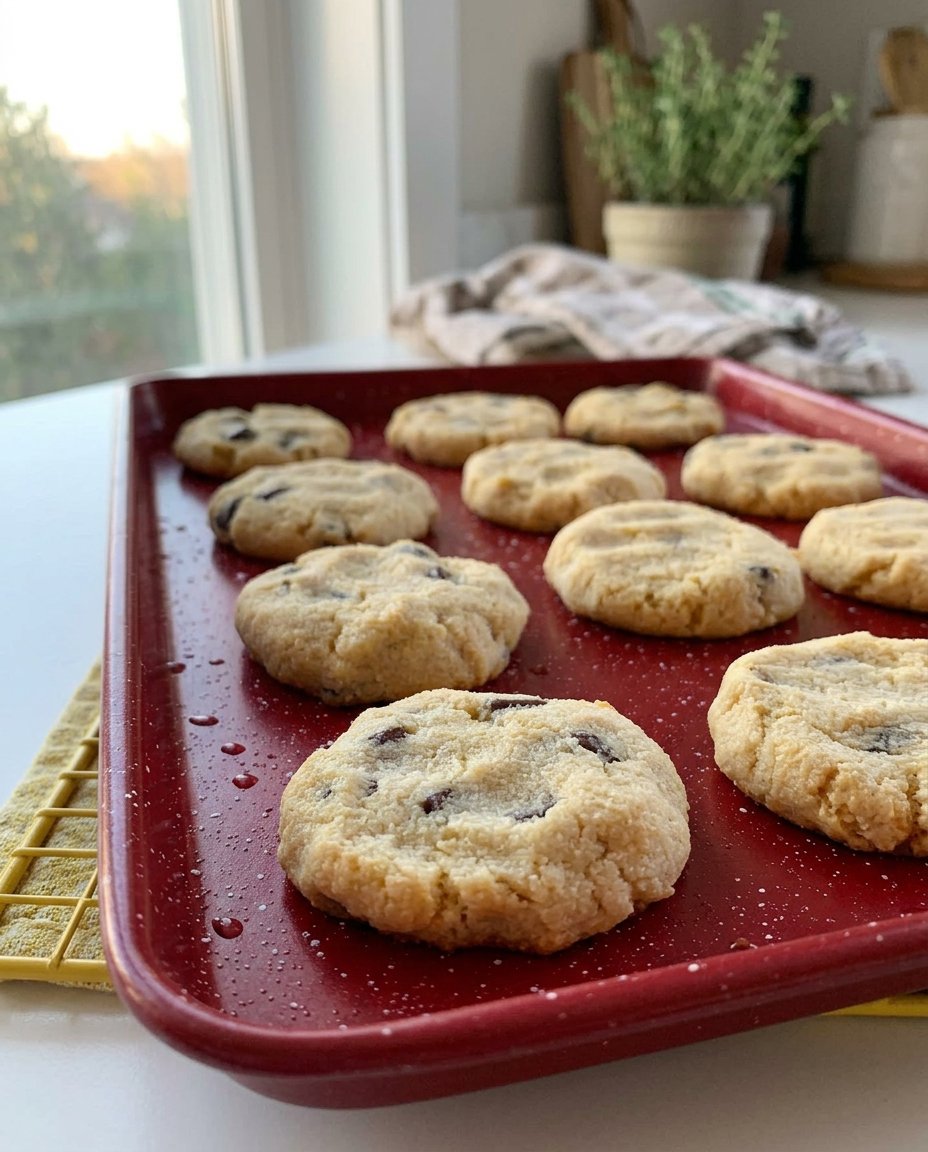
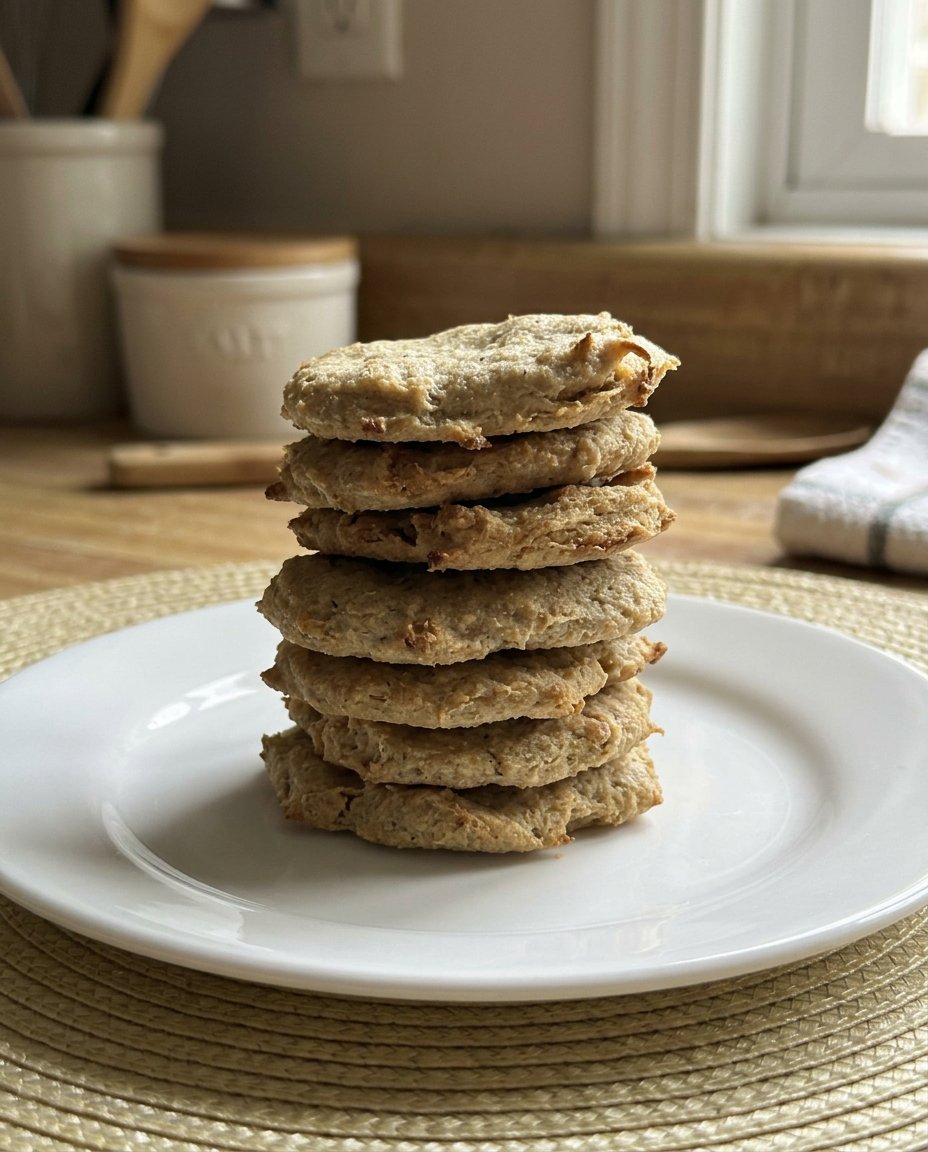
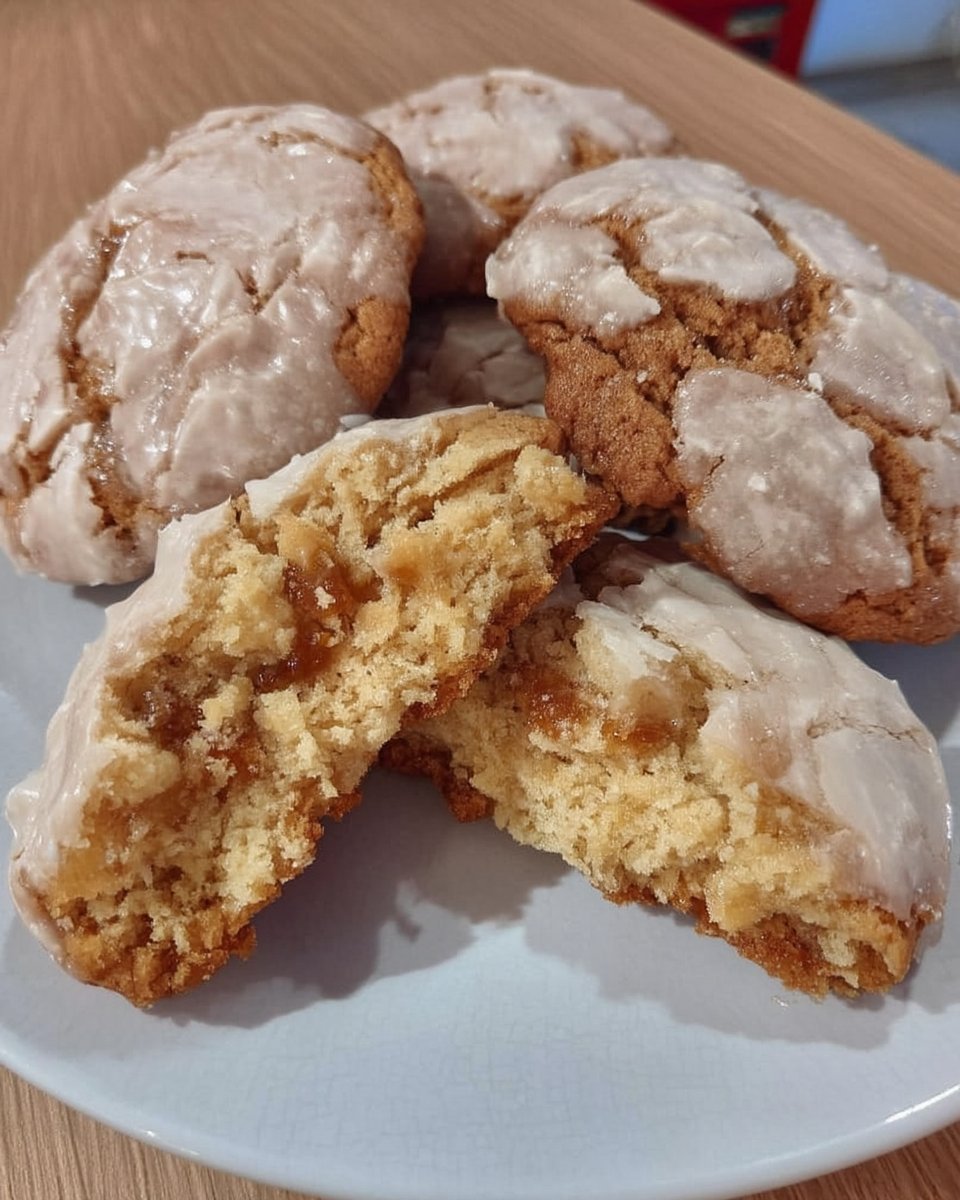
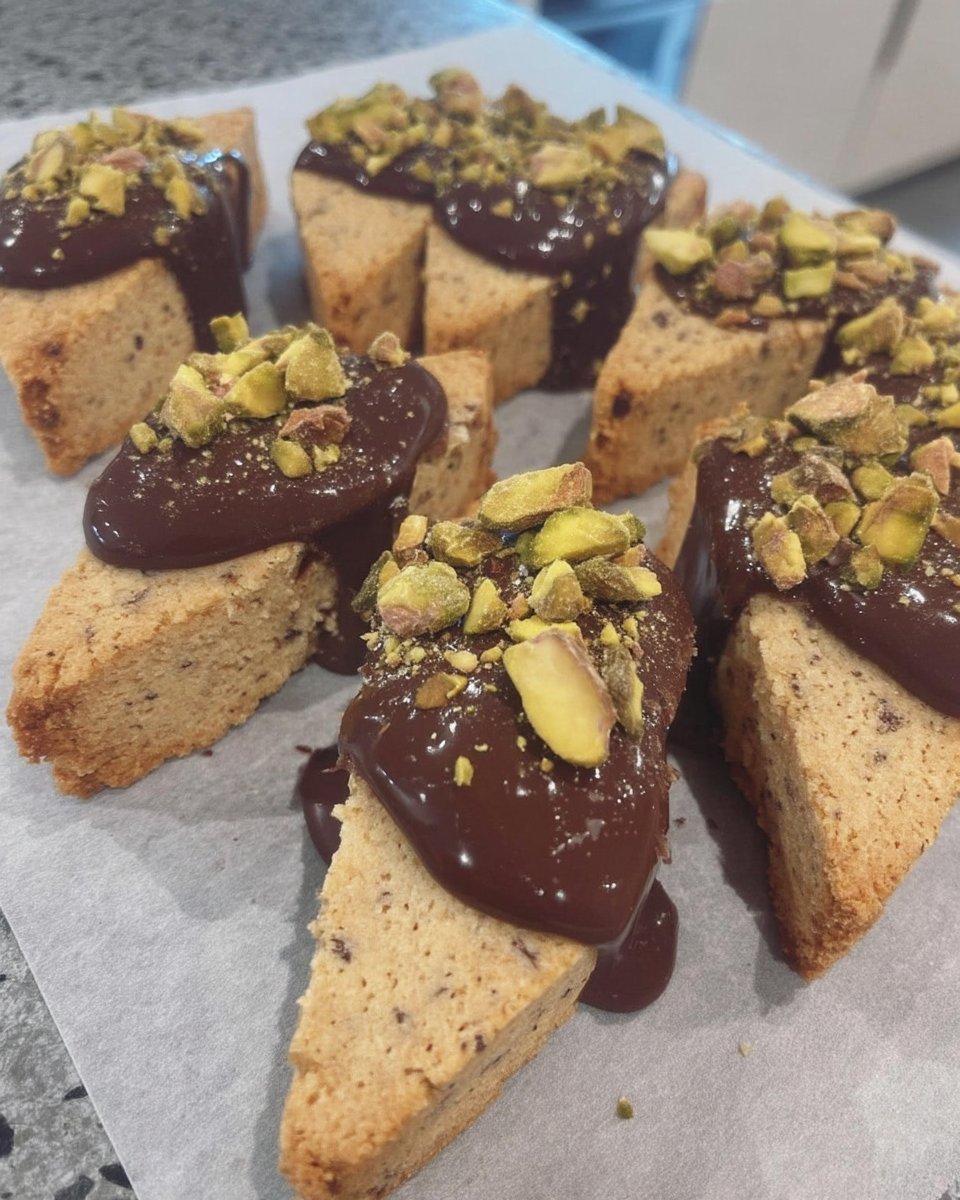
The pairing of coffee and chocolate is not merely a culinary tradition; it is a profound demonstration of molecular synergy. When we introduce ground espresso into a lipid-rich cookie base, the bitter alkaloids in the coffee interact with the cocoa solids to suppress the perception of sugar while simultaneously heightening the fruity and floral notes within the chocolate. This chemical dance creates a sophisticated taste profile that engages the palate far more deeply than a standard sugar-forward treat.

This specific formula focuses on the Maillard reaction through the use of browned butter, which provides a nutty, toasted foundation for the espresso to cling to. By allowing the dough to rest, we facilitate a complex hydration process that concentrates these flavors, resulting in a cookie that is as scientifically fascinating as it is delicious. Prepare to transform your kitchen into a flavor laboratory where every ingredient serves a precise aromatic purpose.
The Molecular Magic of Bitter and Sweet
You will find these cookies remarkable because they utilize the principle of flavor contrast to achieve a perfectly balanced bite. The addition of espresso grounds provides more than just a caffeine kick; it introduces a range of organic compounds called pyrazines, which are formed during the coffee roasting process and mirror the roasted notes in the browned butter. This shared aromatic profile creates a seamless transition between the dough and the mix-ins.
Furthermore, the high fat content from the extra egg yolk functions as a solvent for the aromatic compounds in the coffee and vanilla. Because flavor is largely perceived through the olfactory system, these fats trap volatile aromas and release them slowly as the cookie melts in your mouth. This ensures a long-lasting finish that evolves from the initial hit of salt to a deep, lingering cocoa and coffee aftertaste. It is a masterclass in how fat and emulsions dictate the tempo of taste delivery.
Print
Espresso Chocolate Chip Cookies
- Total Time: 4 hours 30 mins
- Yield: 20 cookies
- Diet: Vegetarian
Description
Experience the sophisticated synergy of deep roasted coffee and rich semi-sweet chocolate in these scientifically-crafted cookies. Featuring browned butter and a long hydration period, they deliver a perfect balance of nutty aromas and a fudgy, indulgent texture.
Ingredients
- 14 tablespoons unsalted butter
- 1 tablespoon fine ground espresso
- Light brown sugar
- Granulated sugar
- 1 large egg, room temperature
- 1 large egg yolk, room temperature
- Vanilla extract
- All-purpose flour
- Baking soda
- Salt
- Semi-sweet chocolate, chopped
Instructions
- Cook the butter in a stainless steel pan over medium heat until the water evaporates and the milk solids turn amber brown, then transfer immediately to a mixing bowl.
- Stir the ground espresso into the hot butter to bloom the grounds and allow the mixture to cool to room temperature.
- Whisk in the light brown sugar and granulated sugar for one minute to begin the dissolution process.
- Add the egg, egg yolk, and vanilla extract, whisking vigorously to create a stable emulsion with the fats.
- Gently fold in the flour, baking soda, and salt using a spatula until just combined, then stir in the chopped chocolate.
- Scoop the dough into two-tablespoon portions and freeze for 3 to 4 hours to allow for full hydration and flavor concentration.
- Preheat oven to 350°F (180°C) and bake the frozen dough balls for 10-12 minutes until the edges are golden and the centers are slightly puffy.
Notes
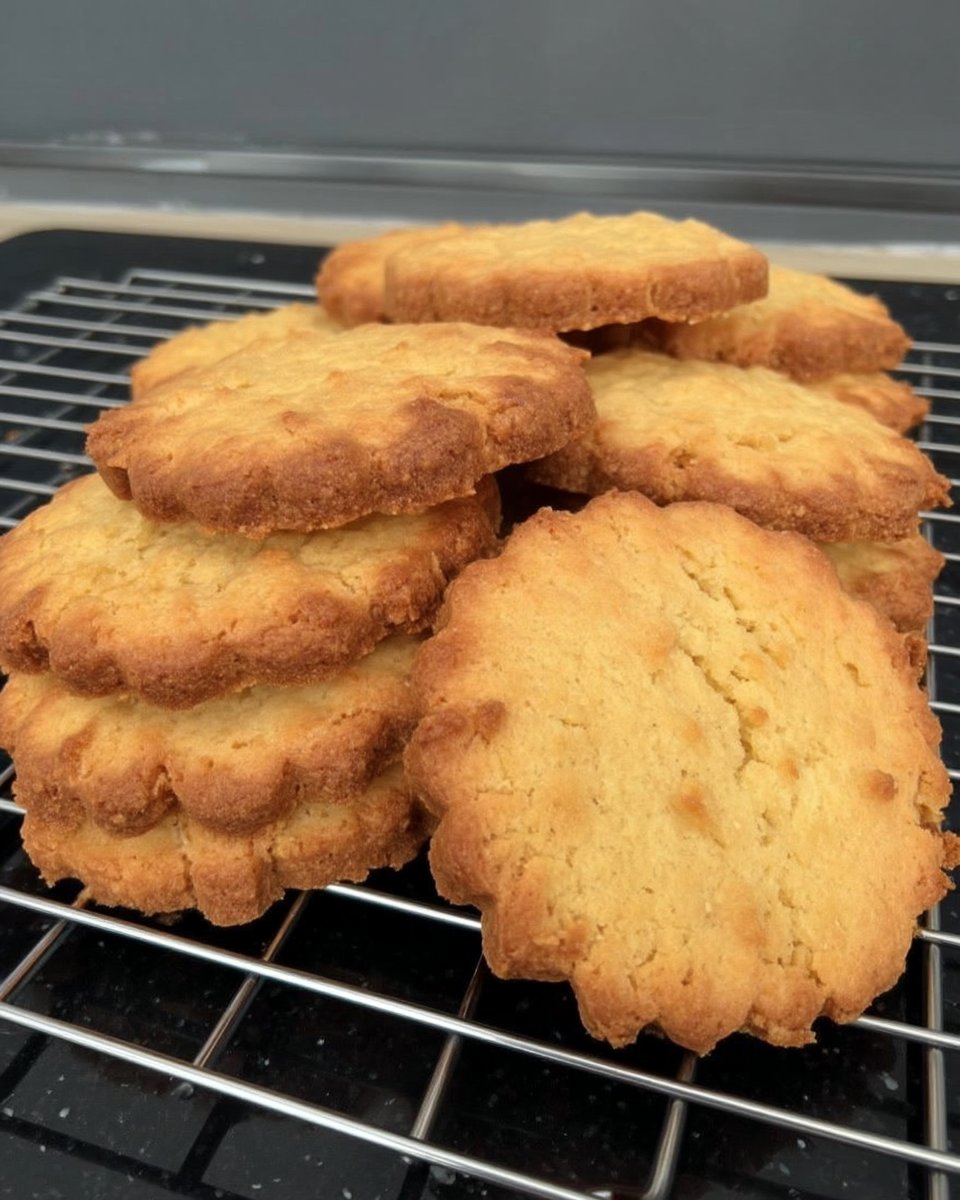
To achieve a perfectly circular and professional look, use a large round cutter to ‘scoot’ the edges of the cookies immediately after they come out of the oven. This also helps to compact the outer ring for a chewier texture. For the best flavor profile, ensure your espresso is a very fine grind to maximize surface area contact with the butter fats.
- Prep Time: 15 mins
- Cook Time: 12 mins
- Category: Dessert
- Method: Baking
- Cuisine: American
The Components of a Scientific Bake
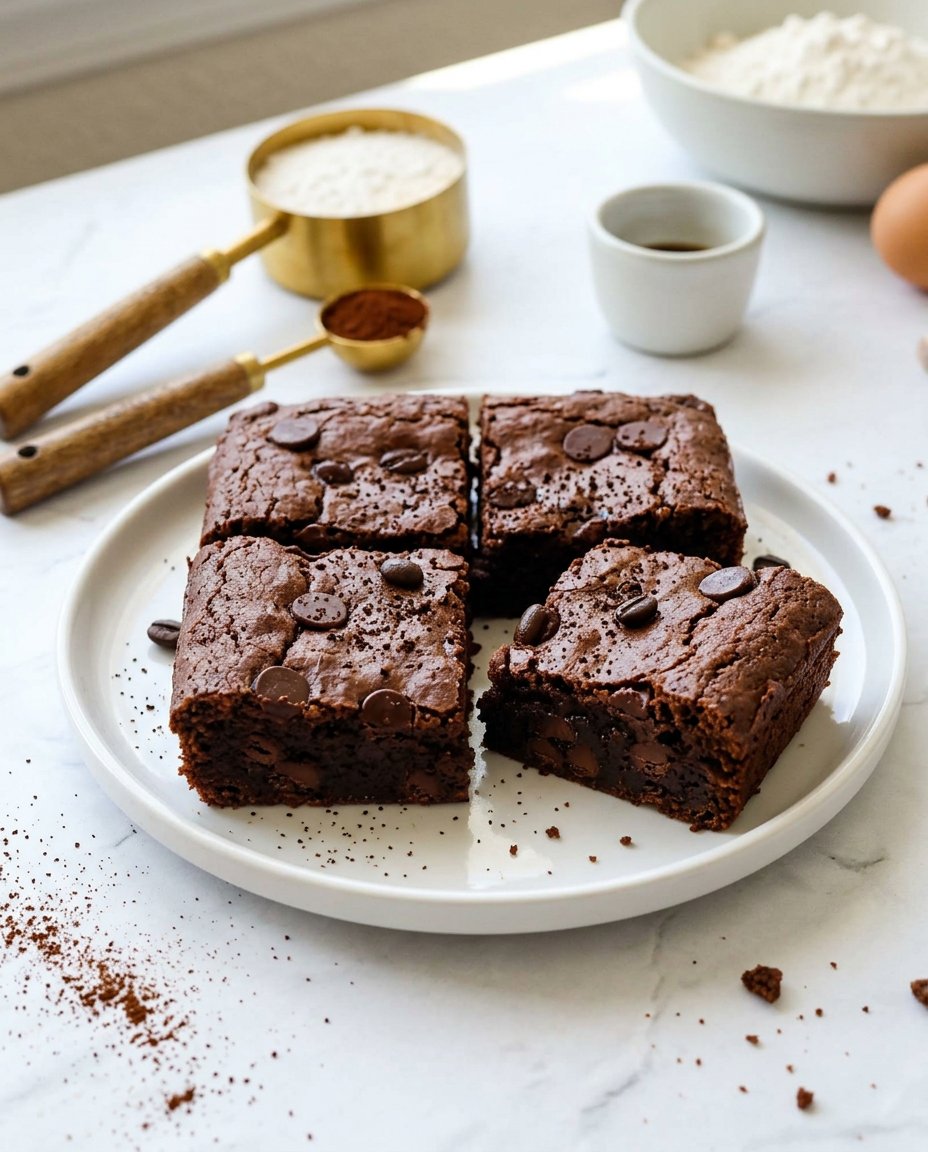
Success in this recipe depends on the quality and chemical state of your building blocks. Each item has been selected to contribute to the overall structural integrity and flavor density of the final product.
- Unsalted Butter (14 Tablespoons): We transform this fat into browned butter to create lactones and methyl ketones, which provide the signature butterscotch aroma. This process also removes water, concentrating the milk solids for a deeper flavor profile.
- Ground Espresso (1 Tablespoon): Fine grounds provide a high surface area for flavor extraction. The oils within the coffee contain hundreds of aromatic compounds that bond with the fats in the butter.
- Sugar Ratios: We use a combination of light brown sugar for its hygroscopic properties (moisture retention) and granulated sugar for crisp edges via crystallization.
- Egg and Egg Yolk: The extra yolk adds lecithin, a powerful emulsifier that binds the fats and liquids into a smooth, stable dough, leading to a richer mouthfeel.
- All-Purpose Flour: This provides the gluten framework. Measuring by weight is essential to prevent a dry, crumbly texture that occurs when the protein-to-fat ratio is skewed.
- Semi-Sweet Chocolate: Chosen for its specific cocoa-to-sugar balance, providing a dark contrast to the sweetness of the dough.
The Flavor Layering Process
Step 1: Execute the Maillard Reaction
In a stainless steel pan, cook the butter over medium heat. Watch as the water evaporates and the milk solids begin to toast, turning an amber brown. This process creates the complex nutty aromas that form the base of our flavor profile. Immediately scrape all solids into a mixing bowl to stop the cooking process.
Step 2: Infuse the Espresso Grounds
Stir the espresso grounds directly into the hot browned butter. The heat will initiate the release of volatile oils and aromatic compounds from the coffee, effectively ‘blooming’ the grounds within the fat. Allow this mixture to cool to room temperature until it reaches a soft, plastic-like consistency.
Step 3: Emulsify the Sugars
Whisk in the light brown sugar and granulated sugar for one minute. You are not just mixing; you are beginning to dissolve the sugar crystals into the fat. This step is crucial for the final texture and the way the cookie spreads in the oven.
Step 4: Incorporate Proteins and Aromatics
Add the room temperature egg, egg yolk, and vanilla extract. Whisk vigorously to ensure the lecithin in the yolk fully emulsifies the butter and sugars. A stable emulsion prevents the fat from leaking out during baking, ensuring a soft, uniform crumb.
Step 5: Fold in Structural Components
Using a spatula, gently fold in the flour, baking soda, and salt. Stop the moment no streaks of flour remain to avoid over-developing the gluten. Stir in the chopped chocolate, ensuring even distribution so every bite contains a balance of cocoa and coffee.
Step 6: The Hydration Period
Scoop the dough into two-tablespoon portions and place them on a tray. Chill the dough in the freezer for at least 3-4 hours. This rest period allows the flour to fully hydrate and the fats to solidify, which prevents excessive spreading and concentrates the volatile flavors.
Step 7: Precision Baking
Preheat your oven to 350°F (180°C). Space the frozen dough balls two inches apart. Bake for 10-12 minutes. The goal is golden, set edges with a center that remains slightly pale and puffy. This temperature differential creates the contrast between a crisp exterior and a fudgy interior.
Jasmine’s Scientific Flavor Secrets
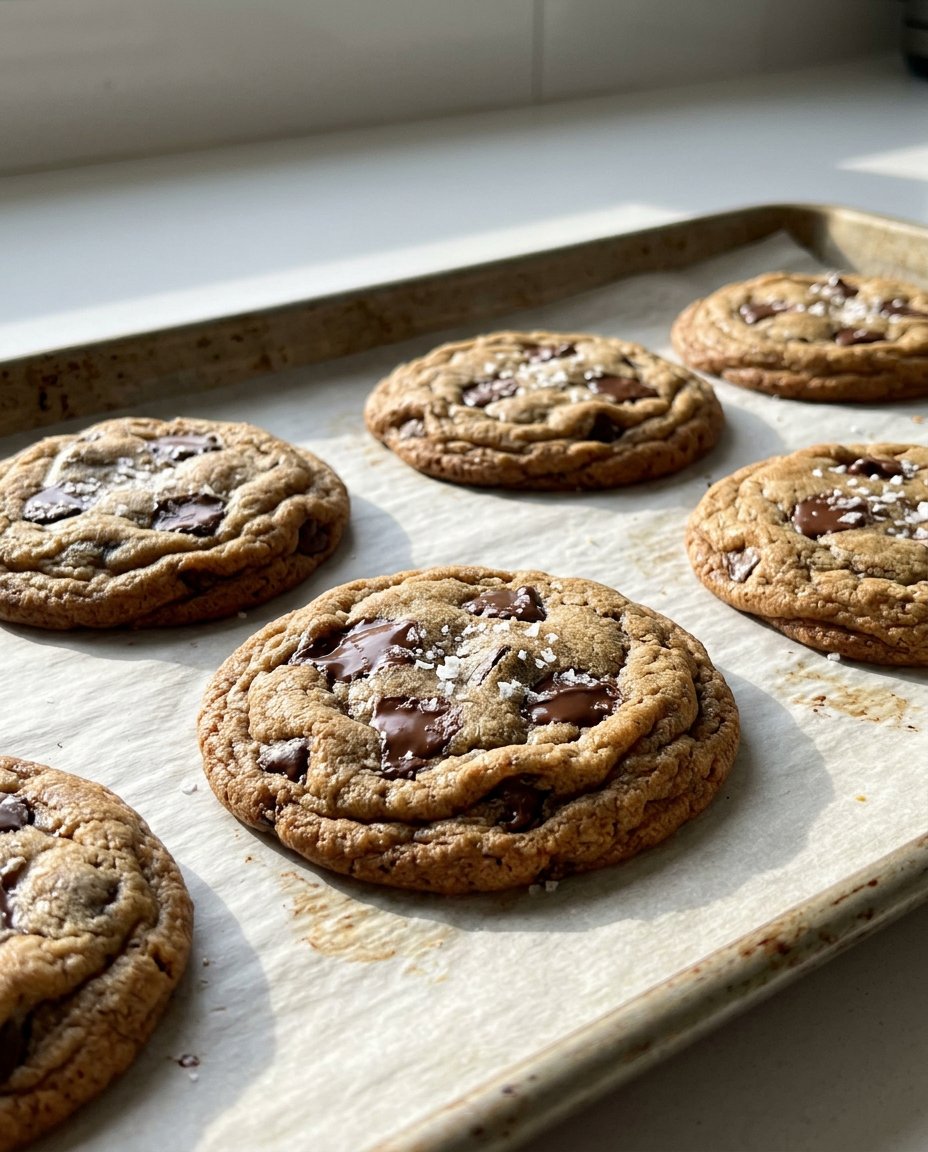
To maximize the aromatic potential of your bake, always use a high-quality espresso bean ground to a fine powder. The finer the grind, the more surface area is available for the butter fats to extract the coffee’s essential oils. Additionally, pay close attention to the salt. We use salt not just for seasoning, but as a biological flavor modifier. Sodium ions block the bitter receptors on your tongue, which makes the chocolate taste richer and the coffee notes more vibrant. For more on the basics of dough construction, check out our Foundation Cookie Recipes to master the perfect base.
Another secret lies in the ‘scoot.’ As soon as the cookies exit the oven, use a large round cutter to gently move the edges inward. This mechanical manipulation compacts the outer ring, creating a denser, chewier edge that contrasts beautifully with the soft center. This technique also ensures a uniform circular shape for professional presentation.
Molecular Swaps and Aroma Variations
If you wish to experiment with the flavor profile, consider adding a teaspoon of freshly grated orange zest. Orange zest contains limonene, a terpene that shares a chemical affinity with the aromatic compounds found in both chocolate and coffee. This creates a bright, citrusy top note that cuts through the richness of the browned butter. For those interested in seasonal profiles, our guide on Holiday Cookie Science offers further insights into how spices like cardamom can complement deep roasted flavors.
You might also substitute the semi-sweet chocolate with white chocolate chips. The high milk solid content and cocoa butter in white chocolate provide a creamy, lactic sweetness that mimics a caffe latte when paired with the espresso grounds. This change shifts the flavor profile from a dark, intense mocha to a softer, more comforting beverage-inspired treat.
The Science of Beverage Pairings
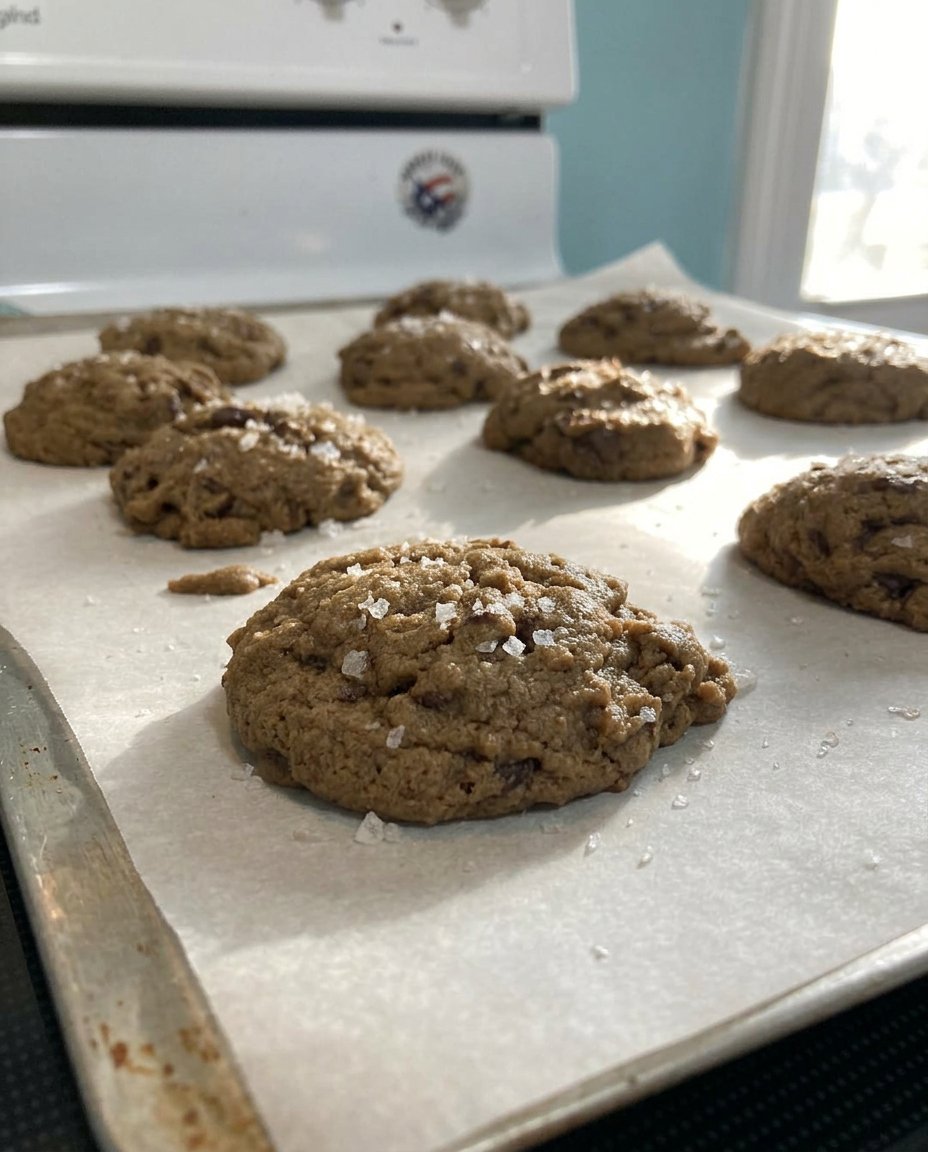
To fully appreciate the layered complexity of these cookies, serve them alongside a medium-roast pour-over coffee. The acidity in a medium roast helps cleanse the palate of the heavy fats from the browned butter, allowing the subtle notes of vanilla and espresso to shine through with every new bite. For a more detailed look at how certain recipes become favorites, see our Viral Cookie Analysis for more trend-setting combinations.
Temperature also plays a vital role in flavor perception. Serving these cookies slightly warm (around 100°F) ensures the chocolate is in a semi-liquid state and the fats are beginning to release their volatile aromas. If serving cold, the flavors will feel more muted and the texture will be significantly firmer due to the saturated fats in the butter.
Final Findings on Flavor Synergy
Understanding the chemistry behind your ingredients transforms baking from a chore into a fascinating experiment. By controlling the Maillard reaction and respecting the hydration needs of your dough, you have created a cookie that represents the perfect intersection of caffeine and cocoa. For more ways to optimize your time in the kitchen without sacrificing scientific accuracy, explore our Efficient Cookie Methods. If you enjoyed this flavor study, please share your results with our community on Instagram or Pinterest. We would love to see how your espresso infusions turned out! You can also find more inspiration on our Facebook page.