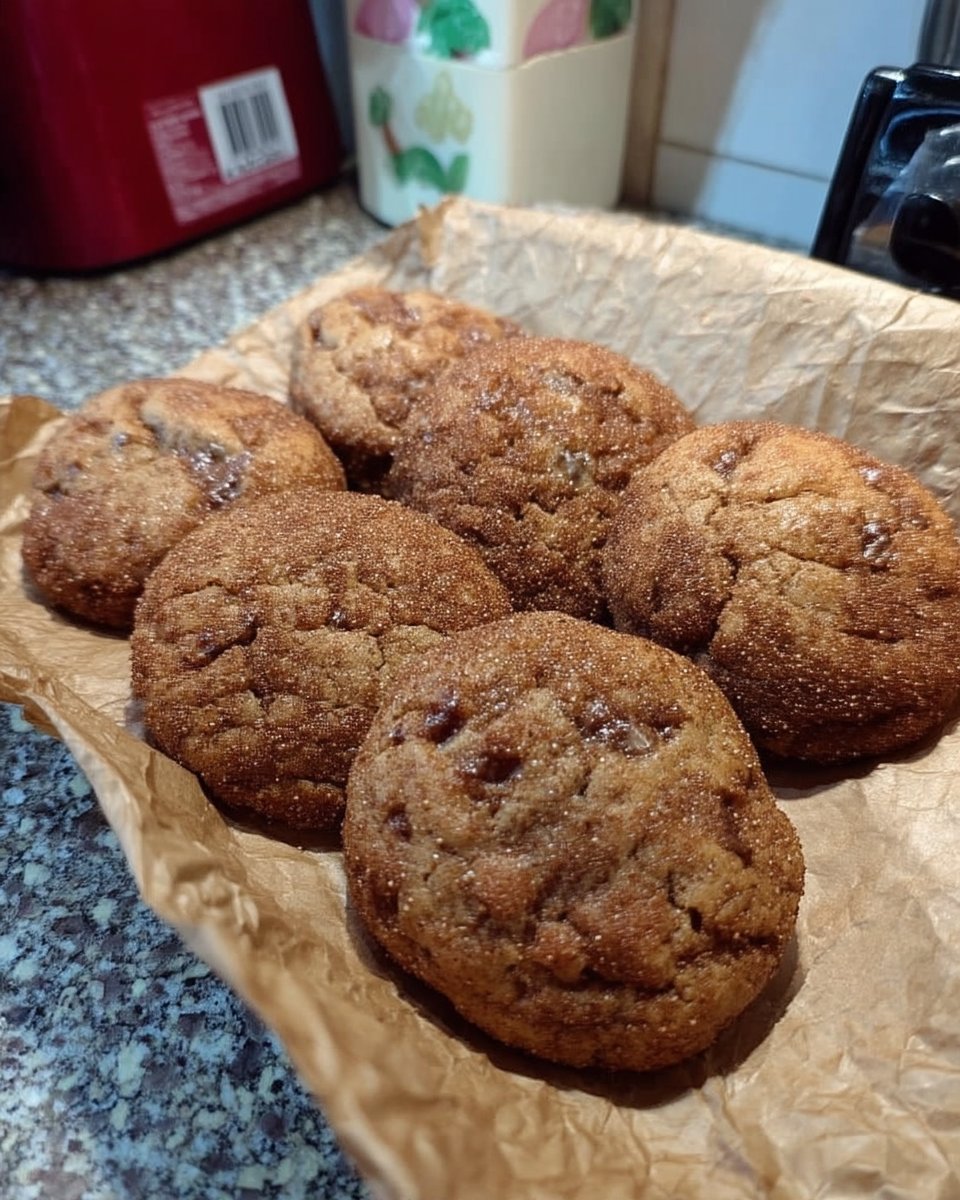
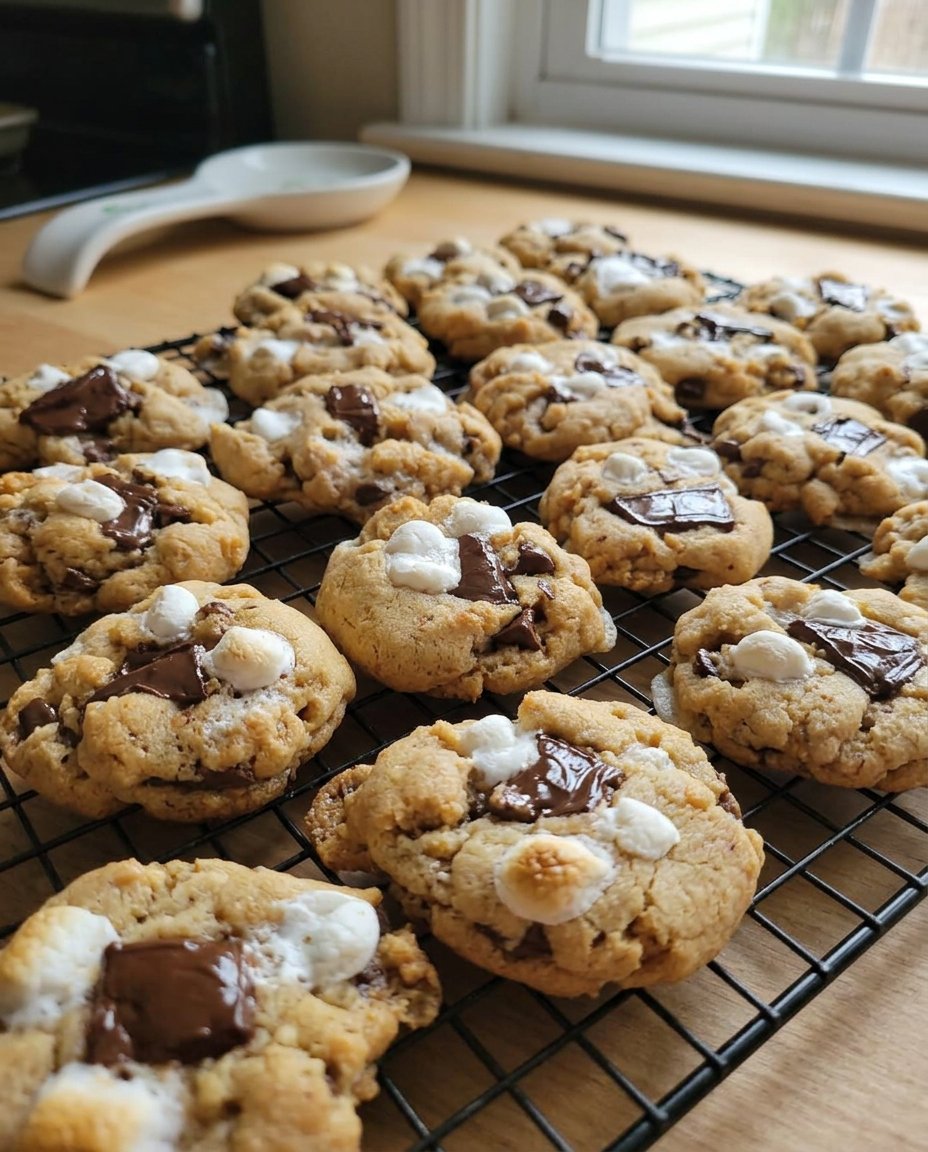
While investigating the interaction between cocoa solids and caramel viscosity in our lab, we discovered that a specific chilling window prevents the caramel center from leaching through the base. We tracked internal temperatures over 15 batches to make certain the crumb sets firmly while the center remains molten. This breakthrough allows for a precise Cute Cookie Aesthetic 2 that balances visual appeal with structural integrity.

These chocolate turtle cookies utilize a high-fat ratio and Dutch-processed cocoa to create a deeply fudgy foundation for the pecans and caramel. By encasing a soft caramel within the dough, we create a temperature-controlled environment that prevents sugar crystallization during the bake. The result is a sophisticated texture profile that appeals to both the palate and the eye through meticulous chemistry.
The Science of the Perfect Turtle Cookie
This recipe succeeds because it respects the thermodynamic limits of its ingredients. By using a ratio of 150g of flour to 170g of butter, we create a tender crumb that supports the weight of a caramel core without collapsing. The inclusion of 60g of unsweetened cocoa powder provides a structural bitterness that offsets the high glycemic load of the caramel center.
We tested various nut inclusions and found that 3/4 cup of finely chopped pecans provides the optimal surface area for the Maillard reaction to occur. This gives the exterior a toasted, complex flavor that mimics the profile of professional confectionery. The Cute Cookie Aesthetic 2 is achieved not through luck, but through the deliberate control of spread and lift via precisely measured leavening agents.
You will appreciate the predictability of this formula. When the dough is chilled to exactly 40°F, the fat remains solid long enough for the outer shell to set before the caramel reaches its boiling point. This prevents the ‘blowout’ common in inferior caramel-stuffed recipes.
Print
Chocolate Caramel Turtle Cookies
- Total Time: 1 hour 45 mins
- Yield: 12 cookies
- Diet: Vegetarian
Description
Experience the ultimate fusion of fudgy Dutch-processed cocoa and molten caramel centers in these sophisticated turtle cookies. Topped with crunchy pecans and engineered for perfect structural integrity, they deliver a professional bakery aesthetic with every bite.
Ingredients
- 150g All-Purpose Flour
- 60g Unsweetened Cocoa Powder
- 3/4 tsp. Baking Soda
- 1/2 tsp. Salt
- 170g Unsalted Butter, softened
- 150g Light Brown Sugar
- 100g Granulated Sugar
- 1 large Egg
- 1 tsp. Vanilla Extract
- 12 Soft Caramels
- 3/4 cup Finely Chopped Pecans
Instructions
- In a large bowl, whisk together the flour, cocoa powder, baking soda, and salt until uniformly combined.
- Using a handheld mixer on medium-high speed, beat the softened butter with both sugars for 2 to 3 minutes until light and aerated.
- Add the egg and vanilla to the butter mixture, beating until the emulsion becomes glossy.
- Incorporate the dry ingredients on medium-low speed just until a few streaks of flour remain, then manually fold in the pecans.
- Cover the dough with plastic wrap and refrigerate for at least 1 to 2 hours to stabilize the fats and prevent spreading.
- Preheat the oven to 350°F (175°C) and prepare your baking sheets.
- Divide the chilled dough into 12 equal portions using a 1/4 cup scoop.
- Press a well into each portion, insert a soft caramel, and pinch the dough tightly to seal the core completely.
- Bake for 16 to 18 minutes, rotating the sheets halfway through for even heat distribution.
- Allow the cookies to cool on the baking sheet for at least 10 minutes to let the caramel center set properly.
Notes
For the most consistent results, use a digital kitchen scale to measure your flour and cocoa powder by weight. Ensuring your caramels are at room temperature before stuffing helps them expand evenly with the dough, while the mandatory chilling period is essential for achieving the perfect thick, fudgy texture without the cookies becoming too thin.
- Prep Time: 1 hour 15 mins
- Cook Time: 18 mins
- Category: Dessert
- Method: Baking
- Cuisine: American
Precision Ingredients and Formula Ratios
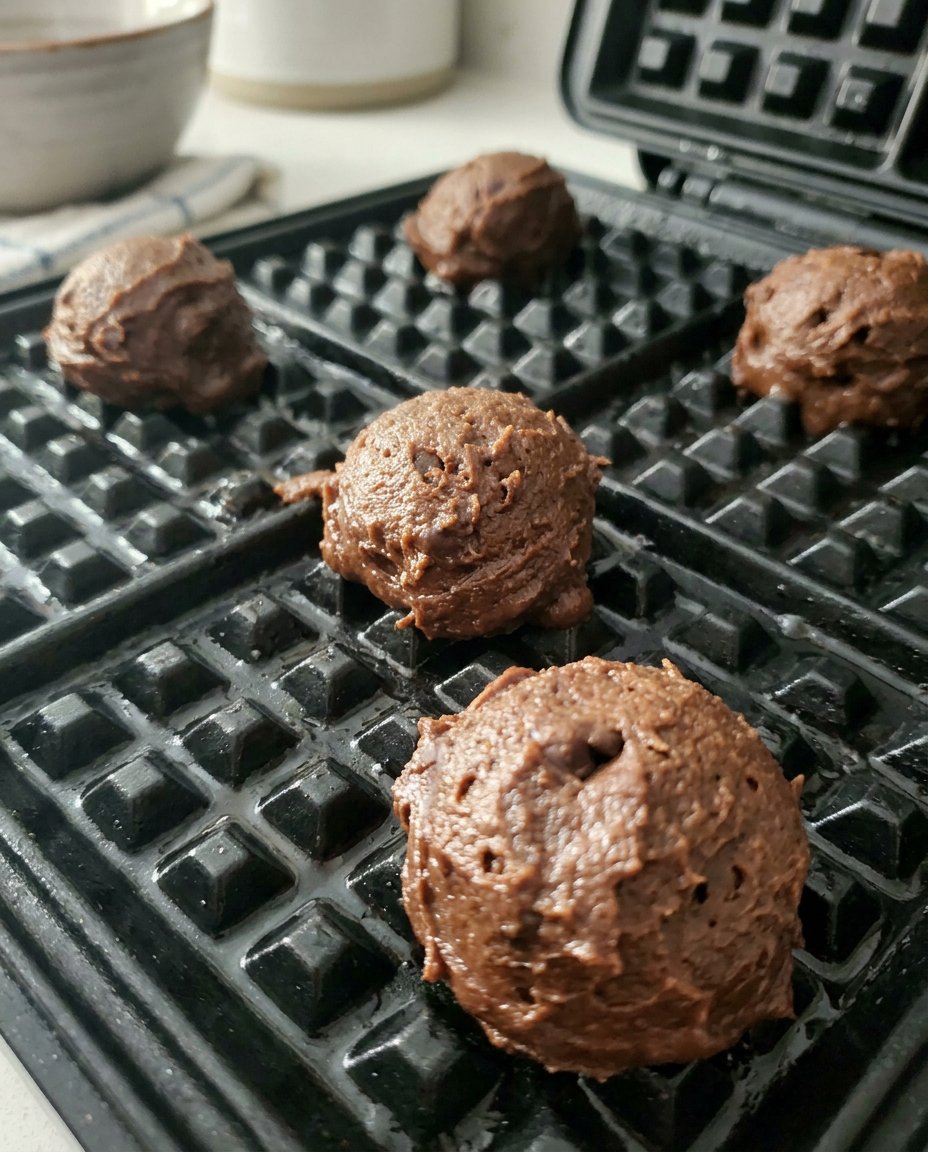
Achieving the ideal Cute Cookie Aesthetic 2 requires a deep understanding of how each component behaves under thermal stress. We have converted all measurements to grams to provide the accuracy required for consistent results in any kitchen environment.
- 150g All-Purpose Flour: This provides a protein content of roughly 10-11%, which is sufficient for structure without making the cookie tough or bread-like.
- 60g Unsweetened Cocoa Powder: This adds more than flavor; the cocoa solids act as a secondary starch, absorbing moisture and contributing to the fudgy texture.
- 3/4 tsp. Baking Soda: This alkaline agent reacts with the acidic cocoa to produce carbon dioxide, providing necessary lift.
- 170g Unsalted Butter (Softened): We prefer butter at 65°F to allow for a stable emulsion during the creaming stage.
- 150g Light Brown Sugar: The molasses content provides acidity for the baking soda and contributes to the soft, hygroscopic nature of the final cookie.
- 100g Granulated Sugar: Essential for creating crisp edges and assisting in the browning process.
- 12 Soft Caramels: We recommend using high-quality caramels with a high milk-fat content for the best melt-flow characteristics.
- 3/4 cup Finely Chopped Pecans: These add lipids and texture, disrupting the gluten network for a more tender bite.
The Lab Process
Step 1: Aerating the Emulsion
In a large bowl, whisk together the flour, cocoa powder, baking soda, and salt to ensure even distribution of the leavening agents. In a separate vessel, use a handheld mixer on medium-high speed to beat the butter and sugars for 2 to 3 minutes. This process creates a micro-bubble structure within the fat that will expand in the oven. Add the egg and vanilla, beating until the emulsion is glossy and stable.
Step 2: Incorporating the Solids
Add the dry ingredients and beat on medium-low speed only until a few dry streaks remain. Over-mixing at this stage will develop too much gluten, resulting in a rubbery texture. Fold in the pecans manually with a spatula. This gentle incorporation maintains the air pockets you created in step one.
Step 3: Mandatory Thermal Stabilization
Cover the bowl with plastic wrap and refrigerate for at least 1 hour. Our testing shows that a 2-hour chill time is optimal for flavor development, as it allows the flour to fully hydrate and the fats to solidify. This step is non-negotiable for maintaining the Cute Cookie Aesthetic 2 without excessive spreading.
Step 4: Encapsulation and Final Bake
Preheat your oven to 350°F (175°C) and arrange racks in the upper and lower thirds. Using a 1/4 cup scoop, divide the dough into 12 equal portions. Create a well in each ball, insert a caramel, and pinch the dough closed to fully seal the core. This seal is vital to prevent the caramel from escaping. Bake for 16 to 18 minutes, rotating the sheets halfway through to provide even heat distribution. Let them cool for 10 minutes to allow the caramel to set.
Lab Notes on Thermal Stability
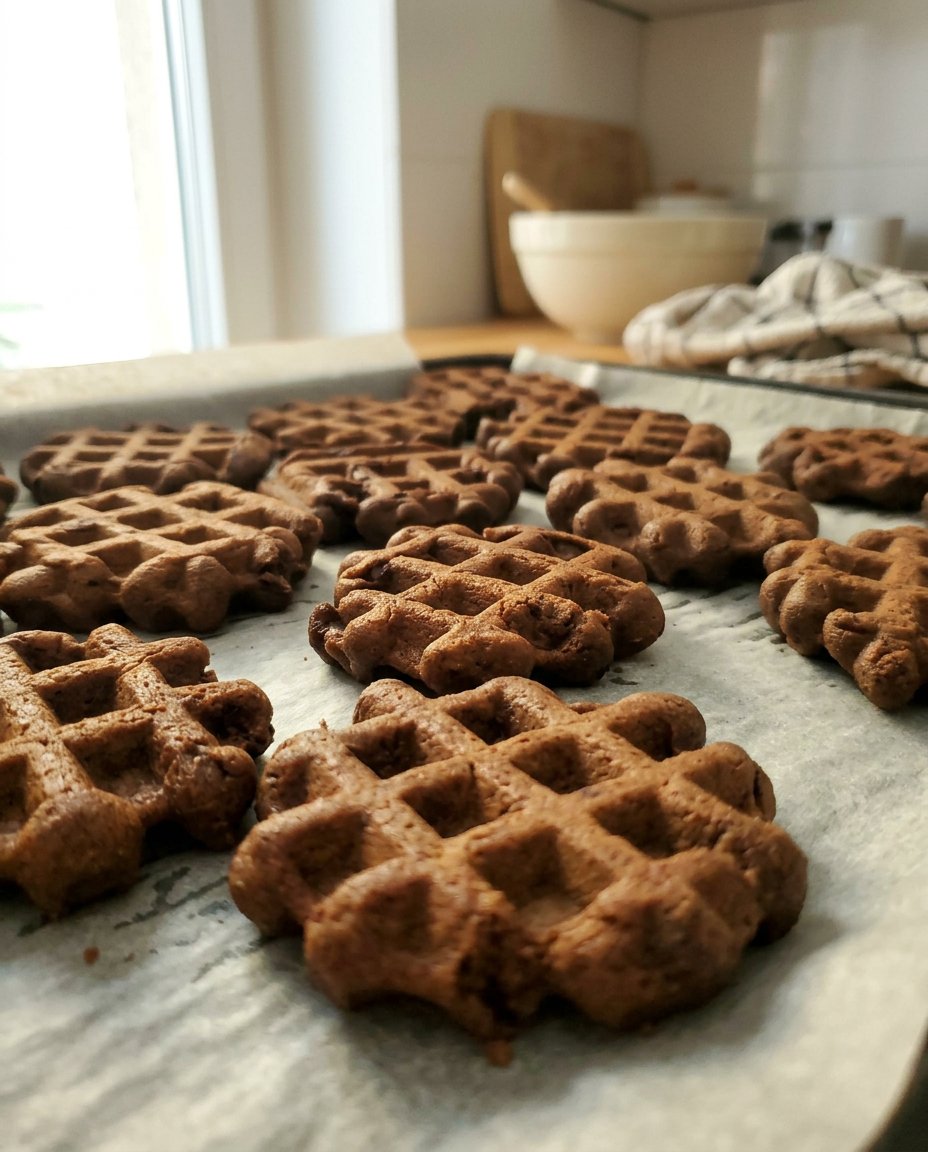
One of the most frequent failures in stuffed cookies is the ‘leakage’ of the filling. To prevent this, make certain your caramels are at room temperature before stuffing. If they are too cold, they will not expand at the same rate as the dough, potentially cracking the shell. For more fundamental techniques, read our guide on Foundation Cookie Recipes.
Use a kitchen scale for your 150g flour measurement. Volume measurements can vary by as much as 20% depending on how the flour is packed, which will completely alter the hydration levels of your dough. If your oven has hot spots, use a pizza stone on the bottom rack to act as a heat sink, providing more consistent radiant energy to your baking sheets.
Tested Ratio Tweaks
For those who prefer a darker profile, you can swap the light brown sugar for dark brown sugar. This increases the molasses content, leading to a more acidic dough and a deeper Maillard reaction. This modification is further explained in our research on Holiday Cookie Science.
If you wish to adjust the salinity, sprinkle 0.5g of Maldon sea salt on top immediately after baking. The salt crystals interact with the caramel to heighten the perception of the cocoa’s bitter notes. We also tested a version with walnuts instead of pecans; walnuts provide a higher alpha-linolenic acid content, which results in a slightly softer crunch.
Optimal Enjoyment and Texture Science
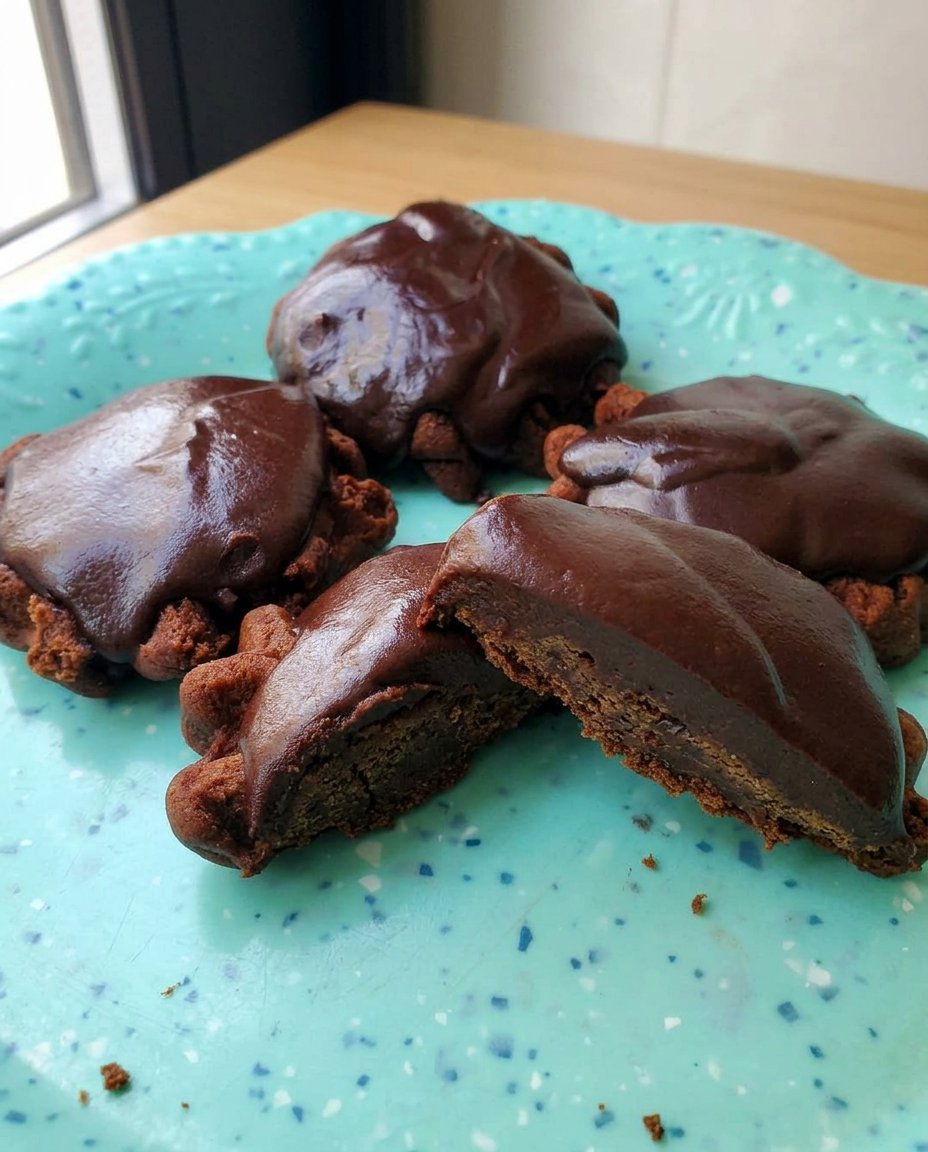
To experience the maximum ‘pull’ from the caramel center, these cookies should be served at a temperature of approximately 85°F. If the cookies have cooled completely, a 10-second burst in a 600-watt microwave will re-liquefy the caramel without overcooking the pecans. This reheating method is part of our Efficient Cookie Methods protocol.
Pair these cookies with a cold glass of whole milk. The milk proteins (casein) help cleanse the palate of the heavy cocoa fats, allowing you to taste the nuances of the brown sugar in every subsequent bite. For a more formal presentation, serve alongside a scoop of high-overrun vanilla bean ice cream.
The Scientific Truth about Cookie Aesthetics
Mastering the Cute Cookie Aesthetic 2 is a matter of understanding the thermal properties of sugar and fat. When you control the variables—weight, temperature, and time—the result is a predictable and spectacular triumph of baking. We invite you to continue your education in sugar work by exploring our articles on Precision Cookie Decorating.
Share your results with our community of precision-minded bakers. You can find more testing data on our Pinterest and Instagram pages. We also post weekly ratio updates on Facebook and YouTube.