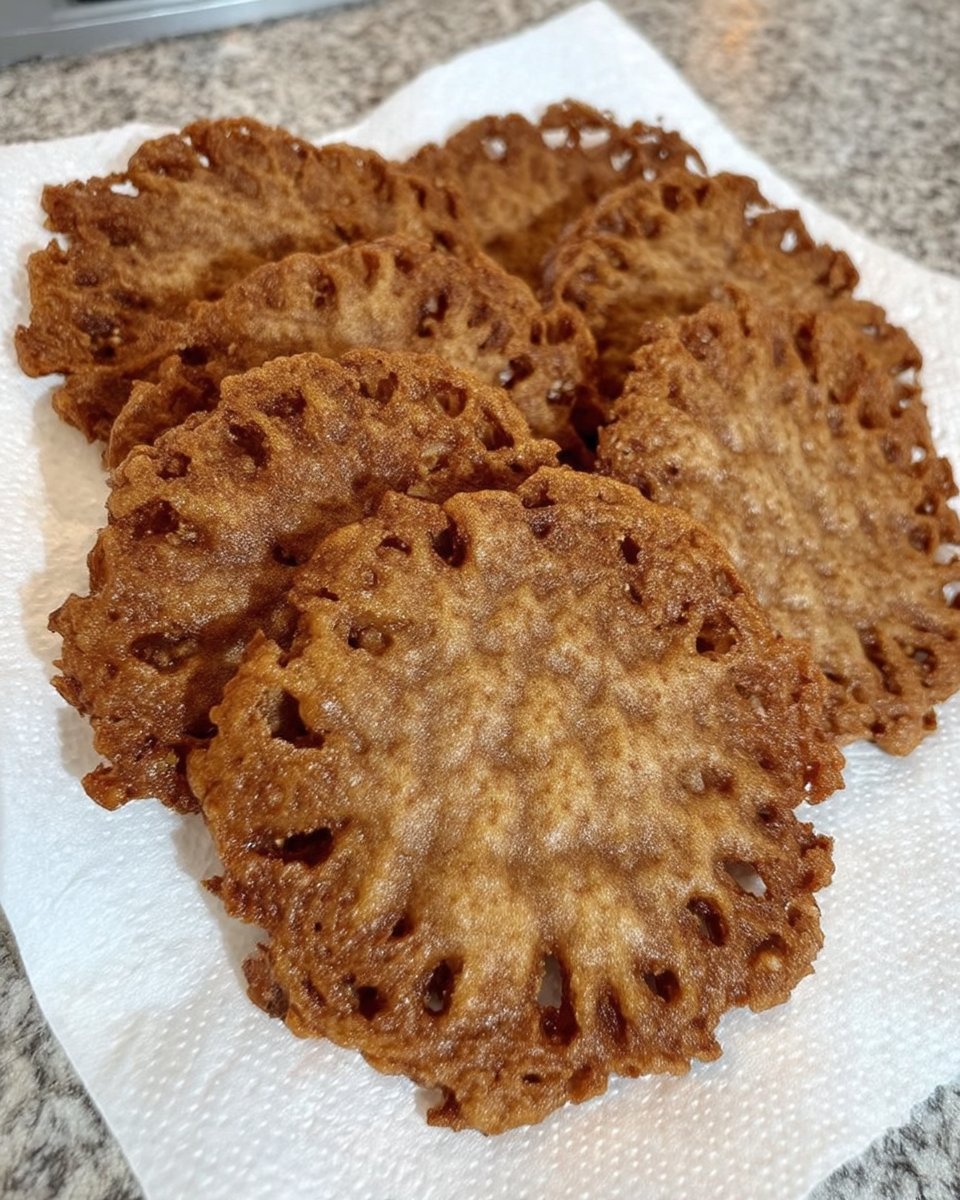
My first investigation into the perfection of Tuile Cookies began with a study of the Maillard reaction in high-surface-area batters. These delicate, paper-thin wafers are a fascinating display of how sugar and protein interact under intense heat to create a complex array of aromatic furans. By analyzing the thermal dynamics of such a thin dough, we can achieve a crispness that is both structurally sound and sensory-focused.

Achieving the ideal ’tile’ shape requires more than just a hot oven; it demands an understanding of the batter’s structural integrity. This recipe balances the flexibility provided by egg proteins with the structural support of almond flour, allowing for immediate shaping while the sugar matrix remains in its pliable glass state.
The Flavor Science of the Perfect Snap
You will find these wafers remarkable because they represent the intersection of physics and pastry. The primary appeal of this recipe lies in the mechanical snap, a result of rapid moisture evaporation during the brief baking cycle. Because the batter is spread to a thickness of less than one millimeter, the water content is almost entirely removed, leaving behind a rigid sugar and protein lattice. This creates a high-intensity crunch that releases flavor compounds more rapidly than a standard cookie. We use unsalted butter to provide a clean lipid base, allowing the delicate notes of vanillin and the nutty pyrazines from the toasted almonds to shine through without interference. The addition of salt is not merely for seasoning; it acts as a taste modulator, suppressing bitterness and heightening the perception of sweetness through sodium-glucose cotransporters on the tongue. This scientific approach ensures that every bite is a balanced, high-contrast experience.
Print
Tuile Cookies
- Total Time: 1 hour 25 mins
- Yield: 15 cookies
- Diet: Vegetarian
Description
Master the art of the French tuile with this scientifically-backed recipe, designed to produce paper-thin, buttery wafers with a signature snap. These delicate almond-scented cookies are perfect for shaping into elegant curves while warm from the oven.
Ingredients
- 50g Egg Whites
- 50g Powdered Sugar
- 50g Melted Unsalted Butter
- 45g All-Purpose Flour
- 5g Almond Flour
- 1 tsp Vanilla Extract
- 1/4 tsp Salt
- Toasted sliced almonds (optional topping)
Instructions
- Whisk the egg whites, vanilla, salt, and powdered sugar until the sugar is completely dissolved and the mixture is smooth and emulsified.
- Incorporate the warm melted butter into the egg mixture, whisking steadily to ensure the lipids are evenly distributed throughout the sugar-egg base.
- Sift in the almond flour and all-purpose flour, then gently fold with a spatula until no dry clumps remain and the batter is perfectly homogenous.
- Cover and refrigerate the batter for at least one hour to allow the starch granules to fully hydrate and the fats to stabilize for easier spreading.
- Preheat your oven to 330ºF (165ºC) and line a heavy-bottomed baking sheet with high-quality parchment paper.
- Using a small offset spatula, spread thin portions of the chilled batter into circles approximately 1mm thick on the parchment.
- Press toasted almonds into the surface if desired and bake for 4 to 7 minutes until the edges reach a deep honey-gold color.
- Remove from the oven and immediately drape the flexible cookies over a rolling pin or wooden dowel to set into a rigid, curved shape as they cool.
Notes
To ensure your tuiles stay perfectly crisp, store them in an airtight container immediately after cooling with a food-safe silica gel packet to prevent moisture absorption from the air. If the cookies become too firm to shape before you finish, simply return the tray to the warm oven for thirty seconds to restore their thermal plasticity.
- Prep Time: 1 hour 10 mins
- Cook Time: 15 mins
- Category: Dessert
- Method: Baking
- Cuisine: French
The Molecular Anatomy of a Wafer
Each component in this batter serves a specific structural and chemical purpose to achieve the signature thinness and crispness of these cookies.
- Egg Whites (50g): These provide the primary protein structure. As the cookies bake, these proteins denature and form a cross-linked network that holds the cookie together even when it is paper-thin.
- Powdered Sugar (50g): We use finely milled sugar to maintain a smooth texture. The high surface area of the sugar particles helps them dissolve quickly into the egg whites, creating a homogenous syrup that caramelizes evenly.
- Melted Unsalted Butter (50g): Lipids are essential for a ‘short’ texture. The butter coats the flour particles, preventing excessive gluten development and ensuring the cookie remains crisp rather than chewy.
- All-Purpose Flour (45g) and Almond Flour (5g): The starch in the all-purpose flour provides the bulk of the matrix, while the almond flour introduces oils and proteins that add flavor complexity and a subtle grain to the snap.
- Vanilla Extract and Salt: These are our primary aroma and taste enhancers. The vanillin molecules are volatile and provide a deep scent, while the salt crystals balance the sugar levels.
The Precision Layering Method
Step 1: Emulsifying the Base
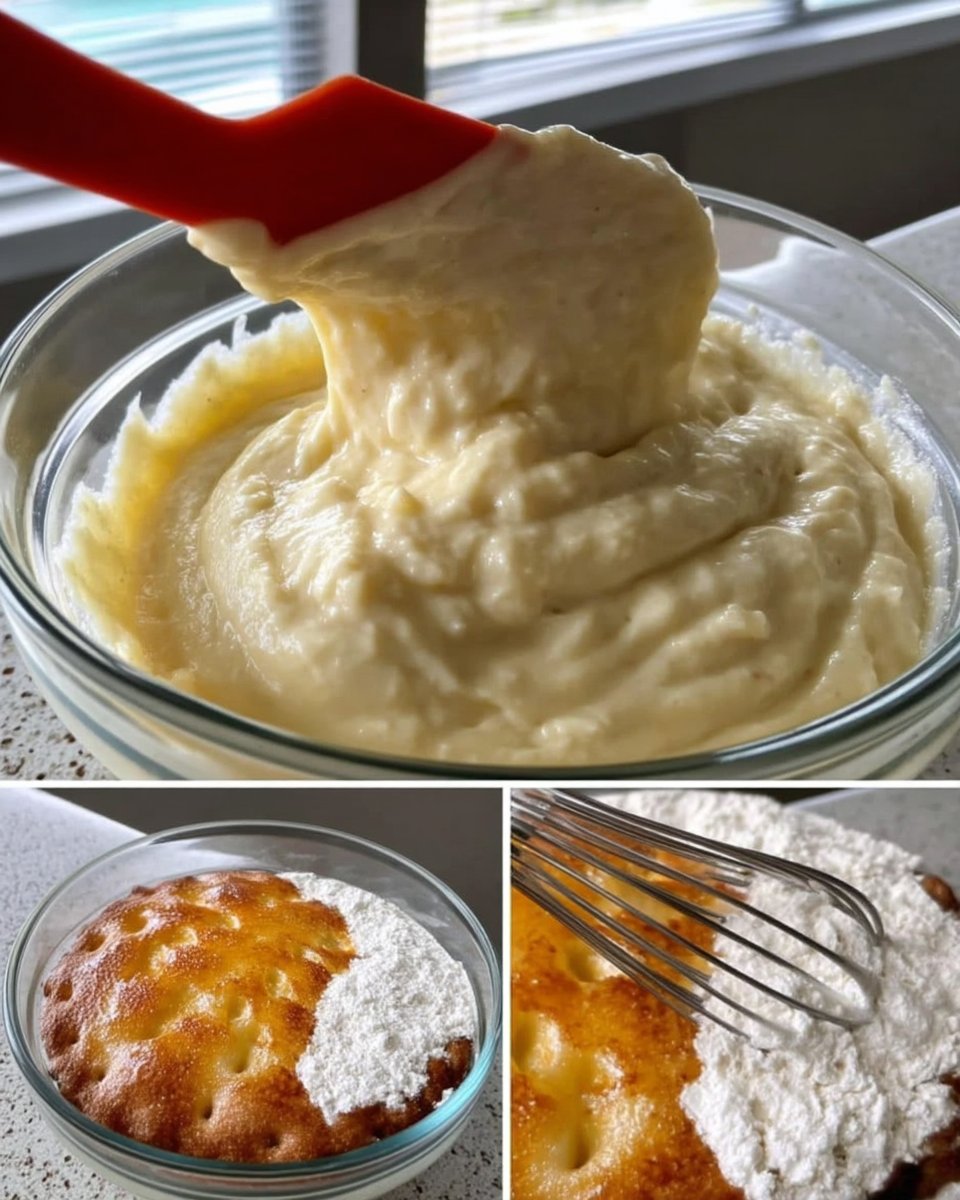
Begin by whisking the egg, vanilla, salt, and powdered sugar. You are looking to create a stable emulsion where the sugar is fully dissolved into the aqueous phase of the egg. This creates a uniform syrup that will bake into a consistent glass-like structure without graininess.
Step 2: Integrating the Lipid Phase
Add the warm melted butter to the mixture. The goal here is to disperse the fat molecules evenly throughout the sugar-egg base. This step is critical for the final texture; a well-emulsified batter ensures that the lipids are distributed, which prevents the cookies from becoming greasy or having ‘wet’ spots after baking.
Step 3: Structural Reinforcement
Sift in the almond flour and all-purpose flour. Use a spatula to fold these in until the batter is perfectly smooth. Cleaning the sides of the bowl ensures that no stray clumps of starch remain, which could create structural weaknesses in the thin tuiles. This creates the final starch-protein-lipid matrix.
Step 4: Hydration and Stabilization
Place the batter in the refrigerator for at least one hour. This rest period allows the starch granules in the flour to fully hydrate and the fats to slightly firm up. A hydrated batter is much easier to spread thinly and evenly, as it resists ‘tearing’ on the parchment paper.
Step 5: Precision Spreading and Topping
On a sheet of parchment paper, use a small offset spatula to spread the chilled batter into thin circles. You are aiming for a thickness of about 1mm. If making almond tuiles, press the toasted almonds into the surface. The almonds have already been toasted to create pyrazines, which offer a savory-roasted counterpoint to the sweet batter.
Step 6: The Maillard Bake
Bake at 330ºF (165ºC) for 4 to 7 minutes. Watch the edges closely; you are looking for a deep honey-gold color, indicating that the Maillard reaction and caramelization are at their peak. Because these cookies are so thin, the window between ‘perfectly baked’ and ‘over-caramelized’ is very narrow.
Step 7: Thermal Shaping
This is the most time-sensitive phase. Immediately upon removal from the oven, while the sugar matrix is still above its glass transition temperature, drape the cookies over a rolling pin or dowel. As they cool, the sugar will solidify into a rigid, curved shape. If they harden too quickly, return them to the oven for thirty seconds to restore their plasticity.
Jasmine’s Precision Shaping Secrets
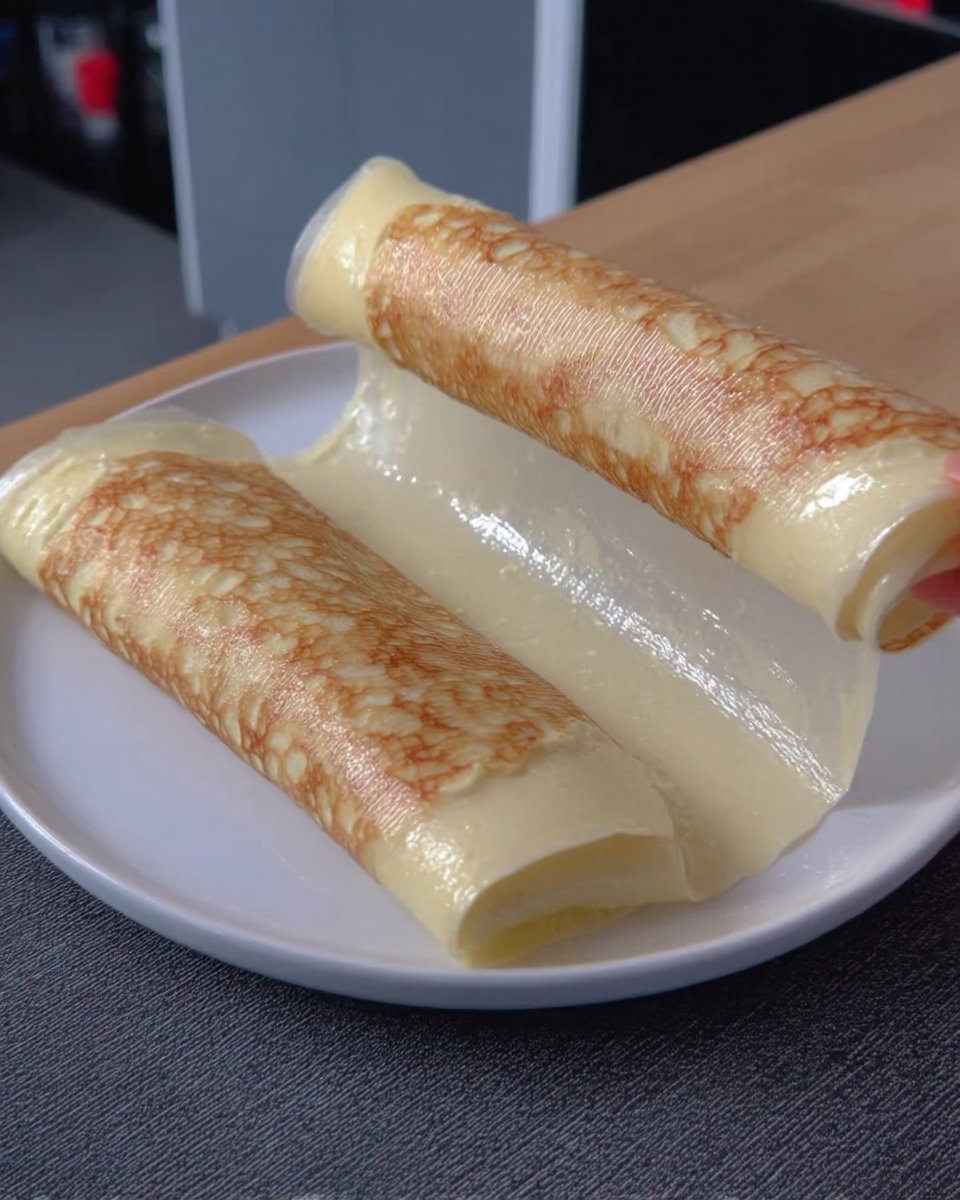
To master the art of the tuile, you must work with the laws of thermodynamics. I recommend using a heavy-bottomed baking sheet to maintain heat, which gives you a few extra seconds of shaping time before the sugar sets. If you are struggling with the cookies sticking, ensure you are using high-quality parchment paper; the silicone coating on the paper provides a non-polar surface that prevents the polar sugar molecules from bonding. For those looking to master more foundational techniques, I highly recommend reviewing our Foundation Cookie Recipes. Another secret is the use of a wooden dowel rather than metal for rolling; wood is a poor thermal conductor, meaning it won’t sap the heat from the cookie as quickly as metal would, giving you a longer window to achieve a perfect cylinder. You can also find excellent visual guidance on different shapes at Pastry Living. Finally, always store your finished cookies with a packet of silica gel to manage humidity; sugar is highly hygroscopic and will pull moisture from the air, causing your crisp cookies to turn soft in a matter of hours.
Scientific Flavor Swaps and Pairings
You can modify the aromatic profile of your Tuile Cookies by focusing on complementary chemical compounds. For a citrus variation, add finely grated orange zest to the batter; the limonene in the orange peel shares molecular similarities with the fats in the butter, creating a bright, integrated flavor. If you want a deeper, more bitter profile, substitute 5 grams of the all-purpose flour with high-quality Dutch-processed cocoa powder. This introduces polyphenols that provide a sophisticated contrast to the sweetness of the sugar. For more seasonal inspiration, you might find interest in our Holiday Cookie Science guide. You can also experiment with different nut flours; hazelnut flour provides a distinct aroma of filbertone, which pairs beautifully with dark chocolate. When dipping your cookies, remember that tempering your chocolate is essential for a stable fat structure and a clean snap that matches the texture of the wafer itself.
Complementary Texture Pairing
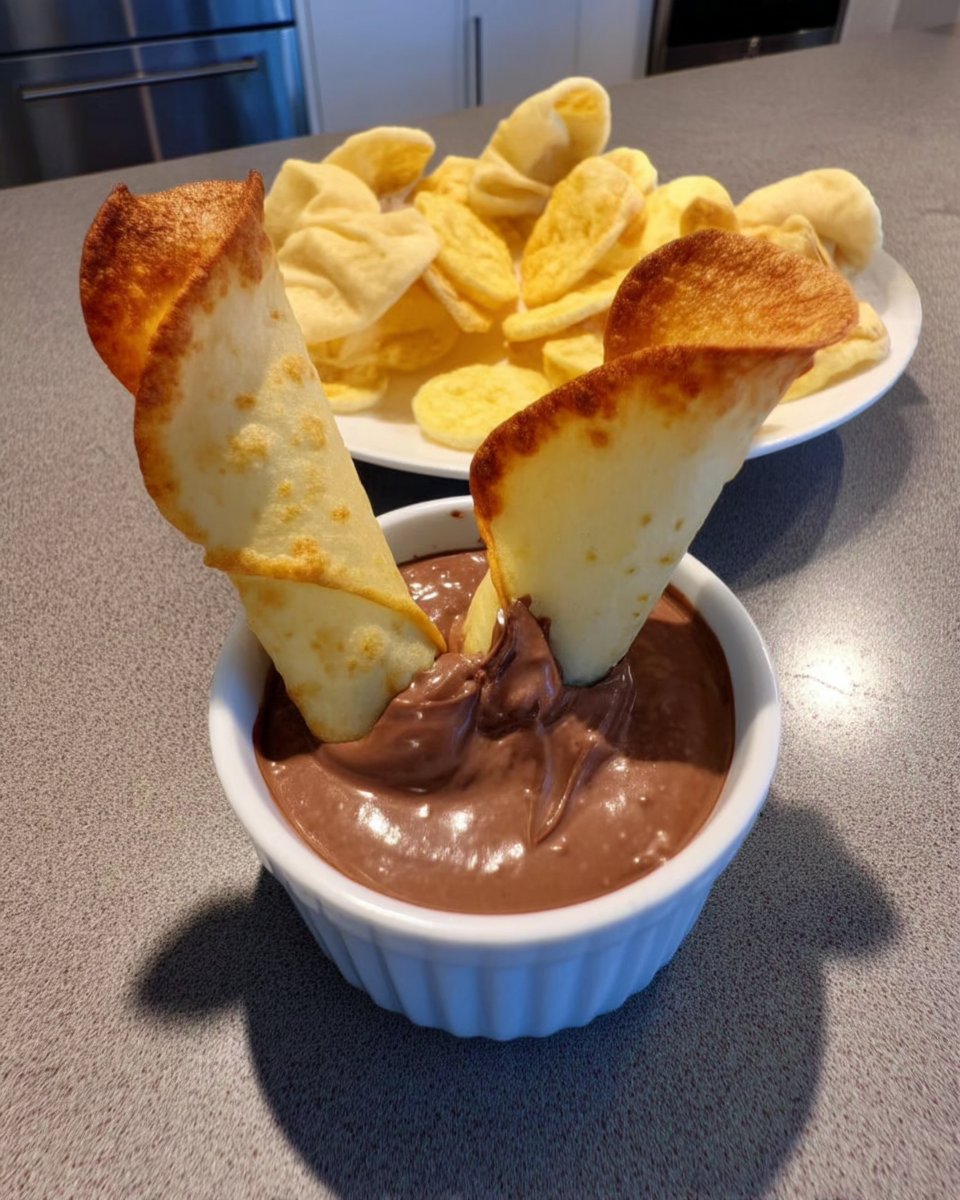
The Tuile Cookies are best served as a textural counterpoint to softer, creamier desserts. Because of their intense snap, they provide an excellent sensory contrast when paired with a rich chocolate mousse or a silk-smooth panna cotta. The geometric shapes of the tuiles also allow for architectural plating, where the cookie can be used to add height and interest to a dish. For those interested in the aesthetics of dessert, our guide on Precision Cookie Decorating offers more ways to refine your presentation. I also suggest pairing these with a hot espresso; the heat of the coffee further releases the volatile aromas of the vanilla and butter, while the bitterness of the coffee beans balances the caramelized sugar of the wafer. If you have made the cigarette variation, they are the traditional accompaniment to a dish of high-quality vanilla bean gelato, providing a functional ‘spoon’ that is also delicious.
Mastering the Art of the Delicate Bake
Mastering the tuile is a rite of passage for any baker who appreciates the science of texture. It requires a keen eye for color, a steady hand for spreading, and the speed to shape while the thermal window is still open. Once you understand how the sugar matrix behaves, you can create an infinite variety of shapes and flavors that will heighten any dessert course. For more technical insights into maximizing your kitchen output, check out our Efficient Cookie Methods. We would love to see your scientific baking results; please share your creations with us and join our community of flavor enthusiasts. Follow us on Pinterest, Instagram, and Facebook for more precision-focused recipes and flavor chemistry deep dives.