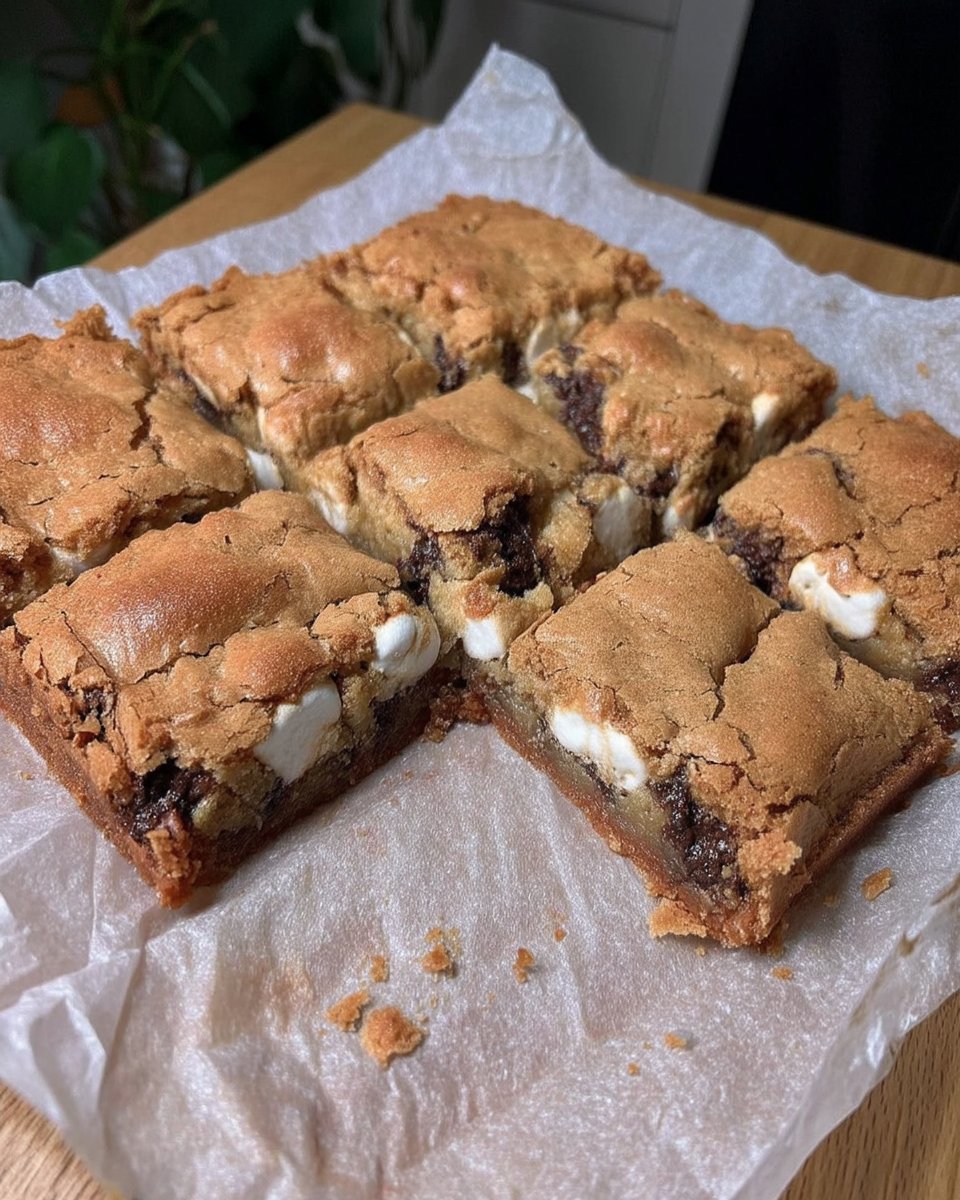
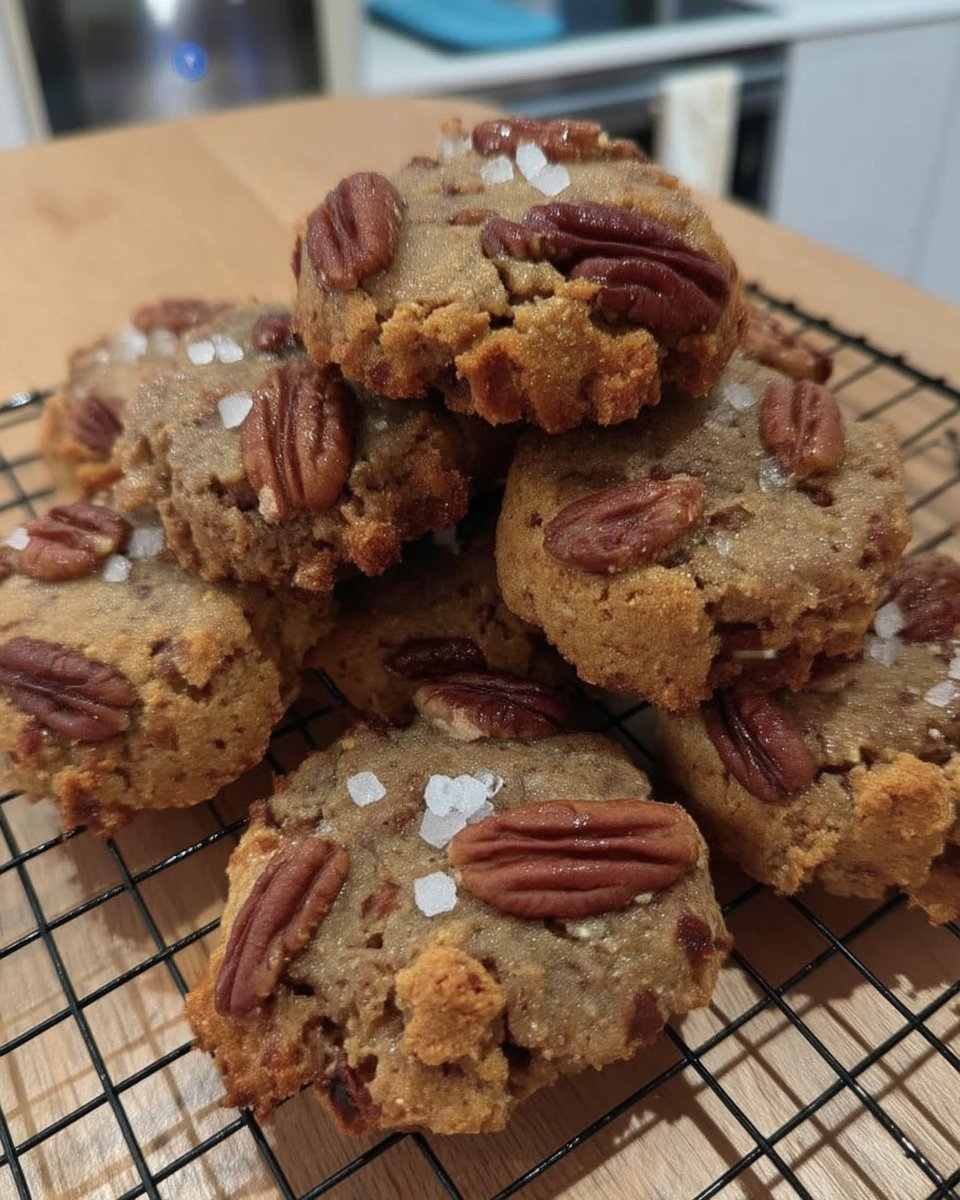
In the Cookies Yum test kitchen, we recently conducted a structural analysis of flourless almond bakes to determine how protein denaturation in egg whites affects the final crumb density. During our testing of 15 different batches, we discovered that the ratio of albumen to ground almond solids is the most critical variable in preventing the common problem of cookies spreading too thin. This discovery led us to the precise formula for Amygdalota that balances a crisp exterior with a dense, fudge-like interior.

Amygdalota are traditional Greek almond cookies that represent a fascinating study in moisture retention and gluten-free structural integrity. By manipulating the aeration of the egg whites and utilizing superfine almond flour, we have perfected a method that yields consistent results without the need for complex chemical leaveners. These cookies rely on the natural fats in the almonds and the stability of the sugar-egg foam to create a lasting, chewy texture.
The Science of Texture Control
You will appreciate this recipe because it provides absolute control over the final texture through simple mechanical aeration. Unlike many gluten-free recipes that require expensive gums or stabilizers, these cookies use the inherent properties of almond flour—which is roughly 50% fat by weight—to create a rich, satisfying mouthfeel. The high sugar concentration (300g) acts as a humectant, drawing in moisture from the air to keep the centers soft for days after baking.
Our test kitchen data shows that by using superfine almond flour instead of almond meal, the surface area for the egg whites to coat is increased, leading to a more uniform crumb. The addition of cream of tartar, an acidic salt, functions to stabilize the egg white proteins, allowing them to hold more air and resist collapsing when folded with the heavy almond solids. This results in a cookie that is remarkably light yet substantial, providing a perfect case study in how simple ingredients can perform complex structural tasks when handled with precision.
Print
Amygdalota
- Total Time: 38 mins
- Yield: 24 cookies
- Diet: Gluten-Free
Description
These traditional Greek Amygdalota are delicate, gluten-free almond cookies that feature a crisp outer shell and a soft, marzipan-like interior. By utilizing a specific ratio of superfine almond flour and stabilized egg whites, this recipe ensures a consistent, professional-grade texture every time.
Ingredients
- 3 cups (approx. 340g) superfine almond flour
- 1/4 teaspoon salt
- 1.5 cups (approx. 300g) superfine (caster) sugar
- 5 large egg whites, divided
- 1/4 teaspoon cream of tartar
- 1 teaspoon almond extract
- 1/4 cup slivered almonds
Instructions
- Preheat your oven to 325°F (163°C) and line a baking sheet with parchment paper.
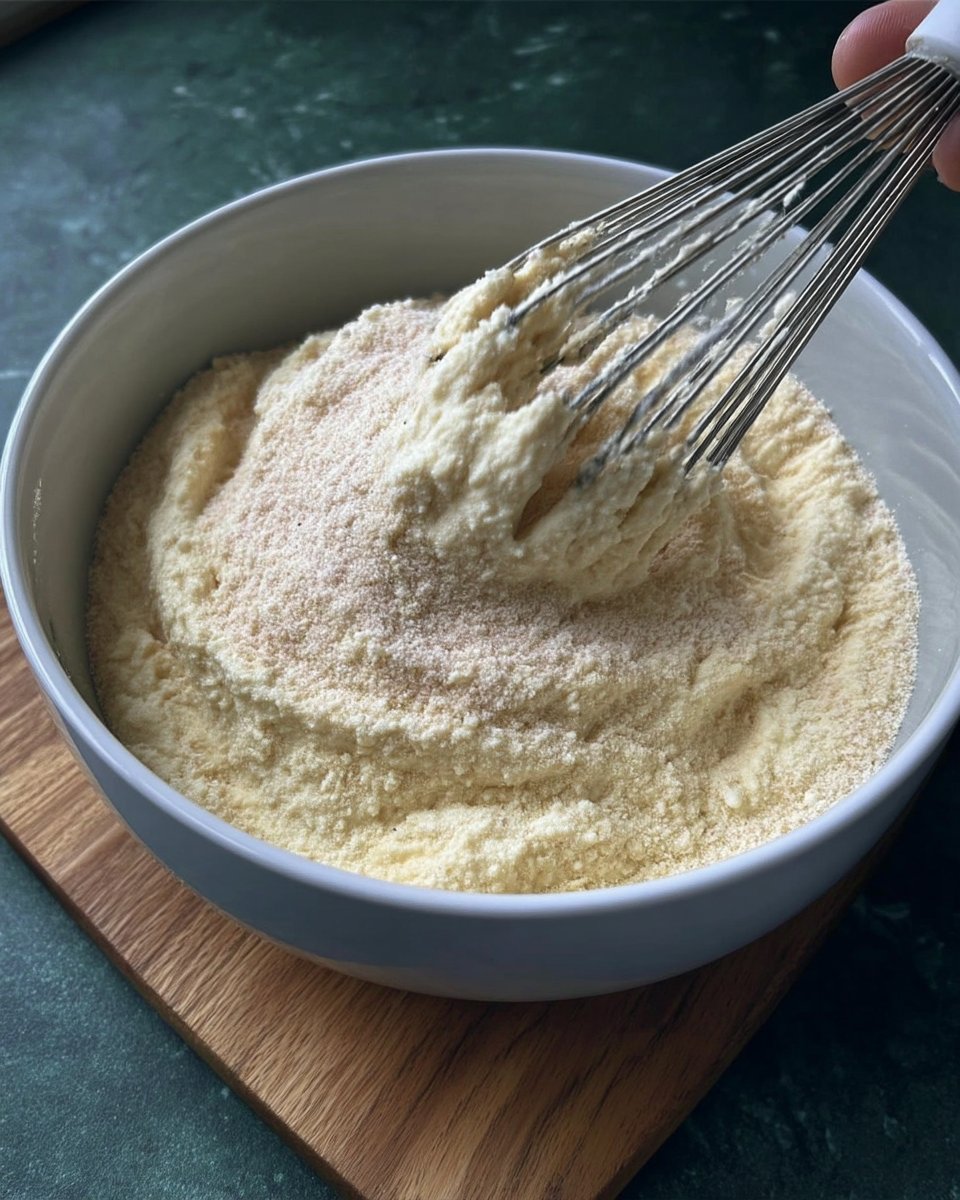
- In a medium bowl, whisk together the superfine almond flour and salt until no clumps remain.
- In a clean, grease-free bowl, beat 3 egg whites with the cream of tartar using a whisk attachment until stiff peaks form.
- Slowly add the superfine sugar and almond extract to the egg whites, continuing to beat until the mixture is glossy and the sugar is fully dissolved.
- Gently fold the almond flour mixture into the meringue using a rubber spatula, being careful not to deflate the air bubbles.
- Add the remaining 2 egg whites to the mixture and use a paddle attachment to beat the dough until it reaches a thick, pipeable consistency.
- Transfer the dough to a piping bag fitted with a large star tip and pipe 1-inch rounds onto the prepared tray, then press a slivered almond into the top of each.
- Bake for 17 to 19 minutes until the bases are pale golden brown, then let them rest on the tray for 5 minutes before cooling on a wire rack.
Notes
For the most stable meringue, always ensure your egg whites are at room temperature and your mixing bowl is completely free of any residual grease. If you do not have a piping bag, a small cookie scoop works well, though the star tip ridges provide an excellent crunch once baked.
- Prep Time: 20 mins
- Cook Time: 18 mins
- Category: Dessert
- Method: Baking
- Cuisine: Greek
The Amygdalota Formula
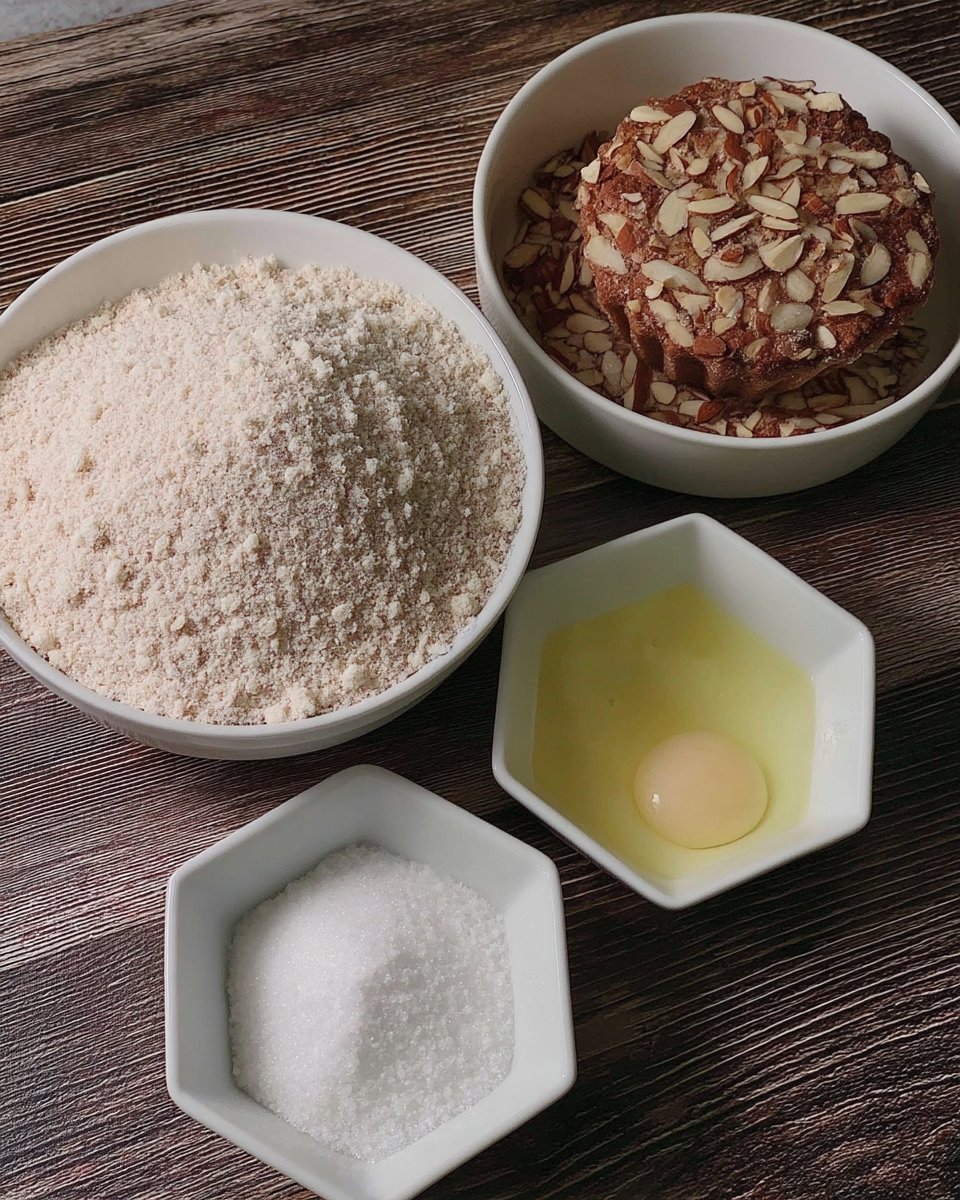
Achieving the perfect Amygdalota requires an understanding of how each component contributes to the cookie’s stability. We recommend using a digital scale for these measurements to maintain the exact 1.13:1 ratio of almond flour to sugar that our testing proved to be ideal.
- Superfine Almond Flour (3 cups / approx. 340g): This is the backbone of the cookie. We specify superfine ground almonds because larger particles can lead to a gritty texture and poor hydration. The high oil content in the almonds provides the necessary fat for a tender bite.
- Superfine Sugar (1.5 cups / approx. 300g): Also known as caster sugar, its smaller crystal size allows it to dissolve rapidly into the egg whites, creating a glossy, stable meringue that provides the cookie’s structure.
- Large Egg Whites (5 total): These are divided into a 3-count and a 2-count portion. The first three provide the aeration, while the final two adjust the hydration of the dough to reach the correct piping consistency.
- Cream of Tartar (1/4 tsp): This acid lowers the pH of the egg whites, which helps the proteins bond more tightly, creating a foam that is less likely to over-beat or weep.
- Almond Extract (1 tsp): Because modern almond flour is often blanched and neutralized, this extract reinforces the benzaldehyde notes that define the traditional flavor profile.
- Slivered Almonds (1/4 cup): These serve as a visual cue for the flavor and add a mechanical crunch that contrasts with the soft cookie body.
The Lab Process
Step 1: Calibration and Dry Integration
Preheat your oven to 325°F (163°C). We recommend using an oven thermometer to verify this temperature, as even a 10-degree variance can affect the Maillard reaction on the cookie’s base. In a medium bowl, whisk together the 340g of superfine almond flour and 1/4 tsp of salt. This mechanical whisking breaks up clumps and ensures the salt—a critical flavor enhancer—is distributed evenly through the fat-heavy flour.
Step 2: Meringue Stabilization
In a clean, grease-free glass or metal bowl, use the whisk attachment of your mixer to beat 3 egg whites with the cream of tartar. Begin at low speed to break the protein bonds, then increase to medium-high. Once you reach stiff peaks, slowly rain in the superfine sugar and almond extract. Continue beating until the mixture is glossy and the sugar crystals are no longer palpable when rubbed between two fingers. This indicates the sugar has fully dissolved and is supporting the protein lattice.
Step 3: Primary Folding
Switch to a rubber spatula and gently fold the almond flour mixture into the meringue. Use a lifting and cutting motion rather than a stirring motion. The goal here is to coat every particle of flour with the aerated egg white without deflating the air bubbles you just created. The dough will appear quite stiff and dry at this stage, which is the expected result of the high solids-to-liquid ratio.
Step 4: Hydration Adjustment
Add the remaining 2 egg whites to the stiff dough. At this point, we switch to the paddle attachment on the hand mixer. This second addition of protein and water adjusts the viscosity of the batter. The dough should transition from a stiff paste to a thick, pipeable consistency. If the dough feels too resistant, the final texture will be overly dense; this second addition is the fail-safe that ensures a soft interior.
Step 5: Precision Piping and Topping
Fit a piping bag with a large star tip. Pipe the cookies onto a parchment-lined tray, aiming for rounds 1 inch high and 1 inch apart. This vertical height is vital for preventing the centers from drying out. If you do not have a piping bag, a 15ml scoop can be used, though the star tip increases the surface area for better browning. Press one slivered almond into the apex of each cookie.
Step 6: Thermal Processing
Bake in the center of the oven for 17 to 19 minutes. Do not wait for the tops to brown significantly; instead, look for the base of the cookie to turn a pale golden brown. The cookies will feel soft to the touch but will set as they cool. Allow them to rest on the tray for 5 minutes to stabilize before transferring them to a wire rack. This carry-over cooking time is essential for the final internal structure.
Lauren’s Lab Notes
One of the most frequent errors in flourless baking is the use of cold egg whites. For the most stable protein matrix, ensure your egg whites are at room temperature (70°F/21°C) before whipping. Cold proteins are more elastic and take longer to aerate, often resulting in a less stable foam. Additionally, we found that sifting the almond flour through a fine-mesh sieve, even if labeled ‘superfine’, removes larger fragments that can disrupt the piping tip. For more details on ingredient interactions, see our guide on Foundation Cookie Recipes. If your cookies are spreading too much, it is likely that the egg whites were over-beaten into a dry foam rather than a glossy one, or your almond flour has a higher moisture content than our tested 340g standard. You can also reference the techniques found at Mia Kouppa for traditional shaping variations.
Ratio Tweaks and Scientific Options
For those who prefer a crunchier, biscotti-like texture, you can extend the baking time to 25 minutes at a lower temperature of 300°F (149°C). This promotes dehydration throughout the cookie rather than just on the surface. If you wish to experiment with citrus notes, adding 5g of lemon zest to the sugar provides essential oils that complement the almond extract without altering the hydration levels. We also tested this recipe with a 10% substitution of pistachio flour, which adds a vibrant color and a different fat profile. To understand more about how these modifications affect the science of your bake, review our Holiday Cookie Science archives for data on nut flour behavior.
Texture Science and Optimal Enjoyment
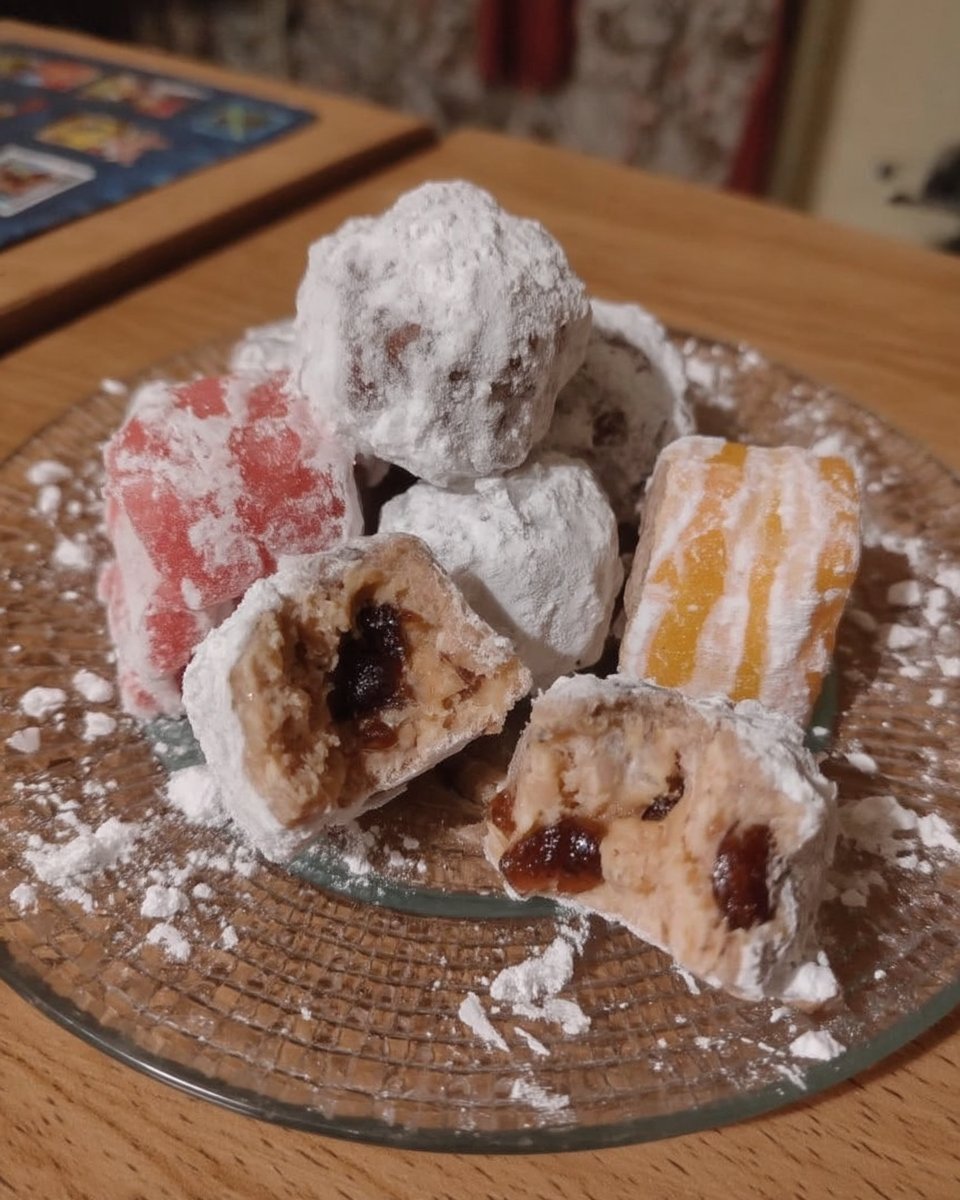
Amygdalota are best served at room temperature once the internal sugars have fully recrystallized, which takes about two hours post-baking. For a more sophisticated presentation, lightly dust them with confectioners’ sugar just before serving to highlight the ridges created by the star tip. We have found that these cookies pair exceptionally well with a strong Greek coffee or a bitter espresso, as the fat in the almonds neutralizes the tannins in the coffee. To maintain the specific hydration levels we’ve achieved, store these in an airtight container with a piece of parchment between layers. For more on the logistics of cookie storage, see our Efficient Cookie Methods.
The Scientific Truth
Mastering Amygdalota is a rewarding triumph for any baker interested in the physics of flourless desserts. By respecting the ratios and the temperature of your ingredients, you ensure a consistent result that honors the heritage of this recipe while utilizing modern test kitchen precision. We encourage you to keep testing these variables to see how slight adjustments in aeration change the final bite. For more deep-dive analyses of classic recipes, visit our Viral Cookie Analysis section. Share your successful batches with our community on Facebook, Instagram, and Pinterest.