Examining the aromatic profile of autumn reveals that the chemistry of fall cookies 2 is relatively mild until we introduce specific spice compounds to the mix. The real magic happens when we trigger the Maillard reaction in our butter, creating toasted notes that bridge the gap between earthy pumpkin and sharp cinnamon. This chemical synergy transforms a simple seasonal treat into a complex study of flavor layering that appeals to the curious palate.

These cookies prioritize a dense, chewy structure over the typical cakey texture found in most pumpkin-based bakes. By manipulating the moisture content and using dark brown sugar for its acidic properties, we achieve a satisfyingly heavy crumb that stays fresh for days. The result is a scientifically balanced cookie that maximizes the sensory impact of every ingredient.
Why These Fall Cookies 2 Work
The beauty of this recipe lies in the interaction between lipids and aromatic phenols. Brown butter introduces pyrazines, which are the same roasted flavor compounds found in toasted nuts and coffee. When these meet the volatile oils in pumpkin pie spice, the resulting taste profile is deep and resonant rather than just sugary. We also control the hydration levels by using a specific ratio of pumpkin puree to flour. This prevents the gluten from over-developing into a bread-like texture, keeping the bite soft yet resilient. It is a perfect example of how fat and moisture work together to define mouthfeel. By understanding the hygroscopic nature of the sugars, we can predict exactly how the cookie will spread and set in the oven’s heat.
Print
Chewy Brown Butter Pumpkin Cookies
- Total Time: 1 hour
- Yield: 18 cookies
- Diet: Vegetarian
Description
Experience the ultimate autumn treat with these chewy pumpkin cookies that utilize browned butter for a deep, nutty flavor profile. By carefully balancing moisture and acidity, this recipe delivers a dense, soft texture that stands out from typical cakey pumpkin bakes.
Ingredients
- 1 cup unsalted butter
- 1.5 cups dark brown sugar
- 1/3 cup pumpkin puree
- 3 tbsp maple syrup
- 1 large egg yolk
- 1 tsp vanilla extract
- 2.75 cups all-purpose flour
- 1 tsp baking soda
- 1/2 tsp baking powder
- 1/2 tsp salt
- 2 tsp pumpkin pie spice
- 1 tsp ground cinnamon
- Cinnamon-sugar mixture for coating
Instructions
- Melt the unsalted butter in a saucepan over medium heat, stirring constantly until it reaches a rich amber color with toasted bits.
- Transfer the browned butter to a bowl and chill for approximately 20 minutes until it becomes thickened and opaque.
- In a separate medium bowl, whisk together the flour, baking soda, baking powder, salt, pumpkin pie spice, and cinnamon.
- In a large bowl, whisk the cooled brown butter and dark brown sugar together until the mixture resembles wet sand.
- Add the egg yolk, maple syrup, vanilla, and pumpkin puree to the butter mixture, whisking until a smooth emulsion is formed.
- Gently fold the dry ingredients into the wet mixture using a rubber spatula until no flour streaks remain.
- Scoop 2-ounce portions of dough and roll them into balls, then coat each thoroughly in the cinnamon-sugar mixture.
- Bake at 350F for 12 to 15 minutes until the edges are set and slightly darkened; allow to cool on the baking sheet to finish setting.
Notes
For the best results, blot your pumpkin puree with a paper towel to remove excess moisture before measuring. To ensure a perfectly chewy texture, use a kitchen scale to measure dough portions at exactly 56 grams (2 ounces) each, which helps maintain consistent heat distribution during the bake.
- Prep Time: 45 mins
- Cook Time: 15 mins
- Category: Dessert
- Method: Baking
- Cuisine: American
Building the Flavor Matrix
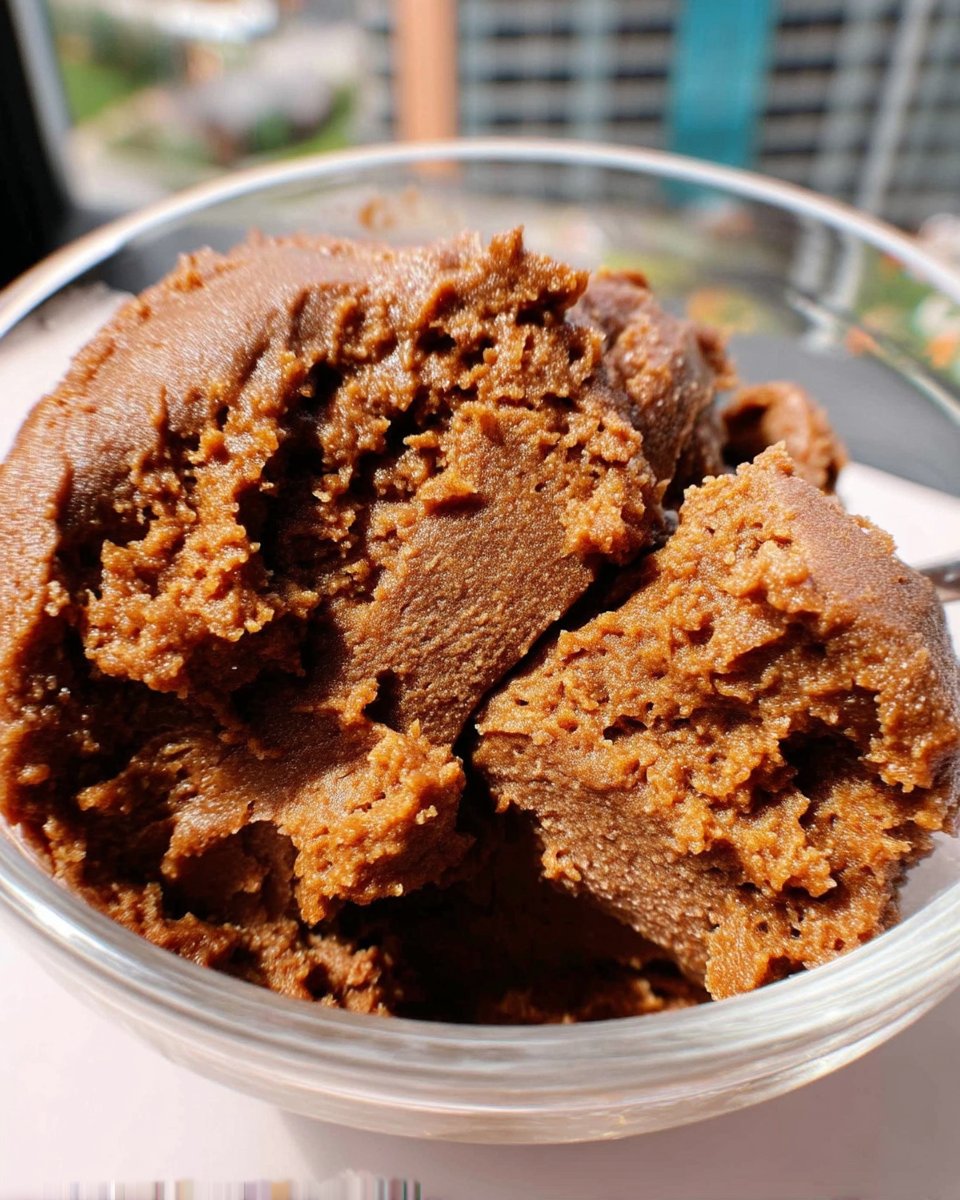
Creating the perfect fall cookie requires understanding how each component contributes to the final sensory experience. We select ingredients not just for their bulk, but for their specific chemical contributions to the dough stability and taste balance.
- Brown Butter (1 cup): By cooking out the water and browning the milk solids, we concentrate the fat and create nutty flavor compounds through thermal decomposition.
- Dark Brown Sugar (1.5 cups): The higher molasses content provides glucose and fructose for better browning and a softer, more hygroscopic texture that attracts moisture.
- Pumpkin Puree (1/3 cup): This provides the base moisture and fiber, acting as a natural humectant to keep the cookies from drying out during the baking process.
- Maple Syrup (3 tbsp): This adds invert sugar, which aids in a chewier texture and introduces woody, vanillin-like aromas to the dough.
- Egg Yolk (1 large): The lecithin in the yolk acts as an emulsifier, binding the fats from the butter with the moisture from the pumpkin for a smooth crumb.
- Pumpkin Pie Spice and Cinnamon: A blend of phenols that stimulate the olfactory receptors, providing the classic warming sensation associated with autumn.
The Flavor Method
Step 1: Execute the Maillard Reaction
Melt the unsalted butter over medium heat, stirring constantly to prevent localized burning of the milk solids. Watch for the butter to turn a rich amber color, indicating the formation of aromatic pyrazines and the evaporation of water content.
Step 2: Cool and Standardize
Pour the butter into a measuring vessel to confirm the volume, ensuring you capture all the browned bits at the bottom. Chill the liquid fat for 20 minutes until it reaches a thickened, opaque state without turning back into a solid block.
Step 3: Integrate Dry Components
Whisk the flour, baking soda, baking powder, salt, and spice blend in a separate bowl to distribute the chemical leaveners evenly. This prevents pockets of bitterness from the leavening agents and ensures a consistent rise across the entire batch.
Step 4: Emulsify Sugars and Fats
Combine the cooled brown butter with the dark brown sugar, whisking until the mixture resembles wet sand. The sugar crystals will begin to dissolve in the fat, setting the foundation for a smooth and cohesive cookie dough.
Step 5: Incorporate Liquid Flavorings
Add the egg yolk, maple syrup, vanilla, and pumpkin puree to the butter mixture. The lecithin in the yolk helps stabilize the emulsion of fat and moisture, creating a glossy base for the dry ingredients to follow.
Step 6: Fold and Hydrate
Gently fold the dry ingredients into the wet mixture using a rubber spatula. If the dough seems too soft to hold its shape, a short rest in the refrigerator will allow the starch molecules in the flour to fully hydrate and firm up the texture.
Step 7: Coat and Portion
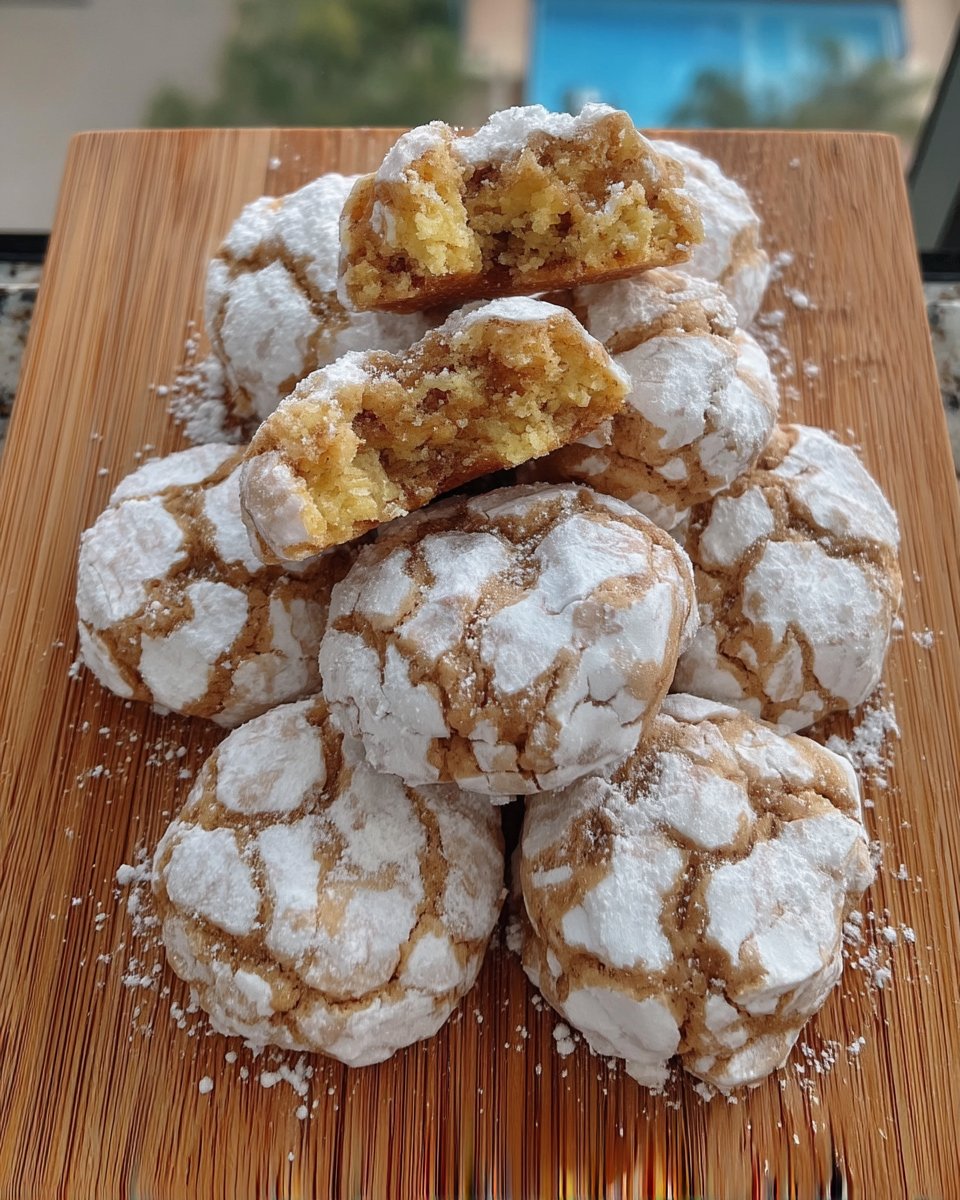
Scoop 2-ounce portions of dough and roll them in the cinnamon-sugar coating mix. This adds a localized concentration of sucrose and spice that creates a slight crunch on the exterior to contrast the soft interior.
Step 8: Precise Thermal Application
Bake at 350F for 12-15 minutes, looking for darkened edges and a slightly puffed center. The residual heat will finish the setting process as the cookies cool on the baking sheet, preventing an over-baked, dry result.
Jasmine’s Flavor Notes
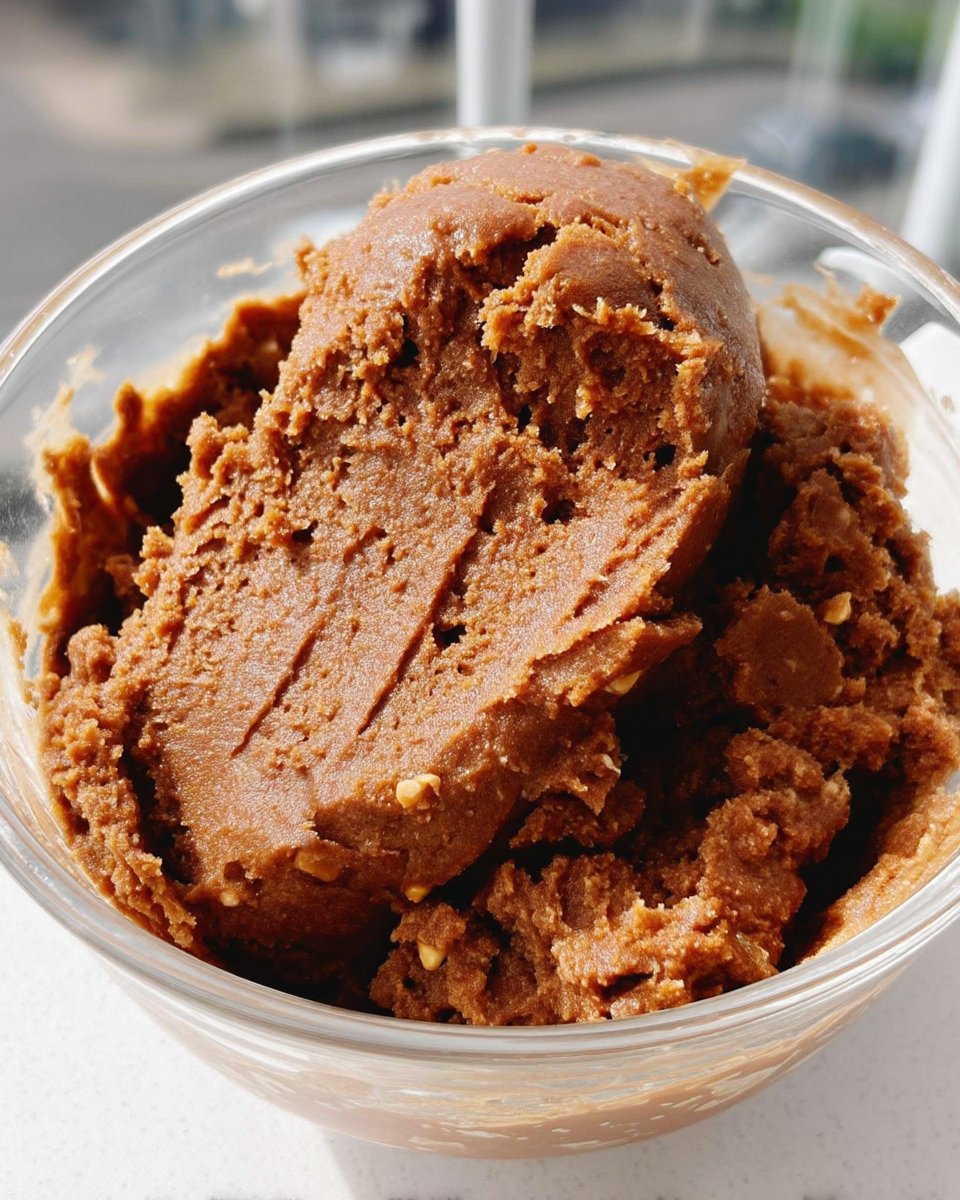
Precision in temperature is vital when working with brown butter, as using it while too hot can melt your sugars prematurely and lead to excessive spreading. To achieve the best structural integrity, follow the Efficient Cookie Methods to master dough stabilization through cooling. Adding a pinch of salt to the sugar coating can suppress bitterness in the spices and make the sweetness feel more vibrant. You can also look at the base methodology used in this chewy pumpkin cookie recipe to see how different bakers handle moisture ratios. Always make sure your pumpkin puree is the thick variety, not pumpkin pie filling, to keep the starch-to-moisture ratio accurate.
Scientific Flavor Swaps
For a deeper caramel profile, substitute half of the maple syrup with blackstrap molasses to increase the mineral content and acidity. If you want to lean into the citrus notes of the pumpkin, adding orange zest works because limonene compounds share a structural affinity with the cinnamon used here. For those looking to study how different fats affect the bake, check our guide on Holiday Cookie Science for dairy-free alternatives. You might also consider adding white chocolate chips, as the cocoa butter provides a creamy mouthfeel that balances the sharp spice profile.
How to Serve and Pair
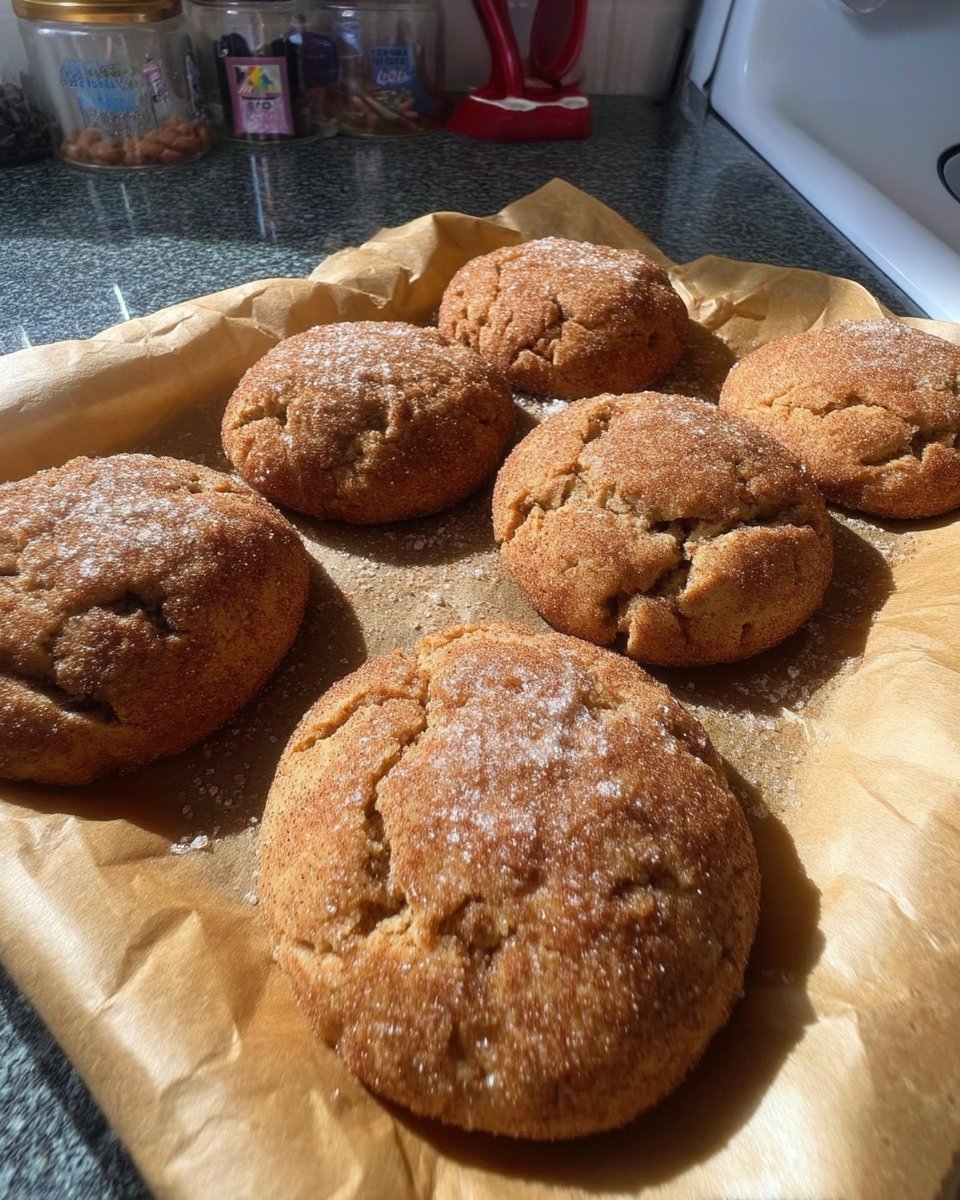
Serve these cookies slightly warm, around 100F, to allow the volatile aromatic compounds in the spices to reach their peak intensity. They pair exceptionally well with a dark roast coffee, as the bitter notes in the beans provide a contrast to the rich, fatty mouthfeel of the brown butter. For more on how to pair your bakes with beverages based on flavor science, check out our Foundation Cookie Recipes section. You might also consider a side of salted caramel dipping sauce to amplify the toasted notes of the dough.
The Flavor Truth
Mastering the chemistry of autumn baking requires a balance between moisture control and aromatic layering. By using brown butter and dark sugar, we create a cookie that is scientifically designed to be satisfyingly chewy and deeply flavorful. For more analytical baking guides, visit our Viral Cookie Analysis page to see how we break down other famous treats. Stay connected and share your baking results with us on Pinterest, Instagram, or Facebook. Happy baking, and stay curious about the science behind every bite!