The transformation of butter from a simple emulsion to a complex source of nutty pyrazines is a breakthrough in home baking chemistry. When we heat butter, the water evaporates, allowing milk solids to undergo the Maillard reaction—a chemical dance between amino acids and reducing sugars. This process creates hundreds of new aroma compounds that weren’t present in the raw fat, fundamentally changing how we perceive the sweetness of the final cookie.

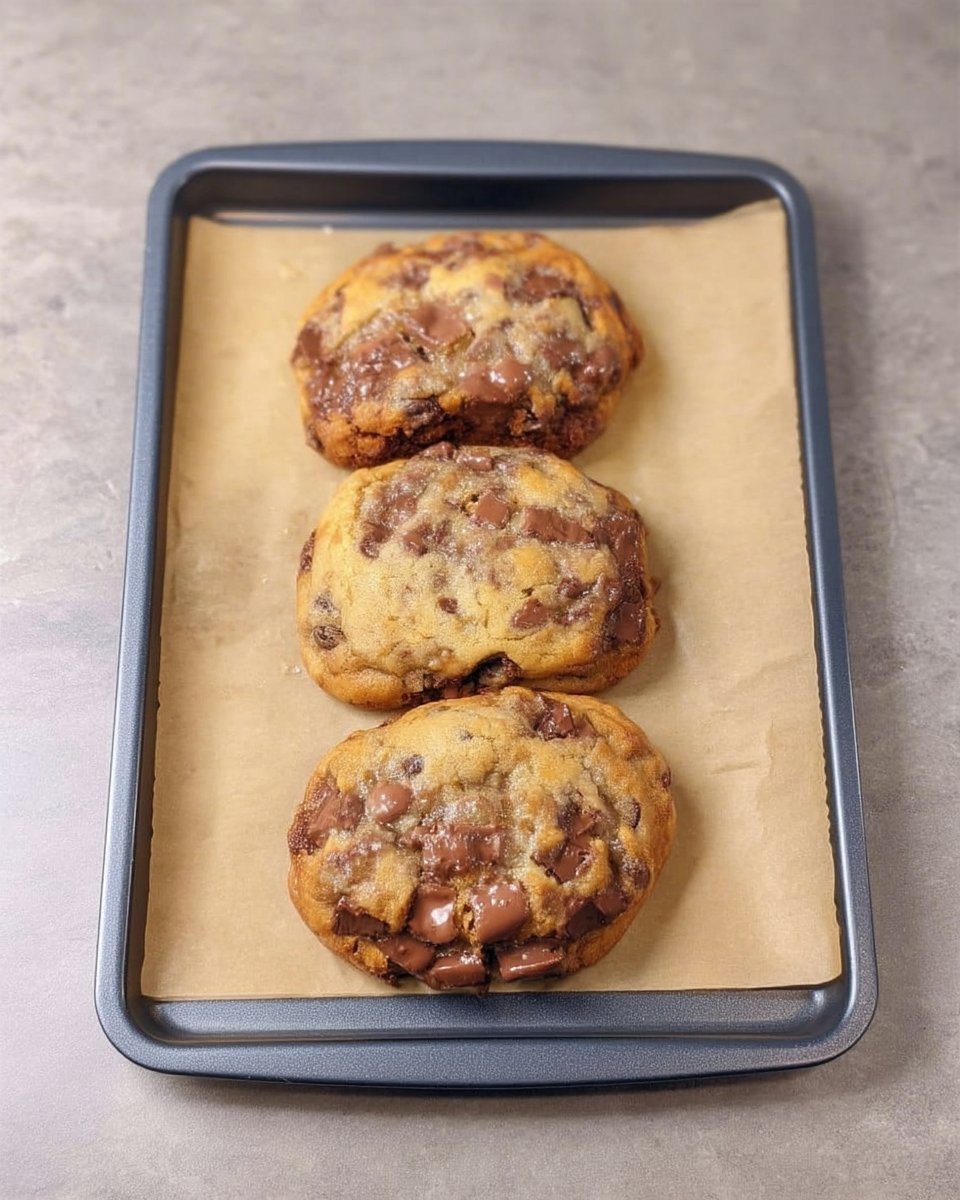
This Broma Bakery chocolate chip cookies recipe focuses on that exact flavor profile, using browned butter to build a deep, toasted foundation. By pairing this rich fat with a higher ratio of brown sugar and an extra egg yolk, we create a texture that is both chemically stable and incredibly tender. It is a perfect example of how manipulating temperature and ratios leads to a superior sensory experience.
The Molecular Magic of Browned Butter
This recipe stands out because it utilizes the Maillard reaction to its fullest potential. By browning the butter, we are essentially performing a rapid-fire chemical transformation that creates toasted, caramel-like flavor compounds known as pyrazines. These compounds offer a savory-sweet depth that balances the high sugar content of the dough.
Beyond the flavor chemistry, the texture is a triumph of moisture management. The addition of an extra egg yolk increases the lecithin content, which acts as a powerful emulsifier. This results in a dough that holds onto its fat more effectively, producing a cookie that is soft and chewy rather than greasy. The salt placement—both inside the dough and as a finish—works to suppress bitterness in the chocolate while heightening the perception of sweetness through contrast.
Print
Broma Bakery Chocolate Chip Cookies
- Total Time: 1 hour 28 mins
- Yield: 18 cookies
- Diet: Vegetarian
Description
Experience a masterclass in cookie chemistry with this browned butter recipe that delivers a sophisticated, nutty flavor profile. These cookies feature a perfectly chewy texture balanced by a complex sweetness and a finishing touch of flaky sea salt.
Ingredients
- 3/4 cup unsalted butter
- 1 cup light brown sugar
- 1/4 cup granulated sugar
- 1 large egg
- 1 large egg yolk
- 2 teaspoons pure vanilla extract
- 2 cups all-purpose flour
- 1 teaspoon baking soda
- 1/2 teaspoon kosher salt
- 1.5 cups semisweet or bittersweet chocolate chunks
- Flaky sea salt for finishing
Instructions
- Heat the butter in a saucepan over medium-low heat, stirring constantly until the milk solids turn golden brown and smell nutty; let cool for 5 minutes.
- In a large bowl, whisk the warm browned butter with the light brown and granulated sugars until fully integrated.
- Add the whole egg, extra egg yolk, and vanilla extract, mixing vigorously to create a stable emulsion.
- Gently fold in the flour, baking soda, and kosher salt until just combined, being careful not to over-mix.
- Fold in the chocolate chunks or chopped chocolate bars until evenly distributed.
- Cover and refrigerate the dough for at least one hour, or preferably overnight, to allow for proper hydration and flavor development.
- Preheat your oven to 350°F and portion the dough into 1.5-ounce balls using a scoop, placing them on parchment-lined baking sheets.
- Bake for 12 to 13 minutes until the edges are golden but the centers remain soft; sprinkle with flaky sea salt immediately after removing from the oven.
Notes
To ensure your cookies have the perfect moisture balance, consider weighing your browned butter after the melting process to ensure you have exactly 140 grams of fat remaining. If the dough has been chilled overnight, let it sit at room temperature for 15-20 minutes before scooping to reach an ideal consistency for portioning.
- Prep Time: 1 hour 15 mins
- Cook Time: 13 mins
- Category: Dessert
- Method: Baking
- Cuisine: American
The Chemistry of Your Ingredients
Every component in this formula serves a specific functional and sensory purpose. Understanding these roles helps you bake with intention.
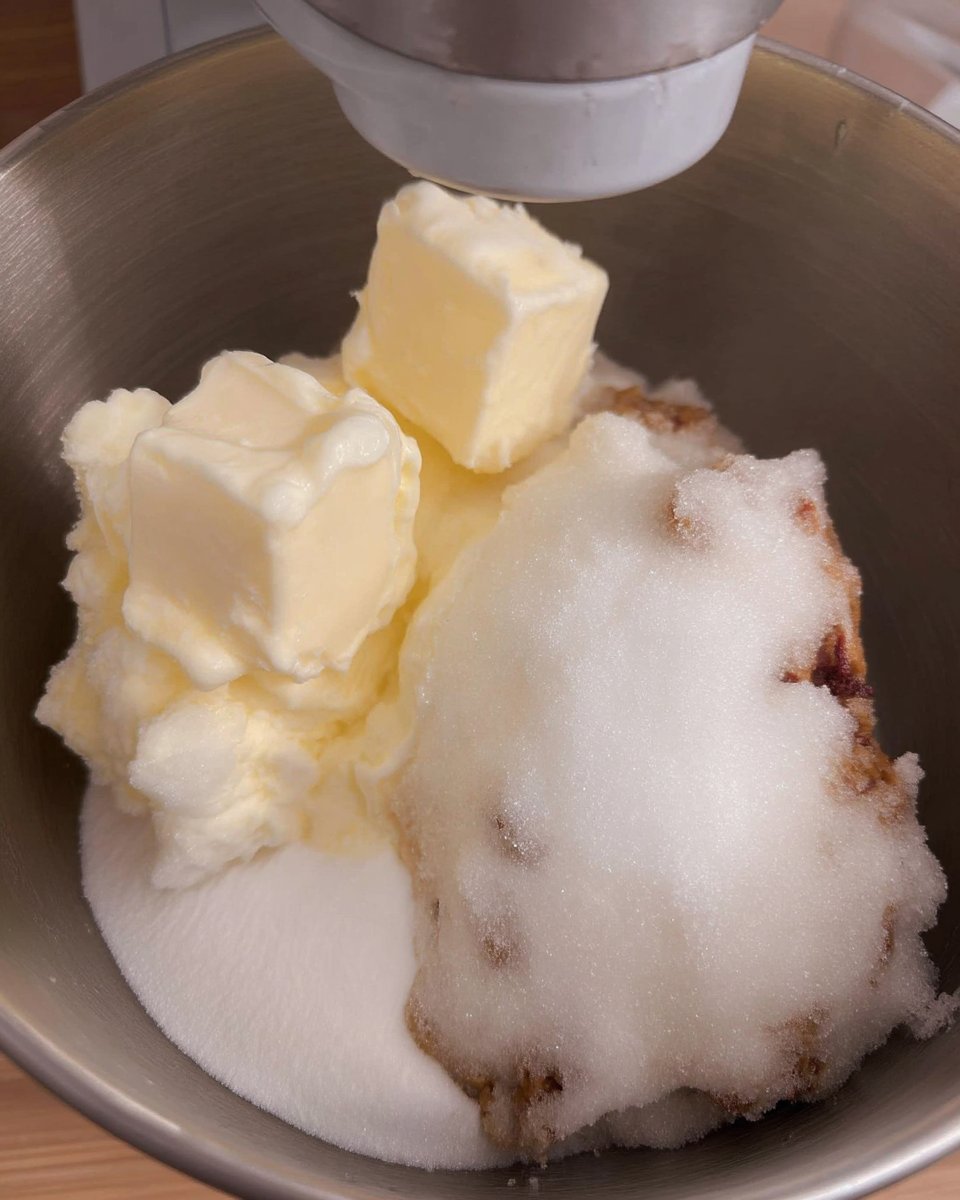
- Unsalted Butter: We start with 3/4 cup to create a concentrated fat source. Browning it removes water, which means the remaining fat is more intense and the toasted milk solids provide the signature aroma.
- Light Brown Sugar: Containing more molasses than white sugar, this provides glucose and fructose. These sugars are hygroscopic, meaning they attract moisture, ensuring the cookie remains soft over time.
- Granulated Sugar: This helps with the structure and provides the necessary crispness at the edges through crystallization during the cooling phase.
- Egg and Extra Egg Yolk: The extra yolk adds fat and protein without the extra water found in egg whites, leading to a richer mouthfeel and a denser, fudgier crumb.
- Pure Vanilla Extract: Vanillin compounds in the extract act as a flavor bridge, connecting the toasted notes of the butter to the deep cocoa notes of the chocolate.
- All-Purpose Flour: This provides the gluten structure. We use a precise amount to ensure the cookies have enough body to hold the chocolate chunks without becoming cakey.
- Baking Soda: This alkaline leavener reacts with the acidic brown sugar to create carbon dioxide, giving the cookies a slight lift and helping with the browning process.
- Kosher Salt and Flaky Sea Salt: Salt is a flavor modifier that reduces the perception of bitterness and balances the sugar. Flaky salt on top provides a sharp sensory contrast.
- Semisweet or Bittersweet Chocolate: Choosing high-quality chocolate is vital because the polyphenols in cocoa provide a complex bitterness that cuts through the rich dough.
The Flavor Method: Layering Taste and Texture
Step 1: Conduct the Maillard Reaction
Place your butter in a small saucepan over medium-low heat. As it melts and the water begins to boil off, you will hear a popping sound. Continue stirring until the milk solids settle and turn a deep golden brown. This creates the pyrazines necessary for a nutty aroma. Once browned, let it cool for five minutes to ensure it doesn’t cook the eggs prematurely.
Step 2: Build the Sugar Foundation
In a large bowl, combine the warm brown butter with both sugars. Use a spatula to integrate them. The warmth of the butter will slightly melt the sugar, beginning the process of flavor integration. This step ensures that the molasses notes from the brown sugar are evenly distributed throughout the fat.
Step 3: Emulsify the Fats and Liquids
Add the whole egg, the extra yolk, and the vanilla extract. Mix vigorously. You are creating a stable emulsion here; the lecithin in the yolks will bind the fats and liquids together, which is crucial for a uniform texture that won’t spread excessively in the oven.
Step 4: Integrate the Dry Matrix
Fold in the flour, baking soda, and kosher salt. It is vital to stop mixing as soon as the last streak of flour disappears. Over-mixing encourages gluten development, which would make the cookies tough rather than tender. The dough should feel soft but not overly tacky to the touch.
Step 5: Incorporate the Chocolate Compounds
Fold in your chocolate chunks or chips. Using a mix of sizes ensures that some chocolate melts into the dough (creating “chocolate pools”) while others remain as distinct bites. This creates a varied sensory experience in every mouthful.
Step 6: The Hydration Chill
Cover the dough and refrigerate for at least one hour. This is the most scientific step! Chilling allows the flour to fully hydrate and the fats to solidify. It also allows the flavors to meld and deepen, a process often called “aging” the dough. For the most complex flavor, an overnight chill is recommended.
Step 7: Portion and Calibrate
Preheat your oven to 350°F. Remove the dough and let it sit for 20 minutes to reach a scoopable temperature. Use a 1.5-ounce scoop to portion the dough into balls. Place them on parchment-lined sheets, leaving space for the physical expansion that occurs as the leaveners react.
Step 8: The Final Bake
Bake for 12 to 13 minutes. Look for the edges to turn a light honey-gold while the centers remain slightly underdone. This temperature gradient ensures a crisp exterior and a gooey interior. Immediately sprinkle with flaky sea salt to lock in the flavor contrast as the cookies cool.
Jasmine’s Flavor Secrets and Scientific Notes
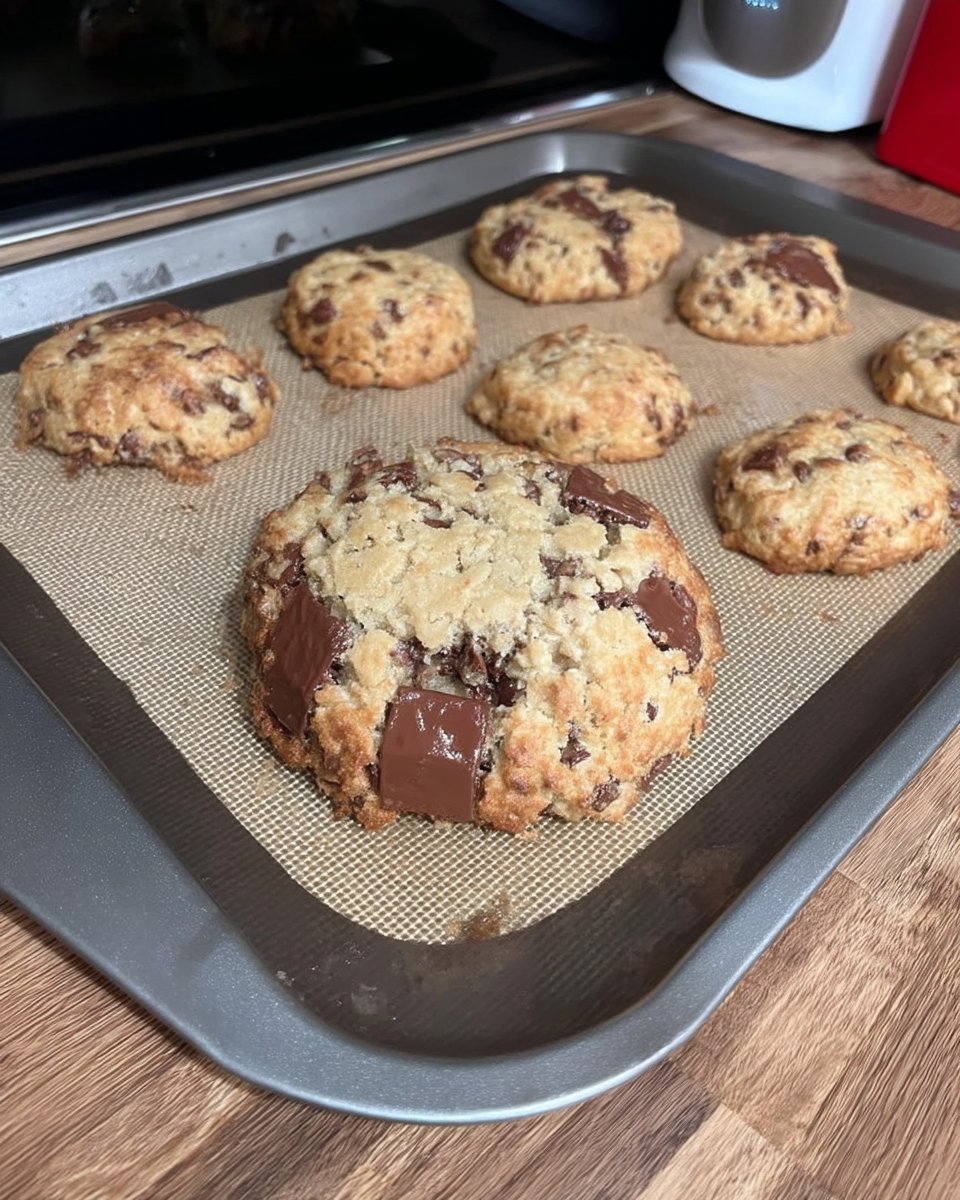
To ensure your results are consistent with the Broma Bakery chocolate chip cookies profile, precision is your best friend. I recommend weighing your browned butter after the process; it should be exactly 140 grams. If you have lost too much moisture, whisk in a teaspoon of milk to reach that weight. This ensures your hydration levels are perfect every time. For more foundational knowledge on how these ratios work, see our guide on Foundation Cookie Recipes. Another tip is to use chopped chocolate bars instead of chips. Chocolate chips contain stabilizers that prevent them from melting completely, whereas chopped bars create luxurious pools of cocoa that interact better with the surrounding dough.
Scientific Swaps and Pairing Options
If you want to experiment with the flavor profile, consider the chemistry of aroma compounds. You can add a tablespoon of espresso powder to the dry ingredients; the bitterness of coffee shares certain molecular compounds with dark chocolate, creating a more intense cocoa experience. Alternatively, adding orange zest introduces limonene, a terpene that pairs naturally with the fats in the butter and chocolate. For more analysis on how these viral variations change the cookie structure, check out our Viral Cookie Analysis. You might also substitute pecans for half of the chocolate; toasting the pecans first will double down on the pyrazines already present from the browned butter.
The Chemistry of the Perfect Pairing
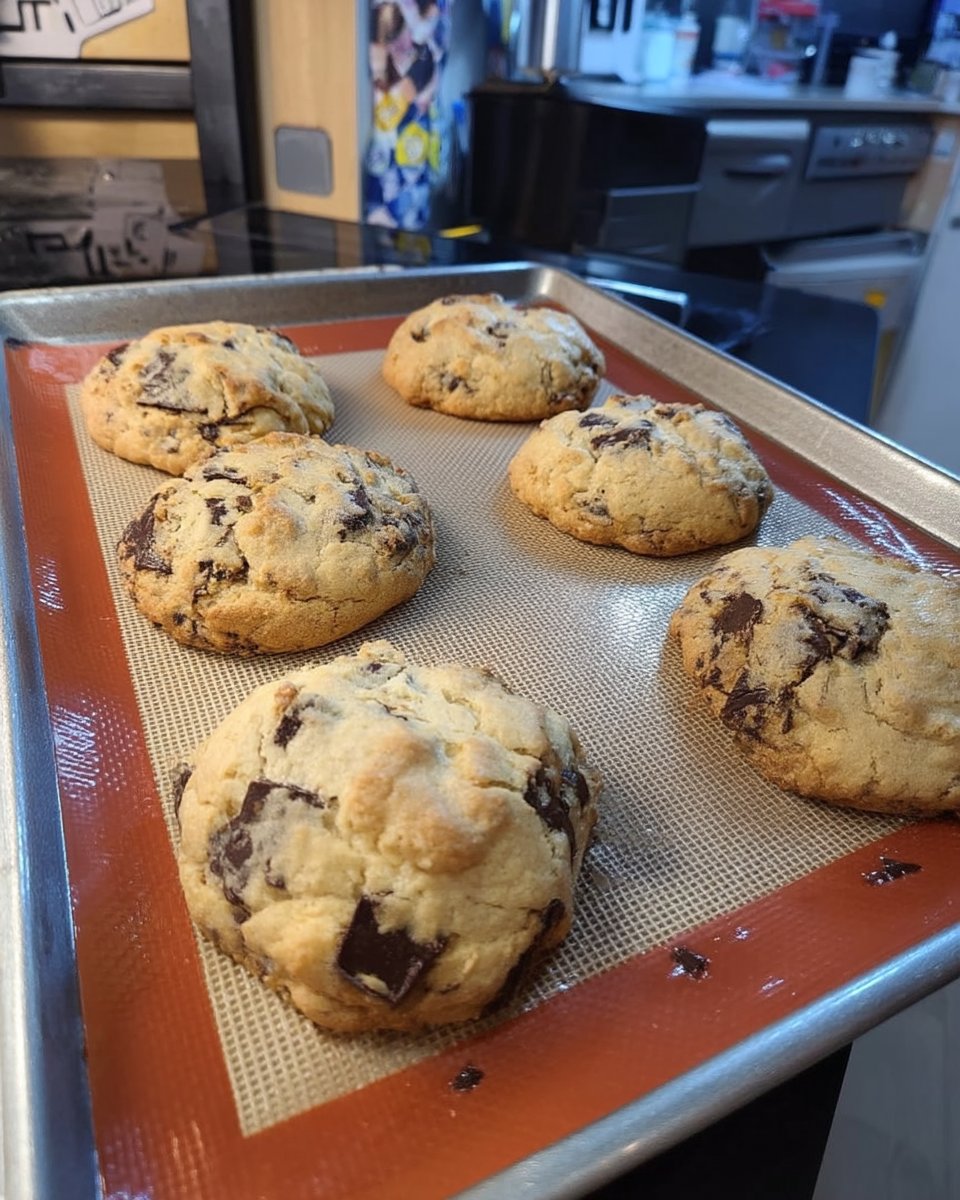
When serving these cookies, consider the beverage pairing to heighten the sensory experience. A glass of cold milk is the classic choice because the milk fats help dissolve the chocolate’s flavor compounds on your palate. However, for a more sophisticated approach, serve these with a dark roast coffee. The bitter notes of the coffee provide a perfect counterpoint to the sweet brown sugar and salty finish of the cookie. To learn more about organizing your baking for events, visit our section on Efficient Cookie Methods. For a decadent dessert, serve a warm cookie with a scoop of vanilla bean ice cream; the temperature contrast triggers different taste receptors, making the experience even more exciting.
The Flavor Truth and Discovery
Mastering the Broma Bakery chocolate chip cookies recipe is about more than just following steps; it is about understanding how heat and ingredients interact to create something remarkable. By focusing on the science of browning butter and the precision of your ratios, you can produce a cookie that is technically perfect and incredibly delicious. For those looking to apply these scientific principles to other treats, delve into our Holiday Cookie Science for more inspiration. Don’t forget to share your baking breakthroughs with us on Instagram, Pinterest, and Facebook. Happy baking, and keep questioning the chemistry of your kitchen!