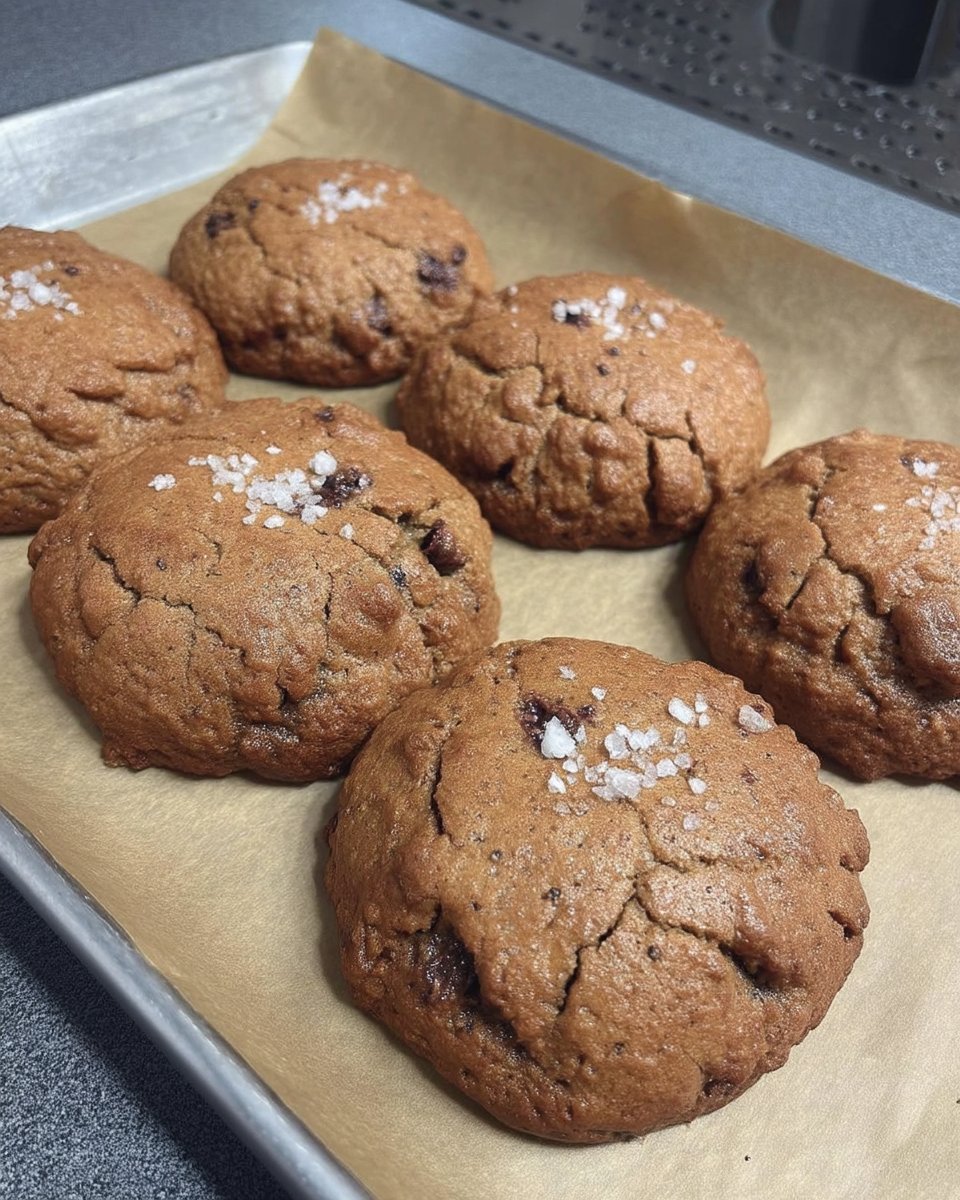
Victorian-era bakers often added treacle or molasses to their heavy oatcakes to provide moisture and shelf stability. While modern tastes prefer a softer crumb, this historical use of inverted sugars remains the scientific key to achieving a truly chewy texture. My testing confirms that a small addition of molasses interacts with the proteins in the flour to create a bendable, stable structure that resists becoming brittle.

These Chewy Oatmeal Cookies represent a bridge between 19th-century British biscuit traditions and the classic American cookie jar staple. By employing a specific ratio of brown sugar to granulated sugar, we achieve a high level of hygroscopic moisture retention. This method ensures the center remains soft for days, while the edges provide a delicate, crisp snap that honors traditional baking precision.
The Tradition of Structural Integrity
This formula succeeds because it respects the chemical relationship between fat, sugar, and fiber. Unlike modern recipes that rely on excess leavening, this method focuses on the humectant properties of brown sugar and molasses. When these ingredients are combined with old-fashioned rolled oats, they create a dense, chewy matrix that satisfies the craving for a substantial, traditional biscuit.
Modern science explains what our ancestors knew instinctively: the acidity in molasses activates baking soda to provide a gentle lift while deepening the flavor profile through the Maillard reaction. By prioritizing high-quality butter and a controlled chill time, we prevent the common pitfall of thin, greasy cookies. This recipe produces a robust, reliable results that stands up to the rigors of a traditional tea time or a busy family kitchen.
Bakers who value methodical precision will appreciate how the hydration of the oats during the resting period transforms the dough. This isn’t just a simple mix-and-bake process; it is a calculated study in texture. The result is a cookie that offers a complex interplay of textures—soft and yielding in the middle, yet structured enough to hold a generous amount of chocolate chips or traditional raisins.
Print
Chewy Oatmeal Cookies
- Total Time: 1 hour 15 mins
- Yield: 24 cookies
- Diet: Vegetarian
Description
These traditional chewy oatmeal cookies combine Victorian-era baking techniques with modern precision to create a soft, molasses-enriched treat. Featuring old-fashioned rolled oats and a hint of cinnamon, they offer a perfect balance of a tender center and crisp edges.
Ingredients
- 1 cup (226g) unsalted butter, softened to 65°F
- 1 cup (200g) packed light brown sugar
- 1/2 cup (100g) granulated sugar
- 2 large eggs, room temperature
- 1 tablespoon molasses
- 1 teaspoon vanilla extract
- 1 1/2 cups (188g) all-purpose flour, spooned and leveled
- 1 teaspoon ground cinnamon
- 1 teaspoon baking soda
- 1/2 teaspoon salt
- 3 cups old-fashioned rolled oats
- 1 cup semi-sweet chocolate chips
Instructions
- In a medium bowl, whisk together the flour, cinnamon, baking soda, and salt to ensure even leavening distribution.
- In a large bowl using a hand or stand mixer, beat the butter, brown sugar, and granulated sugar on medium-high speed for 3 minutes until light and airy.
- Add the eggs, molasses, and vanilla, then beat on high speed for 1 minute to create a cohesive emulsion.
- Mix the dry ingredients into the wet ingredients on low speed until just incorporated, then fold in the oats and chocolate chips.
- Cover the dough and refrigerate for at least 45 minutes to allow the oats to hydrate and the gluten to relax.
- Preheat the oven to 350°F (177°C) and line baking sheets with parchment paper or silicone mats.
- Portion out 2-tablespoon scoops of dough and place them 3 inches apart on the prepared sheets.
- Bake for 13–14 minutes until the edges are lightly browned and centers are soft; let rest on the sheet for 5 minutes before cooling on a wire rack.
Notes
To ensure the perfect texture, avoid substituting quick oats for old-fashioned rolled oats, as the latter provides the necessary structural fiber. If your kitchen is particularly warm, consider chilling the dough for an additional 15 minutes to prevent the butter from melting too quickly during the initial bake.
- Prep Time: 15 mins
- Cook Time: 14 mins
- Category: Dessert
- Method: Baking
- Cuisine: American
Proper Components for Technical Success
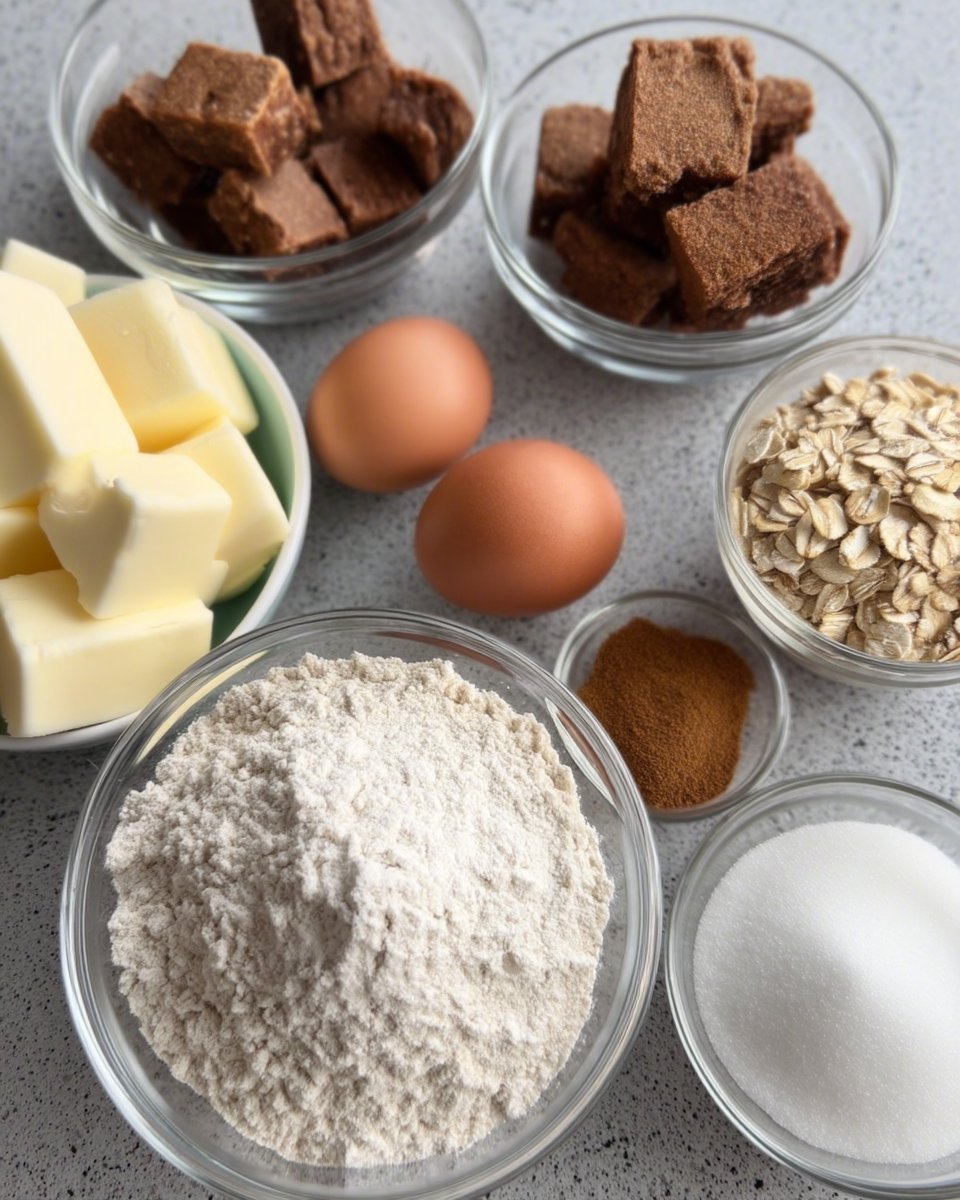
To achieve the perfect results, one must understand the role of each ingredient within the architectural framework of the cookie. Historical recipes often lacked the precision of modern measurements, but they emphasized the quality of the primary fats and grains.
- Unsalted Butter: Use high-quality butter softened to precisely room temperature (65°F/18°C). This allows for a stable emulsion during the creaming stage, which is vital for the cookie’s final crumb.
- Old-Fashioned Rolled Oats: These provide the essential structural fiber. Unlike quick oats, which are processed into smaller pieces and lose their integrity, whole rolled oats offer a substantial chew that is historically accurate to the classic British oat biscuit.
- Brown Sugar and Molasses: These act as the primary moisture-retaining agents. The molasses adds a specific acidity that reacts with the baking soda, creating a tender texture and a deep, rich hue that granulated sugar alone cannot provide.
- All-Purpose Flour: Proper measurement is critical. I recommend the spoon-and-level method or using a kitchen scale to ensure 188 grams. Too much flour will result in a cake-like texture, while too little will cause the cookies to spread into thin puddles.
- Eggs: These should be at room temperature to ensure they incorporate fully into the butter and sugar emulsion without breaking the structure.
- Semi-Sweet Chocolate Chips: While optional in historical recipes, they provide a modern balance to the earthy oats. You may substitute these with raisins or nuts if you prefer a more traditional Victorian-style cookie.
The Proper Method for Chewy Results
Step 1: Sifting and Distribution
In a medium bowl, whisk the flour, cinnamon, baking soda, and salt together. This step is more than a simple mix; it ensures that the leavening agent is evenly distributed throughout the starch. This prevents uneven rising and ensures the salt balances the sweetness across every bite.
Step 2: The Creaming Phase
In a large bowl using a hand mixer or a stand mixer fitted with a paddle attachment, beat the butter, brown sugar, and granulated sugar together on medium-high speed. This technique dates back to Victorian kitchens where manual aeration was used to create lightness. Continue for 3 minutes until the mixture is light and well-combined.
Step 3: Emulsifying the Wet Ingredients
Add the eggs, molasses, and vanilla. Beat on high speed for approximately 1 minute. You are looking for a cohesive emulsion where the fats and liquids are fully bound. Scrape down the sides and bottom of the bowl to ensure no pockets of unmixed butter remain, as these cause structural weak points in the baked cookie.
Step 4: Incorporating the Solids
Add the dry ingredients to the wet ingredients and mix on low speed. It is vital not to overwork the dough at this stage to prevent excess gluten development. Once the flour is just incorporated, fold in the oats and chocolate chips. The resulting dough should be thick, sticky, and robust.
Step 5: The Essential Hydration Rest
Cover and refrigerate the dough for at least 45 minutes. Historical bakers understood that resting dough allowed the moisture to distribute evenly. In scientific terms, this allows the starch in the oats and flour to hydrate and the gluten to relax. This process is the secret to preventing over-spreading and developing a complex flavor profile.
Step 6: Shaping and Thermal Preparation
Preheat your oven to 350°F (177°C). Line your baking sheets with parchment paper or silicone mats to ensure even heat distribution. Use a medium cookie scoop to portion out 2 tablespoons of dough per cookie. Place them 3 inches apart on the sheets to allow for the natural expansion that occurs as the sugars melt.
Step 7: Controlled Baking and Carryover
Bake for 13–14 minutes. The edges should be lightly browned, but the centers must remain soft and look slightly underbaked. Remove from the oven and allow them to rest on the hot baking sheet for 5 minutes. This carryover cooking period is essential for setting the center without drying out the edges. Transfer to a wire rack to cool completely.
Jordan’s Technique Notes for Precision
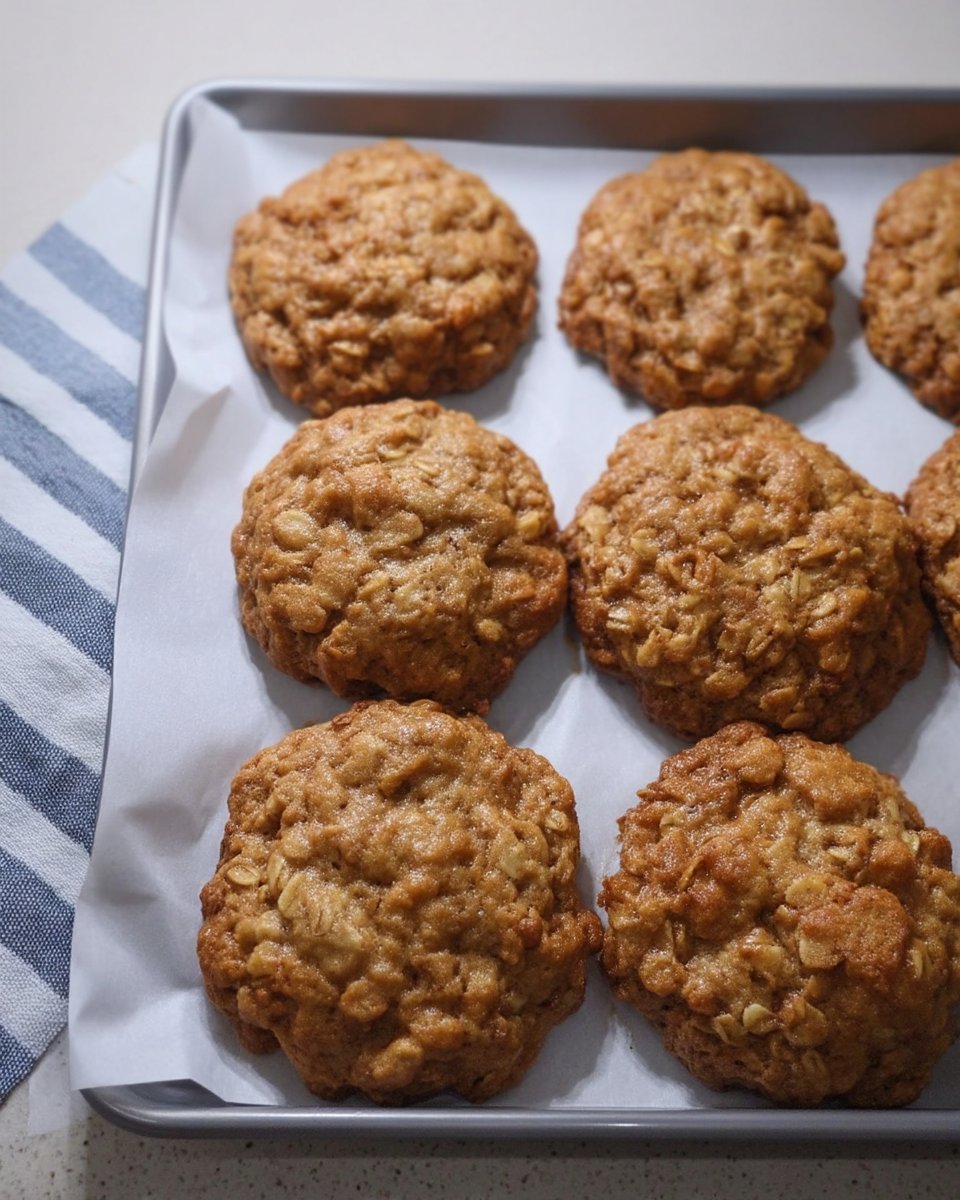
The most important factor in preventing a dry cookie is the temperature of your butter. If the butter is too oily, the emulsion will fail during the creaming stage, leading to a greasy finish. For those interested in the underlying science of these interactions, I recommend reviewing our guide on Foundation Cookie Recipes.
Furthermore, always ensure your baking soda is fresh. You can test this by dropping a small amount into vinegar; if it doesn’t bubble vigorously, it will not provide the necessary reaction with the molasses. Precision in measurement, especially with the oats, ensures that the ratio of fiber to fat remains balanced, preserving the cookie’s structural integrity during the bake.
Regional Differences and Tested Adaptations
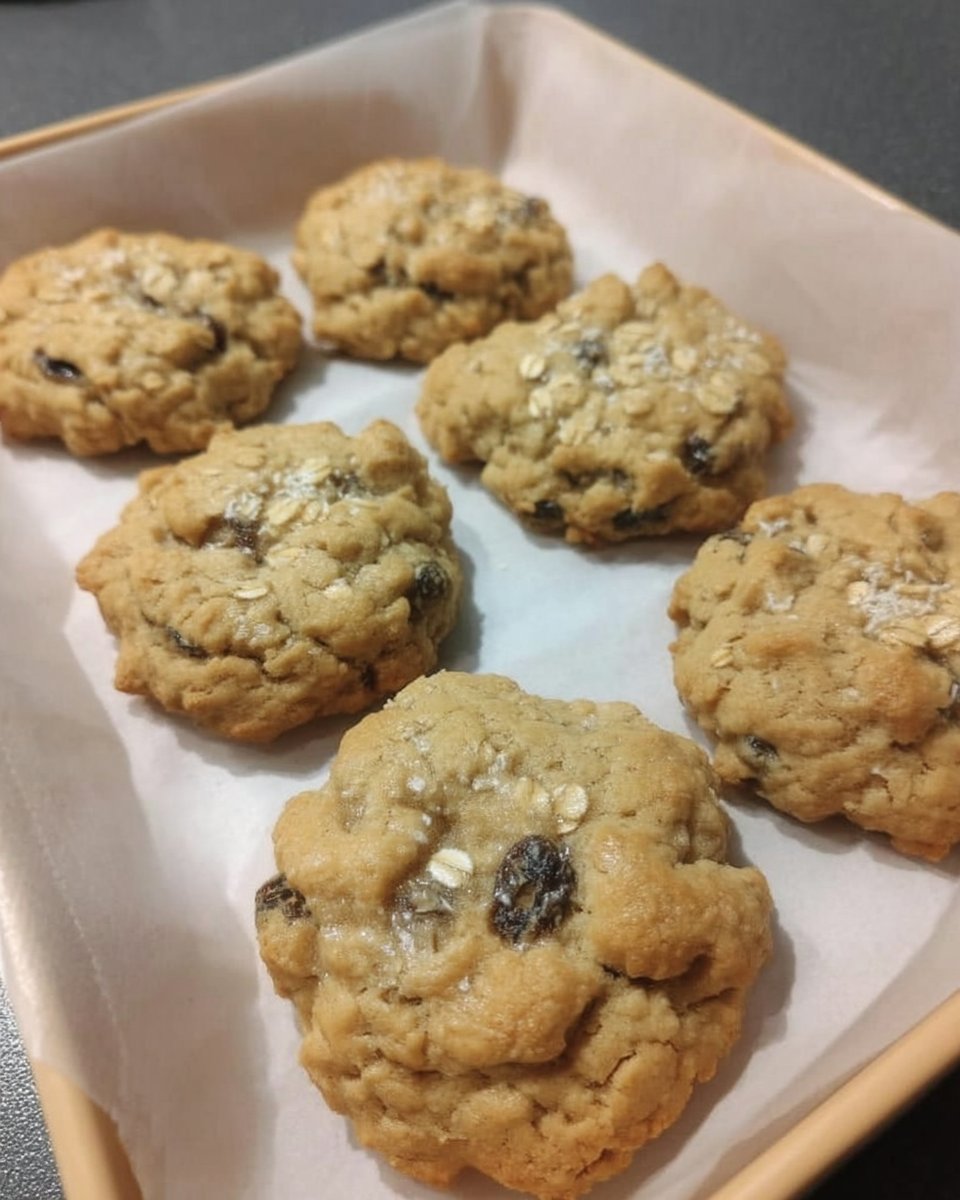
Historically, the oatmeal cookie is a descendant of the Scottish oatcake, which was often savory. To lean into that heritage, you might omit the chocolate chips and add 1/2 cup of chopped walnuts or pecans. For a traditional British variation, replace the chocolate chips with 1 cup of raisins that have been soaked in warm water for 10 minutes to prevent them from drawing moisture out of the dough.
If you are preparing these for a festive occasion, a dash of nutmeg or ground ginger can provide a warming profile similar to those found in our Holiday Cookie Science archives. Regardless of the add-ins, maintain the 3-cup measurement for the oats to ensure the hydration levels remain consistent with the original formula.
Traditional Service and Classic Enjoyment
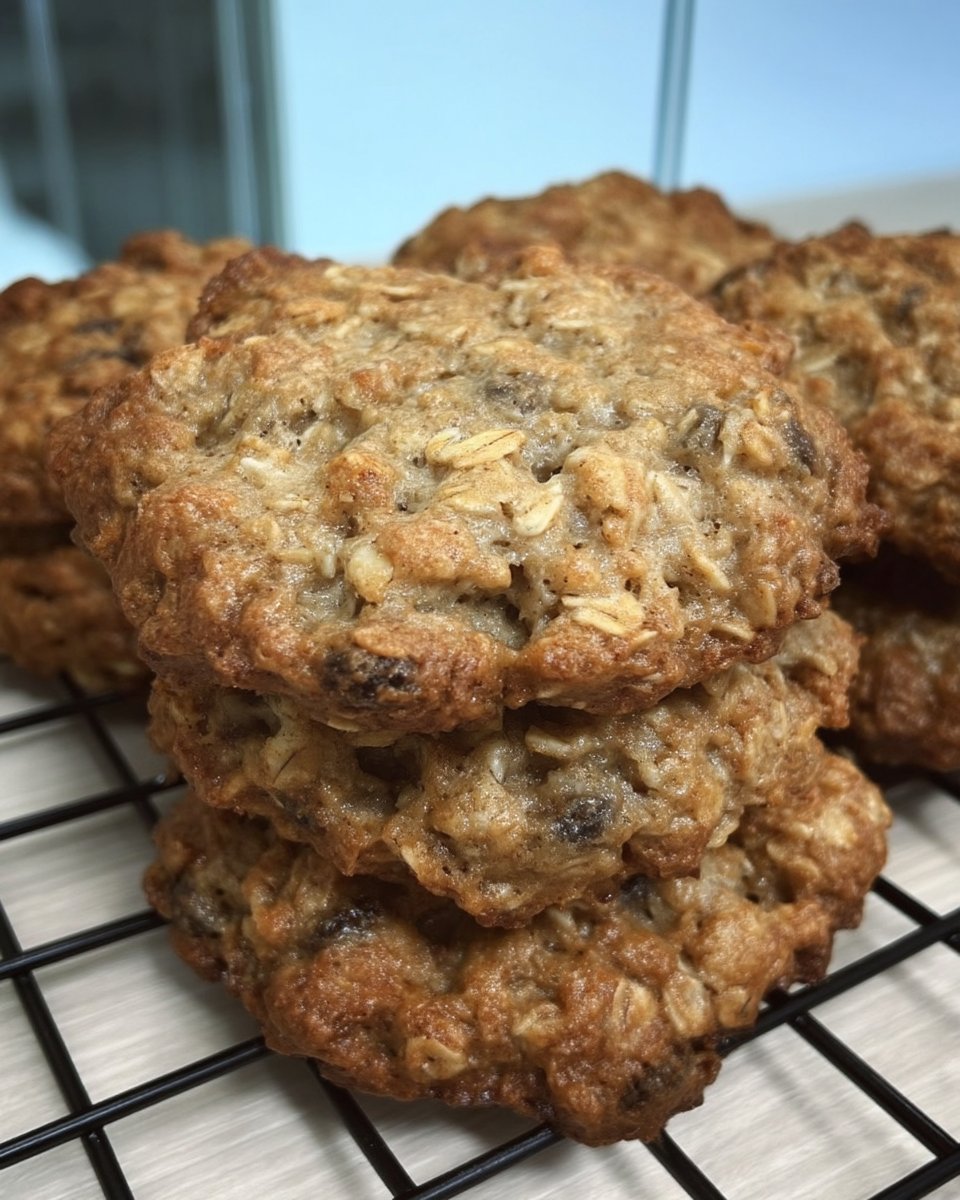
In the British tradition, these cookies are best served alongside a strong black tea, such as Earl Grey or Assam. The tannins in the tea provide a sophisticated counterpoint to the sweetness of the brown sugar and chocolate. For a more casual setting, a cold glass of whole milk is the standard pairing, as the milk fats complement the oats perfectly.
When presenting these at a gathering, I suggest following our Efficient Cookie Methods for staging and storage. They are best served at room temperature, though a brief 10-second warming in the oven can revive the aroma of the cinnamon and molasses if they have been stored for several days.
The Technical Truth on Tradition
Baking is as much a science as it is a craft, and these cookies prove that traditional methods are often the most effective. By respecting the creaming process and allowing the dough the time it needs to hydrate, you create a product that is superior to any mass-produced alternative. Understanding these Viral Cookie Analysis trends shows that while styles change, the demand for a perfect, chewy texture remains constant. I invite you to share your results and join our community of methodical bakers. For more updates, follow us on Pinterest, Instagram, and Facebook.