Snickerdoodles are a fascinating study in acid-base chemistry, specifically the way cream of tartar interacts with baking soda to create that signature tang. This recipe began as an investigation into how to maximize the chewy texture while maintaining the delicate balance of cinnamaldehyde from the spice coating. I discovered that by adjusting the moisture levels through an extra egg yolk, we could achieve a soft center that persists long after cooling.

These Chewy Snickerdoodles rely on a specific ratio of fats and sugars to make sure they do not flatten during the bake. We use a combination of granulated and light brown sugar to provide both structure and humectancy, resulting in a cookie that is scientifically designed for the perfect bite. The interaction between the acidic dough and the alkaline coating creates a unique sensory experience.
The Science of the Snickerdoodle Tang
The appeal of a snickerdoodle lies in its unique flavor profile, which is more complex than a standard sugar cookie. The inclusion of cream of tartar—a byproduct of winemaking—introduces tartaric acid, which suppresses the sweetness slightly and adds a subtle metallic brightness. This acidity also prevents sugar from crystallizing, which is why these cookies remain remarkably soft. By coating the exterior in a mixture of sucrose and cinnamon, we create a sensory contrast between the spicy, crunchy shell and the tender, tangy interior.
Furthermore, the Maillard reaction occurs differently in this acidic environment. Typically, a higher pH promotes browning, but the lower pH here keeps the cookies pale and soft. This makes the dark, toasted cinnamon coating stand out even more, both visually and in terms of aroma. It is a brilliant example of how manipulating pH levels can completely transform the texture and flavor of a standard drop cookie dough.
Print
Chewy Snickerdoodles
- Total Time: 1 hour 25 mins
- Yield: 24 cookies
- Diet: Vegetarian
Description
These Chewy Snickerdoodles feature a scientifically perfected texture, balancing a tangy, soft interior with a crisp cinnamon-sugar crust. By using an extra egg yolk and a precise ratio of sugars, these cookies remain tender and flavorful long after they leave the oven.
Ingredients
- 375g all-purpose flour
- 2 teaspoons cream of tartar
- 1 teaspoon baking soda
- 1/2 teaspoon ground cinnamon
- 1/2 teaspoon salt
- 1 cup unsalted butter, softened to 65°F
- 1 cup granulated sugar (plus 3 tablespoons for coating)
- 1/2 cup light brown sugar, packed
- 1 large egg, room temperature
- 1 large egg yolk, room temperature
- 2 teaspoons vanilla extract
- 2 tablespoons ground cinnamon (for coating)
Instructions
- In a large mixing bowl, whisk together the flour, cream of tartar, baking soda, ground cinnamon, and salt until the leavening agents are evenly distributed.
- Using a stand mixer with the paddle attachment, cream the butter with the granulated and brown sugars for approximately 2 minutes to achieve mechanical aeration.
- Mix in the room temperature egg, the additional yolk, and the vanilla extract, scraping the sides of the bowl to ensure the emulsion is homogenous.
- Add the dry ingredients to the wet mixture and mix until just combined, then cover and refrigerate the dough for at least one hour to allow for full hydration.
- Preheat your oven to 350°F (177°C) and line baking sheets with parchment paper.
- Scoop 1.25-inch balls of dough, roll them thoroughly in the cinnamon-sugar coating, and place them on the prepared sheets.
- Bake for 8-10 minutes until the edges are set but the centers remain slightly underbaked, allowing residual heat to finish the cookies on the tray.
Notes
For the most consistent results, weigh your flour using a digital scale rather than using volume measurements. To ensure the perfect chewy texture, avoid over-baking; the cookies should look slightly soft in the middle when you pull them out of the oven.
- Prep Time: 1 hour 15 mins
- Cook Time: 10 mins
- Category: Dessert
- Method: Baking
- Cuisine: American
Analyzing the Flavor Components
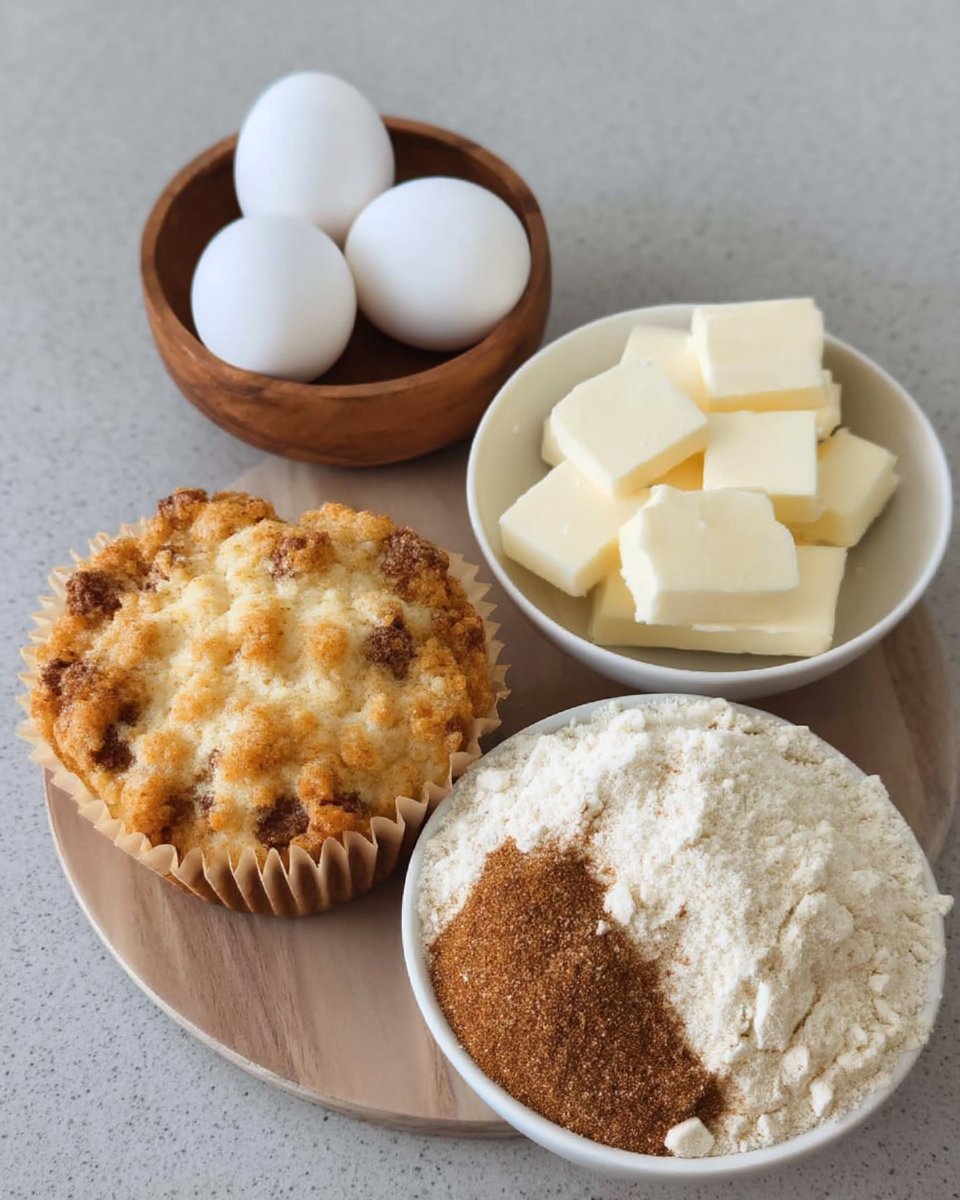
To create the best Chewy Snickerdoodles, we must understand how each ingredient contributes to the final taste and texture profile. Each element is selected for its chemical properties and its ability to harmonize with the cinnamon-sugar exterior. Quality is paramount, as the simplicity of the recipe means every compound is detectable.
- All-Purpose Flour (375g): This provides the protein structure needed to hold the cookie’s shape while maintaining a tender crumb. We spoon and level to avoid over-packing, which would lead to a dry, bready result.
- Cream of Tartar: The key leavening acid that provides the iconic tang and prevents the sugar from creating a brittle texture. It is the defining chemical signature of this heritage bake.
- Baking Soda: Reacts with the tartaric acid to create carbon dioxide bubbles, leading to a gentle rise and a soft, pillowy interior.
- Unsalted Butter: Our primary emulsion, providing the fatty mouthfeel that carries the fat-soluble cinnamon flavors across the palate. Using unsalted butter allows us to control the sodium levels precisely.
- Light Brown Sugar: Contains molasses, which adds invert sugar and moisture, contributing significantly to the long-lasting chewy factor.
- Egg Yolk: Adds lecithin and extra fat, which helps stabilize the emulsion and prevents the cookies from drying out in the oven.
- Cinnamon: Contains cinnamaldehyde, an aroma compound that pairs beautifully with the buttery base of the cookie. We use it in the dough and the coating for layered complexity.
The Layering Process
Step 1: Whisk the Dry Compounds
In a large mixing bowl, whisk together the flour, cream of tartar, baking soda, ground cinnamon, and salt. This step makes sure that the leavening agents and the acid are evenly distributed, which is vital for a consistent rise and flavor throughout the entire batch. Even distribution prevents “hot spots” of metallic leavener taste.
Step 2: Emulsify the Fats and Sugars
Using a stand mixer with the paddle attachment, cream the butter with the granulated and brown sugars for about 2 minutes. We are looking for mechanical aeration here; the sugar crystals cut through the butter to create tiny air pockets that will expand in the heat of the oven. This creates a light yet chewy matrix.
Step 3: Integrate the Liquid Phase
Mix in the room temperature egg, the additional yolk, and the vanilla extract. The proteins in the egg help bind the structure, while the vanillin in the vanilla extract works as a flavor potentiator, making the sugars taste more rounded and complex. Scrape the sides of the bowl to make sure everything is homogenous.
Step 4: Combine and Chill
Add the dry ingredients and mix until just combined to avoid over-developing the gluten. Cover the dough and refrigerate for at least one hour; this allows the flour to hydrate fully and the fats to solidify. Proper hydration is the secret to a cookie that stays soft for days.
Step 5: Shape and Coat
Preheat your oven to 350°F (177°C) and prepare your baking sheets with parchment. Scoop 1.25-inch balls of dough and roll them in the cinnamon-sugar mixture. You want a thick coating to maximize the aroma impact and create that characteristic crackle during the expansion phase.
Step 6: The Maillard Bake
Bake for 8-10 minutes. You want the edges to be set while the centers remain slightly underbaked. This guarantees that the residual heat finishes the cooking process on the tray without losing the chewy moisture we worked so hard to preserve.
Jasmine’s Flavor Secrets
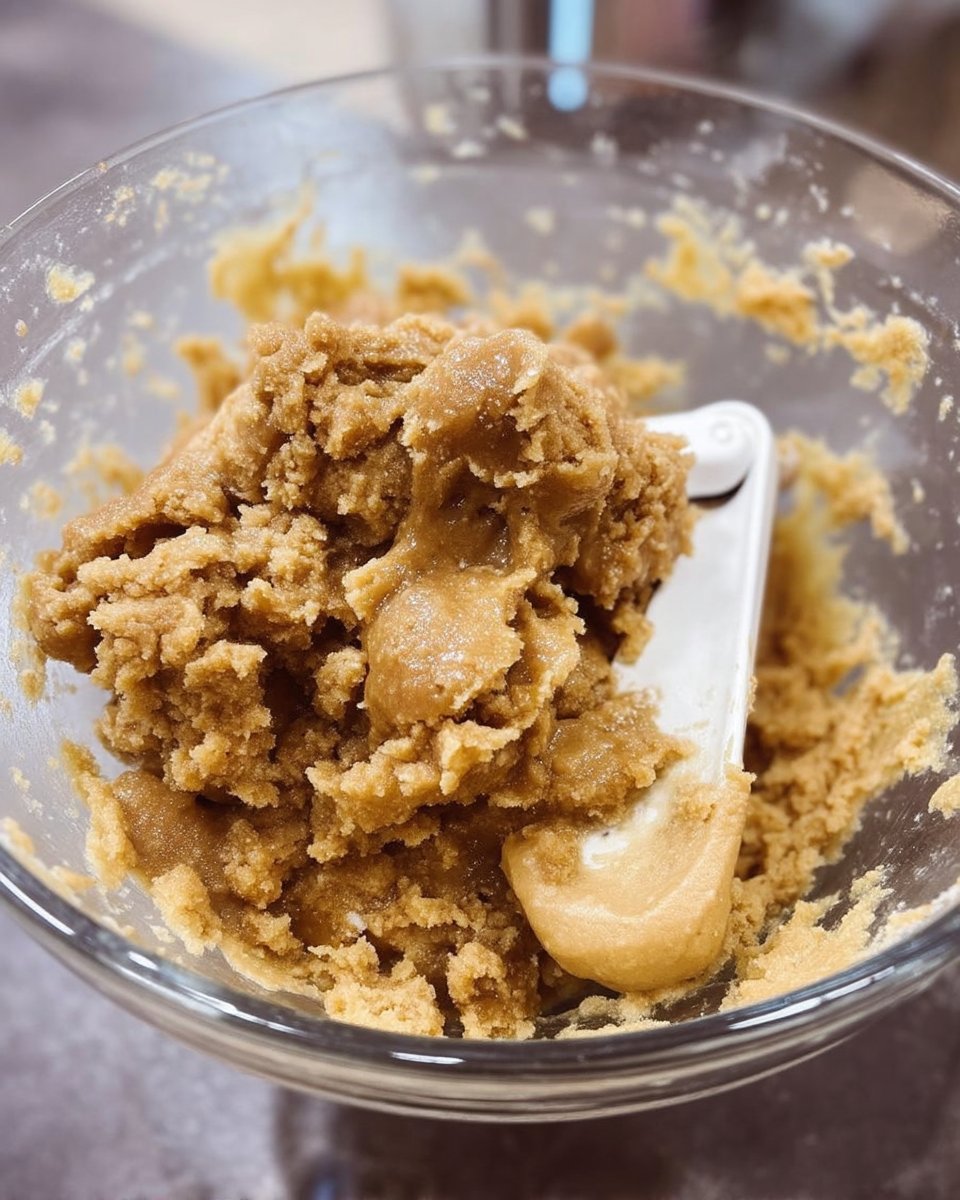
To achieve a deeper flavor profile, I recommend using high-quality Vietnamese cinnamon, which has a higher oil content and more intense aroma compounds. If you want to dive deeper into the basics of baking, check out our Foundation Cookie Recipes for more technical guidance. Additionally, make sure your butter is at exactly 65°F; if it is too soft, the emulsion will break, and your cookies will lose that precious chewy structure. I also suggest adding a tiny pinch of salt to your cinnamon-sugar coating to suppress bitterness and make the spice pop.
Scientific Flavor Swaps
You can alter the aromatic profile of these cookies by experimenting with different spices. For instance, swapping half of the cinnamon for ground cardamom introduces cineole compounds, which offer a refreshing, herbal contrast to the sweet dough. If you are looking for seasonal adaptations, our Holiday Cookie Science section offers great insights into spice pairings. You can also add orange zest to the sugar coating; the limonene in the zest shares chemical similarities with cinnamon, creating a harmonious citrus-spice blend that brightens the overall taste.
Taste Enjoyment and Pairings
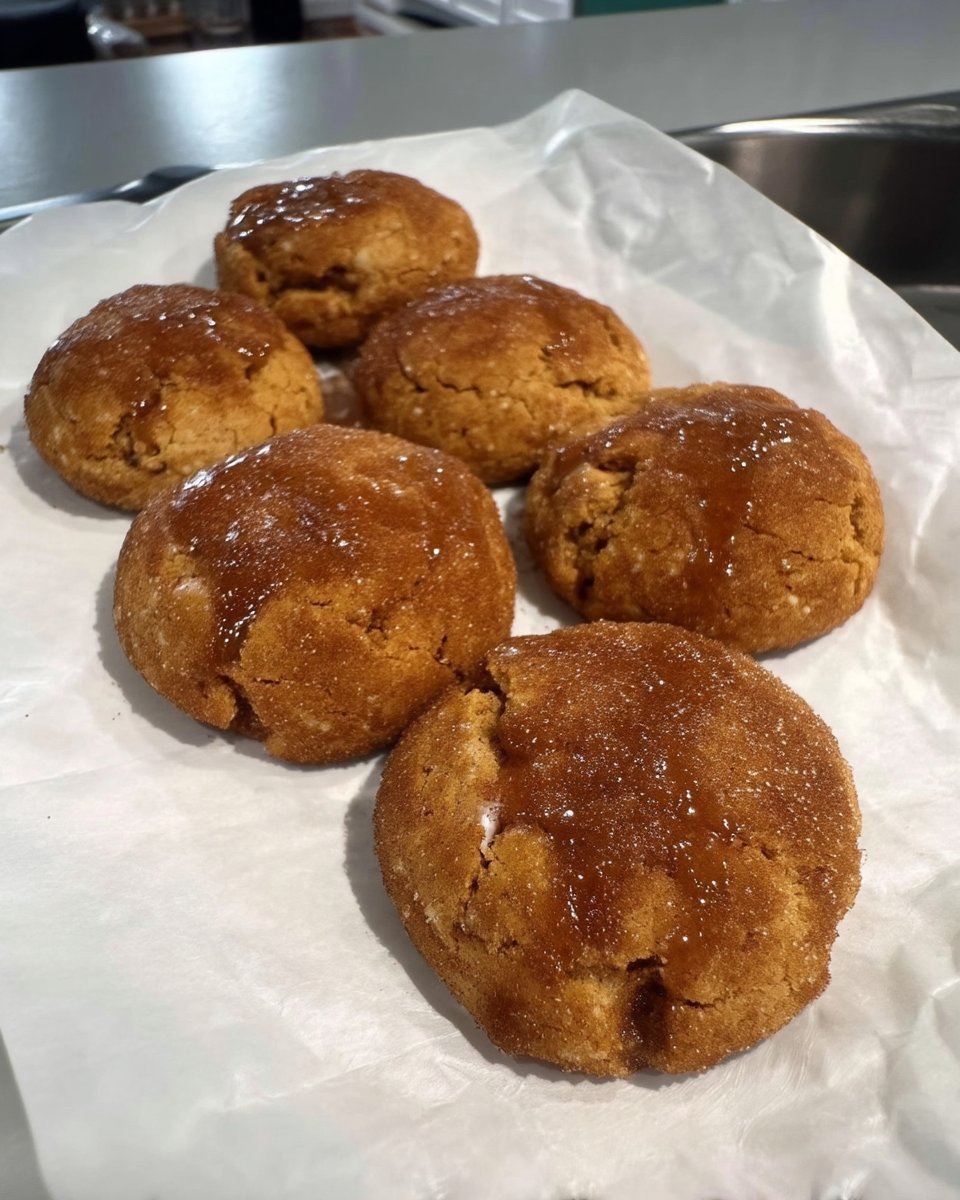
These cookies are best served slightly warm, which allows the butter fats to remain in a semi-liquid state, maximizing the flavor release. Pairing them with a medium-roast coffee is ideal, as the acidity in the coffee complements the tartness of the cream of tartar. For more ideas on how to present your bakes, visit our guide on Precision Cookie Decorating. You can also serve these with a glass of cold milk; the milk proteins help cleanse the palate of the heavy cinnamon oils, making every bite feel like the first one. The temperature contrast between the warm cookie and cold milk also provides an exciting sensory experience.
The Flavor Truth
Mastering these Chewy Snickerdoodles is a rewarding exercise in understanding how simple chemical reactions can produce profound culinary results. By focusing on the interaction between acids, fats, and aromatics, you can create a cookie that is far more than the sum of its parts. For those interested in more technical baking challenges, look into our Efficient Cookie Methods. If you want more inspiration, check out this great recipe for soft and chewy snickerdoodles as well. Don’t forget to share your results with me on Instagram, Facebook, and Pinterest.
Keep pairing and discovering new tastes!