Ginger’s signature heat comes from a compound called gingerol, which is prevalent in the fresh rhizome. When ginger is dried or cooked, gingerol undergoes a dehydration reaction to form shogaol—a compound that is nearly twice as pungent. By using fresh, ground, and crystallized ginger together, this recipe layers these distinct chemical heat profiles for a multi-dimensional flavor experience.

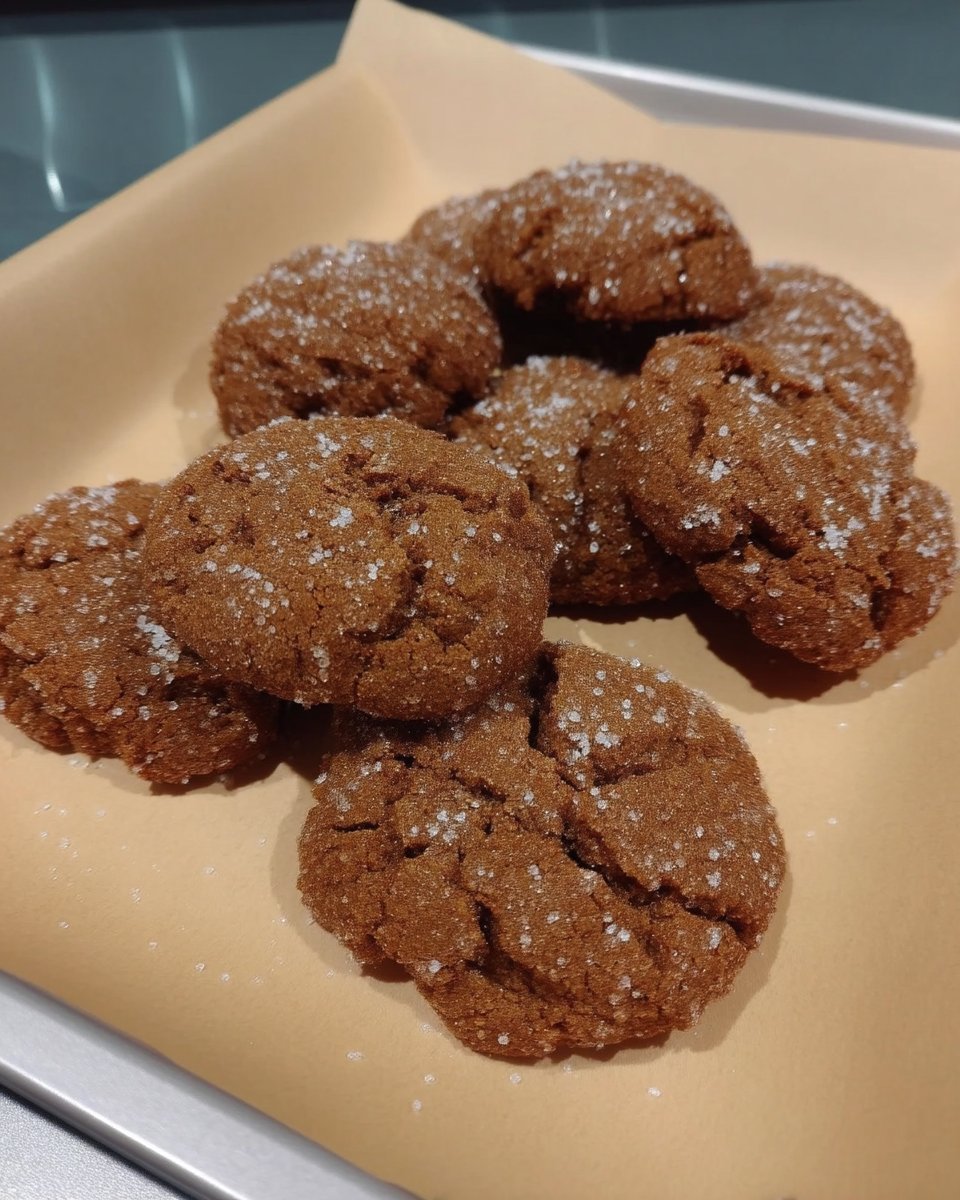
These triple ginger cookies balance that complex spice with the deep, acidic sweetness of molasses. The result is a soft, chewy texture with a sugar-crusted exterior that shatters pleasantly upon the first bite. It is a precise study in balancing spicy heat with rich, earthy sweetness.
The Science of Triple Heat
Most ginger cookies rely solely on ground ginger, which provides a steady, background warmth. However, relying on a single source limits the flavor bandwidth. This recipe introduces fresh ginger for bright, zesty top notes (rich in zingiberene) and crystallized ginger for chewy, concentrated bursts of sugar-preserved heat.
The inclusion of molasses is functional as well as flavorful. Being hygroscopic, molasses attracts and holds water molecules, ensuring the cookies remain tender and chewy rather than drying out. The acidity in the molasses also reacts with the baking soda, creating carbon dioxide for lift while contributing to the darkened, rich color through the Maillard reaction.
Print
Triple Ginger Crinkles
- Total Time: 1 hour 27 mins
- Yield: 20 cookies
Description
These sophisticated cookies offer a triple threat of spice by combining fresh, ground, and crystallized ginger with deep molasses. The result is a beautifully cracked, sugar-crusted exterior with a soft, chewy center that perfectly balances heat and sweetness.
Ingredients
- 2 cups all-purpose flour
- 1 teaspoon baking soda
- 2 teaspoons ground ginger
- 1 teaspoon ground cinnamon
- 1/2 teaspoon ground nutmeg
- 1/2 teaspoon ground allspice
- 1/4 teaspoon ground cloves
- 1/2 teaspoon sea salt
- 1/3 cup crystallized ginger, finely chopped
- 3/4 cup unsalted butter, softened
- 1 cup dark brown sugar
- 1 tablespoon fresh ginger, finely grated
- 1/4 cup unsulfured molasses
- 1/3 cup granulated sugar, for rolling
Instructions
- In a medium bowl, sift together the flour, baking soda, ground ginger, cinnamon, nutmeg, allspice, cloves, and sea salt. Fold in the chopped crystallized ginger until pieces are well-coated and separated.
- In a large bowl or stand mixer, cream the softened butter, dark brown sugar, and fresh grated ginger until light and fluffy. Beat in the molasses until the mixture is uniform.
- Gradually mix the dry ingredients into the wet mixture until just combined. Wrap the sticky dough in plastic and refrigerate for at least 1-2 hours to allow the flour to hydrate and the flavors to meld.
- Preheat the oven to 325°F (165°C) and line a baking sheet with parchment paper. Roll the chilled dough into approximately 20 balls and roll each ball generously in granulated sugar until fully coated.
- Place the dough balls 1.5 inches apart on the prepared baking sheet. Bake for 10-12 minutes until the surfaces crack; the interior should still be soft. Let cool on the sheet for 4 minutes before moving to a wire rack.
Notes
For the most successful crinkle effect, ensure the dough is thoroughly chilled before rolling; this prevents the cookies from spreading too quickly and losing their signature cracks. If you prefer a more intense heat, you can slightly increase the amount of fresh grated ginger, but be sure to use a microplane to keep the texture smooth.
- Prep Time: 15 mins
- Cook Time: 12 mins
- Category: Dessert
- Method: Baking
- Cuisine: American
Flavor Building Blocks
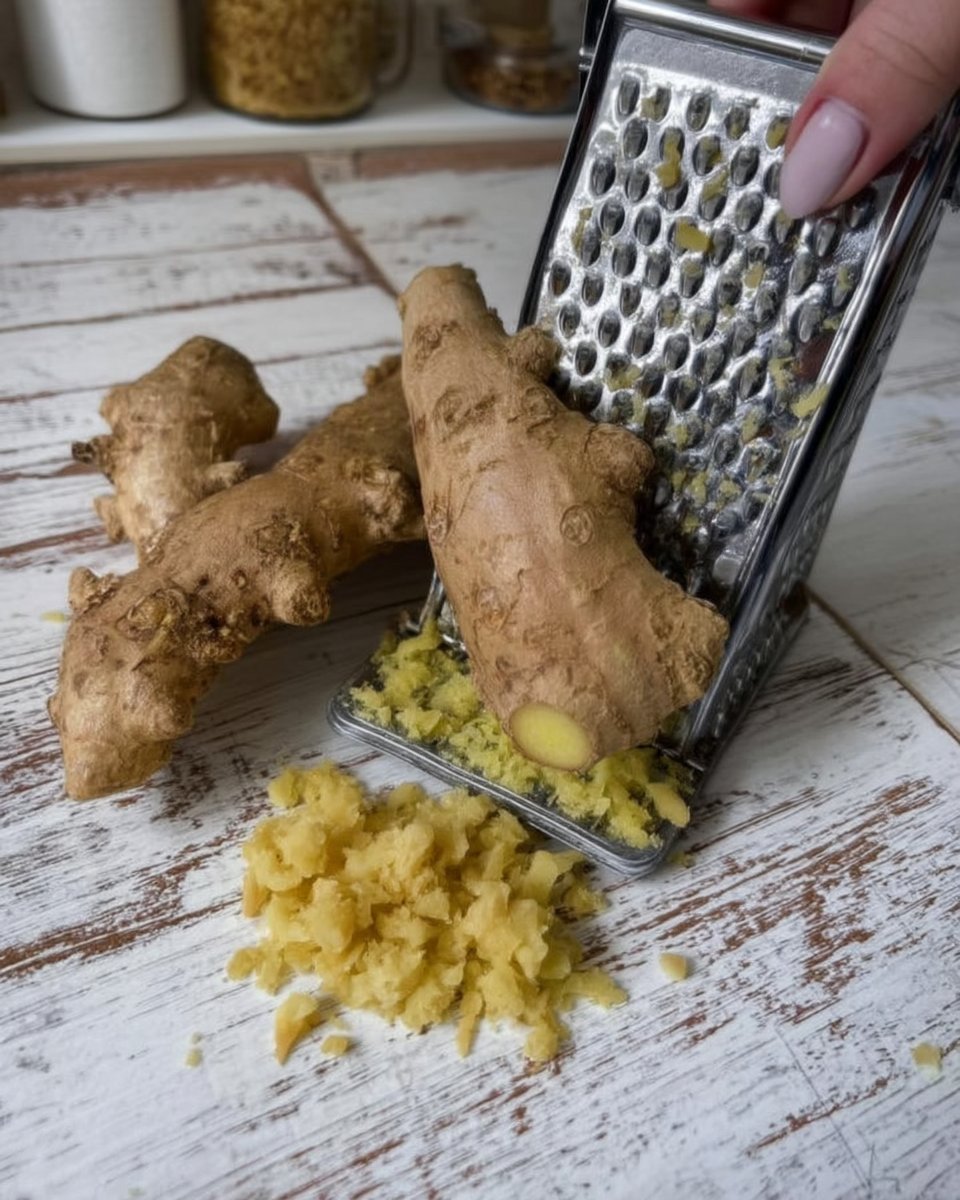
- The Three Gingers: We use ground ginger for the base heat (shogaols), fresh grated ginger for aromatic zestiness (gingerols), and crystallized ginger for textural contrast. This creates a full spectrum of spice that hits different receptors on the palate.
- Unsulfured Molasses: This provides the invert sugars necessary for a chewy texture. It also serves as the acidic reactant for our leavening agent.
- Spices (Clove, Nutmeg, Allspice): These spices contain eugenol and other aromatic compounds that bridge the gap between the sharp ginger and the earthy molasses, creating a cohesive flavor profile.
- Dark Brown Sugar: High in molasses content itself, this adds moisture and acidity, distinct from neutral white sugar.
- Unsalted Butter: The lipid carrier for our flavor compounds. It can be swapped for dairy-free margarine if you need a vegan option, provided the water content is similar.
The Layering Method
Step 1: Dry Compound Mix
In a bowl, sift together the flour, baking soda, ground ginger, cinnamon, nutmeg, allspice, cloves, and sea salt. Sifting is crucial here to ensure the potent spices are evenly dispersed and not clumped. Toss in the finely chopped crystallized ginger, using your fingertips to separate the sticky pieces so they are coated in flour.
Step 2: The Emulsion Phase
In a large bowl or stand mixer, cream the softened butter, dark brown sugar, and fresh grated ginger. We add the fresh ginger at this stage so the fat can trap the volatile oils immediately. Pour in the molasses and beat well until the mixture is uniform.
Step 3: Hydration and Resting
Mix the dry ingredients into the wet mixture until just combined. If the dough is stiff, switch to a rubber spatula to fold it in. The dough will be sticky. Shape it into a disc, wrap in plastic, and refrigerate for at least 1-2 hours. This rest period allows the flour to fully hydrate and the spice flavors to diffuse through the fat matrix.
Step 4: The Sugar Coat
Preheat your oven to 325°F (165°C). Break the chilled dough into about 20 chunks and roll them into balls. Roll each ball generously in granulated sugar. This sugar coating draws moisture from the surface of the dough, causing the top to dry faster than the interior, creating the signature “crinkle” cracks as the cookie expands.
Step 5: Thermal Processing
Place the dough balls 1.5 inches apart on a parchment-lined baking sheet. Bake on the middle rack for 10-12 minutes. The surface should crack, but the interior should remain soft. Let them cool on the sheet for 3-4 minutes to set the structure before moving to a wire rack.
Precision Baking Notes
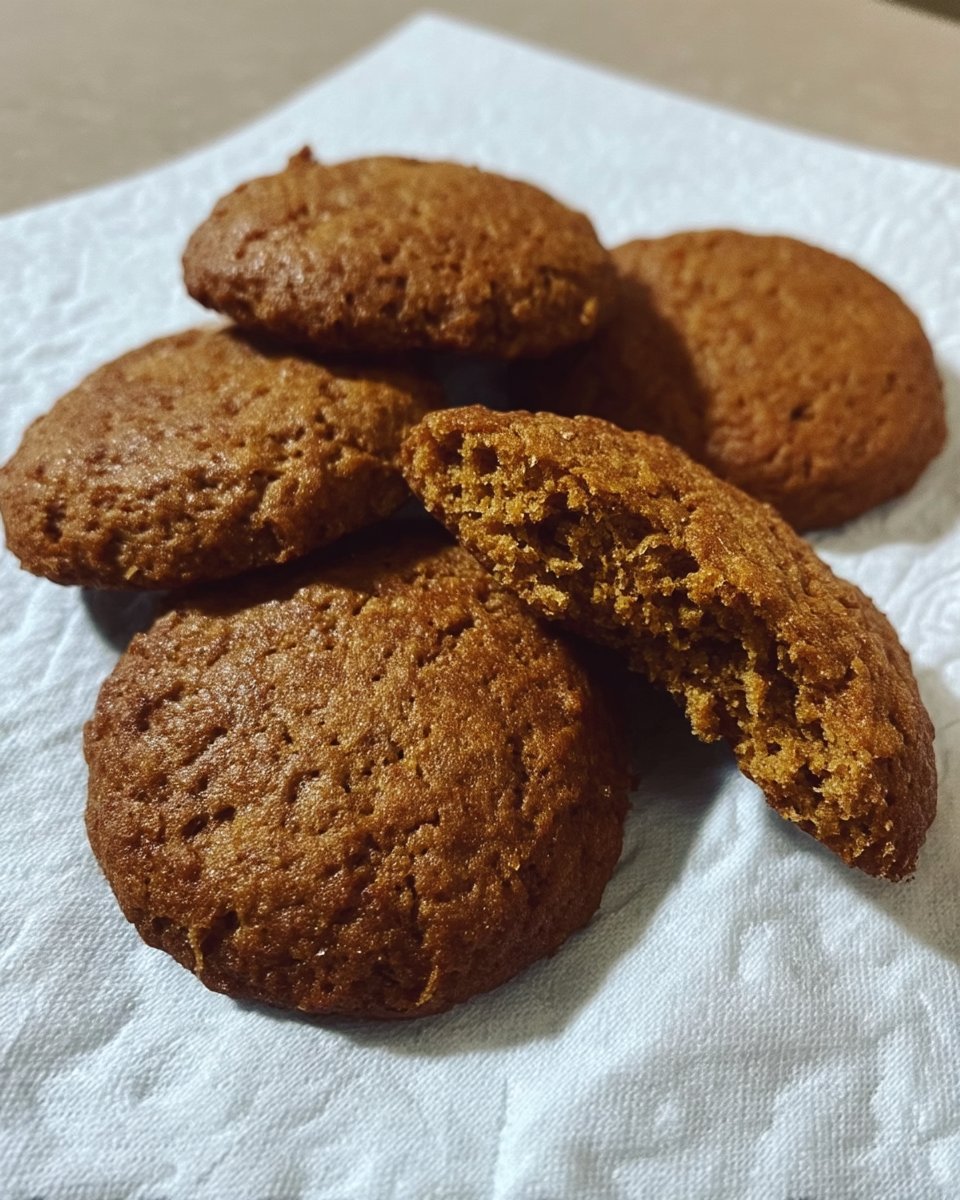
- Temperature Control: Do not skip the chilling step. This dough relies on the solidification of the butter to prevent excessive spreading in the oven. If the dough is too warm, the cookies will fuse into a flat sheet.
- Grate Responsibly: When grating fresh ginger, use a microplane to break down the fibrous fibers. You want the juice and pulp, not the stringy bits that can ruin the mouthfeel.
- Understanding Ratios: If you are curious about how the ratio of sugar to flour affects the spread and chewiness of a cookie, check out our guide on Foundation Cookie Recipes for the underlying formulas.
Experimental Modifications
- Chocolate Pairing: Dark chocolate shares roasted flavor notes with molasses. Dipping half the cooled cookie in tempered dark chocolate adds a bitter-sweet complexity.
- Citrus Zest: Orange oil (limonene) is a natural chemical pair for ginger. Rubbing orange zest into the sugar before rolling the cookies adds a bright aromatic lift.
- Gluten-Free Chemistry: To adapt this for gluten-free baking, use a 1:1 blend that includes xanthan gum. The molasses helps mask the sometimes “gritty” texture of rice flours.
- For more seasonal pairing ideas, see our research on Holiday Cookie Science.
Pairing & Preservation
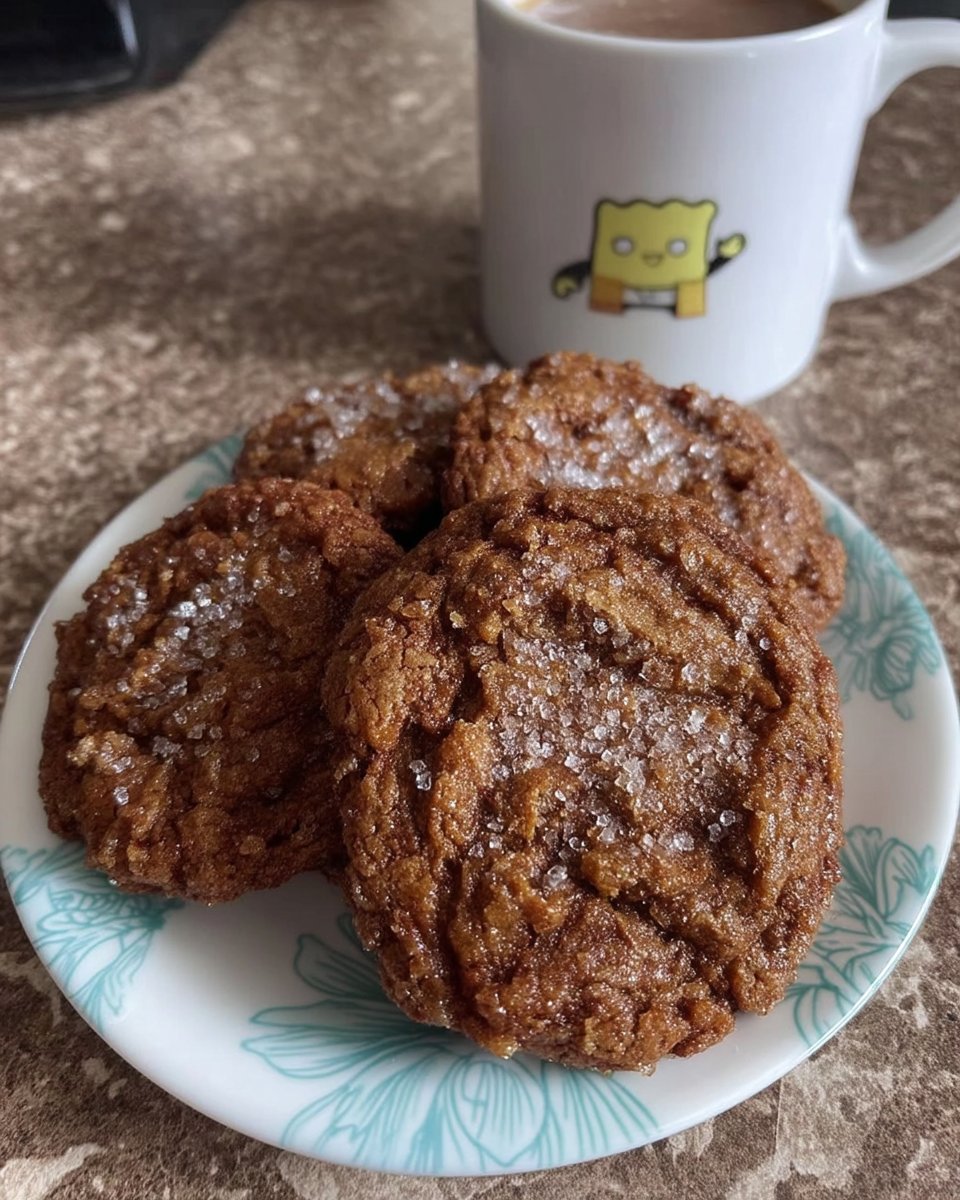
- Beverage Pairing: The heat of ginger pairs exceptionally well with the tannins in black tea or coffee. The astringency helps cleanse the palate between bites. For a dairy pairing, cold milk helps neutralize the heat of the gingerol if you find it too intense.
- Storage: Keep these in an airtight container. To maintain that soft, chewy texture, add a slice of white bread to the container; the cookies will absorb moisture from the bread.
- If you love analyzing how texture impacts flavor perception, read our Viral Cookie Analysis.
The Flavor Verdict
This recipe proves that precise layering of ingredients yields superior results. By utilizing three forms of ginger, we achieve a depth of flavor that a single spice jar simply cannot replicate. The interplay of spicy heat and molasses sweetness makes this a standout formula for your collection.
For more tips on handling sticky doughs and batch baking, see our guide on Efficient Cookie Methods. We also want to acknowledge Will Cook For Friends for the inspiration behind this specific ratio of spices.
Share your experiments: