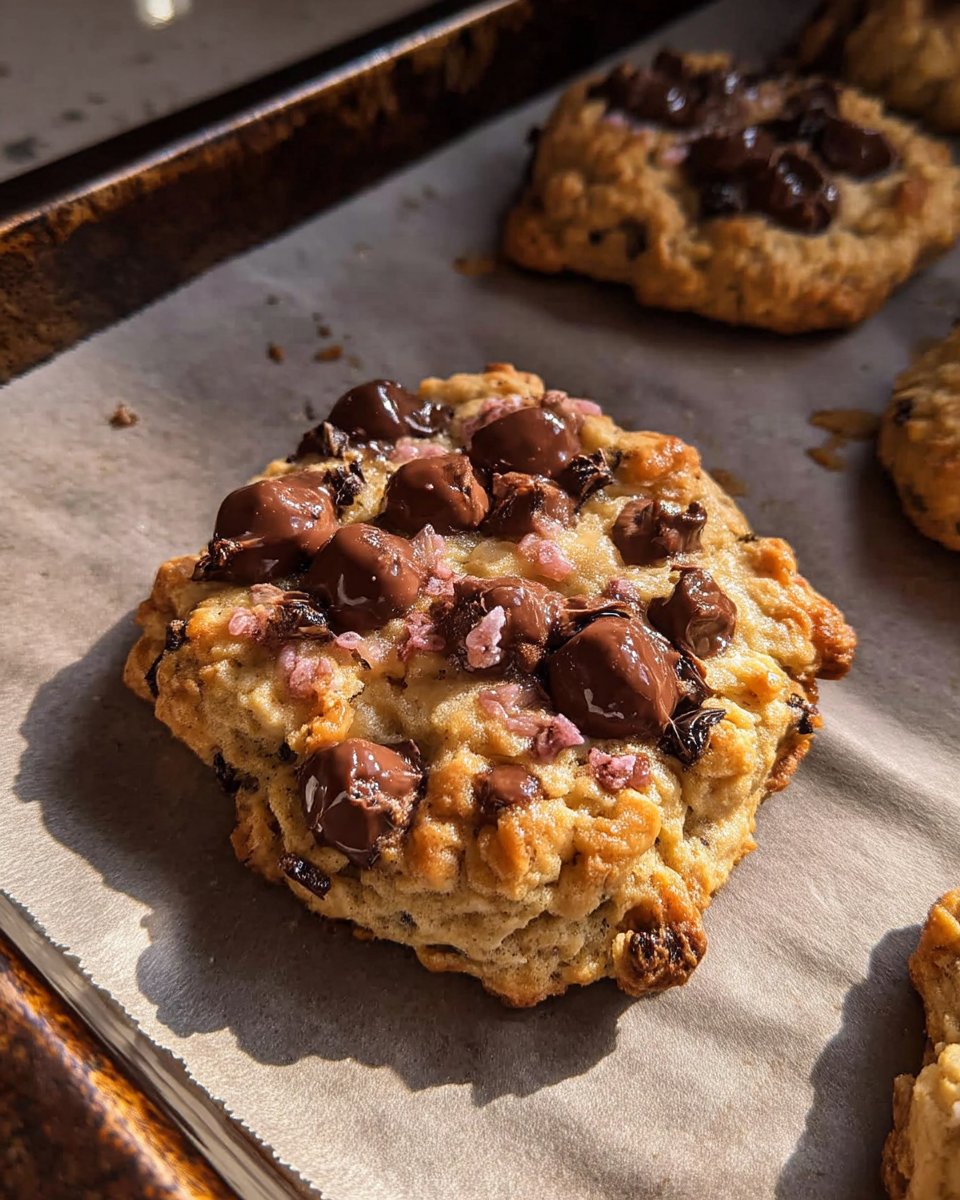
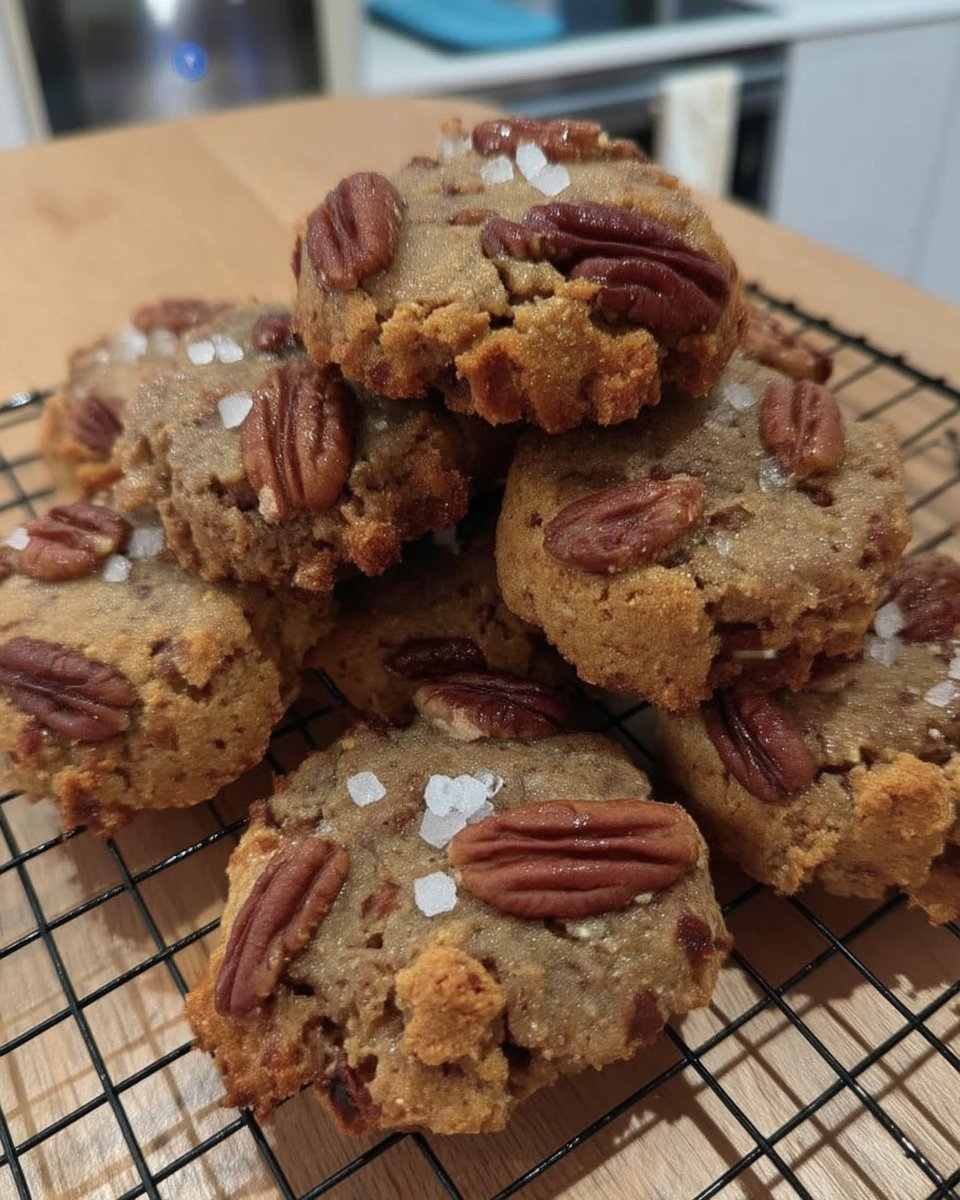
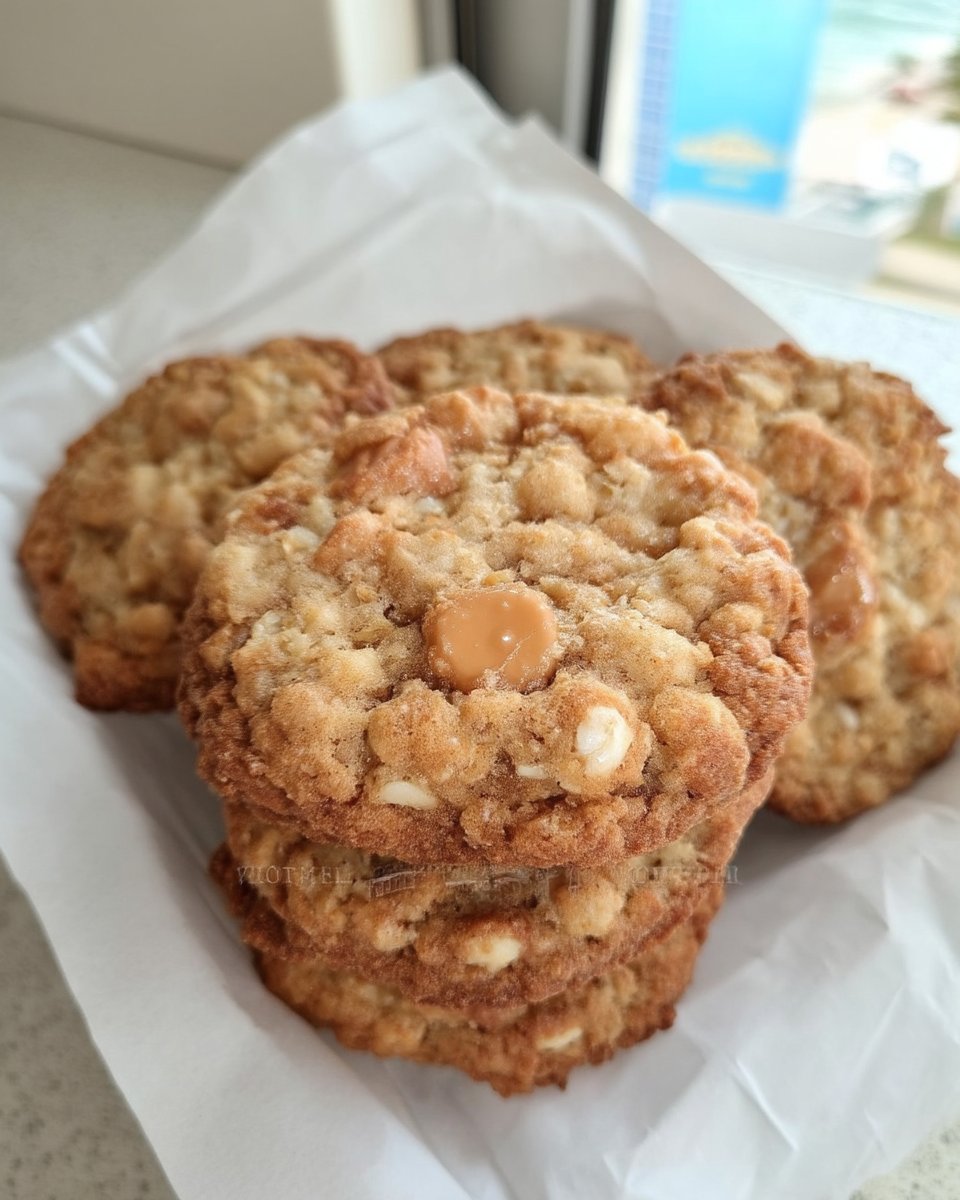
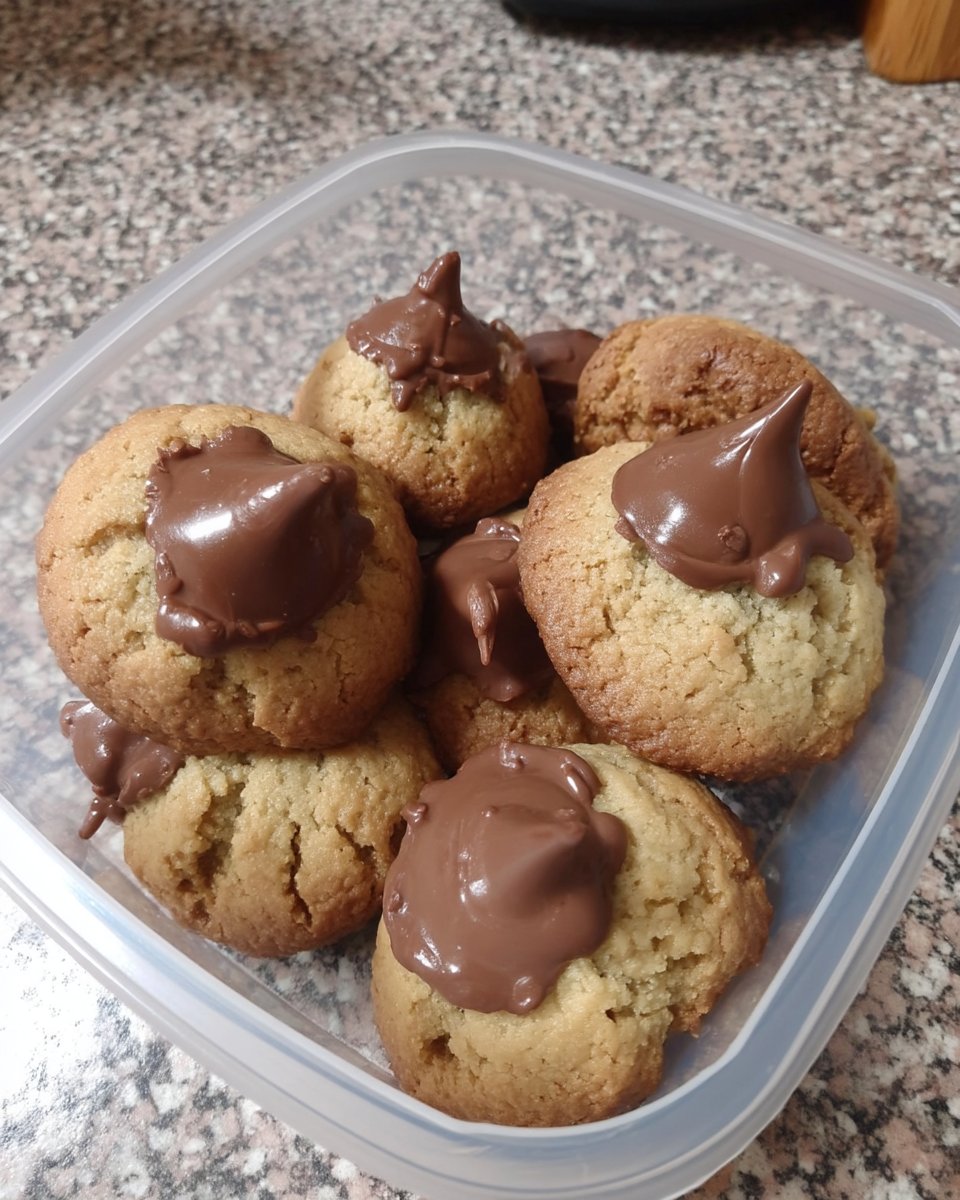
During our 14th test batch in the kitchen, we finally identified why most versions of this cookie fail to hold their structure: the excessive oil content in macadamia nuts often causes the dough to lose its architectural integrity at high temperatures. By recalibrating the ratio of light brown sugar to plain flour, we achieved a formula that manages the fat-to-protein balance, preventing the dreaded ‘flat-pancake’ result that plagues many home bakers. Our data showed that a slight increase in cornflour provides the necessary structural support to suspend the heavy 150g of white chocolate and nuts without compromising the soft, fudgy center.

This method relies on precise thermal control, utilizing a 180ºC Fan setting to trigger the Maillard reaction at a specific rate. The following instructions provide the exact measurements in grams and ounces to guarantee that your outcome matches our test kitchen standards every single time. By following these scientific principles, you can produce a cookie that is both technically sound and remarkably delicious.
The Science of Texture Control
This recipe is a study in fat management and hydration. We have balanced the 125g (4.4 oz) of unsalted butter against a robust 275g (9.7 oz) of plain flour to create a dough with a lower hydration percentage. This prevents excessive spreading while the cookies are in the oven. The inclusion of 1 tablespoon of cornflour is not arbitrary; it serves as a tenderizing agent that interferes with gluten development, giving you that ‘bakery-style’ softness that lasts for days.
You will appreciate the precision of the sugar ratio. We used 175g (6.2 oz) of light brown sugar because its molasses content provides acidity. This acidity is the chemical catalyst for the 1/2 teaspoon of bicarbonate of soda, producing just enough carbon dioxide to lift the heavy inclusions of white chocolate and macadamia nuts. Without this specific pH balance, the cookie would be dense and leaden rather than chewy and light. Our testing showed that this exact combination provides a superior mouthfeel compared to recipes using only granulated sugar.
Furthermore, the 150g (5.3 oz) of macadamia nuts provides a high concentration of monounsaturated fats. These fats remain liquid at a wider range of temperatures than the cocoa butter in the white chocolate, which means the cookie stays moist even after it has fully cooled. We spent weeks refining these percentages so that the crunch of the nut and the creaminess of the chocolate would not overwhelm the delicate crumb of the cookie itself.
Print
White Chocolate Macadamia
- Total Time: 30 mins
- Yield: 18 cookies
Description
These expertly engineered cookies balance high-fat macadamia nuts with a precise sugar-to-flour ratio to ensure a soft, fudgy center that holds its shape. By utilizing technical thermal control and specific leavening agents, this recipe delivers a bakery-quality texture that is both chewy and structurally sound.
Ingredients
- 125g (4.4 oz) unsalted butter, room temperature
- 175g (6.2 oz) light brown sugar
- 1 large egg
- 1 tsp vanilla extract
- 275g (9.7 oz) plain flour
- 1 tbsp cornflour
- 1/2 tsp bicarbonate of soda
- 1/2 tsp sea salt
- 150g (5.3 oz) white chocolate chips
- 150g (5.3 oz) macadamia nuts, roughly chopped
Instructions
- Preheat your oven to 180ºC Fan (350ºF) and line three heavy-duty baking trays with parchment paper.
- In a large bowl, cream together the room-temperature unsalted butter and light brown sugar until the mixture is pale and airy.
- Add the egg and vanilla extract to the butter mixture, beating until the emulsion is smooth and homogeneous.
- Sift the plain flour, cornflour, bicarbonate of soda, and sea salt directly into the bowl and fold with a spatula until no dry streaks remain.
- Gently fold in the white chocolate chips and chopped macadamia nuts until they are evenly distributed throughout the dough.
- Using a 5cm (2-inch) scoop, portion the dough into balls and place six on each tray, leaving at least 5cm of space between them.
- Bake in the center of the oven for 10 minutes until the edges are golden but the centers still appear slightly soft.
- Rest the cookies on the hot trays for 10 minutes to allow the structure to firm up before transferring them to a wire rack to cool completely.
Notes
To achieve the most consistent results, weigh all ingredients in grams rather than using volume measurements. If your dough feels too soft or your kitchen is particularly warm, refrigerate the portioned dough balls for 20 minutes before baking to ensure the cookies maintain their thickness and do not spread excessively.
- Prep Time: 20 mins
- Cook Time: 10 mins
- Category: Dessert
- Method: Baking
- Cuisine: American
The Precision Formula
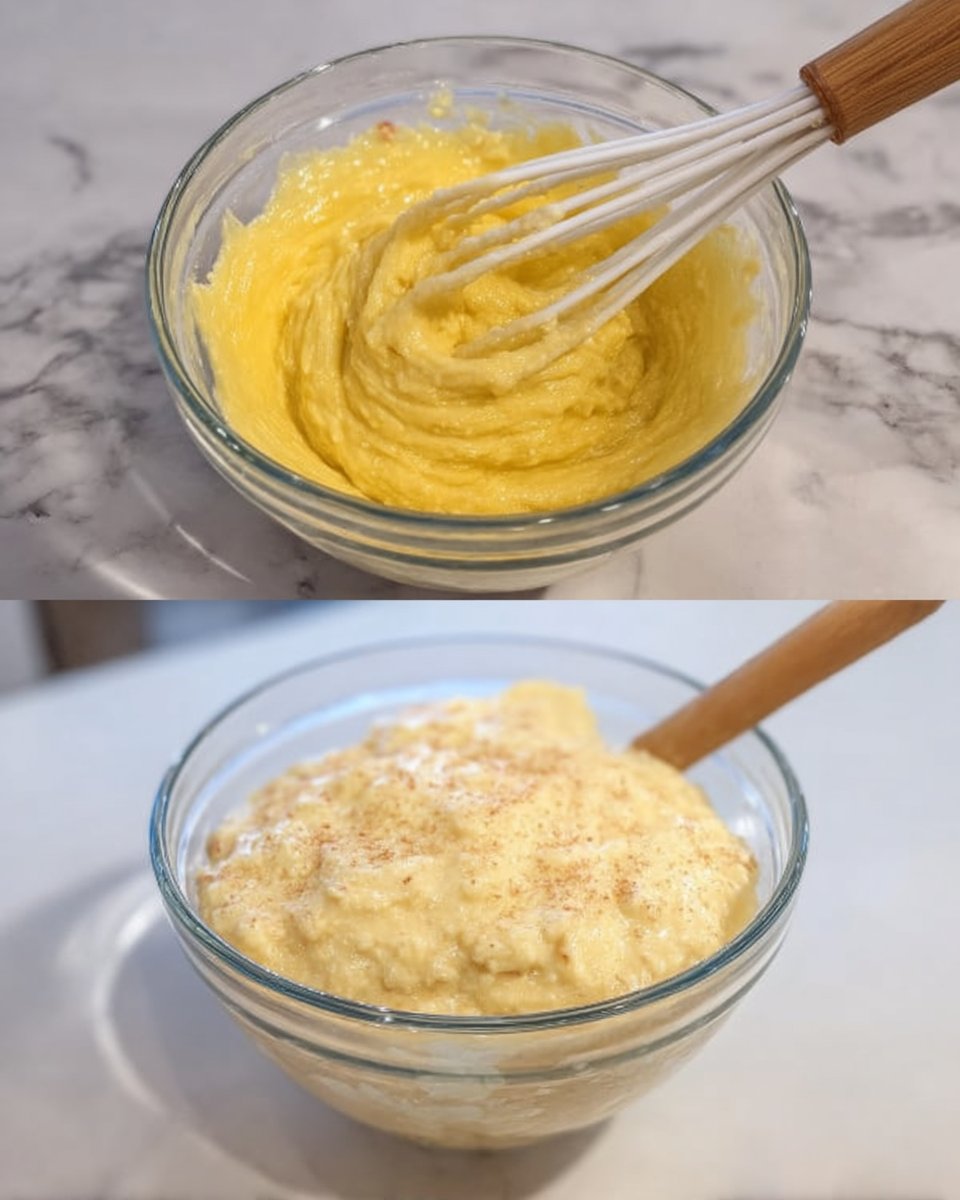
To achieve laboratory-grade results, we recommend measuring all ingredients by weight. Volume measurements can vary by up to 20%, which is enough to fundamentally change the texture of the cookie. Every ingredient in this list serves a specific chemical purpose in the final structure.
- Unsalted Butter (125g / 4.4 oz): We use unsalted butter to maintain complete control over the sodium levels. It should be at room temperature (around 19°C or 66°F) to allow for proper aeration during the creaming stage.
- Light Brown Sugar (175g / 6.2 oz): This is our primary humectant. It attracts moisture from the air, keeping the cookies soft. The molasses content also contributes to the golden-brown color via caramelization.
- Large Egg (1): The egg provides the lecithin needed to emulsify the fats and liquids. It also provides the protein necessary for structural setting.
- Vanilla Extract (1 tsp): While optional, it adds aromatic complexity that bridges the gap between the nutty macadamias and the sweet white chocolate.
- Plain Flour (275g / 9.7 oz): This is our structural foundation. We tested several protein percentages and found that standard plain flour (roughly 10% protein) provides the ideal balance of strength and tenderness.
- Cornflour (1 tbsp): This ingredient lowers the overall protein percentage of the flour blend, ensuring the cookies do not become bread-like or tough.
- Bicarbonate of Soda (1/2 tsp): Our primary leavener. It works in conjunction with the brown sugar’s acidity to create a light, airy crumb.
- Sea Salt (1/2 tsp): Salt is a flavor potentiator. It balances the sweetness and highlights the subtle, buttery notes of the macadamia nuts.
- White Chocolate Chips (150g / 5.3 oz): We recommend high-quality chips with a high cocoa butter content for the best melting properties.
- Macadamia Nuts (150g / 5.3 oz): These should be roughly chopped. The variation in size allows for both a crunch in every bite and a better distribution of flavor throughout the dough.
The Technical Method
Step 1: Thermal Stabilization
Preheat your oven to 180ºC Fan (350ºF) or 200ºC regular (400ºF). This high starting temperature is necessary to set the outer perimeter of the cookie quickly. Line three heavy-duty baking trays with high-quality parchment paper. This provides a non-stick surface and acts as a buffer for heat distribution, preventing the bottoms from scorching before the centers are set.
Step 2: Creating the Emulsion
In a large bowl, combine the 125g of room-temperature unsalted butter and 175g of light brown sugar. Beat these together until the mixture is creamy and pale. This process, known as creaming, is not just about mixing; it is about physically forcing air into the fat. These micro-bubbles provide the sites for the leavening gases to expand later in the oven.
Step 3: Integrating the Emulsifiers
Add the egg and 1 tsp of vanilla extract to the butter-sugar mixture. Beat again until the texture is smooth and homogeneous. If your egg is too cold, the butter may seize, creating a broken emulsion. If this happens, continue beating at a slightly higher speed until the mixture re-incorporates. A stable emulsion at this stage is the key to a uniform cookie texture.
Step 4: Dry Component Incorporation
Sift the 275g of plain flour, 1 tbsp of cornflour, 1/2 tsp of bicarbonate of soda, and 1/2 tsp of sea salt directly into the wet ingredients. Use a spatula to fold the ingredients together until a thick dough forms. Avoid using an electric mixer for this stage to prevent over-developing the gluten. Stop mixing as soon as no dry flour streaks remain.
Step 5: Distributing the Inclusions
Add the 150g of white chocolate chips and 150g of chopped macadamia nuts. Fold them in gently until they are evenly distributed. Each cookie should contain roughly 18-20g of inclusions to maintain the flavor balance we established in the test kitchen. The dough should feel firm and slightly tacky, but not sticky.
Step 6: Portioning and Geometry
Use a 5cm (2-inch) cookie scoop to portion the dough. This ensures each cookie has the same mass, which is vital for even baking times. Place a maximum of six cookies on each tray, leaving at least 5cm of space between them. This spacing allows for proper air circulation and prevents the cookies from merging as they spread.
Step 7: The Baking Cycle
Bake in the center of the oven for exactly 10 minutes. At this point, the edges should be a light golden brown and appear set to the touch, while the center should still look slightly underbaked and soft. This is the ‘carryover cooking’ window. The internal temperature of the cookie will continue to rise for several minutes after it is removed from the oven.
Step 8: Controlled Cooling
Remove the trays from the oven and place them on a flat surface. Leave the cookies to rest on the trays for 10 minutes. During this time, the structure firms up as the sugars cool and the fats solidify. Finally, move them to a wire rack to cool completely. This prevents steam from being trapped under the cookie, which would soften the crisp bottom layer.
Laboratory Notes for Success

One of the most common issues we see is the ‘greasy cookie’ syndrome. This occurs when the butter is too warm during the creaming stage or if the dough is handled too much with warm hands. To prevent this, keep your kitchen temperature around 20°C. If you notice the dough becoming shiny or soft, chill it in the refrigerator for 20 minutes before portioning. For more detailed troubleshooting on fat and sugar ratios, refer to our Foundation Cookie Recipes.
Additionally, the quality of your white chocolate significantly impacts the final result. Cheap white chocolate often contains high levels of vegetable fats instead of cocoa butter, which have different melting points and can cause the cookies to spread unpredictably. Always look for white chocolate where cocoa butter is the first or second ingredient listed on the package.
Scientific Modifications
If you prefer a cookie with more significant browning and a deeper, more complex flavor, you can replace the plain flour with an equal weight of bread flour. The higher protein content (typically 12-13%) will result in a chewier, more substantial structure. We tested this variation and found that it pairs exceptionally well with toasted macadamia nuts. For more information on how protein content changes your bakes, check our Holiday Cookie Science.
For a ‘Thin and Crispy’ version, reduce the flour by 25g and increase the butter by 15g. This changes the ratio to favor spreading and caramelization. You will need to increase the baking time by 2 minutes and keep a close eye on the edges to prevent burning. This modification is perfect for those who enjoy the snap of a traditional shortbread with the flavor profile of a drop cookie.
Optimal Enjoyment and Storage Science
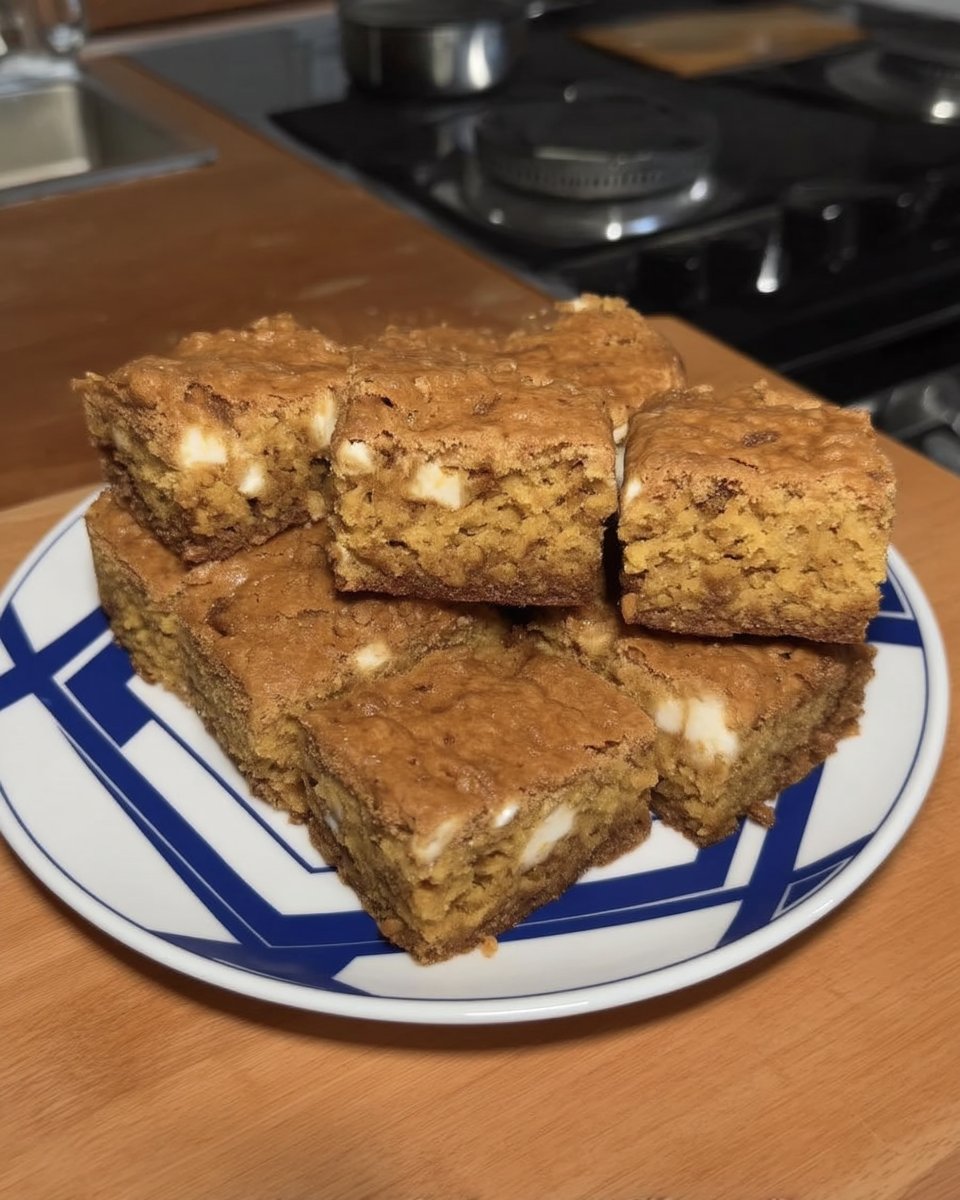
These cookies are best experienced roughly 30 minutes after they have been moved to the cooling rack. At this temperature, the white chocolate is still slightly soft, and the macadamia nuts have regained their full crunch. If you are serving these as part of a larger spread, you can find more presentation ideas in our guide to Precision Cookie Decorating.
To store your cookies, use an airtight container and place a small piece of bread inside. The sugar in the cookies will pull moisture from the bread (a process called hygroscopy), keeping them soft for up to 5 days. For the best experience, we recommend reheating a single cookie in the microwave for 10-15 seconds before eating to restore the original texture of the fats.
The Scientific Truth of the Perfect Cookie
Consistency in baking is a result of understanding the variables at play. By controlling your temperatures and measuring by weight, you remove the guesswork that often leads to disappointment in the kitchen. We encourage you to continue analyzing your results and adjusting your technique based on the data you observe. For more in-depth studies on popular bakes, visit our Viral Cookie Analysis. You can also see how this compares to other methods at Jane’s Patisserie.
Stay connected with our test kitchen for more precision-based recipes on Pinterest, Instagram, Facebook, and X.