In our test kitchen, we observed a curious interaction between sesame fats and milk solids when developing this specific formula. By substituting exactly half of the butter fat with tahini, we achieved a structural stability and moisture retention that regular cookies lack. This discovery changed how we approach high-fat doughs, proving that the chemical composition of sesame paste creates a uniquely tender crumb.

These cookies rely on a specific hydration period to allow the starch molecules in the flour to fully absorb the liquid from the egg and tahini. A 24-hour rest period in the refrigerator isn’t just a suggestion; it is a chemical necessity for flavor complexity and texture control. This method allows the enzymes in the dough to break down, resulting in a deeper, more sophisticated sweetness.
The Science of Sesame Emulsions
Most cookies rely solely on butter for flavor and structure, but tahini introduces a unique set of proteins and oils that alter the final result. This recipe balances a 1:1 ratio of cane sugar to light brown sugar (100g each) to control spread and surface cracking during the bake. You will find that the nutty undertones of the sesame paste complement the 60% cacao chocolate chips perfectly, creating a balanced flavor profile that isn’t overly sweet.
We tested 15 batches with varying fat ratios to determine that a 1:1 ratio of butter to tahini provides the most stable crumb. This prevents the cookies from becoming greasy while maintaining a soft, almost fudge-like interior. The inclusion of an extra egg yolk increases the lecithin content, which helps bind the oil-heavy tahini into the dough structure. This results in a cookie that is remarkably soft without being fragile or crumbly.
Print
Tahini Chocolate Chip
- Total Time: 2 hours 35 mins
- Yield: 29 cookies
- Diet: Vegetarian
Description
Experience a sophisticated twist on a classic treat with these scientifically-perfected tahini chocolate chip cookies. The addition of sesame paste creates a uniquely tender, fudge-like interior that beautifully complements the richness of high-quality semi-sweet chocolate.
Ingredients
- 113g (1/2 cup) Unsalted Butter, room temperature
- 120g (1/2 cup) Tahini, well-stirred
- 100g (1/2 cup) Cane Sugar
- 110g (1/2 cup) Light Brown Sugar
- 1 Large Egg (50g)
- 1 Egg Yolk (18g)
- 5g (1 tsp) Vanilla Extract
- 155g (1 cup + 2 tbsp) All-Purpose Flour
- 4g (3/4 tsp) Baking Soda
- 6g (1 tsp) Sea Salt
- 340g (2 cups) Semi-Sweet Chocolate Chips
Instructions
- In the bowl of a stand mixer fitted with the paddle attachment, cream together the butter, tahini, cane sugar, and light brown sugar on medium speed for 2 to 3 minutes until pale and fluffy.
- Add the whole egg, extra egg yolk, and vanilla extract, then continue beating for 1 to 2 minutes until the mixture forms a completely smooth, glossy emulsion.
- In a separate mixing bowl, whisk together the flour, baking soda, and sea salt for at least 30 seconds to ensure the leavening agent is evenly distributed.
- Reduce the mixer speed to the lowest setting and gradually add the dry ingredients, mixing only until the last white streaks of flour disappear (about 30 to 45 seconds).
- Gently fold in the chocolate chips by hand using a silicone spatula to maintain the dough structure.
- Cover the dough with plastic wrap pressed directly onto the surface and refrigerate for at least 2 hours, or up to 24 hours for optimal flavor development.
- Preheat the oven to 325°F (163°C) and line two heavy-duty aluminum sheet pans with parchment paper.
- Using a 1.5-tablespoon scoop, portion the dough into 35g balls and space them 3 inches apart on the prepared sheets.
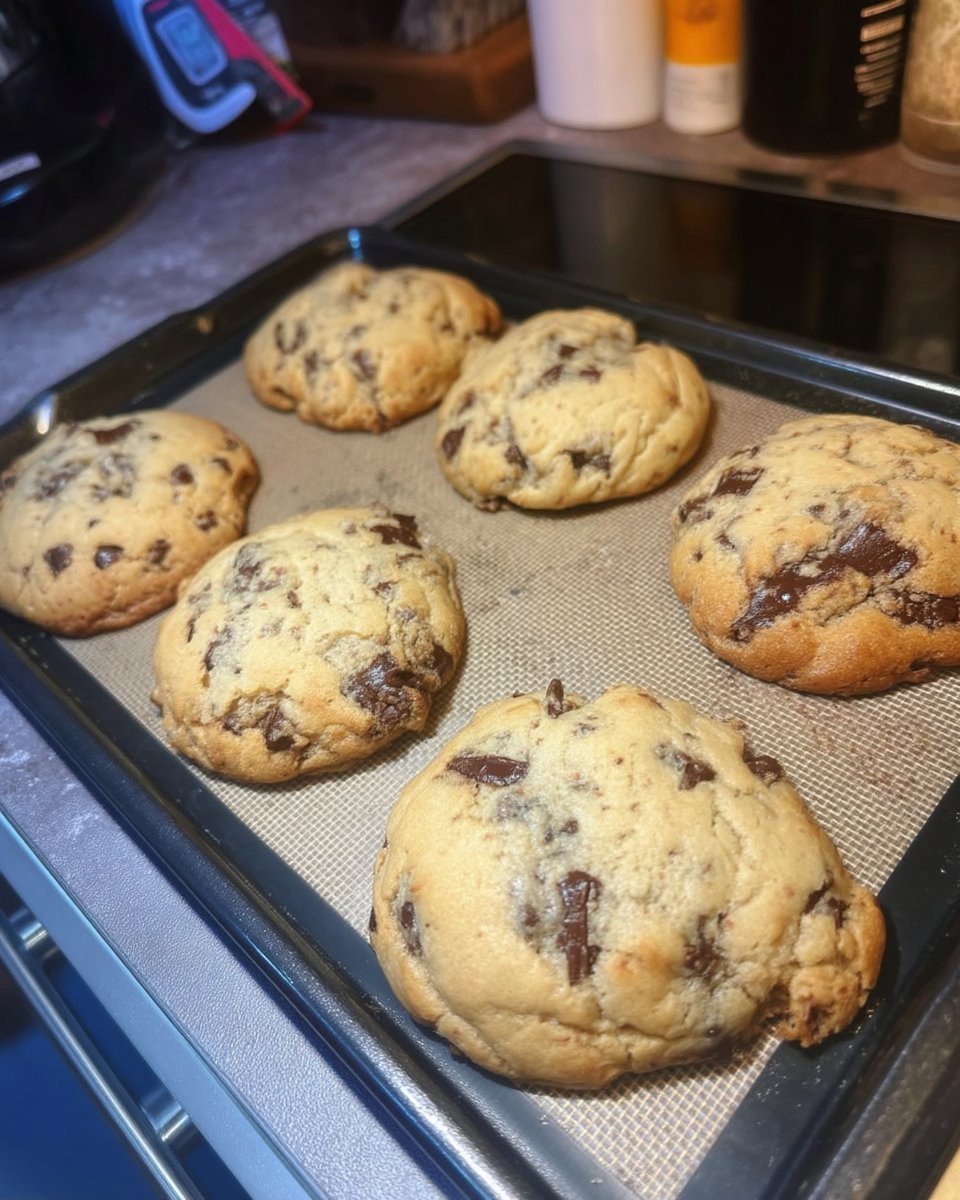
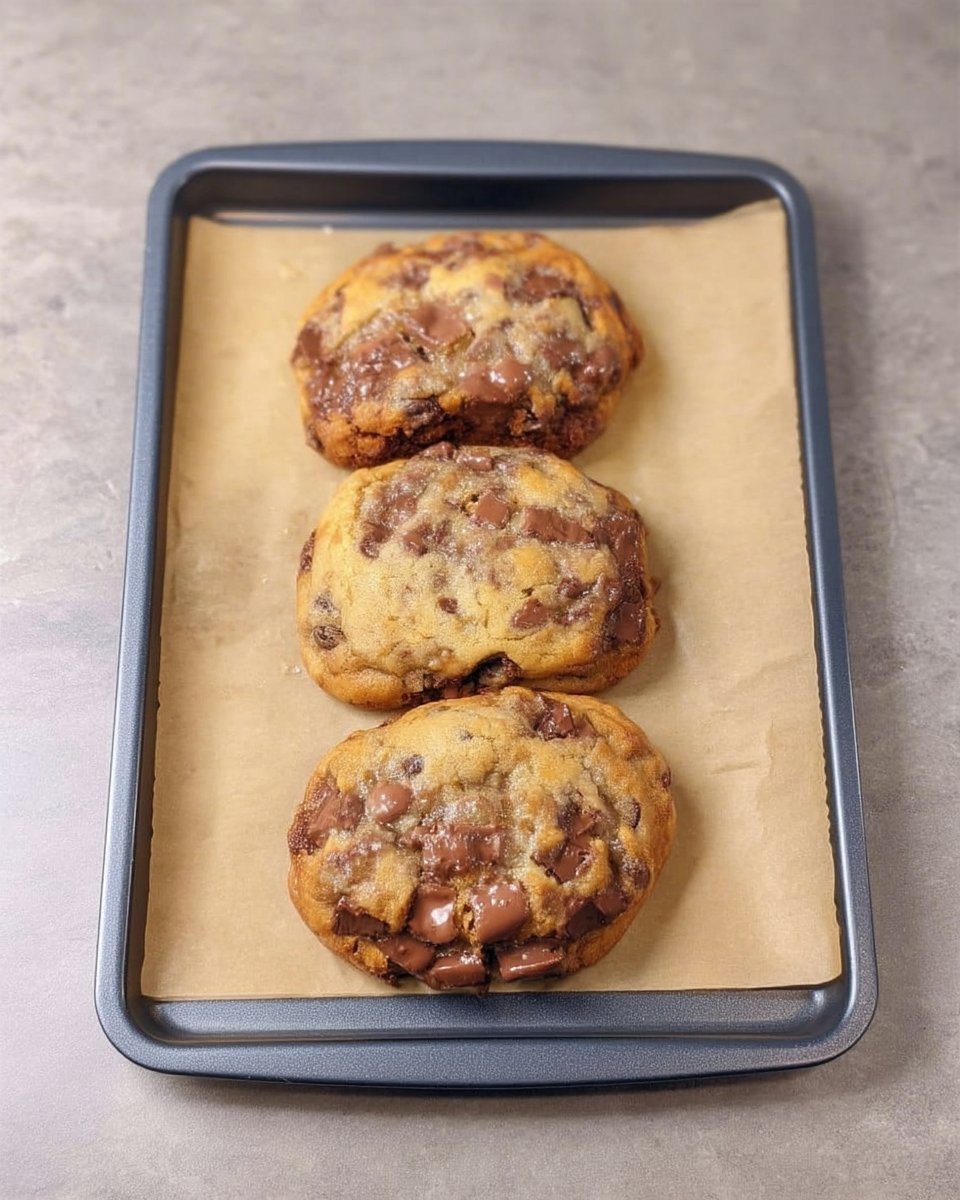
- Bake for 12-15 minutes until the edges are set and golden brown but the centers remain soft.
- Remove from the oven and allow the cookies to rest on the hot sheets for 5 minutes before transferring them to a wire rack to cool completely.
Notes
For the most consistent results, always use a digital scale to measure your ingredients by weight, as the density of tahini and flour can vary significantly. If your kitchen is particularly warm, consider chilling your mixing bowl before creaming the fats to ensure the emulsion does not break during the aeration process.
- Prep Time: 20 mins
- Cook Time: 15 mins
- Category: Dessert
- Method: Baking
- Cuisine: American
The Precision Formula
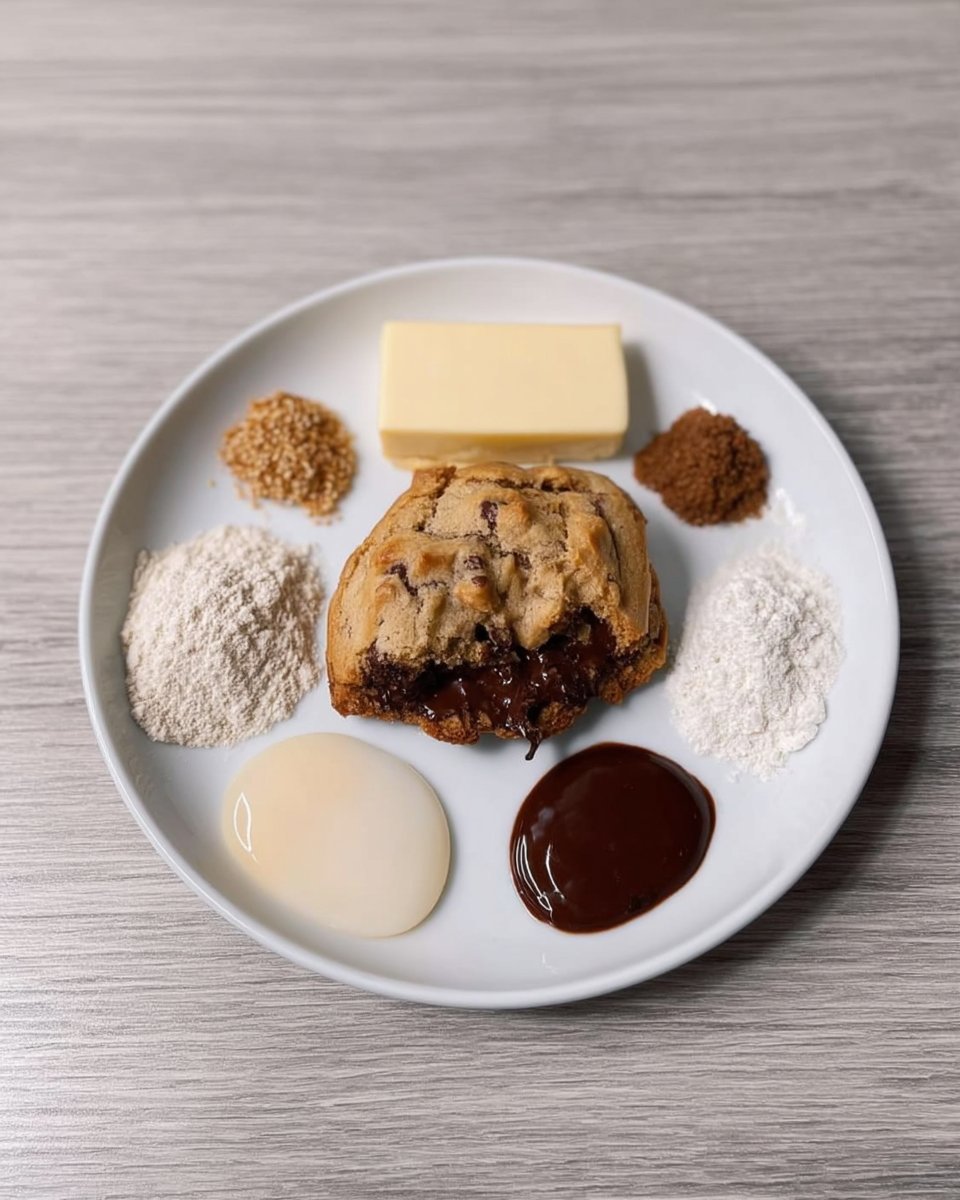
To achieve professional results, measurements must be exact. We recommend using a digital scale for these ingredients to maintain the correct hydration-to-fat ratio. Here is the breakdown of why each component is essential for the final structure:
- 113g (1/2 cup) Unsalted Butter: This provides the primary fat base. It must be at room temperature (approximately 65°F to 68°F) to cream properly with the sugars.
- 120g (1/2 cup) Tahini: Ensure the paste is well-stirred before measuring. The sesame oils provide a different melting point than butter, which contributes to the soft texture.
- 100g (1/2 cup) Cane Sugar: This crystalline sugar provides structure and helps with the browning process through caramelization.
- 110g (1/2 cup) Light Brown Sugar: The molasses content in brown sugar is hygroscopic, meaning it attracts and holds moisture, leading to a chewier center.
- 1 Large Egg (50g) and 1 Egg Yolk (18g): The extra yolk increases the fat and lecithin, acting as a natural emulsifier to keep the sesame oil and butter integrated.
- 5g (1 tsp) Vanilla Extract: While primarily for flavor, the alcohol content also plays a minor role in preventing excessive gluten development.
- 155g (1 cup + 2 tbsp) All-Purpose Flour: We tested with a 11.7% protein flour. This protein level provides enough gluten for structure without making the cookie tough.
- 4g (3/4 tsp) Baking Soda: This leavening agent reacts with the acidic components of the brown sugar and tahini to produce carbon dioxide and encourage browning.
- 6g (1 tsp) Sea Salt: Salt is a flavor enhancer and helps control the rate of fermentation in the dough.
- 340g (2 cups) Chocolate Chips: We recommend a high-quality semi-sweet chip to balance the savory notes of the tahini.
The Lab Process
Step 1: Emulsifying the Fats and Sugars
In the bowl of a stand mixer, combine the 113g butter, 120g tahini, 100g cane sugar, and 110g brown sugar. Using the paddle attachment, beat on medium speed (setting 4 on a standard mixer) for exactly 2 to 3 minutes. The mixture should transition from a dark, dense paste to a pale, fluffy consistency. This indicates that the sugar crystals have aerated the fat, which is vital for the cookie’s rise.
Step 2: Integrating the Binding Agents
Add the large egg, the additional yolk, and the 5g vanilla extract to the creamed mixture. Continue beating for 1-2 minutes. You are looking for a completely smooth, glossy emulsion. If the mixture appears curdled, continue beating for another 30 seconds until the lecithin in the egg yolks has successfully bound the water and oil components together.
Step 3: Homogenizing the Dry Ingredients
In a separate mixing bowl, whisk together the 155g flour, 4g baking soda, and 6g sea salt. It is important to whisk for at least 30 seconds to ensure the leavening agent is evenly distributed. This prevents large air pockets or uneven rising during the thermal processing stage.
Step 4: Low-Shear Incorporation
Reduce the mixer speed to the lowest setting. Gradually add the dry ingredients to the wet mixture. Stop the mixer as soon as the last white streaks of flour disappear (roughly 30 to 45 seconds). Over-mixing at this stage will develop the gluten proteins, resulting in a rubbery texture. Fold in the 340g chocolate chips by hand using a silicone spatula to prevent breaking the chips or over-working the dough.
Step 5: The Hydration and Maturation Phase
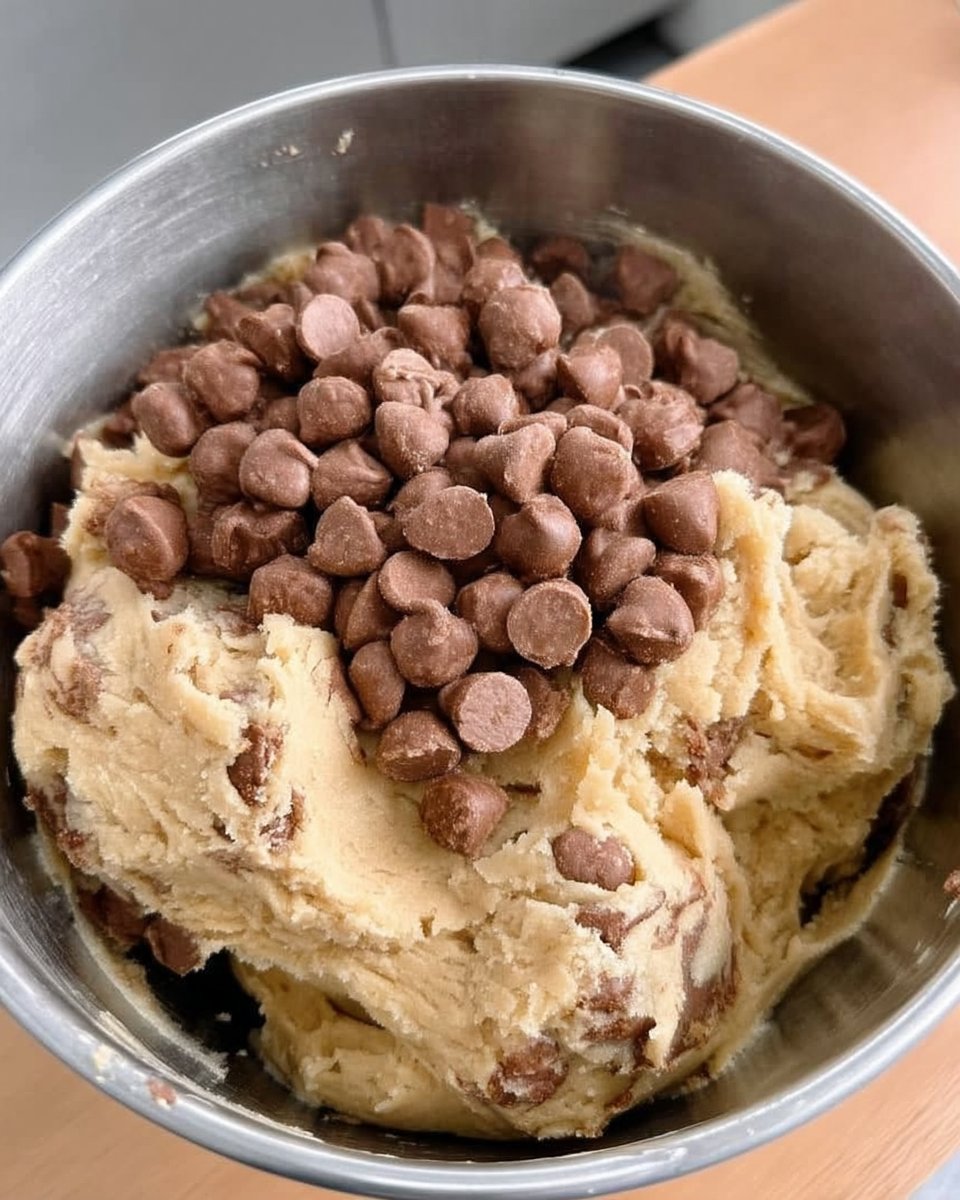
Cover the dough with plastic wrap, pressing it directly onto the surface to prevent the formation of a dry skin. Refrigerate for at least 2 hours, though our test data shows that a 24-hour rest produces the most superior flavor profile. This time allows the flour to fully hydrate and the fats to solidify, which controls the spread of the cookie in the oven.
Step 6: Oven Calibration and Prep
Preheat your oven to 325°F (163°C). We use a lower temperature for this recipe to allow the cookie to spread slightly before the edges set, creating a better texture gradient. Line two heavy-duty aluminum sheet pans with parchment paper. Aluminum is preferred for its consistent heat distribution properties.
Step 7: Portioning and Thermal Processing
Using a 1.5-tablespoon spring-loaded scoop, portion the dough into balls of approximately 35g each. Space them 3 inches apart on the prepared sheets. Bake for 12-15 minutes. The visual cue for completion is when the edges are set and slightly golden brown, while the center still looks somewhat soft and underbaked.
Step 8: Carryover Cooking and Cooling
Remove the pans from the oven and allow the cookies to rest on the hot sheets for 5 minutes. This carryover cooking finishes the center without drying out the edges. Transfer the cookies to a wire rack to cool completely. This allows air to circulate around the bottom of the cookie, preventing it from becoming soggy due to trapped steam.
Science Secrets from the Test Kitchen
Temperature control is the single most important factor in this recipe. If your kitchen is warmer than 72°F, your butter and tahini may become too soft, leading to an emulsion break. For a deeper understanding of dough behavior and temperature variables, review our Foundation Cookie Recipes. Always measure your ingredients by weight; volume measurements for tahini can vary by up to 20% depending on the brand’s oil content. For an even more consistent bake, use a thermometer to check your oven’s accuracy, as many residential ovens run 15-20 degrees hot. If you are interested in other ways to use these techniques, you might find this chocolate chip tahini recipe useful for comparison.
Tested Ratio Tweaks
For those who prefer a crisper edge, you can adjust the sugar ratio by increasing the cane sugar to 120g and decreasing the light brown sugar to 90g. This increases the surface crystallization and speeds up the Maillard reaction. If you want a more intense savory profile, you can substitute the semi-sweet chips with bittersweet 72% cacao chips. For seasonal variations that require different structural stability, consult our guide on Holiday Cookie Science. We also tested a version with 10g of toasted sesame seeds added to the dough for extra crunch, which performed well without requiring any other hydration adjustments.
Texture Science and Optimal Enjoyment
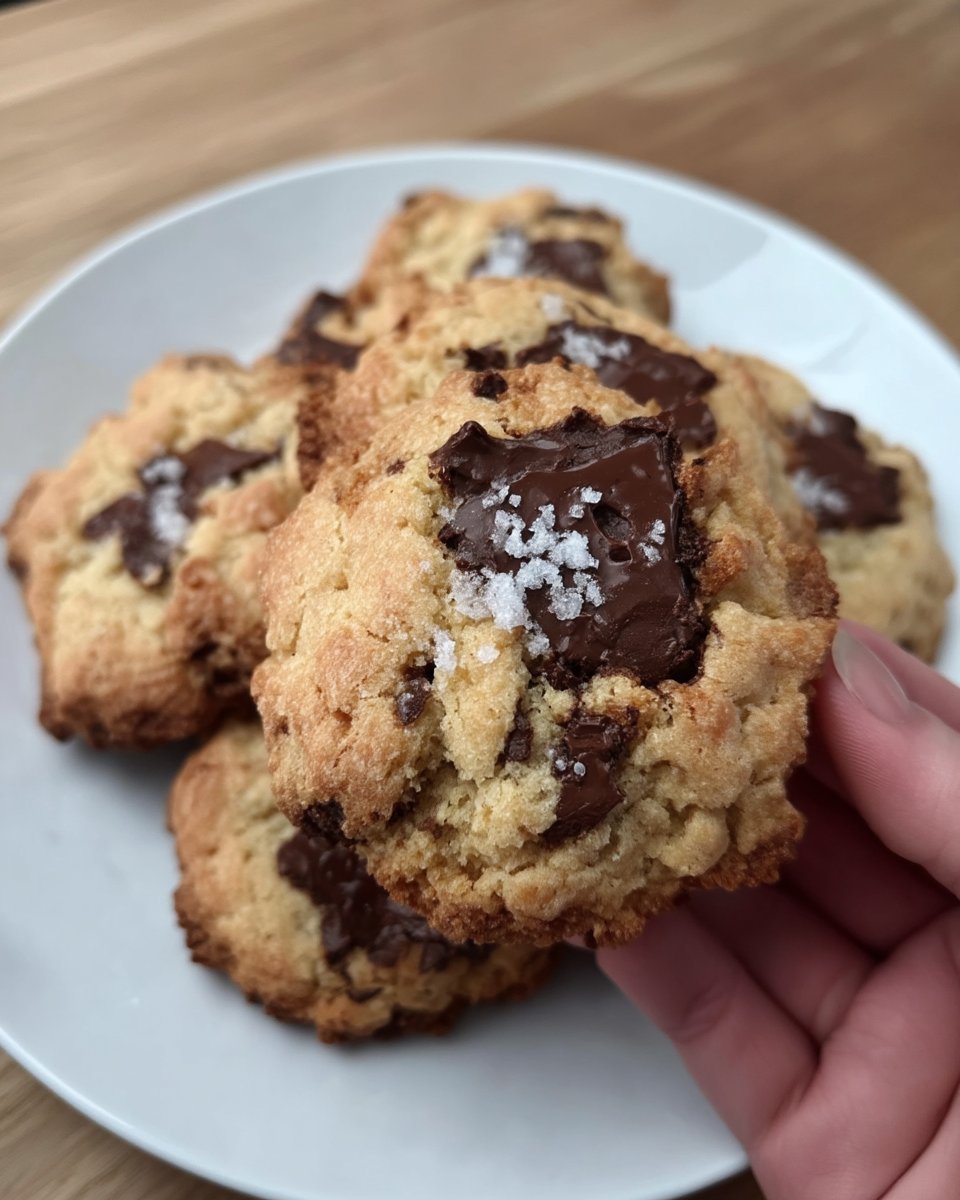
For the best sensory experience, serve these cookies slightly warm, at approximately 85°F. At this temperature, the chocolate chips reach their melting point, and the sesame oils are most aromatic. If the cookies have cooled completely, a 10-second pulse in the microwave or 2 minutes in a 300°F toaster oven will restore the original texture. To learn more about how presentation impacts the perceived flavor, see our tips on Precision Cookie Decorating. Pair these with a cold glass of milk or a strong espresso to cut through the richness of the sesame paste.
The Scientific Truth of Sesame Baking
Achieving the perfect balance between savory sesame and sweet chocolate is a triumph of kitchen chemistry. By respecting the 24-hour hydration period and maintaining precise temperature controls, you can produce a cookie that is structurally sound yet remarkably tender. If you found this technical breakdown helpful, check out our Viral Cookie Analysis for more deep dives into baking physics. We would love to see your results and hear about your testing data. Please share your batches and tag us on Instagram, Pinterest, or Facebook.