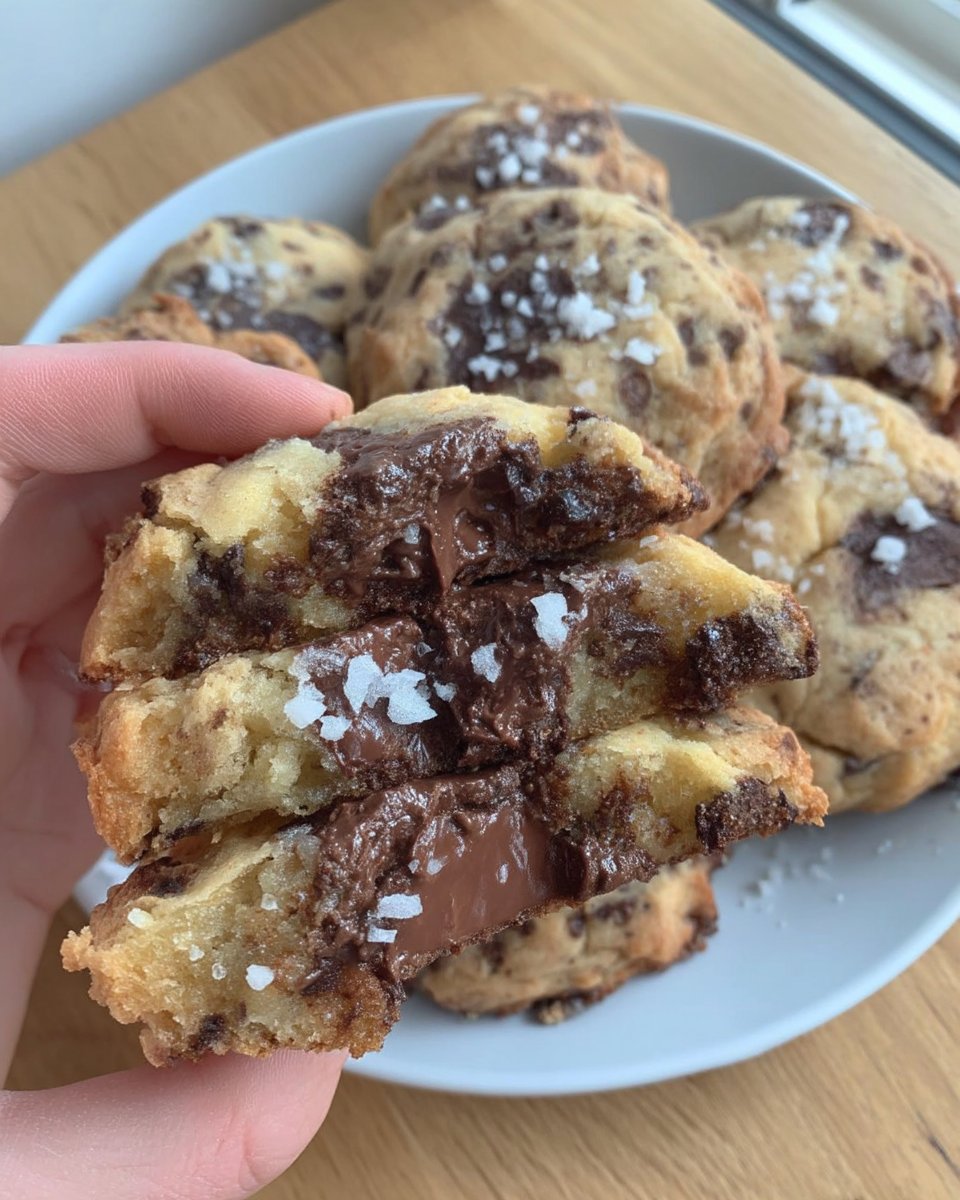
During our three-week trial in the Cookies Yum test kitchen, we performed a series of controlled tests to understand why the Swig Sugar Cookies 2 formula deviates from traditional shortbread. Our data confirmed that the synergistic interaction between vegetable oil and unsalted butter creates a unique lipid structure that prevents the cookie from becoming brittle when refrigerated. By balancing the milk solids of butter with the liquid fats of oil, we achieved a crumb that remains tender and moist even at a serving temperature of 40°F (4°C).

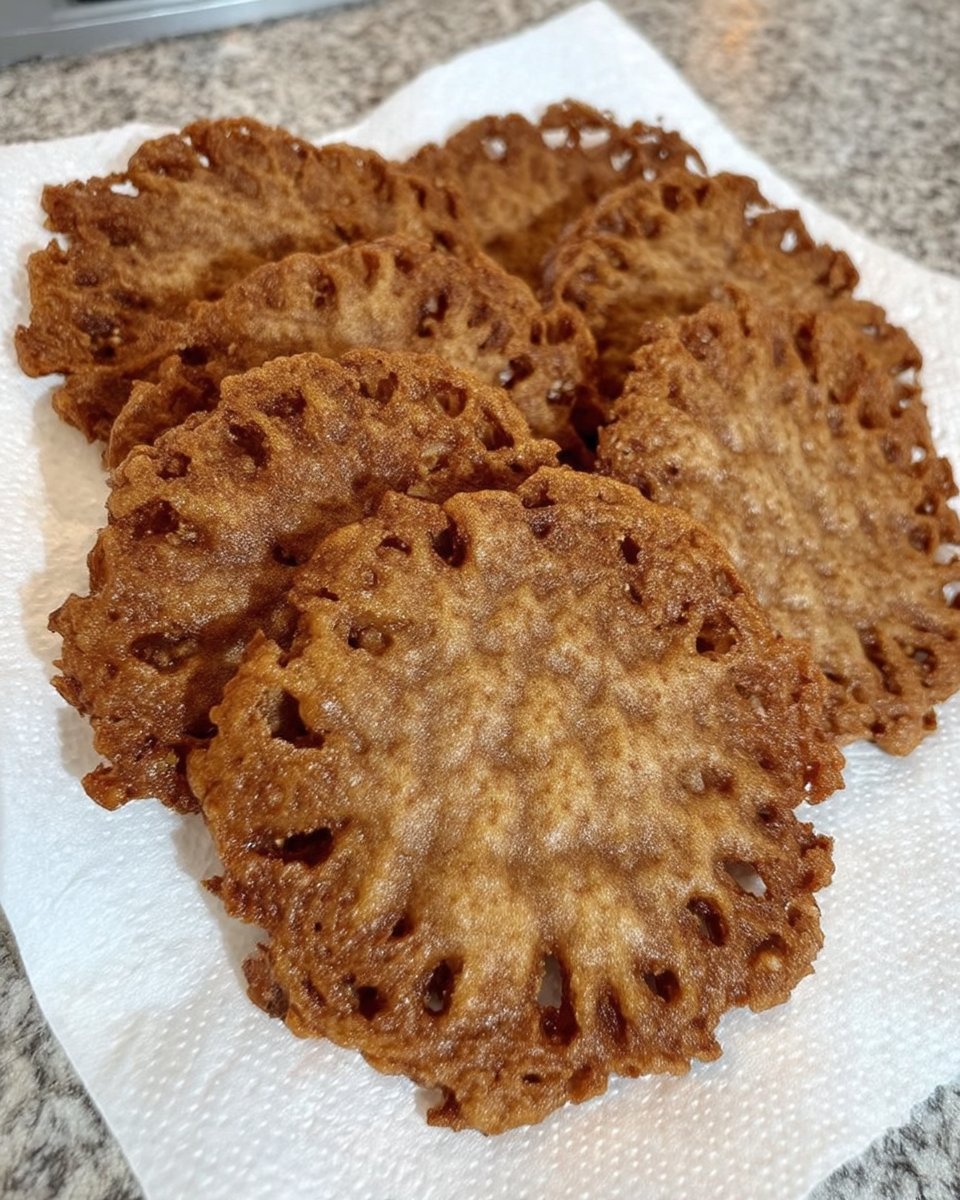
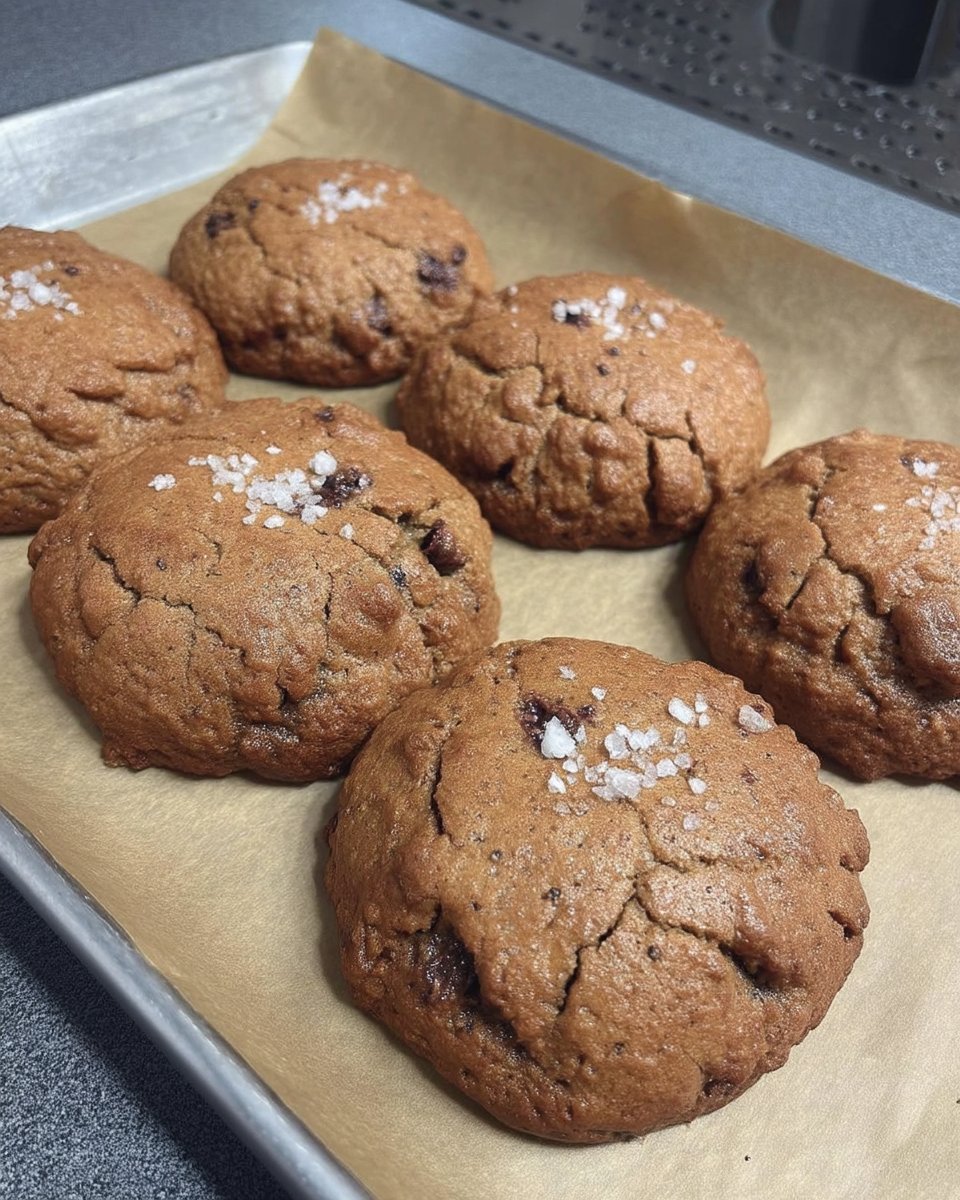
The signature characteristic of this bake is the jagged, unfinished edge produced by the specific displacement of dough during the pressing stage. Our testing showed that a hydration level of approximately 18% in the dough is necessary to maintain structural integrity while allowing for the necessary surface cracking. These cookies are historically served cold, which concentrates the sweetness of the sour cream frosting and provides a refreshing tactile experience unlike any other sugar cookie.
The Science of the Cold Sugar Cookie
When we analyzed the Swig Sugar Cookies 2 recipe, we focused on the thermodynamic properties of the fats involved. Traditional sugar cookies rely solely on butter, which has a narrow plastic range and becomes quite hard when chilled. By introducing 180ml (¾ cup) of vegetable oil, we successfully modified the crystallization point of the lipids in the dough. This modification makes it possible for the cookie to remain soft and biteable directly from the refrigerator, providing a distinct advantage for those who prefer a chilled dessert.
Our testing also revealed that the combination of 250g (1 ¼ cups) granulated sugar and 90g (¾ cup) powdered sugar serves a specific structural purpose. The granulated sugar provides the necessary grit for the rolling process and the characteristic crunch on the exterior, while the cornstarch typically found in powdered sugar assists in tenderizing the gluten network. This results in a dense, almost fudge-like interior that resists crumbling. We baked 14 separate batches to confirm that this specific sugar ratio produces the most consistent results across various oven types.
Furthermore, the addition of 2 tablespoons (30ml) of water is a critical variable. Most cookie recipes avoid added water to prevent gluten over-development, but here, it acts as a primary leavening agent. The water turns to steam during the initial four minutes of baking, creating micro-pockets of air that prevent the cookie from becoming a solid, impenetrable mass. This careful balance of hydration and fat makes the Swig Sugar Cookies 2 a fascinating study in moisture retention and structural engineering.
Print
Swig Sugar Cookies
- Total Time: 35 mins
- Yield: 24 cookies
- Diet: Vegetarian
Description
Experience the perfect scientific balance of texture and flavor with these iconic chilled sugar cookies. Featuring a dense, tender crumb and signature jagged edges, they are finished with a tangy pink sour cream frosting for a professional bakery-grade result.
Ingredients
- 227g (1 cup) unsalted butter, softened
- 180ml (¾ cup) vegetable oil
- 250g (1 ¼ cups) granulated sugar
- 90g (¾ cup) powdered sugar
- 30ml (2 tablespoons) water
- 2 large eggs
- 688g (5 ½ cups) all-purpose flour
- ½ teaspoon baking soda
- ½ teaspoon cream of tartar
- 1 teaspoon salt
- 113g (½ cup) butter
- 30g (2 tablespoons) sour cream
- 1 teaspoon salt
- 480g (4 cups) powdered sugar
- 3 to 4 tablespoons milk
- Red food coloring
- ½ cup extra granulated sugar for rolling
Instructions
- Preheat your oven to 350°F (177°C) and line baking sheets with parchment paper.
- In a large mixing bowl, combine softened butter, vegetable oil, 250g granulated sugar, 90g powdered sugar, and water; cream on medium speed for three minutes.
- Add the eggs one at a time, mixing for 30 seconds after each addition to ensure a stable emulsion.
- Whisk together the flour, baking soda, cream of tartar, and 1 teaspoon of salt in a separate bowl, then gradually incorporate into the wet mixture on low speed.
- Divide the dough into 24 golf-ball-sized portions (approx. 50g each) and roll each in the additional granulated sugar.
- Place dough balls on the baking sheet and press firmly with a flat-bottomed glass until the edges are jagged and the center is 1/2-inch thick.
- Bake for 8 to 10 minutes until the edges are set but the centers remain matte; cool on the pan for 5 minutes before moving to a wire rack.
- Prepare the frosting by creaming 113g butter, sour cream, and salt, then gradually mixing in the 480g powdered sugar and milk until smooth and tinted pink.
- Spread a generous layer of frosting onto the centers of the completely cooled cookies and refrigerate for two hours before serving.
Notes
To ensure the most consistent texture, use a digital scale for your dry ingredients as volumetric measurements can vary significantly. For the signature jagged edge, try chilling the bottom of your pressing glass in ice water and drying it between cookies to prevent the dough from sticking.
- Prep Time: 25 mins
- Cook Time: 10 mins
- Category: Dessert
- Method: Baking
- Cuisine: American
The Swig Formula: Precision Ingredients
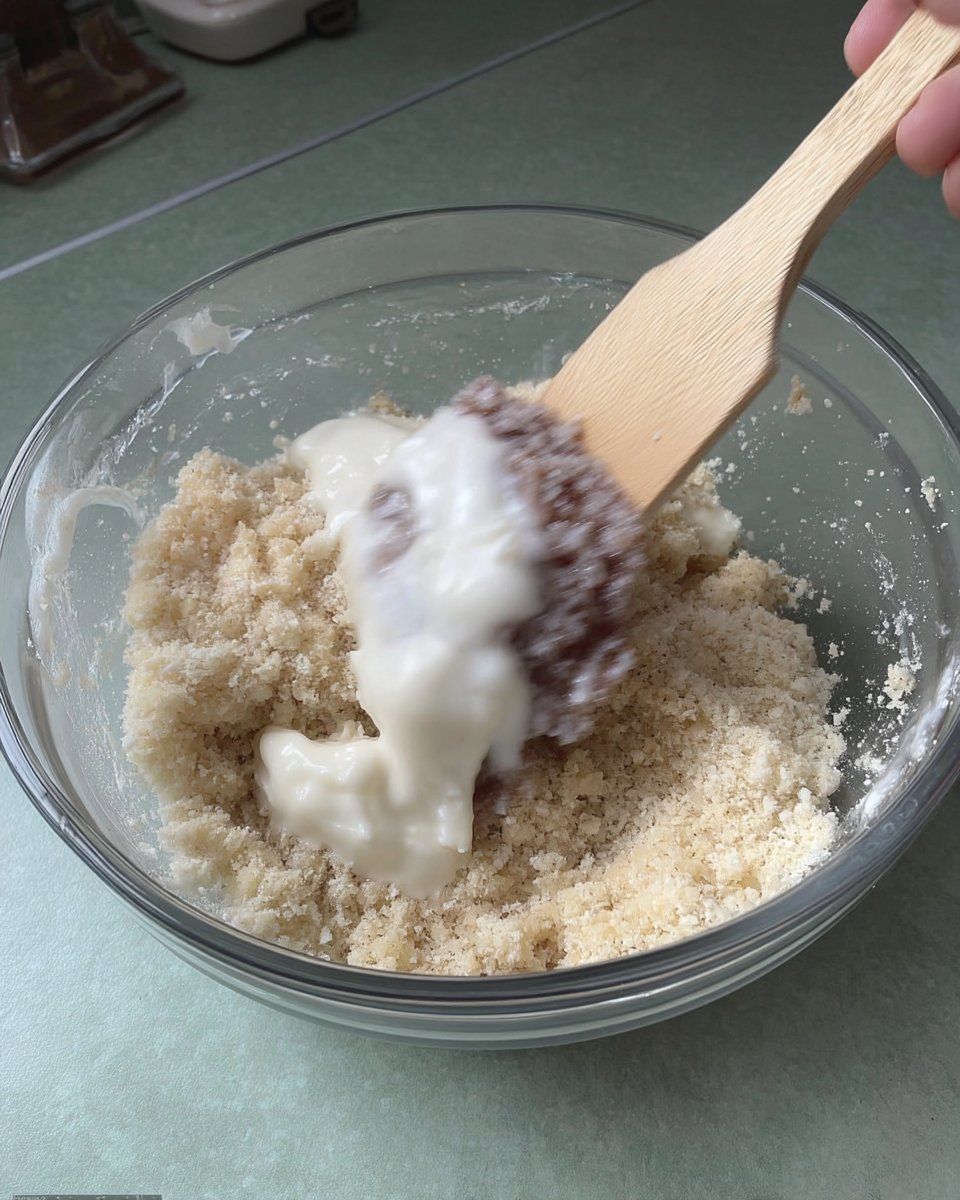
To achieve the exact texture profile of a professional Swig cookie, measurements must be precise. We recommend using a digital scale for all dry ingredients to avoid the volumetric errors common with measuring cups. The following components are essential for the chemical reactions required:
- Unsalted Butter (227g / 1 cup): Must be softened to exactly 65°F (18°C) to allow for proper aeration during the creaming stage.
- Vegetable Oil (180ml / ¾ cup): Provides the unsaturated fats that stay liquid at cold temperatures, guaranteeing a soft bite.
- Granulated Sugar (250g / 1 ¼ cups): Required for structural support and the exterior coating.
- Powdered Sugar (90g / ¾ cup): Contains cornstarch which inhibits long-strand gluten formation.
- All-Purpose Flour (688g / 5 ½ cups): We tested flours with protein content ranging from 10% to 11.5%; a standard 10.5% protein AP flour yielded the best structural stability without being tough.
- Cream of Tartar (½ teaspoon): This acidic component acts as a stabilizer for the egg proteins and prevents the sucrose from recrystallizing into large, crunchy shards.
- Baking Soda (½ teaspoon): Provides the necessary base for the leavening reaction when it meets the acidic cream of tartar.
- Sour Cream (2 tablespoons): Used in the frosting to provide a lactic acid tang that balances the high sugar concentration.
The chemistry of the frosting is just as vital as the dough. The inclusion of salt in the frosting (1 teaspoon) is not arbitrary; it serves to suppress the perception of bitterness and amplify the vanilla and butter notes, making the sweetness feel more balanced on the palate.
The Lab Process: Engineering the Perfect Edge
Step 1: Fat Emulsification and Aeration
Preheat your laboratory oven to 350°F (177°C). In a large glass basin, combine 227g softened unsalted butter, 180ml vegetable oil, 250g granulated sugar, 90g powdered sugar, and 30ml water. Use an electric mixer at medium speed for exactly three minutes. This process is not just about mixing; it is about creating a stable emulsion between the water and the various fats. Add the 2 large eggs individually, mixing for 30 seconds after each addition to integrate the lecithin from the yolks into the emulsion.
Step 2: Dry Ingredient Integration
In a separate medium bowl, whisk together the 688g all-purpose flour, ½ teaspoon baking soda, ½ teaspoon cream of tartar, and 1 teaspoon salt. Sifting is recommended to remove any clumps of leavening agents. Gradually introduce the dry mixture into the wet emulsion on the lowest speed setting. Stop the mixer the moment no streaks of dry flour remain. Over-mixing at this stage will develop excess gluten, which will result in a tough, bread-like texture instead of a tender cookie.
Step 3: Volumetric Portioning and Rolling
Divide the dough into 24 equal spheres, approximately 50g each (the size of a golf ball). Roll each sphere in the additional ½ cup of granulated sugar until fully coated. Place them on a non-stick baking sheet with at least 2 inches of clearance between each sphere. The sugar coating is essential as it creates a moisture barrier that helps produce the signature surface cracks during the next stage.
Step 4: Kinetic Displacement (The Press)
Select a flat-bottomed glass vessel with a diameter of approximately 2.5 to 3 inches. Press the glass firmly into the center of each dough ball until the dough extends past the edges of the glass, creating a rough, jagged perimeter. Do not press the center thinner than ½ inch. This mechanical displacement creates the signature “Swig edge” and ensures the center remains dense and moist while the edges get slightly more heat exposure.
Step 5: The Thermal Phase
Transfer the sheet to the center rack of the oven. Bake for 8 to 10 minutes. The objective is to reach an internal temperature of 175°F (79°C). The edges should be set, but the centers must appear slightly under-baked and matte. If the cookies begin to brown significantly, they have been over-baked and will lose their characteristic softness upon cooling. Remove from the oven and allow them to rest on the hot pan for 5 minutes to complete the carry-over cooking process.
Step 6: Acid-Base Balanced Frosting
While the bases cool to room temperature, prepare the frosting by creaming 113g (½ cup) butter with 30g (2 tablespoons) sour cream and 1 teaspoon salt. Gradually add 480g (4 cups) of powdered sugar. Introduce 3 to 4 tablespoons of milk one at a time until the viscosity is thick enough to hold a peak but soft enough to spread. Add a minimal amount of red food coloring to achieve the traditional pink hue. Apply a generous layer only to the depressed center of the cooled cookies.
Lauren’s Lab Notes: Science Secrets
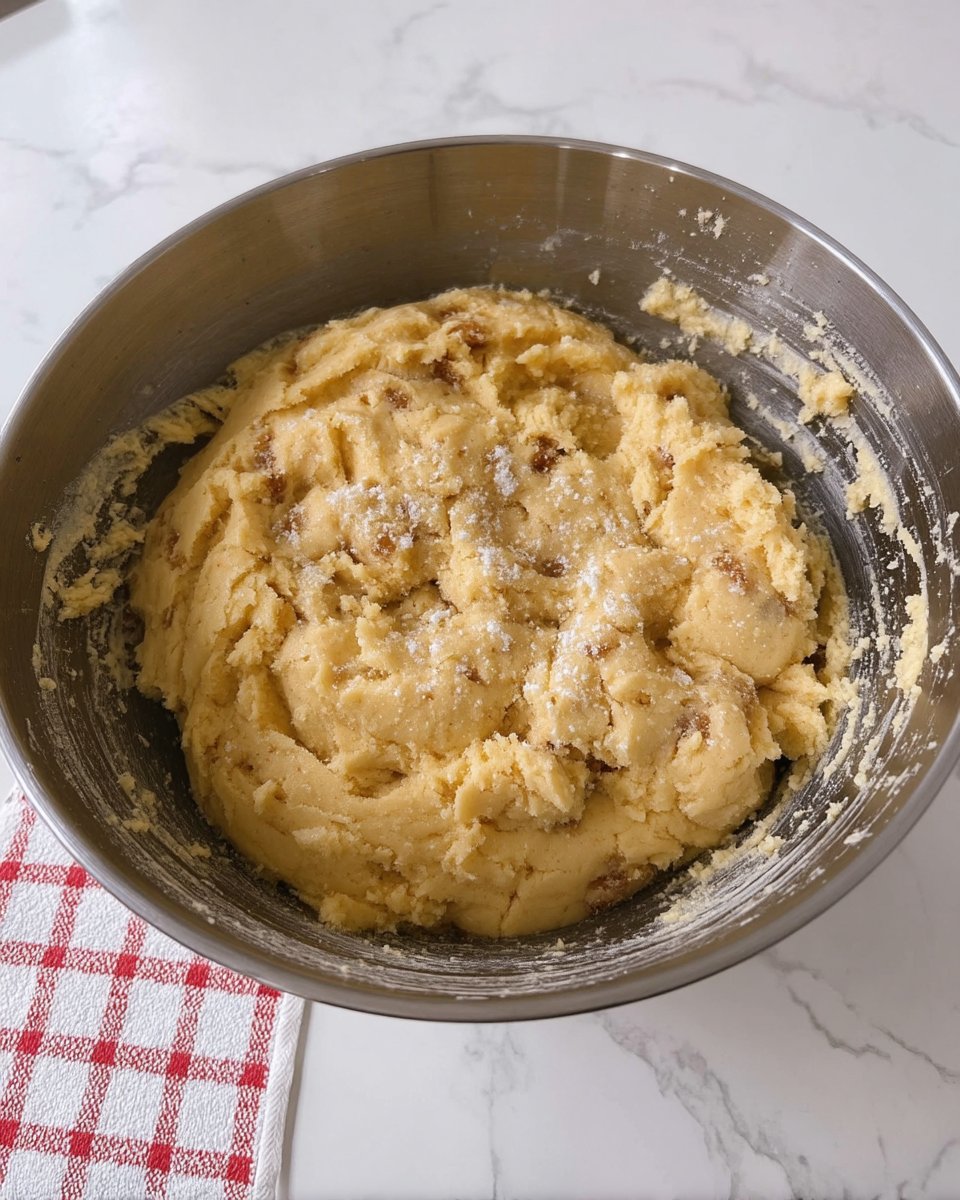
One of the most frequent failures we see in the test kitchen is the separation of the emulsion. If your butter and oil are at drastically different temperatures, the dough may appear greasy or “leak” oil during the bake. To avoid this, make sure your water and eggs are at room temperature (around 70°F or 21°C) before you begin the mixing process. This temperature alignment allows the fats to trap the water molecules effectively, resulting in a uniform crumb structure.
For those interested in the foundational principles of dough stability, I recommend reviewing our Foundation Cookie Recipes to see how various fat ratios affect the final spread of the cookie. Another critical tip is the use of a cold glass when pressing the cookies. If the glass is too warm, the dough will stick to the bottom, ruining the signature jagged edge. I keep a bowl of ice water nearby to dip the glass in, drying it thoroughly before each press to maintain a clean release and perfect texture.
Tested Modifications: Ratio Tweaks
Our lab testing showed that you can modify the flavor profile without compromising the structural integrity of the cookie. If you prefer a more complex aromatic profile, replace the water with an equal volume of clear almond extract or high-quality vanilla bean paste. For those who want a sharper contrast to the sweet frosting, increasing the salt in the dough to 1.5 teaspoons provides a sophisticated savory-sweet balance that is common in artisanal bakes.
You can also experiment with the protein content of your flour. Substituting 100g of the all-purpose flour with bread flour will result in a significantly chewier cookie with more “tooth.” To understand more about how flour protein affects your bakes, check out our guide on Holiday Cookie Science. We also tested a version using coconut oil instead of vegetable oil; while it provided a pleasant flavor, the cookies became much harder when chilled due to the higher saturated fat content of coconut oil.
Optimal Enjoyment: Texture Science

To experience the intended texture of this recipe, the cookies must be chilled for at least two hours before serving. This resting period allows the fats to firm up and the moisture from the frosting to slightly migrate into the top layer of the cookie, creating a unified bite. We recommend storing them in an airtight container with parchment paper between layers to prevent the frosting from compressing.
For those interested in the aesthetic aspects of presentation, our techniques for Precision Cookie Decorating explain how to achieve the perfect swirl on your frosting without overworking the butter. If you are serving these at an outdoor event, keep the container in a cooler with ice packs; if the frosting exceeds 75°F (24°C), the sour cream emulsion may begin to weep, affecting both the appearance and the flavor balance.
The Scientific Truth: Precision Baking
Achieving the perfect Swig Sugar Cookies 2 result is a matter of respecting the chemistry of the ingredients. By following these precise measurements and temperature requirements, you can produce a cookie that rivals any professional bakery. We have spent countless hours in the lab verifying these ratios so that your home kitchen can yield professional-grade results every time. If you want to see how this recipe compares to other trending bakes, examine our Viral Cookie Analysis for a deep dive into internet-famous formulas. You can also see the recipe critic’s take for more context on this popular style. Don’t forget to share your results and tag us in your baking photos!
Find us on social media: