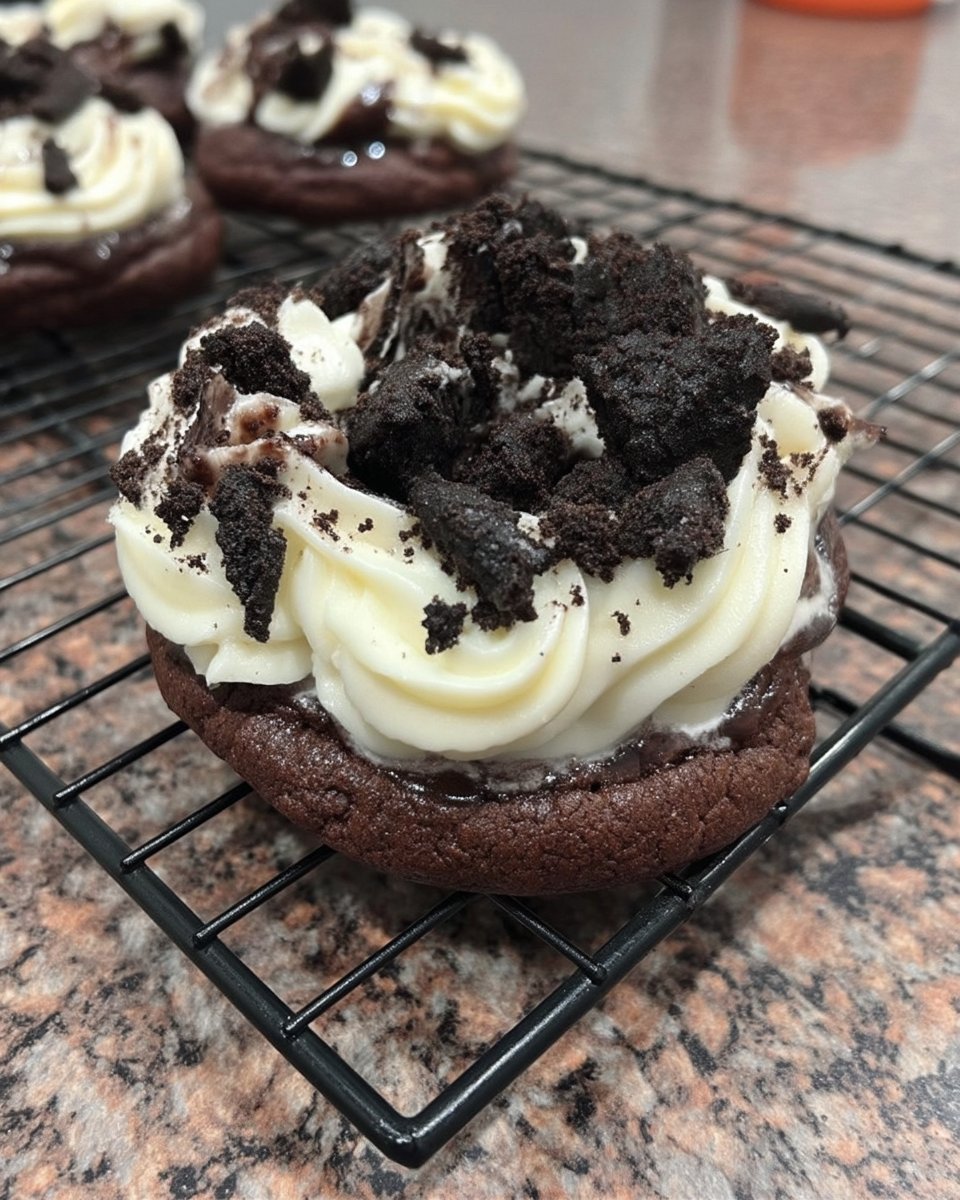
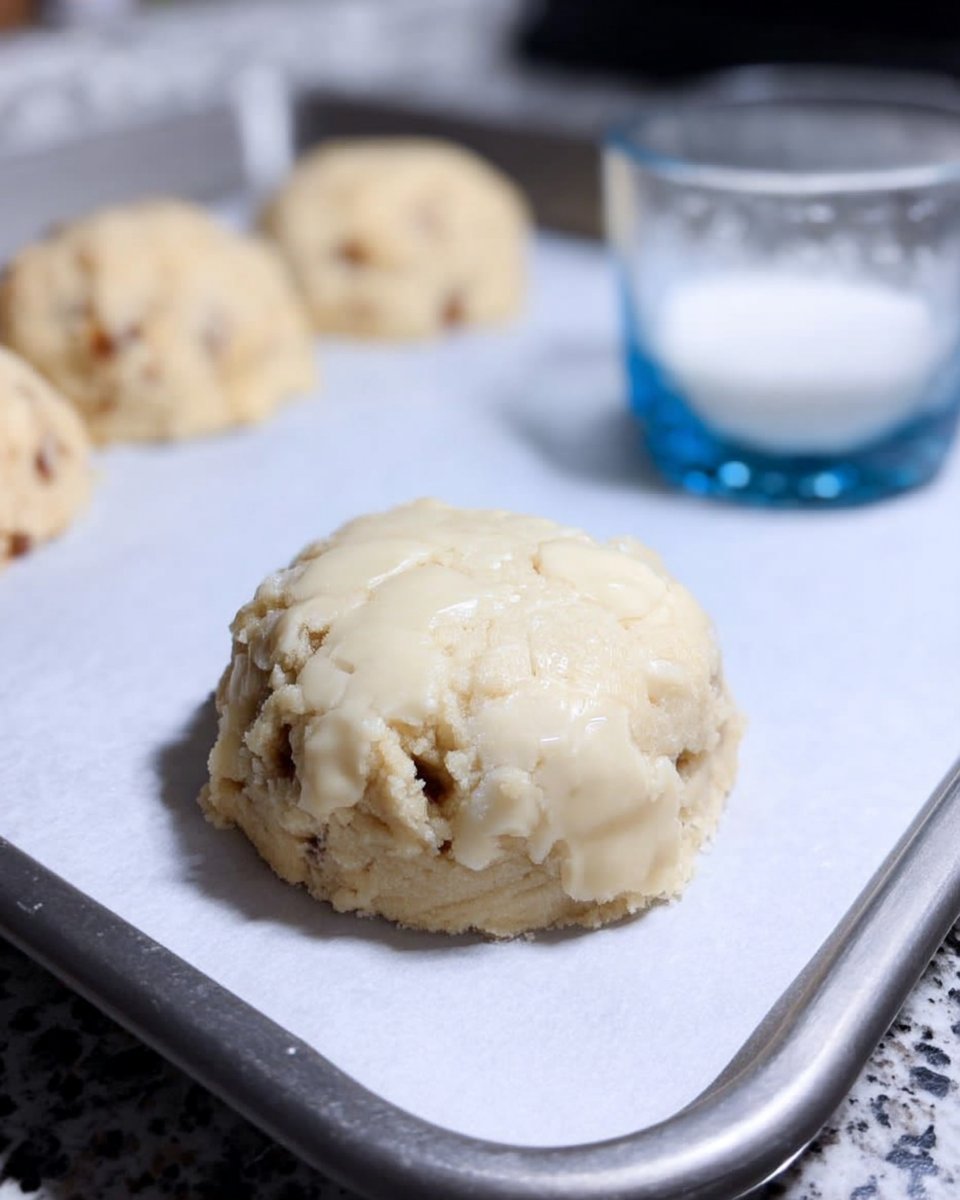
The specific combination of lipids in these Swig Sugar Cookies creates a textural anomaly: a dense, soft crumb with a distinctively rough edge. By hybridizing saturated fats from butter with unsaturated fats from oil, we achieve a cookie that stays tender longer than pure butter counterparts. This recipe explores the chemistry behind that famous soft bite.

This protocol yields approximately 30 cookies with a total active and passive time of about 1 hour and 12 minutes. The result is a scientifically balanced sugar cookie topped with a signature pink sour cream frosting.
The Science of Lipid Hybridization
We use a dual-fat system here for a specific reason. Butter provides the distinct dairy flavor profile and structural integrity, while neutral oil interferes with gluten development more effectively at room temperature, keeping the crumb soft. The iconic rough edge isn’t just aesthetic; it increases the surface area for the sugar coating, maximizing the textural contrast between the granular crust and the soft interior.
Print
Swig Sugar Cookies
- Total Time: 1 hour 12 mins
- Yield: 30 cookies
- Diet: Vegetarian
Description
These iconic sugar cookies utilize a unique dual-fat system of butter and oil to create a dense, soft crumb with a signature rough edge. Finished with a tangy pink sour cream frosting, they offer a scientifically balanced texture that stays tender for days.
Ingredients
- Salted butter, softened
- Neutral oil (canola, vegetable, or grapeseed)
- Granulated sugar
- Powdered sugar
- Baking soda
- Cream of tartar
- Salt
- Sour cream
- Eggs
- Vanilla extract
- All-purpose flour
- Heavy cream (for frosting)
Instructions
- Preheat oven to 350°F (175°C) and line baking sheets with parchment paper.
- In a stand mixer, combine softened butter, oil, granulated sugar, powdered sugar, baking soda, cream of tartar, and salt; mix for 1–2 minutes until creamy.
- Add the sour cream, eggs, and vanilla extract, mixing for another 1–2 minutes until the emulsion is stable and smooth.
- Gradually add the flour, mixing only until no dry streaks remain to avoid developing excessive gluten.
- Scoop dough into 3-tablespoon portions (using a #20 scoop), roll into balls, and place on the prepared sheets.
- Spray the bottom of a flat glass with cooking spray, dip it in granulated sugar, and press each dough ball to a thickness of 1/4 to 1/2 inch to create rough edges.
- Bake for 7–9 minutes until edges are set, noting that centers may look slightly under-baked.
- Cool on the pan for several minutes before transferring to a rack; once completely cool, top with a frosting made of beaten butter, sour cream, vanilla, powdered sugar, and a splash of cream.
Notes
For the most authentic experience, serve these cookies chilled; the cold temperature creates a delightful snap in the frosting that contrasts beautifully with the soft base. Always weigh your flour if possible to prevent the cookies from becoming dry or crumbly.
- Prep Time: 1 hour
- Cook Time: 12 mins
- Category: Dessert
- Method: Baking
- Cuisine: American
Chemical Components and Roles
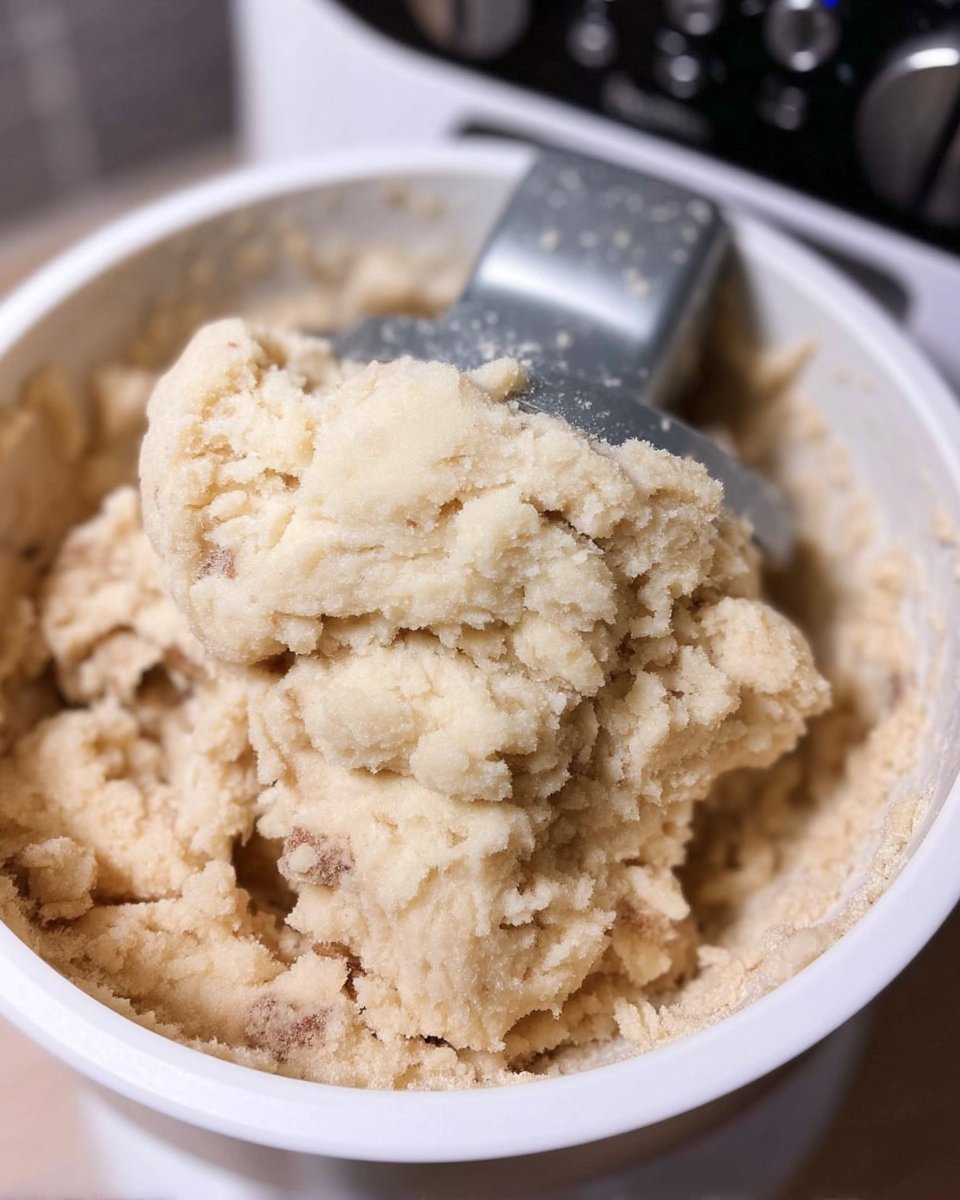
Precision in ingredient selection is critical for this emulsion-based dough.
- Salted Butter: We rely on the sodium content here to balance the high sugar volume. The solids in butter also contribute to the Maillard reaction.
- Neutral Oil: Use canola, vegetable, or grapeseed. This liquid fat remains fluid at room temperature, preventing the cookie from drying out.
- Powdered Sugar: Included in the dough for its cornstarch content, which mitigates protein toughness and yields a melt-in-your-mouth sensation.
- Sour Cream: Provides acidity (pH reduction) to activate the baking soda and tenderizes the gluten network in both the dough and frosting.
- Cream of Tartar: Potassium bitartrate adds a slight tang and stabilizes the rise by reacting with the baking soda.
- All-Purpose Flour: Provides the protein structure. Weighing this is crucial to avoid a dry puck.
The Emulsification Protocol
Step 1: Create the Lipid-Sugar Matrix
Preheat your oven to 350°F (175°C). In a stand mixer, combine the softened butter, oil, granulated sugar, and powdered sugar. Add the baking soda, cream of tartar, and salt. Mix for 1–2 minutes until the mixture is creamy. This stage is vital for aerating the fats, though the oil will make it heavier than a pure butter creaming process.
Step 2: Incorporate Liquid Reagents
Add the sour cream, eggs, and vanilla extract. Mix for another 1–2 minutes until the emulsion is stable and smooth. Scrape down the sides of the bowl to confirm all ingredients are integrated.
Step 3: Dry Ingredient Integration
Add the flour gradually. Mix only until no dry streaks remain. Over-mixing at this stage will develop excessive gluten strands, resulting in a tough cookie rather than a tender one.
Step 4: Mechanical Shaping
Scoop the dough into 3-tablespoon portions (using a #20 scoop) and roll into balls. Place them on parchment-lined sheets. Place granulated sugar in a shallow dish. Spray the bottom of a flat glass with cooking spray, dip it in sugar, and press each dough ball to a thickness of 1/4 to 1/2 inch. The sugar acts as a release agent and creates that signature rough edge.
Step 5: Thermal Processing
Bake for 7–9 minutes. The edges should be set, but the centers may look slightly under-baked. This is intentional; carryover cooking will finish the center without drying it out. Cool on the pan for a few minutes before transferring to a rack.
Step 6: Frosting Application
Beat the butter, sour cream, and vanilla for the frosting until smooth. Gradually add powdered sugar and a splash of cream until you reach a spreadable consistency. Apply to cooled cookies.
Sensory Optimization
To prevent the flour from hydrating too quickly and creating a gummy texture, keep your ingredients cool until mixing. If you want to speed up your workflow during the panning stage, apply our efficient cookie methods to the pressing technique. Additionally, adding the salt at the creaming stage ensures it dissolves evenly throughout the fat matrix for consistent flavor perception.
Chemical Substitutions
You can swap the vanilla for almond extract for a completely different aromatic profile involving benzaldehyde compounds. For seasonal adjustments, apply principles from our holiday cookie science to tint the frosting naturally using freeze-dried fruit powders instead of food coloring, which adds a tart dimension to cut the sweetness.
Thermal Serving Considerations

These cookies are unique because they are often best served chilled. The cold temperature firms up the butter in the frosting, creating a “snap” that contrasts with the soft base. They sit well alongside other foundation cookie recipes on a dessert table, as their texture is distinct from standard drop cookies.
Final Data Analysis
The Swig Sugar Cookies represent a perfect balance of fat chemistry and mechanical shaping. The rough edges and smooth frosting provide a sensory experience that is difficult to replicate with butter alone. For more study on popular trends, check our viral cookie analysis. This recipe is an adaptation inspired by the work at Mel’s Kitchen Cafe, proving that home science yields delicious results.
Connect with our lab results on Pinterest, Facebook, Instagram, and X.