In our latest test kitchen series, we investigated the structural differences between a crisp shortbread and the iconic soft-walled Newton cookie. Our data indicates that the key lies in the specific protein-to-fat ratio of the dough, combined with the osmotic pressure exerted by the fruit filling during the resting period. We found that the moisture migration from the jam into the crust is what creates that signature tender, cake-like bite.

This recipe for Strawberry Newtons replaces the traditional fig paste with a concentrated strawberry reduction, utilizing cornstarch as a secondary thickening agent. We tested multiple batches to guarantee that the dough remains pliable enough for rolling while possessing the tensile strength to hold the moist fruit interior. This results in a balanced treat that marries the brightness of fresh fruit with a scientifically sound cookie base.
The Science of Texture Control
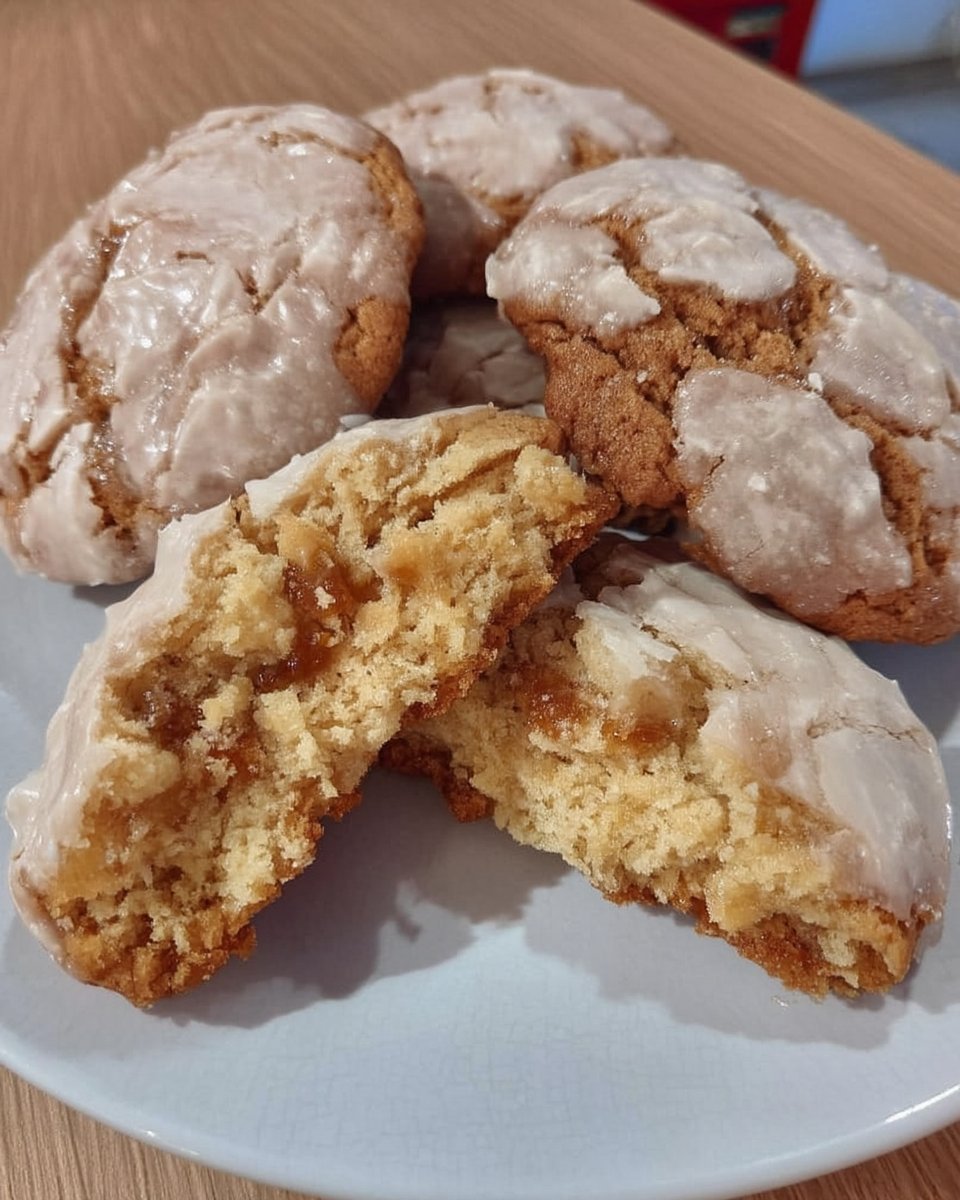
One of the most fascinating aspects of these Strawberry Newtons is the moisture equilibrium. In the test kitchen, we observed that fresh strawberries, which are approximately 91% water, require significant reduction to prevent the dough from becoming waterlogged. By cooking the berries down with sugar and cornstarch, we create a high-viscosity jam that acts as a humectant. This means it actively pulls moisture from the air and distributes it into the surrounding dough after baking, turning a firm crust into a soft, pillowy envelope.
We also chose an egg-white-only formula for the dough. While whole eggs provide richness, the sulfur compounds and fats in yolks can sometimes lead to a crumbly texture. Using 60g of egg whites (from two large eggs) provides the albumin necessary for a strong protein web. This web stretches during the rolling process, allowing you to create thin, 12×4-inch strips without the dough tearing. It is a triumph of structural engineering that you can taste in every bite.
Furthermore, the inclusion of citrus zest serves a chemical purpose beyond flavor. The citric acid helps to brighten the fruit notes while the essential oils in the zest interfere slightly with gluten development. This ensures that while the cookie is strong enough to hold its shape, it remains tender on the palate. If you appreciate the mechanics of a perfect bake, this recipe offers a masterclass in balancing hydration and structure.
Print
Strawberry Newtons
- Total Time: 3 hours 10 mins
- Yield: 40 cookies
- Diet: Vegetarian
Description
These homemade Strawberry Newtons feature a soft, cake-like crust filled with a concentrated, sweet strawberry reduction. This scientifically-balanced recipe ensures a perfect moisture equilibrium for a tender bite that surpasses commercial versions.
Ingredients
- 226g Unsalted Butter, softened
- 200g Granulated Sugar
- 1 tsp Orange or Lemon Zest
- 60g Egg Whites (approx. 2 large)
- 5ml Vanilla Extract
- 375g All-Purpose Flour
- 900g Fresh Strawberries, hulled and halved
- 75g Filling Sugar
- 8g Cornstarch
- 15–30ml Lemon or Orange Juice
Instructions
- In a stand mixer, cream the softened butter, sugar, and citrus zest on medium speed for 2-3 minutes until pale and fluffy.
- Add the egg whites and vanilla extract, beating until fully incorporated into the butter mixture.
- Reduce speed to low and gradually add the flour, mixing only until the dough just comes together into a cohesive mass.
- Wrap the dough tightly in plastic and refrigerate for at least 2 hours or overnight to hydrate the flour.
- Combine strawberries, filling sugar, juice, and cornstarch in a saucepan; mash the fruit and simmer for about 35 minutes until reduced and thickened to 220°F (104°C).
- Preheat oven to 350°F (177°C) and roll the chilled dough into a 12×16 inch rectangle on a lightly floured surface.
- Cut the dough into four 12×4 inch strips, spoon the cooled strawberry jam down the centers, and fold the dough over to seal.
- Slice the logs into individual cookies and bake for 12-15 minutes until edges are golden and the internal temperature reaches 195°F (90°C).
Notes
For the most accurate results, use a kitchen scale to measure the ingredients by weight. To prevent the dough from melting during assembly, ensure the strawberry reduction is completely cooled to room temperature before spreading it onto the crust strips.
- Prep Time: 2 hours 20 mins
- Cook Time: 50 mins
- Category: Snack
- Method: Baking
- Cuisine: American
Precision Ingredients and Ratios
To achieve consistent results in your home lab, we recommend using a digital scale for all measurements. Our testing showed that even a 10-gram variance in flour can significantly alter the dough’s elasticity.
- Unsalted Butter (226g / 2 sticks): We use butter at 65°F (18°C) to ensure it creams effectively with the sugar. Butter provides the fat needed to coat the flour proteins, preventing excessive gluten formation.
- Granulated Sugar (200g / 1 cup): Sugar is not just a sweetener; it is a liquefier and a tenderizer. It interferes with the coagulation of egg proteins, resulting in a softer crumb.
- Orange or Lemon Zest (1 tsp): These provide volatile aromatic compounds that enhance the strawberry profile.
- Egg Whites (approx. 60g / 2 large): The primary binding agent. The proteins in the whites set during baking to provide the ‘walls’ of the Newton.
- Vanilla Extract (5ml / 1 tsp): Adds aromatic depth.
- All-Purpose Flour (375g / 3 cups): We selected a flour with a protein content between 10-11.5% to balance strength and tenderness.
- Fresh Strawies (900g / 2 lbs): The source of our filling. Strawberries provide natural pectin, though we supplement this for stability.
- Filling Sugar (75g / 6 Tbsp): This aids in the reduction process and helps reach the correct gel point.
- Cornstarch (8g / 1 Tbsp): A vital thickening agent that catches any remaining free water in the fruit mixture.
- Lemon or Orange Juice (approx. 15-30ml): The acidity is necessary to help the pectin set properly.
The Lab Process
Step 1: Aeration and Emulsification
Begin by placing 226g of softened butter, 200g of sugar, and the citrus zest in the bowl of a stand mixer. Using the paddle attachment, cream the mixture on medium speed for 2-3 minutes. You are looking for a pale, fluffy texture, which indicates that you have successfully incorporated air cells into the fat. These air cells will expand in the heat of the oven, providing the necessary lift. Scrape down the sides to ensure a homogenous mixture.
Step 2: Building the Protein Web
Add the two egg whites and 5ml of vanilla extract to the creamed butter. Beat until fully incorporated. The egg whites provide water for hydration and proteins for structure. It is normal for the mixture to look slightly broken at this stage, but the addition of flour will fix the emulsion. Scrape the bowl again to guarantee no pockets of unmixed fat remain.
Step 3: Integrating the Solids
Turn the mixer to low speed and gradually add the 375g of all-purpose flour. Mix only until the dough just comes together into a cohesive mass. Over-mixing at this stage will lead to excessive gluten development, resulting in a tough, rubbery cookie rather than a tender one. The dough should feel soft and slightly tacky, similar to the consistency of modeling clay.
Step 4: Thermodynamic Stabilization
Wrap the dough tightly in plastic wrap and refrigerate for at least 2 hours, though overnight is preferable for flavor development. Chilling allows the flour to fully hydrate and the fats to re-solidify. This makes the dough much easier to handle during the rolling phase. Before using, let it sit at room temperature for 10 minutes to reach a workable temperature of approximately 55°F (13°C).
Step 5: The Strawberry Reduction
Hull and halve 900g of strawberries. Combine them in a medium saucepan with 75g of sugar, the citrus juice, and 1 tablespoon of cornstarch. Use a masher to break down the fruit, increasing the surface area for evaporation. Cook over medium-high heat until bubbling, then reduce to a simmer. Stir occasionally for 35 minutes until the volume has decreased by one-third and the mixture reaches 220°F (104°C). This temperature ensures the pectin and cornstarch have reached their maximum thickening potential.
Step 6: Final Assembly and Thermal Processing
Preheat your oven to 350°F (177°C). Roll the chilled dough on a lightly floured surface into a 12×16 inch rectangle. Divide this into four 12×4 inch strips. Pipe or spoon a line of cooled strawberry jam down the center of each. Fold the dough over, pinching the seams to create a long log. Slice diagonally into 10 cookies per log using a serrated knife to prevent crushing the dough. Bake for 12-15 minutes until the edges are golden and the internal temperature of the dough reaches 195°F (90°C).
Science Secrets from the Test Kitchen
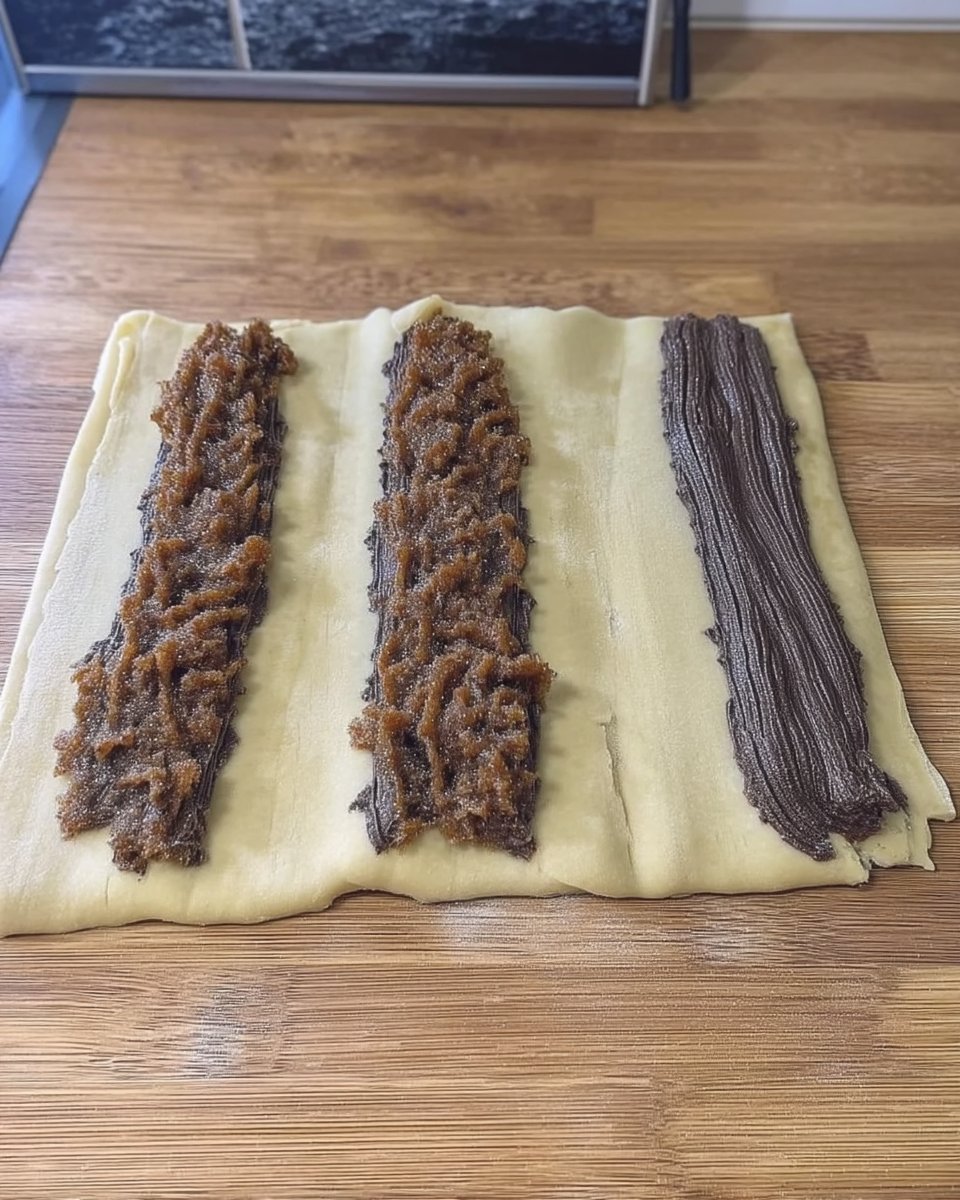
One of the most common failures in this recipe is a runny filling. If your strawberries are particularly juicy, the 35-minute simmer might not be enough. We recommend testing the jam thickness by placing a small spoonful on a chilled plate; if it holds its shape without weeping water, it is ready. If you find your dough is sticking during the rolling process, you can roll it between two sheets of parchment paper to maintain a consistent thickness without adding excess flour, which would skew our carefully tested ratios. For more on streamlining your workflow, check out our guide on Efficient Cookie Methods.
Temperature control is also vital for the filling. Never place hot filling onto cold dough. The thermal energy will melt the butter in the dough immediately, destroying the lamination and leading to a greasy, flat cookie. Always wait until the strawberry mixture has cooled to at least 70°F (21°C) before assembly. This patience guarantees the structural integrity of the final product.
Scientific Ratio Tweaks
You can modify the flavor profile by experimenting with different citrus acids. Replacing the orange juice with lime juice increases the acidity, which can result in a firmer pectin set but a sharper flavor. We have also tested this recipe using a 50/50 blend of strawberries and raspberries. Since raspberries have more seeds, you may wish to strain the filling to maintain the smooth texture typical of a Newton. If you are interested in how different seasonal ingredients react to heat, our research on Holiday Cookie Science provides further data.
Another modification involves the flour. For a heartier, more rustic texture, you can replace 50g of the all-purpose flour with whole wheat pastry flour. This increase in fiber and bran will absorb more moisture, so we suggest increasing the citrus juice by 5ml to compensate for the higher hydration needs. For a visual comparison of these fruit-based bakes, you might also find this Strawberry Fig Newton study helpful for understanding different filling densities.
Optimal Enjoyment and Texture Science
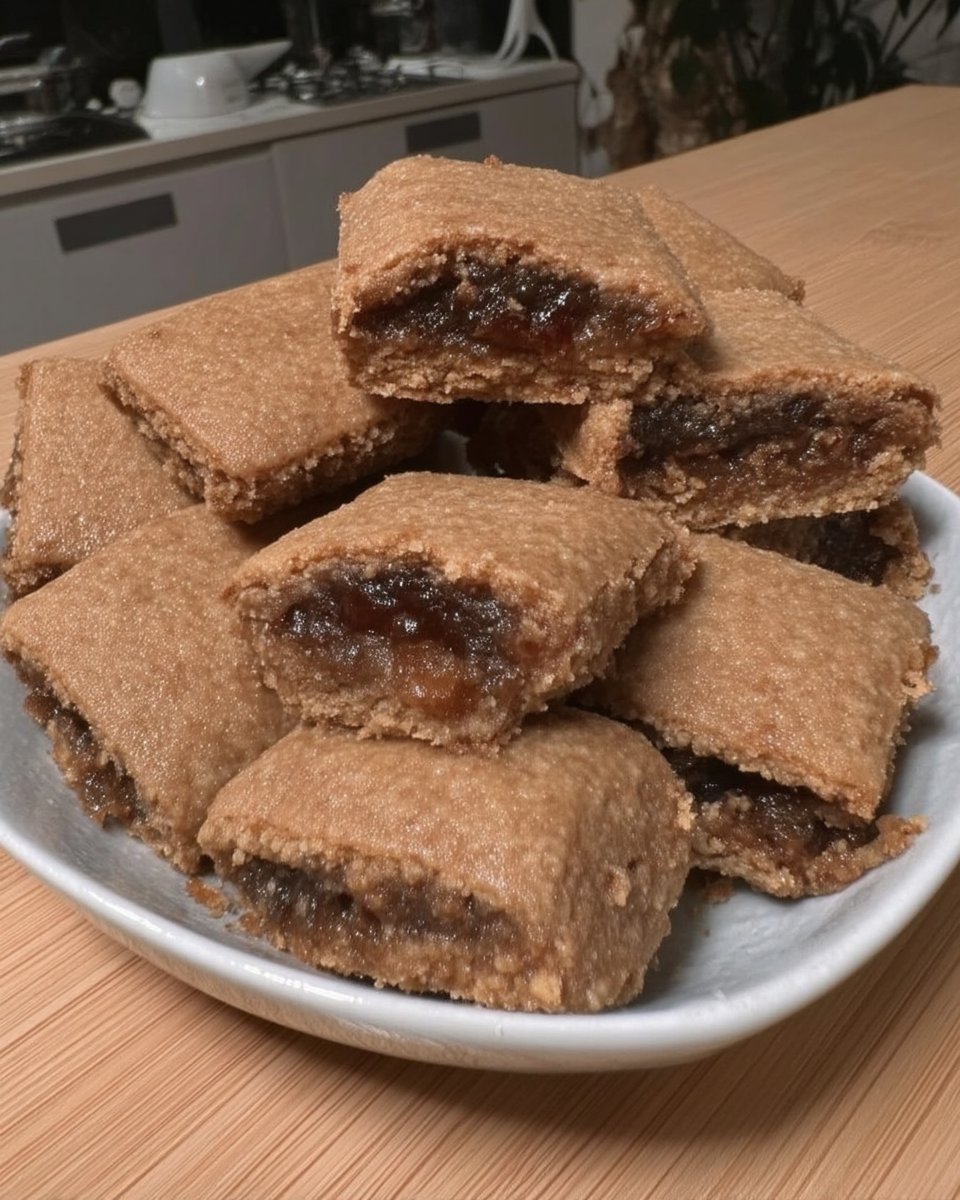
For the best sensory experience, do not eat these cookies immediately after they come out of the oven. The moisture levels need time to stabilize. We found that the texture is at its peak approximately 12 to 24 hours after baking. During this window, the moisture from the strawberry filling has migrated into the dough, creating that perfect soft bite. If you are looking for tips on how to present these for a gathering, our notes on Precision Cookie Decorating offer several aesthetic strategies.
If you prefer a warm cookie, we recommend a brief 10-second pulse in the microwave. This slightly softens the pectin in the jam and mimics the ‘just-baked’ feel without drying out the crust. To maintain the scientific integrity of the crust, store them in an airtight container at room temperature. Refrigeration can cause the starch molecules to undergo retrogradation faster, leading to a stale texture.
The Scientific Truth of the Newton
Mastering the Strawberry Newton is a rewarding journey into the mechanics of moisture and protein. By controlling the reduction of the fruit and the hydration of the flour, you can recreate a classic treat with much higher quality than a commercial alternative. We hope this exploration of baking chemistry gives you the confidence to continue experimenting in your own kitchen lab. For more foundational techniques, see our Foundation Cookie Recipes. If you found this study helpful, please share your results with us on Instagram, Facebook, or Pinterest. Keep testing and keep baking with precision.